The Ultimate Guide to the Best Fitness Trackers: Transform Your Health Journey with Smart Wearable Technology
Table of Contents
- Introduction: The Fitness Tracking Revolution
- 1. Understanding Fitness Trackers and Their Technology
- 2. Essential Features Every Fitness Tracker Should Have
- 3. Best Fitness Trackers for Different Budgets
- 4. Top Fitness Trackers for Specific Activities
- 5. Advanced Health Monitoring Capabilities
- 6. Battery Life and Charging Solutions
- 7. Design, Comfort, and Customization
- 8. Accuracy and Reliability Testing
- 9. Smartphone Integration and App Ecosystems
- 10. Choosing the Perfect Fitness Tracker for Your Goals
- Conclusion: Your Path to a Healthier Life
- Frequently Asked Questions
Introduction: The Fitness Tracking Revolution
Your journey to better health, improved fitness, and optimal wellness begins with a single step—but how do you measure that step? How do you know if you’re truly progressing toward your goals, burning enough calories, getting quality sleep, or pushing yourself hard enough during workouts? The answer lies on your wrist, in the form of sophisticated yet surprisingly affordable technology that has revolutionized how millions of people approach health and fitness.
Fitness trackers have evolved from simple pedometers counting steps into comprehensive health monitoring systems that track everything from heart rate variability and blood oxygen levels to sleep stages and stress indicators. These remarkable devices have become essential companions for anyone serious about improving their health, losing weight, training for athletic events, or simply maintaining an active lifestyle. The global fitness tracker market now exceeds $36 billion annually and continues growing explosively as technology improves, prices decline, and awareness of health monitoring benefits spreads worldwide.
What makes fitness trackers so transformative? The answer lies in their ability to provide continuous, objective feedback about your body’s performance and health status. Unlike sporadic gym visits or occasional weigh-ins, fitness trackers monitor you 24/7, collecting thousands of data points daily and revealing patterns invisible to casual observation. You discover that you’re not sleeping as well as you thought, that certain activities burn far fewer calories than expected, that your resting heart rate has decreased as fitness improves, or that stress levels spike during specific situations. This awareness creates powerful motivation for positive change while providing concrete metrics measuring progress toward goals.
While the following demo highlights some of the fitness trackers for 2026, the real performance secrets and personal health data strategies lie in the exclusive details at the bottom of this article - insights you may not have discovered yet: :
The psychology of fitness tracking taps into fundamental human motivations. We respond to quantifiable goals—10,000 steps daily feels more achievable than vague intentions to “be more active.” We find satisfaction in watching metrics improve over weeks and months—resting heart rate declining, active minutes increasing, sleep quality improving. We appreciate accountability—that tracker on your wrist silently reminds you when you’ve been sedentary too long or haven’t hit daily movement targets. And many people find genuine enjoyment in the gamification aspects—earning achievement badges, competing with friends, maintaining activity streaks, and celebrating personal records.
But the fitness tracker marketplace has become bewilderingly complex. Dozens of manufacturers offer hundreds of models spanning enormous price ranges from $25 budget basics to $1,000+ premium smartwatches with fitness features. Features vary wildly—some devices focus exclusively on activity tracking while others incorporate comprehensive health monitoring, smartphone notifications, music storage, contactless payments, and voice assistants. Battery life ranges from 18 hours requiring daily charging to two weeks or more between charges. Accuracy varies significantly between models and metrics. And compatibility with different smartphone ecosystems, third-party apps, and fitness equipment creates additional considerations.
This comprehensive guide cuts through the confusion, providing everything you need to understand fitness tracker technology and choose the perfect device for your specific needs, goals, and budget. We’ll explore how fitness trackers actually work—the sensors and algorithms translating physical activity into meaningful data; essential features distinguishing basic trackers from advanced health monitors; the best fitness trackers across different price points from budget-friendly options to premium flagship devices; specialized trackers optimized for specific activities like running, swimming, cycling, or strength training; advanced health monitoring capabilities including ECG, blood oxygen monitoring, and stress tracking; battery life considerations and charging solutions; design factors affecting comfort and wearability; accuracy testing revealing which devices provide reliable data; smartphone integration and app ecosystem considerations; and systematic approaches to choosing fitness trackers matching your unique requirements.
Each section provides detailed analysis backed by extensive research, real-world testing, and user experiences from thousands of fitness tracker owners. We emphasize practical utility over theoretical specifications—it doesn’t matter how impressive a tracker’s feature list appears if it’s uncomfortable to wear, provides inaccurate data, requires constant charging, or has a frustrating app interface. We identify which features genuinely enhance your fitness journey versus marketing gimmicks adding cost without proportional value.
The goal isn’t pushing you toward the most expensive devices or convincing you that fitness trackers are essential for everyone. Rather, we’re providing comprehensive information enabling informed decisions about whether fitness tracking suits your lifestyle, which features matter most for your specific goals, and which devices deliver the best value at different price points. For some people, a $30 basic tracker provides everything needed. Others benefit from $200-400 mid-range devices balancing features and affordability. And certain users—serious athletes, health monitoring enthusiasts, or those wanting all-in-one wrist computers—find premium $500+ devices worthwhile despite substantial costs.
Fitness tracking represents more than just counting steps or monitoring heart rates—it’s about empowerment through information, motivation through measurable progress, and transformation through sustained behavior change. The right fitness tracker becomes a personal coach providing constant encouragement, an accountability partner ensuring you follow through on commitments, a health monitor alerting you to potential issues before they become serious, and a celebration companion acknowledging every achievement along your journey toward better health.
The statistics supporting fitness tracker effectiveness are compelling. Studies show that fitness tracker users average 1,800 more steps daily than non-users—roughly equivalent to an additional mile of walking. Weight loss programs incorporating fitness tracking show 50% higher success rates than those without. Sleep quality improves measurably when people become aware of their sleep patterns through tracking. And early detection of irregular heart rhythms through continuous monitoring has literally saved lives by identifying serious conditions requiring medical attention.
But effectiveness requires more than just purchasing a device—it demands consistent use, honest engagement with the data, and willingness to adjust behaviors based on insights gained. The most sophisticated fitness tracker in the world provides zero value if it sits in a drawer unused or if you ignore the feedback it provides. This guide helps you not only select appropriate devices but also understand how to integrate them into daily routines, interpret the data they generate, and leverage that information for meaningful health improvements.
We’ll also address common misconceptions and realistic expectations. Fitness trackers aren’t magic—they won’t make you fit without effort, they can’t compensate for poor nutrition, and they sometimes provide imperfect data requiring interpretation rather than blind acceptance. Understanding these limitations prevents disappointment while enabling you to maximize genuine benefits these remarkable devices offer.
The technology continues advancing rapidly. Each generation brings improved sensors, longer battery life, more sophisticated algorithms, enhanced health monitoring, better integration with health systems and medical providers, and often lower prices making quality tracking accessible to more people. Staying informed about these advances helps you make purchasing decisions aligned with both current needs and future technological trajectories.
Whether you’re a complete beginner taking first steps toward active living, a recreational exerciser wanting to optimize workouts, a competitive athlete seeking performance insights, someone managing chronic health conditions through lifestyle modifications, or a technology enthusiast appreciating the intersection of wearables and health, the right fitness tracker can genuinely enhance your journey. Let’s explore this fascinating landscape together, discovering which devices and features align with your unique situation while avoiding expensive mistakes and unrealistic expectations.
Your transformation begins now—not when you achieve perfect fitness or reach ideal weight, but when you make the decision to measure, monitor, and improve. The fitness tracker on your wrist becomes a constant companion on this journey, celebrating successes, encouraging persistence through challenges, and providing the concrete data transforming vague intentions into measurable achievements. Let’s find the perfect device to support your health and fitness goals, starting with understanding how these remarkable technologies actually work.
1. Understanding Fitness Trackers and Their Technology
Before evaluating specific models and features, understanding the underlying technology powering fitness trackers helps you appreciate what these devices can and cannot do, setting realistic expectations while recognizing genuine capabilities.
The Core Sensors: How Fitness Trackers Collect Data
Modern fitness trackers incorporate multiple sensors working together to monitor various aspects of your activity and health. Understanding these sensors reveals how devices translate physical movements and physiological signals into meaningful data.
Accelerometers detect motion and orientation by measuring acceleration forces. As explained by EBSCO’s engineering overview, MEMS technology enables multi-directional motion sensing in modern wearables.—forward/backward, side-to-side, up/down—enabling trackers to distinguish between different activities. Walking creates characteristic acceleration patterns different from running, cycling, or swimming. By analyzing these patterns through sophisticated algorithms, trackers identify activity types, count steps, estimate distance traveled, and calculate calorie expenditure. Three-axis accelerometers used in most fitness trackers measure movement across all three spatial dimensions, providing comprehensive motion sensing.
The accelerometer’s importance cannot be overstated—it’s the fundamental sensor enabling activity tracking. However, accelerometer data requires interpretation through algorithms, and accuracy depends heavily on algorithm quality, proper device positioning, and activity type. Accelerometers excel at tracking rhythmic activities like walking or running but struggle with activities lacking regular patterns like yoga, weightlifting, or certain sports.
Optical heart rate sensors use photoplethysmography (PPG) technology measuring heart rate through your wrist. These sensors shine green LED lights into your skin, measuring the amount of light reflected back. Blood absorbs more green light than surrounding tissue, so blood volume changes with each heartbeat create measurable variations in reflected light. By detecting these variations, sensors calculate heart rate continuously throughout the day and during exercise.
Heart rate monitoring revolutionized fitness tracking by providing insights far beyond simple step counts. Heart rate data enables more accurate calorie expenditure calculations, exercise intensity monitoring, recovery tracking, and various health assessments including resting heart rate trends and heart rate variability. However, optical heart rate accuracy varies based on skin tone, tattoos, fit tightness, ambient light, movement, and individual physiology. Wrist-based optical sensors are generally less accurate than chest strap heart rate monitors, particularly during high-intensity interval training or activities with significant arm movement.
GPS receivers enable precise location tracking, distance measurement, pace calculation, and route mapping for outdoor activities. GPS (Global Positioning System) works by receiving signals from multiple satellites orbiting Earth, triangulating your precise position based on signal timing from at least four satellites. Modern fitness trackers often incorporate multi-GNSS capabilities, accessing not just GPS but also GLONASS (Russian), Galileo (European), and BeiDou (Chinese) satellite systems, improving accuracy and signal acquisition speed.
Built-in GPS dramatically enhances tracking for runners, cyclists, hikers, and outdoor enthusiasts, providing accurate distance and pace data independent of stride length estimates or wheel rotations. Route mapping allows reviewing exact paths taken, elevation profiles, and location-specific performance data. However, GPS consumes significant battery power—continuous GPS use reduces battery life from weeks to hours in many devices. Some trackers offer “connected GPS” using your smartphone’s GPS to conserve battery while still providing location tracking.
Altimeters measure altitude changes using barometric pressure sensors. As altitude increases, air pressure decreases predictably, allowing devices to calculate elevation gain and loss. This proves particularly valuable for activities like hiking, trail running, stair climbing, or cycling in hilly terrain where elevation significantly impacts workout intensity. Altimeters enable tracking floors climbed daily and provide more accurate calorie calculations by accounting for vertical movement.
Gyroscopes complement accelerometers by measuring rotational movement and angular velocity. While accelerometers detect linear motion, gyroscopes sense rotation around axes, helping trackers distinguish between similar movements with different rotational components. The combination of accelerometer and gyroscope data—sometimes called six-axis motion tracking—enables more sophisticated activity recognition and movement analysis.
Advanced Health Monitoring Sensors
Premium fitness trackers incorporate additional sensors enabling comprehensive health monitoring beyond basic activity tracking.
SpO2 sensors measure blood oxygen saturation using similar optical technology to heart rate monitoring but with different wavelengths of light. These sensors shine red and infrared light through your skin, measuring absorption differences between oxygenated and deoxygenated blood. Blood oxygen monitoring helps assess respiratory function, sleep quality (oxygen desaturation during sleep can indicate sleep apnea), altitude acclimatization, and overall cardiovascular efficiency. However, wrist-based SpO2 measurements are less accurate than medical-grade pulse oximeters and should be used for wellness trends rather than medical diagnosis.
ECG (electrocardiogram) sensors detect electrical signals from your heart, identifying irregular rhythms like atrial fibrillation. These sensors require you to complete specific actions (typically touching the device bezel with a finger from your opposite hand, creating a closed circuit through your body) rather than providing continuous background monitoring. ECG functionality has received regulatory approval in many countries for detecting specific arrhythmias, representing significant advancement in consumer health monitoring. However, ECG features don’t replace medical-grade monitoring and require follow-up with healthcare providers if abnormalities are detected.
Skin temperature sensors monitor variations from your baseline body temperature, useful for illness detection, menstrual cycle tracking, and general wellness monitoring. While fitness trackers don’t measure core body temperature with medical precision, tracking trends in skin temperature variations provides valuable health insights.
Bioimpedance sensors estimate body composition by sending small electrical currents through your body and measuring resistance. Different tissues (fat, muscle, bone, water) conduct electricity differently, allowing algorithms to estimate body fat percentage, muscle mass, and hydration levels. While less accurate than medical-grade body composition analysis, bioimpedance measurements in fitness trackers provide convenient trend monitoring for assessing body composition changes over time.
The Algorithms: Translating Sensor Data Into Meaningful Insights
Raw sensor data alone doesn’t provide useful information—sophisticated algorithms interpret sensor readings, identifying patterns and calculating metrics that actually matter for fitness and health.
Step counting algorithms analyze accelerometer data, identifying patterns characteristic of walking or running steps while filtering out non-step movements. The challenge lies in distinguishing actual steps from hand movements, vehicle vibrations, or other motions creating similar acceleration patterns. Quality algorithms minimize false positives (counting non-steps) and false negatives (missing actual steps) through machine learning trained on thousands of users’ movement patterns.
Calorie expenditure calculations combine multiple data sources—steps counted, heart rate, distance traveled, elevation changes, age, sex, height, weight—estimating energy burned during activities. These calculations rely on metabolic equivalent (MET) values for different activities combined with individual physiological factors. However, calorie estimates remain approximations with potential errors of 20-30% or more depending on activity type and individual variation. Fitness trackers generally provide more accurate estimates for steady-state cardio activities than for strength training or irregular activities.
Sleep tracking algorithms analyze multiple signals—movement patterns from accelerometers, heart rate variability, and sometimes SpO2 or skin temperature—inferring sleep stages (light, deep, REM) throughout the night. These algorithms identify when you fall asleep, when you wake up, periods of restlessness, and approximate time spent in different sleep stages. While less accurate than clinical sleep studies using brain wave monitoring, consumer sleep tracking provides valuable insights into sleep patterns, consistency, and duration that most people lack without tracking.
Activity recognition algorithms automatically detect and classify exercises—running, cycling, swimming, weightlifting, yoga, sports—based on characteristic movement patterns. This automatic detection eliminates the need to manually start tracking for every workout, though most trackers still allow manual activity selection for improved accuracy. The sophistication of activity recognition varies tremendously between devices and manufacturers, with some accurately identifying dozens of activity types while others struggle beyond basic classifications.
Shop on AliExpress via link: wholesale-fitness-tracker
Understanding the sensors and algorithms powering fitness trackers helps you appreciate both their capabilities and limitations. These devices provide remarkably comprehensive monitoring given their small size and reasonable costs, but they’re not medical-grade instruments providing clinical accuracy. Recognizing what fitness trackers measure well versus metrics requiring interpretation with appropriate skepticism enables using these tools effectively while avoiding over-reliance on imperfect data.
2. Essential Features Every Fitness Tracker Should Have
Not all fitness trackers offer the same capabilities—features vary dramatically based on price point, target audience, and manufacturer priorities. Understanding which features genuinely enhance your fitness journey versus nice-to-have additions helps you identify devices matching your needs without paying for unnecessary capabilities.
Step Counting and Activity Tracking
Step counting forms the foundation of fitness tracking—virtually every device monitors daily steps as the most fundamental activity metric. However, implementation quality varies significantly. Basic trackers simply count steps without distinguishing between casual walking, brisk exercise, or running. Advanced devices recognize activity intensity, separating casual movement from purposeful exercise and tracking “active minutes” meeting specific intensity thresholds.
The 10,000 steps daily target has become nearly universal despite being somewhat arbitrary—the goal originated from Japanese marketing rather than scientific research. However, having any consistent daily movement target proves psychologically valuable regardless of the specific number. Many trackers allow customizing step goals based on your fitness level and lifestyle, gradually increasing targets as fitness improves.
Automatic activity recognition represents significant value-add, eliminating the need to manually start tracking each workout. Quality devices automatically detect when you begin running, cycling, swimming, or other activities, recording the session without any action required from you. This passive tracking increases the likelihood you’ll actually capture all your activity rather than forgetting to start tracking or being unable to access your device when exercise begins spontaneously.
Distance tracking accompanies step counting, estimating how far you’ve traveled based on steps and your stride length. Initial setup typically includes height and weight used to estimate stride length, though some devices allow calibration through GPS-measured distances improving accuracy. Distance estimates work reasonably well for walking and running but become less accurate for other activities or when pushing strollers, using treadmills, or varying pace significantly.
Heart Rate Monitoring
Continuous heart rate monitoring has become expected in modern fitness trackers, providing insights far beyond what step counting alone offers. All-day heart rate tracking reveals your resting heart rate (measured when you’re inactive and calm, typically during sleep), tracks heart rate zones during exercise, calculates more accurate calorie expenditure, and enables advanced metrics like heart rate variability and VO2 max estimates.
Resting heart rate serves as one of the best indicators of cardiovascular fitness and recovery status. As you become fitter through regular exercise, your resting heart rate typically decreases—an efficient, strong heart pumps more blood per beat, requiring fewer beats per minute to meet your body’s needs. Tracking resting heart rate trends over weeks and months provides tangible evidence of fitness improvements that might not be visible in mirrors or scales. Sudden increases in resting heart rate can indicate insufficient recovery, overtraining, illness, or stress, suggesting the need for rest rather than intense training.
Heart rate zones during exercise enable training at appropriate intensities for specific goals. Different heart rate zones correspond to different energy systems and training adaptations. Low-intensity zones (roughly 50-60% maximum heart rate) build aerobic base and burn fat preferentially. Moderate zones (60-70%) improve aerobic efficiency. Higher zones (70-90%) enhance lactate threshold and aerobic capacity. Understanding and training in appropriate zones helps you work hard enough to trigger adaptations without overtraining or under-training.
Heart rate variability (HRV) measures variation in time intervals between heartbeats, providing insights into autonomic nervous system function and recovery status. Higher HRV generally indicates better recovery and readiness for training, while suppressed HRV suggests accumulated fatigue or stress requiring recovery. Advanced fitness trackers calculate HRV during sleep and provide readiness scores guiding training decisions.
Sleep Tracking
Sleep profoundly affects health, fitness, recovery, and performance—making sleep tracking one of the most valuable fitness tracker features despite not directly measuring exercise. Quality sleep tracking monitors when you fall asleep and wake up, estimates total sleep duration, identifies periods of wakefulness during the night, approximates time spent in different sleep stages (light, deep, REM), and provides sleep quality scores.
The visibility sleep tracking provides often reveals surprising patterns. Many people discover they’re sleeping less than they realized, going to bed later than intended, or experiencing more nighttime wakefulness than remembered. This awareness frequently motivates sleep hygiene improvements—earlier bedtimes, better sleeping environments, reduced caffeine intake—that enhance recovery and performance more than any workout modifications could.
Sleep stage tracking, while less accurate than clinical sleep studies, provides useful general information about sleep architecture. Deep sleep supports physical recovery and immune function. REM sleep facilitates memory consolidation and emotional regulation. Balanced sleep includes adequate amounts of each stage, and tracking reveals patterns like insufficient deep sleep potentially explaining fatigue despite adequate total sleep duration.
Sleep consistency matters as much as duration—maintaining consistent sleep and wake times, even on weekends, supports circadian rhythms improving sleep quality. Fitness trackers that emphasize sleep consistency alongside duration help users understand this often-overlooked aspect of sleep health.
Water Resistance and Swimming Tracking
Water resistance ratings indicate how much water exposure devices tolerate. Basic water resistance (splash-proof or rated to 1 ATM) protects against rain and hand washing but isn’t suitable for swimming. Shower-safe devices (3 ATM) tolerate showering but not swimming. Swim-proof ratings (5 ATM or 50 meters) enable swimming and water sports. Dive-rated devices (10+ ATM) handle deeper water immersion though few fitness trackers reach this level.
For swimmers or anyone engaging in water activities, swim-proof ratings are essential rather than optional. Beyond simply surviving water exposure, swim-tracking capabilities automatically detect swimming, count laps, identify stroke types, calculate SWOLF scores (swimming efficiency metric), and estimate calories burned during aquatic workouts. Pool swimming tracking works well in most swim-capable trackers, while open water swimming tracking requires GPS creating additional challenges.
Battery Life
Battery life varies enormously across fitness trackers—from 18 hours requiring daily charging to several weeks between charges. This factor significantly affects user experience and long-term satisfaction with devices.
Devices requiring daily charging create routines similar to smartphones—charge overnight, wear all day—that work for some people but frustrate others. Daily charging interrupts all-day tracking (you’re not wearing the device while it charges) and creates dependency on regular charging habits. Forgetting to charge overnight means starting your day with insufficient battery potentially dying mid-workout or before sleep tracking.
Multi-day battery life (3-7 days) provides better balance for most users—charge once or twice weekly rather than daily while maintaining comprehensive tracking including sleep. This duration allows wearing devices continuously except during charging sessions, capturing complete 24/7 data.
Extended battery life (1-2 weeks or more) typically comes from devices with simplified displays (e-paper or no screen), limited smart features, or larger physical sizes accommodating bigger batteries. These devices appeal to users prioritizing minimal maintenance and uninterrupted tracking over advanced features or sleek designs.
GPS usage dramatically impacts battery life—continuous GPS can drain batteries in 5-8 hours even on devices lasting weeks in smartwatch mode. Understanding realistic battery life with your intended usage patterns (how often will you use GPS?) prevents disappointment with advertised battery specs that don’t match real-world experience.
Display Quality and Information Density
Fitness tracker displays range from no screen at all (relying entirely on smartphone apps) to full-color AMOLED touchscreens rivaling smartphones. Display considerations include screen size, resolution, brightness (can you read it in direct sunlight?), always-on capability, touch sensitivity, and information density.
Larger, higher-resolution displays show more information simultaneously but increase device size and battery consumption. Smaller displays suit people preferring minimal wrist presence but require scrolling through multiple screens to access information. Color displays look beautiful and enable richer visualizations but drain batteries faster than monochrome alternatives.
Always-on displays remain visible constantly without requiring wrist raises or button presses to activate. This proves convenient when you want to check stats without interrupting activities (like during a workout when your hands are occupied). However, always-on displays consume more power than those activating only when needed.
The interface design and information hierarchy matter as much as hardware specs. Well-designed interfaces surface the most relevant information prominently while keeping secondary data accessible without clutter. Poorly designed interfaces frustrate users with illogical navigation, buried important metrics, or cluttered screens overwhelming users with too much information.

3. Best Fitness Trackers for Different Budgets
Fitness trackers span enormous price ranges, from under $30 budget basics to $500+ premium smartwatches with fitness features. Understanding what different price tiers deliver helps you find devices providing best value for your specific budget and needs.
Budget Tier ($25-75): Essential Tracking Without Frills
Entry-level fitness trackers provide basic activity and sleep tracking at remarkably affordable prices. These devices typically include step counting, distance estimation, calorie tracking, sleep monitoring, and basic heart rate monitoring. They connect to smartphone apps displaying detailed data and enabling customization.
Budget trackers make sense for fitness tracking beginners unsure about long-term commitment, people wanting basic activity awareness without advanced features, those seeking affordable gifts introducing others to fitness tracking, secondary devices for specific uses (like waterproof trackers for swimming when your primary tracker isn’t swim-proof), or anyone on tight budgets who still wants activity tracking benefits.
The limitations are significant compared to premium devices. Accuracy often lags behind pricier alternatives, particularly for heart rate during exercise and calorie calculations. Build quality uses cheaper materials prone to earlier failure. Battery life might require more frequent charging. Features are limited—no GPS, limited smart features, basic displays, minimal exercise modes. And long-term reliability questions arise—will the device last years or fail within months?
However, for establishing basic tracking habits and determining whether fitness tracking suits your lifestyle, budget devices provide remarkably good value. Many people discover that basic step and sleep tracking motivates them sufficiently without needing advanced metrics or premium features. Others use budget trackers to experiment before deciding whether to invest in premium devices.
Popular budget options include Xiaomi Mi Band series, Amazfit Band series, Fitbit Inspire series (often on sale), and various no-name brands available through online marketplaces. Research reliability and app quality before purchasing unknown brands—some provide excellent value while others frustrate users with poor apps, inaccurate tracking, or early failures.
Mid-Range Tier ($75-200): Balanced Features and Value
Mid-range fitness trackers provide substantially more features than budget options without approaching premium pricing. This tier typically includes accurate heart rate monitoring, multiple sport modes, longer battery life, better build quality, water resistance enabling swimming, more sophisticated sleep tracking, smartphone notifications, music controls, and sometimes basic GPS or connected GPS using your phone.
This sweet spot balances capability with affordability for most consumers. The improvements over budget devices—better accuracy, more features, superior build quality, longer lifespan—justify the price increase for people serious about fitness tracking beyond casual interest. Yet costs remain reasonable enough that the investment doesn’t require extensive justification.
Mid-range trackers suit regular exercisers wanting reliable tracking, people committed to improving fitness and health, those wanting good tracking without paying for advanced features they won’t use, or buyers seeking devices lasting years rather than months.
The mid-range category includes enormous variety—different manufacturers prioritize different features, so researching specific needs helps identify best matches. Some emphasize battery life, others prioritize feature sets, and some focus on design aesthetics or brand ecosystems.
Premium Tier ($200-500): Advanced Features and Comprehensive Tracking
Premium fitness trackers blur lines with smartwatches, incorporating comprehensive fitness tracking alongside smartphone-like features. Built-in GPS enables independent run tracking without phones, advanced health monitoring includes ECG and SpO2, music storage allows phone-free workouts with wireless headphones, contactless payments enable purchasing without wallets, voice assistants provide hands-free control, and extensive smart features include notifications, app integration, and sometimes cellular connectivity.
Premium devices appeal to serious athletes needing detailed performance metrics, multisport participants requiring specialized tracking for various activities, people wanting all-in-one wrist computers combining fitness and smart features, those committed to comprehensive health monitoring, or buyers prioritizing build quality and longevity over cost considerations.
The advantages are substantial—superior sensors provide better accuracy, extensive features eliminate compromises, premium materials and construction ensure years of reliable service, sophisticated algorithms deliver actionable insights, and comprehensive ecosystems integrate with other devices and services.
However, premium pricing requires honest assessment of actual needs. Will you use the advanced features justifying costs? Do you need built-in GPS if you always carry your phone anyway? Is ECG capability valuable or just a specification you’ll rarely use? Paying for features you won’t utilize wastes money better spent elsewhere.
Ultra-Premium Tier ($500+): Professional and Luxury Options
The highest tier includes specialized devices for serious athletes, luxury smartwatches from fashion brands, and professional-grade training computers from sports technology companies. Features might include advanced performance metrics (training load, recovery recommendations, VO2 max estimates, lactate threshold detection), multi-band GPS and topographic maps, extended battery life for ultra-endurance events, premium materials (titanium, sapphire crystal), specialized sensors for specific sports, and professional training analysis tools.
These devices suit professional or serious amateur athletes needing comprehensive performance monitoring, ultra-endurance participants requiring extended battery life, people wanting luxury status alongside fitness features, or those who simply want the absolute best regardless of cost.
For most consumers, ultra-premium trackers provide minimal benefits over well-chosen premium options. The law of diminishing returns applies forcefully here—spending twice as much rarely delivers twice the value. However, for specific use cases or individuals who genuinely utilize advanced capabilities, these devices provide tools unavailable at lower price points.
Shop on AliExpress via link: wholesale-smart-fitness-band
Budget considerations extend beyond initial purchase to ongoing costs. Some fitness trackers require subscription services for advanced features, cloud storage, or detailed analytics. Others include everything with the device purchase. Factor total cost of ownership over expected device lifespan when comparing options. A $150 device with no subscriptions may cost less over three years than a $100 device requiring $5 monthly subscriptions for full functionality.
4. Top Fitness Trackers for Specific Activities
Different activities place different demands on fitness trackers—runners need accurate pace and distance, swimmers require waterproof devices with lap counting, cyclists want cycling-specific metrics, and strength trainers need rep counting. Understanding which devices excel for your primary activities helps you choose trackers optimized for your specific fitness pursuits.
Best Fitness Trackers for Running
Running demands accurate distance and pace measurement, heart rate monitoring, GPS tracking, and ideally advanced metrics like cadence, ground contact time, and vertical oscillation. The best running-focused trackers emphasize these capabilities while minimizing features irrelevant to running.
Built-in GPS is essential for serious runners—it enables accurate distance and pace tracking independent of phone connectivity, provides route mapping for reviewing where you ran, allows comparing performance across different routes and conditions, and eliminates the need to carry phones during runs. Multi-band GPS and GLONASS support improve accuracy in challenging environments like urban canyons or tree-covered trails.
Running-specific metrics help optimize form and performance. Cadence (steps per minute) affects running efficiency—most experts recommend 170-180 steps per minute for optimal efficiency and injury prevention. Ground contact time (how long your foot touches the ground each step) and vertical oscillation (how much you bounce up and down while running) both indicate running economy—less ground contact time and vertical movement generally indicate more efficient running form.
Interval training features enable structured workouts—the tracker guides you through predetermined intervals of fast and slow running, providing audio or vibration cues when transitioning between intervals. This proves invaluable for following training plans and pushing yourself during challenging workouts.
Recovery metrics help prevent overtraining. Tracking metrics like HRV, resting heart rate, and sometimes providing explicit recovery scores guide training decisions—suggesting easier days when you’re under-recovered or encouraging harder efforts when you’re well-rested and ready for intense training.
Virtual racing and social features motivate some runners through friendly competition. Sharing runs with friends, competing on leaderboards, or participating in virtual races provides social connection and accountability that help maintain motivation during training.
Best Fitness Trackers for Swimming
Swimming requires waterproof construction rated for submersion (5 ATM minimum), automatic swim detection, lap counting, stroke recognition, and swimming-specific metrics like SWOLF scores. Not all water-resistant trackers offer comprehensive swim tracking—verify specific capabilities beyond just water resistance ratings.
Pool swimming tracking identifies when you start swimming, counts laps automatically, recognizes stroke types (freestyle, backstroke, breaststroke, butterfly), calculates average pace per lap, estimates calories burned, and sometimes provides stroke efficiency metrics. Quality swim tracking eliminates the need to manually track laps, allowing focus on technique and effort rather than counting.
Open water swimming introduces additional challenges—no walls for lap counting, potential GPS signal loss underwater, and distance calculations requiring different approaches than pool swimming. The best swim trackers for open water use GPS tracking despite signal interruptions, provide distance and pace data, map swimming routes, and account for currents and actual distance traveled versus straight-line distance.
Heart rate monitoring during swimming challenges optical sensors—water interferes with the light-based measurements and arm position during different strokes affects sensor contact. Some trackers suspend heart rate monitoring during swimming, others provide approximate data, and the most advanced use sophisticated algorithms accounting for swimming movements. For most accurate heart rate data during swimming, chest strap monitors compatible with some fitness trackers provide better accuracy than wrist-based optical sensors.
After-swim summaries provide detailed analytics—total distance, average pace, stroke counts, efficiency metrics, time spent in different heart rate zones, and drill detection. Reviewing this data helps identify areas for improvement and tracks progress over time.
Best Fitness Trackers for Cycling
Cycling benefits from GPS tracking, speed and distance measurement, elevation tracking, heart rate monitoring, and ideally integration with cycling sensors and power meters. Dedicated cycling computers offer more comprehensive features, but fitness trackers with strong cycling support provide convenience for casual cyclists not wanting separate devices.
GPS tracking provides accurate speed and distance independent of wheel sensors or estimates. Route mapping shows where you rode, elevation profiles reveal climbing and descending, and segment tracking compares performance on specific sections across multiple rides.
Bike sensor compatibility extends capabilities. Cadence sensors measure pedaling rate—most cyclists optimize efficiency at 80-100 RPM. Speed sensors provide more accurate speed data than GPS alone, particularly useful in GPS-challenged environments. Power meters measure actual watt output, providing the most precise training metric for serious cyclists. The best cycling-oriented fitness trackers support ANT+ or Bluetooth connectivity with these external sensors.
Cycling-specific metrics include average speed, maximum speed, elevation gain, VAM (vertical ascent rate indicating climbing speed), power output when using power meters, normalized power accounting for variability, and training load calculations. These metrics help cyclists train effectively and track improvement.
Navigation capabilities distinguish advanced cycling features from basic GPS tracking. Turn-by-turn directions, preloaded routes, and breadcrumb trails help explore new areas without constantly checking phones. While dedicated cycling computers excel at navigation, some premium fitness trackers offer sufficient capabilities for casual navigational needs.
Best Fitness Trackers for Strength Training
Strength training challenges fitness trackers—the movements differ fundamentally from cardio activities that trackers primarily monitor. However, newer devices incorporate strength training features providing valuable tracking previously unavailable without manual logging.
Automatic rep counting detects repetitive lifting movements, counting reps across sets and exercises. This works reasonably well for common exercises like bicep curls, shoulder presses, or bench presses with clear repetitive patterns. More complex movements or exercises using machines may confuse automatic detection, requiring manual adjustment.
Exercise recognition automatically identifies which strength exercises you’re performing, at least for common movements. This ambitious capability works with varying success—simple exercises with distinctive movement patterns recognize accurately, while complex or unusual movements may misidentify or go unrecognized.
Rest timer reminders help maintain consistent rest intervals between sets. You can set target rest periods and receive notifications when rest time completes, helping maintain training intensity and workout efficiency.
Form feedback in the most advanced trackers analyzes movement patterns suggesting form improvements. This nascent feature shows promise but remains early-stage technology not yet matching human coaching or even video recording for form analysis.
Manual logging remains necessary for comprehensive strength training tracking despite automatic features. Recording specific exercises, weights used, reps completed, and personal notes provides detailed training logs that automatic detection alone cannot capture. The best strength-training features in fitness trackers supplement rather than replace intentional logging.
Best Fitness Trackers for Multi-Sport and Triathletes
Multi-sport athletes need versatile devices supporting multiple activities with easy transitions between sports. Triathletes particularly require tracking swim-bike-run transitions, and ideally open water swimming, cycling, and running all in single workouts.
Triathlon mode enables tracking complete races or training sessions including all three sports and transitions. The device tracks each segment separately while maintaining overall workout data, providing comprehensive race or training analysis.
Quick sport switching allows changing activities mid-workout without ending the session. If you’re doing brick workouts (bike-run or swim-bike combinations), easy sport transitions maintain continuous tracking rather than requiring multiple separate activities.
Sport-specific data for each activity provides appropriate metrics—lap swimming data during pool swim portions, power and cadence during cycling, pace and cadence during running—rather than generic activity tracking poorly suited to specialized sports.
Versatility in available sport profiles matters. The best multi-sport trackers support dozens or hundreds of activity types beyond just swim-bike-run, enabling appropriate tracking regardless of your sport. Profile customization allows configuring data screens and metrics for each activity type.
5. Advanced Health Monitoring Capabilities
Modern premium fitness trackers transcend activity tracking, incorporating sophisticated health monitoring features previously requiring medical equipment or clinical testing. Understanding these capabilities helps you evaluate whether advanced health features justify premium prices or represent unnecessary complexity for your needs.
Heart Rate Variability (HRV) and Recovery Monitoring
Heart rate variability measures beat-to-beat variation in heart timing, providing insights into autonomic nervous system function and recovery status. Higher HRV generally indicates better recovery and parasympathetic (rest-and-digest) nervous system activity, while lower HRV suggests sympathetic (fight-or-flight) dominance, stress, or inadequate recovery.
Fitness trackers typically calculate HRV during sleep when you’re most relaxed and data is most reliable. The absolute HRV number matters less than your personal trends—decreases from your baseline suggest accumulated fatigue, insufficient recovery, stress, illness, or overtraining. Increases or stable high HRV indicate good recovery and readiness for training.
Recovery scores synthesize multiple metrics—HRV, resting heart rate, recent activity levels, sleep quality—into simple readiness indicators guiding training decisions. Green/high scores suggest you’re recovered and can handle intense training. Yellow/moderate scores recommend moderate activity. Red/low scores indicate rest or very easy activity is appropriate.
The practical value of recovery monitoring lies in preventing overtraining and optimizing rest. Many athletes tend to train too hard on recovery days and not hard enough on quality training days. Objective recovery data helps maintain appropriate training distribution, training hard when recovered and truly resting when needed.
Blood Oxygen Monitoring (SpO2)
Blood oxygen saturation measures the percentage of hemoglobin in blood carrying oxygen. Normal SpO2 levels range from 95-100%, with readings below 90% potentially indicating respiratory or cardiovascular issues requiring medical attention. Fitness trackers use optical sensors measuring blood oxygen levels non-invasively through your wrist.
Continuous or spot-check SpO2 monitoring provides several health insights. Sleep apnea screening identifies oxygen desaturation events during sleep potentially indicating sleep-disordered breathing. Altitude acclimatization tracking shows how your body adapts to high elevations. General wellness monitoring reveals trends potentially indicating respiratory or cardiovascular changes. Some devices even estimate breathing rate from SpO2 data.
The limitations of wrist-based SpO2 monitoring deserve recognition. Medical-grade pulse oximeters attached to fingertips provide more accurate readings than wrist-based optical sensors. Movement, skin tone, tattoos, and sensor fit all affect accuracy. And wrist-based readings lag behind actual changes—your blood oxygen level may change quickly but wrist sensors take time detecting those changes.
SpO2 monitoring works best for tracking trends rather than relying on individual readings. If your typical nighttime SpO2 averages 96-98% and suddenly drops to 90-92%, that change warrants attention regardless of absolute accuracy. Consistent trends matter more than precise numbers.
ECG and Atrial Fibrillation Detection
Electrocardiogram (ECG or EKG) monitoring in fitness trackers represents remarkable achievement bringing medical-grade heart rhythm monitoring to consumer devices. ECG detects electrical signals from your heart, identifying irregular rhythms like atrial fibrillation (AFib)—a serious arrhythmia increasing stroke risk and requiring medical management.
Using ECG features requires specific action—typically touching a button or bezel with a finger from your opposite hand, creating electrical circuit through your body. The device records 30-second ECG tracings analyzing heart rhythm, classifying results as normal sinus rhythm, AFib, or inconclusive. Results sync with smartphone apps where you can review ECG waveforms and share with healthcare providers.
The medical validation of consumer ECG features is significant. Regulatory agencies like FDA have cleared specific fitness tracker ECG features for detecting AFib, meaning these devices meet medical accuracy standards for their intended use. Multiple studies demonstrate high sensitivity and specificity for AFib detection, with some showing agreement rates over 95% compared to clinical ECG devices.
However, ECG features have important limitations. They detect only atrial fibrillation, not other arrhythmias or heart conditions. They provide spot checks rather than continuous monitoring—you must actively record ECGs, so transient arrhythmias occurring between recordings go undetected. And they’re screening tools, not diagnostic devices—any concerning findings require medical follow-up for proper diagnosis and treatment.
The practical value for most users comes from peace of mind and early detection. If you have risk factors for heart disease, family history of arrhythmias, or experience symptoms like palpitations, ECG-capable trackers provide accessible screening. Early AFib detection enables prompt medical intervention preventing complications.
Stress Monitoring and Guided Breathing
Stress monitoring uses heart rate variability and sometimes other metrics estimating your stress level throughout the day. While not measuring psychological stress directly, physiological stress indicators correlate with perceived stress, providing objective data complementing subjective feelings.
Stress scores typically range from low/relaxed through moderate to high/stressed, calculated continuously or periodically. Tracking stress patterns reveals insights many people lack—what situations, times of day, or activities trigger elevated stress? Are you chronically stressed or do you recover effectively? How do different interventions (exercise, meditation, time in nature) affect your stress levels?
Guided breathing exercises provide immediate stress reduction tools. When trackers detect elevated stress or users manually initiate breathing exercises, guided sessions use vibrations or visual cues pacing breathing at relaxing rhythms (typically around 6 breaths per minute). Multiple studies demonstrate that paced breathing effectively reduces stress markers and promotes relaxation.
Body battery or energy tracking combines stress, activity, and sleep data into simplified energy scores indicating current reserves. Starting each day with full energy that depletes through activity and stress before recharging during sleep creates intuitive framework for understanding physiological demands and recovery.
Women’s Health Tracking
Menstrual cycle tracking and related features address specific women’s health needs. Beyond simple calendar tracking, advanced features include cycle prediction, fertility window estimation, symptom logging, and pregnancy tracking. Some devices estimate cycle phase based on resting heart rate, skin temperature, or HRV changes correlating with hormonal fluctuations.
Pregnancy tracking mode adjusts fitness recommendations for each trimester, provides appropriate exercise suggestions, tracks pregnancy-specific symptoms, and monitors health metrics relevant to pregnancy wellness. Postpartum tracking continues supporting health monitoring during recovery.
The value extends beyond fertility planning to general health awareness. Recognizing how menstrual cycle phases affect energy, sleep, mood, and exercise performance helps women optimize training and expectations throughout their cycles rather than maintaining static approaches ignoring physiological changes.
Shop on AliExpress via link: wholesale-smartwatch-fitness
Advanced health monitoring capabilities transform fitness trackers from activity counters into comprehensive health partners. However, these features don’t replace medical care—they’re wellness and screening tools that should prompt professional consultation when concerning patterns emerge. Understanding both capabilities and limitations enables using health features appropriately while avoiding over-interpretation or medical self-diagnosis based on consumer device data.
6. Battery Life and Charging Solutions
Battery life profoundly affects user experience and satisfaction with fitness trackers. Devices requiring frequent charging create burdens potentially reducing consistent usage, while long battery life enables truly uninterrupted monitoring supporting comprehensive health insights.
Understanding Battery Life Specifications
Manufacturer battery life claims require skeptical interpretation—advertised specs typically represent ideal conditions rarely matching real-world usage. “Up to 7 days battery life” might mean seven days with minimal features enabled, no GPS usage, infrequent screen checks, and no smart features. Actual battery life with normal usage often falls significantly short of maximum specs.
Several factors dramatically affect battery life. GPS usage depletes batteries rapidly—continuous GPS tracking typically reduces battery life to 5-10 hours even on devices lasting weeks without GPS. Display brightness and always-on settings consume significant power—brighter screens and constantly-lit displays drain batteries faster than dim, raise-to-wake configurations. Smart features including notifications, music playback, and frequent smartphone syncing increase power consumption. And heart rate monitoring frequency affects battery—continuous monitoring drains more power than periodic sampling.
Understanding your usage patterns helps predict realistic battery life. If you run outdoors with GPS three times weekly for an hour each, calculate weekly GPS hours plus smartwatch mode hours determining realistic battery expectations. Reading user reviews focusing on battery life with usage patterns matching yours provides more accurate expectations than manufacturer specs.
Battery Life Categories
Daily charging devices (18-36 hours) require overnight charging similar to smartphones. These typically include full-featured smartwatches with large color displays, extensive smart features, and continuous sensor monitoring. Daily charging becomes routine for many users, though it interrupts all-day tracking since devices aren’t worn while charging.
Multi-day battery life (3-7 days) provides better balance for most users. Charging once or twice weekly allows nearly continuous wearing including sleep tracking while avoiding daily charging routines. This duration typically comes from devices with efficient displays, moderate smart features, or optimization prioritizing battery life over maximum capabilities.
Extended battery life (1-2 weeks) enables true set-it-and-forget-it usage. These devices typically use low-power displays (e-paper or simple LCD), limit smart features, or employ larger batteries accepting increased device size. The extended life particularly benefits people who frequently forget charging or travel regularly without always having chargers available.
Ultra-extended battery life (weeks to months) exists in the most specialized devices, typically sacrificing features, display quality, or device size to achieve remarkable longevity. Some fitness tracking rings or minimal-display bands last months on tiny batteries through extreme efficiency and limited features.
Charging Methods and Convenience
Proprietary charging cables are most common—dedicated magnetic or clip-on chargers connecting to specific device models. These work well when available but create dependency on specific chargers. Losing or forgetting your charger while traveling prevents charging until you obtain replacements, which may be difficult for less common devices.
USB charging directly from any USB port provides more flexibility—some devices include standard USB-A connectors built into bands or use universal USB cables. While slightly less elegant than proprietary magnetic solutions, USB charging reduces dependence on specific chargers you might lose or forget.
Wireless Qi charging works with some premium fitness trackers, enabling charging on any Qi-compatible wireless charging pad. This universal standard provides ultimate convenience—any Qi charger works with your device, whether at home, work, hotels, or friends’ houses. The proliferation of wireless charging pads in public spaces and vehicles increasingly makes this attractive.
Quick charging capabilities in some devices provide significant battery restoration in short periods. A 10-15 minute charge might restore hours or a full day of usage, beneficial when you forget charging overnight or need quick top-ups before workouts requiring GPS.
Solar charging exists in specialized devices aimed at ultra-endurance athletes or outdoor enthusiasts. Small solar panels integrated into watch faces trickle-charge batteries during sun exposure, potentially extending battery life indefinitely in ideal conditions or significantly in typical use. However, solar charging requires specific device designs and works poorly in overcast conditions or indoor environments.
Battery Management Strategies
Optimizing settings extends battery life significantly on most devices. Reduce display brightness to lowest comfortable level, disable always-on display features if you don’t need them, limit GPS usage to workouts truly requiring location tracking, reduce heart rate monitoring frequency if continuous tracking isn’t necessary, and disable smart features you don’t use—notifications from apps you don’t care about, music controls if you don’t listen to music during workouts, voice assistant features if you never use them.
Battery saver modes on many devices dramatically extend life by disabling non-essential features. Enabling these modes when battery runs low maintains basic activity and time functions while sacrificing smart features and advanced monitoring, allowing devices to last days longer in emergencies.
Charge scheduling habits maximize consistency. Charging while showering provides regular convenient opportunity for topping up batteries without interrupting activity or sleep tracking. Charging at desks during work enables maintaining charge without dedicated charging times. Finding routines integrating charging into existing habits rather than adding new tasks improves compliance.
Multiple charging locations—home, office, car, travel bag—reduce forgetting chargers or being unable to charge when needed. While investing in multiple proprietary chargers adds cost, the convenience and reduced charging anxiety often justifies modest expenditure for devices used daily.
Battery Degradation and Longevity
All rechargeable batteries gradually degrade, holding less charge over time until eventually requiring device replacement or battery service. Lithium batteries used in fitness trackers typically retain 80% capacity after 500-800 charge cycles, gradually declining further with continued use.
Several practices minimize battery degradation. Avoid extreme temperatures—don’t leave devices in hot cars or extreme cold. Avoid deep discharge cycles when possible—charging before batteries fully deplete reduces stress extending lifespan. Use manufacturer-approved chargers providing appropriate voltage and current. And store devices at moderate charge levels (40-60%) if not using them for extended periods.
Recognizing end-of-life helps time replacements appropriately. If your device that previously lasted a week now requires charging every 2-3 days despite no usage changes, the battery has degraded significantly. If battery drains rapidly even when idle, replacement or new device becomes necessary. Most manufacturers don’t offer user battery replacement, so battery degradation often signals device end-of-life requiring new purchases.
Battery life represents one of the most practical considerations in fitness tracker selection. No matter how impressive features appear, devices requiring too-frequent charging often end up abandoned in drawers when users tire of constant charging routines. Honestly assessing your tolerance for charging frequency versus feature requirements guides appropriate device selection matching your priorities and lifestyle.

7. Design, Comfort, and Customization
Fitness trackers must be worn consistently to provide value—uncomfortable devices or unappealing designs get removed and forgotten despite having impressive features. Understanding design factors affecting comfort and aesthetics helps ensure you’ll actually wear your tracker daily.
Physical Size and Wrist Presence
Fitness trackers range from minimalist bands barely noticeable on wrists to substantial smartwatches making bold fashion statements. Neither extreme is objectively better—preference depends on personal style, comfort priorities, and how much wrist presence you find acceptable.
Slim, lightweight designs prioritize comfort and subtlety. These devices disappear on your wrist, causing no interference during activities or daily life. You forget you’re wearing them, which encourages consistent use including during sleep. However, compact designs necessarily limit features, display size, and battery capacity—physics constraints prevent packing extensive capabilities into minimal spaces.
Larger, feature-rich devices accept increased size to accommodate bigger batteries, more sensors, larger displays, and additional capabilities. These substantial devices make fashion statements, appearing similar to traditional watches in size though often distinctly technological in styling. The added presence bothers some users while appealing to others who appreciate capable, visible devices.
Case size measurements (typically 40-50mm for fitness-focused devices, sometimes larger for full smartwatches) indicate overall dimensions. Smaller wrists suit compact cases, while larger wrists accommodate or even require bigger devices for proportional appearance. Trying devices physically when possible reveals whether specific sizes feel appropriate for your wrists and style preferences.
Weight matters more than many people initially recognize. A device feeling fine for 30 minutes in a store might become annoyingly heavy after wearing 24/7 for days. Lightweight devices (under 30 grams) suit most people for continuous wear. Heavier devices (50+ grams) become noticeable and potentially uncomfortable during sleep or certain activities.
Band Materials and Comfort
Band material dramatically affects comfort, durability, and appearance. Most fitness trackers include standard bands with options to purchase alternatives in different materials and styles.
Silicone or elastomer bands dominate fitness tracker designs through their practical advantages. These flexible, waterproof materials handle sweat and moisture excellently, clean easily, prove durable through extensive use, and typically cost less than alternative materials. Quality silicone feels smooth and comfortable against skin, though cheaper versions can feel sticky, trap moisture causing rashes, or develop odors over time.
Textured or perforated silicone improves breathability reducing moisture trapping between band and skin. These designs prevent some of the sweat-related discomfort and skin irritation that solid silicone can cause during intense workouts or hot weather.
Nylon or fabric bands provide lightweight, breathable alternatives to silicone. These bands absorb some sweat rather than trapping moisture against skin, feel less rubbery, and often appear more casual or stylish than silicone. However, fabric requires more maintenance—it can harbor odors, stains more easily, and isn’t fully waterproof though it handles water exposure adequately for most purposes.
Metal bracelets or leather bands transform fitness trackers into professional-looking accessories suitable for formal environments. These premium materials enable wearing the same device from gym to office to evening events without appearing overly casual or technical. Metal and leather sacrifice the waterproof durability of silicone, though many quality versions tolerate splashes and light water exposure.
Quick-release mechanisms on many trackers enable tool-free band swapping in seconds. Maintaining multiple bands allows matching your tracker to different occasions—silicone for workouts, metal or leather for professional settings, fun colors for casual wear. The ability to customize appearance through simple band changes substantially extends versatility without needing multiple devices.
Display Design and Readability
Display characteristics affect both appearance and practical functionality. Color displays look beautiful and enable rich visualizations but consume more power and sometimes suffer in direct sunlight. Monochrome displays use less power and often provide better sunlight readability but appear simpler and less visually impressive.
Always-on displays remain visible constantly without requiring wrist raises or button presses. This convenience suits people who frequently check stats during activities when raising wrists or pressing buttons is awkward. However, always-on drains batteries faster and can be distracting for some users with constant information visible.
Touch sensitivity determines interface responsiveness and ease of use. Capacitive touchscreens respond immediately to light touches but can trigger accidentally or fail to register inputs with wet fingers or gloves. Physical buttons provide reliable control in any conditions but require more intentional interaction. The best fitness trackers combine touchscreens with physical buttons, providing responsive touch control and reliable physical backups.
Screen scratching concerns many users—fitness trackers endure significant abuse from walls, doorframes, gym equipment, and countless minor impacts. Hardened glass (Gorilla Glass or similar) resists scratching from normal use. Sapphire crystal, used in premium devices, provides nearly scratch-proof protection but costs significantly more. Plastic screens scratch easily but are cheapest to produce and lightest in weight.
Aesthetics and Personal Style
Fitness trackers initially appeared uniformly technical and sporty, appealing to athletes but clashing with professional or formal attire. Modern devices span enormous aesthetic range from overtly technical to fashion-focused designs barely distinguishable from traditional watches.
Sport-focused aesthetics emphasize functionality over fashion. These devices feature bright colors, technical materials, prominent sensors, and designs optimized for performance rather than style. They look at home in gyms or outdoor activities but might appear out of place in formal settings.
Minimalist designs use simple shapes, subdued colors, and clean interfaces appealing to people preferring understated technology. These devices blend into daily wear without screaming “fitness tracker,” suitable for varied environments from casual to professional.
Fashion-oriented models from traditional watch brands or fashion companies prioritize appearance alongside functionality. These devices aim to look like attractive watches or jewelry that happen to include fitness tracking rather than technical devices with minimal aesthetic consideration.
Customization options through interchangeable bands, watch faces, and accessories enable significant personalization. Premium devices often include extensive watch face libraries or tools for creating custom displays, allowing you to change the appearance daily or match specific outfits and occasions.
Comfort for Extended Wear
True fitness tracking requires wearing devices consistently including during sleep when comfort becomes paramount. Several factors affect overnight wearing comfort.
Device profile (how much it extends from your wrist) affects whether the tracker catches on bedding, gets pinned uncomfortably under your body, or presses into your hand when resting your head on your arm. Lower-profile devices cause fewer sleep disturbances.
Smooth, rounded edges prevent sharp corners or protruding elements from digging into your opposite wrist or hand. Even slight edge sharpness becomes annoying during extended wear particularly when sleeping in various positions.
Band flexibility and adjustment enable finding perfect fit tension—tight enough the device doesn’t shift position but loose enough to avoid restricting circulation or causing pressure points. Some people prefer looser fit for sleep, requiring quickly adjustable bands accommodating tighter day wear and looser night wear.
Hypoallergenic materials matter for users with sensitive skin. Some people develop contact dermatitis or irritation from specific materials, requiring alternatives. Quality silicone rarely causes issues, but nickel in metal components, certain dyes, or other materials can trigger reactions in susceptible individuals.
Trying before buying, when possible, reveals comfort and fit issues that specifications alone cannot convey. Wearing demonstration models for several minutes while moving your wrist through various positions provides insights into real-world comfort. However, true comfort assessment requires extended wear—some devices feeling fine initially become irritating after hours or days of continuous wear.
Comfort represents the most overlooked yet crucial fitness tracker characteristic. The most advanced device in the world provides zero value if you don’t wear it. Prioritizing comfort and wearability alongside features ensures you’ll actually use your tracker consistently enough to justify the investment and gain intended benefits.
8. Accuracy and Reliability Testing
Fitness tracker accuracy varies dramatically between devices, metrics, and usage conditions. Understanding what these devices measure well versus metrics requiring skepticism helps you use fitness tracker data appropriately while avoiding over-reliance on imperfect measurements.
Step Counting Accuracy
Step counting, the most fundamental fitness tracker function, seems simple but involves significant complexity. Most devices achieve 95%+ accuracy for steady-state walking on flat ground—the ideal conditions where accelerometer patterns clearly indicate steps. However, accuracy degrades in various scenarios.
Non-walking movements can register as steps. Arm gestures while talking, clapping, typing, or other repetitive hand motions sometimes trigger false step counts. Quality algorithms minimize this through machine learning trained to distinguish steps from other movements, but no device perfectly eliminates false positives.
Irregular walking patterns reduce accuracy. Shuffling, limping, walking with carts or strollers, or very slow walking creates atypical acceleration patterns potentially undercounting steps. Very fast running sometimes undercounts as well when stride patterns differ significantly from training data.
Wrist position affects step counting. Devices positioned on non-dominant wrists (where many people wear watches) must account for different movement patterns than dominant wrists. Some trackers allow specifying wrist positioning improving algorithm calibration.
Independent testing by consumer organizations and research institutions reveals accuracy varies between manufacturers and models. Step count errors of 5-10% are typical for quality devices under normal conditions. Budget devices sometimes show errors exceeding 20-30%, rendering them nearly useless for accurate tracking. Reading professional testing reviews and user experiences provides insights into specific device accuracy beyond manufacturer claims.
The practical implication is that step counts provide useful relative data showing trends and comparing days, but absolute numbers shouldn’t be considered perfectly precise. If your tracker shows 9,800 steps one day and 10,200 the next, you walked more on the second day, though whether you truly achieved exactly 10,000 steps is less certain.
Heart Rate Monitoring Accuracy
Optical heart rate sensors in wrist-worn devices achieve excellent accuracy during rest and steady-state cardio activities but struggle with certain challenging conditions. Multiple factors affect optical heart rate accuracy.
Skin tone influences optical sensor readings because melanin in darker skin absorbs more of the light used for heart rate detection. While manufacturers work to optimize sensors and algorithms for all skin tones, accuracy variations persist. Some studies show accuracy decreases somewhat with darker skin, though quality devices still provide reasonably accurate data.
Tattoos can significantly impair optical sensors by absorbing or scattering light preventing accurate readings. Dense, dark tattoos on wrist areas where sensors rest may completely prevent heart rate detection. Some users with wrist tattoos must wear trackers on non-tattooed areas or use chest strap heart rate monitors instead.
Fit tightness substantially affects accuracy. Sensors must maintain consistent contact with skin—too loose allows ambient light to contaminate readings and permits movement creating artifacts, while excessive tightness restricts blood flow potentially distorting readings. The ideal fit feels snug without being uncomfortably tight, positioning sensors flat against skin.
Movement artifacts challenge optical sensors particularly during activities with significant arm movement. High-intensity interval training, weightlifting, rowing, and activities involving substantial arm motion create sensor displacement and muscle movement interfering with readings. Optical sensors struggle most during these activities, sometimes showing erratic readings or temporarily losing heart rate entirely.
Cold conditions affect accuracy because vasoconstriction (blood vessel narrowing) reduces blood flow to extremities including wrists, weakening the signal optical sensors detect. Some devices fail to obtain any heart rate reading in very cold conditions until hands warm up.
Chest strap heart rate monitors using electrical signals (ECG) rather than optical sensors provide significantly more accurate readings, particularly during high-intensity exercise or activities challenging optical sensors. Serious athletes often use chest straps paired with their fitness trackers, reserving optical sensors for casual activity monitoring where clinical accuracy matters less.
Research studies comparing wrist-based optical sensors to ECG gold standards show variable results depending on activity type. During rest and steady walking or jogging, quality optical sensors achieve 90-95% agreement with ECG. During high-intensity intervals, accuracy can drop to 70-80% or even lower on some devices. Understanding these limitations helps interpret heart rate data appropriately.
Calorie Expenditure Accuracy
Calorie calculations represent estimates rather than precise measurements, combining activity data with personal stats (age, sex, height, weight) through algorithms based on population averages. Several factors limit calorie accuracy.
Individual metabolic variation means population-average formulas don’t apply identically to everyone. Two people of identical age, sex, height, and weight can have basal metabolic rates differing by 200-400 calories daily or more due to genetics, body composition, fitness level, and other factors. Trackers using only basic stats cannot account for this variation.
Activity recognition affects calorie calculations. If trackers misidentify activities—thinking you’re running when you’re cycling, or missing strength training entirely—calorie estimates will be inaccurate. Even correctly identified activities use generalized calorie formulas that may not match your individual expenditure.
Heart rate-based calorie calculations improve accuracy over pure activity-based estimates by incorporating exercise intensity. However, the relationship between heart rate and calorie expenditure varies individually based on fitness level and exercise economy.
Research studies examining calorie estimate accuracy find errors typically ranging 20-40% compared to laboratory metabolic testing. Some trackers consistently overestimate while others underestimate, and accuracy varies by activity type. Steady-state cardio like walking or jogging tends to show better accuracy than strength training or irregular activities.
The practical implication is using calorie data for relative trends rather than precise budgeting. If your tracker shows 2,500 calories burned today versus 2,000 yesterday, you were more active today. But whether you truly burned exactly 2,500 calories is uncertain enough that precise calorie-in/calorie-out calculations for weight management should include appropriate buffers accounting for measurement imprecision.
Sleep Tracking Accuracy
Consumer sleep trackers estimate sleep stages using movement patterns, heart rate variability, and sometimes additional sensors, comparing these signals to typical patterns observed in sleep laboratory studies. This indirect approach provides useful information but doesn’t match clinical sleep study (polysomnography) accuracy measuring brain waves directly.
Sleep stage classification accuracy (identifying light, deep, and REM sleep) typically ranges 60-80% compared to laboratory sleep studies. Trackers generally identify sleep versus wake states reasonably well but sometimes confuse different sleep stages with each other—mistaking light sleep for deep sleep or REM for wake periods.
Sleep timing detection (when you fall asleep and wake up) works relatively well, correctly identifying sleep onset and wake times within 15-30 minutes typically. Longer wakefulness periods during the night register more reliably than brief awakenings that might go undetected.
The practical value of consumer sleep tracking lies in trend identification rather than precise stage quantification. If your tracker consistently shows disrupted sleep, inadequate deep sleep, or irregular sleep timing, those patterns deserve attention even if the specific numbers aren’t clinically precise. Conversely, consistently good sleep metrics alongside feeling well-rested suggests your sleep is generally adequate.
Using sleep data alongside subjective sleep quality assessments and daytime energy levels provides more complete pictures than tracker data alone. If metrics show poor sleep but you feel rested and energetic, perhaps the metrics are inaccurate or your sleep needs differ from population averages. If metrics show good sleep but you feel exhausted, either the tracker is missing issues or problems lie elsewhere than sleep duration and quality.
GPS Distance and Pace Accuracy
Built-in GPS provides generally accurate distance and pace measurement for outdoor activities with clear sky view, typically achieving 95-98% accuracy compared to measured courses. However, several factors affect GPS accuracy.
Satellite signal quality depends on clear sky view. Urban canyons with tall buildings, dense forest canopy, or mountainous terrain can obstruct satellite signals reducing accuracy. GPS signals don’t penetrate indoors, making treadmill running or indoor track work unsuitable for GPS tracking.
GPS start delay sometimes causes initial distance underestimation. GPS requires time acquiring satellite locks before providing accurate position data—beginning workouts before GPS fully initializes means first few hundred meters might not track accurately. Waiting for clear GPS lock indicators before starting activities improves accuracy.
Multi-GNSS support (GPS, GLONASS, Galileo, BeiDou) improves accuracy and signal acquisition speed by accessing more satellites. Devices limited to GPS-only may struggle in challenging environments where multi-GNSS devices maintain accurate tracking.
Battery-saving modes sometimes sacrifice GPS accuracy for extended battery life, sampling position less frequently and interpolating between points. This works adequately for casual tracking but may underestimate distance during workouts with many turns or direction changes.
Comparing GPS data against measured courses or landmarks provides reality checks for your specific device and conditions. Running measured track distances or known street routes reveals whether your tracker tends toward over or underestimation, enabling mental adjustments when reviewing workout data.
Understanding accuracy limitations across all fitness tracker metrics prevents over-reliance on imperfect data while allowing appropriate use of generally reliable trend information. No consumer device provides laboratory-grade accuracy, but quality fitness trackers deliver sufficiently accurate data for training guidance, progress tracking, and health awareness.
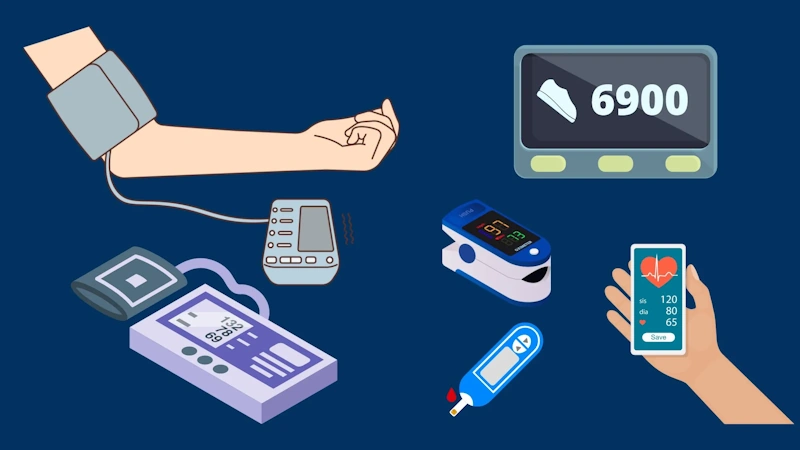
9. Smartphone Integration and App Ecosystems
Fitness trackers don’t function in isolation—they sync with smartphone apps providing detailed data visualization, analysis, goal setting, and social features. Understanding app ecosystems, compatibility, and integration capabilities helps ensure your tracker works seamlessly with your existing technology and preferred platforms.
iOS vs Android Compatibility
Most major fitness tracker manufacturers support both iOS and Android, but compatibility depth varies. Some features work exclusively or better with one platform. Checking specific compatibility before purchasing prevents disappointment discovering your preferred device doesn’t fully support your smartphone.
iOS integration tends to be more comprehensive for Apple Watch, which naturally integrates deeply with iPhones. Third-party fitness trackers support iPhones well but may lack some integration features that Apple Watch enjoys. Android users face similar situations—Samsung Galaxy watches integrate more deeply with Samsung phones, while third-party trackers support Android broadly but may have Samsung-specific enhancements.
Minimum OS versions matter—older smartphones running outdated operating systems may not support newest fitness trackers. Checking minimum iOS or Android version requirements ensures your phone is compatible before purchasing.
Companion App Quality
Companion apps make or break fitness tracker user experience. Poorly designed apps frustrate users through confusing interfaces, missing features, unreliable syncing, or limited data visualization regardless of hardware quality. Conversely, excellent apps maximize value from even modest hardware through clear data presentation, insightful analysis, and useful features.
App interface clarity affects daily usability. Well-designed apps surface most important information prominently, use intuitive navigation, provide logical data organization, and enable quick access to frequently used features. Cluttered, confusing apps frustrate users making basic tasks unnecessarily difficult.
Data visualization quality determines whether app data provides genuine insights versus overwhelming users with numbers. Quality apps use clear graphs, intuitive charts, color coding for easy interpretation, and progressive disclosure showing overview data with details available when desired.
Syncing reliability matters enormously—apps that frequently fail syncing, lose data, or require manual troubleshooting create frustration that diminishes device value. Automatic background syncing keeping data current without user intervention provides seamless experience.
App stability and performance affect satisfaction—crashes, freezing, slow loading, or excessive battery drain from poorly optimized apps frustrate users and reduce confidence in the overall product.
Reading app reviews on iOS App Store or Google Play Store before purchasing fitness trackers reveals real-world user experiences with companion apps. Low app ratings or complaints about specific issues provide warning signs suggesting different device selection.
Third-Party App Integration
Many fitness trackers integrate with third-party fitness and health apps, expanding functionality beyond manufacturer apps. Popular integrations include general fitness platforms like Strava, MyFitnessPal, or MapMyRun; health aggregation services like Apple Health or Google Fit; training platforms like TrainingPeaks or Today’s Plan; and nutrition tracking apps.
Integration depth varies—some provide comprehensive data sharing while others sync only basic information. Full integration synchronizes workouts, routes, heart rate data, and other details enabling complete analysis in preferred platforms. Limited integration might sync only basic workout summaries losing detailed metrics.
Data ownership and portability matter for some users who want control over their fitness data independent of specific hardware manufacturers. Devices syncing data to open platforms like Apple Health or Google Fit enable switching trackers without losing historical data or being locked into proprietary ecosystems.
API access for developers enables third-party developers creating custom integrations, analysis tools, or specialized applications using fitness tracker data. Open APIs provide maximum flexibility while closed ecosystems limit options to manufacturer-approved integrations.
Social and Competitive Features
Social features motivate many fitness tracker users through connection, accountability, and friendly competition. Feature quality and community size vary tremendously between platforms.
Friend challenges enable competing on steps, active minutes, or workout frequency with friends using compatible devices. These short-term competitions (weekend step races, weekly active minute challenges) add gamification encouraging extra activity.
Leaderboards rank users against friends, regional groups, or global communities. Seeing your position relative to others motivates some people while overwhelming others—personality and preferences determine whether leaderboards help or hinder.
Activity sharing to social networks (Instagram, Facebook, Twitter) allows celebrating accomplishments publicly. Some users enjoy this social validation while others prefer private tracking without public sharing.
Privacy controls enabling selective sharing help balance social motivation with privacy preferences. Quality apps allow choosing which data shares, with whom, and under what circumstances rather than all-or-nothing approaches.
Data Export and Portability
Data export capabilities enable downloading your fitness data for personal analysis, backup, or transferring to other platforms. Some manufacturers provide comprehensive export in standard formats (CSV, GPX, FIT files) while others lock data in proprietary formats or limit export functionality.
Data portability proves valuable when switching devices or discontinuing services. If your fitness tracker manufacturer discontinues support, goes out of business, or you switch to different hardware, exported historical data preserves years of health information rather than losing everything.
Open file formats (GPX for GPS tracks, CSV for general data, FIT files for structured fitness data) provide maximum compatibility with third-party tools and services. Proprietary formats limit options unless conversion tools exist.
Shop on AliExpress via link: wholesale-activity-tracker
Smartphone integration and app ecosystems significantly affect long-term satisfaction with fitness trackers. Hardware specifications provide only partial pictures—the software experience through apps, integrations, and ecosystem determines whether devices deliver on their promises or frustrate users despite capable sensors. Researching companion app quality, compatibility with your existing technology, and integration with preferred platforms prevents costly mistakes and ensures your tracker enhances rather than complicates your fitness journey.
10. Choosing the Perfect Fitness Tracker for Your Goals
Selecting the ideal fitness tracker requires matching device capabilities with your specific goals, activities, preferences, and constraints. No single device is objectively “best”—optimal choices depend entirely on individual circumstances and priorities.
Defining Your Primary Goals
Begin by honestly identifying what you want to accomplish through fitness tracking. Different goals suggest different device priorities.
Weight loss and general activity goals prioritize accurate calorie tracking, step counting, activity reminders, and food tracking integration. Basic to mid-range trackers often suffice for these goals—expensive advanced features provide minimal additional weight loss benefits over solid fundamental tracking.
Training for specific events (races, competitions, athletic goals) demands sport-specific features—GPS for runners and cyclists, swim tracking for triathletes, sport-specific metrics for your primary activities. Mid-range to premium devices typically provide requisite features.
Health monitoring and preventive care emphasize advanced sensors—ECG, SpO2, stress tracking, sleep analysis—over pure fitness metrics. Premium devices with comprehensive health features make more sense than sport-focused trackers.
General wellness and habit formation benefit from simple, easy-to-use devices encouraging consistent wear and basic awareness. Overcomplicating with excessive features may discourage rather than motivate—sometimes less is more for habit formation.
Accurately defining primary goals prevents buying inappropriate devices—expensive watches offering features you’ll never use or basic trackers lacking capabilities you actually need.
Assessing Your Activity Profile
Your primary activities substantially affect optimal device selection.
Single-sport focus enables choosing specialized devices optimized for your sport. Dedicated running watches excel for runners but may lack comprehensive features for other activities. If running represents 90% of your training, running-optimized devices make sense.
Multi-sport participation requires versatile devices supporting diverse activities. Triathletes, CrossFit athletes, or general fitness enthusiasts need comprehensive sport profiles and easy activity switching rather than single-sport optimization.
Indoor vs outdoor training affects GPS importance. Outdoor enthusiasts running, cycling, or hiking benefit enormously from built-in GPS. Indoor-focused users—gym workouts, classes, treadmill running—gain less from GPS and can save money with non-GPS devices.
Activity intensity and frequency guide durability and feature requirements. Casual exercisers managing 2-3 workouts weekly need less sophisticated devices than serious athletes training daily or multiple times daily.
Considering Lifestyle Factors
Fitness trackers inhabit your life beyond workouts—lifestyle compatibility affects consistent wearing and satisfaction.
Professional environments with dress codes might require devices appearing professional rather than overtly sporty. Some fitness trackers transition well from gym to office through classic styling and interchangeable bands while others look perpetually athletic.
Water activities—swimming, water sports, frequent swimming with kids—demand proper water resistance ratings beyond basic splash protection. Verify swim tracking capabilities if aquatic activities represent significant portions of your fitness routine.
Sleep tracking priority affects charging routine tolerance. If sleep data matters significantly, devices requiring daily charging interrupt tracking unless you charge during other consistent daily activities (showering, commuting, desk work).
Travel frequency influences GPS importance (exploring new cities and trails) and battery life priorities (extended trips without reliable charging access).
Budget Realities and Value Assessment
Realistic budget establishment prevents overspending on unnecessary features while avoiding false economy of inadequate devices.
Maximum budget defines upper bounds, but optimal spending often falls below maximums. Expensive devices make sense only when you’ll actually use premium features justifying costs. Spending $400 on a device when a $150 option provides everything you need wastes $250 regardless of your ability to afford the premium model.
Feature prioritization helps allocate budget effectively. Identify must-have features (features without which the tracker doesn’t meet your needs), important features (significantly enhance experience but aren’t deal-breakers), and nice-to-have features (would be pleasant but don’t justify substantial cost increases). This hierarchy focuses spending on capabilities actually benefiting you.
Long-term value considers device lifespan and upgrade cycles. A $300 device lasting 4-5 years costs less annually than a $150 device requiring replacement every 18 months. However, rapid technology advancement sometimes makes older expensive devices feel outdated before they physically fail—balancing longevity against technology improvement is more art than science.
Researching sales and discounts saves money without compromising quality. Previous-generation flagship devices often drop substantially when manufacturers release new models despite remaining very capable. Holiday sales, promotional periods, and refurbished options provide quality devices at reduced costs.
Testing and Return Policies
Purchasing decisions benefit from hands-on experience when possible. Visiting stores to physically try devices reveals comfort, size, interface intuitiveness, and aesthetic appeal that specifications cannot convey. Wearing demonstration models through various arm positions and checking screen visibility in different lighting provides insights impossible from online research alone.
Generous return policies enable real-world testing beyond store demonstrations. Wearing devices for days or weeks during actual workouts and daily activities reveals whether initial impressions hold up through extended use. Some issues—charging frequency annoyance, sleep wearing discomfort, interface frustrations—only emerge after prolonged use.
Understanding return policies before purchasing prevents paying for devices that don’t work for you. Checking return windows, restocking fees, condition requirements, and return processes ensures you can return unsatisfactory devices if needed.
Making the Final Decision
After researching, trying, and considering options, decision time arrives. Final choices balance multiple factors rarely aligning perfectly—some compromise is inevitable.
Prioritizing deal-breakers eliminates unsuitable options regardless of other appealing features. If swim tracking is essential, devices lacking adequate water resistance immediately disqualify. If battery life below a week is unacceptable, daily-charging devices are non-starters.
Accepting trade-offs acknowledges that perfect devices don’t exist. Every device compromises somewhere—battery life for features, size for capability, cost for quality. Identifying acceptable compromises versus unacceptable sacrifices guides final selection.
Trusting your gut matters alongside analytical evaluation. If devices meet objective criteria but feel wrong—too bulky, aesthetically displeasing, interface frustrating—those feelings often prove accurate. Conversely, devices feeling right despite minor spec disadvantages sometimes prove more satisfying than theoretically superior alternatives you don’t enjoy wearing.
Starting your fitness tracking journey begins with selecting the right device—but success ultimately depends more on consistent use, engagement with data, and willingness to adjust behaviors than on which specific tracker you choose. A basic device you wear religiously provides more value than a premium tracker sitting in drawers unused. Choose devices you’ll actually use consistently, then commit to the process of measuring, monitoring, and improving your health and fitness.
Conclusion: Your Path to a Healthier Life
Fitness trackers represent more than just gadgets counting steps or monitoring heart rates—they’re tools enabling transformation through awareness, motivation, and measurable progress. The right fitness tracker becomes a personal coach providing constant encouragement, an accountability partner ensuring follow-through on commitments, a health monitor alerting you to potential issues, and a celebration companion acknowledging every achievement along your journey toward better health.
The remarkable technology we’ve explored—sophisticated sensors translating physical activity into meaningful data, advanced algorithms providing actionable insights, comprehensive health monitoring previously requiring medical equipment, seamless integration with smartphones and health ecosystems—has become surprisingly accessible. Quality fitness tracking is no longer limited to affluent early adopters or professional athletes. Devices spanning every price point from $30 basics to $500+ premium smartwatches deliver genuine value to users at every fitness level and budget.
But effectiveness requires more than just purchasing devices. The most sophisticated tracker in the world provides zero value if it sits unused or if you ignore the feedback it provides. Success demands consistent wear, honest engagement with data, and willingness to adjust behaviors based on insights gained. This guide has equipped you to make informed device selections matching your needs, but your commitment to actually using your tracker determines whether it transforms your health or becomes another forgotten gadget.
Remember that fitness trackers provide tools, not solutions. They won’t make you fit without effort, can’t compensate for poor nutrition, and sometimes provide imperfect data requiring interpretation rather than blind acceptance. Understanding these limitations prevents disappointment while enabling you to maximize genuine benefits these remarkable devices offer.
The statistics supporting fitness tracker effectiveness are compelling—users averaging 1,800 more daily steps, weight loss programs showing 50% higher success rates, measurably improved sleep quality, and early detection of serious health conditions literally saving lives. But these benefits accrue to people who consistently use their trackers, engage with the data, and make behavior changes based on insights gained.
Your fitness journey is personal and ongoing. Start where you are—complete beginner or experienced athlete, weight loss goals or athletic aspirations, basic activity awareness or comprehensive health monitoring. Choose devices matching your current situation rather than aspirational versions of yourself unlikely to materialize. Build habits around consistent tracking, regular data review, and gradual behavior improvements rather than dramatic transformations that prove unsustainable.
As you progress, your needs will evolve. Devices that suit beginners may prove inadequate as fitness improves and goals advance. That’s perfectly normal—upgrading when your capabilities exceed your tracker’s features represents success rather than failure. The key is making thoughtful initial selections providing room to grow before requiring upgrades.
Technology continues advancing rapidly. Each generation brings improved sensors, longer battery life, more sophisticated algorithms, enhanced health monitoring, better integration with health systems, and often lower prices. Staying informed about advances helps time purchases appropriately, though waiting indefinitely for “perfect” future devices prevents starting your journey. Good enough now beats perfect later.
The transformation you seek—whether weight loss, improved fitness, better health, or athletic achievement—begins with measurement. You cannot improve what you don’t measure, and fitness trackers provide that measurement with unprecedented comprehensiveness and convenience. The device on your wrist captures thousands of data points daily, revealing patterns invisible to casual observation and providing concrete metrics transforming vague intentions into measurable achievements.
Your path to healthier life doesn’t wait for perfect conditions, ideal timing, or flawless motivation. It begins with decisions—deciding health matters, deciding to measure and monitor, deciding to wear your tracker consistently, deciding to engage with the data, and deciding to make gradual improvements based on insights gained. The fitness tracker facilitates those decisions through visibility, feedback, and encouragement but cannot make the decisions for you.
Start today. Choose a fitness tracker matching your goals, needs, and budget using the comprehensive information this guide provides. Commit to wearing it consistently. Engage honestly with the data it collects. Set realistic initial goals—perhaps 7,000 steps daily if you’re currently averaging 4,000, not immediately jumping to 10,000. Celebrate small victories as metrics improve. Adjust goals gradually as fitness increases. And maintain perspective that this is a journey of months and years, not days and weeks.
The cumulative effect of small, consistent improvements is remarkable. An extra 2,000 steps daily equals roughly a mile of walking. Maintained consistently, that additional activity burns approximately 100 calories daily, potentially contributing to 10+ pounds of weight loss annually through activity alone. Add improved sleep from awareness and optimization, better training through heart rate zone monitoring, and health interventions prompted by concerning metrics, and the impact multiplies substantially beyond simple step counting.
You have the knowledge to choose appropriate devices. You understand how fitness trackers work, what features matter, which activities they track well, what health insights they provide, and how to select devices matching your specific circumstances. What remains is commitment—commitment to wearing your tracker, reviewing data regularly, taking insights seriously, and persisting through challenges inevitable in any health journey.
The fitness tracker on your wrist becomes more than silicon and sensors—it becomes a companion on your journey toward better health. It celebrates every achievement no matter how small. It provides objective feedback when motivation wanes. It reminds you of commitments when willpower falters. It reveals progress invisible to mirrors and scales. And most importantly, it transforms vague aspirations into concrete, measurable reality.
Your transformation begins not when you achieve perfect fitness or reach ideal weight but when you make the decision to measure, monitor, and improve. That decision—to invest in fitness tracking, commit to consistent use, engage honestly with data, and persist through challenges—separates those who dream of better health from those who actively pursue it.
The path forward is clear. Choose your fitness tracker thoughtfully using this guide’s comprehensive information. Wear it consistently without exception. Review your data regularly, perhaps weekly summaries showing trends and progress. Set realistic goals aligned with your current fitness and lifestyle. Celebrate achievements as metrics improve. Adjust goals gradually as fitness increases. And maintain patience recognizing that meaningful change requires time.
Technology has placed remarkable health monitoring capabilities on your wrist at accessible prices. Medical-grade sensors, sophisticated algorithms, comprehensive tracking, and actionable insights are yours through devices costing less than a few months of gym membership or dozens of restaurant meals. The investment is modest. The potential returns—better health, improved fitness, increased energy, enhanced quality of life—are substantial.
Your journey awaits. The decision is yours. The tools are ready. The path is illuminated. All that remains is taking that first step—or perhaps more accurately, measuring that first step with the fitness tracker on your wrist. Your future self will thank you for the decision you make today to measure, monitor, and improve your health.
Begin now. Choose your device. Wear it consistently. Engage with the data. Make gradual improvements. Celebrate progress. And embrace the journey toward the healthier, fitter, more energetic version of yourself waiting to emerge through sustained effort guided by the remarkable technology now available to everyone committed to transformation.
Frequently Asked Questions
Q: Do fitness trackers really help people lose weight and get fitter? Yes, research consistently shows that fitness tracker users achieve better outcomes than non-users across various health metrics. Studies demonstrate fitness tracker users average 1,800 more daily steps than non-users, weight loss programs incorporating tracking show 40-50% higher success rates, and sustained use correlates with measurable improvements in cardiovascular fitness, sleep quality, and activity levels. However, trackers aren’t magic—they provide tools, data, and motivation but require your engagement and effort to deliver results. Think of trackers as enablers of behavior change rather than automatic solutions .
Q: How accurate are fitness trackers for counting steps, calories, and heart rate? Accuracy varies significantly by metric and conditions. Step counting typically achieves 90-95% accuracy during normal walking but degrades with irregular movement or non-walking activities. Heart rate monitoring works well during rest and steady-state cardio (90-95% accuracy) but struggles during high-intensity intervals or activities with significant arm movement (70-85% accuracy). Calorie calculations represent estimates with typical errors of 20-40% due to individual metabolic variation and activity recognition challenges. The key is using fitness tracker data for trends rather than precise absolute numbers—comparing days and tracking improvements over weeks rather than treating individual metrics as perfectly accurate.
Q: What’s the minimum I should spend to get a good fitness tracker? Good quality fitness tracking begins around $50-75 for devices from established brands offering accurate sensors, reliable apps, and decent build quality. Budget options under $50 can work but often suffer from accuracy issues, poor app experiences, or early failures. Mid-range devices at $150-250 provide excellent value with comprehensive features, good accuracy, and reliable long-term performance. Spending more than $300 makes sense primarily for serious athletes needing advanced sports metrics or people wanting premium smartwatch features alongside fitness tracking. For most consumers, the $100-200 range delivers optimal balance between capability and cost.
Q: Do I need built-in GPS or is connected GPS good enough? Built-in GPS provides independence from smartphones, more accurate tracking, and reliable performance but drains battery significantly faster. Connected GPS using your phone conserves tracker battery and reduces costs but requires carrying your phone during workouts and may lose connection causing tracking gaps. Serious runners, cyclists, or outdoor enthusiasts benefit substantially from built-in GPS enabling phone-free workouts with accurate tracking. Casual exercisers who always carry phones anyway can save money and battery life with connected GPS. Consider how often you’d want to exercise without your phone—if rarely, connected GPS suffices.
Q: Which is better—a fitness tracker or smartwatch? Neither is universally better—optimal choice depends on your priorities. Dedicated fitness trackers typically offer longer battery life, focus on fitness features without unnecessary extras, cost less, and suit people prioritizing health tracking over smartwatch capabilities. Smartwatches provide comprehensive features including fitness, notifications, apps, music, payments, and more, functioning as wrist computers, but typically require daily charging, cost more, and sometimes compromise fitness focus for feature breadth. Choose fitness trackers if activity and health monitoring are priorities with minimal interest in smartwatch features. Choose smartwatches if you want all-in-one wrist devices combining fitness with broader functionality.
Q: Can fitness trackers detect health problems like heart disease or sleep apnea? Fitness trackers can identify patterns suggesting potential health issues but aren’t diagnostic medical devices. ECG features can detect atrial fibrillation with medical-grade accuracy and should prompt medical consultation if abnormalities appear. SpO2 monitoring can reveal oxygen desaturation patterns potentially indicating sleep apnea. Resting heart rate trends can suggest overtraining, illness, or cardiovascular changes. However, these features screen for potential issues requiring professional medical evaluation—they don’t replace doctors, provide diagnoses, or substitute for medical care. Think of health monitoring features as early warning systems prompting medical consultation rather than self-diagnosis tools.
Q: How long do fitness trackers typically last before needing replacement? Quality fitness trackers typically last 3-5 years with proper care. Battery degradation represents the most common lifespan limiter—rechargeable batteries gradually hold less charge until battery life becomes unacceptably short, usually after 500-1000 charge cycles. Physical wear, sensor degradation, and technological obsolescence also contribute to replacement timing. Budget devices may fail within 1-2 years through component failures or charging issues. Premium devices sometimes last 5+ years if well-maintained. Proper care including avoiding extreme temperatures, using appropriate chargers, and keeping devices clean extends lifespan substantially.
Q: Is it worth paying for advanced features like ECG, SpO2, or stress monitoring? Value depends on whether you’ll actually use these features meaningfully. ECG monitoring benefits people with heart disease risk factors, family history of arrhythmias, or experiencing symptoms like palpitations—it provides genuine medical utility for appropriate users. SpO2 monitoring helps altitude athletes, people concerned about sleep apnea, or those interested in comprehensive health data. Stress monitoring provides insights into physiological stress patterns and offers guided breathing tools for stress reduction. These features don’t benefit everyone—if you’re young, healthy, have no concerning symptoms, and aren’t interested in comprehensive health monitoring, advanced features may not justify premium costs.
Q: Should I get a fitness tracker with a subscription service or one-time purchase? One-time purchase devices provide full functionality without ongoing costs, appealing to users wanting to avoid subscriptions and maintain lower long-term costs. Subscription models offer enhanced features—advanced analytics, personalized coaching, detailed sleep insights, guided programs—for monthly fees typically $5-10. Evaluate whether subscription features provide sufficient value justifying ongoing costs. Many excellent fitness trackers include comprehensive functionality without subscriptions, while some premium services genuinely enhance experiences for engaged users. Consider starting with devices offering substantial free functionality, optionally adding subscriptions later if desired features justify costs.
Q: Can I shower or swim with my fitness tracker? Water resistance ratings determine safe water exposure. Basic water resistance (splash-proof, 1 ATM) handles rain and hand washing but not showering or swimming. Shower-safe ratings (3 ATM) tolerate showering but not swimming. Swim-proof ratings (5 ATM, 50 meters) enable swimming and water sports. Always check specific device ratings—“water-resistant” doesn’t mean “waterproof,” and exceeding rated depths or durations can cause water damage. If swimming or regular showering with your tracker matters, ensure devices carry appropriate ratings (minimum 3 ATM for showers, 5 ATM for swimming) rather than assuming all trackers handle water equally.
Articles related:






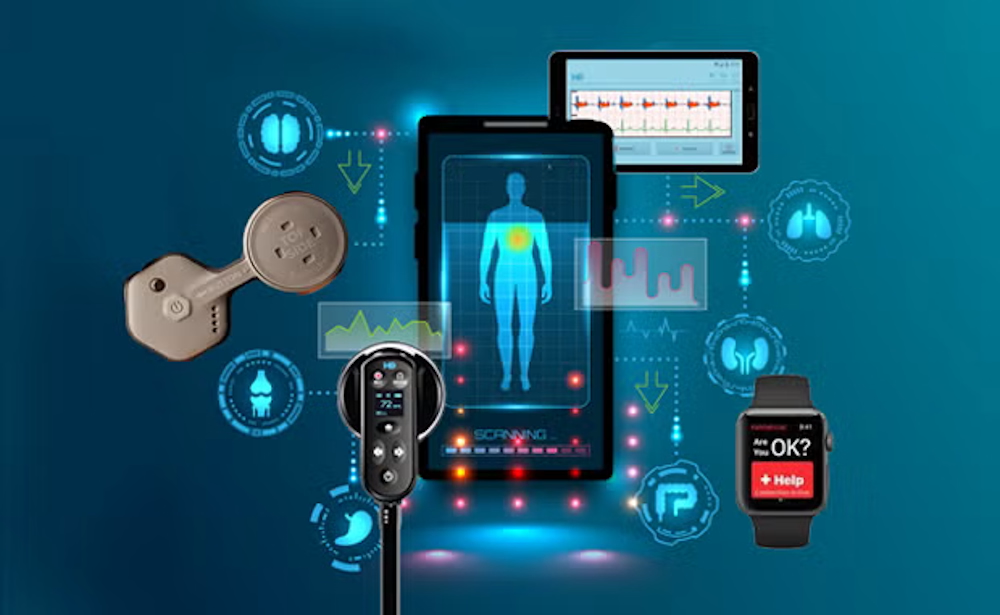
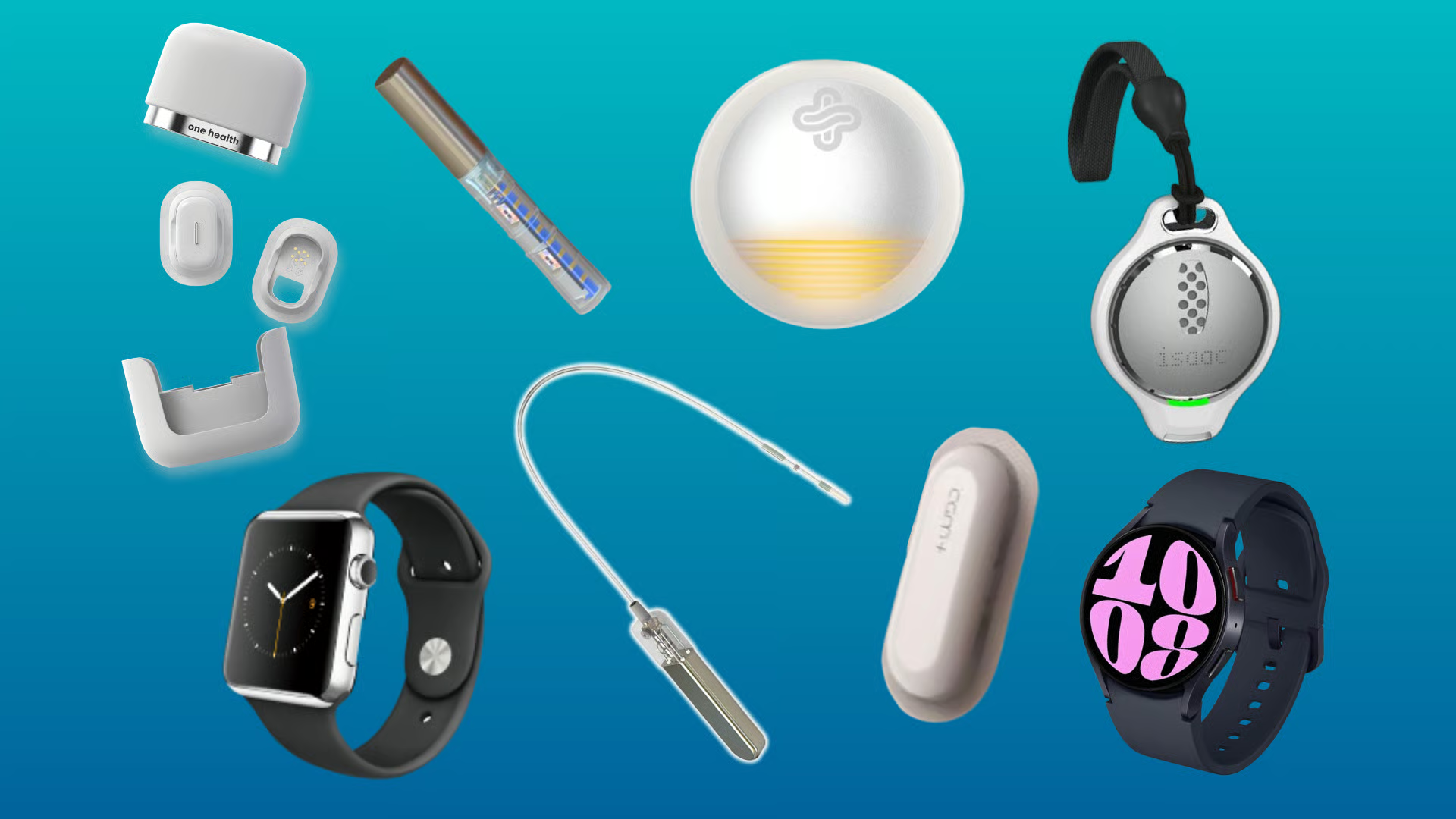


Tags
📧 Get More Articles Like This
Subscribe to receive product reviews and buying guides in your inbox!
We respect your privacy. Unsubscribe at any time.