The Ultimate Guide to Best AI Apps and Tools for Everyday Use: Transform Your Daily Life with Artificial Intelligence

Table of Contents
- Introduction: The AI Revolution in Your Pocket
- 1. Understanding AI Tools and Their Capabilities
- 2. Best AI Writing and Content Creation Tools
- 3. AI-Powered Productivity and Organization Apps
- 4. Revolutionary AI Image and Video Generation Tools
- 5. AI Communication and Translation Applications
- 6. Smart AI Learning and Educational Platforms
- 7. AI Tools for Business and Professional Work
- 8. Personal AI Assistants and Daily Life Tools
- 9. AI Privacy, Security, and Ethical Considerations
- 10. Choosing the Right AI Tools for Your Needs
- Conclusion: Embracing the AI-Powered Future
- Frequently Asked Questions
Introduction: The AI Revolution in Your Pocket
Artificial intelligence has escaped from science fiction movies and research laboratories into the most intimate spaces of our daily lives—our smartphones, computers, and web browsers. What once seemed like distant future technology now sits readily accessible in our pockets and on our desks, transforming how we work, create, communicate, learn, and manage our daily tasks. The AI revolution isn’t coming—it’s here, and it’s more powerful, accessible, and practical than most people realize.
The explosion of AI applications in recent years represents one of the most significant technological shifts since the internet itself fundamentally changed human civilization. We’ve moved from AI being an abstract concept discussed by researchers and tech enthusiasts to practical tools that millions of people use daily without even thinking about the sophisticated machine learning algorithms running behind the scenes. Students use AI to help write essays and understand complex concepts. Professionals leverage AI to draft emails, analyze data, and automate repetitive tasks. Artists collaborate with AI to generate stunning images and videos. Language learners practice with AI tutors providing infinite patience and personalized instruction. And entrepreneurs build entire businesses using AI tools that would have cost millions of dollars and required teams of specialists just a few years ago.
What makes this AI revolution particularly remarkable is its democratization. You don’t need a computer science degree to use powerful AI tools. You don’t need expensive hardware or specialized equipment. You don’t need corporate budgets or institutional access. Many of the most capable AI applications are free or remarkably affordable, available to anyone with an internet connection and basic device. A teenager with a smartphone has access to AI capabilities that would have seemed miraculous to researchers working on artificial intelligence just a decade ago.
While the following demonstration showcases some of these AI tools in action, the real transformation secrets lie in the exclusive details found further down in this article—insights you likely haven’t discovered yet: :
The practical applications of everyday AI tools span virtually every aspect of modern life. Need to write a professional email but struggle with tone and grammar? AI writing assistants craft perfectly polished messages in seconds. Trying to learn a new language but can’t afford expensive classes or tutors? AI language apps provide personalized instruction adapting to your learning pace and style. Want to create professional graphics for your business but lack design skills? AI image generators produce stunning visuals from simple text descriptions. Drowning in emails and tasks threatening to overwhelm you? AI productivity tools organize, prioritize, and even handle routine communications automatically.
But the AI landscape has become bewilderingly complex. Hundreds of AI applications compete for attention, each claiming revolutionary capabilities and life-changing benefits. Marketing hype often obscures practical utility. Some AI tools genuinely deliver transformative value while others provide marginal improvements over traditional methods despite breathless claims. Distinguishing genuinely useful AI applications from overhyped disappointments requires understanding what AI actually does well, recognizing limitations and appropriate use cases, and matching specific tools to your actual needs rather than being seduced by impressive demonstrations that don’t translate to practical value in your life.
This comprehensive guide cuts through the confusion and hype surrounding AI applications, providing everything you need to understand and leverage artificial intelligence tools that can genuinely improve your daily life. We’ll explore what AI tools actually are and how they work—demystifying the technology powering these applications; the best AI writing and content creation tools for everything from emails to articles to creative fiction; AI-powered productivity applications organizing your work and automating routine tasks; revolutionary image and video generation tools enabling anyone to create professional visual content; AI communication apps breaking down language barriers and enhancing conversations; smart learning platforms adapting to your needs and accelerating skill acquisition; business-focused AI tools providing enterprise capabilities at consumer prices; personal AI assistants managing daily life tasks and routines; critical privacy and security considerations when using AI tools; and systematic approaches to choosing AI applications matching your specific needs and goals.
Each section provides detailed analysis based on extensive testing, real-world usage, and experiences from thousands of users across diverse applications. We emphasize practical utility over impressive demos—it doesn’t matter how clever an AI tool seems in promotional videos if it doesn’t actually solve problems you face or integrate smoothly into your existing workflows. We identify which AI capabilities genuinely enhance productivity and creativity versus features that sound impressive but provide minimal real-world value.
The goal isn’t convincing you to replace all traditional tools with AI alternatives or suggesting that artificial intelligence represents the solution to every problem. Rather, we’re providing comprehensive information enabling informed decisions about where AI tools offer genuine improvements worth adopting and where traditional approaches still work better. Some AI applications have reached remarkable maturity delivering consistent, reliable value. Others remain experimental or niche, useful for specific scenarios but not ready for broad adoption. Understanding these distinctions prevents wasting time and money on inappropriate tools while ensuring you don’t miss genuinely transformative applications.
AI tools work best as augmentation rather than replacement—they amplify human capabilities rather than replacing human judgment, creativity, and decision-making. The most effective AI users understand this principle, leveraging AI to handle routine tasks, accelerate research, overcome creative blocks, and process information quickly while maintaining human oversight, applying critical thinking to AI outputs, and using their judgment to refine and direct AI assistance. This collaborative approach between human intelligence and artificial intelligence produces better results than either could achieve alone.
The pace of AI development continues accelerating at rates that can feel overwhelming. New capabilities emerge monthly. Existing tools improve rapidly through updates and training on more data. Prices decline as competition increases and technology matures. What seemed impossible last year becomes routine this year. Staying informed about major developments helps you identify new opportunities while avoiding the trap of perpetual waiting for “better” tools that prevents starting to use good enough solutions available now.
Understanding AI’s current capabilities and limitations also prevents disappointment from unrealistic expectations. Today’s AI is remarkably capable at specific tasks—generating text, creating images, translating languages, recognizing patterns—but it’s not sentient, doesn’t truly “understand” in human ways, makes mistakes that require human oversight, and works best for well-defined tasks rather than open-ended problems requiring deep reasoning and contextual understanding. Recognizing what AI does well versus where human capabilities remain superior enables using these tools appropriately.
The ethical dimensions of AI tools deserve serious consideration. Questions about data privacy, intellectual property, job displacement, bias in AI systems, environmental costs of training large models, and appropriate use boundaries require thoughtful reflection rather than blind adoption. We’ll explore these considerations helping you make informed choices aligned with your values while still benefiting from AI capabilities.
This guide serves multiple audiences—complete beginners curious about AI but uncertain where to start; moderate users wanting to expand beyond familiar tools; professionals seeking to leverage AI for competitive advantages; creatives exploring AI for artistic expression; students using AI to accelerate learning; and anyone interested in understanding how artificial intelligence is reshaping daily life. Regardless of your starting point or goals, you’ll find practical information and actionable recommendations suited to your situation.
The AI revolution happening now represents opportunity more than threat for most people. Yes, AI will change many jobs and industries, but it will also create new opportunities, eliminate tedious work, enable capabilities previously impossible, and enhance human potential in remarkable ways. The question isn’t whether AI will affect your life—it already is, and that impact will only increase. The relevant question is whether you’ll actively leverage AI tools to improve your productivity, creativity, learning, and daily life, or whether you’ll passively experience AI’s effects without understanding or directing how it shapes your experiences.
Your journey into practical AI usage begins with understanding what’s available, how different tools work, which applications suit your specific needs, and how to integrate AI into your existing workflows and routines without disruption or overwhelming complexity. Start small with one or two tools addressing your most significant pain points. Experience their benefits firsthand. Learn their strengths and limitations through actual use. Then gradually expand to other applications as you become comfortable with AI assistance.
The future is here, distributed unevenly in AI applications ranging from free tools anyone can access to premium services offering advanced capabilities. Your task is navigating this landscape, identifying tools providing genuine value for your specific situation, learning to use them effectively, and integrating them into your life in ways that enhance rather than complicate your daily routines. The remarkable AI capabilities now available to everyone represent genuine opportunity to work smarter, create more effectively, communicate better, learn faster, and accomplish things that would have been impossible or impractically difficult just a few years ago.
Let’s explore this fascinating landscape together, discovering the AI tools that can genuinely transform your daily life while learning to distinguish useful applications from overhyped disappointments. The practical AI revolution is here—it’s time to understand how to harness it for your benefit.

1. Understanding AI Tools and Their Capabilities
Before diving into specific AI applications, understanding the fundamental technologies powering these tools helps you appreciate what they can and cannot do, setting realistic expectations while recognizing genuine capabilities that seemed like science fiction just years ago.
What Is Artificial Intelligence in Practical Terms?
Artificial intelligence in everyday applications refers to software systems that perform tasks typically requiring human intelligence—understanding language, recognizing images, making predictions, generating creative content, and learning from experience. Unlike traditional software following explicit programmed rules, AI systems learn patterns from vast amounts of data, developing capabilities to handle novel situations without being explicitly programmed for every scenario.
The AI you encounter daily typically falls into narrow or weak AI—systems highly capable at specific tasks like language translation, image recognition, or content generation but lacking general intelligence or consciousness. These specialized AI systems exceed human performance at their designated tasks while remaining completely incapable outside their trained domains. ChatGPT can engage in impressively natural conversation and generate coherent text across diverse topics but cannot actually taste food, feel emotions, or understand concepts the way humans do—it recognizes and reproduces patterns learned from training data.
This distinction matters because it affects how you should use and evaluate AI tools. AI excels at pattern recognition, information processing, content generation following learned patterns, repetitive tasks requiring consistency, and handling large volumes of data quickly. AI struggles with genuine creativity requiring novel insights beyond recombining existing patterns, tasks requiring real-world common sense and contextual understanding, situations demanding ethical judgment or moral reasoning, and problems requiring integration of knowledge across fundamentally different domains in ways training data didn’t explicitly demonstrate.
Machine Learning: The Engine Behind AI Applications
Most modern AI applications rely on machine learning—algorithms that improve through experience rather than explicit programming. Developers don’t manually code rules for every situation; instead, they train systems on massive datasets, allowing algorithms to discover patterns and relationships automatically.
Large language models (LLMs) like GPT, Claude, or Gemini power conversational AI and text generation tools. These models train on enormous text corpora—billions of documents from books, websites, articles, and conversations—learning statistical patterns in language. They develop abilities to predict likely next words in sequences, enabling them to generate coherent, contextually appropriate text that often appears remarkably human-like.
Computer vision models train on millions of labeled images, learning to recognize objects, faces, scenes, and visual patterns. These systems power everything from photo organization apps automatically sorting pictures by content to medical diagnostic tools identifying diseases from scans to augmented reality applications understanding 3D spaces.
Generative AI represents particularly exciting recent advances—systems that create new content rather than just analyzing existing data. Text-to-image models like DALL-E, Midjourney, or Stable Diffusion generate images from text descriptions. AI music generators create original compositions. Video generation AI produces animated content from prompts. These generative systems learned patterns from massive creative datasets, developing abilities to produce novel combinations and variations that didn’t exist in training data.
How AI Tools Actually Work
Understanding the basic process AI tools follow helps you use them more effectively and recognize their limitations.
Input processing converts your request—text prompt, image upload, voice command—into formats AI models can process. Natural language processing breaks text into tokens, image analysis extracts features, audio processing converts sound to digital representations.
Model inference runs your processed input through trained neural networks containing billions of parameters learned during training. The model processes your input through multiple layers, each transforming data and extracting progressively higher-level features and patterns, eventually producing outputs matching your request based on patterns learned from training data.
Output generation converts model results into useful formats—generated text, created images, translated speech, identified objects, recommended actions. Post-processing often refines raw AI outputs, applying filters, corrections, or formatting to improve quality and usability.
This process happens remarkably quickly—complex AI tasks completing in seconds despite involving billions of calculations and parameters. Cloud computing and specialized AI processors enable this speed, as highlighted in ENA VC’s analysis of how scalable cloud infrastructure powers modern AI performance., running massive models that would be impossible on typical consumer devices.
Categories of Everyday AI Tools
AI applications serving daily needs generally fall into several functional categories, each leveraging AI differently to solve specific types of problems.
Conversational AI and chatbots use natural language processing to engage in human-like dialogue, answering questions, providing information, offering suggestions, and assisting with tasks through conversation. These range from simple rule-based chatbots following decision trees to sophisticated systems like ChatGPT or Claude conducting nuanced conversations across diverse topics.
Content generation AI creates text, images, videos, music, or code based on user prompts. These generative tools learned patterns from enormous creative datasets, enabling them to produce novel content matching specifications without copying existing works directly.
Productivity AI automates routine tasks, organizes information, manages schedules, drafts communications, and handles administrative work. These tools integrate into existing workflows, augmenting human capabilities rather than operating standalone.
Analysis and insights AI processes data identifying patterns, trends, and relationships humans might miss. These tools excel at handling large datasets, performing complex calculations, and presenting findings in accessible formats.
Personalization AI adapts experiences to individual preferences and needs, learning from your behavior to provide increasingly relevant recommendations, customized content, and tailored assistance.
AI Capabilities: What Works Well Today
Current AI excels at numerous practical tasks suitable for everyday applications.
Text generation and editing produces coherent, contextually appropriate written content for everything from emails to articles to creative fiction. AI writing assistants help overcome writer’s block, improve phrasing, correct grammar, adjust tone, and generate ideas.
Language translation achieves remarkable accuracy across dozens of languages, breaking down communication barriers and enabling global connection. Modern translation AI understands context and idiomatic expressions far better than earlier word-by-word translation systems.
Image and video generation creates professional-quality visual content from text descriptions, enabling anyone to produce illustrations, designs, photos, and videos without artistic training or expensive software.
Information synthesis and summarization processes long documents, extracting key points and generating concise summaries saving hours of reading while maintaining important information.
Pattern recognition identifies trends, anomalies, and relationships in data ranging from personal finances to health metrics to business analytics, providing insights that inform better decisions.
AI Limitations: Where Human Judgment Remains Essential
Despite remarkable capabilities, current AI has significant limitations requiring human oversight and judgment.
Factual accuracy varies—AI confidently states incorrect information, makes up statistics, or generates plausible-sounding nonsense. Always verify important facts from reliable sources rather than trusting AI outputs blindly.
Contextual understanding limitations mean AI sometimes misses nuance, cultural context, or situational factors obvious to humans. AI might provide technically correct responses that miss the point or give inappropriate advice for specific situations.
Creativity versus recombination—AI generates novel combinations of learned patterns but doesn’t produce truly original insights or revolutionary ideas that break from existing paradigms. Human creativity remains superior for genuinely innovative thinking.
Ethical and moral reasoning presents challenges AI cannot reliably handle. AI might optimize for stated goals without considering broader implications, fail to recognize ethical dilemmas, or apply values inappropriately across different cultural contexts.
Common sense reasoning about physical world, cause and effect, and everyday situations remains difficult for AI trained primarily on text data without physical experience. Humans intuitively understand things AI struggles with despite vast training data.
Shop on AliExpress via link: wholesale-ai-smart-device
Understanding what AI does well versus where it struggles helps you leverage these tools effectively—using AI for tasks where it excels while maintaining human judgment for decisions requiring real understanding, ethical consideration, or creative insight beyond pattern recombination. This collaborative approach between human and artificial intelligence produces better results than either alone.
2. Best AI Writing and Content Creation Tools
AI writing tools have revolutionized content creation, helping everyone from students to professional writers produce better content faster. These applications range from simple grammar checkers to sophisticated systems generating entire articles, each offering different capabilities suited to specific writing needs.
Conversational AI Writing Assistants
The most advanced AI writing tools engage in conversation, understanding your needs through dialogue and iteratively refining outputs based on your feedback. These conversational assistants represent quantum leaps beyond earlier writing software.
ChatGPT pioneered mainstream conversational AI, introducing millions of people to sophisticated language models through an intuitive chat interface. You describe what you need—email draft, article outline, creative story, code snippet—and ChatGPT generates relevant content. The iterative nature allows refining outputs through follow-up prompts, requesting changes in tone, length, style, or content until results match your needs. The free tier provides impressive capabilities while paid subscriptions offer priority access, faster responses, and access to more advanced models.
Claude, developed by Anthropic, excels at nuanced tasks requiring careful reasoning, ethical consideration, and detailed instruction following. Claude handles complex multi-step instructions well, maintains context through long conversations, and produces outputs that carefully respect specified constraints and guidelines. The natural conversational style makes interactions feel collaborative rather than transactional.
Google Gemini integrates Google’s AI capabilities into familiar interfaces, offering conversation-based assistance with direct links to Google services. The integration with Google Workspace enables seamless workflow enhancement for users already embedded in Google’s ecosystem.
Microsoft Copilot brings conversational AI into Microsoft applications, assisting with writing in Word, composing emails in Outlook, analyzing data in Excel, and creating presentations in PowerPoint. The deep integration with familiar tools reduces friction for users already working in Microsoft environments.
Grammar and Style Enhancement Tools
Specialized writing assistants focus on improving existing text rather than generating content from scratch, offering sophisticated grammar checking, style suggestions, and tone adjustments.
Grammarly has become synonymous with AI-powered writing assistance, providing real-time grammar corrections, vocabulary suggestions, clarity improvements, and tone detection. The browser extension works across virtually any website or web application, continuously monitoring your writing and suggesting improvements. Premium tiers add plagiarism detection, genre-specific writing suggestions, and advanced style improvements. The ubiquity and seamless integration make Grammarly valuable even for strong writers wanting to catch occasional errors or improve phrasing efficiency.
ProWritingAid offers comprehensive writing analysis emphasizing style improvement and deeper writing principles beyond grammar. The tool identifies repetitive words, clichés, passive voice overuse, sentence length variation, and readability issues. The detailed reports and explanations help writers improve their skills over time rather than just fixing individual errors.
Hemingway Editor focuses on readability and clarity, highlighting complex sentences, suggesting simpler alternatives, identifying passive voice, and scoring text readability. The bold, color-coded highlighting makes improvement areas immediately visible. While less sophisticated than AI-powered alternatives, Hemingway’s simplicity and offline availability make it valuable for writers wanting straightforward clarity feedback.
Long-Form Content Generation
Creating substantial content—articles, reports, documentation—represents significant time investment. AI tools specifically designed for long-form writing accelerate this process while maintaining quality and coherence.
Jasper (formerly Jarvis) specializes in marketing copy and long-form content, offering templates for blog posts, social media content, product descriptions, and advertising copy. The tool guides users through structured workflows capturing necessary information before generating polished content. The focus on marketing applications makes Jasper particularly valuable for businesses and content marketers.
Copy.ai provides AI-powered copywriting tools emphasizing marketing and sales content. The template-based approach simplifies generating specific content types—email sequences, landing page copy, social media posts, product descriptions. The tool excels at generating multiple variations quickly, enabling rapid iteration and A/B testing.
Writesonic offers versatile content generation covering articles, ads, product descriptions, and creative writing. The article writer generates complete blog posts from topics and keywords, while specialized tools handle specific content types. The balance between capability and affordability makes Writesonic accessible to independent creators and small businesses.
Specialized Writing Applications
Beyond general writing assistance, specialized AI tools address specific writing challenges and formats.
Email writing assistants like Superhuman AI, HEY, or built-in Gmail Smart Compose suggest complete email responses, generate drafts from brief notes, adjust tone for different recipients, and schedule sending for optimal timing. These tools dramatically reduce time spent on email communication while maintaining professional quality.
Resume and cover letter generators like Resume.io or Kickresume use AI to craft compelling application materials from your experience and target positions. The tools suggest achievement-oriented phrasing, optimize for applicant tracking systems, and customize content for specific roles.
Academic writing assistants like Wordtune or Quillbot help students with paraphrasing, citation management, and academic tone adjustment while emphasizing proper attribution and plagiarism avoidance. These tools walk ethical lines—useful for improving expression and understanding but inappropriate for generating work claimed as original.
Creative writing aids like Sudowrite or NovelAI specifically target fiction writing, helping with character development, plot brainstorming, scene generation, and style matching. These tools serve as creative collaborators rather than replacement writers, helping overcome blocks and explore narrative possibilities.
Code Writing and Programming Assistance
AI coding assistants represent game-changing tools for programmers, dramatically accelerating development and making programming more accessible to beginners.
GitHub Copilot, powered by OpenAI Codex, suggests complete function implementations, generates boilerplate code, converts comments to working code, and explains existing code in natural language. The integration directly into development environments creates seamless experiences where AI suggestions appear contextually as you type. Copilot accelerates experienced programmers while helping beginners learn through examples and explanations.
Tabnine provides AI code completion across multiple programming languages and IDEs, learning from your coding style and project patterns to provide increasingly relevant suggestions. The focus on privacy—offering on-device models avoiding cloud sending—appeals to developers concerned about code confidentiality.
Amazon CodeWhisperer offers AI coding assistance particularly strong for AWS services and cloud development, suggesting code implementations, security scanning, and optimization recommendations integrated into Amazon development workflows.
Best Practices for AI Writing Tools
Maximizing value from AI writing assistants requires understanding how to use these tools effectively rather than treating them as magical solutions.
Start with clear instructions providing context, desired length, tone, audience, and key points to include. Specific prompts produce better results than vague requests.
Iterate and refine using the conversational nature of AI tools—review initial outputs, identify issues, request specific changes, and progressively improve results through multiple rounds rather than expecting perfect first drafts.
Edit and fact-check AI-generated content rather than using outputs directly. AI writes fluently and confidently even when incorrect. Your expertise and judgment remain essential for ensuring accuracy, appropriateness, and quality.
Maintain your voice by using AI as drafting assistance and idea generation rather than wholesale content replacement. The best results combine AI efficiency with human personality, expertise, and final polish.
Consider ethical implications of AI writing—disclose AI assistance when appropriate, avoid claiming AI-generated work as purely your own without significant human contribution, and ensure you’re not violating academic integrity policies or professional standards.
AI writing tools genuinely transform content creation, dramatically reducing time from blank page to polished prose while improving quality through sophisticated language understanding. However, they remain tools requiring human direction, judgment, and refinement rather than replacements for human writers. Used appropriately, AI writing assistance amplifies your capabilities without replacing your essential role in the creative and communication process.
3. AI-Powered Productivity and Organization Apps
AI productivity tools go beyond simple task lists and calendars, intelligently organizing your work, automating routine processes, and helping you focus on what truly matters. These applications learn from your patterns, predict your needs, and handle administrative overhead that traditionally consumed significant time and mental energy.
Smart Email Management and Communication
Email overwhelm represents one of modern life’s most pervasive productivity drains. AI-powered email tools address this through intelligent filtering, automated responses, and predictive assistance.
SaneBox uses AI to analyze your email patterns, learning which senders and message types matter most to you. It automatically filters less important emails into separate folders you can review in batches rather than allowing them to clutter your inbox. The system continuously learns from your behavior—which emails you open immediately versus ignore, which you move to folders versus archive—improving accuracy over time. The “SaneBlackHole” feature unsubscribes from unwanted lists effortlessly, while snooze functions defer emails until times when you want to handle them.
Superhuman builds AI assistance directly into an email client designed for speed and efficiency. The AI suggests responses, schedules optimal sending times based on recipient patterns, reminds you about important emails awaiting responses, and surfaces priority messages. The keyboard-centric interface combined with AI assistance enables processing hundreds of emails efficiently. However, the premium price ($30/month) and invitation-only access make Superhuman suited primarily for professionals depending heavily on email.
Gmail Smart Compose and Smart Reply represent Google’s integration of AI into free email. Smart Compose suggests complete sentences as you type, often accurately predicting what you want to say. Smart Reply generates entire response options for simple emails requiring quick acknowledgments. While less sophisticated than dedicated AI email tools, the zero-cost integration into Gmail makes these features accessible to billions of users.
Intelligent Task Management and Prioritization
Traditional to-do lists treat all tasks equally, forcing you to manually organize and prioritize constantly. AI task managers intelligently surface what matters most and automate routine task management.
Motion combines calendar and task management with AI scheduling that automatically time-blocks your tasks into available calendar slots, considering priorities, deadlines, task durations, and your working patterns. When unexpected meetings or tasks arise, Motion automatically reschedules affected tasks maintaining optimal organization without manual calendar Tetris. The AI learns your productive hours, task duration patterns, and procrastination tendencies, adjusting schedules to maximize completion probability.
Reclaim.ai automatically schedules personal habits, break time, and flexible tasks around fixed commitments in your calendar. You define habits like exercise, learning time, or focused work blocks, and Reclaim finds optimal times for these activities, defending them from meeting encroachment while rescheduling flexibly when necessary. The “smart habits” feature maintains consistency in important activities without requiring manual calendar management.
Todoist with AI integration provides intelligent task suggestions, predicts task duration, recommends priority levels, and identifies dependencies between tasks. The natural language input allows quickly capturing tasks without forms—type “email report to Sarah tomorrow 2pm priority high” and Todoist correctly parses and schedules the task.
Note-Taking and Knowledge Management
AI-enhanced note-taking apps transcend simple text storage, helping you find information, surface connections, and derive insights from accumulated knowledge.
Notion AI integrates artificial intelligence into Notion’s flexible workspace, offering AI writing assistance, automated summaries, translation, tone adjustment, and information extraction directly within your notes and databases. The AI can generate content within your notes, summarize meeting notes into action items, translate documents, and answer questions about your workspace content. The integration with Notion’s powerful organization features creates comprehensive AI-powered knowledge management systems.
Obsidian with AI plugins combines local-first note storage with AI assistance through community-developed plugins. These plugins provide features like AI-powered search finding conceptually similar notes even when search terms don’t exactly match, automatic note linking based on content relationships, and knowledge graph analysis identifying clusters and gaps in your note collection. The local storage and plugin flexibility appeal to users wanting AI benefits without sending private notes to cloud services.
Mem uses AI to automatically organize and surface relevant notes without manual tagging or folder management. The AI learns from your notes, automatically connecting related information and surfacing relevant past notes when working on current topics. The “Mem Chat” feature allows asking questions about your collected knowledge, with AI synthesizing answers from your notes.
Evernote AI features bring artificial intelligence to the established note-taking platform, offering search within images and PDFs, AI-powered search suggestions, and automatic note categorization. While Evernote’s AI features trail newer competitors, the massive existing user base and ecosystem make incremental AI improvements valuable for long-time users.
Meeting Management and Transcription
Meetings consume enormous time, and manual note-taking divides attention between participating and documenting. AI meeting assistants handle documentation automatically while providing searchable transcripts and action item extraction.
Otter.ai provides real-time transcription of meetings, generating accurate text transcripts, identifying speakers, and even capturing slides shared during presentations. The AI generates summary keywords, highlights important moments, and extracts action items automatically. The ability to search through months of meeting transcripts for specific topics or decisions provides remarkable value, essentially giving you perfect meeting memory. The generous free tier makes Otter accessible to individuals and small teams.
Fireflies.ai records, transcribes, and analyzes meetings across video conferencing platforms, integrating with Zoom, Google Meet, Microsoft Teams, and others. Beyond transcription, Fireflies extracts action items, questions asked, discussion topics, and sentiment, providing comprehensive meeting analytics. The AI-generated summaries capture key points without reviewing entire transcripts. The integration with CRMs and project management tools enables automatic logging of meeting notes and tasks.
Fathom focuses on Zoom meeting assistance, providing free unlimited recording and transcription with AI-generated summaries and highlights. The focus on simplicity and zero cost makes Fathom attractive for individuals and small teams wanting meeting assistance without feature overwhelm or subscription costs.
Document Processing and Information Extraction
Processing documents—reading contracts, extracting data from PDFs, summarizing reports—consumes significant time. AI document tools automate this tedious work.
ChatPDF, Claude, and similar tools allow uploading PDFs and asking questions about their contents. The AI reads and understands the documents, answering questions, summarizing sections, extracting specific information, and explaining complex passages. This transforms hours of manual document review into minutes of conversational interaction.
Receipt and invoice processing tools like Expensify or Shoeboxed use AI to automatically extract data from receipts and invoices, categorizing expenses, creating expense reports, and integrating with accounting software. The AI recognizes amounts, vendors, dates, and categories from photos of receipts, eliminating manual data entry.
Personal Finance and Expense Management
AI financial tools analyze spending patterns, provide budgeting recommendations, identify savings opportunities, and automate expense tracking.
Mint uses AI to categorize transactions automatically, identify recurring subscriptions, detect unusual charges potentially indicating fraud, and provide personalized budget recommendations based on your spending patterns. The comprehensive financial overview and zero cost make Mint valuable for anyone wanting better financial awareness and management.
YNAB (You Need A Budget) incorporates AI to make envelope budgeting more accessible, automatically categorizing transactions, suggesting budget adjustments based on spending patterns, and providing insights into financial habits. While YNAB requires subscription fees, the methodical approach combined with AI automation helps users gain financial control.
Copilot Money provides AI-powered financial tracking emphasizing clarity and insights over complexity. The AI categorizes transactions, tracks subscriptions, monitors investment performance, and provides natural language financial insights. The clean interface and mobile-first design make daily financial awareness frictionless.
Time Tracking and Productivity Analysis
Understanding where time actually goes—versus where you think it goes—provides crucial insights for productivity improvement. AI time tracking tools automatically monitor your activities, categorizing time usage and identifying productivity patterns.
RescueTime runs in the background on your devices, tracking time spent in applications and websites, categorizing activities as productive or distracting, and generating detailed reports on time usage. The AI identifies patterns like your most productive hours, common distraction sources, and activities consuming more time than you realize. The FocusTime feature blocks distracting websites during designated work periods. The automatic tracking eliminates the burden of manual time logging while providing comprehensive productivity insights.
Clockify with AI features provides time tracking with intelligent project and category suggestions based on your patterns, automatic idle time detection, and productivity trend analysis. The free tier makes comprehensive time tracking accessible to freelancers and small teams.
Shop on AliExpress via link: wholesale-smart-productivity-tools
AI productivity tools genuinely transform how we manage work and life, reducing administrative overhead, automating routine tasks, and providing intelligent assistance that amplifies human capabilities. The key is choosing tools matching your specific workflow and challenges rather than accumulating productivity apps that ironically reduce productivity through their own management overhead. Start with one or two tools addressing your greatest productivity pain points, master those integrations, then selectively expand if additional tools provide clear value.
4. Revolutionary AI Image and Video Generation Tools
AI visual content creation represents perhaps the most publicly visible and democratizing AI application, enabling anyone to generate professional-quality images, graphics, and videos without artistic training or expensive software. These tools have progressed from curiosity to genuinely useful creative instruments in remarkably short time.
Text-to-Image Generation Platforms
The ability to create images simply by describing what you want has captured imaginations worldwide. Multiple platforms offer this capability with different strengths, styles, and accessibility.
Midjourney produces stunningly beautiful, artistic images with distinctive aesthetic quality. The tool excels at creating imaginative, visually striking images suitable for concept art, illustration, marketing visuals, and creative projects. Midjourney operates through Discord, requiring familiarity with that platform but creating active communities sharing prompts, techniques, and inspiration. The subscription model ($10-60/month) provides varying levels of usage and features.
DALL-E from OpenAI offers impressive photorealistic generation alongside artistic styles, with strong capabilities for editing existing images and generating variations on themes. The integration with ChatGPT Plus provides convenient access for subscribers already using OpenAI’s language models. DALL-E particularly excels at understanding complex text prompts and generating images precisely matching detailed descriptions.
Stable Diffusion represents the open-source alternative, providing powerful image generation that users can run locally on their own hardware or access through various web interfaces. The open nature spawned numerous derivative tools, plugins, and customizations. While requiring more technical knowledge for local installation, Stable Diffusion offers ultimate flexibility and control without subscription costs or usage limits beyond your own computational resources.
Adobe Firefly brings AI image generation into Adobe’s creative ecosystem, offering generation trained specifically on Adobe Stock images, ensuring commercial licensing compatibility. The integration with Photoshop, Illustrator, and other Adobe tools creates seamless workflows for creative professionals. Firefly emphasizes responsible AI through carefully curated training data avoiding copyrighted materials.
AI Photo Editing and Enhancement
Beyond creating images from scratch, AI dramatically enhances photo editing, enabling complex enhancements that previously required extensive skill and time.
Photoshop AI features including Generative Fill enable removing unwanted objects, expanding images beyond their borders, replacing backgrounds, and even adding new elements to photos through text descriptions. The AI understands image context, generating additions and modifications that blend seamlessly with existing content. These capabilities democratize advanced photo editing, making complex manipulations accessible to non-experts.
Luminar AI focuses specifically on AI-powered photo enhancement, automatically improving composition, lighting, and color while offering one-click sky replacement, portrait retouching, and atmospheric effects. The tool emphasizes beautiful results quickly over granular control, appealing to enthusiasts wanting professional-looking photos without extensive editing expertise.
Remini specializes in photo enhancement and restoration, using AI to increase resolution, sharpen blurry images, repair old or damaged photos, and improve portrait quality. The app provides remarkable results on smartphone photos, old family photographs, and low-resolution images, essentially hallucinating missing detail in plausible ways.
Remove.bg uses AI to remove backgrounds from photos instantly and accurately, isolating subjects without manual selection or masking. The tool handles challenging cases like fine hair, transparent objects, and complex edges remarkably well, saving hours compared to manual background removal.
Logo and Graphic Design Tools
AI graphic design tools enable creating professional branding and marketing materials without design expertise.
Looka (formerly Logojoy) generates custom logo designs from your preferences, company information, and industry. The AI creates numerous variations you can refine through iterative feedback, eventually producing complete brand identity packages including business cards, social media graphics, and brand guidelines. The process takes minutes compared to hours or days with traditional designers, though results suit startups and small businesses better than enterprises requiring deeply custom branding.
Canva with Magic Design combines template-based design with AI assistance, generating complete design layouts from brief descriptions, automatically resizing designs for different platforms, removing image backgrounds, and suggesting design improvements. The vast template library combined with AI assistance makes professional-looking graphics accessible to anyone, even those claiming no design sense.
Video Generation and Editing
AI video tools represent the frontier of visual AI, enabling video creation and editing capabilities that previously required significant expertise and expensive software.
Runway ML provides comprehensive AI video tools including background removal in video, motion tracking, green screen replacement, video style transfer applying artistic styles to footage, and even text-to-video generation creating short video clips from descriptions. The platform serves both creative professionals pushing boundaries and beginners experimenting with AI video capabilities.
Descript revolutionizes video editing through transcription-based editing—edit video by editing the text transcript. Want to remove a section? Delete it from the transcript. Need to rearrange content? Cut and paste text. The AI synchronizes video with text changes automatically. Overdub features allow creating synthetic voice recordings matching your voice, enabling fixing mistakes without re-recording. The Studio Sound AI removes background noise and enhances audio quality with one click.
Synthesia creates AI-generated videos featuring AI avatars speaking your script, supporting dozens of languages and customizable presenters. The tool enables creating training videos, product explanations, or content translations without cameras, studios, or actors. While clearly synthetic, the results suffice for many business applications where content matters more than production values.
Practical Applications and Creative Uses
These AI visual tools serve countless practical purposes beyond just impressive demonstrations.
Marketing and advertising benefits enormously from rapid visual content creation—social media graphics, ad variations for A/B testing, product mockups, promotional images—all generated in minutes rather than requiring designers and photographers for every need.
Content creation for blogs, presentations, and websites becomes frictionless when you can generate custom illustrations, diagrams, and images matching your exact needs rather than searching stock photo libraries hoping to find something close.
Rapid prototyping and concept visualization for products, designs, or ideas accelerates iteration and communication. Generate multiple visual variations quickly, getting feedback and refining directions before investing in detailed design work.
Education and explanation benefit from custom diagrams, illustrations, and visual aids tailored precisely to learning needs rather than generic stock images that approximate desired visuals.
Personal and creative projects—holiday cards, party invitations, custom artwork, creative experiments—become accessible to everyone regardless of artistic skill.
Limitations and Ethical Considerations
Despite remarkable capabilities, AI visual tools have significant limitations and raise important ethical questions.
Quality consistency varies—sometimes you get perfect results immediately, other times requiring numerous iterations and prompt refinements to approach desired outcomes. The tools are powerful but not yet predictably reliable for all use cases.
Specific precision challenges include accurately depicting hands, complex mechanical objects, specific facial features, or precise spatial relationships. AI excels at overall composition and aesthetics but sometimes struggles with granular accuracy.
Copyright and licensing uncertainties surround AI-generated images, particularly regarding training data sources, ownership of generated outputs, and commercial usage rights. Different platforms have different policies, and legal frameworks continue evolving.
Ethical concerns about displacing artists, using copyrighted training data without permission or compensation, potential misuse for deepfakes or misinformation, and environmental costs of training large models deserve serious consideration.
Despite these concerns, AI visual tools represent genuine democratization of creative capabilities, enabling visual expression and content creation for people previously excluded by skill or resource barriers. Used responsibly and with awareness of limitations and ethical dimensions, these tools enhance human creativity rather than replacing it.

5. AI Communication and Translation Applications
AI has revolutionized how we communicate across languages, improve our writing in real-time, and manage conversations efficiently. These tools break down barriers and enhance human connection in ways that seemed impossible just years ago.
Language Translation and Multilingual Communication
Modern AI translation far exceeds earlier systems’ word-by-word substitution, understanding context, idioms, and cultural nuances to produce natural-sounding translations.
DeepL has earned reputation as the most accurate neural machine translation service, producing remarkably natural translations that often rival or exceed human translation quality for common language pairs. The system understands context, handles idioms appropriately, and maintains tone and style across languages. The free tier handles substantial translation needs while paid plans add features like document translation maintaining formatting and unlimited translation volume.
Google Translate leverages Google’s massive multilingual data and continuous improvement through usage, supporting over 100 languages including many underserved by other translation services. While DeepL may produce slightly more natural translations for supported languages, Google Translate’s breadth of language coverage makes it indispensable for less common language pairs. The real-time conversation mode enables face-to-face communication between people speaking different languages, with AI translating speech bidirectionally.
iTranslate Voice focuses specifically on real-time voice translation, enabling natural conversations across language barriers. The app listens, translates, and speaks translations aloud, creating almost science-fiction-like universal translator experiences. The offline translation capability allows communication even without internet connectivity, valuable for international travel.
Microsoft Translator integrates translation across Microsoft’s ecosystem including Office, Edge browser, and Teams, providing seamless multilingual collaboration in familiar tools. The group conversation feature enables multi-person meetings with real-time translation allowing each participant to speak their preferred language while seeing translated transcripts.
Pronunciation and Language Learning
AI language learning tools adapt to individual learners, providing personalized instruction, unlimited practice, and immediate feedback that traditional methods cannot match.
Duolingo employs AI throughout the learning experience—adaptive difficulty adjusting to your performance, speech recognition evaluating pronunciation, and personalized review scheduling based on forgetting curves. The gamification elements combined with AI personalization create addictively engaging language learning accessed free on any device. The AI roleplay conversations in Duolingo Max provide practice with realistic dialogue scenarios adapting to your responses.
ELSA Speak specializes in AI pronunciation coaching, analyzing your speech in detail and providing precise feedback on accent, intonation, word stress, and individual sound production. The AI identifies specific pronunciation errors and provides targeted exercises improving those exact weaknesses. The detailed analysis and personalized practice accelerate accent reduction and pronunciation improvement far beyond what general language apps provide.
Speak focuses on conversational fluency through AI conversation practice, providing unlimited opportunities for speaking practice with immediate feedback on pronunciation, grammar, and vocabulary. The AI conversation partners maintain realistic dialogues across diverse topics and difficulty levels, eliminating the intimidation many learners feel practicing with human partners while still speaking is imperfect.
Voice and Video Communication Enhancement
AI enhances real-time communication quality and accessibility through intelligent audio/video processing and transcription.
Krisp uses AI noise cancellation removing background sounds from calls—barking dogs, construction noise, crying babies, keyboard typing—while preserving your voice clarity. The bidirectional noise cancellation works on both incoming and outgoing audio, creating professional call quality regardless of environment chaos. The free tier provides substantial usage while paid plans enable unlimited cancellation.
NVIDIA Broadcast provides AI background noise removal, room echo cancellation, virtual backgrounds, and auto-framing keeping you centered in video feeds. The GPU-accelerated processing maintains quality without performance impact, creating professional broadcasting quality from consumer equipment.
Otter.ai transcribes meetings and conversations in real-time, generating accurate text transcripts with speaker identification, timestamps, and automatic summary generation. The ability to search past conversations for specific topics or decisions transforms meeting documentation from tedious manual note-taking to automatic, searchable record.
Customer Service and Communication Automation
AI chatbots and communication automation handle routine interactions, provide instant responses, and scale communication beyond human capacity.
Intercom, Zendesk, and similar customer service platforms integrate AI chatbots handling common questions, qualifying leads, routing complex issues to appropriate human agents, and providing 24/7 availability. The AI learns from past interactions, continuously improving response quality and expanding capabilities. Proper implementation dramatically reduces customer wait times while enabling human agents to focus on complex issues requiring empathy and nuanced judgment.
Drift specializes in conversational marketing, using AI chatbots to engage website visitors, qualify leads through intelligent conversation, schedule meetings with sales representatives, and provide instant answers to product questions. The AI personalizes conversations based on visitor behavior, company information, and interaction history, creating tailored experiences at scale impossible with human-only communication.
Accessible Communication Tools
AI dramatically improves communication accessibility for people with disabilities, breaking down barriers that previously limited participation.
Live captions powered by AI speech recognition make audio content accessible to deaf and hard-of-hearing individuals, appearing automatically on videos, video calls, and even in-person conversations through smartphone apps.
Text-to-speech synthesis has achieved remarkably natural quality, enabling written content consumption by blind and visually impaired individuals or anyone preferring audio to text. Modern AI voices sound increasingly human-like with natural intonation and emotional expression.
Speech-to-text allows people with motor impairments or conditions affecting writing to communicate easily through voice dictation. Modern AI speech recognition achieves accuracy rivaling or exceeding manual typing for many users.
Augmentative and alternative communication (AAC) apps use AI to predict words and phrases based on communication patterns, enable faster communication through intelligent word suggestion, and even generate natural-sounding synthetic speech allowing people with speech impairments to communicate more naturally.
Shop on AliExpress via link: wholesale-translation-device
AI communication tools are breaking down barriers—linguistic, accessibility-related, and efficiency constraints—that previously limited human connection and understanding. While these tools don’t replace human communication skills or eliminate the value of learning languages and effective writing, they dramatically augment our capabilities, enabling communication that would otherwise be impossible or prohibitively difficult. The key is leveraging AI communication assistance while maintaining authenticity and human connection rather than allowing automation to depersonalize interactions.
6. Smart AI Learning and Educational Platforms
AI is revolutionizing education through personalized learning, adaptive difficulty, instant feedback, and accessible tutoring that adapts to each student’s needs, pace, and learning style. These tools complement traditional education or enable self-directed learning with unprecedented effectiveness.
Personalized Learning Platforms
AI-powered learning platforms create individualized educational experiences adapting to each learner’s progress, strengths, weaknesses, and preferred learning approaches.
Khan Academy with Khanmigo represents the gold standard for free, AI-enhanced personalized learning. The platform covers mathematics, science, humanities, and test preparation with thousands of lessons and practice problems. The AI tutor (Khanmigo) provides personalized explanations, guides students through problem-solving without giving answers, adapts difficulty based on performance, and helps with essay writing through Socratic questioning. The free availability democratizes access to AI tutoring previously accessible only to affluent families.
Coursera Plus combines thousands of courses from top universities with AI recommendations suggesting learning paths matched to career goals, prerequisite understanding, and learning preferences. The AI tracks progress across courses, identifies skill gaps, and recommends complementary learning to build comprehensive expertise.
Duolingo (mentioned earlier) exemplifies AI personalization in language learning—adaptive difficulty, personalized review, and customized lesson paths based on your specific strengths and weaknesses in vocabulary, grammar, and pronunciation.
AI Tutoring and Homework Help
AI tutors provide unlimited, patient assistance helping students understand concepts and complete assignments effectively.
Socratic by Google uses AI to understand homework questions captured by smartphone camera, providing step-by-step explanations, relevant learning resources, and visual aids. The tool covers mathematics, science, literature, social studies, and more. The visual recognition of handwritten or printed problems eliminates tedious typing while the comprehensive explanations help students understand concepts rather than just copying answers.
Photomath specializes in mathematics, solving problems through camera capture and providing detailed step-by-step solutions with explanations for each step. The tool helps students understand mathematical procedures rather than just providing answers, supporting learning through comprehensive worked examples. The free tier handles most student needs while paid plans add advanced problem types and deeper explanations.
Chegg Study combines human experts and AI assistance providing textbook solutions, problem explanations, tutoring, and study resources. The hybrid approach allows AI handling routine questions instantly while connecting students with human experts for complex problems requiring nuanced explanation.
Skill Development and Professional Training
Beyond academic subjects, AI learning tools accelerate professional skill acquisition from coding to business to creative skills.
Brilliant focuses on STEM learning through interactive problem-solving, using AI to adapt difficulty, provide hints when students struggle, and suggest related concepts to explore. The hands-on approach emphasizing active problem-solving over passive video watching accelerates understanding and retention.
LinkedIn Learning (formerly Lynda) leverages AI to recommend courses matching your career goals, current skills, and industry trends. The personalized learning paths guide professional development strategically rather than randomly collecting course completions.
Udemy with AI recommendations suggests courses based on your learning history, career interests, and trending skills. The vast course marketplace combined with intelligent recommendations helps learners navigate overwhelming options to find valuable learning aligned with their goals.
Codecademy uses AI to personalize coding education, adapting difficulty, providing intelligent hints during exercises, identifying concepts needing additional practice, and recommending projects reinforcing learned skills. The interactive coding environment with immediate feedback accelerates programming skill development.
Educational Content Creation
AI assists educators in creating learning materials, generating quiz questions, developing lesson plans, and producing educational content more efficiently.
Quizlet AI generates flashcards from notes or textbook passages, creates practice questions testing understanding, and produces explanations for concepts. The AI transforms passive study materials into active learning tools while saving hours of manual flashcard creation.
Quizizz and Kahoot with AI features generate quiz questions from learning materials, suggest difficulty-appropriate questions, and analyze student responses identifying concepts needing additional instruction.
Canva for Education provides AI-assisted presentation and material creation, generating layouts, suggesting visuals, and helping educators produce professional learning materials without design expertise.
Test Preparation and Academic Performance
AI tools specifically target standardized test preparation, adapting practice to individual weaknesses and predicting performance.
Magoosh uses AI-powered practice adapting question difficulty to your performance level, focusing practice time on weakest areas, and providing video explanations for every question. The approach efficiently targets specific knowledge gaps rather than generic test prep.
Prep Expert and similar SAT/ACT prep platforms employ AI to create personalized study plans, predict score outcomes, identify high-impact improvement areas, and adapt practice to optimize score gains given time constraints.
Language Learning Specialization
Beyond general language apps, specialized AI tools target specific language learning challenges.
Grammarly for non-native speakers provides sophisticated grammar correction understanding common errors by native language, offering explanations specifically relevant to your language background, and adapting suggestions to language proficiency level.
LingQ uses AI to create personalized reading and listening materials at your proficiency level, automatically identifying vocabulary to learn, suggesting related content maintaining engagement, and tracking vocabulary acquisition across diverse content.
Busuu combines language learning with AI speech recognition providing detailed pronunciation feedback, personalized review schedules based on forgetting curves, and adaptive lessons targeting your specific weaknesses.
Research and Information Synthesis
AI tools accelerate research and information synthesis, helping students and researchers process vast amounts of information efficiently.
Elicit uses AI to search scientific literature, summarize research papers, extract key findings, and synthesize information across multiple studies. The tool dramatically accelerates literature reviews and research synthesis.
Semantic Scholar from Allen Institute provides AI-enhanced academic search understanding research concepts rather than just keyword matching, suggesting related papers, identifying influential publications, and summarizing research trends.
Perplexity AI combines search and AI understanding to answer complex questions with cited sources, synthesize information from multiple documents, and provide comprehensive explanations with clear attribution to source materials.
AI learning tools democratize education, making high-quality personalized instruction accessible globally regardless of geography or economic circumstances. While these tools don’t replace human teachers, mentors, and educational institutions, they provide valuable supplementary learning, enable self-directed education, and offer capabilities—infinite patience, personalized pacing, immediate feedback, accessible 24/7—that human-only education cannot match. The key is integrating AI learning tools appropriately, maintaining human connection and guidance while leveraging AI’s scalability and personalization to enhance educational outcomes.

7. AI Tools for Business and Professional Work
AI transforms business operations, professional workflows, and entrepreneurship by automating routine tasks, providing analytical insights, enabling better decision-making, and democratizing capabilities previously requiring large teams or specialized expertise. These tools level playing fields, allowing individuals and small businesses to compete with far larger organizations.
Business Analytics and Data Intelligence
AI analytics tools process vast amounts of business data, identifying trends, anomalies, and opportunities that would take humans weeks to discover through manual analysis.
Tableau with Einstein AI brings artificial intelligence to data visualization and business intelligence, automatically suggesting visualizations for data sets, identifying interesting patterns and correlations, providing natural language insights explaining what data shows, and predicting future trends from historical patterns. The combination of powerful visualization with AI insights makes complex data accessible to non-technical business users.
Power BI from Microsoft integrates AI throughout business intelligence workflows—automated anomaly detection in data, natural language questions generating appropriate visualizations, automated insight generation highlighting important changes or patterns, and AI-powered forecasting predicting future performance. The integration with Microsoft’s ecosystem and relatively affordable pricing makes enterprise-grade analytics accessible to small and medium businesses.
Sales and Customer Relationship Management
AI sales tools qualify leads, predict deal closure probabilities, suggest optimal outreach timing, and automate routine sales tasks, allowing sales professionals to focus on relationship building and closing.
Salesforce Einstein layers AI across Salesforce’s CRM platform, predicting which leads are most likely to convert, suggesting next best actions for each opportunity, automatically capturing email and calendar data into CRM records, and providing conversational AI for quick information access. The deep integration means AI assistance appears contextually throughout sales workflows rather than requiring separate tool usage.
HubSpot AI features provide sales email generation, meeting scheduling automation, deal forecasting, lead scoring, and conversation intelligence analyzing calls and meetings to surface key information and suggest improvements. The free CRM tier includes basic AI features making sophisticated sales assistance accessible to startups and small businesses.
Apollo.io combines sales engagement with AI-powered prospecting, enriching lead data automatically, suggesting similar companies to target based on successful customers, optimizing email sequences based on engagement patterns, and providing conversation intelligence for sales calls.
Marketing Automation and Optimization
AI marketing tools create content, optimize campaigns, personalize experiences, and predict customer behavior, dramatically improving marketing effectiveness and efficiency.
Jasper AI (mentioned in writing section) specifically targets marketing content creation, generating ad copy, product descriptions, email campaigns, social media posts, and blog articles maintaining brand voice and marketing effectiveness. The templates and workflows guide marketers through strategic content creation accelerating campaign development.
AdCreative.ai generates advertising creative variations—images, copy, headlines—and predicts which combinations will perform best before spending budget on testing. The AI learns from millions of successful ads, applying patterns to your specific products and audiences.
Seventh Sense optimizes email send times individually for each subscriber based on their engagement patterns, dramatically improving open and click rates compared to batch sending. The AI determines when each person is most likely to engage with emails, personalizing timing at scale.
Project Management and Team Collaboration
AI project management tools predict delays, optimize resource allocation, automate status updates, and surface risks before they become crises.
Asana with AI features provides intelligent task assignment suggesting team members best suited for specific tasks, automated workload balancing preventing burnout, project risk prediction identifying delays before they occur, and natural language project creation converting meeting notes or emails into structured project plans.
Monday.com Work OS uses AI to automate repetitive tasks, predict project completion dates, optimize resource allocation, and generate status reports automatically. The visual workflow automation combined with AI intelligence creates powerful yet accessible project management.
Financial Management and Forecasting
AI financial tools automate bookkeeping, provide cash flow predictions, identify cost optimization opportunities, and detect fraud or anomalies.
QuickBooks Live uses AI to categorize transactions automatically, suggest appropriate accounting treatments, predict cash flow shortfalls before they occur, and identify potential tax deductions. The combination of AI automation with human expert backup creates accessible small business financial management.
Ramp provides AI-powered expense management automatically categorizing transactions, identifying duplicate expenses or policy violations, suggesting vendor consolidation opportunities, and predicting future spending patterns enabling better budgeting.
Human Resources and Recruitment
AI HR tools screen resumes, schedule interviews, answer employee questions, predict attrition, and personalize employee experiences at scale.
Lever and Greenhouse use AI to screen applications, identifying qualified candidates from large applicant pools, removing bias from initial screening, suggesting similar successful employee profiles, and personalizing candidate communications. The tools dramatically reduce time-to-hire while improving candidate quality.
SeekOut applies AI to candidate sourcing, finding qualified candidates across multiple platforms, suggesting diverse candidate pools, predicting candidate interest in opportunities, and automating personalized outreach at scale.
Legal and Compliance
AI legal tools review contracts, ensure regulatory compliance, conduct legal research, and automate routine legal tasks, making legal services more accessible and affordable.
LawGeex uses AI to review contracts against company playbooks, identifying problematic clauses, suggesting revisions, and flagging compliance issues. The tool handles routine contract review far faster and more consistently than junior lawyers while freeing experienced attorneys for complex negotiations.
Casetext with CARA AI provides legal research powered by artificial intelligence, understanding complex legal questions in natural language, finding relevant case law, statutes, and regulations, and suggesting additional relevant precedents. The tool dramatically accelerates legal research compared to traditional keyword search.
Content Moderation and Community Management
AI moderation tools handle high-volume content review, identifying problematic material, spam, harassment, or policy violations far faster than human moderators alone.
Spectrum provides AI content moderation for online communities, automatically flagging potential violations, detecting spam and trolling, identifying sentiment shifts indicating community health, and providing moderation queue prioritization focusing human attention on most important decisions.
Business Intelligence and Competitive Analysis
AI competitive intelligence tools monitor competitors, identify market trends, track industry developments, and surface strategic opportunities or threats.
Crayon tracks competitive intelligence automatically, monitoring competitor websites, social media, job postings, and other signals indicating strategic moves, and alerting your team to significant changes requiring response.
Shop on AliExpress via link: wholesale-business-ai-tools
AI business tools enable individuals and small teams to operate with sophistication and scale previously requiring much larger organizations. The democratization of business intelligence, marketing automation, sales optimization, and operational efficiency means that good ideas and strong execution matter more than team size or resource advantages. However, these tools don’t replace business acumen, strategic thinking, or human judgment—they amplify human capabilities when used thoughtfully rather than replacing human decision-making. The most successful businesses use AI to handle routine tasks and process information, freeing human talent to focus on strategy, creativity, relationship building, and the complex judgments where human insight remains superior to artificial intelligence.
8. Personal AI Assistants and Daily Life Tools
Beyond professional applications, AI enhances daily life through personal assistants, health monitoring, home automation, entertainment recommendations, and countless small conveniences that cumulatively save time and reduce friction in everyday activities.
Voice-Activated Personal Assistants
AI voice assistants have become ubiquitous through smartphones and smart speakers, handling requests through natural conversation.
Siri integrates deeply into Apple’s ecosystem, controlling devices, answering questions, setting reminders, sending messages, and coordinating across Apple products. The privacy-focused approach processes many requests on-device without cloud transmission, appealing to privacy-conscious users. Recent AI improvements enhanced natural conversation, contextual understanding, and cross-device coordination.
Google Assistant leverages Google’s search dominance and AI expertise, providing remarkably accurate information retrieval, contextual follow-up understanding, integration with Google services, and broad smart home device compatibility. The assistant excels at answering factual questions and performing web searches naturally.
Amazon Alexa dominates smart home control with the broadest device compatibility, extensive third-party skills, shopping integration, and natural voice interaction. While less sophisticated at complex information requests than Google Assistant, Alexa excels at home automation and entertainment control.
Health and Fitness AI
AI health apps provide personalized fitness coaching, nutrition guidance, symptom analysis, and health monitoring far beyond what fitness trackers alone offer.
MyFitnessPal uses AI to simplify food logging through photo recognition identifying foods and estimating quantities, provide personalized calorie and macro recommendations, predict future weight based on current habits, and suggest meal plans matching dietary preferences and goals.
Noom employs AI coaching for weight loss and behavior change, providing personalized lesson plans, daily feedback, progress prediction, and adaptive curriculum based on your challenges and successes. The psychology-focused approach combined with AI personalization achieves better long-term weight loss outcomes than many alternatives.
Ada Health provides AI symptom assessment asking relevant questions based on your symptoms, suggesting possible causes with probability rankings, and recommending appropriate care levels from self-care to emergency. The tool helps people make informed decisions about seeking medical care without replacing professional medical evaluation.
Smart Home Automation
AI coordinates smart home devices, learns your patterns, anticipates needs, and optimizes comfort, security, and energy efficiency.
Google Home and Amazon Alexa serve as central smart home control, using AI to learn your routines, automate actions based on patterns (turning off lights when you leave, adjusting temperature before you arrive home), respond to voice commands, and coordinate devices from multiple manufacturers.
Nest Thermostat pioneered smart home AI learning your temperature preferences and schedule, automatically adjusting heating and cooling for comfort and efficiency, detecting home/away status, and providing energy usage insights. The AI-driven automation saves energy costs while maintaining comfort without constant manual adjustment.
Entertainment and Content Recommendations
AI recommendation algorithms curate personalized entertainment, suggesting movies, music, articles, and videos matching your preferences.
Spotify leverages AI throughout the music experience—Discover Weekly playlists introducing new music based on listening history, personalized radio stations adapting to skips and likes, blend playlists combining preferences of multiple people, and natural language search understanding descriptions like “upbeat workout music with no lyrics.”
Netflix recommendations use sophisticated AI analyzing viewing patterns, rating behaviors, time-of-day preferences, and completion rates, suggesting content likely to interest you while exploring diverse genres to avoid filter bubbles. The recommendation quality significantly affects viewer satisfaction and service value.
Shopping and Purchasing Assistance
AI shopping tools provide personalized recommendations, price tracking, automated purchasing, and product discovery.
Amazon’s recommendation engine suggests products based on browsing history, purchase patterns, and similar customer behaviors, often surfacing relevant items you weren’t specifically searching for. The AI cross-sells and upsells effectively while genuinely helping customers discover useful products.
Price tracking tools like Honey or CamelCamelCamel use AI to predict price drops, suggest optimal purchase timing, apply coupon codes automatically, and alert you when tracked items reach target prices. The tools save money and time while removing the frustration of paying full price shortly before sales.
Personal Finance Management
Beyond business financial tools, AI personal finance apps help individuals manage money, save automatically, invest intelligently, and achieve financial goals.
Cleo provides AI financial assistant through messaging, answering money questions conversationally, providing spending insights with personality, helping create budgets, and roasting your spending habits with humor. The casual, chat-based interface makes financial management more accessible and engaging than traditional apps.
Acorns uses AI to invest spare change automatically, rounding up purchases and investing the difference, providing personalized portfolio recommendations, adjusting investments based on goals and timeline, and offering financial literacy content. The micro-investing approach makes investing accessible to people who can’t commit large amounts.
Travel Planning and Navigation
AI travel tools optimize itineraries, provide real-time navigation, suggest activities, and handle booking complexity.
Google Maps with AI features provides more than navigation—predicting traffic patterns, suggesting optimal departure times, recommending nearby restaurants and activities, estimating wait times at businesses, and providing immersive augmented reality walking directions. The comprehensive location intelligence makes Google Maps indispensable for navigation and exploration.
Hopper uses AI to predict flight and hotel prices, recommending optimal booking times, alerting when prices drop, and providing price freeze features guaranteeing rates. The predictions help travelers save money by booking at optimal times rather than arbitrary purchase timing.
Personal Organization and Life Management
AI organizational tools manage to-do lists, remembers information, tracks habits, and handles countless small tasks collectively consuming significant mental energy.
Apple Reminders and Google Tasks with AI suggest appropriate completion times based on your schedule, prioritize tasks by deadline and importance, and surface reminders contextually when relevant (location-based reminders triggering when you arrive at stores, time-based reminders appearing when scheduled).
Habitica gamifies habit tracking and task management using RPG mechanics, leveling up your character, earning rewards, and battling monsters by completing real-life tasks and habits. The AI adapts difficulty and suggests habits based on your patterns and goals.
Relationship and Communication Enhancement
AI helps maintain relationships through thoughtful communication suggestions, gift recommendations, and important date reminders.
Google Calendar with AI suggests meeting times considering all participants’ schedules, reminds about important dates from email (package deliveries, flight bookings, bill payments), and provides commute time warnings ensuring timely arrival.
Crystal uses AI to provide communication insights about colleagues and contacts, suggesting optimal communication styles for each person based on available information, helping craft messages likely to resonate, and improving professional relationship management.
Personal AI tools integrate seamlessly into daily life, handling small tasks and providing assistance in ways that individually seem modest but collectively save hours weekly while reducing stress and mental load. The key is selective adoption—choose AI tools addressing your genuine pain points rather than collecting apps that add complexity without proportional value. Start with one or two personal AI assistants addressing your most frustrating daily challenges, master those integrations, then selectively expand to other tools providing clear benefits.

9. AI Privacy, Security, and Ethical Considerations
Using AI tools requires understanding privacy implications, security risks, ethical considerations, and responsible practices ensuring you benefit from AI capabilities without compromising personal security, privacy, or values. These considerations are crucial for informed AI tool adoption.
Data Privacy and Information Security
AI tools typically require significant data access to function effectively—conversations, documents, photos, location, contacts, usage patterns. Understanding what data tools collect, how they use it, and who has access is essential for protecting privacy.
Data collection and usage transparency varies enormously across AI services. Some tools clearly explain data practices while others bury crucial information in lengthy privacy policies. Key questions include: What data does the tool collect? How long is data retained? Is data used to train AI models? Is information shared with third parties? Can you delete your data?
Cloud versus local processing fundamentally affects privacy. Cloud-based AI sends your data to company servers for processing—convenient and powerful but requiring trust that providers protect data adequately. Local AI processes data on your device without transmission—more private but typically less capable due to hardware limitations.
End-to-end encryption protects data during transmission and storage, ensuring only you can access information even if services are compromised. Few AI tools currently offer end-to-end encryption because AI processing requires accessing data, conflicting with encryption that prevents access.
Data minimization principles suggest using AI tools that collect only necessary data rather than comprehensive tracking. Tools with excessive data collection relative to functionality should trigger privacy concerns.
Account security practices protect your AI tool accounts. Use strong unique passwords (password managers help), enable two-factor authentication universally, review authorized devices regularly, and use biometric authentication when available.
Intellectual Property Concerns
AI-generated content raises complex intellectual property questions without clear legal resolution yet. Understanding these issues helps you navigate AI tool usage responsibly.
Copyright and ownership of AI-generated content remains legally ambiguous. Some jurisdictions suggest AI outputs may not qualify for copyright protection because no human created them. Some AI services claim rights to generated content while others grant users ownership. Verify terms of service for tools you use.
Training data sources for AI models often include copyrighted materials, raising questions about whether AI-generated content infringes on training data copyrights. Several lawsuits are currently pending addressing these issues. The legal landscape will evolve, potentially restricting AI training practices or usage.
Attribution and disclosure practices vary across contexts. Academic settings typically require disclosing AI assistance. Some professional contexts expect transparency about AI use while others consider it acceptable without disclosure. Consider ethical obligations alongside legal requirements.
Commercial usage rights differ significantly across AI services. Some permit commercial use of generated content, others limit usage to personal or non-commercial contexts, and some require additional licenses for commercial applications.
Ethical AI Usage Guidelines
Beyond legal considerations, ethical AI usage requires thoughtful reflection about appropriate applications and responsible practices.
Transparency and disclosure principles suggest acknowledging AI assistance when sharing generated content, particularly in contexts where people might reasonably assume human-only creation. While not always legally required, transparency builds trust and appropriately credits AI contributions.
Appropriate versus inappropriate applications require judgment. AI tools can ethically accelerate research, improve writing quality, generate visual content, or automate routine tasks. Questionable uses include submitting AI-generated academic work as your own, creating deepfakes impersonating others, generating misinformation, or using AI for harassment or harmful purposes.
Human oversight and judgment remain essential. Don’t blindly trust AI outputs—verify factual claims, review generated content for quality and appropriateness, apply critical thinking to recommendations, and recognize that AI cannot replace human ethical reasoning or moral judgment.
Bias awareness recognizes that AI systems learn from training data reflecting existing societal biases. AI-generated content, recommendations, or decisions may perpetuate gender bias, racial discrimination, or other prejudices present in training data. Critical evaluation of AI outputs for bias remains important.
Environmental impact of large AI models requires consideration. Training massive models consumes enormous energy with significant carbon footprints. Frequent use of cloud-based AI services contributes to this environmental cost. Balancing AI benefits against environmental impact represents responsible usage.
AI and Children
Special considerations apply when children use AI tools or when AI tools process children’s data.
Age-appropriate content filtering protects children from inappropriate AI-generated content. Many AI services prohibit use by children under 13 or require parental consent for minors.
Educational supervision ensures children learn to use AI tools appropriately rather than over-relying on AI for homework or developing unrealistic expectations about AI capabilities.
Privacy protection for children’s data requires extra vigilance since children may not understand privacy implications of sharing information with AI services.
Misinformation and AI-Generated Content
AI-generated text, images, and videos increasingly contribute to online information ecosystems, creating challenges distinguishing authentic from synthetic content.
Critical evaluation of online content becomes more crucial as AI-generated material proliferates. Question sources, verify claims through multiple sources, look for signs of AI generation in images or text, and maintain healthy skepticism about perfect-seeming content.
Watermarking and detection technologies emerge to identify AI-generated content, though effectiveness varies. Some AI services add imperceptible watermarks to generated images. Detection tools attempt identifying AI text, though accuracy remains imperfect.
Personal responsibility includes not creating or sharing AI-generated misinformation, carefully labeling synthetic content as AI-generated, and using AI tools to enhance rather than replace authentic human communication.
Practical Security Recommendations
Protecting yourself while using AI tools requires implementing practical security measures.
Use AI tools from established providers with clear privacy policies rather than unknown services with questionable practices. Avoid sharing sensitive personal information—financial details, medical records, passwords, private communications—with AI tools unless absolutely necessary and from trusted providers. Review app permissions on smartphone AI apps, granting only necessary access to location, contacts, photos, or other sensitive data. Regularly review and delete AI conversation history if tools retain it, particularly conversations containing personal information. Use separate accounts or profiles for sensitive activities versus casual AI tool usage. Stay informed about AI tool security practices and breaches, updating usage decisions based on emerging risks.
Balancing AI Benefits and Concerns
The remarkable capabilities of AI tools provide genuine value while raising legitimate privacy, security, and ethical concerns. The appropriate response isn’t avoiding AI tools entirely but rather making informed decisions about which tools to use, how to use them, and what safeguards to implement. Different people will reach different conclusions based on their priorities—some prioritizing privacy will choose local AI tools with less capability over cloud services with more features, while others accepting cloud convenience will carefully select trustworthy providers. The key is making conscious, informed choices about AI tool usage rather than unconsciously adopting tools without understanding implications or reflexively rejecting valuable capabilities due to nebulous concerns.
10. Choosing the Right AI Tools for Your Needs
The vast landscape of AI applications can feel overwhelming, with new tools launching constantly and established services adding AI features. Choosing appropriate AI tools requires systematic evaluation matching your specific needs, workflows, constraints, and values rather than chasing every impressive-sounding new capability.
Identifying Your Primary Needs and Pain Points
Start by honestly assessing where AI assistance could provide the most value rather than being seduced by impressive capabilities solving problems you don’t actually have.
Document your current challenges—what tasks consume excessive time? What activities cause frustration? Where do you feel stuck or limited by your current capabilities? What routine work would you gladly eliminate if possible? These pain points represent opportunities where AI tools might provide genuine value.
Prioritize needs by impact and frequency. Solving a problem occurring daily provides more cumulative value than addressing occasional annoyances, even if the occasional problem seems more significant. Similarly, tools saving an hour weekly over a year deliver more value than tools saving a full day once annually.
Consider adjacent benefits—sometimes AI tools provide value beyond their primary purpose. A transcription tool might also improve meeting organization, a writing assistant might accelerate learning by explaining concepts, or an image generator might spark creative ideas beyond just producing pictures.
Evaluating AI Tool Capabilities
Not all AI tools deliver equal quality or suit all use cases. Systematic evaluation helps identify tools genuinely matching your needs.
Test before committing through free trials, freemium tiers, or demo accounts. Actually use tools for your real work rather than just impressive demos—does the tool integrate smoothly into your workflow? Does it provide value in practice versus theory? Are limitations acceptable or deal-breakers?
Assess accuracy and reliability for your specific use cases. AI tools perform differently across applications—writing assistants might excel at business emails but struggle with technical documentation, image generators might produce great artwork but problematic technical diagrams. Verify performance for your actual needs.
Consider ease of use and learning curve. The most capable tool provides no value if it’s too complex to use effectively. Simpler tools you’ll actually use often provide more practical value than sophisticated tools sitting unused because they’re overwhelming.
Evaluate integration with existing workflows. Tools requiring complete workflow changes or extensive manual data transfer often fail adoption despite impressive capabilities. Seamless integration into current practices dramatically increases likelihood of consistent usage.
Understanding Costs and Pricing Models
AI tools employ diverse pricing strategies affecting both immediate affordability and long-term value.
Free tiers and limitations provide excellent starting points for evaluation but typically include constraints—usage limits, feature restrictions, or data privacy tradeoffs. Understand what limitations apply and whether they’re acceptable for your use cases.
Subscription models requiring monthly or annual payments accumulate costs over time. Evaluate whether ongoing value justifies recurring expenses—will you use the tool enough to justify $10-50 monthly fees? How many tools can you afford subscribing to before costs become prohibitive?
Pay-per-use pricing charges based on actual usage rather than flat subscriptions. This suits irregular use patterns where subscription costs would exceed actual usage, but can become expensive with heavy use.
One-time purchases exist for some AI tools, particularly those running locally. Higher upfront costs but no ongoing fees makes total cost of ownership potentially lower than subscriptions for long-term use.
Free alternatives versus premium tools require honest assessment of whether premium capabilities justify costs or whether free alternatives provide sufficient value. Sometimes free tools work admirably while premium tools offer marginal improvements. Other times, premium tools deliver dramatically better experiences justifying their costs.
Balancing Capability, Simplicity, and Specificity
AI tools range from general-purpose assistants handling diverse tasks to highly specialized tools excelling at specific applications.
General AI assistants like ChatGPT or Claude handle countless tasks through conversational interfaces—writing, analysis, brainstorming, research, learning—providing remarkable versatility but sometimes lacking depth compared to specialized tools.
Specialized tools focus intensely on specific domains—code writing, image generation, language translation, meeting transcription—delivering superior performance for their target use cases but offering no help outside those applications.
Feature-rich platforms provide comprehensive capabilities—everything you might need in one tool—but often overwhelm users with complexity and features that go unused while still paying for them.
Simple focused tools do one thing excellently without complexity or overwhelming options, making them easier to master and integrate consistently but requiring multiple tools for diverse needs.
The ideal approach typically combines general AI assistants for versatile assistance with carefully selected specialized tools for your most important specific needs, avoiding accumulating excessive tools that ironically reduce productivity through their own management overhead.
Trial and Iteration
Choosing AI tools isn’t a one-time decision but an ongoing process of experimentation, evaluation, and refinement.
Start small with one or two tools addressing your greatest pain points rather than attempting complete AI transformation immediately. Master those tools, experience their benefits, understand their limitations, then decide whether to expand to additional tools.
Commit to fair trials giving tools genuine chances to prove value through consistent use over weeks rather than abandoning tools after brief experiments. Many AI tools provide increasing value as they learn your preferences and as you learn to use them effectively.
Be willing to abandon tools that don’t deliver expected value after fair trials. Sunk cost fallacy shouldn’t keep you using inadequate tools just because you’ve already invested time or money. Cut losses and seek better alternatives.
Reassess periodically as tools improve, new options emerge, your needs evolve, and usage patterns change. The best tool last year might be surpassed this year. Flexibility and willingness to switch enables leveraging continuously improving AI landscape.
Community and Expert Recommendations
Learning from others’ experiences accelerates finding valuable tools while avoiding disappointments.
Seek recommendations from people with similar needs rather than generic “best tools” lists. What works excellently for professional writers might suit business analysts poorly and vice versa. Context-specific recommendations from people facing similar challenges provide more relevant guidance.
Explore Reddit communities, Discord servers, and forums focused on AI tools. These communities share experiences, tips, workflows, and recommendations based on extensive real-world usage rather than marketing materials.
Follow AI tool review channels on YouTube, blogs, or newsletters providing detailed analysis and comparisons rather than superficial coverage. Quality reviews acknowledge limitations alongside capabilities, providing balanced perspectives enabling informed decisions.
Experiment based on credible recommendations but verify tools match your needs through personal testing rather than assuming recommendations universally apply regardless of individual circumstances.
Making the Decision
After evaluation and consideration, decision time arrives—which AI tools to adopt and integrate into your daily workflows and life.
Prioritize tools addressing your most significant pain points rather than accumulating impressive-sounding capabilities solving minor inconveniences. Dramatic improvement in one area provides more value than marginal improvements in many areas.
Accept that no tool is perfect—every AI application has limitations, quirks, or frustrating aspects. Focus on whether benefits outweigh frustrations rather than seeking perfect solutions that don’t exist.
Start and refine rather than endlessly researching optimal tools without actually beginning. Good enough now beats perfect later. Use tools, learn from experience, adjust based on what you discover.
Remember that AI tools serve you—don’t let tools dictate workflows or force uncomfortable changes to accommodate technology. Tools should enhance your life and work, not complicate them or require your adaptation to their limitations.
Choosing AI tools effectively balances capability, cost, simplicity, and fit with your specific needs. The goal isn’t maximizing AI tool adoption or using the most advanced services—it’s identifying applications that genuinely improve your productivity, creativity, learning, or daily life while avoiding tools adding complexity without proportional value. Make informed, purposeful choices about AI tool adoption rather than reactive accumulation or fearful avoidance, and you’ll successfully leverage AI’s remarkable capabilities while maintaining control over your technology usage and life.
Conclusion: Embracing the AI-Powered Future
The AI revolution transforming daily life represents one of history’s most significant technological shifts, comparable to the internet’s emergence or the industrial revolution’s impact on human capability and society. Artificial intelligence has escaped research laboratories and science fiction, becoming practical reality available to anyone with internet access and willingness to learn.
We stand at a remarkable moment where AI capabilities that would have seemed miraculous just years ago are free or affordable, accessible from smartphones and laptops, and usable without technical expertise or specialized training. A student can get personalized tutoring in any subject at any time. A writer can overcome blocks and improve prose through AI assistance. An entrepreneur can create professional marketing materials, analyze business data, and automate operations without hiring teams. A language learner can practice unlimited conversations with patient AI partners. An artist can visualize concepts and create images far beyond their manual artistic skills.
This democratization of capability means that ideas, effort, and creativity matter more than resources or credentials in ways that weren’t possible before. Good ideas executed with AI assistance can compete with large organizations and well-funded competitors. Individual creators can produce content and build businesses at scales previously requiring teams. Learning and skill development accelerate through personalized AI instruction adapting to your needs and pace.
But AI tools are exactly that—tools, not magic solutions automatically solving problems without human involvement, judgment, or effort. The most effective AI users understand this distinction, leveraging AI to handle routine tasks, process information quickly, overcome creative blocks, and augment their capabilities while maintaining human judgment, applying critical thinking to AI outputs, recognizing limitations, and providing the direction and purpose that AI cannot self-generate.
The collaborative approach between human and artificial intelligence produces better results than either alone. AI provides speed, scale, consistency, and pattern recognition far exceeding human capabilities. Humans provide creativity, judgment, ethical reasoning, contextual understanding, and strategic direction that AI lacks. Together, this partnership enables accomplishments impossible for either alone.
Choosing which AI tools to adopt and how to integrate them into your life requires thoughtful consideration rather than blindly embracing every new capability or reflexively rejecting artificial intelligence from fear or misunderstanding. The systematic approach outlined in this guide—identifying genuine pain points and needs, evaluating tools systematically, testing before committing, integrating selectively, and iterating based on experience—enables making informed decisions matching your specific circumstances, priorities, and values.
Start small rather than attempting comprehensive AI transformation immediately. Choose one or two tools addressing your most significant challenges. Learn to use them effectively through consistent practice. Experience their benefits and limitations firsthand. Then thoughtfully expand to additional tools providing clear value rather than accumulating applications adding complexity without proportional benefit.
The privacy, security, and ethical considerations surrounding AI usage deserve serious attention rather than dismissal. Understanding what data tools collect, how information is used, what rights you retain, and what ethical obligations apply enables responsible AI tool usage respecting your values while benefiting from remarkable capabilities. Different people will reach different conclusions about acceptable tradeoffs between convenience and privacy, capability and ethical concerns, or efficiency and human connection. The key is making conscious, informed choices rather than unconsciously adopting tools without understanding implications.
The AI landscape continues evolving rapidly. New capabilities emerge frequently. Existing tools improve through updates and additional training. Prices decline as competition increases and technology matures. What seemed impossible last month becomes routine this month. Staying informed about major developments through trusted sources helps you identify valuable new opportunities while avoiding being overwhelmed by constant change or falling victim to hype around capabilities that don’t actually deliver practical value.
But you don’t need to wait for perfect AI tools or comprehensive understanding before starting to benefit from practical AI assistance available now. Good enough today beats perfect tomorrow. The AI tools available now provide genuine value—writing assistance, image generation, language translation, productivity enhancement, learning support, and countless other applications genuinely improving daily life for millions of people already using them.
Your AI journey begins with decision and small action—deciding that leveraging AI tools can improve your productivity, creativity, learning, or daily life, then taking small actionable steps like choosing one writing assistant, trying an image generator, or adopting a productivity tool addressing your specific challenges. Success comes through consistent usage, learning from experience, adjusting based on what works, and gradually building AI literacy and effectiveness through practice rather than theoretical study.
The transformation AI enables isn’t automatic—it requires your engagement, experimentation, and willingness to incorporate new approaches into existing routines. But the potential value is substantial. Hours saved weekly through productivity tools enable focusing on what truly matters. Creative capabilities unlocked through AI assistance enable expression and creation previously impossible. Learning accelerated through personalized AI instruction enables acquiring skills and knowledge faster than traditional methods. Communication enhanced through translation and writing assistance enables connection across barriers that previously limited interaction.
These benefits accumulate—saving 30 minutes daily through AI productivity tools means over 180 hours annually, equivalent to a month of working days. Improving writing quality and speed through AI assistance might enable producing twice as much content. Accelerating learning through AI tutoring might enable mastering skills in months that traditionally required years. The cumulative impact of multiple AI tools working together can genuinely transform productivity, creativity, and capability in ways that seem impossible until experienced firsthand.
But benefits come with responsibility. AI tools amplify both positive and negative human intent. Used thoughtfully and ethically, they enhance human capability, creativity, and connection. Used carelessly or maliciously, they can spread misinformation, enable harassment, violate privacy, or harm others. Your choices about how to use AI tools matter—not just for your own benefit but for others affected by AI-generated content, decisions, or actions.
The future is already here, distributed unevenly across free and premium AI tools, general assistants and specialized applications, simple automation and sophisticated capabilities. Your task is navigating this landscape, identifying tools providing genuine value for your specific situation, learning to use them effectively, integrating them into your life enhancing rather than complicating daily routines, and maintaining human values and judgment while leveraging artificial intelligence capabilities.
The practical AI revolution happening now represents opportunity more than threat for most people. Yes, AI will change jobs and industries, requiring adaptation and new skills. But it will also eliminate tedious work, enable capabilities previously impossible, create new opportunities, and enhance human potential in remarkable ways. The question isn’t whether AI will affect your life—it already is and will increasingly. The relevant question is whether you’ll actively leverage AI tools to improve your productivity, creativity, learning, and daily life, or whether you’ll passively experience AI’s effects without understanding or directing how it shapes your experiences.
Choose engagement over passivity, informed adoption over blind rejection or acceptance, thoughtful integration over haphazard accumulation, and human judgment over algorithmic determinism. The AI tools available now provide remarkable capabilities—not because they’re sentient or magical but because they represent sophisticated pattern recognition, information processing, and content generation trained on vast data and made accessible through intuitive interfaces.
Your transformation through AI assistance begins now, not when you achieve perfect understanding or when future tools surpass current capabilities. Start with small steps—adopting one tool, experiencing its benefits, learning its limitations, and deciding whether to expand AI usage based on actual experience rather than theoretical speculation. The journey of leveraging AI to enhance your capabilities, productivity, creativity, and life begins with single decisions and small actions repeated consistently over time.
The future powered by practical AI assistance is already here for those choosing to embrace it thoughtfully. Make that choice. Start small. Learn through doing. Adjust based on experience. And discover how artificial intelligence can genuinely enhance your human capabilities and transform your daily life when used purposefully and responsibly.
Frequently Asked Questions
Q: Are AI tools actually useful for everyday people or are they just overhyped technology for early adopters? AI tools provide genuine everyday value for millions of people across diverse applications. Writing assistants help students, professionals, and anyone needing to communicate effectively. Translation apps break down language barriers for travelers and international communication. Image generators enable creating visual content for presentations, social media, or personal projects. Productivity tools automate routine tasks and organize work efficiently. While some AI capabilities are overhyped, many applications deliver substantial practical value with minimal learning curve. The key is choosing specific tools addressing your actual pain points rather than chasing every impressive-sounding capability.
Q: How much does it cost to use AI tools effectively? Many powerful AI tools are free or have generous free tiers providing substantial capabilities—ChatGPT, Google’s AI tools, many image generators, and productivity apps offer free access sufficient for casual users. For moderate usage, $10-30 monthly typically covers subscriptions to premium AI tools with advanced features. Heavy professional usage might justify $50-100+ monthly across multiple tools. The reality is you can benefit significantly from AI tools at zero cost by choosing free alternatives carefully, gradually adding paid tools only when free options prove insufficient for your specific needs. Start with free tools, upgrade selectively when limitations prevent accomplishing your goals.
Q: Will AI take my job or make my skills obsolete? AI will change virtually all jobs rather than simply eliminating them. Routine, repetitive tasks are most susceptible to automation while work requiring creativity, complex judgment, empathy, physical manipulation in unstructured environments, or novel problem-solving remains distinctly human. The likely scenario involves AI handling routine aspects of jobs, enabling people to focus on higher-value activities requiring human judgment and creativity. Rather than fearing obsolescence, proactively learning to leverage AI tools augmenting your capabilities positions you advantageously. The people most at risk aren’t those whose jobs AI can partially automate but rather those refusing to learn using AI tools while competitors adopt them effectively.
Q: How do I know if information from AI tools is accurate? Always verify important information from AI tools through reliable independent sources. AI confidently states incorrect information, makes up statistics, or generates plausible-sounding nonsense. For casual uses like brainstorming or draft writing, occasional inaccuracy matters less. For important decisions, academic work, professional communications, or factual claims, verification is essential. Treat AI as providing starting points requiring human verification rather than authoritative final answers. The quality of AI outputs depends heavily on training data and specific implementations—some AI tools are highly accurate for specific tasks while unreliable for others. Understanding these limitations prevents over-reliance while enabling appropriate use.
Q: Is it cheating or unethical to use AI tools for school, work, or creative projects? Ethical AI usage depends on context, disclosure, and how tools are used. Using AI writing assistants to improve grammar, generate ideas, or overcome writer’s block while producing substantially original work is generally ethical. Submitting AI-generated work as your own without significant human contribution violates academic integrity and professional standards. The key is maintaining human authorship and judgment while using AI as assistance rather than replacement. Many contexts increasingly expect AI usage disclosure—academic work, professional content creation, journalism—making transparency important. Understand specific guidelines for your context and err toward disclosure when uncertain about appropriate use.
Q: Can AI tools access my private data or conversations? Most AI tools collect and process data to function, with privacy implications varying dramatically. Cloud-based AI sends information to providers’ servers for processing—convenient but requiring trust in provider security and data practices. Some providers explicitly state they don’t use conversations for training or share data; others are less clear. Review privacy policies before using AI tools with sensitive information. For maximum privacy, choose tools offering local processing on your device or those with strong privacy commitments and end-to-end encryption. Generally avoid sharing highly sensitive information—financial details, passwords, private medical records—with AI tools unless absolutely necessary and from providers with strong privacy protections.
Q: What’s the difference between ChatGPT, Claude, Google’s AI, and other conversational AI assistants? Different AI assistants have varying strengths, training approaches, and capabilities. ChatGPT pioneered mainstream conversational AI and offers broad general capability with impressive versatility. Claude emphasizes careful reasoning, instruction following, and ethical considerations with a more cautious approach. Google’s AI leverages Google’s search and knowledge capabilities with strong information retrieval. Microsoft Copilot integrates deeply with Microsoft services. Differences include training data, company values, privacy approaches, integration ecosystems, and specific capabilities. Try multiple assistants to determine which match your communication style, needs, and preferences—many people use different AI assistants for different purposes.
Q: How do I start using AI tools if I’m not very tech-savvy? Start with user-friendly AI tools designed for general audiences—ChatGPT, Google’s AI features, or smartphone AI assistants require no technical expertise beyond basic typing or speaking. Begin with simple tasks like asking questions, getting information, or requesting help with everyday needs. Most modern AI tools emphasize conversational natural language interfaces requiring no coding or technical knowledge. Start with free tools eliminating financial risk while learning. Numerous tutorials, guides, and communities exist helping beginners. The learning curve is minimal for basic usage—if you can use Google search or ask Siri/Google Assistant questions, you can use most AI tools effectively with minimal learning.
Q: Can I trust AI-generated images or will people know they’re fake? AI-generated images range from obviously synthetic to virtually indistinguishable from photographs or human-created art, depending on tools, techniques, and subject matter. Certain tells can indicate AI generation—unusual anatomy, impossible reflections, nonsensical text, or strange patterns—but these issues improve continuously as AI advances. Detection tools exist but aren’t perfectly reliable. For ethical usage, disclose when images are AI-generated particularly in contexts where people might reasonably assume photographs or human-created artwork. The technology enables creating visual content, but transparency about its synthetic nature maintains trust and avoids deception.
Q: Will AI tools get better or are current capabilities close to their limit? AI capabilities will continue improving substantially. Current tools represent just the beginning of practical AI applications—each generation brings better accuracy, new capabilities, improved understanding, and expanded possibilities. However, fundamental limitations around true understanding, reasoning, and general intelligence remain distant challenges. Expect steady improvements in areas AI already handles well—language generation, image creation, specific task automation—while genuine artificial general intelligence matching human flexibility remains years or decades away. The practical implication is that tools available now provide real value worth adopting without waiting for hypothetical future perfect AI.
Articles related:


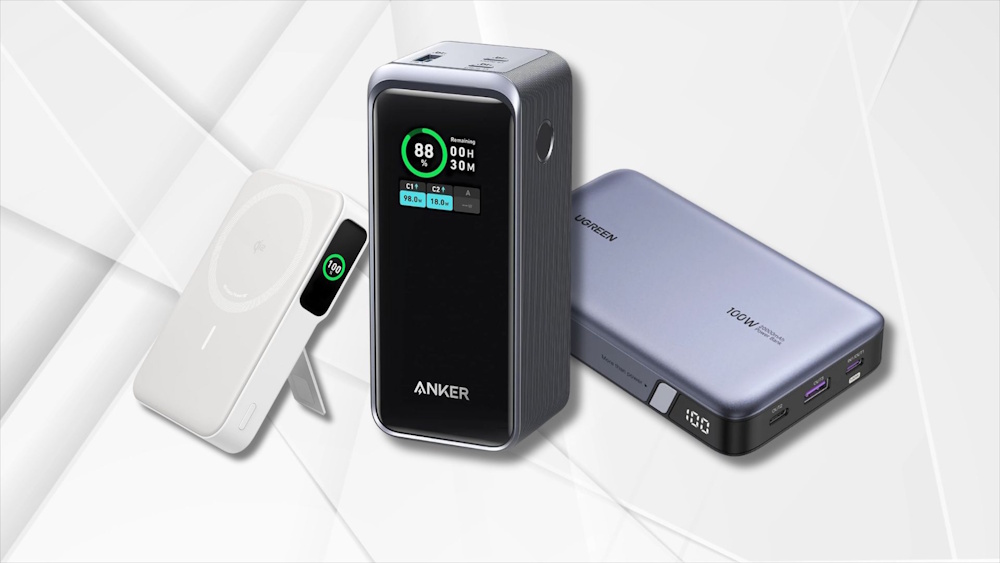











Tags
📧 Get More Articles Like This
Subscribe to receive product reviews and buying guides in your inbox!
We respect your privacy. Unsubscribe at any time.