Nutrition Tips for Athletes: The Complete Guide to Peak Performance Through Food

Table of Contents
- Introduction: Nutrition as Your Performance Foundation
- The Three Pillars: Macronutrients for Athletes
- Micronutrients: The Unsung Heroes
- Hydration: Your Performance Secret Weapon
- Meal Timing: When You Eat Matters
- Pre-Workout Nutrition Strategies
- Post-Workout Recovery Nutrition
- Sport-Specific Nutritional Approaches
- Supplements: What Actually Works
- Common Nutritional Mistakes Athletes Make
- Conclusion: Building Your Nutrition Game Plan
- FAQ
Introduction: Nutrition as Your Performance Foundation
You train hard. You push your body to its limits. You invest hours in the gym, on the track, in the pool, or on the field. But here’s the truth that separates good athletes from great ones: training is only half the equation. The other half—often the more important half—is what you put into your body.
Elite athletes understand something fundamental that recreational fitness enthusiasts often overlook: you cannot out-train a bad diet. No matter how intense your workouts, how perfect your form, or how dedicated your training schedule, poor nutrition will sabotage your progress, limit your potential, and leave you perpetually falling short of your goals.
The science is unequivocal. Research published in the Journal of the International Society of Sports Nutrition demonstrates that proper athletic nutrition can improve performance by 20-30%, accelerate recovery time by up to 50%, reduce injury risk significantly, and optimize body composition in ways that training alone cannot achieve. These aren’t marginal gains—they’re the difference between mediocrity and excellence, between chronic fatigue and sustained energy, between frequent injuries and consistent progress.
Yet despite overwhelming evidence supporting nutrition’s critical role in athletic performance, the majority of athletes—from weekend warriors to serious competitors—struggle with dietary strategies. They either follow outdated nutritional advice rooted in myths rather than science, adopt extreme restrictions that harm rather than help performance, rely excessively on supplements while neglecting whole food nutrition, or simply have no structured nutritional approach whatsoever, eating haphazardly based on convenience rather than performance needs.
The consequences are predictable and frustrating: plateaued progress despite consistent training, chronic fatigue that makes workouts feel harder than they should, slow recovery that limits training frequency and intensity, frequent illness from compromised immune function, increased injury susceptibility from inadequate nutrient intake, and suboptimal body composition that doesn’t reflect training efforts.
While the following demonstration highlights how to nourish your body like professional athletes do, there is also nutritional information for athletes that you may not be aware of, which will be revealed in exclusive details later in this article :
This comprehensive guide cuts through the confusion, contradictions, and pseudoscience that plague athletic nutrition. We’ll explore the fundamental macronutrients that fuel performance and build muscle, understand micronutrients’ critical roles in energy production and recovery, master hydration strategies that prevent performance-killing dehydration, learn precise meal timing protocols maximizing training adaptations, discover what to eat before workouts for optimal energy and endurance, understand post-workout nutrition accelerating recovery and muscle growth, explore sport-specific nutritional approaches for different athletic demands, evaluate supplements separating evidence-based options from marketing hype, and identify common nutritional mistakes sabotaging progress.
Whether you’re a competitive athlete seeking every possible advantage, a serious recreational athlete wanting to maximize your limited training time, a fitness enthusiast struggling to see results from your efforts, or someone transitioning from casual exercise to more structured athletic pursuits—this guide provides the evidence-based nutritional knowledge you need to transform your performance.
Your body is a high-performance machine. Like any sophisticated machine, it requires the right fuel, delivered at the right time, in the right amounts. Feed it properly, and you’ll unlock capabilities you didn’t know you possessed. Neglect nutrition, and you’ll never reach your true potential regardless of how hard you train.
Let’s build your nutritional foundation for peak athletic performance.
1. The Three Pillars: Macronutrients for Athletes
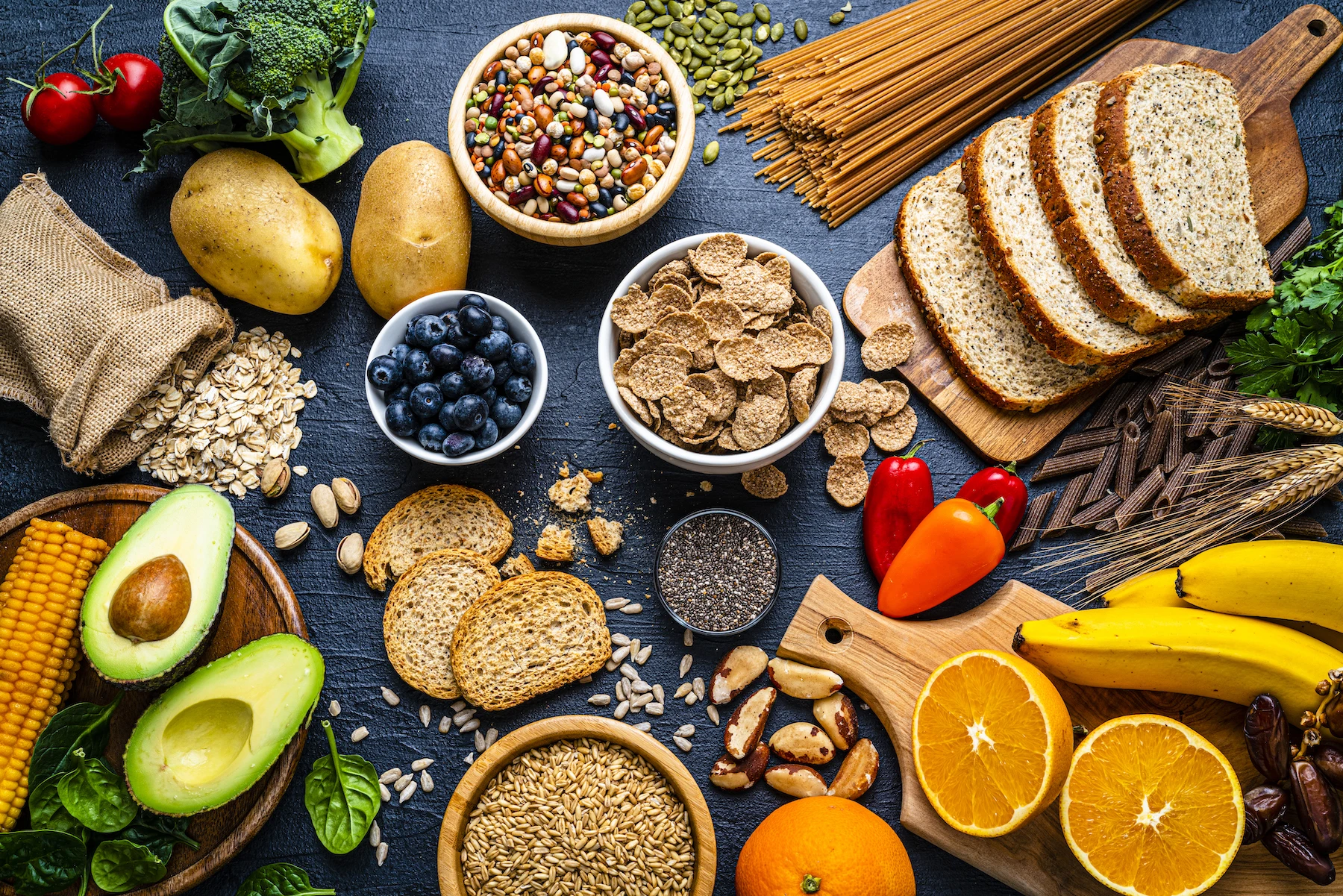
Macronutrients—proteins, carbohydrates, and fats—provide the energy and building blocks your body needs for athletic performance. Understanding each macronutrient’s role and optimizing your intake creates the foundation for all athletic nutrition.
Protein: Building and Repairing Your Body
Why Protein Matters for Athletes:
Protein provides amino acids—the building blocks for muscle tissue, enzymes, hormones, and immune function. For athletes, protein serves critical roles: muscle protein synthesis (building new muscle tissue after training), muscle repair (fixing damage from intense exercise), hormone production (including testosterone and growth hormone), immune function (preventing illness that interrupts training), and satiety (keeping you full and preventing overeating).
How Much Protein Do Athletes Need?
The International Society of Sports Nutrition recommends 1.4-2.0 grams of protein per kilogram of body weight daily for athletes. This translates to:
- Endurance athletes: 1.2-1.4 g/kg (lower end of spectrum)
- Strength/power athletes: 1.6-2.0 g/kg (higher end)
- Team sport athletes: 1.4-1.7 g/kg (middle range)
For a 70 kg (154 lb) athlete, this means approximately 98-140 grams of protein daily. For an 80 kg (176 lb) strength athlete, the target is 128-160 grams daily.
Important Context: These recommendations assume adequate caloric intake. Athletes in caloric deficits (cutting weight, losing fat) may need higher protein intakes (up to 2.3-3.1 g/kg) to preserve muscle mass while losing fat.
High-Quality Protein Sources:
Animal-Based Proteins:
- Chicken breast: 31g protein per 100g, lean, versatile, affordable
- Turkey breast: 29g protein per 100g, low-fat alternative to other meats
- Lean beef: 26g protein per 100g, rich in iron, zinc, B-vitamins, creatine
- Fish (salmon, tuna, cod, tilapia): 20-25g protein per 100g, omega-3 fatty acids (salmon), lean protein
- Eggs: 6g protein per large egg, complete amino acid profile, affordable
- Greek yogurt: 10g protein per 100g, probiotic benefits, calcium
- Cottage cheese: 11g protein per 100g, casein protein (slow-digesting)
- Whey protein powder: 20-25g protein per scoop, rapid absorption, convenient
Plant-Based Proteins:
- Lentils: 9g protein per 100g cooked, fiber, iron
- Chickpeas: 9g protein per 100g cooked, versatile
- Black beans: 9g protein per 100g cooked, fiber, antioxidants
- Quinoa: 4g protein per 100g cooked, complete protein (all amino acids)
- Tofu: 8g protein per 100g, complete protein, versatile
- Tempeh: 19g protein per 100g, fermented benefits
- Edamame: 11g protein per 100g, omega-3s
- Pea protein powder: 20-25g protein per scoop, hypoallergenic
Protein Distribution Throughout the Day:
Rather than consuming all protein in one or two large meals, research shows that distributing protein across 4-6 meals optimizes muscle protein synthesis. Each meal should contain approximately 20-40 grams of protein—the amount that maximizes muscle-building signals.
For example, an 80 kg strength athlete targeting 160g daily protein might distribute it as:
- Breakfast: 30g (eggs, Greek yogurt)
- Lunch: 40g (chicken breast, quinoa)
- Pre-workout snack: 20g (protein shake)
- Post-workout: 40g (fish, rice)
- Dinner: 30g (lean beef, vegetables)
This distribution maintains elevated muscle protein synthesis throughout the day rather than creating large gaps where muscle breakdown exceeds synthesis.
Carbohydrates: Your Primary Fuel Source
Why Carbohydrates Matter for Athletes:
Carbohydrates are the body’s preferred fuel source for moderate-to-high intensity exercise. They’re stored as glycogen in muscles and liver, providing readily available energy during training and competition. Adequate carbohydrate intake: fuels high-intensity training (anything above 65% max heart rate), spares muscle protein (prevents body from breaking down muscle for fuel), supports central nervous system function (brain runs primarily on glucose), optimizes recovery (replenishes depleted glycogen stores), and enhances immune function (low-carb diets can suppress immunity).
How Many Carbohydrates Do Athletes Need?
Carbohydrate needs vary dramatically based on training volume and intensity:
- Low-intensity/skill-based athletes: 3-5 g/kg daily
- Moderate-intensity training (1 hour daily): 5-7 g/kg daily
- High-intensity endurance training (1-3 hours daily): 6-10 g/kg daily
- Very high-intensity training (4+ hours daily): 8-12 g/kg daily
A 70 kg endurance athlete training 2 hours daily might target 420-700 grams of carbohydrates daily. This sounds like a lot—and it is—but it’s necessary to fuel training, maintain glycogen stores, and support recovery.
Carbohydrate Quality Matters:
Not all carbohydrates are created equal. Athletes should emphasize:
Complex Carbohydrates (Most Meals):
- Oats: Slow-releasing energy, fiber, beta-glucan
- Brown rice: Sustained energy, B-vitamins, minerals
- Quinoa: Complete protein, complex carbs, nutrients
- Sweet potatoes: Vitamins A and C, fiber, antioxidants
- Whole grain bread/pasta: Fiber, sustained energy
- Legumes: Protein + carbs + fiber combination
Simple Carbohydrates (Strategic Timing):
- Fruits (bananas, berries, apples): Quick energy, vitamins, antioxidants
- Honey: Rapid glucose, trace minerals
- White rice: Fast-digesting, useful post-workout
- Sports drinks: During/after intense training only
- Dried fruits: Concentrated carbs, portable
The key is timing carbohydrate types appropriately: complex carbs for sustained energy during most of the day, simple carbs strategically around workouts when rapid digestion is beneficial.
The Glycemic Index Consideration:
The glycemic index (GI) measures how quickly foods raise blood sugar. Low-GI foods (most complex carbs) provide sustained energy without blood sugar spikes. High-GI foods (simple carbs) rapidly raise blood sugar.
Low-GI foods are ideal for:
- Meals 2+ hours before training
- General daily meals
- Maintaining stable energy
High-GI foods are useful for:
- 30-60 minutes before training (quick energy)
- During prolonged exercise (maintains blood glucose)
- Immediately post-workout (rapid glycogen replenishment)
Fats: Essential for Hormones and Health
Why Fats Matter for Athletes:
Dietary fats often get unfairly vilified, but they’re essential for athletic performance. Fats: provide concentrated energy (9 calories per gram vs. 4 for carbs/protein), support hormone production (including testosterone and growth hormone), enhance nutrient absorption (vitamins A, D, E, K are fat-soluble), reduce inflammation (omega-3 fatty acids), and support cell membrane health (critical for muscle function).
How Much Fat Do Athletes Need?
Athletes should consume 20-35% of total calories from fat, with emphasis on unsaturated fats. For a 2,500-calorie diet, this translates to approximately 55-97 grams of fat daily.
Minimum fat intake should never drop below 0.5 g/kg body weight—going too low compromises hormone production and health.
Healthy Fat Sources:
Omega-3 Rich Sources:
- Fatty fish (salmon, mackerel, sardines): EPA and DHA omega-3s, anti-inflammatory
- Chia seeds: 5g omega-3s per ounce, fiber
- Flaxseeds: 6g omega-3s per ounce, lignans
- Walnuts: Omega-3s, antioxidants
Monounsaturated Fats:
- Avocados: Healthy fats, potassium, fiber
- Olive oil: Anti-inflammatory, heart-healthy
- Almonds: Vitamin E, magnesium, protein
- Cashews: Minerals, monounsaturated fats
Other Healthy Fats:
- Eggs (whole, including yolk): Complete nutrition, choline
- Natural nut butters: Concentrated energy, minerals
- Seeds (pumpkin, sunflower): Minerals, vitamin E
- Dark chocolate (70%+ cacao): Antioxidants, minerals
Fats to Minimize:
Trans fats (found in many processed foods, partially hydrogenated oils) should be completely avoided—they impair recovery, increase inflammation, and harm cardiovascular health.
Excessive saturated fats (while not inherently harmful in moderate amounts) should be balanced with unsaturated fats. Focus on lean protein sources and incorporate plant-based fats.
Shop on AliExpress via link: wholesale-protein-powder-athletes

2. Micronutrients: The Unsung Heroes
While macronutrients provide energy and building blocks, micronutrients—vitamins and minerals—enable the biochemical reactions that convert food into energy, build muscle, and maintain health. Athletes have elevated micronutrient needs due to increased energy expenditure, muscle breakdown, and oxidative stress from intense training.
Critical Vitamins for Athletes
B-Vitamins (B1, B2, B3, B6, B12, Folate):
B-vitamins play central roles in energy metabolism—converting food into ATP (cellular energy). Athletes with inadequate B-vitamin intake experience fatigue, impaired performance, and slow recovery.
Best sources: Whole grains, legumes, eggs, dairy, leafy greens, lean meats, fish
Vitamin D:
Often deficient even in athletes, vitamin D supports bone health, immune function, muscle function, and testosterone production. Low vitamin D correlates with increased injury risk, frequent illness, and reduced strength.
Best sources: Fatty fish, fortified dairy, egg yolks, sunlight exposure (15-20 minutes daily)
Vitamin C:
A powerful antioxidant, vitamin C reduces exercise-induced oxidative stress, supports immune function, and aids collagen synthesis (important for connective tissue health).
Best sources: Citrus fruits, berries, bell peppers, broccoli, kiwi
Vitamin E:
Another antioxidant protecting cell membranes from oxidative damage during exercise. Vitamin E supports immune function and reduces inflammation.
Best sources: Nuts, seeds, vegetable oils, leafy greens, avocados
Vitamin A:
Supports vision, immune function, and cellular growth. Important for tissue repair after training.
Best sources: Sweet potatoes, carrots, leafy greens, eggs, dairy
Essential Minerals for Athletic Performance
Iron:
Critical for oxygen transport (as component of hemoglobin in red blood cells). Iron deficiency—common in athletes, particularly female endurance athletes—causes fatigue, impaired performance, and reduced training capacity.
Best sources: Red meat, poultry, fish, lentils, beans, spinach, fortified cereals
Note: Plant-based iron (non-heme iron) is less bioavailable than animal-based iron (heme iron). Consuming vitamin C with plant iron sources enhances absorption.
Calcium:
Essential for bone health, muscle contraction, and nerve signaling. Athletes, particularly those restricting calories or avoiding dairy, risk inadequate calcium intake leading to stress fractures and compromised bone density.
Best sources: Dairy products, fortified plant milks, leafy greens, canned fish with bones (sardines)
Magnesium:
Involved in over 300 biochemical reactions including energy production, muscle function, and protein synthesis. Magnesium deficiency causes muscle cramps, fatigue, and impaired recovery.
Best sources: Nuts, seeds, legumes, whole grains, leafy greens, dark chocolate
Zinc:
Supports immune function, protein synthesis, and testosterone production. Athletes lose zinc through sweat, increasing requirements.
Best sources: Meat, shellfish, legumes, seeds, nuts, dairy
Sodium and Potassium:
Electrolytes critical for fluid balance, muscle contraction, and nerve function. Lost through sweat during exercise, requiring replacement particularly in hot conditions or during prolonged training.
Sodium sources: Table salt, broths, sports drinks (during exercise)
Potassium sources: Bananas, potatoes, avocados, beans, yogurt, fish
Antioxidants: Managing Exercise-Induced Oxidative Stress
Intense exercise generates reactive oxygen species (ROS)—free radicals that cause oxidative stress and cellular damage. While some oxidative stress triggers beneficial training adaptations, excessive oxidation impairs recovery and health.
Antioxidant-rich foods help balance oxidative stress:
- Berries (blueberries, strawberries, blackberries): Anthocyanins, polyphenols
- Cherries (tart cherries): Reduce inflammation, improve recovery
- Dark leafy greens: Multiple antioxidants, nutrients
- Beets: Nitrates (improve blood flow), antioxidants
- Green tea: Catechins, modest caffeine
- Dark chocolate (70%+ cacao): Flavonoids, minerals
- Turmeric: Curcumin (powerful anti-inflammatory)
Meeting Micronutrient Needs
Whole foods first: A varied diet emphasizing colorful fruits, vegetables, whole grains, lean proteins, and healthy fats provides most micronutrients athletes need.
Strategic supplementation: Some athletes may benefit from supplements:
- Vitamin D: If limited sun exposure or blood tests show deficiency
- Iron: If blood tests show deficiency (don’t supplement without testing)
- Multivitamin: Insurance policy for athletes with restricted diets or increased needs
Avoid mega-dosing: More isn’t always better. [Excessive micronutrient intake can be harmful and interfere with absorption of other nutrients.](xcessive micronutrient intake can be harmful and interfere with absorption of other nutrients.)
3. Hydration: Your Performance Secret Weapon
Water is the most underrated performance enhancer. Even mild dehydration—as little as 2% body weight loss through sweat—significantly impairs athletic performance, reduces endurance capacity by 10-20%, decreases strength and power output, impairs cognitive function and decision-making, increases core body temperature and cardiovascular strain, and slows recovery from exercise.
Understanding Sweat and Fluid Loss
Athletes lose significant fluid through sweat during training—rates vary based on intensity, duration, temperature, humidity, and individual factors. Sweat rates range from 0.5 liters per hour (light exercise, cool conditions) to 2+ liters per hour (intense exercise, hot/humid conditions).
Calculate your sweat rate:
- Weigh yourself naked before exercise
- Exercise for 1 hour (typical training intensity)
- Weigh yourself naked immediately after (without drinking during exercise)
- Weight difference in pounds × 16 = fluid loss in ounces per hour
- Weight difference in kg × 1000 = fluid loss in mL per hour
Example: If you lose 2 pounds (0.9 kg) in one hour, your sweat rate is approximately 32 ounces (900 mL) per hour. This becomes your baseline for determining hydration needs during training.
Daily Hydration Guidelines
Baseline daily water needs: Approximately 30-40 mL per kg body weight, or roughly half your body weight in ounces.
- 70 kg (154 lb) athlete: 2,100-2,800 mL (71-95 oz) daily
- 80 kg (176 lb) athlete: 2,400-3,200 mL (81-108 oz) daily
Additional hydration needs:
- Add fluid losses from training (calculate sweat rate)
- Increase intake in hot/humid conditions
- Increase intake at altitude
- Increase intake if consuming high-protein diets (protein metabolism requires water)
Hydration Timing Strategies
Pre-Training Hydration:
Start exercise well-hydrated. Drink 5-7 mL per kg body weight (approximately 17-24 oz for a 70 kg athlete) 2-4 hours before training. This allows time for fluid absorption and urination before exercise begins.
Monitor urine color—pale yellow indicates good hydration; dark yellow/amber suggests dehydration.
During-Training Hydration:
For exercise lasting less than 60 minutes in moderate conditions, water alone suffices. For exercise exceeding 60 minutes or intense exercise in heat, consume 400-800 mL (14-28 oz) per hour, adjusted based on individual sweat rates.
Sports drinks become useful during prolonged/intense exercise because they provide:
- Fluid replacement
- Electrolyte replacement (sodium, potassium)
- Carbohydrate fuel (maintains blood glucose)
Aim for sports drinks containing 6-8% carbohydrates and 110-165 mg sodium per 8 oz serving.
Post-Training Rehydration:
Replace 150% of fluid lost during training within 4-6 hours post-exercise. If you lost 1 kg (2.2 lbs) during training, consume 1.5 liters (50 oz) of fluid post-workout.
The 150% figure accounts for continued fluid losses through urine and sweat after training ends.
Electrolyte Replacement
Sweat contains electrolytes—particularly sodium—that must be replaced to maintain fluid balance and prevent hyponatremia (dangerously low blood sodium).
Sodium needs during prolonged exercise:
Athletes lose approximately 500-1,000 mg sodium per liter of sweat. During exercise lasting 2+ hours, or in hot conditions, actively replace sodium through:
- Sports drinks (110-165 mg per 8 oz)
- Electrolyte tablets/powders
- Salty snacks (pretzels, crackers)
- Salted foods
Signs of dehydration:
- Thirst (by the time you’re thirsty, you’re already mildly dehydrated)
- Dark urine
- Decreased performance
- Increased heart rate
- Dizziness
- Fatigue
Signs of overhydration (hyponatremia):
- Nausea
- Headache
- Confusion
- Swollen hands/feet
- Rapid weight gain during exercise
Practical Hydration Tips
Develop a hydration routine: Don’t rely on thirst—establish scheduled fluid intake before, during, and after training.
Monitor body weight: Weigh yourself before and after training sessions. Significant weight loss indicates dehydration requiring adjustment to fluid intake strategies.
Individualize approach: Sweat rates vary dramatically between individuals. Calculate your personal sweat rate and base hydration strategies on your specific needs rather than generic recommendations.
Consider environmental factors: Hot, humid conditions dramatically increase sweat rates and hydration needs. Adjust fluid intake accordingly.
Include hydrating foods: Fruits (watermelon, oranges, berries) and vegetables (cucumber, lettuce, celery) contribute to daily fluid intake.
Shop on AliExpress via link: wholesale-sports-water-bottles

4. Meal Timing: When You Eat Matters
Nutrient timing—strategically consuming specific nutrients at specific times relative to training—optimizes performance, recovery, and body composition. While total daily intake matters most, meal timing provides additional benefits that serious athletes shouldn’t ignore.
The Anabolic Window: Fact or Fiction?
The “anabolic window”—the supposed 30-60 minute post-workout period when nutrition is critical—has been somewhat overstated. Research shows the window is much wider than previously believed, extending several hours.
However, nutrient timing still matters:
- Pre-training nutrition affects workout quality and performance
- Post-training nutrition influences recovery speed
- Protein distribution throughout the day optimizes muscle protein synthesis
- Carbohydrate timing around training supports glycogen replenishment
The key is understanding that while timing isn’t make-or-break crucial for casual exercisers, marginal gains from optimized timing separate good athletes from great ones.
Daily Meal Frequency for Athletes
Eating frequency affects:
- Muscle protein synthesis (elevated with regular protein intake)
- Energy availability (preventing between-meal energy crashes)
- Recovery (consistent nutrient supply supports repair)
- Body composition (frequent meals can aid appetite control)
Recommended meal frequency: 4-6 meals/snacks daily, spaced 3-4 hours apart. This maintains elevated muscle protein synthesis, provides consistent energy for training and recovery, prevents extreme hunger leading to overeating, and optimizes nutrient absorption.
Example 5-meal daily schedule:
- 7:00 AM - Breakfast
- 10:00 AM - Mid-morning snack
- 1:00 PM - Lunch
- 4:00 PM - Pre-workout meal
- 7:00 PM - Post-workout dinner
- (Optional 9:00 PM - Pre-bed snack if needed)
Intermittent Fasting and Athletes
Intermittent fasting (IF)—restricting eating to specific time windows—has gained popularity. However, IF generally does NOT optimize athletic performance.
Concerns with IF for athletes:
- Training fasted impairs high-intensity performance
- Limited eating windows make meeting caloric/protein needs difficult
- Recovery may be compromised with prolonged fasting
- Hormonal issues possible (especially for female athletes)
Exception: Some athletes successfully practice modified IF with eating windows timed around training. However, this requires careful planning and isn’t recommended for most athletes prioritizing performance.
Carbohydrate Timing Throughout the Day
Front-load carbohydrates: Consume the majority of daily carbohydrates in meals preceding training and immediately post-training. This ensures adequate fuel availability when needed most and prioritizes glycogen replenishment.
Example carbohydrate distribution for evening training:
- Breakfast: 25% of daily carbs
- Lunch: 25% of daily carbs
- Pre-workout snack: 15% of daily carbs
- Post-workout dinner: 30% of daily carbs
- Pre-bed: 5% of daily carbs (if needed)
For morning training, adjust accordingly:
- Pre-workout breakfast: 25% of daily carbs
- Post-workout snack: 25% of daily carbs
- Lunch: 25% of daily carbs
- Dinner: 20% of daily carbs
- Snacks: 5% of daily carbs
Protein Distribution for Optimal Muscle Protein Synthesis
The “protein bolus” concept: Consuming 20-40 grams of protein per meal maximizes muscle protein synthesis. Going significantly higher doesn’t provide additional muscle-building benefits (though excess protein still has value for satiety and overall intake).
Distribute protein across all meals: Rather than consuming 100 grams at dinner and minimal amounts at other meals, spread protein evenly:
- Breakfast: 30g
- Lunch: 35g
- Pre-workout snack: 25g
- Dinner: 40g
- Pre-bed snack: 20g Total: 150g distributed across 5 feedings
This maintains elevated muscle protein synthesis throughout the day rather than creating long gaps where muscle breakdown exceeds synthesis.
Nighttime Nutrition
Pre-bed protein: Consuming 20-40 grams of slow-digesting protein (casein from cottage cheese or Greek yogurt, or casein protein powder) before bed provides amino acids during overnight fasting period, supporting muscle protein synthesis and reducing muscle breakdown.
Research shows: Pre-bed protein consumption enhances overnight recovery, increases morning muscle protein synthesis rates, and may improve body composition when combined with training.
Good pre-bed protein options:
- Cottage cheese (casein-rich)
- Greek yogurt
- Casein protein shake
- Small serving of lean meat
Avoid large meals immediately before bed (digestive discomfort), but a moderate protein serving 30-60 minutes before sleep supports recovery without disrupting sleep quality.
5. Pre-Workout Nutrition Strategies
What you eat before training significantly impacts workout quality, performance, endurance, and even recovery. Pre-workout nutrition provides fuel for the upcoming training session while avoiding digestive discomfort that impairs performance.
The Timing Question: How Long Before Training?
3-4 Hours Before (Full Meal):
A complete meal 3-4 hours pre-training allows adequate digestion while providing sustained energy. This meal should include:
- Lean protein: 20-40g (chicken, turkey, fish, eggs)
- Complex carbohydrates: 40-80g (brown rice, sweet potato, oats, whole grain bread)
- Small amount of healthy fats: 10-15g (avocado, nuts, olive oil)
- Vegetables: For micronutrients and fiber
Example meals:
- Grilled chicken breast, brown rice, steamed broccoli
- Turkey sandwich on whole grain bread with avocado
- Salmon, quinoa, roasted vegetables
- Scrambled eggs, oatmeal, berries
1-2 Hours Before (Lighter Meal):
A smaller meal closer to training should emphasize easily digestible carbohydrates with moderate protein and minimal fat (fat slows digestion).
- Carbohydrates: 30-50g (primarily simple/moderate GI)
- Protein: 15-25g (easily digestible)
- Fat: Minimal (<5g)
Example meals:
- Banana with Greek yogurt
- Rice cakes with honey and protein shake
- White rice with grilled chicken
- Smoothie with fruit, protein powder, and almond milk
30-60 Minutes Before (Snack):
Very close to training, emphasize quickly digestible carbohydrates for immediate energy. Protein is optional; avoid fat entirely.
- Carbohydrates: 20-30g (simple carbs)
- Protein: 0-10g (optional)
Example snacks:
- Banana
- Energy bar (low-fiber, low-fat)
- Sports drink
- White bread with honey
- Dried fruit
Pre-Workout Carbohydrates: Fueling Performance
Why pre-workout carbs matter:
- Top off muscle glycogen stores
- Maintain blood glucose during training
- Spare muscle protein (prevent body from burning muscle for fuel)
- Enhance performance, particularly for high-intensity or prolonged exercise
Carbohydrate amount depends on workout intensity/duration:
- <1 hour moderate intensity: 0-30g (possibly unnecessary)
- 1-2 hours moderate-high intensity: 30-60g
- 2+ hours high intensity: 60-90g
Pre-Workout Protein: Priming Muscle Protein Synthesis
Including protein in pre-workout meals primes muscle protein synthesis, provides amino acids for repair during and after training, and may reduce muscle damage from intense exercise.
Optimal pre-workout protein: 15-25g from easily digestible sources
- Protein shake (whey/plant protein)
- Greek yogurt
- Eggs
- Lean poultry or fish (if eaten 2+ hours before)
Individual Tolerance and Digestion
Gastrointestinal tolerance varies dramatically between individuals. Some athletes tolerate full meals shortly before training; others need 3-4 hours for digestion or experience cramping, nausea, or discomfort.
Factors affecting tolerance:
- Training intensity (high intensity = more sensitive digestion)
- Individual digestive system differences
- Fiber content (high-fiber meals require longer digestion)
- Fat content (fat slows gastric emptying)
- Stress and nerves (affect digestion)
Find your personal timing through experimentation: Start conservatively (eat 3-4 hours before), gradually adjust timing based on how you feel during training. Keep a nutrition log tracking what you ate, when, and how you performed/felt.
Caffeine: The Legal Performance Enhancer
Caffeine consumed pre-workout enhances:
- Endurance performance (delays fatigue)
- Power output and strength
- Focus and alertness
- Fat oxidation (using fat for fuel)
Optimal caffeine dosage: 3-6 mg per kg body weight, consumed 30-60 minutes before training
For a 70 kg athlete: 210-420 mg caffeine (approximately 2-4 cups of coffee or 1-2 caffeine pills)
Caffeine sources:
- Coffee (95-165 mg per 8 oz cup)
- Pre-workout supplements (150-300 mg typically)
- Caffeine pills (100-200 mg)
- Energy drinks (80-150 mg per serving)
Cautions:
- Some individuals experience jitters, anxiety, or GI distress from caffeine
- Tolerance develops with regular use (reducing effectiveness)
- Avoid caffeine late in day (disrupts sleep)
- Consider cycling caffeine (using it strategically rather than daily)
Pre-Workout Supplements: What Works?
Beyond basic nutrition, several supplements demonstrate pre-workout performance benefits:
Beta-alanine: Buffers muscle acidity, delaying fatigue during high-intensity exercise. Dosage: 3-6g daily (not necessarily pre-workout—benefits occur from daily loading).
Creatine: Enhances high-intensity performance, strength, and muscle growth. Dosage: 3-5g daily (timing doesn’t matter—just take it daily).
Nitric oxide precursors (beetroot juice, citrulline): Improve blood flow and oxygen delivery. Beetroot juice: 500 mL 2-3 hours pre-workout. Citrulline malate: 6-8g 30-60 minutes pre-workout.
Shop on AliExpress via link: wholesale-pre-workout-supplements

6. Post-Workout Recovery Nutrition
Post-training nutrition determines recovery speed, muscle growth, glycogen replenishment, and readiness for subsequent training sessions. While the “anabolic window” has been overstated, post-workout nutrition remains critical for optimal adaptations.
The Post-Workout Priorities
Immediately post-training, your body needs:
- Protein (muscle repair and growth)
- Carbohydrates (glycogen replenishment)
- Fluids and electrolytes (rehydration)
- Micronutrients (supporting recovery processes)
Post-Workout Protein: Maximizing Muscle Protein Synthesis
Why post-workout protein matters:
Training creates micro-tears in muscle tissue and elevates muscle protein breakdown. Consuming protein post-workout shifts balance from breakdown to synthesis, provides amino acids for muscle repair, and maximizes training adaptations (muscle growth, strength gains).
Optimal post-workout protein: 20-40 grams of high-quality protein
Timing: Consume protein within 2 hours post-training (sooner is generally better, but the window extends several hours).
Best post-workout protein sources:
Fast-digesting proteins (ideal immediately post-workout):
- Whey protein powder: Rapidly absorbed, complete amino acid profile, convenient
- Egg whites: Low-fat, pure protein
- Fish (especially white fish): Lean, easily digestible
- Greek yogurt: Fast-digesting, additional carbs
Moderate-digesting proteins:
- Chicken breast: Lean, versatile
- Turkey: Similar to chicken, low-fat
- Lean beef: Protein plus iron, zinc, creatine
- Whole eggs: Complete nutrition, healthy fats
Post-Workout Carbohydrates: Replenishing Glycogen
Why post-workout carbs matter:
Training depletes muscle glycogen (stored carbohydrates). Replenishing glycogen post-workout restores energy for next training session, enhances recovery, reduces cortisol (stress hormone), and improves insulin sensitivity.
Optimal post-workout carbohydrates: 0.5-1.5 g per kg body weight
Amount depends on training intensity/duration:
- Light/short training (<1 hour): 0.5-0.7 g/kg (35-50g for 70 kg athlete)
- Moderate training (1-2 hours): 0.7-1.0 g/kg (50-70g)
- Intense/prolonged training (2+ hours): 1.0-1.5 g/kg (70-105g)
Timing: Consume carbs within 30-60 minutes post-training for optimal glycogen resynthesis (this window is genuinely important for glycogen replenishment).
Best post-workout carbohydrate sources:
Fast-digesting carbs (optimal immediately post-workout):
- White rice: Rapidly absorbed, easy on digestion
- White potatoes: Quick glycogen replenishment
- White bread/bagels: Fast carbs, convenient
- Honey: Simple sugars, trace nutrients
- Dried fruits (dates, raisins): Concentrated carbs
- Sports drinks: Liquid carbs plus electrolytes
Moderate-digesting carbs:
- Sweet potatoes: Vitamins, minerals, sustained energy
- Oats: Balanced carbs, fiber
- Bananas: Potassium, convenient, easily digestible
- Rice cakes: Light, easily digestible
The Protein-to-Carbohydrate Ratio
Research suggests post-workout meals benefit from approximately 3:1 or 4:1 carbohydrate-to-protein ratio for glycogen synthesis. However, this ratio isn’t rigid—prioritize consuming adequate amounts of both.
Example post-workout meals:
For a 70 kg athlete needing 35g protein and 70g carbs:
- Protein shake (25g protein) + banana (30g carbs) + rice cakes with honey (40g carbs)
- Grilled chicken breast (35g protein) + white rice (70g carbs)
- Greek yogurt (20g protein) + granola (30g carbs) + berries (20g carbs) + honey (20g carbs)
Post-Workout Hydration and Electrolytes
Rehydration is critical for recovery. As discussed in the hydration section, consume 150% of fluid lost during training within 4-6 hours post-workout.
Include sodium in post-workout rehydration:
- Sports drinks
- Electrolyte supplements
- Salty snacks
- Salted foods in post-workout meal
The Role of Chocolate Milk
Chocolate milk has gained popularity as post-workout recovery drink, and research supports its effectiveness. One cup (240 mL) of chocolate milk provides:
- Approximately 8g protein (from milk)
- Approximately 26g carbohydrates (from sugar and lactose)
- Fluid for rehydration
- Calcium and vitamin D
- Convenient and palatable
Multiple studies show chocolate milk compares favorably to commercial recovery drinks for endurance athletes. While not optimal for all situations (higher protein needs may require supplementation), it’s a legitimate evidence-based recovery option.
Post-Workout Supplements for Recovery
Beyond basic nutrition, certain supplements enhance recovery:
Creatine monohydrate: While timing doesn’t critically matter, taking creatine (3-5g) post-workout with carbohydrates enhances uptake.
Tart cherry juice: Reduces muscle soreness and inflammation. Dosage: 8-12 oz post-workout or twice daily.
Omega-3 fatty acids: Reduce inflammation, support recovery. Dosage: 1-3g EPA/DHA daily (can be taken anytime).
BCAAs (Branched-Chain Amino Acids): May reduce muscle soreness and support recovery, though whole protein sources provide similar benefits. Dosage: 5-10g post-workout (primarily useful if training fasted or with inadequate protein intake).
Recovery Meals vs. Recovery Snacks
Immediately post-workout (0-30 minutes): Many athletes prefer a recovery snack rather than full meal—something quick, easily digestible, and convenient:
- Protein shake + banana
- Greek yogurt + granola + fruit
- Chocolate milk + rice cakes
- Protein bar + sports drink
1-2 hours post-workout: Follow the recovery snack with a full recovery meal including complete nutrition:
- Protein source
- Complex carbohydrates
- Vegetables
- Healthy fats
Example full recovery meal:
- Grilled salmon, quinoa, roasted vegetables, avocado
This two-phase approach provides immediate glycogen/protein replenishment while ensuring complete nutrition for extended recovery.
7. Sport-Specific Nutritional Approaches
Different sports impose different physiological demands, requiring tailored nutritional strategies. While fundamental principles (adequate protein, appropriate carbohydrates, healthy fats) remain constant, emphasis and timing vary significantly.
Endurance Athletes (Distance Running, Cycling, Swimming, Triathlon)
Nutritional priorities:
- High carbohydrate intake (6-10 g/kg daily)
- Moderate protein (1.2-1.6 g/kg daily)
- Carbohydrate intake during prolonged training (30-60g per hour)
- Emphasis on glycogen replenishment
Key strategies:
- “Carb-loading” before competitions (increasing carbohydrates 2-3 days before events)
- Consuming easily digestible carbohydrates during training/racing (gels, sports drinks, energy chews)
- Immediate post-training carbohydrate consumption (within 30 minutes)
- Higher carbohydrate meals on high-volume training days
Example daily nutrition for 70 kg endurance athlete:
- Carbohydrates: 420-700g
- Protein: 84-112g
- Fats: 60-90g
- Total calories: 2,500-3,500+
Strength and Power Athletes (Weightlifting, Powerlifting, Sprinting)
Nutritional priorities:
- High protein intake (1.6-2.2 g/kg daily)
- Moderate-high carbohydrates (4-7 g/kg daily, depending on volume)
- Adequate calories for muscle growth
- Creatine supplementation
Key strategies:
- Distributing protein across 4-6 meals daily (optimizing muscle protein synthesis)
- Higher caloric intake during muscle-building phases (+300-500 calories above maintenance)
- Strategic carbohydrate intake around training
- Focus on recovery nutrition
Example daily nutrition for 80 kg strength athlete:
- Carbohydrates: 320-560g
- Protein: 128-176g
- Fats: 70-100g
- Total calories: 2,500-3,500+ (bulking phases may require 3,500-4,500+)
Team Sport Athletes (Soccer, Basketball, Football, Hockey)
Nutritional priorities:
- Moderate-high carbohydrates (5-8 g/kg daily)
- Moderate-high protein (1.4-1.8 g/kg daily)
- Balancing endurance and power demands
- Flexibility for varying training/competition schedules
Key strategies:
- Higher carbohydrate intake on game days and intense training days
- Adequate protein for muscle recovery from repeated high-intensity efforts
- Halftime/between-period nutrition (quick carbohydrates)
- Individualized approaches based on position (linemen vs. running backs; forwards vs. goalkeepers)
Example daily nutrition for 75 kg team sport athlete:
- Carbohydrates: 375-600g
- Protein: 105-135g
- Fats: 65-90g
- Total calories: 2,700-3,500+
Combat Sports Athletes (Boxing, MMA, Wrestling, Judo)
Nutritional priorities:
- Maintaining/making weight while preserving performance
- High protein intake (1.8-2.5 g/kg daily, especially during weight cuts)
- Strategic carbohydrate manipulation around training and weigh-ins
- Careful rehydration protocols
Key strategies:
- Gradual weight loss (0.5-1% body weight per week) rather than extreme cuts
- High protein intake during caloric deficits (preserving muscle mass)
- Carbohydrate periodization (lower on rest days, higher on training days)
- Rapid rehydration and refueling between weigh-in and competition
Special consideration: Weight cutting requires expert guidance. Extreme weight cuts compromise health, performance, and safety.
Aesthetic Sports Athletes (Gymnastics, Figure Skating, Bodybuilding)
Nutritional priorities:
- Maintaining low body fat while preserving muscle
- Adequate protein (1.8-2.5 g/kg daily)
- Carefully controlled caloric intake
- Psychological health around food
Key strategies:
- Moderate caloric deficits (10-20% below maintenance)
- High protein intake (preserving muscle during fat loss)
- Strategic carbohydrate intake around training
- Flexible dieting approaches (avoiding overly restrictive patterns)
Important note: Athletes in aesthetic sports are at increased risk for disordered eating. Nutritional approaches should prioritize health and performance, working with sports dietitians when possible.
8. Supplements: What Actually Works
The supplement industry is rife with exaggerated claims, ineffective products, and marketing hype. However, several evidence-based supplements demonstrably enhance athletic performance when used appropriately.
Tier 1: Strong Evidence, Safe, Cost-Effective
Creatine Monohydrate:
The most researched and effective supplement for athletic performance. Creatine:
- Increases high-intensity exercise capacity
- Enhances muscle growth and strength gains
- Improves power output
- Supports cognitive function
Dosage: 3-5g daily (timing doesn’t matter) Loading protocol (optional): 20g daily for 5-7 days, then 3-5g daily maintenance Cost: Very affordable ($10-20 for several months) Safety: Extensively studied, extremely safe
Caffeine:
Enhances endurance, strength, power, and focus. Benefits are dose-dependent and timing-dependent.
Dosage: 3-6 mg/kg body weight, 30-60 minutes before training Sources: Coffee, pre-workout supplements, caffeine pills Cost: Affordable Cautions: Tolerance develops; may disrupt sleep; some individuals experience anxiety
Protein Powder (Whey, Casein, Plant-Based):
Convenient protein source supporting muscle growth and recovery. Not “necessary” if meeting protein needs through whole foods, but extremely convenient.
Dosage: 20-40g servings as needed to meet daily protein targets Types: Whey (fast-digesting), casein (slow-digesting), plant-based (pea, rice, hemp) Cost: Moderate ($15-50 per month depending on quality/quantity)
Tier 2: Good Evidence, Likely Beneficial
Beta-Alanine:
Buffers muscle acidity, delaying fatigue during high-intensity exercise (1-4 minutes duration). Particularly beneficial for repeated high-intensity efforts.
Dosage: 3-6g daily (chronic loading, not acute pre-workout) Timeline: Effects develop over 2-4 weeks of consistent use Side effect: Harmless tingling sensation (paresthesia)
Beetroot Juice / Dietary Nitrates:
Improves blood flow and oxygen delivery, enhancing endurance performance.
Dosage: 500 mL beetroot juice 2-3 hours before exercise, or 6-8g citrulline malate Benefits: Most effective for endurance athletes Cost: Moderate
Omega-3 Fatty Acids (Fish Oil):
Reduces inflammation, supports recovery, cardiovascular health, and potentially cognitive function.
Dosage: 1-3g combined EPA/DHA daily Sources: Fatty fish (preferred) or fish oil supplements Cost: Moderate ($15-30 monthly)
Tier 3: Limited Evidence or Situation-Specific
BCAAs (Branched-Chain Amino Acids):
May reduce muscle soreness and support recovery, but benefits are modest compared to complete protein sources. Primarily useful when training fasted or with inadequate protein intake.
Dosage: 5-10g pre/during/post-workout Assessment: Not essential if consuming adequate protein
Vitamin D:
Critical for bone health, immune function, and performance, but only beneficial if deficient. Many athletes have inadequate vitamin D, making supplementation valuable.
Dosage: 1,000-4,000 IU daily (based on blood testing) Assessment: Consider blood test; supplement if deficient
Iron:
Critical for oxygen transport, but only supplement if deficient (confirmed by blood testing). Excess iron is harmful.
Dosage: Based on deficiency severity and medical guidance Assessment: Blood testing required before supplementing
Supplements to Avoid or Use Cautiously
Fat burners / thermogenics: Often contain excessive stimulants, unproven ingredients, or potentially dangerous compounds. Fat loss comes from caloric deficit, not supplements.
Testosterone boosters: Most have no effect on testosterone in healthy individuals. If you have low testosterone, see a doctor—not a supplement store.
Mass gainers: Expensive calories. Just eat more food or make your own high-calorie shakes.
Proprietary blends: When supplement labels hide ingredient amounts in “proprietary blends,” you don’t know what you’re getting. Avoid these products.
Supplement Quality and Safety
Choose reputable brands: Look for third-party testing (NSF Certified for Sport, Informed-Sport, BSCG Certified Drug Free). These certifications verify products contain what labels claim and are free from banned substances.
Beware contamination: Some supplements contain undisclosed ingredients, including banned substances that can trigger positive drug tests in tested athletes.
Whole foods first: No supplement replaces a solid nutrition foundation. Supplements are exactly what the name implies—supplemental to whole food nutrition.
Shop on AliExpress via link: wholesale-creatine-monohydrate

9. Common Nutritional Mistakes Athletes Make
Even dedicated athletes often sabotage their progress through nutritional errors. Avoiding these common mistakes accelerates progress and optimizes performance.
Mistake #1: Inadequate Caloric Intake
The problem: Many athletes chronically under-eat, failing to consume sufficient calories to support training demands, recovery, and physiological functions.
Consequences: Impaired recovery, decreased performance, increased injury risk, hormonal disruptions, loss of muscle mass, chronic fatigue, and weakened immune function.
The solution: Calculate caloric needs based on activity level (usually 2,500-4,000+ calories for active athletes). Track intake for several days to ensure you’re meeting needs. If weight drops unintentionally or performance declines, increase calories.
Mistake #2: Insufficient Protein Intake
The problem: Athletes consuming inadequate protein compromise muscle growth, recovery, and even immune function.
Consequences: Slow recovery, limited muscle growth, increased injury risk, poor immune function.
The solution: Target 1.6-2.2 g/kg body weight daily, distributed across 4-6 meals. Track protein intake for several days ensuring you meet targets consistently.
Mistake #3: Fearing Carbohydrates
The problem: Low-carb trends have convinced many athletes that carbohydrates are “bad,” leading to unnecessarily restricted intake that compromises performance.
Consequences: Depleted glycogen stores, impaired high-intensity performance, poor recovery, irritability, and decreased training capacity.
The solution: Recognize that carbohydrate needs are activity-dependent. High-intensity and endurance athletes need significant carbohydrates (5-10 g/kg). Don’t fear carbs—they’re essential fuel for athletic performance.
Mistake #4: Neglecting Hydration
The problem: Many athletes chronically underhydrate, training and competing in mildly dehydrated states without realizing it.
Consequences: Impaired performance (even 2% dehydration reduces capacity by 10-20%), increased perceived effort, elevated heart rate, compromised recovery, and increased injury risk.
The solution: Calculate sweat rate. Drink 5-7 mL/kg body weight 2-4 hours pre-training. Consume 400-800 mL per hour during training (adjusted for sweat rate). Replace 150% of fluid lost post-training.
Mistake #5: Poor Meal Timing
The problem: Athletes eating haphazardly—skipping pre-workout nutrition, delaying post-workout meals, or going many hours without eating—miss opportunities to optimize performance and recovery.
Consequences: Suboptimal performance, slower recovery, poor training adaptations.
The solution: Structure meals around training. Eat 1-3 hours pre-workout (depending on meal size). Consume protein and carbohydrates within 2 hours post-workout. Distribute protein across 4-6 daily meals.
Mistake #6: Relying Too Heavily on Supplements
The problem: Some athletes prioritize supplements over whole food nutrition, spending hundreds monthly on products while neglecting dietary fundamentals.
Consequences: Wasted money, potential health risks from excessive/unproven supplements, and missing the superior nutrition from whole foods.
The solution: Build nutrition foundation from whole foods. Use supplements strategically and evidence-based (creatine, protein powder for convenience, caffeine). Don’t replace meals with supplements.
Mistake #7: Restricting Fats Too Severely
The problem: Fear of dietary fat leads some athletes to minimize fat intake below physiological needs.
Consequences: Hormonal disruptions (including reduced testosterone), impaired recovery, decreased fat-soluble vitamin absorption, and increased injury risk.
The solution: Consume 20-35% of calories from healthy fats, with minimum of 0.5 g/kg body weight daily. Emphasize unsaturated fats from fish, nuts, seeds, avocados, and olive oil.
Mistake #8: Ignoring Individual Tolerance
The problem: Athletes rigidly follow generic recommendations without considering individual digestive tolerance, food preferences, or responses.
Consequences: Gastrointestinal distress, poor adherence, unnecessary discomfort.
The solution: Individualize approaches. Some athletes tolerate meals shortly before training; others need 3-4 hours. Some thrive on higher carbohydrates; others feel better with moderate carbs and higher fat. Experiment and adjust based on personal response.
Mistake #9: Cutting Weight Too Aggressively
The problem: Combat sport athletes and athletes in weight-class sports sometimes use extreme methods to make weight—severe caloric restriction, dehydration, excessive exercise.
Consequences: Severe performance impairment, health risks, increased injury susceptibility, hormonal disruptions.
The solution: Plan gradual weight loss (0.5-1% body weight per week). Maintain high protein intake during cuts. Work with sports dietitians for safe weight management.
Mistake #10: Not Periodizing Nutrition
The problem: Eating identically every day regardless of training demands—same calories, same macronutrients on rest days as on intense training days.
Consequences: Suboptimal performance on training days, unnecessary calorie surplus on rest days, missed opportunities for recovery optimization.
The solution: Adjust nutrition based on training. Higher carbohydrates on intense/volume training days; moderate carbohydrates on rest/light days. Maintain protein consistently. Adjust total calories based on expenditure.
Conclusion: Building Your Nutrition Game Plan
Athletic nutrition isn’t about perfection—it’s about consistency, strategic application of evidence-based principles, and individualization based on your specific sport, goals, and responses. The athletes who succeed nutritionally aren’t those following the most extreme or complex protocols; they’re those who master fundamentals and apply them consistently over time.
Your nutritional foundation:
1. Meet total daily caloric needs supporting training, recovery, and physiological functions. Most athletes need 2,500-4,000+ calories daily.
2. Prioritize protein intake (1.6-2.2 g/kg daily) distributed across 4-6 meals, emphasizing high-quality sources from both animal and plant origins.
3. Consume adequate carbohydrates based on training demands (3-10 g/kg daily depending on intensity/volume), emphasizing complex sources for sustained energy and strategic simple carbs around training.
4. Include healthy fats (20-35% of calories, minimum 0.5 g/kg), emphasizing unsaturated sources for hormone production, recovery, and overall health.
5. Stay properly hydrated by calculating sweat rate, pre-hydrating before training, consuming fluids during prolonged/intense sessions, and rehydrating post-workout (150% of losses).
6. Time nutrition strategically with pre-workout meals 1-3 hours before training, post-workout nutrition within 2 hours, and protein distributed throughout the day.
7. Supplement intelligently with evidence-based options (creatine, protein powder, caffeine) while prioritizing whole food nutrition.
8. Individualize approaches based on personal tolerance, preferences, and responses rather than rigidly following generic recommendations.
9. Periodize nutrition adjusting intake based on training demands—higher carbohydrates and calories on intense training days, moderate intake on rest days.
10. Prioritize consistency over perfection—nutrition is a long-term game where consistent good choices compound into extraordinary results.
Implementation strategy:
Don’t attempt to overhaul everything simultaneously. Implement changes progressively:
Week 1-2: Calculate and track caloric and protein intake. Ensure you’re meeting basic needs.
Week 3-4: Establish meal timing around training—pre-workout and post-workout nutrition become routine.
Week 5-6: Refine carbohydrate intake based on training demands. Adjust hydration strategies.
Week 7-8: Fine-tune approaches based on performance, recovery, and how you feel. Add evidence-based supplements if desired.
Ongoing: Continue refining, adjusting, and optimizing based on training phase, competition schedule, and goals.
Remember: Nutrition is deeply personal. What works optimally for one athlete may not suit another. Use scientific principles as guidelines, but individualize based on your unique physiology, preferences, and responses. Work with sports dietitians or nutritionists when possible—professional guidance accelerates progress and prevents costly mistakes.
Your training is only as effective as your nutrition allows it to be. Invest the same dedication, consistency, and intelligence into your dietary approach that you invest in your training. The results—improved performance, faster recovery, better body composition, enhanced health—will validate every effort.
Fuel your body like the high-performance machine it is, and watch your athletic potential unfold.
Frequently Asked Questions
Q: How much protein do I really need as an athlete?
A: Research supports 1.6-2.2 grams per kilogram of body weight daily for athletes. Strength/power athletes target the higher end (1.8-2.2 g/kg); endurance athletes can succeed with the lower end (1.4-1.6 g/kg). For a 70 kg athlete, this translates to approximately 98-154 grams daily. Distribute protein across 4-6 meals (20-40g per meal) for optimal muscle protein synthesis.
Q: Should I eat before early morning workouts?
A: It depends on training intensity and duration. For short (<60 minutes), low-intensity sessions, training fasted is acceptable. For intense or prolonged training, consume easily digestible carbohydrates 30-60 minutes before (banana, toast with honey, sports drink) to fuel performance. If training fasted, prioritize post-workout nutrition and ensure adequate total daily intake.
Q: What’s the best post-workout meal?
A: Optimal post-workout nutrition includes 20-40g protein plus carbohydrates (0.5-1.5 g/kg body weight based on training intensity). Good options: protein shake with banana and rice cakes, chicken with white rice and vegetables, Greek yogurt with granola and fruit, or chocolate milk with a turkey sandwich. Consume within 2 hours post-training (sooner is generally better for glycogen replenishment).
Q: Do I need supplements to perform well?
A: No. Supplements are supplemental—they enhance an already-solid nutritional foundation but cannot replace it. Creatine monohydrate, caffeine, and protein powder (for convenience) have strong evidence. Most other supplements provide marginal or no benefits. Prioritize whole food nutrition; use supplements strategically and evidence-based.
Q: How much water should I drink during training?
A: Aim for 400-800 mL (14-28 oz) per hour during exercise, adjusted based on individual sweat rate, intensity, and environmental conditions. Calculate personal sweat rate by weighing before and after training—weight loss indicates fluid losses requiring replacement. For exercise exceeding 60 minutes, include electrolytes (sports drinks or electrolyte tablets).
Q: Are carbohydrates bad for fat loss?
A: No. Carbohydrates don’t inherently cause fat gain—excess calories do. Athletes need carbohydrates to fuel performance, support recovery, and optimize training adaptations. Even during fat loss phases, maintain adequate carbohydrates (adjusted downward from high-volume training levels) to preserve performance and muscle mass. Focus on total caloric intake and macronutrient balance rather than demonizing specific nutrients.
Q: How long before training should I eat?
A: Timing depends on meal size. Large meals require 3-4 hours for digestion. Moderate meals work 2-3 hours before. Light meals/snacks are appropriate 1-2 hours before. Very close to training (30-60 minutes), stick with easily digestible carbohydrates (banana, sports drink). Individual tolerance varies—experiment to find your optimal timing.
Q: Can I build muscle and lose fat simultaneously?
A: Yes, particularly for beginners, returning athletes after time off, or those carrying significant body fat. However, simultaneous muscle gain and fat loss becomes increasingly difficult for experienced athletes. Most achieve better results focusing on one goal at a time—muscle building phases (slight caloric surplus, higher carbs) alternating with fat loss phases (moderate caloric deficit, high protein to preserve muscle).
Q: Do I need to eat differently on rest days?
A: Yes. Adjust carbohydrates and total calories based on activity—lower carbohydrates and overall calories on rest/light training days; higher on intense training days. Maintain protein intake consistently (muscle protein synthesis continues during rest). This “nutrient periodization” prevents unnecessary fat gain while ensuring adequate fuel on training days.
Q: What should I eat if I train twice daily?
A: Double-day training requires careful nutrition planning. After the first session, prioritize rapid recovery: protein (20-30g) plus carbohydrates (0.8-1.2 g/kg) within 30 minutes. Eat a full meal 2-3 hours later. Before the second session, consume easily digestible carbohydrates and protein 1-2 hours prior. Total daily intake must account for both sessions—often requiring 3,500-4,500+ calories.
Articles related:









Tags
📧 Get More Articles Like This
Subscribe to receive product reviews and buying guides in your inbox!
We respect your privacy. Unsubscribe at any time.