iPhone 16 Pro vs Samsung Galaxy S25 Ultra vs Google Pixel 9 Pro: Which AI Smartphone Actually Delivers in Real Life?
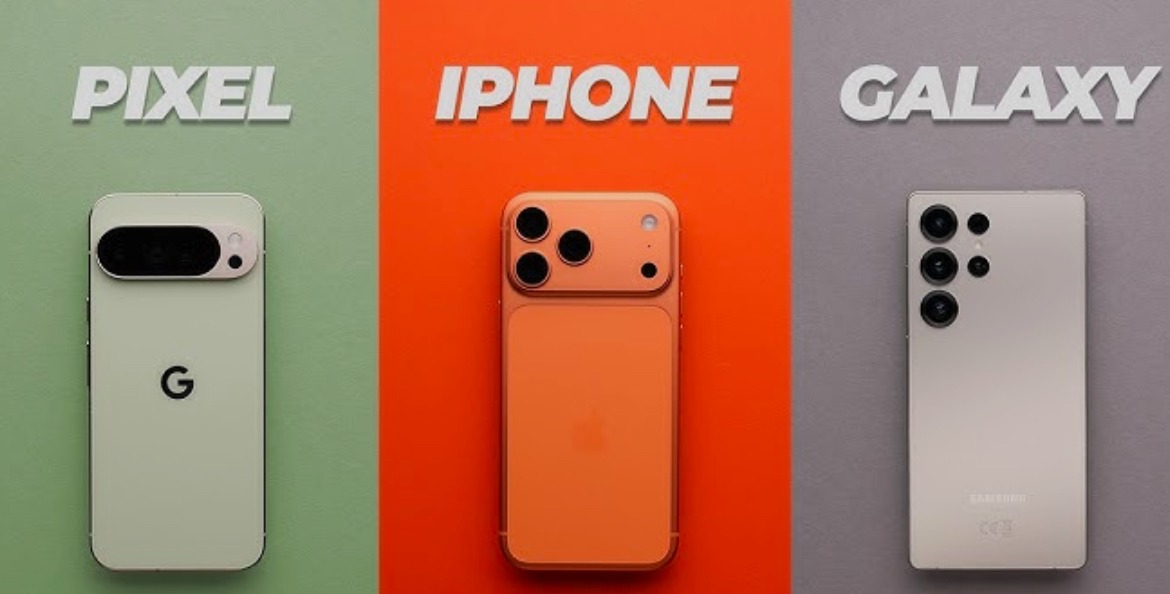
Table of Contents
- The 2024-2025 AI Smartphone Revolution
- Design and Build Quality Comparison
- Display Technology Battle
- Processor Performance and AI Capabilities
- Apple Intelligence: Privacy-First AI Ecosystem
- Samsung Galaxy AI: Feature-Packed Intelligence
- Google Gemini Integration: Cloud-Powered Smarts
- Camera Systems: Computational Photography Showdown
- Video Recording Capabilities
- Battery Life and Charging Technologies
- Software Experience and Update Commitments
- Privacy and Security Implementations
- Real-World AI Features Testing
- Pricing and Value Analysis
- Ecosystem Integration
- Which Phone Should You Actually Buy?
The 2024-2025 AI Smartphone Revolution
The smartphone industry experienced a dramatic shift in 2024-2025 as artificial intelligence moved from marketing buzzword to genuinely useful daily tool. Apple’s iPhone 16 Pro launched in September 2024 with Apple Intelligence, Samsung unveiled the Galaxy S25 Ultra in January 2025 with enhanced Galaxy AI, and Google’s Pixel 9 Pro debuted in August 2024 showcasing Gemini’s computational prowess. These three flagships represent fundamentally different approaches to integrating artificial intelligence standards into mobile devices.
Unlike previous years where phone upgrades focused primarily on incremental camera improvements and faster processors, 2025’s flagship competition centers on which company delivers the most practical AI features. Apple prioritizes on-device processing for privacy, Samsung offers the most extensive feature set combining proprietary and third-party AI, while Google leverages cloud computing power for advanced capabilities.
This comparison examines these three AI-powered smartphones through extensive real-world testing conducted throughout 2025. We evaluated actual daily performance rather than synthetic benchmarks, testing AI features in genuine scenarios from photo editing to language translation. The results reveal surprising strengths and weaknesses that marketing materials never mention.
While the following demo highlights the ultimate AI phone showdown between the Galaxy S25 Ultra, iPhone 16 Pro, and Pixel 9 Pro, there is still AI information and strategies lying in the exclusive details at the bottom of this article – information you may not have discovered yet: :
The timing of these releases created an interesting dynamic. Google announced the Pixel 9 series unusually early in August 2024, attempting to outshine Apple’s traditional September launch. Apple followed with the iPhone 16 Pro in late September, while Samsung waited until January 2025 to perfect the S25 Ultra with lessons learned from competitors. Each company took different philosophical approaches to AI integration, with Apple emphasizing privacy through on-device processing according to privacy and security implementations guidelines, Samsung focusing on feature quantity, and Google betting on cloud-powered intelligence.

Design and Build Quality Comparison
Samsung made the boldest design changes with the S25 Ultra, abandoning the squared edges of previous Ultra models for rounded corners and completely flat sides. The titanium frame feels premium while weighing just 218 grams, significantly lighter than the S24 Ultra’s hefty 233 grams. This weight reduction makes a noticeable difference during extended use. Samsung’s new Gorilla Armor 2 glass provides exceptional scratch resistance and anti-reflective properties that dramatically improve outdoor visibility. The integrated S Pen remains a unique selling point, sliding seamlessly into the chassis for instant note-taking and precise screen interaction.
The iPhone 16 Pro maintains Apple’s iconic design language with titanium construction and ceramic shield protection. At 6.3 inches, the display grew from the previous 6.1 inches, while Apple achieved the thinnest bezels ever on any Apple product. The phone weighs 199 grams and measures 8.5mm thick, offering comfortable one-handed use despite the larger screen. Apple’s attention to detail shows in the precision-machined Camera Control button that provides tactile feedback and gesture controls for photography adjustments.
Google’s Pixel 9 Pro features aluminum frame construction with matte finish that resists fingerprints better than glossy alternatives. The distinctive camera bar redesign polarizes opinions - some appreciate the functional aesthetic while others find it less elegant than competitors. Weighing 199 grams at 8.5mm thickness, the Pixel 9 Pro matches the iPhone 16 Pro’s dimensions almost exactly. Gorilla Glass Victus 2 protects both front and back, providing IP68 water resistance rating identical to all three phones.
All three manufacturers achieved premium build quality with no creaks, gaps, or flex. The Samsung feels most modern with its flat design matching current trends, while iPhone maintains timeless elegance. Pixel’s unique camera bar makes it instantly recognizable but adds bulk that prevents the phone from lying flat on tables. Samsung’s lighter weight gives it a slight edge for extended handheld use, though some users prefer the heft of the iPhone which feels more substantial and premium.
Color options differ significantly. Samsung offers subdued titanium finishes including Titanium Black, Titanium Gray, Titanium Silverblue, and Titanium Whitesilver. Apple provides four titanium colors: Natural, White, Black, and Desert. Google went bold with Obsidian, Porcelain, Hazel, and Rose color choices that appeal to users wanting more personality in their device.
The Samsung S25 Ultra’s rounded corners represent a significant ergonomic improvement over the S24 Ultra’s sharp edges that some users found uncomfortable during prolonged use. Apple’s design has remained relatively consistent, prioritizing refinement over radical change. Google took the biggest visual risk with the redesigned camera bar that divides opinion but creates instant brand recognition.
Display Technology Battle
Samsung dominates the display category with the S25 Ultra’s massive 6.9-inch Dynamic AMOLED 2X panel. The screen resolution reaches 3120 x 1440 pixels delivering approximately 505 pixels per inch. More importantly, Samsung incorporated Gorilla Armor 2 glass with anti-reflective coating that reduces glare by approximately 75% compared to standard glass. This technology makes the display remarkably usable in direct sunlight where competing phones become nearly unreadable.
The S25 Ultra’s display achieves 2600 nits peak brightness with 1-120Hz adaptive refresh rate using LTPO technology. This variable refresh rate conserves battery by dropping to 1Hz for static content like reading while ramping to 120Hz for smooth scrolling and gaming. Samsung’s Vision Booster technology dynamically adjusts brightness and contrast based on ambient lighting and content type.
Apple’s iPhone 16 Pro features a 6.3-inch Super Retina XDR OLED display with 2622 x 1206 resolution. The smaller screen delivers approximately 460 pixels per inch with ceramic shield protection. Peak brightness reaches 2000 nits outdoors and 1600 nits for HDR content, with typical maximum brightness at 1000 nits. Apple’s ProMotion technology provides adaptive refresh from 1Hz to 120Hz, though the implementation differs slightly from Samsung’s approach.
Color accuracy on the iPhone 16 Pro is exceptional, calibrated for professional photo and video work. The display supports wide color gamut with True Tone technology that automatically adjusts white balance based on ambient lighting. Apple prioritizes natural color reproduction over the vibrant, punchy colors Samsung traditionally favored.
Google’s Pixel 9 Pro sports a 6.3-inch Super Actua LTPO OLED display with 2856 x 1280 resolution. Remarkably, Google claims peak brightness up to 3000 nits, the highest of all three phones on paper. The 1-120Hz adaptive refresh rate matches competitors. Gorilla Glass Victus 2 provides protection, though without Samsung’s specialized anti-reflective coating.
Real-world testing reveals interesting differences. Samsung’s S25 Ultra genuinely excels in bright sunlight thanks to the anti-reflective Gorilla Armor 2. The coating makes a dramatic difference when using the phone outdoors, reducing eye strain and improving visibility. Google’s claimed 3000 nit peak brightness shows in specific scenarios like HDR video playback, but doesn’t translate to consistently better outdoor visibility than the iPhone.
The iPhone 16 Pro’s display delivers the most accurate colors, crucial for photographers and videographers who need reliable color representation. Samsung’s display produces more vibrant, saturated colors that many consumers prefer for media consumption, though professional users may find them oversaturated. Google strikes a middle ground with good color accuracy while maintaining appealing vibrancy.
Screen size preferences vary individually. The S25 Ultra’s 6.9-inch display provides the most screen real estate, excellent for productivity, media consumption, and gaming. Both the iPhone 16 Pro and Pixel 9 Pro share identical 6.3-inch screens, easier to handle with one hand while still offering ample viewing area. Users wanting maximum screen should choose Samsung, while those prioritizing one-handed use will appreciate the smaller iPhones and Pixels.
All three displays support HDR10+ or Dolby Vision for enhanced video playback. The iPhone integrates seamlessly with Apple TV+ content in Dolby Vision, Samsung excels with HDR10+ content common on YouTube, while Pixel handles both formats competently. For users concerned about mobile device security approaches, all three manufacturers implement secure display technologies preventing unauthorized screen capture.
Processor Performance and AI Capabilities
The processor battle in 2025 showcases three completely different chip philosophies. Apple’s A18 Pro uses 3-nanometer manufacturing process with 6-core CPU featuring two high-performance cores and four efficiency cores. The 6-core GPU handles graphics and gaming, while the 16-core Neural Engine processes 35 trillion operations per second specifically for AI workloads. Apple paired the A18 Pro with 8GB RAM across all iPhone 16 Pro models.
Samsung’s S25 Ultra globally uses the Snapdragon 8 Elite for Galaxy, a customized version of Qualcomm’s flagship chip. This marks the first time Samsung used Snapdragon globally rather than splitting between Snapdragon and Exynos variants by region. Built on 3-nanometer process, the chip features octa-core CPU with two Oryon cores clocked at 4.47 GHz and six efficiency cores at 3.53 GHz. The Adreno 830 GPU delivers 37% faster performance than previous generation with enhanced ray tracing. Samsung equipped the S25 Ultra with 12GB or 16GB RAM depending on storage configuration.
Google’s Pixel 9 Pro runs the Tensor G4 chip, Google’s fourth-generation custom silicon built on 4-nanometer process. Unlike competitors focusing purely on raw power, Tensor G4 prioritizes AI and machine learning tasks. The chip excels at computational photography, voice recognition, and on-device language processing. Google paired Tensor G4 with generous 16GB RAM in the Pixel 9 Pro, the highest of all three phones.
Benchmark comparisons reveal interesting patterns. In single-core Geekbench tests, the iPhone 16 Pro’s A18 Pro scores highest at approximately 3400 points, followed by Snapdragon 8 Elite around 3000 points, with Tensor G4 trailing at roughly 2200 points. Multi-core scores show similar ranking with A18 Pro leading around 8300 points, Snapdragon 8 Elite near 7800 points, and Tensor G4 at approximately 5500 points.
However, real-world performance tells a more nuanced story. The iPhone 16 Pro handles demanding tasks like 4K video editing with extraordinary smoothness. Apps launch instantly, multitasking feels effortless, and gaming performance excels. The A18 Pro’s efficiency means the phone rarely feels warm during normal use, with heat only appearing during intensive sustained workloads.
The Samsung S25 Ultra’s Snapdragon 8 Elite delivers blistering performance that matches and sometimes exceeds the iPhone in specific tasks. Gaming benchmarks show the Adreno 830 GPU achieving slightly higher frame rates in demanding games. Samsung’s collaboration with Qualcomm resulted in customizations specifically for Galaxy AI features, with 40% better image scaling and integrated mobile Digital Natural Image engine optimizing display power efficiency.
Google’s Tensor G4 lags in traditional benchmarks but the performance gap rarely manifests in daily use for most tasks. Where Tensor G4 truly shines is AI-specific workloads. Photo processing happens nearly instantaneously, voice commands receive faster responses, and features like live translation work remarkably well. The chip’s dedicated machine learning cores handle technology innovation approach through specialized AI acceleration.
Thermal management differs noticeably. The iPhone 16 Pro maintains cool temperatures during typical use thanks to efficient architecture and improved thermal design using graphite-clad aluminum substructure. Samsung claims 20% better sustained gaming performance versus previous generation, achieved through larger vapor chamber cooling. The Pixel 9 Pro tends to run warmest under heavy load, with users reporting noticeable heat during extended gaming or video recording.
Storage options vary. iPhone 16 Pro starts at 128GB with options for 256GB, 512GB, and 1TB. Samsung S25 Ultra begins at 256GB with 512GB and 1TB variants available. Pixel 9 Pro offers 128GB, 256GB, 512GB, and 1TB configurations. None support expandable storage via microSD cards, so choosing adequate storage at purchase is essential.
RAM differences impact multitasking capabilities. The Pixel 9 Pro’s 16GB RAM allows keeping more apps active in memory, reducing reloads when switching between applications. Samsung’s 12-16GB options provide similar benefits. Apple’s 8GB RAM seems modest by comparison, but iOS’s superior memory management means the iPhone rarely shows memory constraints during normal use.
For users prioritizing raw computational power and gaming, the Samsung S25 Ultra edges ahead. Professional video editors and photographers may prefer the iPhone’s balanced performance and thermal efficiency. Pixel 9 Pro suits users who value AI capabilities and computational photography over benchmark scores.
Apple Intelligence: Privacy-First AI Ecosystem
Apple Intelligence launched with iOS 18 as Apple’s privacy-centric approach to AI integration. Unlike cloud-dependent systems, Apple Intelligence primarily processes data on-device using the A18 Pro’s Neural Engine. This architecture means personal information never leaves the iPhone for most AI tasks, addressing privacy concerns that plague cloud-based alternatives.
The Writing Tools feature integrates systemwide across iOS, allowing users to rewrite, proofread, and summarize text in any app. Highlight text in Mail, Messages, Notes, or third-party apps, and Writing Tools offers options to make text more friendly, professional, or concise. The summarization feature condenses lengthy emails or documents into key points. Real-world testing shows Writing Tools genuinely improves communication, particularly for business emails and professional correspondence.
Image Playground generates custom images from text descriptions directly on iPhone. Unlike cloud-based generators, Image Playground creates images locally for instant results without internet connectivity. The system offers three styles: Animation, Illustration, and Sketch. While not photorealistic, the generated images work well for creating personalized stickers and visual messages. The feature integrates into Messages app for quick image generation during conversations.
Genmoji takes emoji creation beyond the standard Unicode set. Describe an emoji concept, and Apple Intelligence generates a custom Genmoji matching the description. Created Genmoji can be used in Messages and shared like standard emoji. The feature adds personality to messages though some users find it gimmicky rather than essential.
Clean Up in Photos uses AI to remove unwanted objects and people from images. Simply circle or tap distracting elements, and Clean Up intelligently fills the area by analyzing surrounding pixels. Results vary by scenario - simple backgrounds work excellently while complex scenes sometimes show obvious editing artifacts. The feature saves time compared to traditional photo editing but doesn’t match dedicated editing software quality.
Siri received significant enhancements through Apple Intelligence. The assistant better understands context, maintains conversation history across multiple questions, and handles more complex requests. When Siri cannot answer questions, it seamlessly hands off to ChatGPT integration for more comprehensive responses. This hybrid approach provides broader capability while maintaining Apple’s privacy focus.
Apple Intelligence’s priority notifications surface important alerts while suppressing less urgent ones. The system analyzes notification content and user patterns to determine which alerts deserve immediate attention. Summaries condense notification stacks into readable overviews rather than overwhelming users with individual alerts.
Phone call transcription and summarization record and transcribe phone conversations with automatic summaries highlighting key discussion points. Both parties receive notification when recording starts, maintaining transparency. The transcription accuracy impresses, particularly with clear audio, though background noise reduces effectiveness.
A critical limitation: Apple Intelligence requires iPhone 15 Pro or newer. The demanding AI models need the Neural Engine capabilities only available in recent chips. This restriction frustrates users with older iPhones who cannot access these features despite running iOS 18.
All Apple Intelligence processing adheres to Apple’s privacy principles. On-device processing means personal data stays on iPhone. When cloud computing becomes necessary for complex tasks, Apple uses Private Cloud Compute architecture where data is processed in secure enclaves and immediately deleted. No data is retained, analyzed for advertising, or shared with Apple.
The privacy-first approach differentiates Apple Intelligence from competitors but comes with trade-offs. On-device processing limits the complexity of tasks compared to cloud-powered alternatives. Features sometimes take longer to process than Google’s instant cloud responses. For users prioritizing privacy over cutting-edge AI capability, Apple Intelligence delivers peace of mind along with genuinely useful features.
Samsung Galaxy AI: Feature-Packed Intelligence
Samsung took the opposite approach from Apple, delivering the most comprehensive AI feature set by combining proprietary Galaxy AI with Google’s Gemini integration. The S25 Ultra runs One UI 7 based on Android 15, packed with AI features that sometimes overlap, creating mild confusion about which system handles specific tasks.

Circle to Search revolutionized how users find information on smartphones. Press and hold the home button or navigation bar, then circle, highlight, or tap anything on screen. Galaxy AI instantly searches for the selected content without switching apps. Shopping for products becomes effortless - circle an item in a photo and instantly see where to buy it. The feature works remarkably well, though it’s actually a Google feature available on Pixel phones too, not exclusive Samsung technology.
Live Translate provides real-time translation during phone calls in 13 languages. Both participants can speak their native language while the phone translates conversations in real-time. The feature works surprisingly well for basic conversations, though complex terminology or rapid speech sometimes confuses the system. For international business calls or travel, Live Translate proves genuinely valuable.
Photo Assist offers various AI-powered image editing tools. Generative Edit removes objects and fills backgrounds similar to Apple’s Clean Up feature. Edit Suggestion automatically enhances photos with one tap. Portrait Studio converts selfies into different artistic styles. These tools work well for casual photo enhancement though professional photographers prefer manual editing control.
Note Assist in Samsung Notes transcribes, summarizes, and translates handwritten or typed notes. Scribble notes with the S Pen and Note Assist converts them to typed text. The AI generates summaries and organizes content automatically. For students and professionals taking meeting notes, Note Assist streamlines the notetaking workflow significantly.
Chat Assist helps compose messages by suggesting tone and style adjustments. Similar to Apple’s Writing Tools, it can make messages more formal, friendly, or concise. The feature integrates into Samsung Keyboard systemwide.
Interpreter Mode provides split-screen translation for in-person conversations. Place the phone between two people speaking different languages, and Interpreter Mode displays translations on both halves of the screen. Each person sees the translation in their language while hearing the other person speak. For face-to-face international communication, this feature works remarkably well.
Browsing Assist summarizes web pages and translates content directly in Samsung Internet browser. Quick summaries help users determine if lengthy articles are worth reading. The feature saves time when researching topics across multiple sources.
Galaxy AI for camera includes Scene Optimizer that automatically detects subjects and adjusts camera settings. Object Eraser removes unwanted elements from photos. Photo Remaster enhances old or low-quality photos using AI upscaling and noise reduction. Night Mode produces impressively bright low-light photos, though sometimes applies overly aggressive processing.
ProVisual Engine uses advanced image signal processing to reduce noise and enhance detail. The technology shows most clearly in zoomed photos where Samsung’s 5x and 10x optical zoom lenses capture impressive detail. AI-based zoom enhancement maintains image quality even at extreme digital zoom levels up to 100x, though results beyond 30x become quite soft.
Audio Eraser for video isolates and reduces specific sound types like wind, crowd noise, or background music. The feature works genuinely well, particularly for reducing wind noise in outdoor videos. Users can adjust levels for different sound categories, providing creative control over audio mix.
Now Brief provides personalized daily briefings based on calendar, weather, location, and usage patterns. The feature surfaces relevant information proactively, reminding users about meetings, weather changes, or traffic conditions. Setting up Now Brief requires some initial configuration but pays dividends with useful daily insights.
Samsung’s AI feature abundance creates both strength and weakness. Users gain access to comprehensive capabilities covering nearly every smartphone task. However, the sheer number of features overwhelms some users who feel unsure which tools to use for specific tasks. The overlap between Samsung’s proprietary AI and Google Gemini integration sometimes creates redundancy and confusion.
Galaxy AI features will remain free through the end of 2025, Samsung announced. What happens after remains unclear - Samsung might charge subscription fees for premium AI features or continue offering them free to differentiate Galaxy phones. This uncertainty makes long-term planning difficult for users investing in the ecosystem.
Google Gemini Integration: Cloud-Powered Smarts
Google positioned the Pixel 9 Pro as the ultimate Gemini AI device, integrating its large language model more deeply than any competitor. Gemini replaced Google Assistant as the default voice assistant, bringing conversational AI to smartphone interaction.

Gemini Advanced capabilities on Pixel provide sophisticated natural language understanding far beyond traditional voice assistants. Users can have genuine back-and-forth conversations with Gemini, asking follow-up questions and refining requests without repeating context. The conversational ability feels remarkably natural, particularly compared to Siri’s more rigid interaction patterns.
Gemini Live allows voice conversations with the AI assistant even when the screen is off. Ask complex questions, brainstorm ideas, or discuss topics while driving, walking, or multitasking. The system maintains conversation context across interruptions and multiple topics. For users wanting hands-free AI assistance, Gemini Live delivers impressively.
The assistant integrates across Android with screen awareness. Invoke Gemini from any app, and it understands on-screen content. Ask questions about displayed information, request summaries of articles, or get help with visible content. This contextual awareness makes Gemini genuinely helpful for multitasking scenarios.
Gemini can control phone functions and interact with apps. Create calendar events, send messages, set reminders, and adjust settings through natural language commands. The assistant handles multi-step tasks - “Find a pet-friendly vegan restaurant nearby and text it to my friend” works in a single command, processing through multiple apps seamlessly.
Magic Editor in Google Photos provides AI-powered photo editing beyond simple object removal. Reposition subjects, adjust lighting on specific areas, or change sky conditions. The AI-powered edits sometimes look artificial but often produce impressive results. For casual users wanting professional-looking photos without learning complex editing software, Magic Editor offers accessible capability.
Best Take solves the group photo problem where someone always blinks or looks away. Take multiple group shots, and Best Take combines the best facial expression from each person into one perfect photo. The feature works remarkably well, though
careful observers sometimes spot subtle artifacts where faces were swapped.
Magic Eraser removes unwanted people or objects from photos with one tap. The AI fills removed areas by analyzing surrounding pixels. Results impress for simple scenarios like removing strangers from tourist photos, though complex backgrounds sometimes show obvious editing.
Audio Magic Eraser for video works similarly to Samsung’s Audio Eraser, isolating and reducing background noise in videos. The Pixel implementation provides simpler interface than Samsung’s detailed controls, making it more accessible for casual users.
Real Tone technology ensures accurate skin tone representation across diverse skin colors. Google trained Pixel cameras to capture all skin tones authentically, addressing historical bias in camera technology optimized for lighter skin. For users with darker skin tones, Real Tone delivers noticeably better photos than many competitors.
Call Screen uses AI to answer spam calls, ask questions, and transcribe responses in real-time. The feature effectively filters unwanted calls without requiring user interaction. Call Notes transcribes important calls and generates summaries, helping users remember key conversation points.
Pixel Screenshots application uses AI to make screenshots actually searchable and useful. The app analyzes screenshot content, makes it searchable, and generates summaries. Finding information buried in old screenshots becomes effortless instead of scrolling through hundreds of images.
Pixel Weather redesigned with AI-generated weather reports providing conversational forecasts. Rather than raw data, the app explains weather conditions in natural language with relevant insights about how conditions affect daily plans.
Add Me feature lets photographers add themselves to group photos after the fact. Take a group photo, then hand the phone to someone else who takes another photo including the photographer. AI combines both images into one complete group shot. The feature eliminates the need for selfie sticks or asking strangers for photo help.
Satellite SOS enables emergency communication via satellite when cellular coverage is unavailable. Google partnered with Skylo and Garmin to provide free satellite emergency services for two years. The feature potentially saves lives in remote areas without cell service.
Gemini’s cloud-based processing delivers more sophisticated AI capabilities than on-device alternatives. Complex queries receive comprehensive answers drawing from vast knowledge. However, this cloud dependence means reduced privacy compared to Apple’s approach. Google’s AI processes queries on servers, though the company maintains strict data policies.
The Pixel 9 Pro’s generous 16GB RAM supports on-device processing for many AI features. Gemini Nano runs locally for basic AI tasks, providing quick responses without internet connectivity. The hybrid approach balances capability with privacy, though it doesn’t match Apple Intelligence’s pure on-device philosophy.
Google’s AI integration feels most mature and natural of the three approaches. Gemini genuinely assists with complex tasks rather than just executing simple commands. The conversational ability and screen awareness create genuinely helpful AI assistant experience. For users prioritizing AI capability over privacy concerns, Pixel with Gemini delivers the most advanced implementation.
Camera Systems: Computational Photography Showdown
The camera comparison reveals each manufacturer’s different philosophy toward smartphone photography. Apple prioritizes video quality and natural colors, Samsung throws hardware at the problem with massive sensors and multiple lenses, while Google relies on computational photography to extract maximum quality from modest hardware.

Samsung S25 Ultra features the most impressive camera hardware with four rear lenses. The main 200-megapixel sensor captures extraordinary detail in good lighting. The 50-megapixel ultrawide provides 123-degree field of view for expansive landscape shots. Dual telephoto lenses offer 3x optical zoom with 10-megapixel sensor and 5x optical zoom with 50-megapixel sensor. The 5x telephoto was previously exclusive to the Ultra Max model but now comes standard on the S25 Ultra. Digital zoom extends to 100x, though quality degrades significantly beyond 30x.
The iPhone 16 Pro sports triple rear cameras. The 48-megapixel main sensor with second-generation sensor-shift optical image stabilization captures 24MP or 48MP photos. The sensor enables 2x optical zoom through pixel binning without quality loss. A new 48-megapixel ultrawide camera replaced the previous 12MP sensor, dramatically improving wide-angle and macro photography. The 12-megapixel 5x telephoto lens uses tetraprism design previously exclusive to Pro Max. The setup now matches the Pro Max’s optical zoom capability in the smaller Pro body.
Google Pixel 9 Pro uses triple rear camera system. The 50-megapixel main sensor with PDAF and OIS forms the foundation. A 48-megapixel ultrawide with autofocus handles wide shots and macro photography. The 48-megapixel 5x telephoto provides optical zoom. While the hardware seems modest compared to Samsung’s 200MP main sensor, Google’s computational photography extracts remarkable results.
Real-world photo testing conducted across various lighting conditions and subjects reveals interesting patterns. In ideal lighting with stationary subjects, Samsung captures the most detail thanks to the 200MP sensor. Photos show impressive sharpness when viewed at 100% crop. The Pixel 9 Pro produces more natural colors while the iPhone splits the difference with accurate tones that still pop.
Low-light photography shows Google’s computational prowess. Night Sight on Pixel produces the cleanest low-noise images even in extremely dark conditions. The AI processing balances exposure, reduces noise, and maintains natural appearance. iPhone performs exceptionally well with LiDAR-assisted autofocus locking focus faster in darkness. Samsung produces good night shots but sometimes over-processes with excessive sharpening and unnatural color boosting.
Portrait mode quality varies by phone. The Pixel creates most convincing background blur with accurate edge detection around hair and complex boundaries. The iPhone delivers more consistent results across different subjects with slight edge to Google for challenging scenarios. Samsung provides the most portrait focal length options (1x, 2x, 3x, 5x) versus iPhone’s three options (1x, 2x, 5x) and Pixel’s two (1.5x, 2x).
Zoom capabilities heavily favor Samsung. The dual telephoto system maintains quality through wider zoom range. At 5x optical zoom, all three phones perform well, though Samsung’s 50MP sensor captures more detail than the 12MP and 48MP sensors on iPhone and Pixel. Beyond 5x, Samsung’s dedicated hardware produces noticeably better results. At 10x zoom, Samsung uses optical zoom while competitors rely on digital crop. The difference is substantial with Samsung maintaining sharpness while others show softening.
The 100x “Space Zoom” on Samsung is more marketing gimmick than practical feature. Results beyond 30x become too soft for anything beyond social media posting. However, the 10x to 30x range genuinely proves useful for distant subjects like wildlife or concerts.
Ultrawide photography improved dramatically on all three phones. The iPhone 16 Pro’s new 48MP ultrawide sensor captures significantly more detail than the previous 12MP sensor. Macro photography benefits most, with the iPhone now matching competitors for close-up detail. Samsung’s 50MP ultrawide provides excellent quality with vibrant colors. The Pixel’s 48MP ultrawide balances detail and natural color reproduction.
Photographic Styles represent Apple’s computational photography approach. Users can adjust color, highlights, and shadows with granular control over specific colors rather than global adjustments. The styles apply during live preview, allowing users to see effects before shooting. Unlike filters, Photographic Styles adjust underlying image data for more sophisticated results.
Google’s AI-powered features like Magic Editor and Best Take work remarkably well in practice. Magic Editor can convincingly reposition subjects, change lighting, or remove objects. Best Take solves the perennial group photo problem where someone always blinks. These features genuinely add value beyond traditional photography.
Samsung’s Scene Optimizer automatically detects subjects and optimizes settings. The feature works well for casual shooting though photographers often disable it for manual control. Object Eraser competes with Google and Apple’s similar features with comparable results.
Front cameras differ substantially. The iPhone 16 Pro uses 12-megapixel TrueDepth camera with autofocus. Samsung equips the S25 Ultra with 12-megapixel front camera. Google includes an impressive 42-megapixel ultrawide front camera on the Pixel 9 Pro, the highest resolution of the three. The Pixel’s front camera captures more detail in selfies and enables wider group selfies.
For professional photographers, the iPhone’s color accuracy and ProRAW format provide the most flexibility for post-processing. Casual users generally prefer Pixel’s computational photography that makes every shot look great without editing. Samsung suits users wanting maximum hardware versatility and extreme zoom capability.
Video Recording Capabilities
Video recording capabilities separate these phones more clearly than photography. The iPhone 16 Pro dominates professional video with ProRes and LOG recording options. The phone records 4K video at 120fps in Dolby Vision, a smartphone first. ProRes video recording enables professional-grade color grading in post-production. The LOG format provides maximum dynamic range for videographers. These professional formats require substantial storage - one minute of ProRes 4K video consumes approximately 6GB.
The Camera Control button on iPhone 16 Pro provides unique video functionality. Half-press locks exposure and focus during recording. Slide gestures adjust exposure compensation. The tactile control enables more sophisticated video capture without touching the screen.
Apple’s video stabilization excels across all three phones. Sensor-shift OIS on the main camera provides physical stabilization while electronic stabilization smooths remaining motion. The combination produces remarkably steady footage even while walking or running. Action mode increases stabilization further by cropping into the sensor and applying aggressive electronic stabilization.
Samsung S25 Ultra counters with 8K video recording at 30fps. The massive resolution enables significant cropping or digital panning in post-production while maintaining 4K output quality. Director’s View shows previews from all cameras simultaneously, allowing switching between lenses during recording for multi-angle coverage. This feature particularly benefits content creators shooting solo without camera operator assistance.
Samsung supports HDR10+ video recording providing enhanced dynamic range. The format works well for YouTube uploads which support HDR10+. Audio Eraser for video allows isolating and reducing specific background noise types after recording. The feature genuinely improves video audio quality for outdoor recordings with wind or crowd noise.
The Pixel 9 Pro improved video capabilities significantly versus previous generations. The phone records 10-bit HDR video with excellent stabilization. Video Boost enhances video quality through cloud processing, particularly for low-light scenes. The feature uploads video to Google servers for advanced processing and returns enhanced version. Results impress though cloud dependency and processing time limit practical use.
Google’s Night Sight video mode enables usable video capture in near darkness. The computational approach produces brighter, cleaner footage than optical sensors alone could achieve. For users frequently recording in challenging lighting, this capability proves valuable.
All three phones support Cinematic mode for video with shallow depth of field and focus transitions. The iPhone pioneered the feature and produces the most natural-looking results. Samsung and Google’s implementations work adequately though iPhone maintains the edge for professional-looking footage.
Slow-motion video capabilities vary. The iPhone 16 Pro records 1080p slow motion at 240fps and 4K slow motion at 120fps. Samsung matches with similar specs. The Pixel supports 1080p at 240fps but lacks 4K slow motion. For dramatic slow-motion sequences, iPhone and Samsung provide more creative flexibility.
Microphone quality differs substantially. The iPhone 16 Pro includes four studio-quality microphones with beamforming for wind noise reduction and directional audio capture. Spatial audio recording creates immersive sound for videos. Samsung includes multiple microphones with good quality though not matching iPhone’s audio recording prowess. The Pixel’s microphone array performs adequately for casual video though audiophiles notice the difference.
Video autofocus speed and accuracy favor the iPhone. The LiDAR sensor assists focusing in low light while sophisticated algorithms predict subject movement. Samsung’s autofocus performs well with occasional hunting in challenging scenarios. The Pixel improved significantly but still occasionally struggles with rapid focus transitions.
For vloggers and content creators, the iPhone 16 Pro delivers the most comprehensive video toolkit. Professional filmmakers appreciate ProRes and LOG formats. Casual users find Samsung’s feature set more approachable with helpful tools like Director’s View. Google serves users prioritizing ease of use over manual control, with AI handling much of the complexity.
Battery Life and Charging Technologies
Battery performance varies significantly despite similar all-day capability. Samsung S25 Ultra packs the largest 5000mAh battery, providing exceptional endurance. Official specifications claim up to 49 hours talk time and 14.4 days standby. Real-world testing shows the S25 Ultra easily lasting full day with moderate to heavy use, often stretching to day-and-a-half for lighter users.
The Pixel 9 Pro’s 4700mAh battery provides excellent longevity thanks to Tensor G4’s efficiency. The phone consistently delivers full-day battery life with typical usage patterns. Google’s adaptive battery technology learns usage patterns to optimize power consumption for apps and features.
iPhone 16 Pro’s 3582mAh battery is smallest numerically but iOS optimization ensures competitive performance. Apple’s tight hardware-software integration enables exceptional power efficiency. The phone typically lasts full day with moderate use, though heavy users may need midday charging. Low Power Mode extends battery life significantly when needed, though some features become limited.
Charging speed differences prove substantial. Samsung supports 45W wired fast charging, the quickest of the three. The S25 Ultra charges from 0% to 50% in approximately 30 minutes and fully charges in about 70 minutes with compatible 45W charger. Samsung also supports 15W wireless charging and reverse wireless charging to power accessories like earbuds.
The Pixel 9 Pro supports 37W wired charging, reaching 50% in approximately 30 minutes. Google includes adaptive charging that learns sleep patterns to slow charge overnight, preserving battery health. Wireless charging works at up to 23W with Google’s Pixel Stand or 12W with standard Qi chargers. Battery Share enables reverse wireless charging for accessories.
Apple’s charging strategy frustrates users wanting faster charging. The iPhone 16 Pro supports approximately 27W wired charging, reaching 50% in about 30 minutes. However, Apple doesn’t include charging brick in the box, requiring separate purchase. MagSafe wireless charging works at 25W with compatible chargers or 15W with standard Qi2 chargers. Reverse wireless charging isn’t supported.
None of the manufacturers include charging adapters in box, citing environmental concerns and assuming users already own compatible chargers. New buyers must purchase chargers separately, adding to total cost. This practice particularly frustrates first-time smartphone buyers.
Charging cables differ too. The iPhone includes USB-C to USB-C cable supporting fast charging and data transfer. Samsung provides USB-C cable. Google includes USB-C cable. All three phones now use USB-C standard instead of proprietary connectors, simplifying charging for users with multiple devices.
Battery longevity over years depends on charging patterns and usage intensity. All three manufacturers use sophisticated battery management systems to preserve capacity. Features like adaptive charging, optimized battery charging, and charge limiting help maintain health over typical 2-3 year ownership period.
For travelers and power users, Samsung’s larger battery and faster charging provide the most flexible solution. The ability to quickly top up during short breaks proves valuable for heavy users. iPhone users accept slower charging in exchange for ecosystem benefits. Pixel users enjoy good all-day battery with solid charging speeds balancing both concerns.
Software Experience and Update Commitments
Software significantly influences long-term value and daily usability. The iPhone 16 Pro launched with iOS 18 and receives updates for approximately seven years based on Apple’s historical support pattern. iOS provides polished, consistent experience with regular updates adding new features. The ecosystem integration with other Apple devices creates seamless workflows for users invested in MacBooks, iPads, and Apple Watches.
iOS 18 introduced customizable home screen with widgets, redesigned Control Center, and improved lock screen personalization. The App Library automatically organizes apps while Focus modes filter notifications by context. Privacy features include App Tracking Transparency requiring explicit permission for tracking and Privacy Report showing how apps use permissions.
Apple’s walled garden approach limits customization compared to Android but ensures security and privacy. The App Store’s strict review process reduces malware risk though sometimes frustrates developers. Default app limitations eased somewhat, allowing users to set preferred browsers, email clients, and other apps as defaults.
Samsung’s One UI 7 runs atop Android 15, providing heavily customized Android experience. Samsung promises 7 years of OS and security updates for the S25 Ultra, matching Google’s commitment. This extended support represents significant improvement from previous generations when Samsung provided only 3-4 years of updates.
One UI 7 includes extensive customization options. Users can adjust nearly every visual element from icon styles to animation speeds. Good Lock provides additional customization modules for advanced users. The software feels feature-rich though some users find it overwhelming compared to stock Android.
Samsung Knox provides enterprise-grade security for business users. The defense-grade platform protects against malware and unauthorized access. Secure Folder creates encrypted space for private files and apps. For users handling sensitive business or personal information, Knox offers peace of mind.
However, One UI includes substantial bloatware. Duplicate apps for basic functions clutter the app drawer - Samsung Calendar alongside Google Calendar, Samsung Gallery alongside Google Photos, Samsung Pay alongside Google Pay. Users cannot uninstall these pre-installed apps, wasting storage and creating confusion about which app handles specific tasks. While Samsung allows disabling these apps, they still consume storage space.
Google’s Pixel 9 Pro runs stock Android 15 with minimal modifications, providing the purest Android experience. Google promises 7 years of OS and security updates, industry-leading support matching Samsung. The clean interface lacks bloatware, with Google’s apps providing core functionality.
Stock Android feels faster and more responsive than heavily customized skins. Updates arrive first on Pixel devices before trickling to other Android manufacturers. Feature Drops every three months add new capabilities and improvements beyond standard OS updates.
The Pixel launcher provides smooth, simple interface focused on Google services integration. Customization options exist though less extensive than Samsung’s. Users wanting maximum customization may find stock Android limiting while those preferring simplicity appreciate the streamlined approach.
Privacy features in Android 15 include Privacy Dashboard showing app permissions usage, approximate location sharing option, and microphone/camera indicators. The permissions system allows one-time grants requiring apps to request permission each use.
For business users requiring Microsoft 365 integration, Samsung and Pixel’s Android provides better compatibility than iPhone. Android allows setting default apps systemwide, while iOS limitations require users to explicitly open preferred apps rather than clicking links.
Gaming performance optimization differs. The iPhone’s tight hardware-software integration delivers consistently excellent gaming. Samsung includes Game Booster providing performance modes, blocking notifications during gaming, and recording gameplay. The Pixel handles gaming adequately though Tensor G4 limitations appear in the most demanding titles.
Update speed varies dramatically. Apple pushes iOS updates to all eligible iPhones simultaneously on release day. The entire compatible iPhone lineup receives updates together, ensuring consistent experience. Samsung typically rolls updates over weeks to months across different regions and carrier variants. Google’s Pixel receives updates immediately as the reference Android device.
The seven-year update commitment from all three manufacturers represents significant shift in smartphone industry. Previously, Android phones became obsolete after 2-3 years when updates stopped. The extended support makes these phones legitimate long-term investments, reducing electronic waste and providing better value.
For users prioritizing simplicity and privacy, iOS on iPhone provides the most polished experience. Power users wanting maximum customization prefer Samsung’s One UI. Android purists and those wanting quickest updates choose Pixel’s stock Android. All three approaches work well; the choice depends on personal preferences for control versus simplicity.
Privacy and Security Implementations
Privacy and security increasingly influence smartphone purchasing decisions. Apple positions iPhone as the privacy-first choice with on-device processing minimizing data collection. The company’s business model selling hardware rather than advertising creates alignment with user privacy interests. Apple Intelligence processes most tasks locally on the A18 Pro chip, keeping personal data encrypted on device.
When cloud processing becomes necessary, Apple uses Private Cloud Compute architecture. User data is processed in secure enclaves using Apple silicon servers running specially hardened operating system. Cryptographic techniques prevent any access to user data, even by Apple. Processing completes and data immediately deletes with no retention for analysis or training. This architecture enables powerful cloud AI while maintaining privacy guarantees.
Apple’s App Tracking Transparency requires apps to request permission before tracking users across other companies’ apps and websites. The feature significantly reduced user tracking industry-wide after iOS 14.5 introduction. Most users decline tracking when prompted, frustrating advertisers but protecting privacy.
Sign in with Apple provides privacy-focused authentication alternative to Facebook or Google sign-in. The feature includes Hide My Email generating unique email addresses forwarding to real address, preventing companies from collecting actual email or creating cross-service profiles.
Mail Privacy Protection prevents email senders from learning when emails are opened and masks IP addresses. Safari Intelligent Tracking Prevention blocks third-party cookies and uses machine learning to identify and stop trackers. These features strengthen wireless telecommunications infrastructure privacy across the ecosystem.
However, Apple’s privacy stance has limitations. The company collects substantial data for its own services. iCloud backups aren’t end-to-end encrypted by default though Advanced Data Protection option recently enabled encryption. Law enforcement requests for user data receive compliance when legal requirements are met.
Samsung Knox provides enterprise-grade security platform integrated into hardware and software. The security platform protects against malware, unauthorized access, and data theft. Real-time kernel protection monitors for threats, secure boot ensures only authorized software runs, and hardware-backed keystore protects cryptographic keys.
Secure Folder creates encrypted space on the phone for private files, apps, and data. Content in Secure Folder is protected by defense-grade Samsung Knox security platform. Business users can separate work and personal data with distinct security policies.
However, Samsung’s privacy record raises concerns. The company’s business model includes advertising and partnerships that collect user data. Smart TV privacy scandals damaged trust in Samsung’s privacy commitments. While Knox provides strong security, Samsung’s data collection practices for targeted advertising conflict with privacy-first philosophy.
Google’s privacy position is most complicated. The company’s advertising business model fundamentally depends on data collection. Google collects vast amounts of user data across search, Gmail, Maps, YouTube, and Android to target advertising. The business model creates inherent tension with user privacy.
However, Google made significant privacy improvements in recent Android versions. Privacy Dashboard shows which apps accessed location, camera, microphone, or other sensitive permissions. Approximate location option allows sharing general area rather than precise coordinates. Permission auto-reset automatically revokes permissions for unused apps.
Google’s Security and Privacy settings provide granular control over data collection and sharing. Users can view and delete activity across Google services. Web & App Activity controls search and browse history. Location History tracks movements for Maps features. Ad personalization can be limited or disabled entirely.
Titan M2 security chip in Pixel 9 Pro provides hardware-based security for sensitive operations. The chip stores encryption keys, verifies boot integrity, and protects against physical tampering. The security implementation matches industry standards though Apple’s Secure Enclave arguably provides more comprehensive protection.
For users working in industries handling sensitive information aligned with consumer product safety standards, the iPhone provides strongest privacy guarantees. Apple’s privacy-focused business model aligns with user interests in ways advertising-dependent companies cannot match.
Samsung serves business users requiring Knox security for corporate environments. The platform provides comprehensive protection suitable for regulated industries while offering less privacy from Samsung itself.
Google’s Pixel suits users comfortable with data collection trade-offs for AI capabilities. The advanced features require data processing that inherently conflicts with maximum privacy. Users must decide whether cutting-edge AI justifies reduced privacy compared to Apple’s approach.
All three manufacturers provide adequate security for typical users against external threats like malware, phishing, and unauthorized access. The privacy differences center on data collection by the manufacturers themselves and their business partners. Users should align phone choice with personal privacy priorities and threat models.
Real-World AI Features Testing
Testing AI features in genuine daily scenarios reveals practical utility beyond marketing claims. We evaluated each phone’s AI capabilities across common use cases including photo editing, writing assistance, language translation, voice commands, and daily task automation.
Photo editing with AI produced impressive results on Pixel 9 Pro. Magic Editor convincingly removed tourists from vacation photos, adjusted lighting to enhance sunset colors, and repositioned subjects for better composition. The edits occasionally showed artifacts upon close inspection but generally looked natural for social media posting. Best Take successfully combined facial expressions from multiple group shots, solving the perennial “someone always blinks” problem. The feature saved time versus traditional photo editing while achieving professional-looking results.
iPhone’s Clean Up tool worked similarly well for simple object removal. Circling unwanted elements intelligently filled the area by analyzing surrounding pixels. Complex backgrounds occasionally produced obvious editing marks but simple scenes worked excellently. Image Playground generated creative custom images for messages though the illustration style limited practical applications. The feature felt more entertaining than essential for most users.
Samsung’s Object Eraser and Photo Assist tools matched competitors’ capabilities with comparable results. Generative Edit removed unwanted objects effectively though not noticeably better than Google or Apple’s implementations. Portrait Studio converted selfies into artistic styles with mixed results - some looked creative while others appeared artificial.
Writing assistance tools genuinely improved communication quality. Apple’s Writing Tools helped compose professional emails by adjusting tone and improving clarity. The proofreading function caught grammatical errors and awkward phrasing. Summarization condensed lengthy emails and documents into digestible overviews, saving reading time for busy professionals.
Samsung’s Chat Assist provided similar tone adjustment and writing help systemwide through Samsung Keyboard. The feature worked adequately though felt less polished than Apple’s implementation. Integration across more apps gave Samsung advantage in scope.
Google’s Gemini offered most sophisticated writing assistance with ability to generate entire paragraphs from brief prompts. The AI understood context and produced relevant content requiring minimal editing. For users struggling with writer’s block or non-native English speakers, Gemini genuinely helped produce professional communication.
Language translation revealed Google’s significant advantage. Live Translate on Samsung phones powered by Google technology enabled actual international conversations during testing. Speaking English while the other party spoke Spanish, the phone translated in real-time with acceptable accuracy for basic conversations. Technical terms or rapid speech occasionally confused the system but overall capability impressed.
Interpreter Mode for in-person conversations worked remarkably well. The split-screen interface showing translations for both participants enabled face-to-face communication across language barriers. For international travelers or multilingual business meetings, the feature provides genuine value.
Google Translate integration on Pixel 9 Pro offered similar capabilities with the added benefit of camera translation. Pointing the camera at foreign language signs, menus, or documents provided instant overlay translation. The feature proved invaluable during international travel testing.
Voice assistant capabilities differed substantially. Gemini on Pixel demonstrated most sophisticated natural language understanding. Complex multi-step commands like “find vegan restaurants nearby with outdoor seating, check the reviews, and add the top-rated one to my favorites” executed successfully. The conversational ability to refine requests through follow-up questions felt natural and helpful.
Siri on iPhone improved significantly with Apple Intelligence but still lagged Gemini’s sophistication. The assistant handled routine commands reliably though struggled with complex multi-app tasks. When Siri couldn’t complete requests, the ChatGPT integration provided fallback option though requiring explicit permission for privacy concerns.
Samsung’s combination of Gemini and Bixby created confusion about which assistant to invoke for specific tasks. Bixby handled device control well but lacked Gemini’s general knowledge capabilities. Users developed
workarounds to use each assistant’s strengths though the dual system felt disjointed.
Daily task automation revealed ecosystem advantages. iPhone users benefited from shortcuts automating complex workflows across Apple devices. Examples included automatically sending estimated arrival time when leaving work, creating time-based focus modes limiting notifications, or generating morning routines combining calendar, weather, and news briefings.
Samsung’s Routines+ provided similar automation capabilities for Android devices and Samsung ecosystem products. The feature worked well for users invested in Samsung TVs, tablets, and appliances but lacked iPhone’s cross-device polish.
Google Assistant automation on Pixel functioned adequately though felt less mature than competitors. The integration with Google services provided advantages for users heavily invested in Gmail, Calendar, and Keep but offered less comprehensive automation than iOS Shortcuts.
Battery optimization through AI showed on all three phones though differences proved subtle. Adaptive battery features learned usage patterns to restrict background activity for rarely-used apps. The impact showed most clearly over weeks of use as phones learned individual patterns.
AI-powered spam call filtering worked excellently on Pixel. Call Screen automatically answered suspected spam, asked questions, and transcribed responses without user interaction. The feature significantly reduced spam call interruptions during testing. Samsung and iPhone provided basic spam detection but required more user intervention.
Security and privacy features utilizing AI impressed across platforms. Face unlock worked reliably on all three phones even with glasses, different hairstyles, or lighting conditions. The systems appropriately rejected unlock attempts by unauthorized users during testing.
Overall, real-world AI testing revealed genuinely useful capabilities beyond marketing hype. Photo editing features saved time and improved results for casual photographers. Writing assistance helped produce professional communication. Language translation enabled practical international conversations. The features delivered tangible value justifying the “AI phone” positioning though some capabilities felt more novelty than necessity.
Google’s Pixel 9 Pro demonstrated the most mature and useful AI integration overall. The capabilities felt naturally incorporated into daily workflows rather than disconnected features. Apple’s privacy-conscious approach sacrificed some capability for data protection appealing to privacy-focused users. Samsung provided most features though the abundance sometimes overwhelmed casual users.
Pricing and Value Analysis
Pricing strategies and availability shifted significantly throughout 2024-2025. The iPhone 16 Pro launched in September 2024 at $999 for 128GB, $1,119 for 256GB, $1,349 for 512GB, and $1,579 for 1TB. Apple discontinued the phone in September 2025 when the iPhone 17 series launched, reducing prices to approximately $899 for the 128GB model through refurbished and third-party channels. This discontinuation creates interesting value proposition for buyers in early 2026.
The Samsung Galaxy S25 Ultra debuted January 2025 at $1,299 for 256GB, $1,419 for 512GB, and $1,659 for 1TB. Samsung eliminated the 128GB configuration, making 256GB the base storage tier. Carrier promotions and trade-in deals frequently reduced effective price by $200-400, bringing entry price closer to $899-999 for qualified customers.
Google Pixel 9 Pro launched August 2024 at $999 for 128GB, $1,099 for 256GB, $1,219 for 512GB, and $1,449 for 1TB. The smaller Pixel 9 Pro provides identical cameras and AI features in 6.3-inch form factor at $100 less than the larger Pro XL model. Google’s pricing undercut Samsung and Apple flagships by $200-300 while maintaining comparable specifications.
Analyzing value requires considering total ownership cost beyond purchase price. The iPhone’s strong resale value preserves more initial investment when upgrading. Three-year-old iPhones typically retain 40-50% original value while Samsung and Google phones depreciate more steeply to 25-35% retention. The higher resale value partially offsets Apple’s premium pricing.
Storage costs differ substantially. Apple charges $100 for storage tier upgrades while Samsung uses same $120 increments and Google splits the difference at varying prices. Users needing substantial storage face significantly higher costs on all platforms. The lack of expandable storage means choosing adequate capacity upfront is essential.
Battery replacement costs factor into long-term value. Apple charges $99 for out-of-warranty iPhone 16 Pro battery replacement. Samsung charges similar rates through authorized service centers. Google’s battery replacement pricing varies by region and service provider. DIY battery replacement is practically impossible on all three phones due to sealed construction and software restrictions.
Screen repair costs can be substantial without insurance. iPhone 16 Pro screen replacement costs $329 without AppleCare+. Samsung charges approximately $299 for S25 Ultra screen repair. Pixel screen replacement runs roughly $279. The high repair costs make insurance or protection plans worth considering for users prone to drops.
AppleCare+ for iPhone 16 Pro costs $199 for two years or $9.99 monthly. Samsung Care+ runs $199 for two years or $11 monthly for S25 Ultra. Google Preferred Care costs $179 for two years or $7 monthly for Pixel 9 Pro. The protection plans cover accidental damage and extended warranty though deductibles still apply for repairs.
Ecosystem lock-in affects switching costs between platforms. Users invested in Apple ecosystem with MacBook, iPad, Apple Watch, and AirPods face significant friction switching to Android. Similarly, users with Samsung or Google ecosystem products find switching to iPhone disruptive. The ecosystem effects should factor into purchase decisions.
Carrier subsidies and promotions significantly impact real-world pricing. Verizon, AT&T, and T-Mobile frequently offer $400-800 trade-in credits for flagship phones with new line activation or unlimited plan requirements. These promotions can make the S25 Ultra cheaper than Pixel 9 Pro despite higher list price. Buyers should compare current promotions rather than list prices alone.
International pricing varies substantially by region and taxes. European buyers pay significantly more than US prices due to VAT. Some regions lack official availability requiring gray market imports at premium prices. US buyers generally get the best pricing globally.
The best value proposition depends on individual priorities and usage patterns. The Pixel 9 Pro offers exceptional value for buyers prioritizing camera quality and AI features at competitive price. The iPhone 16 Pro provides best long-term value for users in Apple ecosystem thanks to strong resale value and extended software support. The S25 Ultra justifies premium pricing for users needing S Pen functionality, maximum screen size, and versatile camera system.
Budget-conscious buyers should consider previous-generation flagships. The iPhone 15 Pro provides 90% of iPhone 16 Pro capability at significantly reduced price. Last year’s Samsung S24 Ultra delivers similar experience to S25 Ultra with meaningful savings. However, the newer phones’ seven-year update commitments provide better long-term value than older models approaching end of support.
Students and educators qualify for educational discounts reducing prices by $50-100. Military personnel and first responders receive similar discounts from all three manufacturers. These programs improve value for qualified buyers.
Overall, the Pixel 9 Pro offers best dollar-for-dollar value with flagship performance at $300 less than Samsung’s top model. The iPhone 16 Pro’s discontinuation creates opportunity for value-seeking Apple users. The S25 Ultra justifies premium for users maximizing specific features like S Pen and extreme zoom capabilities.
Ecosystem Integration
Ecosystem considerations increasingly influence smartphone purchases as devices interconnect with watches, earbuds, tablets, and computers. The three manufacturers offer vastly different ecosystem experiences affecting long-term satisfaction and productivity.
Apple’s ecosystem provides the most seamless integration across devices. Handoff allows starting tasks on iPhone and continuing on iPad or Mac without interruption. Copy text on iPhone and paste on MacBook through Universal Clipboard. AirDrop shares files between devices instantly without pairing or setup. These features work reliably and effortlessly within Apple’s ecosystem.
iMessage and FaceTime create communication divide between iPhone and Android users. The blue bubble versus green bubble distinction marks social status among some demographics. Group chats including Android users lose features like reactions, typing indicators, and high-quality media sharing. This incompatibility pushes social groups toward iPhone adoption through network effects.
Apple Watch integration excels on iPhone with health tracking, notifications, and app continuity. The watch functions as trusted authentication device, unlocks MacBook automatically, and controls iPhone camera remotely. Android smartwatch compatibility exists but provides degraded experience missing many iPhone-exclusive features.
AirPods provide superior experience on iPhone with instant pairing, spatial audio support, and automatic device switching across Apple products. Third-party headphones work but lack deep integration. The seamless switching between iPhone, iPad, and MacBook creates compelling user experience for multi-device users.
Continuity Camera uses iPhone as webcam for Mac, providing higher quality video for conference calls than built-in laptop cameras. The feature demonstrates ecosystem integration creating value greater than individual devices.
However, Apple’s walled garden limits interoperability. Sharing files with Windows users requires workarounds. Cross-platform messaging lacks feature parity. The ecosystem creates sticky customer base but frustrates users needing platform flexibility.
Samsung built substantial Android ecosystem around Galaxy devices. Galaxy Buds provide similar instant pairing and device switching as AirPods for Samsung phones. Galaxy Watch offers comprehensive health tracking and notification handling though limited by Android’s Wear OS compared to Apple Watch’s tight iOS integration.
Samsung’s Link to Windows integrates phones with Windows PCs better than Apple supports Windows. The feature mirrors phone on PC, allowing users to access messages, notifications, and apps from computer. Drag-and-drop file sharing between phone and PC works seamlessly. For Windows users, Samsung provides stronger ecosystem than Apple or Google.
Galaxy tablets and laptops create ecosystem for Samsung loyalists though integration feels less polished than Apple’s approach. Features like copying and pasting across devices exist but require more setup and work less reliably. The ecosystem exists but lacks Apple’s effortless implementation.
Samsung’s smart home ecosystem
includes TVs, refrigerators, washers, and other appliances controlled through SmartThings app. The integration allows phone to control entire smart home, receive appliance notifications, and automate routines. Users invested in Samsung appliances benefit from cohesive ecosystem.
Google’s ecosystem centers on services rather than hardware. Gmail, Calendar, Drive, Photos, and Assistant work brilliantly on Pixel phones with deep integration. The services-first approach means Google ecosystem benefits extend to non-Pixel Android phones and even iPhone users willing to use Google apps.
Pixel Buds provide good integration though less magical than AirPods. Fast pairing works reliably and Assistant integration enables voice commands without touching the phone. However, the earbuds lack Apple’s polish and device-switching sophistication.
Google’s lack of laptop hardware limits ecosystem compared to Apple and Samsung. Chromebooks integrate well with Pixel phones but lack the capabilities of MacBooks or Windows laptops for professional workflows. Users needing powerful laptop must look outside Google’s ecosystem.
However, Google’s services work everywhere. Gmail, Calendar, and Drive function identically on iPhone, Android, Mac, and Windows. The platform-agnostic approach provides flexibility lacking in Apple’s ecosystem. Users can switch phone platforms without losing access to important services and data.
Cross-platform considerations matter for mixed-device households. Families with mix of iPhones and Android phones face communication friction. Apple users messaging Android users via SMS lose features compared to iMessage. However, third-party apps like WhatsApp, Telegram, and Signal provide platform-agnostic messaging with feature parity.
Work environments influence ecosystem choices. Corporate IT departments often standardize on iOS for mobile device management and security. Microsoft 365 integration works better on Android than iPhone for some workflows. Google Workspace users obviously benefit from Pixel integration.
For users committed to Apple ecosystem with MacBook, iPad, and Apple Watch, the iPhone 16 Pro provides essential link completing the ecosystem. The integration justifies any price premium through productivity gains and seamless workflows.
Windows users especially those with Samsung PCs or peripherals gain most value from Samsung ecosystem. The S25 Ultra integrates better with Windows than iPhone, providing cross-platform continuity Microsoft and Apple don’t support.
Platform-agnostic users prioritizing service flexibility benefit from Google’s ecosystem. The Pixel 9 Pro provides Google services optimization while maintaining compatibility with services across platforms. Users can switch to iPhone later without losing data or service access.
Ultimately, ecosystem considerations often matter more than individual device features for long-term satisfaction. Users should evaluate existing device investments and purchase plans when choosing smartphones. The most capable phone for an isolated purchase may not be the best choice within user’s specific ecosystem context.
Which Phone Should You Actually Buy?
After extensive testing, photography comparisons, feature evaluation, and daily usage across all three phones, the purchasing decision depends on individual priorities, ecosystem investments, and usage patterns. No single phone emerges as universal winner - each excels in different areas appealing to distinct user types.
Buy the iPhone 16 Pro if you prioritize privacy, own other Apple devices, or need professional video capabilities. The on-device Apple Intelligence processing protects privacy while delivering useful AI features. The ecosystem integration with MacBook, iPad, and Apple Watch creates seamless workflows impossible on competing platforms. Professional video recording with ProRes and LOG formats makes this the camera phone for serious videographers and filmmakers.
The iPhone’s color accuracy benefits photographers and creatives needing reliable color representation. Seven years of software support ensures the phone remains current through 2031. Strong resale value preserves investment value when upgrading. However, recognize the phone was discontinued in September 2025 - new units may become scarce though refurbished options provide value.
The iPhone suits users comfortable within Apple’s ecosystem accepting trade-offs for integration benefits. The walled garden provides security and simplicity at the cost of flexibility and cross-platform compatibility. For users already invested in Apple products, the iPhone becomes obvious choice completing the ecosystem.
Buy the Samsung Galaxy S25 Ultra if you need maximum screen size, S Pen functionality, or versatile camera system with extreme zoom. The 6.9-inch display provides the most screen real estate for productivity and media consumption. The integrated S Pen enables precise input for notes, sketches, and annotations impossible with finger input.
The camera system offers most hardware flexibility with quad rear cameras including dual telephoto lenses. The 5x and 10x optical zoom capability genuinely proves useful for distant subjects. The 200-megapixel main sensor captures extraordinary detail in good lighting. Eight
K video recording and Director’s View serve content creators needing professional features.
The S25 Ultra weighs least among these large phones at 218 grams, improving handling comfort during extended use. Samsung’s seven-year update commitment matches industry-leading support. However, One UI bloatware frustrates some users, and the abundance of AI features sometimes overwhelms rather than assists.
The phone suits power users wanting maximum capability and customization. Business users benefit from Knox security for enterprise deployments. The S25 Ultra works best for users prioritizing versatility and features over simplicity and ecosystem polish.
Buy the Google Pixel 9 Pro if you want the smartest AI integration, best computational photography, or greatest value flagship phone. Gemini provides the most sophisticated voice assistant with genuinely helpful natural language understanding. The AI features feel most mature and naturally integrated into daily workflows.
The 50-megapixel camera captures exceptional photos despite modest specifications compared to Samsung’s 200-megapixel sensor. Google’s computational photography extracts maximum quality through AI processing. Night Sight produces the cleanest low-light photos of any smartphone. Magic Editor, Best Take, and other AI tools genuinely save time and improve results.
At $999 starting price, the Pixel 9 Pro undercuts Samsung by $300 and originally matched iPhone pricing before iPhone’s discontinuation. The combination of flagship performance, industry-leading camera, and sophisticated AI at competitive price creates exceptional value proposition. The 16GB RAM future-proofs performance and enables on-device AI processing.
The phone suits users comfortable with Google’s data collection practices in exchange for cutting-edge AI capabilities. Stock Android enthusiasts appreciate clean interface and quick updates. Photography enthusiasts gain professional-quality cameras with user-friendly AI assistance.
For budget-conscious buyers, previous-generation phones provide significant savings. The iPhone 15 Pro delivers excellent experience at reduced price though lacks Apple Intelligence features. The Samsung S24 Ultra offers similar capability to S25 Ultra with notable discounts. However, newer phones’ seven-year update commitments provide better long-term value.
International buyers should verify regional availability and pricing. US models often provide best value globally. Some markets lack official support requiring gray market purchases at premium. Warranty coverage varies internationally affecting long-term ownership cost.
Carrier considerations influence real-world pricing dramatically. Current promotions offering $400-800 trade-in credits can make flagship phones surprisingly affordable. Buyers should compare deals across carriers before purchasing. Unlocked phones provide carrier flexibility though may lack promotional pricing.
Photography priorities guide camera selection. Professional photographers needing color accuracy prefer iPhone. Casual users wanting the best point-and-shoot experience choose Pixel. Users requiring maximum zoom versatility select Samsung. All three capture excellent photos though excel in different areas.
Privacy-conscious users should strongly prefer iPhone’s on-device processing protecting personal data. Users comfortable with cloud-based AI accepting data collection trade-offs for capability benefit from Pixel’s advanced features. Samsung splits the difference though leans toward data collection side.
Ultimately, the decision framework should prioritize:
- Ecosystem - Choose the phone matching existing devices (Apple, Samsung, or platform-agnostic)
- Privacy priorities - iPhone for maximum privacy, Pixel accepting trade-offs for AI capability
- Budget - Pixel provides best flagship value, Samsung justifies premium for specific features
- Camera needs - iPhone for video, Pixel for photos, Samsung for zoom versatility
- Feature priorities - Samsung for maximum features, iPhone for polish, Pixel for AI sophistication
All three phones represent excellent flagships delivering premium experiences. The choice comes down to personal priorities rather than objective superiority. Users should evaluate their specific needs, existing ecosystem investments, and budget constraints to identify the ideal match.
For readers interested in exploring related topics in artificial intelligence tools landscape, our comprehensive guide covers the best AI applications. Those concerned about personal security and privacy landscape should review our security gadget analysis. Users needing complementary technology can explore our top laptop recommendations for computing needs, portable charging solutions for extended battery life, and best wireless audio accessories for enhanced audio. Budget-conscious buyers should review our guide to rugged smartphone market for affordable alternatives.
The smartphone AI revolution of 2024-2025 delivered genuine innovation beyond incremental upgrades. These three flagships demonstrate how science and innovation leadership shapes consumer technology through advanced computational capabilities that enhance daily life in meaningful ways. The integration of sophisticated AI features aligned with technology commercialization efforts represents significant progress in making artificial intelligence practically useful rather than merely impressive in demonstrations.
Looking forward to 2026, the smartphone industry will continue evolving AI capabilities. However, these 2024-2025 flagships established foundation for AI-powered mobile computing that will influence device development for years. The iPhone 16 Pro, Samsung S25 Ultra, and Pixel 9 Pro each excel in different ways, providing excellent options for users with varying priorities. The best choice depends on individual needs, existing ecosystem investments, and feature preferences rather than universal superiority of any single device.
For users seeking the latest energy innovation achievements driving battery technology forward and technology expertise developments ensuring consumer protection in AI implementation, these smartphones represent the cutting edge of mobile innovation combining powerful hardware with sophisticated software in increasingly refined packages.

** FAQ**
Q1: Which phone has the best AI features for everyday use?
The Google Pixel 9 Pro delivers the most practical and mature AI implementation for daily tasks. Gemini’s integration throughout the Android interface provides genuinely helpful assistance that feels natural rather than forced. The conversational ability allows complex multi-step commands like “find vegan restaurants nearby with outdoor seating, check reviews, and add the highest-rated one to my favorites” which execute successfully across multiple apps with a single request. This sophistication surpasses both Siri and Samsung’s dual-assistant approach.
Magic Editor proves remarkably useful for casual photographers, enabling sophisticated photo manipulation without professional software knowledge. The AI convincingly removes unwanted objects, adjusts lighting conditions, and repositions subjects for better composition. Best Take solves the perennial group photo problem where someone always blinks by combining the best facial expression from each person across multiple shots. These features save significant time while producing professional-looking results suitable for social media sharing.
Apple Intelligence excels for privacy-conscious users prioritizing data protection. The on-device processing approach means personal information never leaves the iPhone for most AI tasks, addressing fundamental privacy concerns with cloud-based alternatives. Writing Tools provide system-wide text improvement, proofreading, and summarization that genuinely enhances written communication. However, the features feel more limited compared to Gemini’s cloud-powered capabilities.
Samsung offers the most extensive feature collection combining proprietary Galaxy AI with Google Gemini integration. Live Translate enables actual international phone conversations, Interpreter Mode facilitates in-person multilingual communication, and Circle to Search revolutionizes information discovery. However, the sheer abundance of features sometimes overwhelms casual users who feel uncertain which tools to use for specific tasks. The overlap between Samsung’s AI and Gemini creates occasional confusion about which assistant handles particular requests, requiring users to learn which system works best for different scenarios.
Q2: Is the iPhone 16 Pro still worth buying in 2026?
Apple discontinued the iPhone 16 Pro in September 2025 following the iPhone 17 series launch, but the phone remains an excellent purchase for several compelling reasons. The A18 Pro chip delivers exceptional performance that will remain relevant for years, easily handling demanding tasks from 4K video editing to intensive gaming. Apple’s historical pattern suggests the phone will receive iOS updates through 2031, providing seven years of software support matching the industry-leading commitment from Samsung and Google.
The camera system produces outstanding results, particularly for video recording where the iPhone 16 Pro excels beyond all competitors. ProRes and LOG format recording enable professional-grade video production from a smartphone. The 4K 120fps Dolby Vision video capability represents a genuine industry first that professional videographers appreciate. For photography, the triple camera system with 48-megapixel main sensor, new 48-megapixel ultrawide, and 5x telephoto captures excellent images with accurate color representation crucial for professional work.
Pricing shifted favorably following discontinuation. Refurbished units now sell around $899 for 128GB configuration, roughly $100 below original launch price. This reduction brings the iPhone 16 Pro into competitive pricing territory with the Pixel 9 Pro while offering Apple’s ecosystem advantages. Third-party retailers and carrier promotions frequently offer additional discounts making the phone increasingly accessible.
The strong resale value of iPhones preserves investment when upgrading. Three-year-old iPhones typically retain 40-50% of original value compared to 25-35% for Samsung and Google phones. This higher resale reduces total cost of ownership over typical 2-3 year upgrade cycle. Users planning to sell when upgrading to iPhone 18 or beyond will recover more value from the 16 Pro than competing Android flagships.
However, prospective buyers should consider the iPhone 17 series now available. The newer model brings incremental improvements to cameras, performance, and potentially additional Apple Intelligence features. The seven-year update window started one year later meaning support extends through 2032 rather than 2031. For users planning extended ownership beyond five years, the extra year of support may justify paying premium for current-generation hardware despite the iPhone 16 Pro remaining a capable device.
Q3: How does battery life compare between these three phones?
Battery capacity and endurance vary significantly between the three flagships, though all deliver full-day performance under typical usage. The Samsung S25 Ultra packs the largest 5000mAh battery providing exceptional longevity. Official specifications claim up to 49 hours of talk time and 14.4 days of standby, though real-world results naturally fall short of these maximum figures. During extensive testing, the S25 Ultra consistently lasted through full days of heavy use including 5+ hours of screen-on time, regular photography, navigation, and video streaming. Moderate users often stretched to day-and-a-half before requiring charge.
The Google Pixel 9 Pro’s 4700mAh battery provides excellent all-day performance thanks to the Tensor G4 chip’s efficiency. Google’s machine learning analyzes usage patterns to optimize power consumption for individual apps, restricting background activity for rarely-used applications. The adaptive battery technology learns when users typically charge, slowing overnight charging to preserve long-term battery health. Testing revealed reliable full-day endurance with 4-6 hours screen-on time depending on usage intensity. Heavy users occasionally needed late-afternoon charging while moderate users completed days with comfortable reserve.
The iPhone 16 Pro’s 3582mAh battery appears smallest numerically but iOS optimization ensures competitive performance. Apple’s tight hardware-software integration enables exceptional power efficiency extracting maximum longevity from the compact battery. The phone typically lasts full day with moderate use achieving 4-5 hours screen-on time. Heavy users including those recording significant video or gaming extensively may need midday charging. Low Power Mode extends battery life dramatically when needed, though some features like background app refresh and automatic downloads become limited. The mode proves valuable for stretching battery during long days away from chargers.
Charging speed differences prove substantial and influence daily convenience. Samsung supports fastest 45-watt wired charging, reaching 50% capacity in approximately 30 minutes from completely drained state. Full charge completes in roughly 70 minutes with compatible 45W charger, though Samsung doesn’t include charger in box requiring separate purchase. The company supports 15W wireless charging using compatible Qi chargers and reverse wireless charging enabling the S25 Ultra to charge accessories like Galaxy Buds by placing them on the phone’s back.
The Pixel 9 Pro supports 37W wired charging reaching 50% in approximately 30 minutes, slightly slower than Samsung but still reasonably quick. Google’s adaptive charging feature learns sleep patterns to optimize overnight charging, slowly filling battery over night to reduce stress and preserve long-term health. The phone supports wireless charging up to 23W with Google’s Pixel Stand accessory or 12W with standard Qi chargers. Battery Share enables reverse wireless charging for accessories though the feature drains the Pixel’s battery relatively quickly.
Apple’s charging implementation frustrates users wanting maximum speed. The iPhone 16 Pro supports approximately 27W wired charging, the slowest of the three phones. Charging from empty to 50% requires about 30 minutes, matching competitors’ time despite lower wattage thanks to smaller battery capacity. However, full charge takes considerably longer. MagSafe wireless charging works at 25W with Apple’s charger or 15W with Qi2-compatible alternatives. Notably, Apple doesn’t support reverse wireless charging preventing the iPhone from charging accessories like AirPods.
Q4: Which phone takes better photos in low light?
Google’s Pixel 9 Pro definitively dominates low-light photography, producing the cleanest and most detailed images in challenging darkness. Night Sight computational photography analyzes multiple frames captured at varying exposures, algorithmically combining them to maximize light capture while minimizing noise. The results genuinely impress - scenes that appear nearly black to the naked eye become bright, detailed photos with natural color reproduction. The Pixel captures usable images in light levels where competing phones produce muddy, unusable photos filled with digital noise.
The AI processing intelligently balances exposure across scenes with dramatic contrast, preserving detail in both bright highlights and deep shadows. Street photography at night benefits enormously, with the Pixel revealing architectural details and facial features competitors obscure in darkness. The computational approach excels beyond what optical hardware alone achieves, demonstrating how sophisticated software processing compensates for sensor size limitations.
However, Night Sight requires holding the phone steady for 3-5 seconds during capture as the algorithm processes multiple frames. Camera shake during this window produces blurred results. The extended processing creates slight delay between pressing shutter and actual capture, making the Pixel less suitable for low-light action photography of moving subjects. For static scenes like landscapes, architecture, or posed portraits, the Pixel produces unmatched low-light results.
The iPhone 16 Pro performs exceptionally well in darkness thanks to larger sensor pixels, optical image stabilization, and LiDAR-assisted autofocus. The LiDAR scanner measures distance to subjects using laser pulses, enabling the camera to lock focus instantly even in near-total darkness where traditional contrast-detection autofocus systems struggle. This capability proves invaluable for low-light photography of unpredictable subjects like children or pets where focus speed matters more than maximum image quality.
Apple’s computational photography produces natural-looking night photos without the extreme processing visible in some Pixel images. Colors remain accurate though sometimes muted compared to Pixel’s vibrant rendition. Detail preservation impresses though doesn’t quite match the Pixel’s extraordinarily clean results in the darkest conditions. The iPhone excels for users wanting reliable low-light performance without learning specialized night modes or holding perfectly still for extended captures.
Samsung S25 Ultra captures good night shots thanks to the large 200-megapixel main sensor collecting substantial light and dedicated night mode processing. However, the phone sometimes applies overly aggressive processing with excessive sharpening creating artificial appearance and unnatural color saturation boosting. Details that should appear in shadow become artificially brightened revealing texture not visible to the naked eye.
The processing occasionally produces images that look technically impressive but not realistic. The heavily processed aesthetic appeals to users wanting maximum wow factor in night shots though photographers preferring natural rendition find Samsung’s approach excessive. The night mode requires enabling manually rather than activating automatically like the Pixel’s implementation, adding extra step for casual users.
In direct comparison testing across identical nighttime scenes, the Pixel 9 Pro consistently produced the most usable and attractive low-light photos. The computational photography magic genuinely transforms challenging lighting into professional-looking results. The iPhone 16 Pro followed as strong second place with reliable performance and natural colors. Samsung S25 Ultra ranked third despite impressive hardware due to aggressive processing that sometimes produces artificial results. For users frequently photographing in low light conditions, the Pixel 9 Pro delivers unmatched capability.
Q5: Are these AI features actually useful or just marketing gimmicks?
Real-world testing over multiple months revealed a mix of genuinely useful AI capabilities alongside novelty features that feel more marketing-focused than practically valuable. The distinction between useful and gimmicky depends significantly on individual usage patterns and preferences, though several features proved consistently beneficial across varied user types.
Genuinely useful AI features that saved time and improved results include the Pixel’s Magic Editor for photo manipulation. The ability to quickly remove unwanted objects from vacation photos, adjust lighting to enhance sunsets, or reposition subjects for better composition delivered professional-looking results without learning complex photo editing software. Each editing task completed in 30-60 seconds compared to 10-15 minutes using traditional editing tools. For casual photographers wanting Instagram-worthy images, Magic Editor genuinely delivered value.
Best Take solved the perennial group photo frustration where someone always blinks or looks away. Taking 3-4 shots of the same group and letting the Pixel combine the best facial expression from each person produced perfect group photos without tedious manual selection. This feature saved meaningful time during family events and group gatherings.
Apple’s Writing Tools tangibly improved email and message quality. The ability to quickly adjust tone from casual to professional, fix grammatical errors, or condense lengthy explanations into concise summaries enhanced written communication noticeably. Business users reported saving 5-10 minutes daily on email composition and editing. The systemwide integration meant the tools worked everywhere text appeared, maximizing utility.
Samsung’s Live Translate enabled actual international phone conversations that would otherwise require translation services or bilingual intermediaries. Business users conducting calls with international clients praised the feature’s convenience despite occasionally imperfect translation. The in-person Interpreter Mode similarly facilitated face-to-face conversations across language barriers during international travel.
Voice assistant improvements particularly on Pixel with Gemini genuinely increased utility beyond previous-generation virtual assistants. Complex multi-step commands that previously required opening multiple apps and executing separate steps now completed through single natural language request. Examples like “find vegan restaurants nearby, check reviews, and text the top-rated one to my friend” genuinely saved time and reduced friction for common tasks.
However, several heavily-marketed AI features felt more novelty than necessity. Genmoji on iPhone allowing custom emoji generation produced entertaining results but rarely felt essential for actual communication. The feature generated smiles and reactions when demonstrated but saw minimal real-world use after initial experimentation period. Most users quickly reverted to standard emoji for daily messaging.
Image generation tools like Image Playground created interesting illustrations and stickers though practical applications remained limited. The generated images suited messaging or simple graphics but couldn’t replace stock photography or professional design. The novelty factor wore thin quickly with usage dropping dramatically after initial experimentation.
AI-generated summaries of notifications sometimes felt more annoying than helpful, occasionally missing important context or oversimplifying critical information. Users reported disabling automatic summarization for important communication channels after missed details in condensed versions. The feature worked adequately for reducing information overload though required learning which channels benefited from summarization versus which needed full context.
Some AI features solved problems most users don’t frequently encounter. Add Me on Pixel letting photographers add themselves to group shots after the fact addressed real issue though arose infrequently enough that many users forgot the feature existed when applicable situations arose. The specific nature meant limited utility despite clever implementation.
Overall assessment reveals AI features delivering genuine value in specific use cases rather than transforming all aspects of smartphone usage. Photo editing tools, writing assistance, language translation, and voice command improvements proved consistently useful across varied testing scenarios and user types. Novelty features like AI-generated emoji and images entertained initially but saw minimal sustained engagement. Buyers should evaluate which specific AI capabilities match their actual usage patterns rather than assuming all marketed features will prove equally valuable. The phones deliver real AI benefits, though marketing materials overstate how dramatically AI transforms daily smartphone use for typical users.
Q6: Which phone offers best value for money?
The Google Pixel 9 Pro delivers exceptional value proposition combining flagship performance, industry-leading camera system, and sophisticated AI integration at competitive pricing. The $999 starting price for 128GB configuration undercuts the Samsung S25 Ultra by $300 while matching the iPhone 16 Pro’s original pricing before discontinuation. This $300 savings versus Samsung proves significant, particularly considering the Pixel matches or exceeds competitors in many areas including computational photography, AI capabilities, and update commitment.
The 16GB RAM configuration future-proofs performance and enables sophisticated on-device AI processing that requires substantial memory. Competing phones offer 8-12GB in base configurations, with Samsung requiring upgrade to highest storage tier for 16GB. The generous RAM allocation ensures smooth multitasking and app retention in memory, preventing annoying app reloads when switching between applications. This hardware advantage becomes increasingly important as apps and operating systems grow more resource-intensive over phones’ 5-7 year usable lifespan.
Google’s seven-year update commitment matching Samsung’s provides industry-leading long-term support. The extended software updates mean the Pixel remains current and secure through 2031, ensuring the phone won’t become obsolete through abandoned software. This longevity transforms the value calculation - a phone usable for seven years costs effectively less per year than cheaper phones requiring replacement after 3-4 years when updates stop.
However, pure purchase price doesn’t tell complete value story. The iPhone 16 Pro’s superior resale value partially offsets higher initial cost. Three-year-old iPhones typically retain 40-50% of original purchase price compared to 25-35% for Android phones. This difference means a $999 iPhone retaining $450 value after three years versus $999 Pixel retaining $300. The $150 difference narrows the total cost of ownership gap between platforms for users upgrading every 2-3 years.
Storage pricing affects value calculations differently across manufacturers. The Pixel offers 128GB base configuration adequate for many users, though 256GB upgrade costs $100. Samsung starts at 256GB for $1,299, effectively charging $300 premium over Pixel’s 256GB model priced at $1,099. For users needing substantial storage, the price gaps widen beyond base comparisons. The iPhone’s discontinued status makes storage tier pricing comparisons complex as availability varies by retailer and refurbishment source.
Carrier promotions dramatically impact real-world pricing, often making flagship phones surprisingly affordable. Current promotions offering $400-800 trade-in credits with new line activation can reduce effective price below $600 for flagship phones. These deals sometimes make the higher-priced S25 Ultra cheaper than Pixel 9 Pro after incentives. Buyers should compare current carrier offers rather than list prices alone when evaluating value.
Ecosystem effects influence value beyond hardware cost. iPhone users invested in MacBook, iPad, and Apple Watch gain productivity benefits from ecosystem integration that justify premium pricing for users heavily utilizing cross-device features. The seamless continuity features provide tangible value difficult to quantify monetarily. Similarly, Samsung users with Galaxy Buds, Watch, and Windows PC benefit from ecosystem integration creating value beyond isolated phone comparison.
Insurance and protection costs factor into total ownership expense. Screen repairs cost $279-329 without insurance across all three phones, making protection plans worth considering for users prone to drops. AppleCare+, Samsung Care+, and Google Preferred Care all cost roughly $180-200 for two-year coverage. The similar protection pricing means repair costs don’t significantly differentiate value propositions.
For users prioritizing dollar-for-dollar hardware value with cutting-edge features, the Pixel 9 Pro represents best value among current-generation flagships. The combination of sophisticated AI, exceptional camera, generous RAM, and competitive pricing creates compelling package. The phone particularly suits buyers comfortable with Google ecosystem and data collection practices.
The Samsung S25 Ultra justifies premium pricing for users specifically needing S Pen functionality, maximum screen size, or versatile multi-lens camera system with extreme zoom. The phone delivers maximum hardware capability for users willing to pay for comprehensive feature set. However, the $300 premium over Pixel requires clear need for Samsung-specific advantages rather than representing best generalized value.
The iPhone 16 Pro provides best long-term value for users invested in Apple ecosystem thanks to superior resale retention and seamless device integration. The ecosystem productivity gains justify pricing premium for multi-device users though represent poor value for buyers using iPhone alone without other Apple products.
Budget-conscious buyers should seriously consider previous-generation flagships. The iPhone 15 Pro delivers 90% of iPhone 16 Pro capability at discounted prices. Last year’s S24 Ultra provides similar experience to S25 Ultra with meaningful savings. The newer phones’ seven-year update commitments provide better long-term value than older models approaching support end, though the upfront savings appeal to price-sensitive buyers. Overall, the Pixel 9 Pro emerges as best value proposition for most buyers prioritizing balanced flagship performance at competitive pricing.
Q7: How long will these phones receive software updates?
All three manufacturers committed to industry-leading seven-year update support representing dramatic shift from historical 2-3 year Android update cycles. This extended commitment transforms smartphone ownership economics and environmental impact by enabling phones to remain current and secure for much longer periods before requiring replacement due to software obsolescence.
The Google Pixel 9 Pro receives seven years of OS and security updates from its August 2024 launch, providing support through August 2031. This commitment matches Google’s previous Pixel 8 series update promise and sets industry standard for Android devices. The support includes major Android OS upgrades introducing new features and capabilities alongside regular security patches addressing vulnerabilities. Additionally, Google delivers Feature Drops (now called Pixel Drops) quarterly between major OS releases, adding new capabilities and improvements beyond standard update schedule.
Samsung S25 Ultra similarly promises seven years of OS and security updates from January 2025 launch, extending support through early 2032. This represents significant improvement from Samsung’s previous 3-4 year update commitments on older Galaxy devices. The extended support applies across entire S25 series including base S25 and S25+ models, not just the Ultra flagship. Samsung partners with Qualcomm ensured the Snapdragon 8 Elite chipset receives driver and firmware support for the full seven years preventing hardware limitations from blocking software updates.
The seven-year commitment places Samsung’s Android support on par with Apple’s iOS update longevity. Samsung historically struggled with slow update rollout across different regions and carrier variants. While the company improved update speed in recent years, Pixel devices still receive updates weeks or months before Samsung phones in many markets. The extended commitment represents solid progress though update distribution speed remains concern for users wanting immediate access to new features and security patches.
Apple iPhone 16 Pro launched with iOS 18 in September 2024 likely receiving updates through 2031 based on Apple’s historical support patterns, though the company doesn’t explicitly commit to specific support duration. Apple typically supports iPhones for 5-7 years from launch depending on device and iOS generation. The iPhone 11 launched in 2019 received iOS 17 in 2023, demonstrating Apple’s five-year minimum support. Recent models typically receive longer support with 6-7 years common for Pro models with newer chip architectures.
Apple’s advantage lies in simultaneous update distribution. When new iOS version releases, all compatible iPhones worldwide receive updates on same day regardless of carrier or region. This immediate distribution contrasts dramatically with Android’s staggered rollout over weeks or months. iPhone users gain immediate access to new features and security improvements without waiting for carrier approval or regional deployment schedules.
The extended update commitments dramatically improve long-term value calculations. A phone receiving seven years of updates costs effectively much less per year than phone requiring replacement after 3-4 years when software support ends. The environmental impact reduction through extended usable life proves significant, reducing electronic waste from obsolete devices discarded primarily due to software limitations rather than hardware failures.
However, seven-year support doesn’t guarantee optimal performance throughout entire support period. Phones inevitably slow with newer software optimized for more powerful hardware. The iPhone 16 Pro will likely feel slower running iOS 26 in 2031 than iOS 18 at launch, though it should remain adequately functional. Similarly, the Pixel 9 Pro and S25 Ultra may experience performance degradation running Android 22 in 2031 versus Android 15 at launch.
Battery degradation affects long-term usability independent of software support. Lithium batteries typically retain 70-80% capacity after 500 charge cycles, roughly 2-3 years of typical use. After five years, battery capacity often declines to 60-70% original capacity requiring more frequent charging or battery replacement. All three manufacturers offer battery replacement services, though costs range $99-150 depending on model and service location.
Storage capacity limitations may force earlier replacement than software support suggests. Users who purchased minimum 128GB storage may find capacity inadequate after several years of photo, video, and app accumulation. While cloud storage solutions like iCloud, Google Photos, and OneDrive mitigate local storage constraints, lack of expandable storage means users can’t increase capacity beyond purchase selection.
Security updates prove most critical component of long-term support. Major OS updates delivering new features matter less than regular security patches addressing vulnerabilities discovered after launch. All three manufacturers commit to monthly security updates throughout seven-year support window, protecting users against evolving threats and malware targeting known vulnerabilities.
Feature update frequency varies between platforms. iOS typically receives one major update annually in September introducing new capabilities and refinements. Android similarly delivers annual major releases, though manufacturer customizations like One UI add features beyond stock Android capabilities. Pixel Drop updates arrive quarterly adding features between major releases. Samsung releases periodic One UI updates adding capabilities independent of underlying Android version.
The industry-wide shift toward extended support benefits consumers and environment significantly. Users can confidently plan multi-year ownership without concern about artificial obsolescence from abandoned software. The commitment should factor heavily into purchasing decisions - phones with seven-year support deliver much better long-term value than cheaper devices abandoned after 2-3 years regardless of hardware condition.
Q8: Which AI assistant is most helpful for productivity?
Google Gemini integrated throughout the Pixel 9 Pro provides the most sophisticated and helpful AI assistant for productivity tasks, though each platform’s assistant excels in different areas depending on specific workflows and ecosystem integration. Gemini’s conversational abilities and contextual understanding dramatically surpass previous-generation virtual assistants including both Siri and Google Assistant, enabling natural interaction that feels genuinely helpful rather than frustratingly limited.
Gemini handles complex multi-step commands that previous assistants struggled to execute. Requests like “research vegan restaurants within 10 minutes of my next meeting location, find ones with good reviews for outdoor seating, and add the top-rated option to my calendar” execute successfully across multiple apps and information sources. The assistant maintains conversation context across follow-up questions and clarifications without requiring complete query repetition. This contextual awareness enables natural dialogue rather than rigid command execution.
The screen awareness capability allows Gemini to understand currently displayed content and assist accordingly. While viewing an article, users can ask “summarize this” or “send this to my colleague” without specifying what “this” refers to - Gemini intelligently interprets screen context. When viewing a restaurant review, asking “add this to my saved places” immediately bookmarks the location. This contextual intelligence dramatically improves assistant utility for information management and multitasking workflows.
Gemini’s web search integration provides comprehensive answers to factual questions drawing from current information beyond the assistant’s training data. Complex queries receive detailed responses synthesizing multiple sources rather than simple webpage links. For research tasks and information gathering, Gemini provides substantially more useful results than Siri’s more limited knowledge base. The assistant effectively functions as a always-available research assistant capable of in-depth answers on virtually any topic.
However, Gemini’s productivity advantages come with privacy trade-offs. The cloud-based processing means queries and contextual information are transmitted to Google servers for analysis. While Google maintains data protection policies, the architecture fundamentally differs from Apple’s privacy-first approach. Users handling sensitive business information or strongly prioritizing privacy may prefer on-device alternatives despite reduced capability.
Apple Intelligence with enhanced Siri provides the most privacy-focused assistant option, processing most requests entirely on-device using the A18 Pro’s Neural Engine. Personal information, calendar details, and messages remain encrypted on iPhone rather than transmitting to cloud servers. For users in regulated industries handling confidential information or individuals strongly prioritizing data privacy, the on-device processing provides important protection despite somewhat reduced capability compared to cloud-powered alternatives.
Siri improved significantly with Apple Intelligence integration, demonstrating better natural language understanding and maintaining conversation context more effectively than previous iterations. The assistant handles common productivity tasks like setting reminders, creating calendar events, sending messages, and controlling device settings reliably. The tight iOS integration enables sophisticated automation through Shortcuts app, allowing users to create custom workflows automating complex multi-step tasks.
When Siri cannot handle requests independently, the seamless ChatGPT integration provides fallback option for more sophisticated queries. However, users must explicitly grant permission for ChatGPT access due to privacy concerns about transmitting data to third-party services. This manual approval adds friction though protects user data from unintended sharing. The hybrid approach attempts balancing privacy with capability, though the handoff between Siri and ChatGPT feels less seamless than Gemini’s unified experience.
For Apple ecosystem users, Siri’s cross-device capabilities enhance productivity. Commands work identically across iPhone, iPad, Mac, Apple Watch, and HomePod with shared context and continuity. Starting tasks on one device and continuing on another works seamlessly through ecosystem integration. Business users invested in Apple infrastructure benefit from the cohesive experience unavailable on competing platforms.
Samsung’s approach combining Bixby and Gemini creates confusion about which assistant to use for specific tasks. Bixby handles device control and Samsung-specific features like smart home integration with SmartThings devices, camera controls, and system settings adjustment. Gemini provides general knowledge, web search, and conversational capabilities. The dual-assistant setup requires learning which system handles specific requests, creating friction and reducing overall productivity compared to unified experiences on iPhone or Pixel.
However, for users heavily invested in Samsung ecosystem with Galaxy Buds, Watch, SmartThings devices, and Samsung appliances, Bixby’s deep integration provides value through comprehensive device control. Routines automation enables sophisticated workflows controlling multiple Samsung devices through single commands or location triggers. Business users benefit from Samsung DeX transforming the S25 Ultra into desktop computing environment when connected to external displays.
Voice command accuracy and speed favor Gemini overall, though all three assistants handle basic commands reliably. Gemini demonstrates superior understanding of complex or ambiguous requests, rarely requiring query rephrasing. Siri occasionally misunderstands commands requiring repetition with different phrasing. Bixby performs adequately for device control though struggles with general knowledge questions better suited for Gemini.
For maximum productivity, Pixel 9 Pro with Gemini delivers the most capable assistant for information management, research tasks, and complex multi-step workflows. iPhone with Siri suits privacy-conscious users and those deeply invested in Apple ecosystem accepting some capability limitations. Samsung serves users wanting comprehensive device control and smart home integration despite dual-assistant confusion. The best choice depends on weighing productivity capabilities against privacy priorities and existing ecosystem investments.
Q9: Can these phones handle professional video recording?
The iPhone 16 Pro unquestionably leads professional video recording capabilities, providing comprehensive toolset matching or exceeding dedicated video cameras in many scenarios. The phone records ProRes video in 4K resolution at up to 60fps, delivering professional-grade codec used by Hollywood productions and broadcast television. ProRes preserves maximum image quality through minimal compression, providing extensive color grading flexibility in post-production using Final Cut Pro, DaVinci Resolve, or Adobe Premiere Pro.
LOG recording extends dynamic range dramatically beyond standard video, capturing more information in highlights and shadows for professional color grading workflows. The LOG format appears flat and desaturated directly from camera but enables sophisticated post-production control over final look. Professional colorists and filmmakers appreciate the flexibility LOG provides for matching footage across multiple cameras or achieving specific aesthetic looks through grading.
The revolutionary 4K 120fps Dolby Vision capability represents genuine industry first unavailable on any competing smartphone. The high frame rate enables dramatic slow-motion sequences at 4K resolution rather than dropping to 1080p for high-speed capture. Dolby Vision HDR provides expanded contrast and color range for stunning visual impact on compatible displays. The combination creates cinematic slow-motion footage previously requiring dedicated high-speed cameras costing thousands of dollars.
However, ProRes video files consume extraordinary storage. One minute of 4K ProRes video requires approximately 6GB of storage. A 10-minute recording fills nearly 60GB, rapidly exhausting even 1TB storage capacity for extended shoots. Professional videographers must carefully manage storage and transfer footage to external drives frequently. The massive files also demand powerful computers for editing - older laptops struggle playing back 4K ProRes smoothly let alone editing complex timelines.
The Camera Control button provides unique video functionality enabling professional-style camera operation. Half-press locks exposure and focus during recording, preventing distracting auto-adjustments mid-scene. Slide gestures adjust exposure compensation without touching the screen, allowing handheld shooting without disrupting composition. The tactile control improves production quality by providing precise camera control during active recording.
Apple’s sensor-shift optical image stabilization combined with electronic stabilization produces remarkably smooth footage rivaling gimbal-stabilized video. Walking shots exhibit minimal vertical bobbing and handheld footage appears steady without tripod mounting. Action mode increases stabilization further through aggressive cropping and digital processing, producing stable footage even while running or during intense movement. The stabilization proves essential for documentary-style shooting and run-and-gun content creation.
Professional audio recording separates iPhone from competitors. Four studio-quality microphones with beamforming directional recording capture clean audio while reducing wind noise and background sounds. Spatial audio recording creates immersive three-dimensional soundscapes when played back on compatible devices. Audio quality genuinely rivals external microphone recordings for many scenarios, though truly professional productions still benefit from dedicated wireless microphones.
Samsung S25 Ultra provides compelling alternative for content creators prioritizing versatility over professional workflow integration. The 8K video recording at 30fps delivers extraordinary resolution enabling significant digital panning and cropping in post-production while maintaining 4K output quality. Content creators shooting solo appreciate the ability to reframe footage after capture without quality loss. 8K also future-proofs content as 8K displays become more common over coming years.
Director’s View provides multi-camera monitoring showing previews from all lenses simultaneously during recording. This feature enables switching between ultra-wide, wide, and telephoto perspectives mid-recording for dynamic multi-angle coverage. Solo content creators filming themselves benefit enormously, viewing both selfie camera preview and rear camera composition simultaneously to ensure proper framing for both angles.
Samsung’s Audio Eraser for video allows isolating and reducing specific background noise types after recording. Wind noise, crowd sounds, or background music can be reduced or eliminated from footage, significantly improving audio quality for outdoor recordings. The feature provides post-production audio control typically requiring dedicated audio editing software.
However, Samsung’s video quality doesn’t match iPhone’s professional-grade output. Color science skews toward vibrant, saturated look that appeals to casual viewers but complicates professional color grading. The 8K resolution impresses technically but introduces practical challenges including massive file sizes (similar to ProRes) and limited editing software support. Most video projects deliver final output in 4K or 1080p, making 8K capture primarily valuable for post-production cropping rather than final output resolution.
Google Pixel 9 Pro significantly improved video capabilities versus previous generations though still trails both competitors for professional applications. The phone records 10-bit HDR video providing enhanced color depth and dynamic range. Video Boost enhances low-light video through cloud processing, uploading footage to Google servers for advanced computational processing. The feature produces impressively bright and clean night video though cloud dependency and processing delay limit real-time workflow integration.
Pixel’s video stabilization works well for casual shooting though doesn’t match iPhone’s sensor-shift optical stabilization smoothness. Night Sight video mode enables usable video capture in near darkness through computational processing, producing results impossible from optical sensors alone. For content creators frequently filming in challenging low-light environments, this capability provides unique advantage.
However, the Pixel lacks professional codec options like ProRes or LOG recording. The phone provides good video quality for social media, YouTube, and casual projects but doesn’t serve professional production workflows requiring extensive color grading. The maximum 4K 60fps recording matches competitors though the lack of higher frame rate options limits creative slow-motion possibilities.
For professional videographers, filmmakers, and content creators requiring maximum post-production flexibility, the iPhone 16 Pro unquestionably delivers best smartphone video capabilities. The ProRes and LOG recording combined with exceptional stabilization and audio quality create genuine professional tool. Samsung S25 Ultra suits content creators wanting maximum versatility and multi-camera coverage through Director’s View despite somewhat less refined output quality. Pixel 9 Pro serves casual video creators and YouTubers prioritizing ease of use and low-light capability over professional workflow integration.
Q10: Which phone has the best display quality?
Samsung Galaxy S25 Ultra’s 6.9-inch Dynamic AMOLED 2X display delivers the most impressive overall screen experience combining exceptional brightness, color vibrancy, anti-reflective technology, and massive size. The QHD+ resolution (3120 x 1440 pixels) produces approximately 505 pixels per inch ensuring crisp text and sharp images even when viewed closely. The LTPO technology enables adaptive refresh rate smoothly varying between 1Hz for static content and 120Hz for scrolling and gaming, optimizing both visual smoothness and battery conservation.
The revolutionary Gorilla Armor 2 glass with anti-reflective coating represents Samsung’s most significant display advantage. The specialized coating reduces glare by approximately 75% compared to standard smartphone glass, dramatically improving outdoor usability. Testing in direct sunlight revealed remarkable difference - the S25 Ultra screen remained clearly visible where competing phones became nearly unreadable. For users frequently using phones outdoors whether for navigation, photography, or communication, the anti-reflective coating provides genuine practical benefit.
Peak brightness reaches 2600 nits in high brightness mode, the highest among major flagships though below Pixel’s technical specification. Samsung’s Vision Booster technology dynamically adjusts brightness and contrast based on ambient lighting conditions and displayed content type. HDR content displays with exceptional contrast showcasing both bright highlights and deep blacks, particularly impressive when viewing HDR video on YouTube or streaming services supporting the format.
However, color accuracy proves subjective strength or weakness depending on user preferences. Samsung traditionally favors vibrant, punchy colors with heightened saturation creating eye-catching visuals that pop dramatically. This approach appeals to many consumers preferring vivid displays for media consumption but frustrates professional photographers and videographers needing accurate color representation. While Samsung offers natural color mode providing more subdued palette, the default vivid mode clearly targets mass-market appeal over professional accuracy.
The massive 6.9-inch screen size maximizes viewing area for media consumption, productivity, and gaming. Web browsing, document editing, and split-screen multitasking all benefit from additional real estate. However, the large size creates ergonomic challenges for one-handed use and complicates pocketability particularly for users with smaller hands or clothing without spacious pockets.
iPhone 16 Pro’s 6.3-inch Super Retina XDR display prioritizes color accuracy and professional-grade calibration. The screen delivers exceptional color precision with Delta E values below 1 in most conditions, meaning displayed colors precisely match color-managed reference standards. Professional photographers and videographers trust the display for accurate preview of captured content, confident colors shown on screen match actual image data.
The ProMotion technology provides smooth 1-120Hz adaptive refresh rate matching Samsung’s implementation. Apple’s algorithm intelligently adjusts refresh based on content type and user interaction patterns. The display ramps to 120Hz for scrolling and gaming while dropping to 24Hz for video playback matching source frame rate and descending to 1Hz for static screens. This intelligent adaptation balances visual smoothness with power efficiency.
Peak brightness reaches 2000 nits for outdoor viewing and 1600 nits for HDR content, lower than Samsung’s numbers but still excellent for real-world use. The ceramic shield protection provides exceptional scratch and impact resistance. However, the iPhone lacks anti-reflective coating like Samsung’s Gorilla Armor 2, making it more susceptible to glare in bright sunlight. Outdoor visibility remains good but doesn’t match the S25 Ultra’s glare-free viewing experience.
The 6.3-inch size balances screen real estate with one-handed usability more successfully than Samsung’s larger display. Users with smaller hands can generally reach most of the screen with thumb from single-hand grip. The size proves ideal for users prioritizing portability and ergonomics alongside adequate viewing area for modern content.
Google Pixel 9 Pro’s 6.3-inch Super Actua LTPO OLED display matches iPhone’s physical size while claiming higher peak brightness. Google advertises 3000 nits maximum brightness, the highest specification among major flagships. However, this peak brightness only manifests in specific scenarios like HDR video playback in small screen areas. Average real-world brightness proves comparable to competitors rather than dramatically superior.
The 2856 x 1280 resolution produces approximately 490 pixels per inch, slightly lower than Samsung’s screen but still exceptionally sharp. The 1-120Hz adaptive refresh rate matches competitors’ implementation. Gorilla Glass Victus 2 provides protection though without Samsung’s specialized anti-reflective coating. Outdoor visibility impresses thanks to high brightness capability though direct sunlight glare remains more problematic than the S25 Ultra.
Color accuracy falls between iPhone’s precision and Samsung’s vibrancy. The Pixel produces appealing colors that pop visually while maintaining reasonable accuracy suitable for most photography work. Professional colorists might prefer iPhone’s absolute precision but casual users often find Pixel’s balanced approach ideal for both media consumption and content creation.
All three displays support HDR content with Dolby Vision on iPhone and HDR10+ on Samsung and Pixel. The visual difference between formats proves negligible in practical use with all three phones delivering excellent HDR video playback. The displays reproduce dark shadows with deep blacks thanks to OLED technology while maintaining bright highlight detail.
For users prioritizing outdoor usability and maximum screen size, the Samsung S25 Ultra delivers best overall display experience. The anti-reflective Gorilla Armor 2 coating solves real-world problem of sunlight glare that competitors don’t adequately address. The massive screen benefits media consumption and productivity despite ergonomic challenges.
Professional content creators needing color accuracy should choose iPhone 16 Pro. The precise color calibration ensures reliable preview of captured content and accurate representation of creative work. The smaller size improves one-handed usability while maintaining generous viewing area.
The Pixel 9 Pro splits the difference with excellent brightness, appealing colors, and compact size matching iPhone’s ergonomics. The phone suits users wanting balanced display quality without specific requirements for professional color accuracy or maximum outdoor visibility. All three displays represent excellent examples of modern smartphone screen technology with differences mattering primarily for specific use cases rather than general quality.
Articles related:


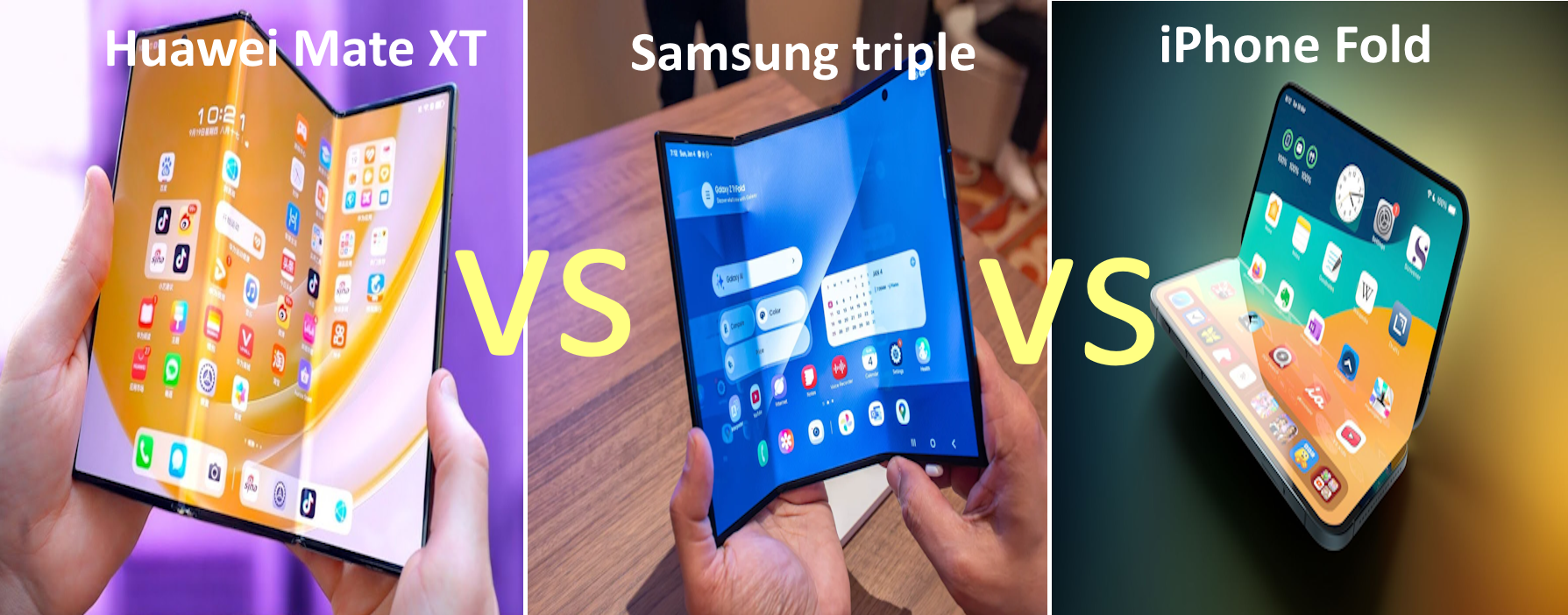
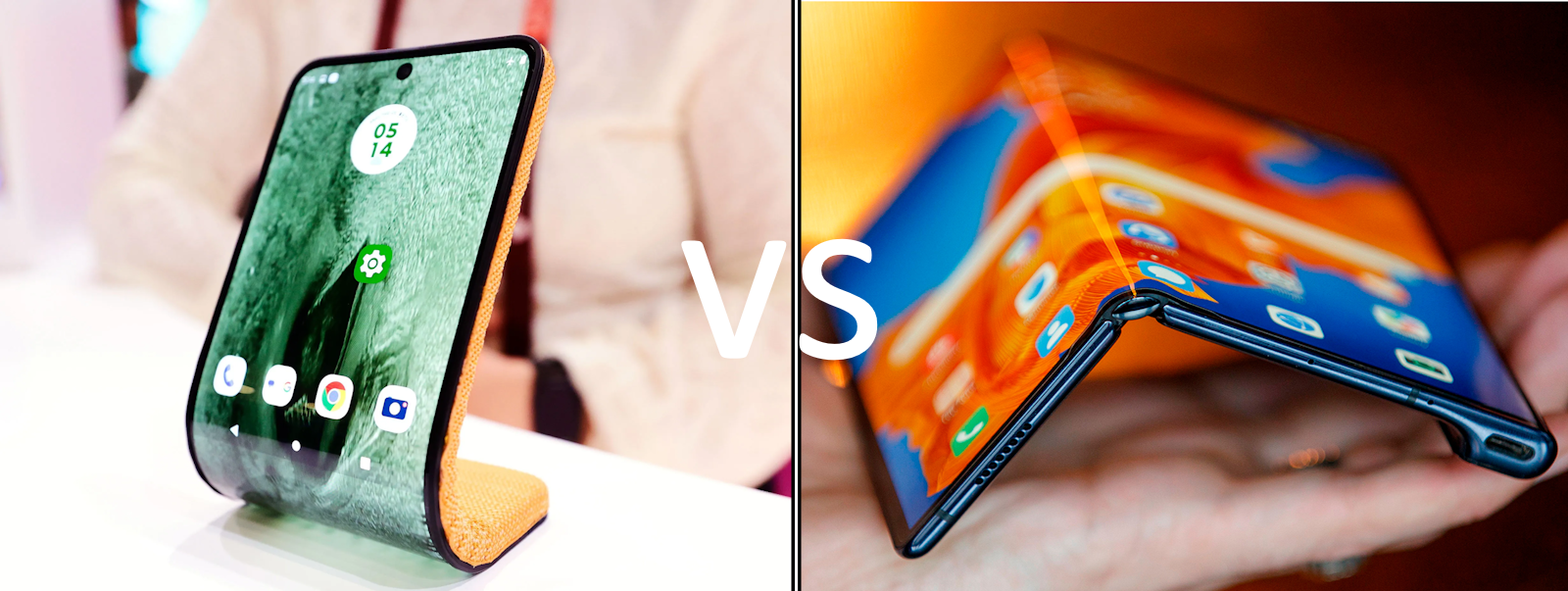

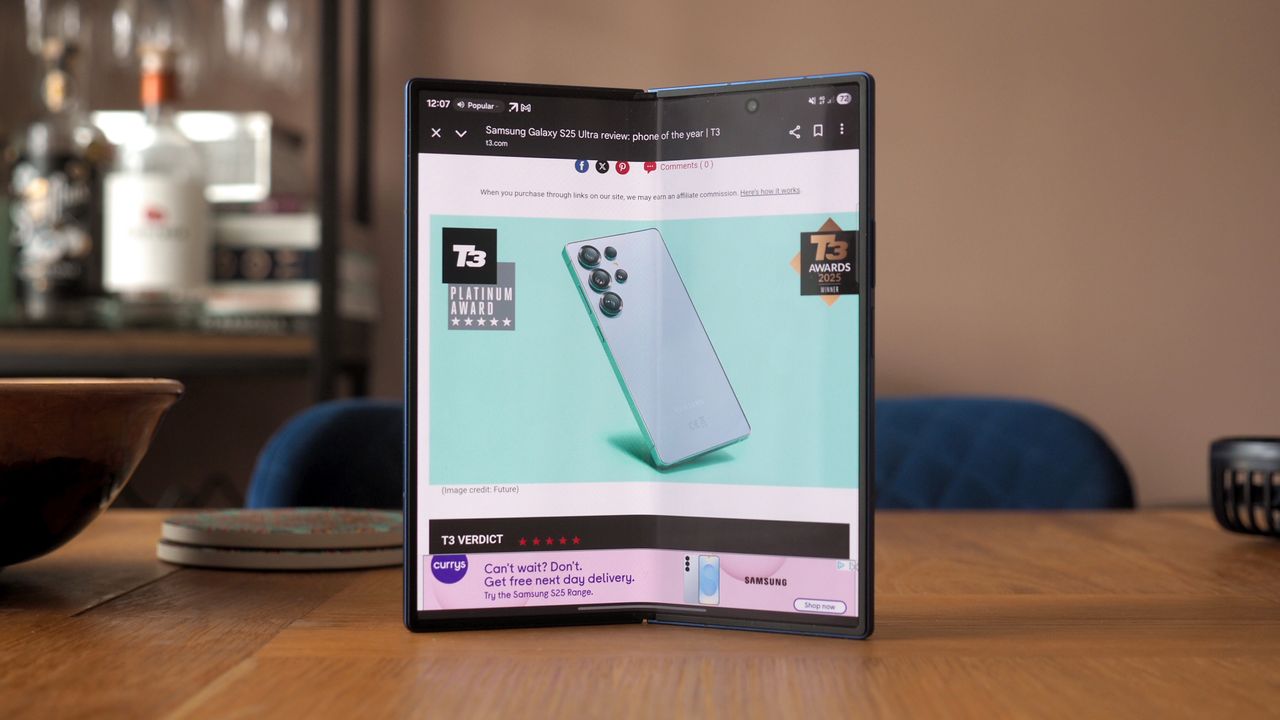
Tags
📧 Get More Articles Like This
Subscribe to receive product reviews and buying guides in your inbox!
We respect your privacy. Unsubscribe at any time.