Healthy Weight Gain for Skinny People: Complete Meal Plan & Foods That Build Muscle Without Harming Your Health
Table of Contents
- Introduction: The Hidden Struggle of Being Too Thin
- 1. Understanding Why You’re Naturally Thin
- 2. The Science of Healthy Weight Gain
- 3. Calculating Your Caloric Needs
- 4. Macronutrient Balance for Clean Bulking
- 5. The Best Nutrient-Dense Foods for Weight Gain
- 6. Complete Meal Plans for Healthy Weight Gain
- 7. High-Calorie Healthy Snacks and Smoothies
- 8. Strategic Supplement Use for Weight Gain
- 9. Exercise Strategies: Building Muscle, Not Just Fat
- 10. Common Weight Gain Mistakes That Harm Your Health
- Conclusion: Your Journey to Healthy Weight Gain
- Frequently Asked Questions
Introduction: The Hidden Struggle of Being Too Thin
In a world obsessed with weight loss, dieting, and getting leaner, there exists a quiet but significant population struggling with the opposite problem—people who desperately want to gain weight but find their bodies stubbornly resistant to every effort. These naturally thin individuals face constant unsolicited comments about their appearance, well-meaning but frustrating advice to “just eat more,” medical concerns about being underweight, difficulty finding clothes that fit properly, feeling weak or lacking energy, social awkwardness around food, and the psychological toll of feeling too small or frail in a culture that increasingly values physical presence and strength.
The struggle of trying to gain weight when your body seems programmed to stay thin creates unique challenges that those naturally predisposed to weight gain cannot understand. You eat what feels like enormous amounts of food yet see minimal changes on the scale. You watch friends and family members gain weight effortlessly while you remain frustratingly unchanged despite genuinely trying. You face skepticism when discussing your weight gain struggles because society views thinness as universally desirable, making your concerns seem trivial or like humble-bragging when they’re actually legitimate health and wellbeing issues affecting your quality of life.
The journey to healthy weight gain differs fundamentally from the weight loss journey in ways that make generic nutrition advice unhelpful or even counterproductive. Weight loss for overweight individuals typically benefits from any caloric reduction regardless of food quality since losing excess fat improves health. Weight gain for underweight individuals requires careful attention to food quality because gaining weight through junk food creates health problems even as the scale moves upward. The metabolic challenges differ—overweight individuals often have sluggish metabolisms making weight loss difficult, while underweight individuals typically have very fast metabolisms making weight gain challenging. The psychological dynamics differ too—overweight people battling cravings and portion control versus underweight people forcing themselves to eat past comfortable fullness despite lack of appetite.
The health implications of being significantly underweight deserve serious attention despite societal bias suggesting thinness always equals health. Medical research demonstrates that being underweight (BMI below 18.5) associates with increased health risks including weakened immune function, nutritional deficiencies, decreased bone density, fertility problems, increased infection susceptibility, slower wound healing, and potentially shortened lifespan. These risks don’t make headlines like obesity-related health problems, but they’re real and significant for individuals affected.
Beyond clinical health metrics, being underweight affects quality of life through reduced physical capability and energy. Insufficient muscle mass limits strength for daily activities, recreational sports, or physical hobbies. Low energy reserves cause fatigue affecting work performance, social engagement, and overall vitality. Poor recovery from illness, injury, or stress results from inadequate nutritional reserves. Cold sensitivity from insufficient body insulation creates discomfort in normal environmental conditions. These functional limitations matter enormously for those experiencing them even if medical establishment focuses primarily on obesity.
The psychological and social dimensions of being underweight create additional suffering beyond physical health. Body image issues affect thin people too—feeling too skinny, weak-looking, or childlike can be as distressing as feeling overweight. Social situations involving food become awkward when you’re eating substantial amounts but others assume you’re not eating enough or have eating disorders. Dating and intimacy can involve self-consciousness about appearance. Athletic pursuits may be limited by inability to build necessary muscle mass. Career situations, particularly those involving physical presence or authority, may disadvantage those perceived as small or frail.
However, the solution to underweight status isn’t simply eating unlimited quantities of any high-calorie foods available. The dirty bulk approach—consuming massive amounts of calorie-dense foods regardless of nutritional quality, often including fast food, sugary snacks, processed foods, and pure junk calories—does produce weight gain but creates serious health consequences. Dirty bulking leads to disproportionate fat gain versus muscle gain, develops unhealthy eating habits difficult to break later, increases cardiovascular disease risk through poor diet quality, creates metabolic dysfunction despite normal weight, causes digestive problems from excessive or poor-quality food, and risks developing eating disorders or disordered eating patterns.
The healthy alternative—clean bulking or lean gaining—focuses on increasing caloric intake through nutrient-dense whole foods, maintaining balanced macronutrient ratios supporting muscle growth, combining strategic nutrition with resistance training to maximize muscle versus fat gain, monitoring progress to ensure weight gain occurs at healthy sustainable rates, and prioritizing food quality alongside quantity to support overall health while achieving weight goals. This approach requires more planning, preparation, and discipline than simply eating everything in sight, but it produces sustainable healthy weight gain improving both appearance and health rather than just moving the scale upward while potentially harming long-term wellbeing.
This comprehensive guide provides everything needed to gain weight healthily, addressing the unique challenges naturally thin people face while ensuring the weight you gain improves your health, builds functional muscle mass, and creates sustainable changes rather than temporary gains followed by frustration. We’ll explore the science explaining why you’re naturally thin and what must change to gain weight; practical strategies for calculating and achieving appropriate caloric surplus; detailed breakdowns of optimal macronutrient ratios for muscle-building weight gain; extensive lists of the most effective nutrient-dense foods for clean bulking; complete meal plans with specific quantities and timing; recipes and ideas for high-calorie healthy snacks; appropriate supplement use supporting your goals; exercise programming maximizing muscle gain during your bulk; and common mistakes to avoid that either prevent weight gain or produce unhealthy fat gain.
Each section provides actionable, science-based information you can implement immediately regardless of your current knowledge level or experience with nutrition and fitness. We emphasize practical strategies over theoretical concepts, focusing on what actually works for real people trying to gain weight rather than idealized scenarios that only work in laboratory conditions. We acknowledge the genuine difficulties naturally thin people face—the struggle to eat enough, the frustration of slow progress, the social awkwardness around food—while providing solutions that overcome these obstacles through smart strategy rather than just willpower.
Different readers approach this guide from varying starting points and situations. Some are significantly underweight with medical concerns requiring weight gain for health. Others are within healthy weight ranges but want to build more muscle mass and presence. Some are young with metabolisms running at maximum speed. Others are older finding their naturally thin frames harder to maintain as metabolism slows. Some have unlimited time for meal preparation and eating. Others balance demanding schedules requiring efficient nutrition strategies. This guide serves all these situations by explaining principles you can adapt to your circumstances rather than rigid prescriptions that may not match your reality.
Budget considerations affect nutrition approaches for many people, but healthy weight gain needn’t require expensive specialty foods, supplements, or meal services. The most cost-effective calories come from whole foods like rice, oats, pasta, potatoes, eggs, milk, peanut butter, and beans—all affordable staples available everywhere. Strategic shopping, meal preparation, and planning enable building calorie-dense meals for just a few dollars per day. While we’ll discuss supplements and convenient options, the foundation of healthy weight gain comes from ordinary affordable foods prepared and combined strategically rather than from expensive protein powders or specialized products.
Time constraints challenge many people attempting to eat sufficient calories for weight gain—meals and snacks require preparation, eating large amounts takes time, and busy schedules compete for the hours needed for adequate nutrition. We’ll address these practical realities through time-efficient meal prep strategies, portable high-calorie snacks, liquid calories reducing eating time, and planning approaches that integrate nutrition goals into existing schedules rather than requiring wholesale life restructuring.
Your relationship with food will evolve through this process, potentially requiring mindset shifts from viewing eating as pleasure to eating as fuel, from eating only when hungry to eating on schedule regardless of appetite, from stopping when full to consuming planned amounts even when uncomfortable, and from instinctive eating to strategic calculated nutrition. These changes can feel unnatural initially for people accustomed to eating intuitively, but they’re necessary for overcoming the metabolic and appetite characteristics keeping you thin. Think of it as athletic nutrition rather than normal eating—you’re fueling specific goals requiring amounts and timing that differ from typical hunger-driven eating patterns.
The timeline for healthy weight gain requires patience and realistic expectations. Healthy weight gain typically occurs at 0.5-1 pound per week, occasionally reaching 1-2 pounds weekly for those starting significantly underweight or in early training phases. This pace feels painfully slow compared to how quickly people can gain fat through dirty bulking, but it represents primarily muscle and lean tissue rather than excess fat. Gaining 25-30 pounds of healthy weight might require 6-12 months of consistent effort. Faster gains usually indicate excessive fat accumulation requiring dietary correction. Understanding this realistic timeline prevents discouragement when you don’t see dramatic weekly changes—healthy weight gain is marathon, not sprint.
The commitment required for successful weight gain exceeds what most thin people anticipate. You’ll need to eat even when not hungry, pack and carry food everywhere, spend substantial time preparing meals, invest money in additional food beyond normal grocery budgets, potentially wake during night for additional calories if gains stall, track and monitor intake and progress consistently, and persist through plateaus and frustrations when progress seems stalled. This level of dedication matches or exceeds what dieters must maintain for weight loss. Recognizing this upfront helps you prepare mentally for the genuine effort required rather than expecting easy results.
However, the rewards justify the investment for those genuinely committed to gaining healthy weight. Building 20-30 pounds of muscle and healthy mass transforms how you look and feel, moving from “skinny” to “athletic” or “fit” rather than just “average.” Increased strength enables activities and physical pursuits previously impossible. Improved energy and vitality enhance daily life quality. Greater physical presence affects how others perceive and interact with you. Enhanced health markers including better immune function, bone density, and metabolic health protect long-term wellbeing. Psychological benefits from achieving difficult goals and improving self-image extend beyond just physical changes.
Your journey to healthy weight gain begins with understanding that your natural thinness results from specific biological and behavioral factors that can be systematically addressed through proper nutrition and training rather than representing some unchangeable destiny. Thousands of formerly thin individuals have successfully gained healthy weight by applying the principles and strategies detailed throughout this guide. The barrier isn’t genetic impossibility but rather lack of knowledge about what specifically works for naturally thin bodies. Once you understand the science and implement proven strategies consistently, you’ll discover that your body can build muscle and gain healthy weight—it just requires the right approach rather than generic nutrition advice designed for different populations.
Let’s begin by understanding exactly why you’re naturally thin and what physiological factors must be overcome to achieve healthy weight gain, providing the foundation for all subsequent strategies and recommendations.
1. Understanding Why You’re Naturally Thin
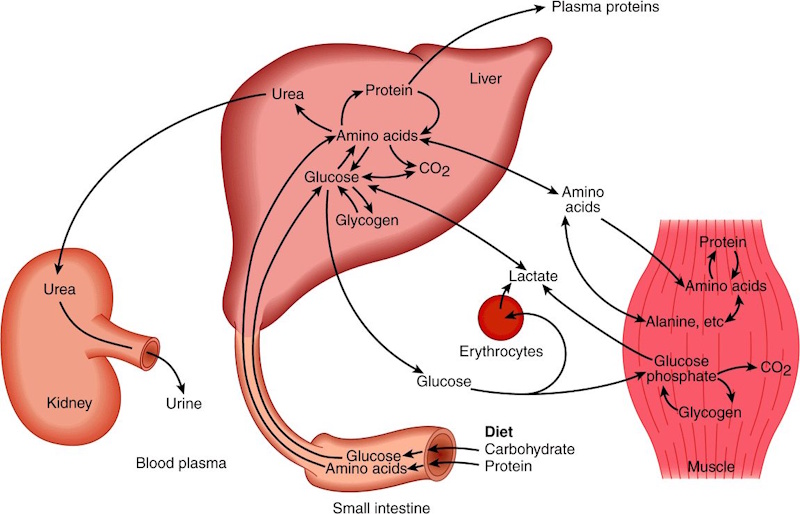
Before developing effective strategies for weight gain, understanding the specific physiological, metabolic, and behavioral factors keeping you thin enables targeting interventions appropriately rather than fighting blindly against unknown obstacles.
Metabolic Rate Differences
The fundamental reason some people remain thin while others gain weight easily lies in metabolic rate—the energy your body expends daily for basic functioning plus activity:
Basal Metabolic Rate (BMR) represents calories burned at complete rest for basic life functions including breathing, circulation, cell production, and nutrient processing. BMR varies significantly between individuals based on genetics, body composition, age, and hormonal factors. People with naturally high BMR burn substantially more calories at rest than those with lower BMR, creating caloric deficits even with normal eating patterns.
Non-Exercise Activity Thermogenesis (NEAT) encompasses all movement and activity outside of deliberate exercise—fidgeting, standing, walking for daily activities, posture maintenance, and spontaneous movement. Research reveals dramatic NEAT variations between individuals, with some people burning 300-800 additional calories daily through unconscious movement while others remain naturally still. Naturally thin people often have significantly higher NEAT without realizing it, moving constantly throughout the day in ways that burn substantial calories.
Thermic Effect of Food (TEF) represents energy required for digestion, absorption, and processing of nutrients. Protein has the highest TEF (20-30% of calories consumed), carbohydrates moderate (5-10%), and fats lowest (0-3%). People with higher TEF burn more calories simply processing food, contributing to difficulty gaining weight.
Exercise Activity Thermogenesis (EAT) from deliberate physical activity varies dramatically based on individual activity levels and exercise habits. Naturally active people who exercise frequently or intensely burn significantly more calories than sedentary individuals.
The combination of these factors creates total daily energy expenditure (TDEE) that can vary by 600-1000+ calories between individuals of similar size and activity level, explaining why some people gain weight eating 2500 calories daily while others maintain or lose weight on same intake.
Genetic Factors
Genetic inheritance significantly influences body composition, metabolism, and weight gain propensity:
Ectomorph body type classification describes naturally thin individuals with narrow frames, small bones, fast metabolisms, and difficulty building muscle mass. While body type classifications oversimplify complex genetics, the ectomorph category describes real patterns many naturally thin people recognize in themselves and family members.
FTO gene variations associate with body weight regulation, with certain variants predisposing toward leanness while others predispose toward weight gain. Research estimates genetics account for 40-70% of body weight variance between individuals, though environment and behavior still matter enormously.
Myostatin levels regulate muscle growth, with higher myostatin limiting muscle development. Genetic variations causing lower myostatin enable easier muscle building, while higher myostatin creates resistance to muscle gain requiring more aggressive training and nutrition.
Appetite regulation genes including MC4R influence hunger signaling and satiety, with some variants causing reduced appetite making adequate caloric intake difficult without conscious effort.
Appetite and Satiety Signals
Hormonal and neurological appetite regulation differs between individuals:
Leptin, the “satiety hormone” produced by fat cells, signals the brain about energy reserves and regulates hunger. Naturally thin people often have lower leptin due to less body fat, but their brains may also be more sensitive to leptin signals, creating fuller feelings from less food.
Ghrelin, the “hunger hormone” released by the stomach, stimulates appetite. Naturally thin people may have lower baseline ghrelin or reduced ghrelin response to fasting, experiencing less hunger than others after similar periods without food.
Peptide YY and other satiety hormones released in response to food intake create feelings of fullness. Variations in these hormone levels or receptor sensitivity affect how much food someone can comfortably consume before feeling uncomfortably full.
The combination of these hormonal factors means naturally thin people genuinely feel less hungry and fuller sooner than those predisposed to weight gain, making “just eat more” advice unhelpful without strategies overriding natural appetite signals.
Digestive Efficiency
How efficiently bodies absorb and utilize nutrients affects weight gain:
Gut microbiome composition influences nutrient extraction from food, with certain bacterial profiles associated with leanness and others with weight gain. People with “thin” microbiomes may absorb fewer calories from same foods than those with “obese” microbiomes.
Digestive enzyme production varies between individuals, affecting how completely foods are broken down and absorbed. Lower enzyme production or activity reduces caloric extraction from food, contributing to difficulty gaining weight.
Gut transit time (how long food remains in digestive system) affects nutrient absorption, with faster transit reducing absorption time and calories extracted. Naturally thin people often have faster gut motility.
Stress Response and Cortisol
Stress hormones impact metabolism and body composition:
Chronic stress elevates cortisol, which can increase or decrease appetite depending on individual response. Some people stress-eat while others lose appetite under stress. Naturally thin individuals often fall into the latter category, eating less during stressful periods.
Cortisol mobilizes energy stores and can increase metabolic rate, burning additional calories during stress. Chronic stress essentially revs metabolism, making weight gain more difficult.
Sleep deprivation, a form of physiological stress, affects appetite hormones and metabolism. Poor sleep can either increase or decrease appetite depending on individual response, with naturally thin people often experiencing reduced appetite when sleep-deprived.
Behavioral Patterns
Learned eating behaviors and habits contribute significantly:
Meal skipping, whether intentional or due to busy schedules, reduces total daily caloric intake substantially. Missing breakfast alone eliminates 400-600 potential calories, making weight gain extremely difficult.
Small portion sizes developed through habit or family eating patterns create caloric deficits even when eating regularly. People accustomed to small portions feel uncomfortably full eating amounts needed for weight gain.
Distracted eating while working, watching screens, or multitasking reduces awareness of food consumption and often correlates with eating less than when focused on meals.
Food preferences favoring low-calorie-density foods (vegetables, fruits, lean proteins) over calorie-dense options (nuts, oils, starches, dairy) make consuming sufficient calories difficult despite large food volumes.
Medical Factors
Underlying health conditions sometimes contribute to difficulty gaining weight:
Hyperthyroidism, producing excess thyroid hormone, dramatically increases metabolic rate making weight gain nearly impossible without treatment.
Celiac disease or other malabsorption conditions prevent proper nutrient absorption even when consuming adequate calories.
Type 1 diabetes, especially if poorly controlled, causes weight loss through glucose wasting in urine.
Inflammatory bowel diseases including Crohn’s disease and ulcerative colitis reduce absorption and increase metabolic demands.
Parasitic infections, though rare in developed countries, can cause weight loss and prevent weight gain.
Depression and anxiety sometimes reduce appetite and food intake, contributing to low weight.
If you’ve struggled to gain weight despite genuine effort, medical evaluation can rule out underlying conditions requiring treatment before nutrition strategies will work effectively.
The Hardgainer Reality
The combination of these factors creates what bodybuilding and fitness communities call “hardgainers”—individuals for whom gaining weight and muscle requires significantly more effort than average people:
Hardgainers typically exhibit multiple factors working against weight gain simultaneously—fast metabolism plus high NEAT plus strong satiety signals plus efficient stress response burning extra calories plus behavioral patterns limiting intake.
The hardgainer phenotype responds poorly to generic nutrition advice designed for average metabolisms. Eating “healthy portions” maintains low weight rather than producing gains. Standard bodybuilding advice about meal frequency and protein intake fails without dramatically increased overall calories.
However, even extreme hardgainers can gain weight when consuming sufficient calories. The threshold is just significantly higher than for others—potentially requiring 4000-6000 calories daily where others gain on 2500-3000 calories.
Accepting Reality While Taking Control
Understanding why you’re naturally thin serves two purposes:
First, it validates your experience and struggles. You’re not imagining the difficulty—genuine biological factors make weight gain harder for you than others. This knowledge prevents self-blame and frustration from believing you’re just not trying hard enough.
Second, it clarifies what must change to gain weight. You cannot change your genetics, but you can override natural appetite, deliberately increase caloric intake beyond comfortable amounts, optimize food choices for calorie density, and train strategically to maximize muscle gain. The path forward involves working with your biology strategically rather than expecting your body to behave differently without intervention.
The encouraging reality is that thermodynamics still applies—consistently consuming more calories than you expend will produce weight gain regardless of how fast your metabolism or strong your satiety signals. The challenge lies in achieving that consistent surplus given your specific obstacles, but it’s absolutely achievable through the strategies detailed in subsequent sections.
Shop on AliExpress via link: wholesale-meal-prep-containers
Understanding your natural thinness as a biological reality rather than a personal failing provides the foundation for successful weight gain. You’re not broken or defective—you simply have a metabolism and appetite profile at one end of the normal human spectrum. Successfully gaining healthy weight requires acknowledging these factors and implementing strategies specifically designed to overcome them rather than expecting generic advice to work for your unique physiology.
2. The Science of Healthy Weight Gain
Achieving healthy weight gain requires understanding the fundamental scientific principles governing how bodies store energy, build tissue, and respond to increased caloric intake, enabling evidence-based strategy rather than guesswork or myths.
Energy Balance: The Fundamental Principle
Weight change ultimately results from energy balance—the relationship between calories consumed and calories expended:
Caloric surplus occurs when intake exceeds expenditure, providing energy beyond daily needs that body stores as tissue—ideally muscle but also some fat. The size of your surplus determines how quickly you gain weight and the composition of that weight gain.
Caloric deficit happens when expenditure exceeds intake, forcing body to mobilize stored energy (fat and muscle) to meet needs, resulting in weight loss.
Caloric maintenance represents balance where intake equals expenditure, maintaining current weight without gain or loss.
For naturally thin people, achieving surplus proves challenging because normal eating patterns only reach maintenance or slight deficit levels given their high TDEE. Creating and maintaining meaningful surplus requires deliberate effort eating beyond comfortable amounts.
Surplus Size and Weight Gain Composition
The magnitude of caloric surplus dramatically affects weight gain results:
Small surplus (200-300 calories above TDEE) produces slow weight gain of 0.25-0.5 pounds weekly, with high proportion of muscle if training appropriately. This conservative approach minimizes fat gain but requires patience and precise tracking.
Moderate surplus (500 calories above TDEE) creates weight gain of 0.5-1 pound weekly, balancing reasonable speed with manageable fat accumulation. This represents sweet spot for most people seeking muscle gain without excessive fat.
Large surplus (750-1000 calories above TDEE) produces 1-2 pounds weekly weight gain but with increasing proportion of fat versus muscle. Bodies have limits on how quickly they build muscle (roughly 1-2 pounds monthly for men, 0.5-1 pound for women even with optimal training and nutrition). Surplus beyond muscle-building capacity stores as fat.
Very large surplus (1000+ calories above TDEE) typical of dirty bulking creates rapid weight gain (2+ pounds weekly) but primarily fat. While some muscle builds, the ratio of fat to muscle makes this approach unhealthy despite producing desired scale movement.
For healthy weight gain, moderate surplus of 300-500 calories daily represents optimal balance for most naturally thin people—sufficient to enable consistent muscle building without excessive fat accumulation.
Rate of Muscle Gain
Understanding realistic muscle-building rates prevents unrealistic expectations:
Beginners to resistance training can build muscle relatively quickly—potentially 1-2 pounds monthly for men, 0.5-1 pound monthly for women during first year of serious training.
Intermediate trainers (1-2 years experience) slow to 0.5-1 pound monthly for men, 0.25-0.5 pound monthly for women as they approach genetic limits.
Advanced trainers (3+ years) gain muscle extremely slowly, measuring progress in pounds per year rather than per month.
Naturally thin ectomorphs sometimes build muscle slightly slower than those with more mesomorphic or endomorphic genetics, though individual variation is large and training/nutrition quality matters far more than body type.
These rates represent muscle gain specifically. Total body weight can increase faster through simultaneous water retention, glycogen storage, digestive matter, and some fat gain, but actual muscle tissue accrues gradually.
Protein Synthesis and Anabolic Response
Muscle building occurs through protein synthesis exceeding protein breakdown:
Muscle protein synthesis (MPS) is stimulated by resistance training creating micro-tears in muscle fibers and adequate dietary protein providing amino acids for repair and growth.
Protein intake of 0.8-1 gram per pound of target body weight supports maximal MPS in most people. Higher intakes provide no additional muscle-building benefit though may support satiety or other goals.
Leucine, an amino acid particularly potent for triggering MPS, makes quality protein sources containing adequate leucine especially valuable. Animal proteins generally excel at leucine content though plant sources work when consumed in sufficient quantities.
Anabolic window research suggests MPS remains elevated 24-48 hours post-training, making total daily protein intake more important than precise post-workout timing for most people. Distribute protein across multiple meals rather than concentrating in one sitting for optimal results.
Insulin and Nutrient Partitioning
Insulin, released in response to carbohydrate and protein intake, plays crucial roles in weight gain:
Anabolic hormone effects of insulin promote tissue building and nutrient storage, making adequate carbohydrate intake important for weight gain despite low-carb diet popularity.
Nutrient partitioning describes where incoming calories get stored—ideally in muscle tissue rather than fat. Factors affecting partitioning include training status (active muscles preferentially receive nutrients), insulin sensitivity (better sensitivity directs nutrients toward muscle), hormonal environment (testosterone, growth hormone favor muscle building), and genetic factors.
Insulin sensitivity typically high in naturally thin people enables efficient nutrient storage in muscle rather than fat when combined with resistance training, providing advantage for clean bulking.
Progressive Overload Principle
Muscle growth requires providing stimulus exceeding previous capacity:
Progressive overload through gradually increasing weight lifted, repetitions performed, or training volume forces muscles to adapt by growing stronger and larger.
Without progressive overload, muscles adapt to current demands and cease growing even with perfect nutrition. Training must provide continued stimulus justifying the additional muscle mass you’re trying to build.
Periodization strategies systematically vary training intensity, volume, and recovery to optimize long-term progress while preventing overtraining or plateaus.
Recovery and Adaptation
Muscle growth occurs during recovery, not training:
Sleep provides crucial recovery period when growth hormone peaks and muscle repair occurs. Insufficient sleep (less than 7-8 hours nightly) significantly impairs muscle growth regardless of training and nutrition quality.
Rest days allow nervous system recovery and prevent chronic overtraining that increases cortisol and prevents muscle building.
Stress management matters because chronic stress elevates cortisol, which promotes muscle breakdown and fat storage rather than muscle growth. Managing life stress supports physical training goals.
Hormonal Optimization
Several hormones influence muscle building and weight gain:
Testosterone, the primary anabolic hormone, enables muscle protein synthesis and recovery. Men naturally have higher levels enabling greater muscle growth potential, though individual variation within genders is large. Naturally thin people sometimes have lower-than-average testosterone, though rarely clinically low.
Growth hormone and IGF-1 (insulin-like growth factor 1) promote muscle and connective tissue growth, bone density, and fat metabolism. These hormones pulse during deep sleep and intense exercise.
Thyroid hormones T3 and T4 regulate metabolic rate. Naturally thin people sometimes have slightly elevated thyroid function contributing to fast metabolism, though usually within normal ranges.
Optimizing these hormones through sufficient sleep, resistance training, adequate dietary fat (crucial for hormone production), stress management, and avoiding excessive alcohol or other hormone-disrupting factors supports muscle-building efforts.
Genetic Ceiling and Realistic Expectations
Everyone has genetic limits on muscle mass:
Fat-Free Mass Index (FFMI) represents muscle mass relative to height, with natural limits around 25-26 FFMI for men and 21-22 for women without performance-enhancing drugs. Most people won’t reach these limits but understanding they exist prevents unrealistic expectations.
Individual muscle-building potential varies significantly based on genetics including androgen receptor density, muscle fiber type ratios, muscle belly length versus tendon length, and numerous other factors. Some people build muscle easily while others struggle despite identical training and nutrition.
Accepting your individual genetic potential prevents frustration and enables focusing on becoming the best version of your genetic blueprint rather than comparing to others with different potential.
The Calorie Quality Matters
While caloric surplus drives weight gain, food quality affects health and composition:
Nutrient-dense calories from whole foods provide vitamins, minerals, fiber, and phytonutrients supporting overall health, recovery, and performance beyond just energy provision.
Processed food calories often lack these micronutrients while containing excessive sodium, added sugars, unhealthy fats, and other components potentially harming health despite enabling easy caloric surplus.
Metabolic health including insulin sensitivity, inflammation levels, cardiovascular markers, and organ function improves with high-quality diet even during caloric surplus, while deteriorating with poor-quality diet regardless of weight change.
The art of healthy weight gain involves achieving necessary caloric surplus through predominantly whole, nutrient-dense foods rather than relying on junk food simply because it’s calorically dense.
Individual Response Variability
Scientific principles provide frameworks but individual responses vary:
Some people build muscle easily on modest protein intake while others require higher amounts for same results.
Carbohydrate tolerance and optimal intake ratios differ significantly between individuals based on genetics, activity level, and metabolic health.
Training response varies with some people building muscle from relatively low volume while others require substantial training volume.
Tracking your individual response to different approaches through consistent monitoring enables personalizing general guidelines to what works specifically for your body.
Understanding the science underlying healthy weight gain transforms vague advice into actionable strategy. You now know that moderate caloric surplus of 300-500 calories combined with adequate protein and progressive resistance training creates conditions for muscle growth. You understand realistic muscle-building rates preventing discouragement from unrealistic expectations. You recognize that while calories drive weight gain, food quality affects whether that weight improves your health or potentially harms it. This scientific foundation enables implementing specific tactics with understanding of why they work rather than blindly following instructions.
3. Calculating Your Caloric Needs
Successful weight gain requires knowing your specific caloric target—eating blindly without quantification produces inconsistent results and makes progress tracking impossible. This section provides step-by-step process for calculating your Total Daily Energy Expenditure (TDEE) and determining appropriate surplus for healthy weight gain.
Step 1: Calculate Basal Metabolic Rate (BMR)
BMR represents calories burned at complete rest for basic life functions. Several equations estimate BMR:
Mifflin-St Jeor Equation (most accurate for general population):
- Men: BMR = (10 × weight in kg) + (6.25 × height in cm) - (5 × age in years) + 5
- Women: BMR = (10 × weight in kg) + (6.25 × height in cm) - (5 × age in years) - 161
Example calculation for 25-year-old man weighing 135 pounds (61.4 kg) and 5’10” (178 cm): BMR = (10 × 61.4) + (6.25 × 178) - (5 × 25) + 5 BMR = 614 + 1112.5 - 125 + 5 = 1606.5 calories
Katch-McArdle Formula (more accurate if you know body fat percentage):
- BMR = 370 + (21.6 × lean body mass in kg)
- Requires knowing body composition but accounts for muscle mass affecting metabolic rate
Step 2: Apply Activity Multiplier
TDEE equals BMR multiplied by activity factor accounting for daily movement and exercise:
- Sedentary (little to no exercise): BMR × 1.2
- Lightly Active (light exercise 1-3 days/week): BMR × 1.375
- Moderately Active (moderate exercise 3-5 days/week): BMR × 1.55
- Very Active (hard exercise 6-7 days/week): BMR × 1.725
- Extremely Active (very hard exercise, physical job, or training twice daily): BMR × 1.9
Continuing example with moderately active multiplier: TDEE = 1606.5 × 1.55 = 2490 calories
Important consideration for naturally thin people: You may need to use higher activity multiplier than seems appropriate because your NEAT (unconscious movement) likely exceeds average. If you’re naturally fidgety, walk frequently, stand often, or move constantly without realizing it, consider bumping up one activity level.
Step 3: Add Caloric Surplus
Add 300-500 calories to your calculated TDEE as starting point:
Conservative surplus: TDEE + 300 calories = slower, leaner weight gain Moderate surplus: TDEE + 400 calories = balanced approach (recommended) Aggressive surplus: TDEE + 500 calories = faster weight gain with more fat
Example calculation: TDEE: 2490 calories Surplus: + 400 calories Target Daily Intake: 2890 calories (round to 2900 calories)
Step 4: Test and Adjust
Calculated TDEE provides starting estimate, but real-world testing determines accuracy:
Week 1-2: Consistently eat target calories daily while tracking body weight each morning under same conditions (after bathroom, before eating, minimal clothing).
Week 3-4: Evaluate average weekly weight change. Healthy weight gain targets:
- 0.5-1 pound per week = ideal range
- 0.25-0.5 pounds per week = acceptable for conservative approach
- 1-2 pounds per week = acceptable initially but monitor for excessive fat gain
- No weight change = increase calories by 200-300
- Weight loss = increase calories by 400-500
Ongoing: Reassess every 2-4 weeks, adjusting calories as needed. As you gain weight, your TDEE increases (more mass requires more energy to maintain), necessitating periodic calorie increases to continue progressing.
Common Calculation Mistakes
Avoid these errors undermining accurate calorie targeting:
Underestimating activity level: Naturally thin people often vastly underestimate their NEAT and daily movement, using “sedentary” multipliers when “lightly active” or “moderately active” would be more accurate.
Not tracking consistently: Missing days of tracking or estimating rather than measuring creates false impression of eating more than actually consumed.
Weekend discrepancies: Eating target calories weekdays but significantly less on weekends creates insufficient weekly totals preventing weight gain.
Forgetting liquid calories: Not counting calories from beverages, cooking oils, condiments, or snacks between meals substantially reduces actual intake versus estimated.
Digestive issues reducing absorption: If you have very fast gut transit or poor digestion, you may absorb fewer calories than consumed, requiring higher intake than calculations suggest.
Practical Tracking Methods
Several approaches enable monitoring intake:
Food tracking apps (MyFitnessPal, Cronometer, Lose It) simplify calorie counting through barcode scanning, large food databases, and automatic calculations. Initial learning curve but becomes quick routine after practice.
Meal planning and repetition: Creating standard meals with known caloric values enables hitting targets without daily tracking. Week of same breakfasts, lunches, dinners, and snacks simplifies dramatically.
Portion control through measurement: Using food scale for accurate portion sizes removes guesswork. Weigh initially to learn portion sizes, then can estimate more accurately from experience.
Hand portions (less accurate but useful): Palm = protein serving, fist = carbs, cupped hand = portion serving, thumb = fat serving. Provides rough guidelines when precise tracking impractical.
Macro Targets Alongside Calories
Beyond total calories, macronutrient distribution matters for muscle building:
Protein: 0.8-1 gram per pound target body weight (not current weight but goal weight) Example: targeting 165 pounds = 132-165g protein daily
Fats: 0.4-0.5 grams per pound target body weight for hormone production and nutrient absorption Example: targeting 165 pounds = 66-83g fat daily
Carbohydrates: Remaining calories after protein and fat allotted Calculation: (Total calories - (protein grams × 4) - (fat grams × 9)) ÷ 4 = carb grams Example: (2900 - (150 × 4) - (75 × 9)) ÷ 4 = (2900 - 600 - 675) ÷ 4 = 406g carbs
Macro breakdown for 2900 calorie target:
- Protein: 150g (20.7% of calories)
- Fat: 75g (23.3% of calories)
- Carbs: 406g (56% of calories)
This high-carb approach supports training performance, recovery, and makes hitting high calorie targets easier than low-carb approaches.
Sample Calculations for Different Profiles
Profile 1: 20-year-old woman, 115 pounds, 5’5”, moderately active BMR = (10 × 52.2) + (6.25 × 165) - (5 × 20) - 161 = 1276 calories TDEE = 1276 × 1.55 = 1978 calories Target with 400 calorie surplus = 2378 calories (round to 2400) Macros: 120g protein, 60g fat, 340g carbs
Profile 2: 30-year-old man, 150 pounds, 6’0”, very active BMR = (10 × 68.2) + (6.25 × 183) - (5 × 30) + 5 = 1681 calories TDEE = 1681 × 1.725 = 2900 calories Target with 500 calorie surplus = 3400 calories Macros: 170g protein, 85g fat, 508g carbs
Profile 3: 40-year-old man, 140 pounds, 5’8”, lightly active BMR = (10 × 63.6) + (6.25 × 173) - (5 × 40) + 5 = 1522 calories TDEE = 1522 × 1.375 = 2093 calories Target with 300 calorie surplus = 2393 calories (round to 2400) Macros: 140g protein, 67g fat, 340g carbs
When to Increase Calories
Progressive increases are necessary as weight rises:
Every 10-15 pounds gained, recalculate TDEE using new body weight and adjust target calories accordingly.
If weight gain stalls for 2+ weeks despite consistent calorie intake, increase by 200-300 calories and monitor for 2 more weeks.
As training becomes more demanding or volume increases, activity multiplier may need adjustment upward.
Tools and Resources
Several calculators simplify this process:
- TDEE calculators (tdee calculator.net and similar) automate calculations
- Adaptive TDEE spreadsheets track weight and calorie trends suggesting adjustments
- Nutrition tracking apps integrate calculators with food logging
Calculating your specific caloric needs transforms vague “eat more” advice into concrete actionable target. Your calculated intake—likely 2500-4000+ calories depending on size and activity level—provides roadmap for all subsequent meal planning and food selection. While numbers may seem daunting initially, breaking them into manageable meals and using strategies from coming sections makes hitting targets achievable consistently.

4. Macronutrient Balance for Clean Bulking
Beyond total calories, the distribution of protein, carbohydrates, and fats significantly affects whether weight gain builds primarily muscle or accumulates excessive fat. Understanding optimal macronutrient ratios for clean bulking enables strategic food selection maximizing muscle growth while minimizing unnecessary fat gain.
Protein: The Muscle-Building Foundation
Protein provides amino acids serving as building blocks for muscle tissue, making adequate protein intake non-negotiable for healthy weight gain:
Optimal Protein Intake: 0.8-1 gram per pound of target body weight supports maximal muscle protein synthesis in most people. Research shows diminishing returns above this range, with additional protein providing no extra muscle-building benefit though still safe for healthy individuals.
Higher end of range (0.9-1g/lb) makes sense for:
- Those with higher activity levels or training volumes
- Individuals seeking maximum muscle preservation during imperfect diet adherence
- People who feel more satiated with higher protein
Lower end of range (0.8g/lb) works well for:
- Those struggling to consume enough total calories (protein is satiating)
- Individuals with lower training volumes
- People preferring more carbohydrates for energy and performance
Protein Distribution: Spreading protein across 4-6 meals optimizes muscle protein synthesis better than concentrating intake in 1-2 large feedings. Aim for 25-40g protein per meal depending on total daily target and meal frequency.
Protein Quality: Complete proteins containing all essential amino acids in adequate amounts support muscle building most effectively. Animal proteins (meat, poultry, fish, eggs, dairy) provide complete amino acid profiles with high bioavailability. Plant proteins often lack one or more essential amino acids (though combining different plant proteins throughout day provides complete profiles) and have lower bioavailability requiring slightly higher intakes.
Best Protein Sources for Weight Gain:
- Whole eggs (6g protein, 80 calories per egg—includes nutrient-dense yolk)
- Chicken breast (31g protein, 165 calories per 4oz)
- Ground beef 85/15 (23g protein, 215 calories per 4oz—higher fat adds calories)
- Salmon (25g protein, 175 calories per 4oz plus healthy fats)
- Greek yogurt (17g protein, 100 calories per cup)
- Cottage cheese (28g protein, 220 calories per cup)
- Protein powder (20-25g protein, 100-120 calories per scoop—convenient but whole foods preferred)
- Milk (8g protein, 150 calories per cup—whole milk for extra calories)
Carbohydrates: Fuel for Performance and Growth
Carbohydrates provide energy for training, support recovery, and make consuming sufficient calories much easier than low-carb approaches:
Optimal Carbohydrate Intake: After allocating calories to protein and essential fats, remaining calories should come predominantly from carbohydrates—typically 50-60% of total calories for muscle-building phases. This translates to 3-5+ grams per pound body weight for active individuals.
Carbohydrate benefits for muscle building:
- Glycogen storage: Carbs store as glycogen in muscles and liver, fueling intense training
- Protein sparing: Adequate carbs prevent protein being burned for energy, preserving it for muscle building
- Insulin response: Carbs trigger insulin release, which has anabolic effects promoting nutrient uptake into muscle cells
- Training performance: Carbs enable the high-intensity training necessary for stimulating muscle growth
- Recovery: Post-workout carbs replenish glycogen stores supporting faster recovery
- Calorie density: Carbs make hitting high calorie targets easier than trying to eat excessive protein or fat
Carbohydrate Timing:
- Pre-workout (1-2 hours before): 40-80g carbs provides energy for training
- Post-workout (within 2 hours): 40-80g carbs plus protein optimizes recovery and glycogen replenishment
- Throughout day: Distribute remaining carbs across other meals supporting consistent energy
Best Carbohydrate Sources for Weight Gain:
- White rice (45g carbs, 205 calories per cooked cup—easily digestible, mild flavor)
- Oats (27g carbs, 150 calories per ½ cup dry—fiber for satiety, versatile)
- Pasta (43g carbs, 220 calories per 2oz dry—calorie-dense, familiar)
- Potatoes (37g carbs, 163 calories per medium potato—nutrient-dense, filling)
- Sweet potatoes (27g carbs, 112 calories per medium—micronutrient rich)
- Bread (45g carbs, 240 calories per 3 slices—convenient, portable)
- Rice cakes (7g carbs, 35 calories each—not calorie-dense alone but useful as vehicle for nut butter)
- Bananas (27g carbs, 105 calories per medium—portable, natural sugars for quick energy)
- Dried fruit (130g carbs, 520 calories per cup—extremely calorie-dense, nutritious)
- Honey/maple syrup (17g carbs, 64 calories per tablespoon—adds calories to shakes or oatmeal)
Simple vs Complex Carbs: Both have roles. Complex carbs (oats, rice, potatoes) provide sustained energy and nutrients. Simple carbs (fruits, honey, white rice) digest quickly, useful around workouts or when you need to eat but aren’t hungry. Neither is inherently “bad” despite diet culture demonizing simple carbs.
Fats: Essential for Hormones and Calorie Density
Dietary fat serves crucial functions and provides most calorie-dense macronutrient at 9 calories per gram:
Optimal Fat Intake: 0.4-0.5 grams per pound target body weight ensures adequate fat for hormone production, vitamin absorption, brain function, and inflammation regulation while leaving room for carbohydrates. This typically represents 20-30% of total calories.
Minimum essential fat intake (0.3g/lb) risks hormone disruption and nutrient deficiencies—avoid going too low even when prioritizing carbohydrates.
Excessively high fat (>35% calories) limits carbohydrate intake potentially impairing training performance and makes hitting high calorie targets challenging due to fats’ extremely high satiety.
Fat Quality Matters:
- Monounsaturated fats (olive oil, avocados, nuts): Support heart health and hormone production
- Polyunsaturated fats including omega-3s (fatty fish, walnuts, flax): Anti-inflammatory, brain health, hormone production
- Saturated fats (animal products, coconut oil): Necessary for testosterone production, not inherently harmful in moderation despite outdated dietary advice
- Trans fats (hydrogenated oils in processed foods): Avoid—genuinely harmful with no nutritional benefit
Best Fat Sources for Weight Gain:
- Nuts and nut butters (190-200 calories, 16-18g fat per 2 tablespoons peanut/almond butter—extremely calorie-dense)
- Avocados (240 calories, 22g fat per avocado—nutrient-dense, healthy fats)
- Olive oil (120 calories, 14g fat per tablespoon—cooking or dressing)
- Fatty fish (salmon, mackerel—protein plus healthy fats)
- Whole eggs (70 calories, 5g fat per egg—yolk contains most nutrients)
- Cheese (110 calories, 9g fat per ounce—calorie-dense, versatile)
- Coconut oil (120 calories, 14g fat per tablespoon—MCTs, useful for cooking)
- Dark chocolate (170 calories, 12g fat per ounce—satisfies sweets while providing calories)
Sample Macro Distributions
Moderate Carb Approach (recommended for most):
- Protein: 20-25%
- Carbs: 50-55%
- Fats: 25-30%
Example for 3000 calories:
- Protein: 180g (720 calories, 24%)
- Carbs: 405g (1620 calories, 54%)
- Fats: 93g (660 calories, 22%)
Higher Carb Approach (very active individuals, those who train intensely):
- Protein: 20%
- Carbs: 60%
- Fats: 20%
Example for 3500 calories:
- Protein: 175g (700 calories, 20%)
- Carbs: 525g (2100 calories, 60%)
- Fats: 78g (700 calories, 20%)
Lower Carb Approach (rarely optimal for muscle building but some prefer):
- Protein: 25%
- Carbs: 40%
- Fats: 35%
Example for 2800 calories:
- Protein: 175g (700 calories, 25%)
- Carbs: 280g (1120 calories, 40%)
- Fats: 109g (980 calories, 35%)
Flexible Dieting and Food Choices
Macronutrient targets provide framework but don’t require eating only “clean” foods:
80/20 approach: 80% of calories from whole, nutrient-dense foods; 20% from whatever you enjoy including treats. This balance supports health while preventing dietary rigidity and deprivation.
IIFYM (If It Fits Your Macros): As long as food fits your macro targets, it’s technically acceptable. However, filling macros entirely with processed foods misses micronutrients, fiber, and health-supporting compounds in whole foods.
Practical balance: Prioritize whole food sources for most meals while allowing flexibility for convenience, social situations, and personal preferences preventing diet burnout.
Adjusting Macros Based on Progress
Monitor how your body responds and adjust accordingly:
Gaining too much fat (more than 2 pounds weekly, visible rapid fat gain):
- Reduce overall calories by 200-300
- Slightly reduce carbs and/or fats while maintaining protein
Not gaining weight (less than 0.5 pounds weekly after initial month):
- Increase overall calories by 200-300
- Primarily add carbs for easiest consumption
Feeling low energy during training:
- Increase pre-workout carbs
- Ensure adequate total carbohydrate intake
Digestive issues:
- Spread calories across more frequent smaller meals
- Reduce fat slightly (slows digestion)
- Choose easier-to-digest carb sources (white rice vs high-fiber options)
Very high satiety/fullness:
- Slightly increase fats relative to carbs (more calorie-dense)
- Use liquid calories (shakes, milk) reducing solid food volume
- Choose low-fiber carb sources (white rice, pasta) over high-fiber options
Mastering macronutrient balance transforms random eating into strategic nutrition supporting your muscle-building goals. The high-carb, moderate-protein, moderate-fat approach enables hitting necessary calorie surpluses while fueling intense training and supporting recovery—the combination required for healthy weight gain. While exact ratios matter less than total calories and adequate protein, optimizing macros fine-tunes your results maximizing muscle gain relative to fat gain.
5. The Best Nutrient-Dense Foods for Weight Gain
Building meals that hit calorie and macro targets requires knowing which specific foods provide optimal nutrition, calorie density, palatability, and practicality for consistent consumption. This section details the most valuable foods for healthy weight gain organized by macronutrient category plus combination foods providing multiple macros.
Protein-Rich Foods
Whole Eggs
- Nutrition: 6g protein, 5g fat, 70 calories per large egg
- Benefits: Complete protein, nutrient-dense yolks (choline, vitamins A/D/E/K), inexpensive, versatile
- Usage: Scrambled, boiled, omelets, added to rice or pasta
- Tip: Don’t fear egg yolks—they contain most nutrients and support hormone production
Chicken Breast
- Nutrition: 31g protein, 165 calories per 4oz cooked
- Benefits: Lean protein, versatile, widely available
- Usage: Grilled, baked, shredded for bowls or sandwiches
- Tip: Buy in bulk, meal prep for week
Ground Beef 80/20
- Nutrition: 23g protein, 18g fat, 290 calories per 4oz cooked
- Benefits: Higher fat content adds calories versus lean beef, rich flavor, iron and B12
- Usage: Burgers, meatballs, tacos, pasta sauce
- Tip: 80/20 or 85/15 fat ratios balance nutrition with calorie density
Salmon
- Nutrition: 25g protein, 13g fat, 230 calories per 4oz cooked
- Benefits: Omega-3 fatty acids, protein plus healthy fats, nutrient-dense
- Usage: Baked, pan-seared, grilled
- Tip: Canned salmon provides affordable omega-3s if fresh is expensive
Greek Yogurt (Whole Milk)
- Nutrition: 17g protein, 9g fat, 200 calories per cup
- Benefits: Probiotics, calcium, versatile
- Usage: With granola and fruit, smoothie base, protein-rich snack
- Tip: Whole milk variety adds calories; add honey or maple syrup for extra carbs
Cottage Cheese (Whole Milk)
- Nutrition: 23g protein, 9g fat, 220 calories per cup
- Benefits: Casein protein (slow-digesting), calcium, versatile
- Usage: With fruit, in smoothies, savory with vegetables
- Tip: Before-bed snack provides sustained protein overnight
Milk (Whole)
- Nutrition: 8g protein, 8g fat, 24g carbs, 150 calories per cup
- Benefits: Complete macros, calcium, vitamin D, convenient liquid calories
- Usage: Drink with meals, cereal, oatmeal, smoothies
- Tip: 4-8 cups daily can add 600-1200 calories painlessly
Protein Powder (Whey or Plant-Based)
- Nutrition: 20-25g protein, 1-3g fat, 3-5g carbs, 110-130 calories per scoop
- Benefits: Convenient, quick-digesting post-workout, easy to add to shakes
- Usage: Shakes, smoothies, mixed into oatmeal or yogurt
- Tip: Use as supplement to whole foods, not replacement
Carbohydrate-Rich Foods
White Rice
- Nutrition: 45g carbs, 1g fat, 205 calories per cooked cup
- Benefits: Easily digestible, mild flavor pairs with everything, affordable, gluten-free
- Usage: Side dish, base for bowls, fried rice
- Tip: Cook large batches for meal prep; instant rice saves time
Oats
- Nutrition: 27g carbs, 5g fat, 5g protein, 150 calories per ½ cup dry
- Benefits: Fiber, micronutrients, versatile, affordable
- Usage: Oatmeal, overnight oats, smoothies, granola
- Tip: Add nut butter, honey, fruit, and milk for 500+ calorie breakfast
Pasta
- Nutrition: 43g carbs, 8g protein, 220 calories per 2oz dry
- Benefits: Calorie-dense, versatile, long shelf life
- Usage: With sauce and protein, pasta salads
- Tip: Whole wheat provides more fiber but white pasta easier to digest in large quantities
Potatoes
- Nutrition: 37g carbs, 4g protein, 163 calories per medium potato
- Benefits: Nutrient-dense (vitamin C, potassium), filling, versatile
- Usage: Baked, mashed, roasted, hash browns
- Tip: Skin contains fiber and nutrients—eat it
Sweet Potatoes
- Nutrition: 27g carbs, 2g protein, 112 calories per medium
- Benefits: Beta-carotene, fiber, micronutrients, natural sweetness
- Usage: Baked, roasted, mashed
- Tip: Top with butter or coconut oil for extra calories
Bread (Whole Grain or White)
- Nutrition: 15g carbs per slice, 80 calories (45g carbs, 240 calories per 3 slices)
- Benefits: Convenient, portable, vehicle for other calorie-dense foods
- Usage: Sandwiches, toast with nut butter, French toast
- Tip: Dense whole grain breads provide more calories per slice than thin sliced varieties
Bananas
- Nutrition: 27g carbs, 105 calories per medium
- Benefits: Portable, pre-packaged by nature, potassium, quick energy
- Usage: Standalone snack, smoothies, sliced on oatmeal or yogurt
- Tip: Slightly ripe bananas are easier to digest than very green
Dried Fruit
- Nutrition: 130g carbs, 520 calories per cup (dates, raisins, etc.)
- Benefits: Extremely calorie-dense, micronutrients, portable
- Usage: Trail mix, snacks, added to oatmeal or yogurt
- Tip: Small amounts add significant calories without much volume
Honey and Maple Syrup
- Nutrition: 17g carbs, 64 calories per tablespoon
- Benefits: Natural sweeteners, easy to add to foods for extra calories
- Usage: Oatmeal, yogurt, smoothies, pancakes
- Tip: 3-4 tablespoons throughout day adds 200-250 calories
Fat-Rich Foods
Nuts and Nut Butters
- Nutrition: 190-200 calories, 16-18g fat, 7-8g protein per 2 tablespoons peanut or almond butter
- Benefits: Extremely calorie-dense, healthy fats, some protein, portable
- Usage: Spread on bread or fruit, eaten by spoonful, added to smoothies
- Tip: Natural versions without added sugars preferred but any nut butter works for calories
Avocados
- Nutrition: 240 calories, 22g fat, 12g carbs, 3g protein per avocado
- Benefits: Healthy fats, fiber, micronutrients, creamy texture
- Usage: Toast topping, guacamole, salads, sandwiches
- Tip: One avocado daily adds substantial healthy calories
Olive Oil
- Nutrition: 120 calories, 14g fat per tablespoon
- Benefits: Heart-healthy fats, versatile cooking oil
- Usage: Cooking, salad dressings, drizzled on vegetables or rice
- Tip: Liberally use in cooking and finishing dishes for easy calorie boost
Cheese
- Nutrition: 110 calories, 9g fat, 7g protein per ounce
- Benefits: Calorie-dense, adds flavor, versatile, calcium
- Usage: Melted on everything, sliced in sandwiches, grated on pasta/rice
- Tip: Full-fat varieties provide most calories
Dark Chocolate
- Nutrition: 170 calories, 12g fat, 13g carbs per ounce (70-85% cacao)
- Benefits: Antioxidants, satisfies sweet cravings, calorie-dense
- Usage: Dessert, snack, melted over fruit
- Tip: Higher cacao percentages provide more antioxidants and less sugar
Coconut Products
- Coconut oil: 120 calories, 14g fat per tablespoon
- Coconut milk (canned): 445 calories, 48g fat per cup
- Benefits: MCT fats, versatile for cooking and smoothies
- Usage: Cooking, smoothies, curries
- Tip: Canned full-fat coconut milk adds serious calories to smoothies
Combination Foods (Multiple Macros)
Granola
- Nutrition: 140 calories, 6g fat, 18g carbs, 3g protein per ¼ cup
- Benefits: Calorie-dense, crunchy texture, versatile
- Usage: With yogurt or milk, standalone snack
- Tip: Homemade allows controlling sugar content while maximizing calories
Trail Mix
- Nutrition: 150-175 calories per ¼ cup (varies by blend)
- Benefits: Portable, combination of nuts, dried fruit, sometimes chocolate
- Usage: Snack, between-meal calories
- Tip: Make custom blends emphasizing calorie-dense ingredients
Bagels
- Nutrition: 65g carbs, 10g protein, 280 calories per large bagel
- Benefits: Dense, substantial, base for calorie-dense toppings
- Usage: With cream cheese and/or nut butter, breakfast sandwiches
- Tip: Top with cream cheese (100 cal/oz) and nut butter (200 cal/2 tbsp) for 580+ calorie breakfast
Liquid Calories for Easy Consumption
Mass Gainer Shakes (Homemade) Recipe example:
- 2 cups whole milk (300 cal)
- 2 scoops protein powder (240 cal)
- 2 tablespoons peanut butter (190 cal)
- 1 banana (105 cal)
- 2 tablespoons honey (128 cal)
- ¼ cup oats (75 cal) Total: ~1040 calories, 60g protein in drinkable form
Smoothies Benefits: Pack multiple food groups into digestible liquid form, customize to preferences, drink calories easier than eating for many people Tip: Use whole milk, yogurt, or coconut milk as base rather than water for extra calories
Shop on AliExpress via link: wholesale-protein-shaker-bottle
Strategic Food Selection Principles
Calorie Density: Prioritize foods providing more calories per unit volume, making it easier to consume sufficient calories without feeling overly full.
Palatability: Choose foods you genuinely enjoy eating to maintain consistency long-term rather than forcing yourself to eat foods you dislike.
Digestibility: Select foods that digest comfortably for you—some tolerate large amounts of dairy while others experience discomfort; some handle high-fiber foods well while others need lower-fiber options for high-volume eating.
Convenience: Include some convenient options (protein bars, pre-cooked foods, shake mixes) enabling consistency when time-pressed rather than relying entirely on from-scratch cooking.
Variety: Rotate food sources preventing boredom and ensuring diverse micronutrient intake rather than eating identical meals endlessly.
Building meals from these proven weight-gain foods provides the calorie density, nutritional quality, and macronutrient balance needed for healthy muscle building. The key lies in consistently incorporating multiple calorie-dense options throughout your day rather than trying to get all calories from just a few foods. Combining proteins with carbs and fats creates satisfying, substantial meals that move you toward calorie targets while supporting training and recovery.
6. Complete Meal Plans for Healthy Weight Gain
Translating calorie and macro targets into actual daily eating requires concrete meal plans demonstrating how to structure food intake strategically. This section provides three complete meal plan examples at different calorie levels, plus frameworks for building your own plans.
Meal Plan 1: 3000 Calories (Moderate Needs)
Target Macros: 180g protein, 90g fat, 405g carbs
Breakfast (750 calories)
- 1 cup cooked oatmeal (300 cal)
- 2 tablespoons peanut butter mixed in (190 cal)
- 1 banana sliced on top (105 cal)
- 1 cup whole milk (150 cal)
- Totals: 755 cal, 24g protein, 17g fat, 102g carbs
Mid-Morning Snack (450 calories)
- Smoothie:
- 1.5 cups whole milk (225 cal)
- 1 scoop whey protein (120 cal)
- 1 tablespoon honey (64 cal)
- ½ cup frozen berries (40 cal)
- Totals: 449 cal, 34g protein, 12g fat, 52g carbs
Lunch (850 calories)
- 6oz grilled chicken breast (248 cal)
- 2 cups cooked white rice (410 cal)
- 1 cup mixed vegetables (85 cal)
- 2 tablespoons olive oil for cooking/dressing (240 cal)
- Totals: 983 cal, 52g protein, 31g fat, 107g carbs
Afternoon Snack (400 calories)
- 2 slices whole grain bread (160 cal)
- 2 tablespoons almond butter (190 cal)
- 1 medium apple (95 cal)
- Totals: 445 cal, 11g protein, 20g fat, 53g carbs
Dinner (900 calories)
- 6oz 85/15 ground beef (347 cal)
- 2 cups pasta (440 cal)
- ½ cup marinara sauce (60 cal)
- 1oz parmesan cheese (110 cal)
- Mixed green salad with dressing (100 cal)
- Totals: 1057 cal, 48g protein, 38g fat, 98g carbs
Evening Snack (300 calories)
- 1 cup Greek yogurt (200 cal)
- ¼ cup granola (140 cal)
- Totals: 340 cal, 23g protein, 10g fat, 36g carbs
Daily Totals: 4,029 cal, 192g protein, 128g fat, 448g carbs (Slightly over target but demonstrates principle)
Meal Plan 2: 3500 Calories (Higher Needs)
Target Macros: 200g protein, 100g fat, 475g carbs
Breakfast (900 calories)
- 3-egg omelet with cheese (360 cal)
- 3 slices toast with butter (300 cal)
- 1 cup orange juice (110 cal)
- 1 cup whole milk (150 cal)
- Totals: 920 cal, 35g protein, 36g fat, 95g carbs
Mid-Morning Snack (550 calories)
- Mass gainer shake:
- 2 cups whole milk (300 cal)
- 1 scoop protein (120 cal)
- 2 tbsp peanut butter (190 cal)
- 1 banana (105 cal)
- Totals: 715 cal, 43g protein, 24g fat, 75g carbs
Lunch (1000 calories)
- 2 large chicken thighs (420 cal)
- 2 large baked potatoes with butter (500 cal)
- 1 cup roasted vegetables with olive oil (150 cal)
- Totals: 1070 cal, 56g protein, 36g fat, 115g carbs
Afternoon Snack (500 calories)
- Bagel with cream cheese (280 + 100 cal)
- 1 apple with 2 tbsp almond butter (95 + 190 cal)
- Totals: 665 cal, 17g protein, 28g fat, 80g carbs
Pre-Workout (200 calories)
- 1 banana (105 cal)
- 1 serving energy bar/granola bar (150 cal)
- Totals: 255 cal, 4g protein, 4g fat, 50g carbs
Dinner (1100 calories)
- 8oz salmon (306 cal)
- 2.5 cups rice (513 cal)
- Vegetables with olive oil dressing (150 cal)
- 1 avocado sliced on side (240 cal)
- Totals: 1209 cal, 63g protein, 52g fat, 120g carbs
Evening Snack (400 calories)
- 1 cup cottage cheese (220 cal)
- ½ cup granola (280 cal)
- Berries (50 cal)
- Totals: 550 cal, 32g protein, 15g fat, 62g carbs
Daily Totals: 5,384 cal, 250g protein, 195g fat, 597g carbs (Can adjust portions down to hit exact 3500 target)
Meal Plan 3: 2700 Calories (Lower-Moderate Needs)
Target Macros: 170g protein, 75g fat, 350g carbs
Breakfast (600 calories)
- 2 cups Greek yogurt (400 cal)
- ½ cup granola (280 cal)
- 1 cup berries (80 cal)
- Totals: 760 cal, 40g protein, 20g fat, 102g carbs
Mid-Morning Snack (400 calories)
- Smoothie:
- 1 cup milk (150 cal)
- 1 scoop protein (120 cal)
- 2 tbsp peanut butter (190 cal)
- Totals: 460 cal, 37g protein, 18g fat, 30g carbs
Lunch (750 calories)
- Turkey sandwich:
- 4oz turkey breast (120 cal)
- 2 slices bread (160 cal)
- Cheese, lettuce, tomato (100 cal)
- Mayo (90 cal)
- 1 apple (95 cal)
- 1 oz nuts (170 cal)
- Totals: 735 cal, 35g protein, 32g fat, 72g carbs
Afternoon Snack (300 calories)
- Rice cakes (3) with nut butter (105 + 190 cal)
- Totals: 295 cal, 9g protein, 18g fat, 25g carbs
Dinner (900 calories)
- 6oz chicken breast (248 cal)
- 1.5 cups pasta (330 cal)
- Vegetables with olive oil (150 cal)
- Side salad with dressing (120 cal)
- 1 cup milk (150 cal)
- Totals: 998 cal, 60g protein, 30g fat, 115g carbs
Evening Snack (250 calories)
- Protein bar (250 cal)
- Totals: 250 cal, 20g protein, 8g fat, 28g carbs
Daily Totals: 3,498 cal, 201g protein, 126g fat, 372g carbs
Meal Timing Strategies
Frequency: Eating 5-6 times daily (3 main meals, 2-3 snacks) makes consuming high calories more manageable than trying to eat everything in 2-3 massive meals.
Consistent Schedule: Eating at similar times daily helps regulate appetite and ensures you don’t skip meals due to lack of hunger—eat by clock, not by hunger.
Pre-Workout: 1-2 hours before training, consume 40-80g carbs for energy. Close to workout = faster-digesting carbs; longer before = slower-digesting.
Post-Workout: Within 1-2 hours after training, consume protein (25-40g) plus carbs (40-80g) for recovery and glycogen replenishment.
Before Bed: Slow-digesting protein (cottage cheese, casein shake) provides amino acids overnight when you’re not eating for 7-8 hours.
Building Your Custom Meal Plan
Step 1: Calculate daily calorie and macro targets (from previous sections)
Step 2: Divide into 5-6 eating occasions:
- Breakfast: 20-25% calories
- Mid-morning snack: 10-15% calories
- Lunch: 25-30% calories
- Afternoon snack: 10-15% calories
- Dinner: 25-30% calories
- Evening snack: 5-10% calories
Step 3: Select foods you enjoy from previous section that fit macros
Step 4: Use tracking app or spreadsheet to calculate exact nutrition
Step 5: Adjust portions to hit targets precisely
Step 6: Prep as much as possible in advance for consistency
Meal Prep Strategies
Batch Cooking: Prepare large quantities of staples (rice, pasta, potatoes, chicken, ground beef) on 1-2 days weekly, portioning for upcoming meals.
Container System: Invest in quality meal prep containers organizing complete meals ready to heat and eat.
Overnight Prep: Make overnight oats or prepare smoothie ingredients in bags/containers the night before for grab-and-go convenience.
Strategic Redundancy: Eating similar breakfasts daily and rotating between 2-3 lunch and dinner options simplifies planning while maintaining variety.
Vegetarian/Vegan Adaptations
Plant-based weight gain requires:
- Higher total food volume (plant proteins less calorie-dense than animal proteins)
- Combining complementary proteins (rice + beans, etc.)
- Emphasizing calorie-dense plant foods (nuts, seeds, nut butters, avocados, coconut, dried fruit)
- Potentially using plant-based protein powders to hit protein targets efficiently
- Ensuring adequate iron, B12, omega-3s, and zinc through food choices or supplements
Sample plant-based day:
- Breakfast: Oatmeal with nut butter, hemp seeds, fruit
- Snack: Smoothie with plant protein, nut butter, banana, oat milk
- Lunch: Tofu stir-fry with rice, vegetables, sesame oil
- Snack: Hummus with pita, veggies
- Dinner: Bean and quinoa bowl with avocado, nuts, tahini dressing
- Snack: Trail mix or energy balls
Budget-Conscious Meal Planning
Cost-effective protein: Eggs, chicken thighs, ground beef, canned tuna, whey protein Cost-effective carbs: Rice, pasta, oats, potatoes, bread Cost-effective fats: Peanut butter, olive oil, whole eggs
Strategy: Build meals around affordable staples, buying larger quantities when possible, utilizing sales and discounts, limiting expensive specialty items.
Complete meal plans transform abstract calorie targets into concrete daily eating patterns. The structure, timing, and food selection demonstrated enable hitting aggressive calorie goals consistently without random eating or constant decision-making. Customize these frameworks to your preferences and needs, but maintain the fundamental principle of strategically distributed calorie-dense meals throughout every day.
7. High-Calorie Healthy Snacks and Smoothies
Between-meal snacks provide crucial calories helping you hit daily targets without overwhelming main meals. Strategic snack selection emphasizes calorie density, portability, convenience, and minimal preparation, enabling consistent intake even during busy schedules.
High-Calorie Smoothies and Shakes
Liquid calories represent the easiest way to consume substantial calories quickly without excessive fullness:
Classic Mass Gainer Shake (1000+ calories) Ingredients:
- 2 cups whole milk (300 cal)
- 2 scoops protein powder (240 cal)
- 2 tablespoons peanut butter (190 cal)
- 1 large banana (120 cal)
- 2 tablespoons honey (128 cal)
- ¼ cup oats (75 cal)
- Optional: 1 tablespoon coconut oil (120 cal) Total: 1053-1173 calories, 60g protein
Chocolate Peanut Butter Shake (850 calories) Ingredients:
- 2 cups chocolate milk (340 cal)
- 1 scoop chocolate protein powder (120 cal)
- 3 tablespoons peanut butter (285 cal)
- 1 banana (105 cal) Total: 850 calories, 45g protein
Berry Protein Smoothie (650 calories) Ingredients:
- 1.5 cups whole milk (225 cal)
- 1 cup Greek yogurt (200 cal)
- 1 scoop vanilla protein (120 cal)
- 1 cup mixed berries (85 cal)
- 1 tablespoon honey (64 cal) Total: 694 calories, 55g protein
Tropical Gainer (800 calories) Ingredients:
- 1 can coconut milk (445 cal)
- 1 scoop vanilla protein (120 cal)
- 1 cup mango chunks (100 cal)
- 1 banana (105 cal)
- 1 tablespoon honey (64 cal) Total: 834 calories, 30g protein
Coffee Protein Shake (600 calories) Ingredients:
- 1 cup cold brew coffee (5 cal)
- 1 cup whole milk (150 cal)
- 2 scoops protein powder (240 cal)
- 2 tablespoons almond butter (190 cal)
- 1 tablespoon honey (64 cal)
- Ice Total: 649 calories, 54g protein
Smoothie Building Formula
Base liquid (300-500 cal):
- Whole milk, coconut milk, or oat milk for calories
- Avoid water or low-cal alternatives
Protein source (120-250 cal):
- 1-2 scoops protein powder
- Greek yogurt
- Cottage cheese (blends smooth)
Calorie boosters (400-600 cal):
- Nut butter (2-3 tablespoons)
- Avocado (adds creaminess plus calories)
- Oats (adds thickness)
- Honey or maple syrup
- Coconut oil or olive oil (flavorless calories)
Fruit/flavor (50-200 cal):
- Banana (sweetness, thickness)
- Berries (antioxidants, flavor)
- Mango (tropical flavor)
- Cocoa powder (chocolate flavor, minimal calories)
Portable High-Calorie Snacks
Trail Mix (175 calories per ¼ cup)
- Nuts (almonds, cashews, peanuts)
- Dried fruit (raisins, cranberries, dates)
- Dark chocolate chips
- Seeds (pumpkin, sunflower) Benefits: Extremely portable, no refrigeration, calorie-dense Tip: Make custom blends emphasizing favorites; carry in small containers or bags
Nut Butter with Fruit (400+ calories)
- 3 tablespoons nut butter (285 cal)
- 1 large banana or apple (105-120 cal) Benefits: Simple, portable, satisfying Tip: Pre-portion nut butter in small containers; pair with rice cakes if want less sugar than fruit
Energy/Granola Bars (200-400 calories per bar) Commercial options:
- Clif Bars, KIND Bars, Lärabars, RXBARs Benefits: Ultimate portability, long shelf life, no prep Tip: Read labels for calories—some “healthy” bars are low-calorie (avoid for bulking)
Homemade Energy Balls (100-150 calories each) Recipe:
- 1 cup oats
- ½ cup nut butter
- ⅓ cup honey
- ½ cup mix-ins (chocolate chips, coconut, dried fruit) Mix, roll into balls, refrigerate Benefits: Control ingredients, make batch for week Tip: Eat 3-4 balls for 400-600 calorie snack
Dried Fruit and Nuts (500+ calories per cup combined)
- Dates (very calorie-dense)
- Raisins
- Dried mango or pineapple
- Mixed with almonds or cashews Benefits: Natural sugars plus healthy fats, extremely portable Tip: Portion control easy—small handful provides substantial calories
Cheese and Crackers (400 calories)
- 3oz cheese (330 cal)
- 10-15 crackers (150 cal) Benefits: Protein plus carbs, satisfying, portable with ice pack Tip: String cheese ultra-convenient
Bagel with Cream Cheese and Nut Butter (630 calories)
- Large bagel (280 cal)
- 2oz cream cheese (200 cal)
- 2 tablespoons nut butter (190 cal) Benefits: Extremely filling, satisfying, substantial Tip: Prepare morning of or night before; wrap well
Greek Yogurt Parfait (500+ calories)
- 2 cups Greek yogurt (400 cal)
- ½ cup granola (280 cal)
- Berries and honey (100 cal) Benefits: Protein-rich, probiotics, customizable Tip: Prep in containers for grab-and-go
Protein Bars (Homemade) (250-300 calories each) Recipe:
- 2 cups oats
- 1 cup protein powder
- ½ cup honey
- ½ cup nut butter
- Mix-ins (chocolate chips, nuts, dried fruit) Mix, press into pan, refrigerate, cut into bars Benefits: Control ingredients and macros Tip: Make weekly batch for consistent snacking
Liquid Calorie Beverages
Whole Milk (150 calories per cup)
- Drink with meals or between meals
- 4 cups daily adds 600 calories painlessly
Chocolate Milk (190 calories per cup)
- Post-workout recovery (carbs + protein)
- Tastes like treat but nutritious
Fruit Juice (110-130 calories per cup)
- Orange, apple, grape juice
- Not as nutritious as whole fruit but easy calories
- Dilute 50/50 with water if too sweet
Meal Replacement Shakes (400+ calories)
- Commercial options: Ensure Plus, Boost, Soylent
- Convenient when eating solid food is difficult
- Not ideal long-term but useful for tough days
Snacking Strategy
Frequency: 2-3 snacks daily between main meals prevents hunger while adding 600-1200 calories toward daily goals.
Timing: Mid-morning (between breakfast and lunch), afternoon (between lunch and dinner), and optionally evening (before bed) create consistent calorie intake throughout waking hours.
Portability: Keep snacks at work, in car, in bags enabling eating whenever schedule allows rather than missing snacks due to lack of availability.
Variety: Rotate between different snacks preventing boredom while ensuring balanced nutrition across diverse food sources.
Preparation: Batch-prep snacks weekly (energy balls, trail mix portions, cut fruit with nut butter containers) removing decision-making and enabling grab-and-go eating.
Emergency Options
When unprepared or caught without planned snacks:
Convenience stores:
- Chocolate milk (200-300 cal)
- Nuts or trail mix (300-500 cal)
- Protein bars (200-400 cal)
- Peanut butter crackers (200 cal)
Fast food:
- Milkshakes (500-1000 cal)
- Smoothies (300-600 cal)
- Burgers (500-800 cal) Not ideal regularly but acceptable occasionally when needing calories and lacking better options
Coffee shops:
- Whole milk lattes (150-250 cal)
- Muffins or pastries (400-600 cal)
- Protein boxes (300-400 cal)
Shop on AliExpress via link: wholesale-blender-bottle
High-calorie snacks and smoothies bridge the gap between main meals, providing hundreds of additional calories daily through portable, convenient options requiring minimal preparation. Liquid calories especially prove invaluable for those struggling to eat enough solid food, delivering substantial nutrition quickly without excessive fullness. Incorporating 2-3 strategic snacks daily alongside three main meals makes hitting aggressive calorie targets manageable rather than overwhelming.
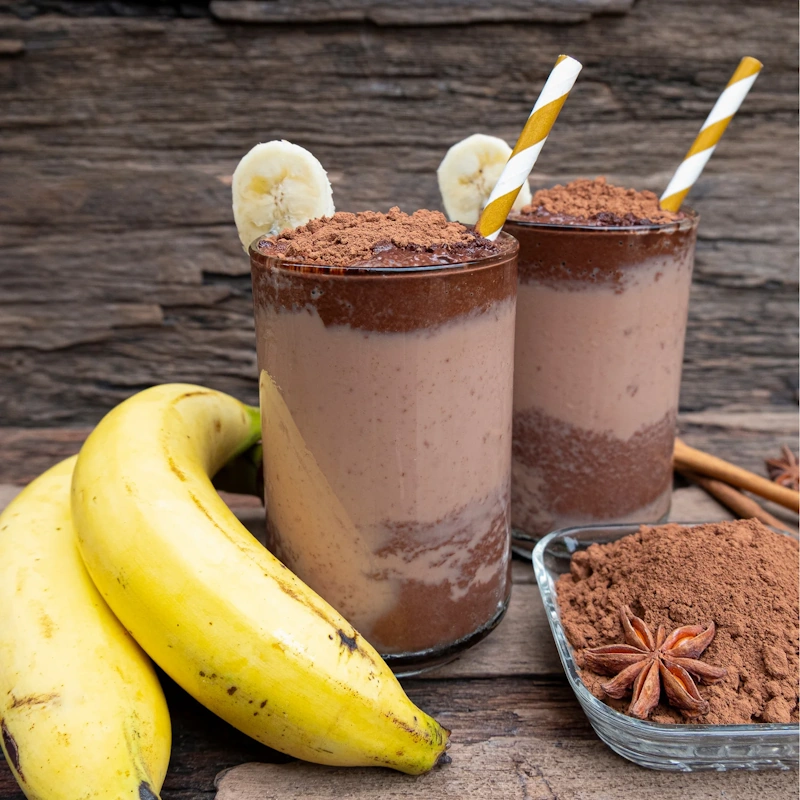
8. Strategic Supplement Use for Weight Gain
While whole foods form the foundation of healthy weight gain, strategic supplement use provides convenient calories, fills nutritional gaps, and supports training recovery when used appropriately alongside solid nutrition rather than as replacement for it.
Protein Powder: Convenience, Not Necessity
Protein powder represents the most common and useful supplement for weight gain:
When Protein Powder Makes Sense:
- Meeting daily protein targets proves difficult through whole foods alone
- Need convenient post-workout protein
- Want easy calories via shakes and smoothies
- Traveling or lacking access to whole protein sources
- Limited time for meal preparation
Types of Protein Powder:
- Whey protein concentrate: Most affordable, 70-80% protein, small amounts of lactose and fat
- Whey protein isolate: More expensive, 90%+ protein, minimal lactose (better for lactose-sensitive individuals)
- Casein protein: Slow-digesting, ideal before bed for sustained amino acid release
- Plant-based proteins: Pea, rice, hemp, or blends for vegetarians/vegans or dairy-sensitive individuals
- Mass gainer powders: High-calorie blends with protein plus carbs and fats—convenient but often expensive per calorie versus making own shakes
Recommended Intake: 1-2 scoops (25-50g protein) daily maximum, with majority of protein coming from whole food sources providing additional nutrients protein powder lacks.
Best Practices:
- Mix with whole milk rather than water for extra calories
- Add to oatmeal, yogurt, or baked goods beyond just shakes
- Choose brands third-party tested for quality and purity
- Consider taste through sample packs before buying large quantities
Creatine Monohydrate: Most Researched Supplement
Creatine represents the single most evidence-supported supplement for muscle building and strength:
Benefits:
- Increases muscle phosphocreatine stores enabling greater training intensity
- Supports 5-15% strength increases in most users
- Adds 2-5 pounds of lean body mass through increased muscle water content and enhanced training capacity
- May improve recovery between training sessions
- Extensively researched with excellent safety profile
Dosage:
- Loading phase (optional): 20g daily (4 servings of 5g) for 5-7 days to saturate muscle stores quickly
- Maintenance dose: 3-5g daily indefinitely to maintain saturation
- Timing doesn’t significantly matter—take anytime daily with or without food
Form: Creatine monohydrate is most researched and cost-effective. Other forms (HCl, ethyl ester, etc.) offer no proven advantages despite marketing claims.
Side Effects:
- Water retention (actually beneficial for muscle growth)
- Rare mild digestive upset (take with food if occurs)
- No evidence of kidney damage in healthy individuals
Cost: Extremely affordable—$0.10-0.20 per serving, making it excellent value supplement.
Mass Gainer Supplements
Commercial mass gainers provide convenience but questionable value:
Pros:
- Convenient calorie delivery (600-1200 calories per serving)
- Includes protein plus carbs in one powder
- Less prep than making own shakes
Cons:
- Expensive per calorie versus whole foods
- Often contain low-quality protein and simple sugars
- Create dependency on supplements versus learning to eat adequate food
- Many formulas use proprietary blends hiding actual ingredient quality
Recommendation: Making your own “mass gainer” shakes using protein powder, oats, nut butter, fruit, and milk provides better nutrition at lower cost. Use commercial mass gainers only if convenience is paramount and budget isn’t concern.
Omega-3 Fatty Acids (Fish Oil)
Omega-3s support overall health and may benefit muscle building:
Benefits:
- Reduce inflammation potentially improving recovery
- Support cardiovascular and brain health
- May enhance muscle protein synthesis
- Often deficient in typical Western diets
Dosage: 1-3g combined EPA and DHA daily through fish oil capsules or liquid, or by consuming fatty fish (salmon, mackerel, sardines) 2-3 times weekly.
Quality Matters: Choose molecular-distilled fish oil tested for purity and heavy metal contamination. Look for third-party certification.
Vitamin D3
Many people, especially those with limited sun exposure, are vitamin D deficient:
Benefits:
- Supports bone health and calcium absorption
- May influence testosterone levels
- Supports immune function
- Deficiency very common in northern latitudes or indoor populations
Dosage: 1000-4000 IU daily depending on sun exposure and current vitamin D status. Testing blood levels enables precise dosing.
Multivitamin: Insurance, Not Solution
A quality multivitamin provides nutritional insurance against dietary gaps:
Benefits:
- Fills micronutrient gaps when diet isn’t perfectly balanced
- Provides peace of mind regarding nutrition adequacy
- Relatively inexpensive insurance
Limitations:
- Cannot substitute for poor diet
- Many nutrients better absorbed from food than supplements
- Not all multivitamins are created equal in quality and bioavailability
Recommendation: Choose multivitamins from reputable brands with third-party testing. Take with food for better absorption.
Pre-Workout Supplements: Optional Enhancement
Pre-workout supplements may enhance training performance:
Common Ingredients:
- Caffeine: Improves energy, focus, and training performance (150-300mg per serving)
- Beta-alanine: May improve muscular endurance (causes harmless tingling sensation)
- Citrulline malate: May improve blood flow and reduce fatigue
Considerations:
- Not necessary but some people benefit from enhanced training intensity
- Can be expensive
- Timing matters—take 20-30 minutes before training
- Caffeine tolerance develops with regular use
- Some formulas contain excessive stimulants or proprietary blends of questionable value
Alternative: Black coffee provides caffeine at fraction of cost of pre-workout supplements.
BCAAs: Mostly Unnecessary
Branched-chain amino acids (leucine, isoleucine, valine) are often marketed for muscle building:
Reality:
- If consuming adequate protein (0.8-1g per pound body weight), BCAAs provide no additional benefit
- Whole protein sources already contain BCAAs
- May have benefit if training fasted, but eating pre-workout provides same advantage
Recommendation: Skip BCAAs; invest in whole protein sources or protein powder instead.
Supplements to Avoid
Testosterone Boosters: Most are ineffective, containing under-dosed or unproven ingredients. Natural testosterone optimization occurs through adequate sleep, stress management, training, and nutrition—not supplements. If you genuinely have low testosterone, medical treatment is appropriate, not over-the-counter supplements.
Fat Burners During Bulking: Completely counterproductive when trying to gain weight. Save for cutting phases if desired.
Proprietary Blends: Products not disclosing exact ingredient amounts prevent evaluating whether dosages are effective and hide potentially useless or harmful ingredients.
Extremely Expensive “Advanced Formulas”: Marketing hype rarely matches results. Stick to proven basics rather than chasing newest hyped supplement.
Supplement Hierarchy
Prioritize supplementation in this order based on value and evidence:
- Whey protein (if struggling to hit protein targets from food)
- Creatine monohydrate (proven, safe, effective, cheap)
- Vitamin D3 (if deficient or limited sun exposure)
- Fish oil (if not eating fatty fish regularly)
- Multivitamin (as nutritional insurance)
- Pre-workout (optional, if desired for training enhancement)
- Everything else has very limited benefit relative to cost
The 90/10 Rule
90% of results come from consistent training and proper nutrition through whole foods. Supplements might provide the final 10% optimization. Never let supplements substitute for fixing fundamentals—eating enough calories, consuming adequate protein, training progressively, and sleeping sufficiently.
Focus on getting nutrition right through food first, then use supplements strategically to fill specific gaps or add convenience, not as primary nutrition sources or shortcuts to results that only come from consistent effort in diet and training.
9. Exercise Strategies: Building Muscle, Not Just Fat
Nutrition creates the caloric surplus necessary for weight gain, but training determines whether that surplus builds muscle or stores as fat. Strategic resistance training combined with proper nutrition creates the stimulus for muscle growth, transforming weight gain from just getting heavier to actually building functional, aesthetic muscle mass.
Why Strength Training is Non-Negotiable
Resistance training provides the signal telling your body to use incoming calories for muscle building rather than primarily fat storage:
Muscle Protein Synthesis Stimulation: Training creates micro-tears in muscle fibers, triggering repair and growth processes. Without this stimulus, surplus calories have no reason to become muscle.
Hormonal Response: Intense resistance training stimulates testosterone, growth hormone, and IGF-1 release—all promoting muscle building and nutrient partitioning toward muscle rather than fat.
Nutrient Partitioning: Active muscles preferentially receive and utilize nutrients, directing calories toward muscle tissue rather than fat cells.
Progressive Adaptation: Muscles grow larger and stronger only when repeatedly challenged beyond current capacity, making consistent progressive overload essential.
Reality Check: Eating in caloric surplus without training leads to fat gain with minimal muscle. Surveys show roughly 70-80% of weight gained without training is fat versus 60-70% muscle when combining surplus with proper training.
Fundamental Training Principles
Progressive Overload
Muscles adapt to stress by growing stronger. To continue adaptation, you must progressively increase stimulus:
- Weight: Gradually increase load lifted (most direct overload method)
- Reps: Perform more repetitions with same weight
- Sets: Add additional working sets
- Frequency: Train muscle groups more often per week
- Density: Complete same work in less time or with shorter rest periods
- Range of Motion: Improve exercise form and ROM over time
Track workouts in log or app, ensuring some aspect improves regularly (weekly or bi-weekly) rather than repeating identical workouts indefinitely.
Volume and Intensity
- Volume: Total work performed (sets × reps × weight)
- Intensity: How heavy the weight relative to your maximum
For muscle growth:
- Volume: 10-20 sets per muscle group weekly provides optimal stimulus for most people
- Intensity: Work in 6-15 rep range (roughly 65-85% of one-rep max) for most exercises
- Failure: Take most sets to near-failure (1-2 reps short of complete failure) to ensure adequate stimulus without excessive fatigue
Frequency
How often you train each muscle group affects results:
- Minimum: Once per week maintains muscle
- Optimal: 2-3 times per week per muscle group maximizes muscle protein synthesis
- Distribution: Full-body workouts 3x weekly or upper/lower split 4x weekly or push/pull/legs 2x weekly cycles (6 days) all work
Recovery
Muscle grows during recovery, not training:
- Between Sessions: 48-72 hours rest per muscle group enables recovery
- Sleep: 7-9 hours nightly optimizes recovery, hormone production, and growth
- Nutrition: Adequate calories and protein support recovery
- Deload Weeks: Every 4-8 weeks, reduce volume/intensity by 40-50% allowing systemic recovery
Optimal Training Split for Beginners
Full-Body Routine 3x Weekly
Example: Monday, Wednesday, Friday
Workout A:
- Squats: 3 sets × 8-10 reps
- Bench Press: 3 sets × 8-10 reps
- Rows: 3 sets × 8-10 reps
- Overhead Press: 3 sets × 8-10 reps
- Romanian Deadlifts: 2 sets × 10-12 reps
- Bicep Curls: 2 sets × 10-12 reps
- Calf Raises: 3 sets × 12-15 reps
Workout B:
- Deadlifts: 3 sets × 6-8 reps
- Incline Press: 3 sets × 8-10 reps
- Pull-ups/Lat Pulldowns: 3 sets × 8-10 reps
- Lunges: 3 sets × 10 reps per leg
- Dumbbell Rows: 3 sets × 10-12 reps
- Tricep Extensions: 2 sets × 10-12 reps
- Planks: 3 sets × 30-60 seconds
Alternate A and B workouts. Total: 45-60 minutes per session.
Optimal Training Split for Intermediates
Upper/Lower Split 4x Weekly
Upper A (Monday):
- Bench Press: 4 sets × 6-8 reps
- Rows: 4 sets × 8-10 reps
- Overhead Press: 3 sets × 8-10 reps
- Pull-ups: 3 sets × max reps
- Bicep Curls: 3 sets × 10-12 reps
- Tricep Pushdowns: 3 sets × 10-12 reps
Lower A (Tuesday):
- Squats: 4 sets × 6-8 reps
- Romanian Deadlifts: 3 sets × 8-10 reps
- Leg Press: 3 sets × 10-12 reps
- Leg Curls: 3 sets × 10-12 reps
- Calf Raises: 4 sets × 12-15 reps
- Abs: 3 sets
Upper B (Thursday):
- Incline Press: 4 sets × 8-10 reps
- Lat Pulldowns: 4 sets × 10-12 reps
- Dumbbell Rows: 3 sets × 10-12 reps
- Lateral Raises: 3 sets × 12-15 reps
- Face Pulls: 3 sets × 15-20 reps
- Cable Curls: 3 sets × 12-15 reps
Lower B (Friday):
- Deadlifts: 4 sets × 5-6 reps
- Front Squats or Leg Press: 3 sets × 10-12 reps
- Walking Lunges: 3 sets × 12 reps per leg
- Leg Extensions: 3 sets × 12-15 reps
- Leg Curls: 3 sets × 12-15 reps
- Calf Raises: 4 sets × 15-20 reps
Compound vs. Isolation Exercises
Compound exercises (multi-joint movements) should form training foundation:
- Squats, deadlifts, bench press, overhead press, rows, pull-ups
- Work multiple muscle groups simultaneously
- Allow heaviest loads
- Produce greatest hormonal response
- Most time-efficient
Isolation exercises (single-joint movements) supplement compounds:
- Bicep curls, tricep extensions, lateral raises, leg curls, calf raises
- Target specific muscles for additional volume
- Address weak points or aesthetic goals
- Lower injury risk due to lighter loads
- Useful for working around injuries
Optimal ratio: 70-80% compounds, 20-30% isolation exercises.
Rep Ranges and Their Effects
1-5 reps (Strength Focus):
- Builds maximum strength
- Minimal muscle growth (hypertrophy)
- Highest neural adaptation
- Most central nervous system fatigue
6-12 reps (Hypertrophy Focus):
- Optimal for muscle growth
- Balance of mechanical tension and metabolic stress
- Sweet spot for most training
12-20 reps (Endurance/Pump Focus):
- Metabolic stress and muscle pump
- Less mechanical tension
- Useful for isolation exercises
- Lower injury risk
Recommendation: Focus primarily on 6-12 rep range for main compounds, occasionally using 12-20 for isolations and 4-6 for strength phases.
Cardio During Bulking: How Much?
Cardiovascular exercise burns calories potentially interfering with weight gain but supports heart health and work capacity:
Minimal Approach:
- 2-3 sessions of 20-30 minutes low-intensity cardio weekly
- Maintains cardiovascular health without significantly impacting calorie surplus
- Walk, bike, or light jog
Moderate Approach:
- 3-4 sessions of 30 minutes moderate-intensity cardio weekly
- Requires eating additional 150-300 calories to compensate
- Improves conditioning supporting training performance
What to Avoid:
- Excessive cardio (5+ hours weekly) making calorie surplus difficult to maintain
- High-intensity interval training too frequently (interferes with strength training recovery)
- Running long distances (significant calorie burn plus potential muscle loss)
Recommendation: Keep cardio minimal and low-intensity during aggressive bulking phases. Brief walks or light bike rides sufficient for health without impeding weight gain.
Training Mistakes That Sabotage Weight Gain
Overtraining:
- Training too frequently or with excessive volume without adequate recovery
- Chronically elevates cortisol, impairing muscle growth
- Causes fatigue preventing training intensity necessary for growth
- Solution: Reduce frequency or volume, ensure rest days, prioritize sleep
Under-training:
- Not training intensely or frequently enough to stimulate adaptation
- Going through motions without progressive overload
- Solution: Track workouts, ensure progression, push intensity appropriately
Neglecting Legs:
- Focusing only on upper body creates imbalanced physique
- Legs contain most muscle mass—training them triggers greater hormonal response
- Solution: Treat leg training as equally important as upper body
Poor Exercise Selection:
- Excessive isolation exercises without compound foundation
- Choosing exercises based on what’s easy rather than what’s effective
- Solution: Prioritize compound movements, add isolations strategically
Lack of Consistency:
- Missing workouts frequently prevents progressive adaptation
- Sporadic training produces minimal results
- Solution: Commit to minimum 3-4 weekly sessions, schedule like appointments
Ignoring Progressive Overload:
- Using same weights, reps, sets for months
- Muscles adapt and cease growing without increased stimulus
- Solution: Track workouts, ensure progression every 1-2 weeks
Training While Under-Eating:
- Not consuming sufficient calories to support training and recovery
- Leads to stagnation or even muscle loss despite training
- Solution: Ensure eating in surplus, particularly around training
Form and Injury Prevention
Building muscle requires staying healthy enough to train consistently:
Master Technique: Learn proper form on main exercises through coaching, videos, or experienced lifters. Poor form limits results and increases injury risk.
Warm-Up: 5-10 minutes light cardio plus movement-specific warm-up sets prepares body for heavy training.
Don’t Ego Lift: Use weights you can control with good form rather than loads requiring compromised technique to move.
Listen to Pain: Distinguish between productive muscle discomfort and joint/connective tissue pain indicating potential injury. Back off when joints hurt.
Deload Regularly: Reduce intensity every 6-8 weeks allowing recovery and preventing accumulated fatigue from causing injury.
Training Logs and Progress Tracking
Documenting workouts enables monitoring progress and ensuring progressive overload:
What to Track:
- Exercises performed
- Weight used
- Reps completed
- Sets performed
- Perceived difficulty (RPE - Rate of Perceived Exertion)
- Overall training notes (energy, sleep, etc.)
Methods:
- Notebook or journal (simple, reliable)
- Smartphone apps (Strong, JEFIT, Fitbod)
- Spreadsheets (customizable, detailed)
Review Regularly:
- Weekly: Ensure progression occurring
- Monthly: Evaluate overall trends and make program adjustments
- Quarterly: Assess whether current program still producing results
The Training-Nutrition Synergy
Maximum muscle gain requires optimizing both training and nutrition simultaneously:
Pre-Workout Nutrition (1-2 hours before):
- 40-60g carbs for energy
- Moderate protein
- Low fat (slows digestion) Example: Rice with chicken, oatmeal with protein powder
Intra-Workout:
- Water for hydration
- Optional: sports drink if training exceeds 90 minutes
- Most people need nothing beyond water
Post-Workout Nutrition (within 1-2 hours):
- 25-40g protein for muscle repair
- 40-80g carbs for glycogen replenishment
- Creates optimal anabolic environment Example: Protein shake with banana and oats, chicken with rice
Throughout Day:
- Consistent meal timing supports training recovery
- Never train fasted if possible—diminishes performance
- Adequate daily calories matter more than precise timing
Sample Training Week
Monday: Upper Body
- Training: Upper A routine
- Nutrition: Normal meal plan, extra carbs pre-workout
- Calories: Full 3000 (example target)
Tuesday: Lower Body
- Training: Lower A routine
- Nutrition: Emphasis on post-workout meal
- Calories: Full 3000
Wednesday: Rest/Active Recovery
- Training: 20-minute walk or light mobility
- Nutrition: Normal meals maintained
- Calories: Full 3000 (don’t reduce on rest days!)
Thursday: Upper Body
- Training: Upper B routine
- Nutrition: Pre and post-workout focus
- Calories: Full 3000
Friday: Lower Body
- Training: Lower B routine
- Nutrition: Largest post-workout meal
- Calories: Full 3000
Saturday: Rest
- Training: None or light activity
- Nutrition: Normal meals
- Calories: Full 3000
Sunday: Active Recovery
- Training: 30-minute walk or recreational activity
- Nutrition: Meal prep for coming week
- Calories: Full 3000
Progressive Overload in Action
Week 1: Bench Press 135 lbs × 3 sets × 8 reps Week 2: Bench Press 135 lbs × 3 sets × 9 reps (rep progression) Week 3: Bench Press 135 lbs × 3 sets × 10 reps Week 4: Bench Press 140 lbs × 3 sets × 8 reps (weight progression) Week 5: Bench Press 140 lbs × 3 sets × 9 reps Continue pattern…
This systematic progression ensures continuous adaptation and muscle growth rather than stagnation.
Strategic resistance training transforms caloric surplus from just making you heavier into building muscle mass that improves strength, appearance, and health. The combination of progressive overload through compound exercises, adequate training volume, sufficient recovery, and proper nutrition timing creates optimal conditions for muscle growth. Training without adequate nutrition wastes gym time, while eating without training produces primarily fat gain. Together, they create the synergy required for healthy weight gain.
10. Common Weight Gain Mistakes That Harm Your Health
Understanding what undermines healthy weight gain helps avoid pitfalls that prevent progress or produce harmful results. Many naturally thin people make these errors when attempting to gain weight, creating frustration, health problems, or unsustainable practices.
Mistake #1: The Dirty Bulk Approach
Eating unlimited quantities of junk food, fast food, and processed foods to gain weight quickly:
Why It’s Harmful:
- Produces disproportionate fat gain versus muscle (potentially 60-70% fat)
- Worsens metabolic health despite normal weight
- Increases cardiovascular disease risk through poor diet quality
- Creates unhealthy eating patterns difficult to break
- May trigger insulin resistance and inflammation
- Causes digestive problems from excessive processed food
Correct Approach: Focus on nutrient-dense whole foods, accept slower progress (0.5-1 lb weekly), prioritize food quality alongside quantity, and view weight gain as building health rather than just gaining pounds.
Mistake #2: Not Eating Enough Consistently
Eating large amounts sporadically but inconsistently, missing meals frequently, or only eating well some days:
Why It Fails:
- Inconsistent calorie intake averages to insufficient surplus
- Metabolism adapts to inconsistent feeding
- Misses cumulative effect of sustained surplus
- Prevents establishing healthy eating habits
Correct Approach: Eat target calories every single day including weekends, track consistently, prepare meals in advance, and treat nutrition with same discipline as training.
Mistake #3: Relying Entirely on Supplements
Using mass gainers, protein powders, and supplements as primary nutrition sources rather than supplement to whole foods:
Why It’s Problematic:
- Missing micronutrients, fiber, and phytonutrients from whole foods
- Expensive relative to whole food calories
- Doesn’t teach sustainable eating habits
- May cause digestive issues from excessive processed ingredients
- Creates psychological dependence on supplements
Correct Approach: Use supplements strategically for convenience or filling specific gaps, but get 80-90% nutrition from whole food sources.
Mistake #4: Neglecting Protein
Focusing only on total calories without ensuring adequate protein intake:
Why It Fails:
- Insufficient amino acids for muscle protein synthesis
- Weight gain becomes primarily fat despite training
- Poor recovery from workouts
- May lose muscle even while gaining total weight
Correct Approach: Prioritize hitting protein targets (0.8-1g per pound target weight) consistently, distributing across multiple meals, from quality sources.
Mistake #5: Excessive Cardio
Continuing high volumes of cardio while trying to gain weight:
Why It Backfires:
- Burns substantial calories creating larger required surplus
- Interferes with strength training recovery
- Triggers catabolic hormonal environment
- Makes achieving caloric surplus extremely difficult
Correct Approach: Minimize cardio to 2-3 light sessions weekly for cardiovascular health, focus energy on strength training, and save intensive cardio for cutting phases.
Mistake #6: Not Training or Training Poorly
Attempting to gain weight through diet alone without resistance training, or training without progressive overload:
Why It Fails:
- Surplus becomes primarily fat without muscle-building stimulus
- No hormonal signals directing nutrients to muscle
- Poor body composition despite weight gain
- Wasted opportunity to build functional strength
Correct Approach: Implement structured resistance training program, progressive overload systematically, and view training as essential as nutrition for healthy weight gain.
Mistake #7: Unrealistic Expectations
Expecting rapid dramatic weight gain, getting discouraged by slow progress, or comparing to steroid-using bodybuilders:
Why It’s Problematic:
- Leads to dirty bulking to see faster scale changes
- Causes premature program abandonment
- Creates frustration despite making actual progress
- May drive unhealthy supplement use or consideration of PEDs
Correct Approach: Accept that healthy muscle gain occurs at 1-2 pounds monthly, celebrate small consistent progress, understand that natural muscle building takes years not months, and focus on long-term trajectory rather than weekly fluctuations.
Mistake #8: Skipping Vegetables and Micronutrients
Filling calories entirely with calorie-dense foods while neglecting vegetables, fruits, and micronutrient diversity:
Why It’s Harmful:
- Nutritional deficiencies despite adequate calories
- Poor gut health from inadequate fiber
- Compromised immune function
- Sub-optimal recovery and performance
- Increased inflammation
Correct Approach: Include vegetables at most meals, consume variety of fruits, ensure dietary diversity across food groups, consider multivitamin as insurance, and view nutrition as more than just calories and macros.
Mistake #9: Poor Sleep Habits
Inadequate sleep quantity or quality while attempting to build muscle:
Why It Sabotages Results:
- Reduced growth hormone and testosterone production
- Impaired recovery from training
- Increased cortisol promoting muscle breakdown
- Reduced insulin sensitivity affecting nutrient partitioning
- Diminished training performance
- May reduce appetite making calorie consumption harder
Correct Approach: Prioritize 7-9 hours quality sleep nightly, maintain consistent sleep schedule, optimize sleep environment, and recognize that gains occur during recovery not training.
Mistake #10: Not Tracking Progress
Never weighing yourself, not monitoring intake, failing to track workouts, and making decisions based on feelings rather than data:
Why It Fails:
- Can’t assess whether approach is working
- No objective feedback for adjustments
- Likely under-eating without realizing it
- Prevents identifying what specifically works for you
Correct Approach: Weigh yourself weekly under consistent conditions, track food intake at least periodically, log all workouts, take progress photos monthly, and use objective data to guide decisions.
Mistake #11: Alcohol Consumption
- Hinders muscle protein synthesis
- Negatively impacts sleep quality
- Contains empty calories that can diminish the nutritional value of food
- Raises cortisol levels and lowers testosterone levels
- Causes dehydration and hinders recovery
- May reduce athletic performance and motivation
The Correct Approach:
Understand that alcohol consumption does more harm than good; always avoid it.
Mistake #12: Ignoring Digestive Health
Forcing excessive food despite digestive distress, developing bloating, constipation, or other GI issues:
Why It’s Problematic:
- Reduces nutrient absorption from food consumed
- Creates physical discomfort reducing quality of life
- May indicate insufficient fiber, hydration, or food intolerances
- Unsustainable long-term approach
Correct Approach: Increase fiber gradually, stay well-hydrated, spread calories across more frequent smaller meals, identify and address food intolerances, consider probiotics, and prioritize gut health alongside muscle gain.
Mistake #13: All-or-Nothing Mentality
Viewing any imperfect day as failure, quitting after small setbacks, or thinking one missed meal ruins everything:
Why It Fails:
- Creates unsustainable pressure and stress
- Leads to complete abandonment after minor issues
- Prevents developing flexible sustainable approach
- Ignores that consistency over months matters far more than perfection daily
Correct Approach: Aim for 90% compliance, don’t catastrophize imperfect days, immediately return to plan after slip-ups, focus on weekly averages rather than daily perfection, and view this as lifestyle change not temporary diet.
Mistake #14: Comparing to Others
Constantly comparing your progress to others, feeling discouraged by friends who gain muscle easily, or trying to match others’ intake/training:
Why It’s Harmful:
- Different genetics mean different response rates
- Creates unnecessary frustration and inadequacy
- May push you toward unhealthy practices trying to “keep up”
- Distracts from your own individual progress
Correct Approach: Compare yourself only to your past self, celebrate your personal progress regardless of pace, understand genetic differences are real and significant, and focus on becoming best version of your individual potential.
Mistake #15: Ignoring Health Markers
Focusing solely on weight gain without monitoring blood pressure, lipids, glucose, or other health metrics:
Why It’s Dangerous:
- Can develop metabolic problems even at healthy weight
- Dirty bulking may worsen health despite normal BMI
- Prevents catching problems early when easily correctable
- Assumes all weight gain is equally healthy
Correct Approach: Get annual physical exams and blood work, monitor blood pressure regularly, pay attention to energy levels and wellbeing, adjust approach if health markers worsen, and remember that healthy weight gain should improve health not just appearance.
The Path to Sustainable Healthy Gains
Avoiding these common mistakes requires:
Education: Understanding principles of healthy weight gain Patience: Accepting that quality gains take time Consistency: Executing plan daily regardless of motivation Monitoring: Tracking objective progress markers Flexibility: Adjusting approach based on individual response Balance: Maintaining health alongside aesthetic goals Long-term Thinking: Building sustainable habits versus quick fixes
The difference between successful healthy weight gain and frustrating failed attempts often lies not in lack of effort but in making these avoidable mistakes. By recognizing pitfalls ahead of time, you can navigate around them, maintaining approaches that build muscle, improve health, and create lasting results rather than temporary weight gain followed by disappointment.
Conclusion: Your Journey to Healthy Weight Gain
The path from naturally thin to strong and healthy doesn’t require magic solutions, extreme measures, or genetics you weren’t born with—it requires understanding the specific biological and behavioral factors keeping you thin, then systematically addressing them through evidence-based nutrition and training strategies tailored to naturally thin bodies. This comprehensive guide has equipped you with everything needed to transform your physique healthily: the science explaining why you’re thin and what must change, precise calculations for determining your caloric needs, optimal macronutrient distributions supporting muscle growth, extensive lists of nutrient-dense foods maximizing healthy weight gain, complete meal plans demonstrating practical implementation, high-calorie snacks and smoothies filling gaps easily, strategic supplement guidance, exercise programming building muscle rather than just adding fat, and awareness of common mistakes undermining others’ efforts.
The knowledge you’ve gained reveals that healthy weight gain isn’t mysterious or impossible—it’s systematic application of proven principles including creating moderate caloric surplus of 300-500 calories daily, consuming 0.8-1 gram protein per pound target body weight, distributing intake across 5-6 meals and snacks daily, prioritizing nutrient-dense whole foods while allowing flexibility, implementing progressive resistance training 3-4 times weekly, recovering adequately through sleep and rest days, tracking progress objectively and adjusting based on data, and maintaining consistency over months and years rather than seeking instant results.
However, understanding principles differs from executing them consistently through real-world challenges including limited appetite requiring eating beyond comfortable fullness, busy schedules competing with meal preparation and eating time, social situations where explaining your weight gain efforts feels awkward, plateaus where progress stalls despite continued effort, psychological fatigue from constant focus on eating and training, and the simple difficulty of maintaining discipline over extended periods. Success requires not just knowledge but commitment, planning, and persistence through these inevitable obstacles.
Your individual journey will involve customization based on your specific metabolism, schedule, preferences, and response patterns. The meal plans provided offer templates, not rigid prescriptions requiring exact replication. Adjust portion sizes to your calorie needs, substitute foods based on preferences and availability, modify meal timing around your schedule, and experiment to discover what you personally find sustainable. Some people thrive on frequent small meals while others prefer fewer larger meals. Some find liquid calories essential while others prefer solid food. Some need simple repetitive meal plans while others require variety. Finding your personally sustainable approach matters more than perfectly following anyone else’s plan.
The timeline for meaningful transformation spans months to years depending on starting point and goals. Gaining 20-30 pounds of muscle—enough to transform appearance from thin to athletic—requires 12-24+ months of consistent effort given realistic muscle-building rates of 1-2 pounds monthly initially, slowing as you progress. This extended timeline demands patience and perspective, viewing each month’s small gains as steps toward cumulative transformation rather than expecting dramatic weekly changes. The compound interest of consistent effort over years produces remarkable results impossible through short-term intensity followed by abandonment.
The psychological aspects of weight gain deserve recognition alongside physical strategies. Being naturally thin often comes with identity and self-image components—you’ve perhaps always been “the skinny one,” with that label becoming part of how you see yourself and how others perceive you. Gaining weight challenges this identity, potentially creating internal resistance or social awkwardness as you transform. Some friends or family may make comments about your changing body, workouts, or eating habits—sometimes supportive but occasionally undermining through jokes or skepticism. Building mental resilience alongside physical strength helps you persist despite these social dynamics.
The health improvements accompanying proper weight gain extend beyond aesthetics to functional and medical benefits including increased strength for daily activities and recreation, improved bone density reducing osteoporosis risk, enhanced immune function reducing illness frequency, better temperature regulation and cold tolerance, normalized hormone levels including testosterone in men, reduced injury risk from improved muscle protection, enhanced athletic performance across most domains, and improved metabolic health including insulin sensitivity and cardiovascular markers. These health benefits make weight gain efforts worthwhile even beyond appearance changes.
The skills you develop through this process—meal planning, food preparation, consistent training, progress tracking, problem-solving when progress stalls, and overall discipline—transfer to other life domains and provide long-term value beyond just current weight gain goals. Learning to set goals, implement systematic plans, monitor progress, and persist through difficulties builds capabilities benefiting careers, relationships, and personal growth generally.
Moving forward, your immediate next steps involve calculating your specific TDEE and caloric surplus targets, planning first week of meals using foods and recipes from this guide, scheduling 3-4 weekly training sessions and committing to attendance, obtaining necessary tools including food scale, tracking app, and basic equipment, shopping for initial week’s groceries, beginning food and workout logging to establish baselines, and most importantly, actually starting rather than perpetually researching and planning without implementation.
The first 2-4 weeks often feel most challenging as you adapt to eating large amounts, soreness from new training, and general lifestyle adjustments. Push through this initial discomfort recognizing that habits form, appetite adapts, and what feels difficult initially becomes routine within weeks. Many beginners report that after initial adjustment period, the structured eating and training become enjoyable lifestyle elements rather than burdensome obligations.
Expect progress to be nonlinear with periods of steady gains, occasional plateaus requiring troubleshooting, and even temporary setbacks from illness, life stress, or other interruptions. These variations are normal, not indicators of failure. Respond to plateaus by increasing calories by 200-300, evaluating training intensity and recovery, checking sleep quality and stress management, reviewing logs for consistency gaps, and potentially taking brief diet break (eating at maintenance for 1-2 weeks) before resuming surplus to reset hormones and psychology.
The community of other hard gainers pursuing similar goals provides valuable support, shared experiences, and motivation during difficult periods. Online forums, social media fitness communities, and local gym relationships connect you with others who understand unique challenges of being naturally thin and trying to gain weight. While avoiding obsessive comparison, learning from others’ experiences and sharing your journey creates accountability and encouragement.
Remember that this journey is ultimately about improving your health, function, and confidence rather than just changing appearance or hitting arbitrary weight targets. If you gain 25 pounds of muscle, significantly increase strength, feel more energetic, and improve health markers, but weigh less than some initial goal weight, you’ve succeeded completely. Focus on holistic improvements rather than just scale numbers.
The transformation from naturally thin to strong and muscular represents one of the most challenging fitness goals because it requires consistently doing what your body resists—eating past comfortable fullness, training when recovery isn’t complete, and persisting when genetics seem to fight every pound gained. However, this difficulty makes success particularly meaningful. When you achieve what biology made difficult, you prove to yourself that dedication and strategy overcome limitations that seem insurmountable initially.
Your genetics provided starting point, not destiny. While you may never achieve the muscle mass of someone genetically gifted for size, you can absolutely transform from weak and thin to strong and muscular, from lacking energy to feeling vital, from self-conscious about appearance to confident in your body. Thousands of formerly thin individuals have made these transformations by applying principles detailed in this guide. You’re not attempting something unprecedented—you’re following proven path that works when executed consistently.
Begin today with single actionable step: calculate your TDEE and surplus target. Tomorrow, plan your first week of meals. The day after, shop for groceries. Then start eating and training according to your plan. Each step builds momentum, each successful day increases confidence, and each month’s progress compounds into eventual transformation you’re seeking. The distance between where you are and where you want to be closes through accumulated consistent action, not through perfect planning or waiting for ideal circumstances.
Your body wants to stay thin—that’s why you’re thin. Overcoming this biological tendency requires understanding the forces working against you and systematically deploying counter-strategies: eating more than appetite signals demand, lifting progressively heavier weights stimulating adaptation, sleeping sufficiently enabling recovery, tracking and adjusting based on data, and persisting month after month until your body adapts to new heavier, stronger normal. This is work, make no mistake, but it’s achievable, valuable, and ultimately rewarding work.
The journey ahead will test you, teach you, and transform you physically and mentally. Embrace the challenge knowing you now possess knowledge and tools required for success. The only remaining question is whether you’ll apply them consistently. Your future stronger, healthier self exists as possibility—transform that possibility into reality through committed action starting immediately. The best time to start was years ago. The second-best time is right now. Begin.
Frequently Asked Questions
Q: I’ve always been skinny and eat a lot but never gain weight. Is it just my genetics and impossible to change?
Genetics influence your starting point and metabolic rate, but they don’t make weight gain impossible—they just make it harder, requiring more strategic effort. You likely have naturally high TDEE through combination of fast metabolism, high NEAT, strong satiety signals, or efficient stress response. However, thermodynamics still applies—consistently consuming more calories than you expend will produce weight gain regardless of genetics. The challenge is accurately determining your true TDEE (likely higher than you think) and then consistently eating surplus above it. Many people believing they “eat a lot” actually eat maintenance or less when objectively tracked. Use food scale and tracking app for 2 weeks to see actual intake versus estimated. Chances are you’re consuming fewer calories than you think, and increasing by 300-500 calories daily will produce gains.
Q: How can I gain weight without getting a belly or just gaining fat?
Combine moderate caloric surplus (300-500 calories daily, not 1000+) with progressive resistance training 3-4 times weekly. This approach enables muscle building at maximum natural rate (~1-2 pounds monthly) without excessive fat gain. Some fat gain is inevitable during bulking—even optimal approaches might split gains 60-70% muscle, 30-40% fat—but this is acceptable and manageable. After achieving goal weight, you can cut (modest calorie deficit) to lose accumulated fat while preserving muscle, revealing muscular physique built during bulk. Trying to gain weight without any fat gain (pure muscle building) is unrealistic and extremely slow. Accept some fat gain temporarily, focus on building muscle, then cut if needed. The alternative is dirty bulking (huge surplus) which produces rapid fat gain—avoid this.
Q: I have a very small appetite and physically cannot eat enough food. What can I do?
Leverage liquid calories through shakes and smoothies—your stomach registers liquid volume less than solid food, enabling easier calorie consumption. One 1000-calorie shake (milk, protein powder, nut butter, oats, banana, honey) provides substantial nutrition without excessive fullness. Drink 1-2 of these daily alongside three moderate solid meals. Additionally: eat more frequently (6 times daily) with smaller portions rather than forcing huge meals; choose calorie-dense foods (nut butter, oils, dried fruits, whole milk, cheese) over low-calorie bulk (vegetables, lean proteins); reduce fiber which increases satiety; eat by schedule not hunger—set alarms for meals and eat regardless of appetite; consider digestive enzymes if your appetite issues stem from slow digestion or bloating. Appetite adapts over weeks—initially difficult eating becomes easier as stomach stretches and hormones adjust.
Q: Will drinking protein shakes and mass gainers give me kidney damage or other health problems?
No—protein supplements are safe for healthy individuals without kidney disease. The “high protein damages kidneys” myth came from studies on people with pre-existing kidney problems. Research shows healthy kidneys handle high protein intake without issues. However, get majority nutrition from whole foods (80-90%) with supplements filling gaps or adding convenience, not replacing meals entirely. Mass gainers aren’t inherently harmful but often contain low-quality ingredients and excessive sugar. Making your own shakes with whole milk, protein powder, nut butter, oats, and fruit provides better nutrition at lower cost. If you have kidney disease, diabetes, or other health conditions, consult doctor before significantly increasing protein, but for healthy people, 0.8-1g per pound body weight is completely safe and extensively researched.
Q: I’m gaining weight but my lifts aren’t going up. Am I doing something wrong?
If gaining weight but not strength, several issues might be occurring: insufficient training intensity—you must push close to failure and implement progressive overload; inadequate training volume—you need 10-20 sets per muscle group weekly; poor program design—you need structured progression plan, not random workouts; inadequate protein despite surplus calories—ensure hitting 0.8-1g per pound target weight; insufficient recovery from overtraining or poor sleep; gaining primarily fat not muscle due to excessive surplus without proper training stimulus. Review your training program ensuring progressive overload, add 5-10 pounds or 1-2 reps every 1-2 weeks, consider hiring coach for form check and program design, and potentially reduce surplus by 100-200 calories if gaining faster than 1-2 pounds weekly suggesting excessive fat gain.
Q: How long will it take to gain 20-30 pounds of muscle?
Realistic timeline: 18-36 months for beginners, potentially longer for intermediates or those with particularly stubborn genetics. Natural muscle building occurs at roughly 1-2 pounds monthly in first year (12-24 pounds), 0.5-1 pound monthly in second year (6-12 pounds), even slower thereafter. These rates represent actual muscle tissue, not total body weight which includes some fat, water, and glycogen. Someone gaining 20 pounds of muscle might gain 25-30 pounds total weight (muscle plus some fat). Expecting faster results leads to dirty bulking and excessive fat gain. This is marathon, not sprint—successful transformations require 1-3+ years of consistent effort. Compare your physique yearly not weekly or monthly. The patience required frustrates most beginners but explains why few people succeed at dramatic transformations—most quit before seeing substantial results.
Q: I gained weight but people say I look the same. Am I doing something wrong?
Body dysmorphia affects perception—you see yourself daily making gradual changes invisible. Others who see you regularly also adapt to gradual changes. Additionally, 5-10 pound gains spread across entire body create subtle changes not dramatic transformations. Substantial visible changes typically require 15-20+ pound gains. Take progress photos monthly in consistent lighting, angles, and clothing—side-by-side comparisons over 3-6 months reveal changes daily mirror obscures. Take measurements (arms, chest, waist, thighs) tracking quantifiable progress beyond just weight. Track strength gains—if lifting significantly more weight despite “looking the same,” you’re building muscle that will become visible with continued gains. Remember that visual changes lag scale changes—you’ll weigh more before looking dramatically different. Persist through this awkward phase where you’ve gained weight but don’t yet look transformed. By 20-30 pound gains, visual changes become undeniable.
Q: Can I gain weight and build muscle without going to a gym?
Yes, though gym access enables easier progression and better exercise variety. Bodyweight training (push-ups, pull-ups, squats, lunges, dips) builds muscle when applying progressive overload through increasing reps, harder variations, or added weight via backpacks or weighted vests. Resistance bands provide variable resistance enabling progressive overload. Adjustable dumbbells for home enable most exercises gyms offer. However, bodyweight training has limitations for lower body development since adding sufficient resistance for muscle growth becomes difficult. If training at home, invest in pull-up bar, resistance bands, and adjustable dumbbells minimum, plus weight vest for lower body progressions. Follow similar principles: progressive overload, 3-4 weekly sessions, compound movements emphasized, adequate volume per muscle group. Results possible without gym but require creativity, discipline, and willingness to invest in home equipment.
Q: I’m 40+ years old. Is it too late to build muscle and gain weight?
Absolutely not—muscle building remains possible at any age though rates slow with age. While 20-year-olds might build muscle slightly faster than 40-year-olds due to higher testosterone and growth hormone, the differences are modest compared to popular belief. Many people build their best physiques in 30s-40s due to improved training knowledge, consistency, and discipline compared to younger years. Key adjustments for older individuals: prioritize recovery with more rest days and careful exercise selection avoiding injury; emphasize progressive overload but progress more conservatively; maintain perfect form preventing injury that limits training; potentially slightly higher protein (0.9-1g/lb) supporting recovery; optimize sleep and stress management affecting recovery. Many men in 40s-60s have successfully transformed from thin to muscular following these principles. Age affects rate slightly, not possibility.
Q: What about intermittent fasting? Everyone says it’s healthy but how can I gain weight if I’m not eating for 16 hours?
Intermittent fasting makes weight gain significantly harder by compressing eating into shorter window, making consuming sufficient calories more difficult. While IF has health benefits for some (particularly overweight individuals), it’s poorly suited for hard gainers trying to increase weight. Extended fasting reduces overall caloric intake—exactly opposite of what you need. Additionally, distributing protein across multiple meals optimizes muscle protein synthesis better than concentrating in few meals during short eating windows. Recommendation: avoid IF during active bulking phases. Focus on spreading calories across 5-6 eating occasions daily. Once you’ve achieved goal weight, you could experiment with IF during maintenance or cutting phases if interested, but during muscle-building phases, frequent eating serves you better.
Q: I’m vegan/vegetarian. Can I still gain muscle and weight effectively?
Yes—plant-based weight gain and muscle building is completely achievable with proper planning. Challenges include: plant proteins having lower bioavailability requiring slightly higher intake (1-1.1g per pound body weight); plant foods generally less calorie-dense requiring larger food volumes; ensuring complete amino acid profiles through variety or supplementation; potentially lower iron, B12, omega-3, and zinc requiring supplementation or careful food selection. Solutions: use plant-based protein powders (pea, rice, hemp blends) hitting protein targets efficiently; emphasize calorie-dense plant foods (nuts, nut butters, avocados, coconut, seeds, dried fruit, oils); combine complementary proteins (rice+beans, hummus+pita); supplement B12, and consider algae-based omega-3s; track carefully ensuring adequate calories and protein. Many vegan athletes successfully build muscle—it requires more planning but is entirely feasible.
Articles related:



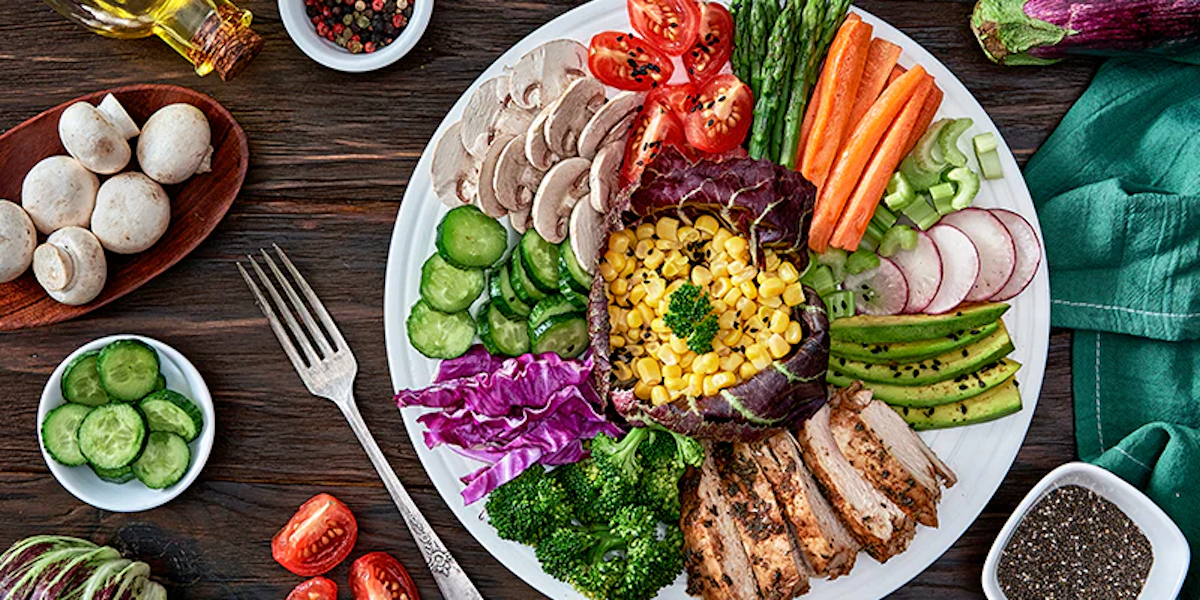


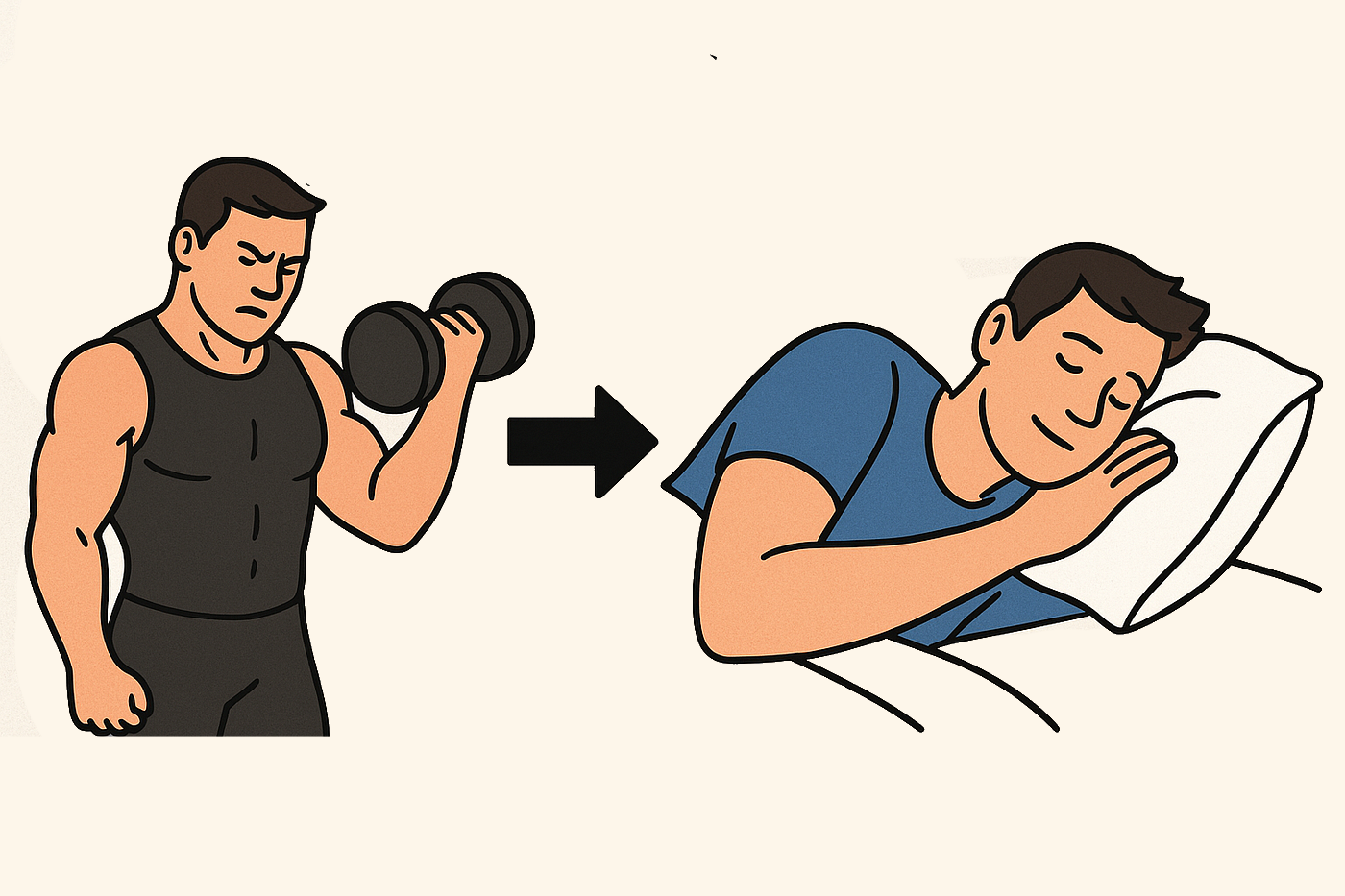




Tags
📧 Get More Articles Like This
Subscribe to receive product reviews and buying guides in your inbox!
We respect your privacy. Unsubscribe at any time.