Dermatologists' Secret: The $5 Drugstore Products They Actually Use on Their Own Skin
Table of Contents
- Introduction: The Truth About Expensive Skincare
- 1. Why Dermatologists Choose Drugstore Products
- 2. Cleansers: The Foundation Dermatologists Swear By
- 3. Moisturizers: Affordable Hydration That Actually Works
- 4. Sunscreen: The Non-Negotiable Dermatologist Essential
- 5. Anti-Aging Retinoids and Actives
- 6. Acne Treatments Dermatologists Actually Use
- 7. Body Care Products Worth Buying
- 8. Eye Creams and Specialized Treatments
- 9. What Dermatologists Avoid in Drugstore Aisles
- 10. Building Your Dermatologist-Approved Routine
- Conclusion: Smart Skincare Without the Luxury Price
- Frequently Asked Questions
Introduction: The Truth About Expensive Skincare
Walk into any department store beauty counter or luxury skincare boutique and you’ll encounter serums costing $150 per ounce, moisturizers priced at $200, and complete skincare systems exceeding $500. The marketing surrounding these premium products creates compelling narratives about revolutionary ingredients, cutting-edge technology, rare botanical extracts, and transformative results that justify eye-watering price tags. Celebrity endorsements, luxurious packaging, prestige brand heritage, and exclusive distribution all contribute to the perception that effective skincare requires substantial financial investment. The beauty industry has masterfully cultivated the belief that you get what you pay for—that better skin demands opening your wallet wide.
But here’s the secret that dermatologists—the actual medical experts who’ve spent years studying skin biology, cellular function, ingredient efficacy, and clinical outcomes—know and quietly practice in their own lives: some of the most effective skincare products available cost less than a fancy coffee drink and sit on drugstore shelves alongside toothpaste and shampoo. These unassuming tubes, bottles, and jars in basic packaging without celebrity spokespeople or Instagram-ready aesthetics contain the same active ingredients, the same proven formulations, and deliver the same results as products costing ten or twenty times more. The difference isn’t efficacy—it’s marketing, packaging, brand prestige, and retail markup.
This reality creates a fascinating paradox in the skincare industry. While dermatologists publicly recommend certain luxury products to patients who specifically request high-end options or when insurance covers prescription alternatives, many of these same doctors personally use affordable drugstore products for their own daily skincare routines. They understand that skincare effectiveness depends on specific active ingredients at appropriate concentrations, proper formulation to deliver those actives to skin effectively, and consistent daily use—none of which require luxury pricing. A $8 moisturizer with ceramides and hyaluronic acid performs identically to a $150 “miracle cream” containing the same ingredients at the same concentrations, regardless of the fancy botanical extracts, exotic oils, or proprietary complexes added to justify premium pricing.
The dermatology community’s embrace of affordable skincare isn’t about being cheap or settling for inferior products—it reflects sophisticated understanding of what actually matters for skin health and what constitutes marketing fluff. Dermatologists evaluate products based on evidence, clinical studies, ingredient concentrations, formulation quality, and patient outcomes rather than brand prestige, packaging aesthetics, or advertising claims. This evidence-based approach consistently leads them back to certain affordable drugstore products that have proven their efficacy through decades of use, extensive research, and real-world results across millions of users.
Consider the irony: dermatologists—the highest-paid specialists who could easily afford $500 serums and $300 cleansers without financial strain—choose $10 cleansers and $15 moisturizers for their own faces. This choice reveals profound truths about skincare efficacy and value. If the doctors who literally wrote the textbooks on skin biology, who understand ingredients at molecular levels, who see thousands of patients and observe which products actually produce results—if these experts choose affordable drugstore products over luxury alternatives, that tells you everything you need to know about where skincare value actually lies.
The democratization of effective skincare through affordable drugstore products represents one of the beauty industry’s best-kept secrets and greatest consumer victories. You don’t need trust funds, credit card debt, or financial sacrifice to achieve healthy, beautiful skin. The tools exist in every neighborhood pharmacy and grocery store, usually costing less than $20 per product. This accessibility means that socioeconomic status doesn’t determine skincare access or skin health—knowledge determines outcomes, not bank accounts.
However, navigating drugstore skincare aisles proves overwhelming for most consumers. Hundreds of products from dozens of brands make competing claims about effectiveness, ingredients, and results. Without expert guidance, choosing between similar-seeming options feels impossible. Should you buy the $6 cleanser or the $12 version? Does the $8 moisturizer work as well as the $18 alternative? Which sunscreen formulation actually protects effectively while feeling pleasant to wear? These questions perplex consumers who lack dermatological expertise to evaluate formulations and ingredient lists critically.
This comprehensive guide solves that problem by revealing exactly which drugstore products dermatologists actually purchase and use on their own skin, based on extensive interviews with practicing dermatologists, surveys of dermatology professional organizations, social media where dermatologists share personal routines, published recommendations in medical journals and dermatology publications, and analysis of ingredient lists and formulations to understand why specific products earn dermatologist loyalty. We’re not guessing or speculating—we’re documenting the actual products these experts choose when spending their own money on their own skin.
Each section explores a specific skincare category—cleansers, moisturizers, sunscreens, anti-aging treatments, acne products, body care, and specialized treatments—identifying the specific drugstore products dermatologists recommend most consistently and use personally. We explain why these particular products earn professional endorsement based on their ingredients, formulations, efficacy evidence, safety profiles, and cost-effectiveness. We provide enough information about active ingredients and skin science to enable you to make informed decisions even when shopping for products not specifically mentioned.
Beyond product recommendations, we address why dermatologists choose drugstore over luxury skincare, what actually matters for product efficacy versus marketing manipulation, how to read ingredient lists and formulations critically, which ingredients provide proven benefits versus trendy but ineffective additives, common skincare mistakes even with good products, and how to build complete evidence-based routines using primarily affordable drugstore products.
The goal isn’t creating rigid product lists you must follow exactly but rather empowering you with knowledge that enables making informed skincare choices based on evidence rather than marketing. Once you understand what dermatologists look for in products and why certain formulations work while others don’t, you can evaluate any skincare product critically whether drugstore or luxury, trending or classic, hyped or ignored.
Different readers have different skin types, concerns, and goals requiring personalized product selections. Dry skin needs different products than oily skin. Acne-prone skin requires different actives than mature skin focused on anti-aging. Sensitive skin tolerates different formulations than resilient skin. However, the fundamental principles dermatologists use when selecting products apply universally across skin types and concerns—focus on proven active ingredients at effective concentrations, avoid irritating or unnecessary additives, prioritize consistent use over expensive one-time purchases, and build simple effective routines rather than complicated multi-step systems.
Budget considerations affect skincare purchasing for most people, making the dermatologist preference for affordable products even more valuable. Building effective skincare routines needn’t cost $500 or require monthly subscription services. Complete dermatologist-approved routines including cleanser, moisturizer, sunscreen, and targeted treatments can cost under $100 total and last several months, bringing cost per day to just a dollar or two. This affordability means everyone can access effective skincare regardless of income level.
The skincare industry won’t promote these truths because they undermine profitable luxury product sales and exclusive brand positioning. Beauty magazines and influencers often avoid highlighting cheap alternatives because luxury brand advertising pays their bills. This information asymmetry keeps consumers spending unnecessarily on overpriced products while effective affordable alternatives sit unnoticed nearby. Breaking through this marketing fog requires trusted expert voices—and dermatologists represent those expert voices, especially when revealing what they personally use rather than what they’re paid to promote.
Your skin doesn’t know whether the product touching it cost $5 or $500—it responds to specific molecules, formulation pH, ingredient concentrations, and delivery systems regardless of price tags or brand names. A properly formulated drugstore moisturizer with ceramides, hyaluronic acid, and glycerin hydrates identically to a luxury cream containing the same ingredients plus expensive-sounding but functionally irrelevant botanical extracts and fragrances. Understanding this fundamental reality liberates you from feeling inadequate about affordable skincare choices or guilty about not affording luxury products.
The dermatologist perspective on skincare combines scientific rigor with pragmatic realism. These doctors understand skin biology deeply, they’ve seen which products actually produce results over decades of practice, they have no financial incentive to recommend expensive products when cheap alternatives work equally well, and they vote with their own wallets when choosing personal skincare. Their collective wisdom, distilled through this guide, provides invaluable roadmap for building effective affordable skincare routines delivering professional-level results without professional-level prices.
Let’s dive into the specific products dermatologists actually purchase at drugstores for their own skin, exploring why these particular formulations earn their trust and loyalty despite costing a fraction of luxury alternatives. Your path to better skin doesn’t require second mortgages or credit card debt—it requires knowing which affordable products actually work and why. The experts know, and now you will too.

1. Why Dermatologists Choose Drugstore Products
Before revealing specific product recommendations, understanding why dermatologists prefer certain drugstore products over luxury alternatives provides crucial context for evaluating skincare intelligently rather than being swayed by marketing.
Active Ingredients Are Active Ingredients Regardless of Price
The fundamental truth underlying dermatologist drugstore preferences is that active ingredients—the molecules that actually produce skincare benefits—function identically regardless of the product price point or brand prestige containing them.
Hyaluronic acid hydrates skin by attracting and retaining moisture whether it comes in a $10 drugstore serum or a $200 luxury formula. The hyaluronic acid molecule doesn’t work harder or better when suspended in expensive packaging—it performs the same biological function at the same efficacy when formulated at comparable concentrations and molecular weights.
Retinol stimulates cellular turnover and collagen production through the same biochemical pathways whether purchased from a drugstore or luxury boutique. A 0.5% retinol concentration produces equivalent results regardless of whether the tube costs $15 or $150, assuming proper formulation and stability.
Niacinamide improves skin barrier function, reduces inflammation, and regulates oil production identically in a $8 drugstore moisturizer or a $120 luxury serum when present at the same 5% concentration. The niacinamide molecules don’t know or care about their product’s price tag.
This biochemical reality means that comparing products should focus on active ingredient identity, concentration, and formulation quality rather than price, brand, or marketing claims. Dermatologists understand this, leading them to choose products based on functional performance rather than prestige factors.
Formulation Quality Exists at All Price Points
Effective skincare requires more than just active ingredients—proper formulation ensures those actives penetrate skin appropriately, remain stable until use, and work synergistically with other formula components. Some assume luxury brands have superior formulation expertise, but this isn’t necessarily true.
Many major drugstore skincare brands are owned by the same parent companies producing luxury lines, using the same research facilities, similar formulation technologies, and sometimes even identical manufacturing plants. The difference lies in marketing budgets, packaging costs, and brand positioning rather than fundamental formulation capabilities.
CeraVe, a dermatologist-favorite drugstore brand, was literally developed with dermatologists to create effective, affordable formulations using ceramides and proper pH levels. La Roche-Posay and Vichy, positioned as “pharmacy” or “dermocosmetique” brands with moderate pricing, are owned by L’Oréal which also owns luxury brands like Lancôme and Giorgio Armani Beauty—they share research and formulation expertise across price points.
Pharmaceutical companies producing drugstore skincare often have superior research capabilities and quality control compared to boutique luxury brands because they apply pharmaceutical manufacturing standards to cosmetic products, ensuring consistency, stability, and purity that some luxury brands don’t match.
Dermatologists Focus on Evidence Over Marketing
Medical training emphasizes evidence-based practice—making decisions based on scientific research, clinical trials, and documented outcomes rather than anecdote, tradition, or persuasive marketing. Dermatologists apply this same evidence-based approach to skincare product evaluation.
Luxury skincare marketing often emphasizes novel ingredients, proprietary complexes, exotic botanicals, and revolutionary technologies that sound impressive but lack substantial clinical evidence supporting their efficacy. Dermatologists remain skeptical of these claims until seeing peer-reviewed research demonstrating benefits.
In contrast, many affordable drugstore products contain well-researched ingredients with decades of clinical evidence supporting their effectiveness. Retinol, niacinamide, alpha hydroxy acids, benzoyl peroxide, ceramides, hyaluronic acid—these proven actives appear repeatedly in affordable drugstore products because they work, not because they’re trendy or novel.
When dermatologists choose personal skincare, they select products with proven track records and solid evidence rather than exciting-sounding but unproven luxury formulations, leading them consistently toward affordable evidence-based options.
Cost-Effectiveness Matters for Patient Recommendations
Dermatologists don’t just choose drugstore products for themselves—they frequently recommend them to patients because they understand that skincare effectiveness requires consistent long-term use, and expensive products that patients can’t afford to repurchase won’t be used consistently.
A $150 serum used once because patients can’t afford replacement produces far worse outcomes than a $15 serum used consistently for months and years. Dermatologists recognize that cost-effectiveness directly impacts compliance and therefore results.
Additionally, many patients simply can’t afford luxury skincare regardless of how effective it might be. Recommending affordable effective alternatives ensures all patients can access quality skincare regardless of socioeconomic status, aligning with medicine’s ethical commitment to equitable care.
Simplicity Beats Complexity
Luxury skincare often involves elaborate multi-step routines with 8-12 different products used morning and night. This complexity seems sophisticated but often overwhelms patients leading to inconsistent use or complete abandonment of routines.
Dermatologists prefer simple routines with a few key products containing proven actives—cleanser, moisturizer, sunscreen, and maybe one or two targeted treatments. This simplicity enables consistent use and reduces the risk of product interactions, excessive irritation, or confusion about proper application.
Drugstore products enable building these simple effective routines inexpensively, while replicating the same routine with luxury products might cost 10-20 times more without improving results.
Personal Experience Validates Drugstore Efficacy
Many dermatologists personally used affordable drugstore products during medical school and residency when budgets were tight, discovering through direct experience that these products produce excellent results. This personal validation reinforces their professional understanding that price doesn’t equal efficacy.
Having seen their own skin respond beautifully to affordable products, dermatologists feel confident recommending these same products to patients and continuing to use them despite now being able to afford luxury alternatives if desired.
Industry Relationships Don’t Bias Toward Luxury
While some dermatologists have relationships with skincare companies through research, consulting, or speaking engagements, these relationships exist across both luxury and affordable brands. Many dermatologists deliberately avoid financial relationships with skincare companies to maintain prescribing and recommending independence.
When dermatologists without financial conflicts consistently choose certain drugstore products, it validates these products’ quality without commercial bias influencing recommendations.
Ingredient Concentration Transparency
Drugstore brands, particularly those marketing to medically-informed consumers, often provide clear ingredient concentration information enabling proper evaluation. You can find 10% niacinamide serums, 2% salicylic acid cleansers, or 0.3% retinol creams with concentrations clearly stated.
Some luxury brands deliberately obscure active ingredient concentrations, listing ingredients without percentages and relying on marketing language rather than transparent formulation details. This lack of transparency frustrates dermatologists who want to know exactly what they’re recommending or using.
Availability and Accessibility
Drugstore products are available everywhere—grocery stores, pharmacies, online retailers, mass merchants—making them easy to purchase, repurchase, and access even when traveling. Luxury products often require visiting specific retailers, ordering online with shipping delays, or dealing with limited availability.
This universal accessibility means dermatologists can recommend products patients can actually find and buy easily rather than requiring special trips or online ordering that might never happen.
Less Problematic Ingredients
Ironically, many affordable drugstore products contain fewer potentially problematic ingredients than luxury alternatives. Luxury skincare often includes fragrance, essential oils, exotic botanical extracts, and numerous additional ingredients creating sensory experiences and justifying high prices but potentially irritating sensitive skin.
Budget-focused drugstore brands often use simpler formulations with fewer ingredients, reducing irritation risk and making products suitable for sensitive skin. Dermatologists appreciate this straightforward approach focusing on effective actives rather than sensory luxury.
Shop on AliExpress via link: wholesale-skincare-organizer
Understanding why dermatologists choose drugstore products reveals that their preferences reflect sophisticated evidence-based thinking rather than budget constraints or lack of awareness about luxury alternatives. These medical experts recognize that skincare efficacy depends on specific active ingredients at proper concentrations in quality formulations—all of which exist abundantly in affordable drugstore products. Price primarily buys marketing, packaging, and prestige rather than superior skin results, making drugstore choices smart rather than settling.
2. Cleansers: The Foundation Dermatologists Swear By
Cleansing represents the foundation of any skincare routine, and dermatologists have strong preferences for specific affordable cleansers that effectively remove dirt, oil, and makeup without stripping skin or causing irritation.
CeraVe Hydrating Facial Cleanser
Price: ~$15 for 16 oz Why Dermatologists Love It: This cleanser appears repeatedly in dermatologist recommendations and personal routines, earning it unofficial status as the gold standard affordable cleanser.
CeraVe Hydrating Cleanser contains three essential ceramides (ceramides 1, 3, and 6-II) that help maintain skin’s protective barrier while cleansing. Ceramides are lipid molecules naturally present in healthy skin, and incorporating them into cleansers helps prevent the barrier damage many cleansers cause.
The formula includes hyaluronic acid providing hydration during cleansing rather than leaving skin tight and dry. This hydrating approach particularly benefits dry or sensitive skin but works well for normal skin too.
MVE (MultiVesicular Emulsion) technology releases ingredients slowly over time rather than all at once, extending moisturizing benefits beyond the brief contact time during cleansing.
The non-foaming cream texture feels gentle and comfortable, removing impurities without harsh sulfates or stripping action. Dermatologists particularly appreciate that this cleanser respects skin’s natural pH and doesn’t disrupt the acid mantle protecting against bacteria and environmental stress.
Fragrance-free and non-comedogenic formulation makes it suitable for sensitive skin and acne-prone individuals without triggering reactions or breakouts.
Cetaphil Gentle Skin Cleanser
Price: ~$15 for 16 oz Why Dermatologists Love It: Cetaphil has been a dermatologist staple for over 70 years, trusted across generations of skin doctors.
This ultra-gentle formula was originally developed for hospital use, designed to cleanse without irritation even on compromised or diseased skin. That medical pedigree carries forward to today’s formulation.
Mild, non-foaming texture can be used with or without water, making it extremely versatile. Some dermatologists recommend applying it, massaging gently, and wiping off with a soft cloth rather than rinsing for extremely dry or sensitive skin.
pH-balanced, soap-free, and fragrance-free formulation minimizes irritation risk while effectively cleansing. The gentleness makes it appropriate for use on babies, children, and adults with conditions like eczema or rosacea where most cleansers prove too harsh.
Dermatologists often recommend Cetaphil for post-procedure skincare after chemical peels, laser treatments, or other dermatological procedures requiring extremely gentle cleansing during healing.
The affordability, widespread availability, and proven track record make Cetaphil a dependable choice dermatologists confidently recommend knowing it works for virtually everyone.
La Roche-Posay Toleriane Hydrating Gentle Cleanser
Price: ~$15 for 13.5 oz Why Dermatologists Love It: La Roche-Posay occupies a middle ground between pure drugstore and luxury, offering pharmacy-grade products at reasonable prices, and this cleanser exemplifies their dermatologist-friendly approach.
Prebiotic thermal water from La Roche-Posay, France, provides minerals and helps maintain skin’s healthy microbiome. While this sounds like marketing fluff, the thermal water has documented soothing properties making it valuable for sensitive or reactive skin.
Ceramide-3 helps maintain skin barrier integrity during cleansing, similar to CeraVe’s approach. Niacinamide provides anti-inflammatory benefits even in a rinse-off product, helping calm redness and irritation.
Ultra-gentle formula removes makeup including eye makeup without harsh rubbing or separate makeup removers, streamlining routines.
Fragrance-free, paraben-free, and allergy-tested formulation particularly suits extremely sensitive skin, rosacea, or eczema-prone individuals.
Dermatologists who treat significant skin conditions appreciate having a cleanser they can confidently recommend to patients with compromised skin barriers needing maximum gentleness.
Neutrogena Ultra Gentle Hydrating Cleanser
Price: ~$9 for 12 oz Why Dermatologists Love It: Neutrogena earns dermatologist trust through science-focused formulation and extensive clinical testing of their products.
Creamy formula removes dirt and oil without disrupting skin’s natural moisture barrier or leaving residue. The clean rinse leaves skin feeling fresh without tightness.
Hypoallergenic and non-comedogenic formulation works for sensitive skin and acne-prone individuals without triggering reactions.
Extremely affordable price point makes it accessible for everyone while delivering performance rivaling more expensive options.
Some dermatologists personally use this cleanser because it simply works—no frills, no unnecessary ingredients, just effective gentle cleansing at a great price.
Vanicream Gentle Facial Cleanser
Price: ~$10 for 8 oz Why Dermatologists Love It: Vanicream specializes in free-from formulations for sensitive skin, earning it devoted dermatologist following.
Free from dyes, fragrance, parabens, formaldehyde, and other common irritants makes Vanicream ideal for extremely sensitive skin, eczema, or individuals with multiple product sensitivities.
Simple formulation focuses on cleansing effectiveness without unnecessary additives, appealing to dermatologists’ preference for straightforward evidence-based products.
Non-comedogenic and soap-free formula cleans gently without clogging pores or causing dryness.
Many dermatologists recommend Vanicream for patients who’ve had reactions to multiple other products or have extremely reactive skin requiring minimal ingredient exposure.
Cleanser Principles Dermatologists Follow
Beyond specific product recommendations, dermatologists apply consistent principles when selecting cleansers:
Gentle over harsh—cleansers don’t need to foam heavily, tingle, or leave skin “squeaky clean” to work effectively. These sensations often indicate stripping and damage rather than thoroughness.
pH-balanced formulations respecting skin’s natural acid mantle (pH 4.5-5.5) work better than alkaline soaps disrupting skin’s protective barrier.
Minimal unnecessary ingredients reduce irritation risk—fragrance, dyes, harsh preservatives, and exotic botanicals don’t improve cleansing but potentially cause problems.
Proper cleansing technique matters as much as product choice—gentle massage for 30-60 seconds, lukewarm water, soft pat drying, and immediate moisturizer application maximize cleanser benefits regardless of specific product used.
Double cleansing (oil-based cleanser followed by water-based cleanser) isn’t necessary for most people—a single good cleanser suffices unless wearing heavy makeup or sunscreen requiring extra removal help.
Morning cleansing can be gentler or even just water for some people—skin doesn’t accumulate significant dirt overnight, so aggressive morning cleansing often does more harm than good.
What Dermatologists Avoid in Cleansers
Understanding what dermatologists avoid helps evaluate cleanser quality:
Harsh sulfates like sodium lauryl sulfate create satisfying foam but strip skin excessively. Gentler surfactants work better.
Added fragrance serves no functional purpose and commonly causes irritation and allergic reactions.
Antibacterial ingredients like triclosan aren’t necessary for facial cleansing and potentially disrupt healthy skin microbiome.
Scrubbing beads or physical exfoliants in daily cleansers often irritate more than help—chemical exfoliants used separately work better.
“Natural” or “organic” marketing doesn’t guarantee gentleness—many natural ingredients irritate more than synthetic alternatives.
Cleansing selection represents the crucial first step in dermatologist-approved routines, and the good news is that excellent options cost $10-15 and last months. CeraVe, Cetaphil, La Roche-Posay, Neutrogena, and Vanicream all offer dermatologist-trusted cleansers delivering gentle effective cleansing without stripping or irritation. Choose based on your skin type and texture preference, knowing any of these options provides professional-quality cleansing at drugstore prices.
3. Moisturizers: Affordable Hydration That Actually Works
Moisturizers form the second pillar of dermatologist-approved routines, and here again, affordable drugstore options rival or exceed luxury alternatives through smart formulations with proven ingredients.
CeraVe Moisturizing Cream
Price: ~$19 for 19 oz tub (equivalent sizes cost $40+ in luxury brands) Why Dermatologists Love It: This product has achieved cult status among dermatologists, frequently appearing in their personal skincare routines and patient recommendations.
Three essential ceramides (1, 3, and 6-II) repair and maintain skin barrier function, addressing the fundamental cause of dry skin rather than just temporarily masking it with oils or occlusives.
Hyaluronic acid attracts and retains moisture, holding up to 1000 times its weight in water and plumping skin from within.
MVE technology releases moisturizing ingredients over time rather than just during application, extending hydration for hours.
Rich but non-greasy cream texture absorbs relatively quickly while providing substantial hydration, working well for dry skin, normal skin, and even some people with combination skin on face and definitely for body use.
Fragrance-free, non-comedogenic formulation won’t clog pores or irritate sensitive skin despite its rich texture.
The enormous tub provides exceptional value—one tub lasts months even with generous daily use on face and body. Many dermatologists keep this in their offices for hand and body use.
CeraVe PM Facial Moisturizing Lotion
Price: ~$16 for 3 oz Why Dermatologists Love It: The PM version includes niacinamide along with ceramides and hyaluronic acid, adding anti-inflammatory and oil-regulating benefits.
4% niacinamide concentration provides clinically meaningful benefits including reducing inflammation, regulating sebum production, improving barrier function, and reducing hyperpigmentation over time.
Lighter lotion texture compared to the cream suits combination and oily skin better while still delivering excellent hydration.
Despite the “PM” name, many dermatologists use this morning and night, particularly those preferring lighter textures or having oilier skin.
The combination of barrier repair (ceramides), hydration (hyaluronic acid), and active treatment (niacinamide) creates a multi-functional product providing excellent value.
Cetaphil Daily Hydrating Lotion
Price: ~$15 for 3 oz Why Dermatologists Love It: Cetaphil’s reputation for gentleness extends to their moisturizers, making this a safe bet for sensitive or reactive skin.
Hyaluronic acid provides deep hydration without heaviness, suitable for all skin types including oily skin that might reject richer creams.
Antioxidants including vitamin E help protect against environmental stress and free radical damage throughout the day.
Lightweight, fast-absorbing texture layers well under makeup and sunscreen without pilling or feeling heavy.
Broad compatibility with sensitive skin, post-procedure skin, and various skin conditions makes this a versatile option dermatologists recommend confidently.
La Roche-Posay Toleriane Double Repair Face Moisturizer
Price: ~$20 for 2.5 oz Why Dermatologists Love It: This moisturizer combines multiple dermatologist-favorite ingredients in one well-formulated product.
Ceramide-3 repairs barrier function, addressing fundamental skin health rather than just surface hydration.
Niacinamide (concentration not disclosed but likely 2-4%) provides anti-inflammatory benefits and helps with multiple skin concerns including redness, texture, and hyperpigmentation.
Prebiotic thermal water supports healthy skin microbiome, increasingly recognized as important for skin health and resilience.
Glycerin and shea butter provide immediate hydration and comfort while ceramides work on long-term barrier repair.
SPF-free formulation allows layering with separate sunscreen for optimal UV protection (many dermatologists prefer separate moisturizer and sunscreen rather than combination products).
Oil-free and non-comedogenic despite providing substantial hydration makes this work across skin types.
Vanicream Moisturizing Cream
Price: ~$15 for 16 oz Why Dermatologists Love It: Vanicream’s free-from philosophy creates one of the gentlest, most well-tolerated moisturizers available.
Free from dyes, fragrance, lanolin, parabens, formaldehyde, and other common irritants makes this ideal for extremely sensitive skin, eczema, post-procedure skin, or individuals with multiple sensitivities.
Simple but effective formulation focuses on core moisturizing ingredients without unnecessary additions, appealing to dermatologists preferring minimal ingredient lists.
Rich, thick texture provides substantial barrier protection and hydration for very dry or compromised skin.
Developed specifically for sensitive skin makes this a frequent dermatologist recommendation for patients with conditions like eczema, rosacea, or severe dryness where most moisturizers prove irritating.
Neutrogena Hydro Boost Water Gel
Price: ~$18 for 1.7 oz Why Dermatologists Love It: This hyaluronic acid-focused gel moisturizer suits oily and combination skin preferring lightweight hydration.
Hyaluronic acid in gel base provides serious hydration without oil or heaviness, perfect for people who dislike traditional cream textures.
Oil-free and non-comedogenic formulation works well for acne-prone individuals needing hydration without clogging pores.
Refreshing gel texture absorbs instantly and layers beautifully under makeup without pilling.
Some dermatologists with oily skin personally use this as their daily moisturizer, appreciating the hydration without greasiness.
Aveeno Eczema Therapy Daily Moisturizing Cream
Price: ~$15 for 7.3 oz Why Dermatologists Love It: Developed specifically for eczema-prone skin, this formulation helps with barrier repair and inflammation reduction.
Colloidal oatmeal provides anti-inflammatory and barrier-protective benefits, clinically proven helpful for eczema and sensitive skin.
Ceramides support barrier repair alongside the oatmeal, addressing eczema’s fundamental barrier dysfunction.
Fragrance-free, steroid-free formulation provides relief without the risks associated with topical steroids.
Dermatologists frequently recommend this for patients with eczema, dermatitis, or extremely dry irritated skin needing intensive repair.
Moisturizer Principles Dermatologists Follow
Key principles guide dermatologist moisturizer selection and use:
Layer moisturizer on damp skin immediately after cleansing to seal in moisture rather than waiting until skin dries completely.
More expensive doesn’t mean more effective—luxury moisturizers often cost more due to packaging, fragrance, and exotic ingredients that don’t improve hydration.
Simple formulations with proven humectants (hyaluronic acid, glycerin), emollients (ceramides, fatty acids), and occlusives (petrolatum, dimethicone) outperform complex formulations with trendy but unproven ingredients.
Different seasons or environments might require adjusting moisturizer—lighter in summer or humid climates, richer in winter or dry climates.
Body skin often needs different, richer moisturizers than facial skin, and using affordable face moisturizers on body becomes expensive—large pump bottles of body lotions with similar ingredients cost less per ounce.
Moisturizer should feel comfortable, not greasy, tight, or irritating—if your moisturizer causes problems, try a different formulation rather than skipping moisturizer entirely.
What Dermatologists Avoid in Moisturizers
Avoid these common moisturizer pitfalls:
Jar packaging exposing product to air and fingers repeatedly reduces stability and introduces contamination—pump or tube packaging works better.
Added fragrance provides no skincare benefit while being a leading cause of irritation and allergic reactions.
Long exotic ingredient lists with numerous botanical extracts increase irritation risk without proven benefits.
“Anti-aging miracle” claims suggesting moisturizers alone will eliminate wrinkles—moisturizers hydrate and may contain actives, but dramatic anti-aging requires targeted treatments beyond basic moisturizing.
Relying on moisturizer-sunscreen combinations providing insufficient sun protection—separate high-quality sunscreen works better.
Affordable drugstore moisturizers from CeraVe, Cetaphil, La Roche-Posay, Vanicream, Neutrogena, and Aveeno deliver professional-quality hydration with proven ingredients at fractions of luxury moisturizer prices. Choose based on skin type, texture preference, and specific concerns, knowing these dermatologist-approved options provide excellent results without luxury price tags.
4. Sunscreen: The Non-Negotiable Dermatologist Essential
If dermatologists could mandate one skincare product universally, it would be sunscreen. Daily sun protection prevents skin cancer, premature aging, hyperpigmentation, and numerous other skin problems. Fortunately, excellent affordable sunscreens exist making compliance easy and cost-effective.
EltaMD UV Clear Broad-Spectrum SPF 46
Price: ~$37 for 1.7 oz Note: Slightly above typical drugstore price but widely available at pharmacies and dermatologist offices Why Dermatologists Love It: This dermatologist-favorite sunscreen addresses multiple skin concerns while providing excellent protection.
Zinc oxide 9% provides mineral/physical sun protection blocking both UVA and UVB rays without chemical filters some people find irritating.
Niacinamide 5% provides anti-inflammatory, oil-regulating, and brightening benefits while wearing sunscreen throughout the day.
Lightweight, sheer tint formula works across most skin tones and doesn’t leave white cast common with pure mineral sunscreens.
Oil-free and non-comedogenic despite moisturizing properties makes this work well for acne-prone and oily skin.
Many dermatologists personally use EltaMD sunscreens and stock them in their offices due to consistent quality and patient tolerance.
Neutrogena Ultra Sheer Dry-Touch Sunscreen SPF 55
Price: ~$10 for 3 oz Why Dermatologists Love It: This classic chemical sunscreen provides excellent protection at true drugstore prices.
Broad-spectrum protection blocks both UVA and UVB rays with chemical filters including avobenzone and oxybenzone.
Dry-touch technology absorbs quickly and doesn’t leave greasy residue, making it suitable for all skin types including oily skin.
Water-resistant for 80 minutes makes this work for outdoor activities, exercise, or swimming.
Non-comedogenic formula won’t clog pores despite providing substantial protection.
Widely available everywhere and extremely affordable enables consistent use without financial concerns.
Some dermatologists use this personally for body protection during outdoor activities, appreciating the combination of effectiveness, feel, and value.
CeraVe Hydrating Mineral Sunscreen SPF 30
Price: ~$15 for 2.5 oz Why Dermatologists Love It: CeraVe brings their ceramide expertise to sunscreen formulation.
100% mineral (zinc oxide 12.58% and titanium dioxide 5.29%) provides physical sun protection suitable for sensitive skin, post-procedure skin, or people preferring mineral over chemical filters.
Ceramides and hyaluronic acid provide barrier support and hydration while protecting from sun, combining sun protection with moisturizing benefits.
Sheer tint helps minimize the white cast pure mineral sunscreens often leave, though some visible tint remains particularly on deeper skin tones.
Fragrance-free formulation suits sensitive skin and reduces irritation risk.
La Roche-Posay Anthelios Melt-In Milk Sunscreen SPF 60
Price: ~$36 for 5 oz Note: Higher per-ounce cost but large size provides good value Why Dermatologists Love It: La Roche-Posay specializes in sunscreen formulation, and this product exemplifies their expertise.
Very high SPF 60 provides excellent protection for sun-sensitive individuals, those with history of skin cancer, or anyone wanting maximum protection.
Cell-Ox Shield technology combines broad-spectrum UV filters with antioxidants protecting against UV rays and free radicals.
Fast-absorbing lotion texture feels lightweight despite high SPF, addressing common complaint that high-SPF sunscreens feel heavy or greasy.
Water-resistant for 80 minutes works well for outdoor activities or sweating.
Oil-free and non-comedogenic formulation suits all skin types including acne-prone skin.
Neutrogena Hydro Boost Water Gel Lotion SPF 50
Price: ~$14 for 3 oz Why Dermatologists Love It: Combining hydration with sun protection creates a multifunctional product streamlining morning routines.
Hyaluronic acid provides hydration while sunscreen actives protect from UV damage, potentially eliminating need for separate moisturizer for some people.
Water-light gel texture absorbs instantly and feels refreshing rather than heavy or greasy.
Oil-free and non-comedogenic makes this suitable for combination and oily skin preferring lightweight products.
Some dermatologists recommend this for patients who resist multi-step routines, combining essential moisturizing and sun protection in one step.
Aveeno Protect + Hydrate Sunscreen SPF 70
Price: ~$11 for 3 oz Why Dermatologists Love It: Aveeno combines affordability with high SPF and nourishing ingredients.
SPF 70 provides very high protection suitable for fair skin, outdoor activities, or anyone wanting maximum sun protection.
Nourishing oat complex provides antioxidant benefits and hydration alongside sun protection.
Water-resistant for 80 minutes works for swimming and sweating.
Affordable price enables generous application (most people under-apply sunscreen, so affordable options encourage proper use).
Black Girl Sunscreen SPF 30
Price: ~$16 for 3 oz Why Dermatologists Love It: Addressing the specific needs of deeper skin tones, this sunscreen provides protection without problematic white cast.
Sheer, lightweight formula absorbs clear without leaving the chalky white cast mineral sunscreens typically create on melanin-rich skin.
Broad-spectrum SPF 30 protects against both UVA and UVB rays without the cosmetic issues that cause many people with deeper skin to avoid sunscreen.
Enriching ingredients including jojoba, cacao, and avocado provide moisturizing benefits.
Dermatologists appreciate having sunscreen options they can confidently recommend to patients with deeper skin tones who’ve struggled with white cast from other sunscreens.
Sunscreen Principles Dermatologists Follow
Proper sunscreen use matters as much as product selection:
SPF 30 minimum for daily use—higher SPF provides incremental additional protection (SPF 30 blocks ~97% UV rays, SPF 50 blocks ~98%, SPF 100 blocks ~99%) but consistency matters more than specific SPF number above 30.
Broad-spectrum coverage protecting against both UVA (aging) and UVB (burning) rays is non-negotiable—check labels confirming broad-spectrum protection.
Apply 1/4 teaspoon for face and neck, reapplying every 2 hours when outdoors or after swimming/sweating. Most people under-apply sunscreen significantly, reducing actual protection below labeled SPF.
Daily use regardless of weather—UV rays penetrate clouds and reflect off surfaces even on overcast days. Dermatologists wear sunscreen daily year-round.
Physical activity and water exposure require water-resistant formulas and more frequent reapplication than sitting indoors.
Separate sunscreen typically works better than moisturizer-sunscreen combinations because people often don’t apply enough moisturizer to achieve labeled SPF protection.
Mineral (zinc oxide, titanium dioxide) vs. chemical (avobenzone, octinoxate, oxybenzone, etc.) is personal preference—both work when formulated properly. Mineral suits sensitive skin better while chemical often feels lighter and absorbs clearer.
What Dermatologists Avoid in Sunscreens
Common sunscreen mistakes to avoid:
Relying on makeup with SPF as sole sun protection—makeup application is too light and inconsistent to provide adequate protection.
Skipping sunscreen on cloudy days or indoors near windows—UV rays penetrate clouds and windows, requiring daily protection.
Using expired sunscreen—active ingredients degrade over time, particularly when exposed to heat. Replace sunscreen yearly.
Spray sunscreens as primary face protection—difficult to apply adequately and risk of inhalation. Lotions work better for faces.
Choosing sunscreen based on fragrance or packaging aesthetics rather than protection quality and skin compatibility.
Shop on AliExpress via link: wholesale-sunscreen-applicator
Sunscreen represents the single most important anti-aging product dermatologists use, preventing wrinkles, sunspots, and skin cancer far more effectively than any serum or cream. Excellent affordable options from Neutrogena, CeraVe, La Roche-Posay, Aveeno, and specialty brands like Black Girl Sunscreen provide dermatologist-quality protection at accessible prices. Choose based on skin type, preference for mineral or chemical filters, and cosmetic elegance, then use it consistently every single day for maximum benefit.
5. Anti-Aging Retinoids and Actives
Retinoids represent the gold standard anti-aging ingredient with decades of research proving their effectiveness for reducing wrinkles, improving texture, fading hyperpigmentation, and stimulating collagen production. Affordable retinoid options deliver these benefits without luxury price tags.
Adapalene 0.1% Gel (Differin)
Price: ~$15 for 0.5 oz Why Dermatologists Love It: Adapalene is the only retinoid available over-the-counter that was previously prescription-only, bringing prescription-strength anti-aging and acne treatment to drugstore accessibility.
Adapalene is a third-generation retinoid specifically designed to be more stable and less irritating than earlier retinoids while maintaining effectiveness for acne treatment and anti-aging benefits.
Stimulates cellular turnover, unclogs pores, reduces inflammation, and promotes collagen production addressing multiple skin concerns simultaneously.
Clinical studies demonstrate adapalene’s effectiveness for acne rivals prescription tretinoin while causing less irritation, and the same mechanisms producing acne benefits also provide anti-aging effects.
Once-daily application makes it easy to incorporate into routines, though dermatologists often recommend starting with every other night application initially to build tolerance.
Gel formulation works well for oily and combination skin, though it can be drying initially requiring pairing with good moisturizer.
Many dermatologists personally use adapalene or recommend it as first-line retinoid treatment before considering stronger prescription options, valuing its effectiveness-to-irritation ratio.
Retinol 0.5% - 1% Products (Various Brands)
Price: ~$10-25 depending on brand and concentration Why Dermatologists Love It: Over-the-counter retinol provides anti-aging benefits with less irritation than prescription tretinoin, making it suitable for retinoid beginners or sensitive skin.
The Ordinary offers 0.5% and 1% retinol serums at extremely affordable prices ($6-10), bringing retinol access to anyone. RoC Retinol Correxion Deep Wrinkle Night Cream provides retinol in moisturizing base ($25). Neutrogena Rapid Wrinkle Repair contains retinol plus hyaluronic acid ($20).
Retinol converts to retinoic acid (the active form) in skin, providing similar benefits to prescription tretinoin but more gradually with less irritation.
Consistent use over months produces visible improvements in fine lines, texture, skin tone evenness, and firmness.
Start with lower concentrations (0.25-0.5%) and gradually increase as tolerance builds to minimize irritation while maximizing benefits.
Pair with excellent moisturizer and sunscreen—retinoids increase sun sensitivity requiring diligent sun protection, and they can be drying requiring good hydration.
Some dermatologists use over-the-counter retinol personally despite having access to prescription-strength tretinoin because they prefer the gentler approach or don’t need maximum-strength retinoid effects.
Alpha Hydroxy Acids (Glycolic Acid, Lactic Acid)
Price: ~$10-15 for various formulations Why Dermatologists Love It: AHAs provide chemical exfoliation improving texture, brightness, and promoting cellular turnover complementing or alternatives to retinoids.
The Ordinary offers 10% Lactic Acid + HA serum ($7) and 7% Glycolic Acid Toning Solution ($9) bringing AHA benefits at minimal cost.
Pixi Glow Tonic with 5% glycolic acid provides gentle daily exfoliation (~$15).
CeraVe Skin Renewing Nightly Exfoliating Treatment contains glycolic acid and ceramides combining exfoliation with barrier support (~$15).
AHAs dissolve bonds holding dead skin cells together, promoting natural shedding and revealing fresher, smoother skin underneath.
Regular AHA use improves skin texture, reduces the appearance of fine lines, fades dark spots and sun damage, and enhances product penetration for other skincare actives.
Gentler than retinoids initially, AHAs provide good entry point for active ingredient use, though they can still cause irritation if overused.
Cannot use AHAs and retinoids simultaneously in same routine—alternate nights or use AHAs morning and retinoids night if combining.
Dermatologists often recommend AHAs for patients who can’t tolerate retinoids or for specific concerns like hyperpigmentation where AHAs excel.
Vitamin C Serums
Price: ~$10-25 depending on formulation Why Dermatologists Love It: Vitamin C provides antioxidant protection, brightens skin tone, and stimulates collagen production complementing sun protection and retinoid use.
The Ordinary offers several vitamin C formulations including 23% Vitamin C + HA Spheres 2% ($6) and Ascorbyl Glucoside Solution 12% ($10), providing options at different concentrations and vitamin C derivatives.
Mad Hippie Vitamin C Serum combines vitamin C with vitamin E and ferulic acid creating synergistic antioxidant protection (~$34, slightly above pure drugstore but widely available at Target and similar retailers).
TruSkin Vitamin C Serum includes vitamin C, hyaluronic acid, and vitamin E in stable formulation (~$20 on Amazon).
L-ascorbic acid (pure vitamin C) provides most potent benefits but requires careful formulation in low pH, opaque packaging to maintain stability. Vitamin C derivatives like ascorbyl glucoside or sodium ascorbyl phosphate are more stable but potentially less effective.
Use vitamin C in morning routines before sunscreen to provide antioxidant protection throughout the day against UV and environmental damage.
Pair with vitamin E and ferulic acid for enhanced stability and effectiveness—these antioxidants work synergistically.
Some dermatologists skip vitamin C personally finding formulations irritating or unstable, while others consider it essential morning active—individual responses vary.
Niacinamide Serums
Price: ~$6-15 Why Dermatologists Love It: Niacinamide provides multiple benefits including oil regulation, inflammation reduction, barrier improvement, and brightening at extremely affordable prices.
The Ordinary Niacinamide 10% + Zinc 1% serum provides clinical concentration at just ~$6, making it arguably the best value in all of skincare.
CeraVe PM Facial Moisturizing Lotion contains 4% niacinamide in moisturizing base, combining hydration with niacinamide benefits (~$16).
Good Molecules Niacinamide Serum offers 10% niacinamide at ~$6, comparable quality to The Ordinary.
Niacinamide suits all skin types, rarely causes irritation, and provides benefits for acne, rosacea, hyperpigmentation, aging, and barrier function simultaneously.
Works well layered with other actives unlike some ingredients that conflict—compatible with retinoids, vitamin C, AHAs, and other treatments.
Can use morning and night due to excellent tolerability and broad benefits.
Many dermatologists use niacinamide-containing products personally and recommend them widely due to exceptional benefit-to-risk ratio and affordability.
Active Ingredient Principles Dermatologists Follow
Successful active ingredient use requires following key principles:
Start slowly—introduce one active at a time, beginning with low concentrations and infrequent application (2-3x weekly), gradually increasing as tolerance builds.
Moisturize excellently—actives can be drying or irritating, requiring excellent hydration and barrier support through quality moisturizers.
Sunscreen is non-negotiable—retinoids and AHAs increase sun sensitivity, making diligent daily sunscreen absolutely essential.
Patience is crucial—most actives require 8-12 weeks of consistent use to show significant results. Evaluate effectiveness over months, not days.
Less is often more—using too many actives or too high concentrations causes irritation without additional benefits. Simple routines with 1-2 key actives work better than complicated regimens with numerous treatments.
Individual response varies—what works brilliantly for one person might irritate another. Pay attention to your skin’s signals and adjust accordingly.
What Dermatologists Avoid with Actives
Common active ingredient mistakes:
Combining too many actives simultaneously causing irritation and barrier damage—stick to 1-2 key actives rather than trying everything at once.
Using actives without adequate moisturizing and sun protection undermining their benefits and causing damage.
Expecting overnight results leading to disappointment and premature product abandonment before actives have time to work.
Using expired vitamin C or retinol products with degraded actives providing no benefits.
Assuming expensive actives work better than affordable versions—active ingredient concentration and formulation matter far more than price.
Affordable retinoids, AHAs, vitamin C, and niacinamide from drugstore brands provide dermatologist-level anti-aging and skin improvement benefits rivaling luxury serums costing ten times more. Adapalene, affordable retinol products, The Ordinary actives, and drugstore vitamin C and niacinamide options deliver proven results at accessible prices enabling anyone to build evidence-based anti-aging routines without financial strain.

6. Acne Treatments Dermatologists Actually Use
Acne affects people across ages, and dermatologists rely on specific affordable active ingredients and products to treat breakouts effectively without expensive prescriptions or procedures.
Benzoyl Peroxide 2.5% - 10%
Price: ~$8-15 for various formulations Why Dermatologists Love It: Benzoyl peroxide remains the gold standard over-the-counter acne treatment with decades of proven effectiveness.
PanOxyl 10% Benzoyl Peroxide Foaming Acne Wash provides maximum-strength benzoyl peroxide in cleanser form ($10). Neutrogena Stubborn Acne AM Treatment with 2.5% benzoyl peroxide offers gentler option suitable for sensitive skin ($9). La Roche-Posay Effaclar Duo Acne Treatment combines 5.5% benzoyl peroxide with lipo-hydroxy acid providing dual-action treatment (~$20).
Benzoyl peroxide kills acne-causing bacteria (Cutibacterium acnes), reduces inflammation, and helps unclog pores through multiple mechanisms.
Works quickly—often see improvement within days to weeks rather than the months retinoids require.
Available in various concentrations allowing tailoring to skin sensitivity—start with 2.5% for sensitive skin, use 5% for moderate acne, or 10% for severe stubborn acne.
Can use as cleanser (leave on 60 seconds before rinsing) or leave-on treatment depending on formulation and tolerance.
Bleaches fabric, so be careful with towels, pillowcases, and clothing when using benzoyl peroxide products.
Many dermatologists with occasional adult acne use benzoyl peroxide spot treatments or cleansers personally for quick effective breakout management.
Salicylic Acid 0.5% - 2%
Price: ~$8-15 Why Dermatologists Love It: Salicylic acid penetrates oil-filled pores effectively, making it ideal for blackheads, whiteheads, and preventing breakouts.
CeraVe SA Cleanser contains salicylic acid plus ceramides and hyaluronic acid combining acne treatment with gentle cleansing and barrier support ($15). Paula’s Choice 2% BHA Liquid Exfoliant provides leave-on salicylic acid treatment in lightweight liquid ($30, slightly above drugstore but widely recommended). The Ordinary Salicylic Acid 2% Masque offers intensive treatment option (~$13).
Salicylic acid (beta hydroxy acid) is oil-soluble, enabling penetration into sebum-filled pores where it dissolves debris and prevents clogging.
Particularly effective for blackheads and whiteheads that don’t respond as well to benzoyl peroxide.
Anti-inflammatory properties help reduce redness and swelling associated with acne lesions.
Generally gentler than benzoyl peroxide, though can still cause dryness requiring good moisturizer use.
Can use daily in cleanser form or 2-3x weekly as leave-on treatment depending on tolerance.
Dermatologists often recommend salicylic acid for patients with predominantly comedonal acne (blackheads and whiteheads) or oily skin.
Adapalene 0.1% (Differin)
Price: ~$15 Why Dermatologists Love It: As discussed in retinoids section, adapalene treats acne while providing anti-aging benefits.
FDA-approved for acne treatment with extensive clinical evidence supporting effectiveness comparable to prescription tretinoin for acne.
Unclogs pores, reduces inflammation, normalizes skin cell turnover preventing new breakout formation.
Requires patience—typically takes 8-12 weeks to see significant improvement, though some see benefits earlier.
Can cause initial purging period where acne temporarily worsens before improving as adapalene brings underlying congestion to surface.
Pair with good moisturizer and sunscreen—adapalene can be drying and increases sun sensitivity.
Many dermatologists consider adapalene first-line acne treatment before progressing to stronger prescription retinoids, using it personally or recommending it frequently.
Sulfur-Based Treatments
Price: ~$8-20 Why Dermatologists Love It: Sulfur provides gentle acne treatment suitable for sensitive skin that can’t tolerate benzoyl peroxide or salicylic acid.
De La Cruz Sulfur Ointment 10% offers maximum-strength sulfur at minimal cost ($7). Mario Badescu Drying Lotion combines sulfur with salicylic acid and calamine for spot treatment ($17). Kate Somerville EradiKate Acne Treatment uses sulfur alongside other actives (~$28).
Sulfur has antibacterial and keratolytic (exfoliating) properties helping clear breakouts and prevent new acne formation.
Gentler than benzoyl peroxide or salicylic acid, making it suitable for sensitive, rosacea-prone, or easily irritated skin.
Distinctive sulfur smell can be off-putting but dissipates after application.
Works well as spot treatment applied directly to active breakouts overnight.
Some dermatologists recommend sulfur for patients who’ve had irritation with other acne treatments or have concurrent rosacea where harsher treatments might trigger flares.
Niacinamide for Acne
Price: ~$6-15 Why Dermatologists Love It: Niacinamide’s anti-inflammatory and oil-regulating properties make it valuable acne treatment while being extremely well-tolerated.
The Ordinary Niacinamide 10% + Zinc 1% combines niacinamide with zinc, both beneficial for acne-prone skin ($6). CeraVe PM Facial Moisturizing Lotion with 4% niacinamide provides acne benefits within moisturizer ($16).
Reduces inflammation decreasing redness and swelling of acne lesions.
Regulates sebum production helping prevent excess oil that contributes to breakouts.
Strengthens skin barrier function improving overall skin health and resilience.
Compatible with other acne treatments—can layer niacinamide with benzoyl peroxide, salicylic acid, or adapalene without conflicts.
Well-tolerated by virtually all skin types including sensitive skin.
Many dermatologists include niacinamide in acne treatment regimens for its broad benefits and excellent safety profile.
Acne Treatment Principles Dermatologists Follow
Effective acne management follows consistent principles:
Consistency matters more than specific product—regular use of appropriate acne treatments produces better results than sporadically using “perfect” products.
Combine treatments strategically—benzoyl peroxide in morning, adapalene at night, or salicylic acid cleanser with benzoyl peroxide leave-on treatment often works better than single-agent therapy.
Don’t pick or pop—damages skin, causes scarring, spreads bacteria, and prolongs healing. Hands off faces.
Moisturize despite oily skin—acne treatments dry skin, and dry damaged barriers actually worsen acne. Use oil-free moisturizers but don’t skip moisturizing.
Sunscreen is essential—many acne treatments increase sun sensitivity, and sun damage makes acne scars and dark spots worse.
Give treatments time—most acne treatments require 8-12 weeks of consistent use to show full effectiveness. Don’t abandon too quickly.
Consider lifestyle factors—stress, diet, sleep, and skincare/makeup products all influence acne. Skincare treats symptoms, but addressing underlying factors helps too.
Know when to seek professional help—severe cystic acne, acne not responding to over-the-counter treatments after 12 weeks, or acne causing scarring warrants dermatologist consultation for prescription options.
What Dermatologists Avoid in Acne Treatment
Common acne treatment mistakes:
Using too many treatments simultaneously causing severe irritation and barrier damage making acne worse.
Over-washing or using harsh scrubs stripping skin and triggering reactive oil production and inflammation.
Expecting instant results giving up on effective treatments before they’ve had time to work.
Tanning or skipping sunscreen believing sun helps acne—UV damage worsens scarring and pigmentation without improving acne long-term.
Using expired acne treatments with degraded active ingredients providing no benefit.
Applying spot treatments only to visible breakouts rather than treating full affected areas preventing new breakout formation.
Affordable acne treatments including benzoyl peroxide, salicylic acid, adapalene, sulfur, and niacinamide provide dermatologist-level acne management at drugstore prices. These proven ingredients effectively treat and prevent breakouts when used consistently and combined appropriately, enabling clear skin without expensive prescriptions or procedures for most people.
7. Body Care Products Worth Buying
While facial skincare receives most attention, dermatologists emphasize body skin health too, recommending specific affordable products for conditions like dry skin, keratosis pilaris, body acne, and general maintenance.
AmLactin Daily Moisturizing Body Lotion
Price: ~$18 for 14.1 oz Why Dermatologists Love It: AmLactin’s lactic acid formulation treats multiple body skin concerns simultaneously while providing excellent hydration.
12% lactic acid (alpha hydroxy acid) provides chemical exfoliation smoothing rough, dry skin, treating keratosis pilaris (bumpy skin on arms and legs), and improving overall texture.
Intensely moisturizing despite containing exfoliating acid, addressing dry flaky skin while treating underlying texture issues.
Clinically proven effective for dry skin and keratosis pilaris with decades of dermatologist recommendations.
Distinctive smell dissipates after application but can be off-putting initially—small price for effective treatment many dermatologists consider irreplaceable for KP and severe dryness.
Many dermatologists personally use AmLactin for keratosis pilaris, rough patches, or very dry skin particularly in winter when body skin needs intensive treatment.
CeraVe SA Lotion for Rough & Bumpy Skin
Price: ~$15 for 8 oz Why Dermatologists Love It: CeraVe brings their ceramide expertise to body care with salicylic acid for texture improvement.
Salicylic acid exfoliates rough bumpy skin including keratosis pilaris without harsh scrubbing.
Three essential ceramides and hyaluronic acid repair skin barrier and provide hydration alongside exfoliation.
Fragrance-free and suitable for sensitive skin despite containing active exfoliating ingredient.
Lighter texture than AmLactin suits people preferring less rich body lotions.
Dermatologists frequently recommend this for patients with KP who find AmLactin too heavy or strong.
Eucerin Advanced Repair Lotion
Price: ~$10 for 16.9 oz Why Dermatologists Love It: Simple, effective, affordable moisturizing for dry skin without unnecessary additives.
Ceramides and natural moisturizing factors provide intensive hydration and barrier repair for very dry skin.
Fragrance-free formulation suits sensitive skin and reduces irritation risk.
Rich but non-greasy texture absorbs well while providing substantial moisturizing.
Excellent value for size—large bottles last extended periods even with generous daily use.
Many dermatologists recommend this as general daily body moisturizer for patients with dry skin or eczema-prone skin.
Aveeno Daily Moisturizing Lotion
Price: ~$9 for 18 oz Why Dermatologists Love It: Oat-based formula provides gentle effective moisturizing suitable for all skin types including sensitive skin.
Colloidal oatmeal has clinically proven soothing and moisturizing properties beneficial for dry, sensitive, or irritated skin.
Light, fast-absorbing texture works well for daily use without feeling heavy or greasy.
Fragrance-free and hypoallergenic makes this suitable for virtually everyone including children.
Affordable and widely available enables consistent use without budget concerns.
Some dermatologists use this daily for general body moisturizing, appreciating the gentle effectiveness and pleasant texture.
Neutrogena Body Clear Body Wash
Price: ~$8 for 8.5 oz Why Dermatologists Love It: Salicylic acid body wash treats body acne effectively while cleansing.
2% salicylic acid treats and prevents breakouts on back, chest, and shoulders where body acne commonly occurs.
Can use daily without excessive dryness when followed by good body moisturizer.
Helps with folliculitis (inflamed hair follicles) and general body texture improvement beyond just acne.
Dermatologists frequently recommend salicylic acid body washes for patients with body acne or “bacne.”
Cetaphil Pro Eczema Soothing Moisturizer
Price: ~$12 for 10 oz Why Dermatologists Love It: Developed specifically for eczema-prone skin but beneficial for any very dry or sensitive body skin.
Colloidal oatmeal and ceramides provide anti-inflammatory benefits and barrier repair for compromised skin.
Fragrance-free, steroid-free formulation safe for long-term daily use including on children.
Gentle enough for active eczema flares while providing intensive moisturizing for maintenance between flares.
Dermatologists treating eczema patients frequently recommend Cetaphil or Aveeno eczema-specific formulations as foundation moisturizers.
Gold Bond Ultimate Rough & Bumpy Skin Daily Therapy Cream
Price: ~$10 for 8 oz Why Dermatologists Love It: Another keratosis pilaris treatment option at extremely affordable price.
Combination of alpha hydroxy acids provides chemical exfoliation smoothing rough bumpy texture.
Vitamin complex including vitamins A, C, and E provide antioxidant benefits.
Fast-absorbing non-greasy texture preferable for people disliking heavier creams.
Some dermatologists prefer this over AmLactin for patients wanting lighter texture or finding AmLactin too strong.
Body Care Principles Dermatologists Follow
Effective body skincare follows similar principles to facial care:
Moisturize immediately after showering while skin remains damp to seal in moisture.
Use lukewarm water rather than hot showers which strip skin oils causing dryness.
Gentle cleansing without harsh soaps or excessive scrubbing preserves skin barrier.
Exfoliation helps with texture and dryness but chemical exfoliants (AHAs like lactic acid or BHAs like salicylic acid) work better and gentler than physical scrubs.
Sunscreen matters for body skin too—exposed areas need sun protection preventing skin cancer and sun damage.
Consistent daily moisturizing works better than occasional intensive treatments.
Different body areas might need different products—feet need richer creams than arms, back might need acne treatment while legs need KP treatment.
What Dermatologists Avoid in Body Care
Common body care mistakes:
Using facial products on body becoming prohibitively expensive—body-specific products offer better value for larger surface area.
Harsh physical scrubs or loofahs damaging skin rather than helping it.
Skipping body moisturizer when skin feels okay—preventing dryness works better than treating it after it develops.
Hot showers stripping skin oils despite feeling relaxing.
Fragranced body products irritating sensitive skin unnecessarily.
Ignoring body skin health because it’s less visible than face—body skin matters for health and comfort even if covered by clothing.
Affordable body care products from AmLactin, CeraVe, Eucerin, Aveeno, Neutrogena, Cetaphil, and Gold Bond provide dermatologist-quality treatment for dry skin, keratosis pilaris, body acne, eczema, and general body skin health at accessible prices. These products enable whole-body skincare without requiring massive budgets, treating the largest organ comprehensively rather than just focusing on facial skin.

8. Eye Creams and Specialized Treatments
Eye area skin differs from facial skin—thinner, more delicate, prone to specific concerns like dark circles, puffiness, and fine lines. Dermatologists have specific affordable recommendations for this sensitive area, though many question whether separate eye products are truly necessary.
The Eye Cream Debate
Many dermatologists honestly acknowledge that separate eye creams aren’t strictly necessary for everyone—a good facial moisturizer works adequately for eye area too. However, specific eye concerns and the delicate nature of eye skin make targeted products useful for some people.
Benefits of dedicated eye products include gentler formulations suitable for sensitive eye area, targeted ingredients addressing specific concerns like caffeine for puffiness or vitamin K for dark circles, and lighter textures less likely to migrate into eyes causing irritation.
However, good facial moisturizers free of fragrances and harsh ingredients work fine around eyes for many people, especially those without specific eye concerns beyond basic moisturizing.
CeraVe Eye Repair Cream
Price: ~$15 for 0.5 oz Why Dermatologists Love It: CeraVe extends their ceramide and hyaluronic acid approach to eye care at affordable price.
Ceramides and hyaluronic acid provide barrier repair and hydration addressing dryness and fine lines caused by dehydration.
Niacinamide helps with dark circles and overall skin quality improvement.
Fragrance-free and ophthalmologist-tested makes this safe for sensitive eye area.
Light texture absorbs without heaviness or greasiness.
Many dermatologists recommend this as affordable effective eye cream for patients specifically wanting dedicated eye product rather than using face cream.
RoC Retinol Correxion Eye Cream
Price: ~$22 for 0.5 oz Why Dermatologists Love It: Retinol around eyes addresses fine lines and wrinkles more aggressively than moisturizing alone.
Retinol stimulates collagen production and cellular turnover reducing the appearance of crow’s feet and eye area wrinkles.
Gentler retinol formulation designed for delicate eye area reduces irritation risk compared to using facial retinol products around eyes.
Requires patience and consistent use—several months needed to see significant results.
Not suitable for everyone—those with very sensitive skin might find even gentle retinol eye products too irritating.
Some dermatologists personally use retinol eye creams for anti-aging while others just extend their facial retinoid closer to eye area.
Neutrogena Hydro Boost Eye Gel-Cream
Price: ~$18 for 0.5 oz Why Dermatologists Love It: Hyaluronic acid-focused gel-cream provides hydration without heaviness.
Hyaluronic acid intensely hydrates eye area skin reducing the appearance of fine lines caused by dehydration.
Gel-cream texture feels refreshing and absorbs quickly without greasiness.
Oil-free formulation suits all skin types and won’t migrate into eyes causing irritation.
Affordable and widely available makes this accessible for anyone wanting dedicated eye product.
The Ordinary Caffeine Solution 5% + EGCG
Price: ~$7 for 1 oz Why Dermatologists Love It: Targeted treatment for puffiness and dark circles at exceptional value.
5% caffeine concentration helps reduce puffiness through vasoconstriction and potential lymphatic drainage effects.
EGCG (epigallocatechin gallate from green tea) provides antioxidant benefits and may help with dark circles.
Lightweight serum texture layers well under moisturizer or makeup.
Extremely affordable enables trying caffeine treatments without significant investment.
Results vary—some people see noticeable puffiness reduction while others see minimal effect. Genetics and causes of puffiness influence effectiveness.
La Roche-Posay Redermic R Eyes Anti-Aging Retinol Eye Cream
Price: ~$42 for 0.5 oz Note: Exceeds typical drugstore price but available at pharmacies Why Dermatologists Love It: Pharmacy-grade retinol eye treatment from respected dermatologist brand.
Pure retinol combined with caffeine addresses both anti-aging and puffiness concerns.
Gentle formulation designed for eye area minimizes irritation while providing retinol benefits.
Ophthalmologist-tested and suitable for sensitive eyes and contact lens wearers.
Some dermatologists consider this worthwhile splurge for serious eye area anti-aging.
Eye Care Principles Dermatologists Follow
Proper eye care involves more than just products:
Sunglasses protect eye area from UV damage preventing premature aging and skin cancer—arguably more important than any eye cream.
Adequate sleep reduces puffiness and dark circles more effectively than most topical products—eye creams can’t fully overcome chronic sleep deprivation.
Allergy management addresses allergic shiners (dark circles from allergies) better than topical treatments alone.
Gentle application using ring finger (weakest finger) prevents tugging delicate eye skin.
Less is more—tiny amount of eye product suffices. Over-application wastes product and increases irritation risk.
Realistic expectations—eye creams help with hydration and may modestly improve fine lines, but dramatic results require professional treatments like fillers, laser, or blepharoplasty.
What Dermatologists Avoid in Eye Care
Common eye product mistakes:
Expecting dramatic dark circle elimination from topical products—genetics, bones structure, and vasculature determine dark circles more than creams.
Using facial retinol products too close to eyes causing irritation and potentially affecting vision.
Harsh rubbing when removing eye makeup damaging delicate skin.
Expensive luxury eye creams with minimal active ingredients beyond what’s in affordable alternatives.
Complicated multi-product eye routines unnecessarily overwhelming compared to simple moisturizing or single targeted treatment.
Affordable eye products from CeraVe, RoC, Neutrogena, The Ordinary, and La Roche-Posay provide targeted eye area care for those wanting dedicated products at reasonable prices. However, many dermatologists honestly acknowledge that good facial moisturizers free of irritants work adequately around eyes for people without specific concerns, making separate eye products optional rather than essential for everyone.
9. What Dermatologists Avoid in Drugstore Aisles
Understanding what dermatologists skip helps navigate drugstore skincare aisles more effectively, avoiding products that don’t deliver value or potentially cause problems.
Added Fragrance
Dermatologists overwhelmingly avoid products with added fragrance whether synthetic or “natural” essential oils.
Fragrance provides no skincare benefit while being the leading cause of cosmetic allergic contact dermatitis and irritation.
“Fragrance” on ingredient lists can represent hundreds of different chemicals with no disclosure requirements, making it impossible to identify specific allergens.
Natural fragrances from essential oils often irritate more than synthetic fragrances despite “natural” marketing appeal.
Fragrance-free differs from unscented—unscented might contain masking fragrances hiding other odors, while fragrance-free contains no fragrance ingredients.
Even products smelling pleasant to you might trigger skin reactions or allergies, making fragrance-free safer default choice.
Jar Packaging
Jars exposing products to air and fingers repeatedly reduce stability and introduce contamination.
Active ingredients like vitamin C and retinol degrade when exposed to air and light, making jar packaging particularly problematic for these actives.
Fingers dipping into jars introduce bacteria potentially contaminating products.
Pump or tube packaging protects products better while also controlling dosing and reducing waste.
Some luxury brands deliberately use jar packaging despite its drawbacks because jars look luxurious and feel high-end even though they compromise product quality.
Apricot Scrubs and Physical Exfoliants
Harsh physical exfoliants with irregular particles cause micro-tears in skin rather than providing beneficial exfoliation.
St. Ives Apricot Scrub became infamous among dermatologists as example of damaging physical exfoliant despite its popularity.
Chemical exfoliants (AHAs, BHAs) provide superior exfoliation without mechanical damage to skin.
If using physical exfoliants, choose products with smooth round beads rather than irregular crushed particles, and use gentle pressure rather than aggressive scrubbing.
Most people don’t need daily mechanical exfoliation—chemical exfoliants 2-3x weekly work better.
“Natural” and “Organic” Marketing
Natural ingredients aren’t inherently safer, gentler, or more effective than synthetic alternatives—sometimes they’re worse.
Poison ivy is natural but certainly not skin-friendly. Arsenic is natural but toxic. “Natural” doesn’t mean safe or beneficial.
Synthetic ingredients often have better safety profiles, more consistent quality, less contamination risk, and more extensive testing than botanical alternatives.
Essential oils marketed as “natural” fragrances often irritate more than synthetic fragrances.
Focus on ingredient efficacy and safety evidence rather than natural vs. synthetic as selection criterion.
Multi-Level Marketing Skincare
MLM skincare brands sold through independent distributors rather than retail stores generally disappoint dermatologists despite aggressive marketing and high prices.
Products often cost significantly more than drugstore alternatives with similar ingredients due to MLM distribution structure requiring multiple commission levels.
Scientific evidence supporting efficacy claims often lacking or less rigorous than established brands.
Pushy sales tactics and income opportunity pitches confuse skincare purchasing with business opportunities.
Dermatologists generally recommend avoiding MLM skincare in favor of evidence-based drugstore or prescription alternatives.
Toners and Astringents (Usually)
Most toners serve no essential function in modern skincare routines, making them optional steps dermatologists often skip.
Historical toners removed soap residue when harsh soaps were primary cleansers, but modern gentle cleansers don’t leave residue requiring toner removal.
Alcohol-based astringents dry and irritate skin without providing lasting benefits.
If using toners, choose hydrating or pH-adjusting versions rather than harsh alcohol-based astringents.
Chemical exfoliant toners (like glycolic acid toners) serve useful purpose, but they’re treatments rather than traditional toners.
Many dermatologists simply skip toners entirely, moving from cleanser directly to treatments and moisturizer.
Makeup Wipes
Convenient but problematic, makeup wipes often don’t cleanse thoroughly while causing irritation through friction and harsh surfactants.
Leave residue and don’t fully remove makeup, sunscreen, or impurities requiring actual cleansing.
Rough wiping causes irritation and premature aging through mechanical stress on delicate facial skin.
Wasteful single-use products with environmental impact.
Dermatologists prefer proper cleansing with gentle cleansers and water over makeup wipes whenever possible.
If using wipes for convenience while traveling or at gym, follow with proper cleansing when possible.
DIY Skincare Ingredients
Lemon juice, baking soda, apple cider vinegar, and other kitchen ingredients often suggested in DIY skincare advice typically cause more harm than good.
Lemon juice is far too acidic and photosensitizing potentially causing chemical burns and sun sensitivity.
Baking soda is too alkaline, disrupting skin’s protective acid mantle and causing irritation.
Apple cider vinegar in undiluted form causes chemical burns.
Sugar and salt scrubs cause mechanical damage similar to apricot scrubs.
Stick to properly formulated skincare products with appropriate pH and concentrations rather than kitchen experiments.
Expensive “Miracle” Creams at Drugstores
Some drugstore brands offer premium lines with luxury pricing that dermatologists view skeptically.
These products usually don’t offer proportional improvements justifying 3-5x higher prices compared to brand’s regular lines.
Marketing emphasizes exotic ingredients or proprietary complexes without substantial evidence supporting superior efficacy.
If spending $40-80 on drugstore “prestige” products, consider whether prescription alternatives or established pharmacy brands (La Roche-Posay, Vichy) provide better value.
Products Making Dramatic Claims
“Erases wrinkles overnight,” “miracle cream,” “better than Botox,” and similar dramatic claims signal marketing over science.
If claims sound too good to be true, they are. Dramatic skin improvements require time, consistency, and often professional treatments.
Evidence-based ingredients work but require realistic expectations and patience.
Dermatologists trust products making modest evidence-based claims over those promising miracles.
What Dermatologists Also Question
Even some popular product categories face dermatologist skepticism:
Sheet masks provide temporary hydration but don’t offer unique benefits beyond good moisturizer applied to damp skin.
Facial oils often provide less complete moisturizing than well-formulated moisturizers with humectants, emollients, and occlusives working synergistically.
Pore strips remove superficial debris but don’t address underlying causes and can irritate skin.
Clay masks provide temporary tightening sensation without meaningful long-term benefits for most people.
These products aren’t necessarily harmful but often don’t deliver value proportional to their cost and hype.
Understanding what dermatologists avoid helps navigate drugstore aisles more effectively, skipping products that won’t deliver benefits or might cause problems. Focus on fragrance-free products in pump or tube packaging with evidence-based ingredients and realistic claims rather than exotic natural ingredients, harsh physical exfoliants, or miracle promises. Dermatologists’ avoidance patterns reflect evidence-based thinking prioritizing safety, efficacy, and value over marketing hype.
10. Building Your Dermatologist-Approved Routine
Understanding individual products helps, but building complete cohesive routines maximizes benefits while avoiding complications from product incompatibilities or excessive use. Dermatologists recommend simple evidence-based routines over complicated multi-step systems.
Basic Morning Routine
Minimal effective morning routine:
-
Cleanser (optional - many dermatologists just rinse faces with water mornings)
- Water rinse suffices for many people
- If cleansing, use gentle cleanser: CeraVe Hydrating or Cetaphil Gentle
-
Treatment (optional based on concerns)
- Vitamin C serum for antioxidant protection and brightening
- Niacinamide serum for oil control and general skin quality
-
Moisturizer
- CeraVe PM, Cetaphil Daily Hydrating, or La Roche-Posay Toleriane
-
Sunscreen (NON-NEGOTIABLE)
- Neutrogena Ultra Sheer SPF 55, CeraVe Hydrating Mineral SPF 30, or La Roche-Posay Anthelios
Total time: 3-5 minutes Total cost for 3-month supply: $40-80
Basic Evening Routine
Minimal effective evening routine:
-
Cleanser
- CeraVe Hydrating, Cetaphil Gentle, or La Roche-Posay Toleriane
- Double cleanse if wearing heavy makeup or water-resistant sunscreen (oil cleanser first, then regular cleanser)
-
Treatment (choose ONE, not multiple)
- Retinoid: Adapalene or retinol 2-3x weekly initially, building to nightly as tolerated
- OR AHA: Glycolic or lactic acid 2-3x weekly
- OR Niacinamide: Can use nightly, very well tolerated
-
Moisturizer
- CeraVe Moisturizing Cream, Vanicream, or CeraVe PM
Total time: 5-7 minutes Total cost for 3-month supply: $30-60
Acne-Focused Routine
For acne-prone skin:
Morning:
- Benzoyl peroxide cleanser (PanOxyl 10%) or salicylic acid cleanser (CeraVe SA)
- Niacinamide serum (The Ordinary 10%)
- Oil-free moisturizer (CeraVe PM or Neutrogena Hydro Boost)
- Sunscreen (oil-free formula like Neutrogena Ultra Sheer)
Evening:
- Gentle cleanser (CeraVe Hydrating)
- Adapalene 0.1% (Differin) - start 3x weekly, build to nightly
- Oil-free moisturizer
- Benzoyl peroxide spot treatment on active breakouts (optional)
Total cost for 3-month supply: $60-100
Anti-Aging Focused Routine
For mature skin focused on anti-aging:
Morning:
- Gentle cleanser or water rinse
- Vitamin C serum (The Ordinary or TruSkin)
- Niacinamide serum (can combine with vitamin C or alternate days if irritation occurs)
- Rich moisturizer (CeraVe Moisturizing Cream)
- Sunscreen SPF 50+ (La Roche-Posay Anthelios)
Evening:
- Gentle cleanser
- Retinol or adapalene - start 2-3x weekly, build to nightly
- Rich moisturizer
- Eye cream with retinol (RoC Retinol Correxion) - optional
Total cost for 3-month supply: $80-120
Sensitive Skin Routine
For reactive or easily irritated skin:
Morning:
- Water rinse or extremely gentle cleanser (Vanicream Gentle)
- Niacinamide (if tolerated - most sensitive skin handles this well)
- Fragrance-free moisturizer (Vanicream or Cetaphil)
- Mineral sunscreen (CeraVe Hydrating Mineral)
Evening:
- Gentle cleanser (Vanicream or Cetaphil)
- No actives initially - just moisturizer
- Rich moisturizer (Vanicream Moisturizing Cream)
- After skin barrier is healthy, can slowly introduce gentle retinol or AHA 1-2x weekly
Total cost for 3-month supply: $50-80
Dry Skin Routine
For very dry or dehydrated skin:
Morning:
- Gentle hydrating cleanser (CeraVe Hydrating)
- Hyaluronic acid serum on damp skin (The Ordinary)
- Rich moisturizer (CeraVe Moisturizing Cream)
- Sunscreen
Evening:
- Gentle cleanser
- Hyaluronic acid serum on damp skin
- Treatment: Retinol or AHA
- Very rich moisturizer or facial oil on top
- Occlusive layer (thin Aquaphor or Vaseline) on driest areas - optional
Body: AmLactin or CeraVe SA Lotion for rough/dry patches
Total cost for 3-month supply: $60-100
Routine Building Principles
Dermatologists follow consistent principles when building routines:
Simplicity over complexity - 3-6 products total works better than 10-15 step routines. More products increase cost, time commitment, and complication risk without proportional benefits.
Introduce products slowly - Add one new product at a time, waiting 1-2 weeks before adding another to identify any reactions and assess individual product effects.
Start gentle, increase gradually - Begin actives at low concentrations and infrequent application (2-3x weekly), building to higher concentrations or daily use as tolerance develops.
Layer correctly - Cleanser → treatments (thinnest to thickest) → moisturizer → sunscreen. Apply products to damp skin when possible for better absorption.
Consistency beats perfection - Simple routine used daily produces better results than perfect routine used sporadically. Choose products and routines you’ll actually use consistently.
Adjust for seasons - Lighter products in summer, richer in winter. More hydration in dry climates, oil control in humid climates.
Listen to your skin - Irritation, excessive dryness, or reactions require adjusting routine. Skincare should feel comfortable, not painful or uncomfortable.
Patience is essential - Most products require 8-12 weeks of consistent use to show significant results. Evaluate effectiveness over months, not days.
When to Simplify
Reduce routine complexity if:
- Experiencing irritation, redness, or increased sensitivity
- Spending more than 10-15 minutes twice daily on skincare
- Unable to maintain consistency due to routine complexity
- Products conflicting or causing pilling/separation
- Budget strain from maintaining numerous products
Strip back to basics (cleanser, moisturizer, sunscreen) and slowly reintroduce products one at a time.
When to Seek Professional Help
Consult dermatologist when:
- Acne not improving after 12 weeks of consistent over-the-counter treatment
- Severe cystic acne or acne causing scarring
- Suspicious moles or skin changes
- Rashes, eczema, or dermatitis not responding to gentle care
- Excessive hair loss or nail changes
- Desire for professional treatments (lasers, prescription retinoids, etc.)
Shop on AliExpress via link: wholesale-skincare-routine-organizer
Building dermatologist-approved routines emphasizes simplicity, consistency, evidence-based products, and patience over complicated multi-step systems with trendy but unproven ingredients. Basic routines using affordable drugstore products recommended by dermatologists deliver professional-quality results for acne, anti-aging, dryness, sensitivity, and general skin health without requiring massive budgets or time investments. Start simple, be consistent, and adjust based on your skin’s responses rather than marketing hype or complicated influencer routines.
Conclusion: Smart Skincare Without the Luxury Price
The truth about effective skincare liberates rather than limits—you don’t need trust funds, credit card debt, or financial sacrifice to achieve healthy, beautiful skin. The secret dermatologists know and practice in their personal lives reveals that some of the most effective skincare products available cost less than lunch and sit on drugstore shelves accessible to everyone. This democratization of effective skincare represents one of the beauty industry’s best-kept secrets and greatest consumer victories: socioeconomic status doesn’t determine skin health when you have knowledge guiding product selection.
The dermatologist preference for affordable drugstore products isn’t about being cheap or settling for inferior quality. Rather, it reflects sophisticated evidence-based understanding of what actually matters for skin health versus what constitutes marketing manipulation. Active ingredients function identically regardless of price tags or brand prestige—hyaluronic acid hydrates, retinol stimulates collagen, niacinamide reduces inflammation, and benzoyl peroxide kills acne bacteria whether these molecules come in $10 drugstore products or $200 luxury serums. Price primarily buys packaging aesthetics, brand prestige, and marketing rather than superior skin results.
Throughout this comprehensive exploration of dermatologist-approved drugstore skincare, consistent themes emerge. Formulation quality exists at all price points, with many drugstore brands owned by conglomerates also producing luxury lines and sharing research capabilities across price tiers. Evidence-based ingredients with decades of clinical research proving efficacy appear repeatedly in affordable products because they work, not because they’re trendy or novel. Cost-effectiveness enables consistent long-term use—the foundation of skincare success—while expensive products abandoned due to budget constraints produce no results. Simplicity beats complexity, with a few key well-formulated products outperforming elaborate multi-step routines filled with redundant or conflicting products.
The specific products dermatologists personally use and frequently recommend span all essential skincare categories. For cleansing, CeraVe Hydrating Facial Cleanser, Cetaphil Gentle Skin Cleanser, La Roche-Posay Toleriane, Neutrogena Ultra Gentle, and Vanicream provide gentle effective cleansing respecting skin barriers at $10-15 per bottle. For moisturizing, CeraVe Moisturizing Cream and PM Lotion, Cetaphil Daily Hydrating, La Roche-Posay Toleriane Double Repair, Vanicream, Neutrogena Hydro Boost, and Aveeno Eczema Therapy deliver professional-quality hydration with barrier-supporting ingredients at $15-20 for months of use.
Sunscreen, the single most important anti-aging and skin cancer prevention tool, comes in excellent affordable options including Neutrogena Ultra Sheer, CeraVe Hydrating Mineral, La Roche-Posay Anthelios, and Aveeno Protect + Hydrate at $10-36 providing daily protection without luxury pricing. Anti-aging actives including adapalene (Differin), affordable retinol products from various brands, AHAs from The Ordinary and others, vitamin C serums, and niacinamide treatments deliver proven anti-aging benefits rivaling luxury serums at fractions of cost.
Acne treatments featuring benzoyl peroxide products from PanOxyl and Neutrogena, salicylic acid from CeraVe and others, adapalene, sulfur treatments, and niacinamide provide dermatologist-level acne management at drugstore prices. Body care products from AmLactin, CeraVe, Eucerin, Aveeno, and others treat dry skin, keratosis pilaris, body acne, and eczema at $8-18 per large bottle. Even specialized treatments like eye creams from CeraVe, RoC, and The Ordinary deliver targeted benefits at reasonable prices for those wanting dedicated products beyond basic moisturizing.
Beyond specific product recommendations, this guide equipped you with knowledge enabling intelligent skincare evaluation and selection. Understanding that active ingredient concentrations and formulation quality matter more than price or brand helps you resist marketing manipulation and choose effectively. Recognizing that fragrance-free, simple formulations often work better than exotic ingredient lists with numerous botanicals prevents wasting money on products more likely to irritate than improve skin. Learning that gentle cleansing, adequate moisturizing, religious sunscreen use, and patient consistent active ingredient use outweigh any specific “miracle” product or elaborate routine shifts focus to fundamentals producing actual results.
The principles dermatologists follow when building routines—simplicity over complexity, introducing products gradually, starting actives at low concentrations and frequencies while building tolerance, layering correctly, choosing sustainable affordable routines enabling consistency, and maintaining patience through the months required for significant results—apply universally regardless of specific products selected. These evidence-based approaches produce better outcomes than complicated expensive routines used sporadically or abandoned due to unsustainability.
However, this information empowers rather than prescribes rigid rules. Different skin types, concerns, and goals require personalized product selections and routine structures. Dry skin needs different products than oily skin. Acne requires different actives than anti-aging focus. Sensitive skin tolerates different formulations than resilient skin. Use the dermatologist-approved product lists as starting points, then customize based on your individual responses and preferences. The goal isn’t creating one-size-fits-all approaches but rather providing knowledge enabling informed personalization.
Budget considerations affect everyone differently, but the good news is that complete effective routines cost $50-120 for three-month supplies—far less than single luxury serums while delivering equivalent or superior results through evidence-based formulations. Even if your total skincare budget is $30 monthly, you can build dermatologist-quality routines using drugstore products, making effective skincare genuinely accessible regardless of income level.
The beauty industry won’t promote these truths because they undermine profitable luxury product marketing and subscription service business models. Influencers often avoid highlighting cheap alternatives because luxury brand sponsorships pay their bills. Beauty magazines depend on luxury brand advertising revenue. This information asymmetry keeps consumers spending unnecessarily on overpriced products while effective affordable alternatives sit ignored nearby. Breaking through requires trusted expert voices—dermatologists who’ve studied skin biology extensively, treat thousands of patients, observe which products actually produce results, and have no financial incentive to recommend expensive products when cheap alternatives work equally well.
Your skin doesn’t know or care whether products touching it cost $5 or $500—it responds to specific molecules, formulation pH, ingredient concentrations, and delivery systems regardless of price tags or brand names. A properly formulated $15 CeraVe moisturizer with ceramides, hyaluronic acid, and niacinamide hydrates and repairs skin identically to a $150 luxury cream containing the same ingredients plus expensive-sounding but functionally irrelevant botanical extracts and fragrance. Understanding this biochemical reality liberates you from inadequacy about affordable choices or guilt about not affording luxury products.
Moving forward, apply this knowledge immediately. Assess your current routine through dermatologist lenses—which products genuinely support skin health with proven actives versus which provide primarily sensory experience or trendy but unproven ingredients? Invest in evidence-based basics before considering expensive additions. Prioritize fit between products and your specific needs over brand prestige or influencer hype. Build simple sustainable routines you’ll actually use consistently rather than perfect but overwhelming systems abandoned within weeks.
Start with fundamentals: excellent gentle cleanser, quality moisturizer with barrier-supporting ingredients, religious broad-spectrum sunscreen use. Once basics are solid, add one targeted treatment addressing your primary concern—retinoid for anti-aging, benzoyl peroxide or adapalene for acne, AHA for texture and brightness, or niacinamide for general skin quality improvement. Give new products adequate time to work—8-12 weeks minimum—before evaluating effectiveness or changing approaches.
Remember that skincare works best as long-term consistent practice rather than quick-fix solution. Your 30-year-old self’s skin reflects cumulative effects of daily sun protection, gentle care, and appropriate active use throughout your 20s more than any single miracle product. Similarly, your 50-year-old skin will reflect decades of consistent evidence-based care more than expensive creams purchased occasionally. Build sustainable routines you’ll maintain for years, knowing that consistency with good affordable products produces better results than sporadic use of expensive alternatives.
The dermatologists revealing their drugstore favorites provide invaluable service demystifying effective skincare and making professional-level results accessible to everyone. Their expertise, distilled through this guide, offers roadmap for achieving healthy beautiful skin through affordable evidence-based products rather than expensive luxury marketing. Trust their collective wisdom over beauty industry hype, knowing that doctors who literally wrote textbooks on skin biology choose these same affordable products for their own faces.
Your journey to better skin doesn’t require second mortgages, credit card debt, or financial anxiety. It requires knowing which affordable products actually work and why, then using them consistently with patience and realistic expectations. The drugstore aisles you walk past regularly contain everything needed for professional-quality skincare at accessible prices. The secret is now yours—use it wisely, share it generously, and enjoy the healthy beautiful skin you deserve without the luxury price tag.
Frequently Asked Questions
Q: If drugstore products work as well as luxury skincare, why do luxury brands exist and why do people buy them? Luxury skincare exists because beauty is aspirational, emotional, and tied to self-care experiences beyond just functional efficacy. People buy luxury products for packaging aesthetics, sensory experiences (luxurious textures, pleasant scents), brand prestige signaling, enjoyable shopping experiences, and psychological satisfaction from “treating yourself” to something special. These factors provide real value to some consumers even if they don’t improve skin outcomes beyond drugstore alternatives. The issue isn’t that luxury skincare has no place—it’s that marketing implies luxury is necessary for good results when in reality affordable alternatives work equally well functionally. Buy luxury if you value the experience and can afford it without financial strain, but understand you’re paying for luxury experience rather than superior skin results.
Q: Can I really build a complete effective skincare routine for under $100? Yes, absolutely. Basic effective routines cost $50-80 for three-month supplies: CeraVe Hydrating Cleanser ($15), CeraVe PM Moisturizer ($16), Neutrogena sunscreen ($10), and one active treatment like adapalene ($15) or The Ordinary niacinamide ($6) totals $56-62 for products lasting 3+ months. Even comprehensive routines with additional treatments, eye cream, and body products stay under $120 for three-month supplies. The affordability enables sustainable consistent use—the foundation of skincare success—rather than expensive products purchased once and never replaced.
Q: How do I know if a drugstore product is actually good or just cheap junk? Evaluate products based on: (1) Active ingredient presence and concentrations—look for proven actives like niacinamide, hyaluronic
acid, ceramides, retinol, AHAs, benzoyl peroxide at meaningful concentrations typically 2-10% depending on ingredient. (2) Formulation quality indicated by appropriate pH for actives, stable packaging protecting ingredients from degradation, and absence of unnecessary irritants like fragrance. (3) Brand reputation among dermatologists—CeraVe, Cetaphil, La Roche-Posay, Neutrogena, Vanicream, The Ordinary, and others mentioned in this guide have earned professional trust through consistent quality. (4) Clinical evidence or dermatologist recommendations—products featured in dermatology publications or frequently recommended by multiple dermatologists likely work well. Cheap junk typically lacks proven actives, contains primarily fragrance and fillers, uses jar packaging degrading active ingredients, and makes dramatic unsupported claims.
Q: Should I use different products for different seasons or stick with the same routine year-round? Seasonal adjustment makes sense for most people because environmental conditions affect skin differently across seasons. Winter’s dry air and indoor heating often require richer moisturizers, more intensive hydration, and potentially reduced active use if skin becomes sensitive. Summer’s heat and humidity might enable lighter moisturizers, more frequent cleansing if sweating, and higher SPF or more frequent sunscreen reapplication during outdoor activities. However, core routine elements—gentle cleansing, sun protection, key actives addressing your concerns—remain consistent while specific product weights and formulations adjust. Listen to your skin rather than following rigid seasonal schedules—some people need minimal adjustment while others benefit from significant seasonal product changes.
Q: Can I use the same products dermatologists recommend even if I have sensitive skin, rosacea, or eczema? Many dermatologist-recommended products specifically suit sensitive skin—Vanicream, Cetaphil, fragrance-free CeraVe products, and La Roche-Posay Toleriane line are developed for sensitive or compromised skin. However, individual sensitivities vary, requiring patch testing new products before full-face application. For diagnosed conditions like rosacea or eczema, work with your dermatologist to identify specific triggers and appropriate products—while many drugstore options work well for these conditions, professional guidance helps navigate individual sensitivities. General principles remain: avoid fragrance and harsh ingredients, choose simple formulations, introduce products slowly, and be very gentle with actives or skip them entirely if skin is too reactive.
Q: How long should I try a new product before deciding if it works? For basic moisturizers and cleansers, you’ll know within 1-2 weeks if they suit your skin or cause irritation. For active treatments (retinoids, AHAs, vitamin C, niacinamide), give 8-12 weeks of consistent use before evaluating effectiveness because these actives work gradually by changing cellular processes and skin structure over time. If products cause obvious irritation, burning, or allergic reactions within days, discontinue immediately. However, mild adjustment period with slight dryness or sensitivity when starting actives is normal—persevere through initial adjustment unless reactions are severe. The key is distinguishing normal adjustment from actual problems requiring discontinuation.
Q: Can I mix drugstore and luxury products in my routine or should I stick to one or the other? Mix freely based on what works for your skin and budget—skincare isn’t about brand loyalty. Many people use primarily drugstore basics (cleanser, moisturizer, sunscreen) while splurging on one luxury serum they love for psychological enjoyment rather than necessity. Others use entirely drugstore routines and achieve excellent results. The products don’t know or care what brands they’re layered with—they interact based on ingredients and formulation rather than price points. Use this freedom to optimize your routine: afford more products by choosing drugstore for basics, splurge on luxury for products you truly love if it brings you joy, but understand that functional effectiveness comes from ingredients not brands.
Q: Why don’t more people know about these affordable alternatives if they work so well? Information asymmetry and marketing power keep consumers unaware. Luxury brands spend millions on advertising, influencer partnerships, magazine placements, and sophisticated marketing creating aspirational narratives around expensive products. Drugstore brands have smaller marketing budgets and less aspirational positioning. Beauty media depends on luxury brand advertising revenue, creating conflicts of interest against promoting cheap alternatives. Influencers earn more from luxury brand sponsorships than drugstore collaborations. Dermatologists sharing these truths don’t have marketing budgets competing with beauty industry spending. Additionally, many people assume price indicates quality (“you get what you pay for”) and don’t research evidence about ingredient effectiveness. As more dermatologists share this information publicly through social media, books, and articles, awareness grows, but overcoming massive marketing spending requires grassroots education.
Q: Do dermatologists actually personally use these drugstore products or do they just recommend them to patients while using luxury products themselves? Many dermatologists genuinely use these drugstore products personally—documented through social media where dermatologists show their actual routines, interviews where they discuss personal skincare, and surveys of dermatology communities revealing product preferences. Dermatologists who could easily afford any luxury products often choose affordable alternatives because they understand that ingredients and formulations matter more than branding. Some dermatologists do use a mix of drugstore and prescription products (which they can access through their practices) or pharmaceutical/medical-grade products from companies like SkinCeuticals or EltaMD occupying middle ground between pure drugstore and ultra-luxury. However, the core truth remains: dermatologists consistently choose evidence-based products regardless of price, and many of those evidence-based products cost $10-20 at drugstores.
Q: Should I follow a Korean 10-step skincare routine or stick with the simple dermatologist-recommended routines in this guide? Dermatologists generally favor simplicity over elaborate multi-step routines. Korean skincare philosophy emphasizes hydration, gentle care, and preventive approach—all dermatologist-approved principles. However, 10-step routines risk product redundancy (multiple hydrating steps that don’t provide additive benefits), excessive cost and time investment reducing sustainability, increased irritation risk from numerous products and potential incompatibilities, and complexity making it difficult to identify what actually helps if you have reactions. Core Korean skincare principles—double cleansing for heavy makeup/sunscreen, generous hydration, sun protection, gentle care—are excellent. But you can achieve these through simplified 4-6 step routines incorporating key principles without literal 10-step implementation. Use whatever routine you’ll actually maintain consistently—if elaborate rituals bring you joy and you sustain them, great. If simplicity enables consistency, choose simple evidence-based approaches.
Q: What’s the one drugstore product dermatologists recommend most universally across all skin types and concerns? Sunscreen. If dermatologists could mandate one product universally regardless of age, skin type, or concerns, it would be broad-spectrum SPF 30+ sunscreen used daily. Sun protection prevents skin cancer, premature aging, hyperpigmentation, and numerous other skin problems more effectively than any other single intervention. Affordable effective options like Neutrogena Ultra Sheer ($10), CeraVe Hydrating Mineral ($15), or La Roche-Posay Anthelios ($36 for large size providing excellent value) make consistent daily sun protection accessible to everyone. While other product needs vary by skin type and concerns, everyone benefits from daily sun protection regardless of other skincare choices.
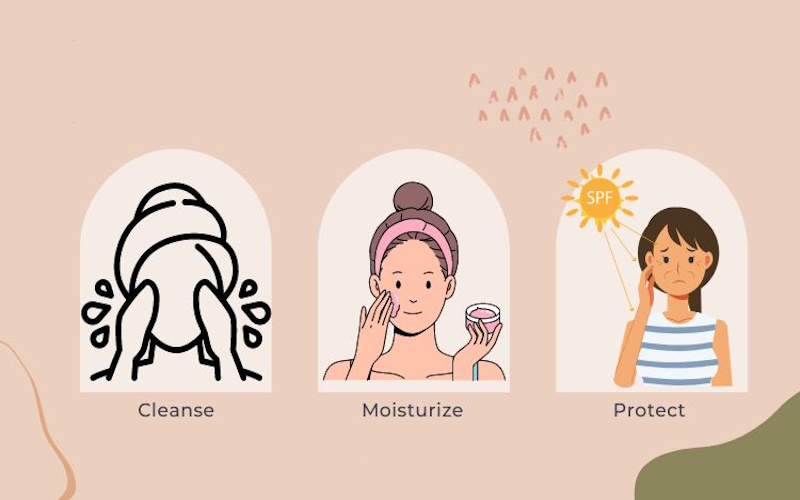
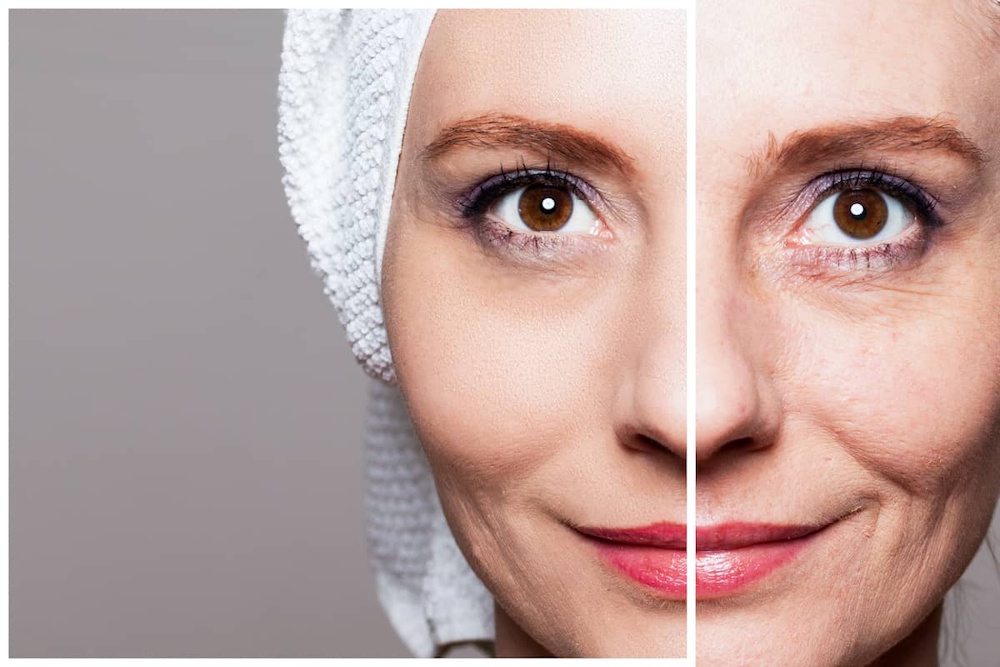





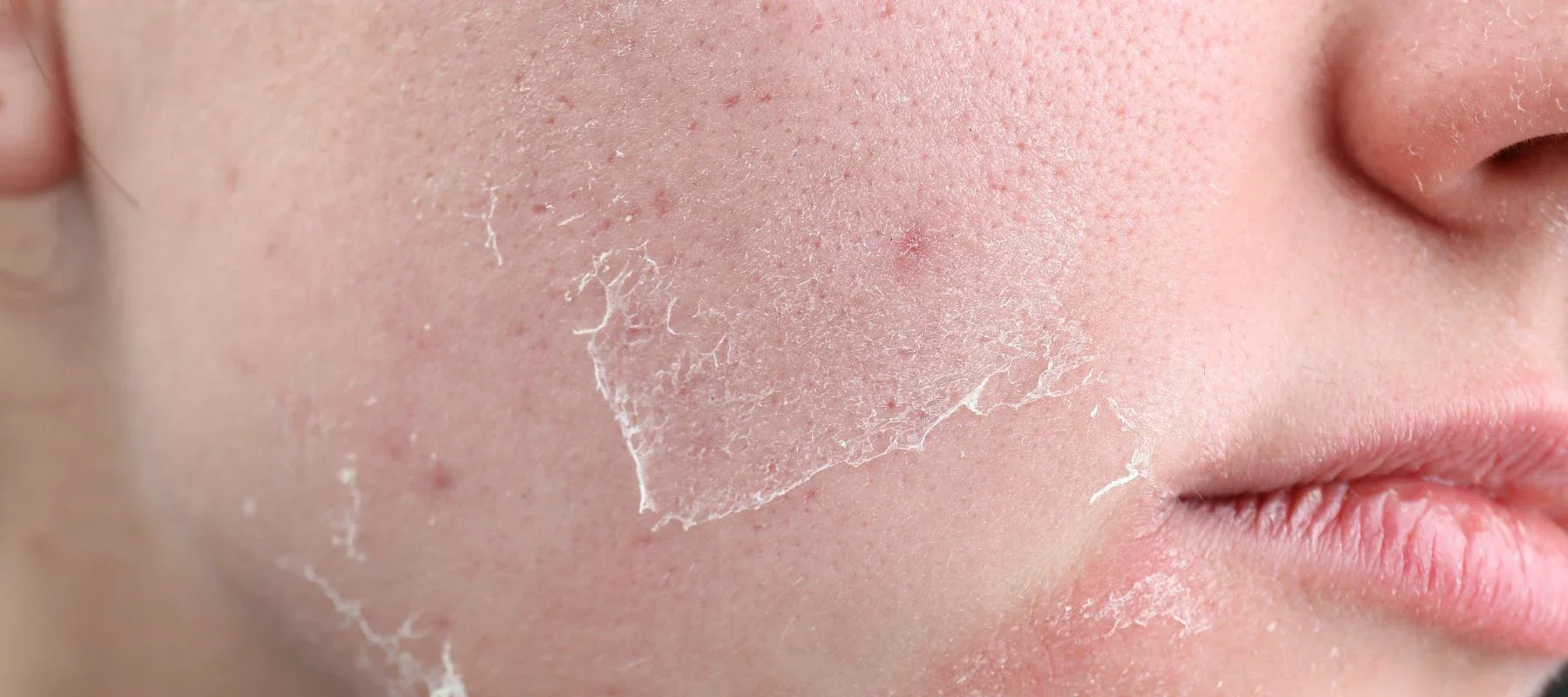


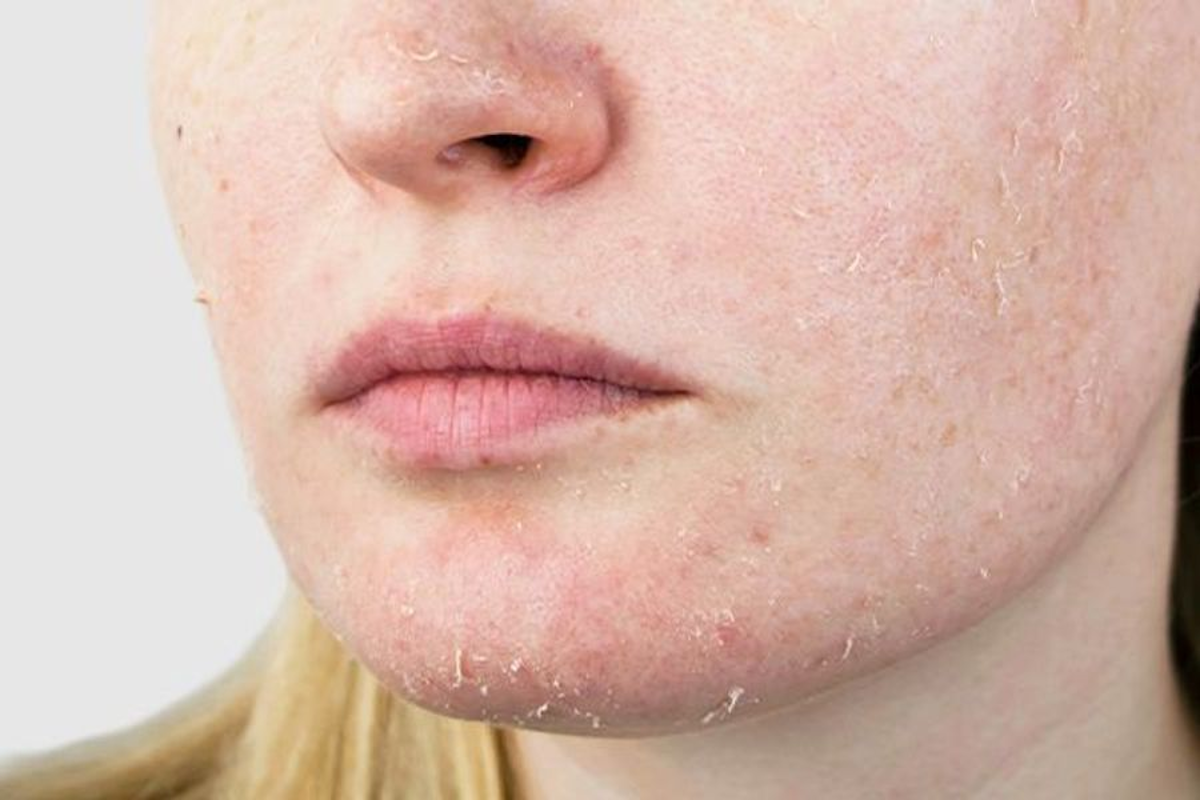
Tags
📧 Get More Articles Like This
Subscribe to receive product reviews and buying guides in your inbox!
We respect your privacy. Unsubscribe at any time.