The Deadliest Camping Mistakes People Make (And How to Avoid Them)
Table of Contents
- Introduction: The Hidden Dangers of Seemingly Simple Camping
- Fatal Mistake #1: Underestimating Weather Conditions
- Fatal Mistake #2: Inadequate Trip Planning and Communication
- Fatal Mistake #3: Poor Campsite Selection
- Fatal Mistake #4: Improper Food Storage and Wildlife Encounters
- Fatal Mistake #5: Inadequate Water Treatment and Hydration
- Fatal Mistake #6: Fire Safety Negligence
- Fatal Mistake #7: Carbon Monoxide Risks from Cooking Equipment
- Fatal Mistake #8: Overestimating Personal Capabilities
- Real Case Studies: When Mistakes Prove Fatal
- Prevention Checklist: Essential Safety Protocols
- Conclusion: Respecting Wilderness While Enjoying Nature
- FAQ: Detailed Answers to Critical Camping Safety Questions
Introduction: The Hidden Dangers of Seemingly Simple Camping
Camping fatalities occur with disturbing regularity across North American wilderness areas, with National Park Service statistics documenting approximately 160-200 deaths annually in federal recreation areas alone, representing just fraction of total casualties when including state parks, national forests, and private wilderness areas where comprehensive reporting systems don’t exist making actual numbers substantially higher than official figures suggest. The tragic reality underlying these statistics involves that vast majority of camping deaths result not from exotic dangers like venomous snake bites or grizzly bear attacks that popular imagination fixates upon, but rather from mundane mistakes that experienced outdoor enthusiasts frequently dismiss as unlikely or irrelevant until circumstances combine creating life-threatening situations where minor oversights cascade into fatal outcomes that proper preparation and awareness could have prevented entirely through basic safety protocols that casual attitude toward wilderness recreation causes many campers neglecting despite their proven effectiveness across decades of search-and-rescue operational experience.

The psychological phenomenon that researchers term “optimism bias” affects recreational campers particularly severely because humans systematically underestimate personal risk while accurately perceiving danger facing others, creating situation where camper reads about hypothermia deaths yet assumes adequate preparation despite carrying gear identical to victims who perished in similar conditions, with this cognitive distortion proving so powerful that even detailed case study review rarely overcomes innate tendency toward believing “it won’t happen to me” despite statistical evidence demonstrating that victims universally shared this exact assumption before circumstances proved their confidence tragically misplaced. The wilderness environment amplifies consequences of mistakes that urban settings might render merely inconvenient because distance from medical facilities, absence of cell phone coverage, limited rescue resources in remote areas, and weather conditions that can deteriorate from pleasant to life-threatening within hours all combine transforming what would constitute minor problem in civilization into genuine survival emergency when occurring twenty miles from nearest trailhead with storm approaching and darkness falling making extraction before morning impossible even when rescue personnel receive immediate notification.
While this video highlights the top ten mistakes beginners make when camping, there’s still plenty more information you may not have discovered yet, which you’ll find in the exclusive details below this article :
The democratization of outdoor recreation through social media inspiration and accessible wilderness areas has created growing population of enthusiastic but inexperienced campers who venture into backcountry environments without understanding fundamental safety principles that previous generations learned through mentorship, outdoor education programs, or cautious incremental experience building from car camping to wilderness expeditions over years rather than attempting advanced trips immediately after purchasing gear following viral Instagram posts showcasing picturesque campsites while carefully omitting preparation, skills, and safety equipment that successful trips actually required. This knowledge gap manifests in rescue statistics showing dramatic increase in preventable emergencies particularly among younger demographics where 58% of camping-related rescues in 2024-2025 involved individuals aged 18-34 according to comprehensive analysis of search-and-rescue operations across major wilderness areas, with incident reports consistently citing basic preparation failures, inadequate equipment, poor decision-making regarding weather and terrain, and fundamental misunderstanding of wilderness risks as contributing factors that proper education could address before emergencies occur.
The objective of this comprehensive analysis involves examining specific camping mistakes that statistical evidence and case study review identify as most frequently contributing to serious injury or death, with understanding of what to do in the first 24 hours after getting lost representing critical knowledge that prevents disorientation from becoming fatal moving beyond generic safety advice toward detailed exploration of why these particular errors prove so dangerous, how they develop from seemingly reasonable decisions, what warning signs indicate you’re making these mistakes, and most importantly what specific actionable steps prevent these outcomes through preparation and awareness that transforms camping from potentially deadly activity into safe enjoyable wilderness experience that proper respect for natural environment and honest assessment of personal limitations enables. The focus throughout maintains emphasis on real-world cases demonstrating these principles because abstract warnings prove far less effective than concrete examples showing actual consequences when specific mistakes occurred, with survivor testimony and investigative reports providing insights into decision-making processes that led to near-fatal or fatal outcomes that learning from others’ experiences hopefully prevents readers from repeating when their own wilderness adventures present similar choices requiring judgment calls that adequate preparation and knowledge inform correctly rather than guessing incorrectly with potentially catastrophic results.
Fatal Mistake #1: Underestimating Weather Conditions
Weather-related camping deaths represent single largest category of preventable wilderness fatalities, with hypothermia alone causing approximately 1,300 deaths annually across United States according to Centers for Disease Control mortality data, though camping-specific subset proves difficult isolating from overall hypothermia statistics that include urban homeless populations and vehicle breakdowns, search-and-rescue organizations estimate that exposure-related emergencies account for 35-40% of all wilderness rescue operations with significant portion involving campers who either failed checking forecast before departure, ignored warning signs of deteriorating conditions, or fundamentally misunderstood how quickly benign weather transforms into life-threatening situation particularly at elevation where temperature, wind, and precipitation combine creating hypothermia risk even during summer months when valley conditions seem perfectly safe. The insidious nature of cold-weather injuries makes them particularly dangerous because hypothermia impairs judgment and decision-making capacity precisely when clear thinking proves most critical, creating downward spiral where initial chill causes slight confusion leading to poor choices like inadequate shelter construction or continued hiking when stopping would prove safer, with progressively worsening cognitive function preventing recognition that emergency exists until core temperature drops below threshold where self-rescue becomes physically impossible requiring external intervention that remote locations and communication difficulties make arriving too late for positive outcome.

The tragic case of Geraldine Largay perfectly illustrates how weather preparedness failures combine with other mistakes creating fatal outcome, with the experienced Appalachian Trail hiker perishing from exposure in Maine wilderness during July 2013 after becoming disoriented just yards from trail, spending 26 days surviving in makeshift shelter before succumbing to hypothermia and starvation despite temperatures that summer conditions suggest should have proved survivable, with investigation revealing that inadequate cold-weather gear for nighttime temperature drops into 40s Fahrenheit, combined with injuries from falls, insufficient food supplies, and inability to signal rescuers who searched extensively but never located her position, created situation where seemingly moderate weather proved fatal when multiple factors compounded over extended period demonstrating that summer camping still requires serious cold-weather preparation particularly in northern latitudes or mountainous terrain where nighttime temperatures regularly drop 30-40 degrees below afternoon highs. The meteorological reality that many casual campers fail appreciating involves that human body loses heat through five distinct pathways including conduction from direct contact with cold surfaces, convection from wind removing warm air layer surrounding skin, radiation where body heat dissipates into colder environment, evaporation from wet clothing or perspiration, and respiration where breathing cold air directly cools core temperature, with these mechanisms combining their effects meaning that 50°F temperature with 20 mph wind and light rain creates identical hypothermia risk as 30°F calm dry conditions through wind chill and evaporative cooling that wet clothing dramatically accelerates making cotton garments particularly dangerous because material retains moisture against skin maximizing heat loss.
The prevention strategy for weather-related camping emergencies begins with comprehensive forecast checking before departure using multiple reliable sources including National Weather Service detailed forecasts rather than simplified phone app summaries, with particular attention to overnight low temperatures, wind speeds, precipitation probability, and extended outlook covering entire trip duration plus two extra days accounting for potential delays or emergencies extending stay beyond original plan. The critical understanding involves that mountain weather proves notoriously unpredictable with conditions potentially changing dramatically within hours as fronts move through, temperature inversions develop, or orographic effects cause localized precipitation that valley forecast didn’t predict, making conservative preparation for worst reasonable scenario rather than expected conditions the appropriate planning framework where bringing extra warm layers, waterproof shell clothing, and emergency shelter materials adds minimal weight penalty while potentially saving life when surprise storm moves in or injury forces unplanned night outdoors in conditions where inadequate gear means hypothermia death versus uncomfortable but survivable experience that proper equipment enables enduring until rescue or self-extraction becomes possible with daylight return.
Recognizing Dangerous Weather Warning Signs
The ability to recognize deteriorating weather conditions before they become life-threatening represents critical skill that observation and basic meteorological knowledge provide, with warning signs including sudden temperature drops exceeding 10°F within one hour indicating cold front passage, rapidly building cumulus clouds particularly when developing vertical towers suggesting thunderstorm formation, increasing wind speeds that progression from gentle breeze to sustained strong winds signals approaching low-pressure system, falling barometric pressure that some individuals detect through headaches or joint pain providing biological early warning system, and changes in animal behavior where birds becoming suddenly quiet or actively seeking shelter suggests they sense approaching severe weather through abilities superior to human perception. The specific danger of afternoon thunderstorms in mountainous terrain requires understanding that solar heating of slopes creates convective lifting generating storms even when morning appeared perfectly clear, with National Weather Service data showing that 70% of mountain lightning strikes occur between 1 PM and 6 PM making early morning starts and willingness to descend or seek shelter by early afternoon essential safety practices that summit fever and schedule pressures tempt violating despite clear statistical evidence that afternoon storms prove both highly probable and extremely dangerous when caught exposed on ridgelines or peaks where lightning preferentially strikes highest points creating fatal exposure for campers who delayed descent attempting to reach scenic locations during prime storm hours.
The response to weather deterioration warnings must be immediate and decisive rather than hopeful waiting to see if conditions actually worsen, because once severe weather fully develops the window for safe response closes leaving only survival options rather than prevention possibilities, with appropriate actions including immediate shelter establishment when temperature drops or wind increases substantially, descending from exposed positions toward tree line or valley when thunderstorms threaten, donning rain gear before getting wet rather than after because preventing moisture absorption proves far more effective than attempting to dry out afterward, and being willing to abandon planned objectives returning to vehicle or established camp rather than pushing forward into deteriorating conditions that summit achievement or itinerary adherence isn’t worth risking life to complete. The fundamental principle that professional outdoor guides emphasize involves that weather always wins any contest between human determination and natural forces, making adaptation to conditions rather than stubborn persistence through them the appropriate response that distinguishes experienced prudent outdoorspeople from reckless individuals whose obituaries regularly include phrases like “determined to complete the hike despite worsening weather” suggesting that fatal outcome resulted directly from refusing to acknowledge that conditions demanded retreat rather than continued advance toward objectives that could have been attempted another day when weather permitted safe travel.
Fatal Mistake #2: Inadequate Trip Planning and Communication
The failure to file detailed trip plans with responsible parties before departure or to carry reliable communication devices represents critical mistake underlying numerous camping fatalities where victims survived initial incident but perished waiting for rescue that never came because nobody knew they were missing or where to search when eventual concern prompted reporting to authorities, with search-and-rescue organizations universally citing that specific location information and planned itinerary dramatically improve rescue success rates while vague reports like “went camping somewhere in the mountains” create impossible search areas covering hundreds of square miles where limited resources cannot effectively canvas terrain before critical time windows close making survival unlikely. The 2015 case of David O’Sullivan, experienced Irish backpacker who vanished on Pacific Crest Trail and remains missing despite extensive searches, exemplifies this tragic pattern where failure to maintain regular communication meant that weeks elapsed before absence was noticed and reported, with search efforts then hampered by uncertainty about his exact route, planned stops, and timeline making focused search operations impossible when trail covers 2,650 miles through remote wilderness where human remains can lie undiscovered indefinitely mere yards from trail when searchers lack specific information narrowing probable location areas to manageable size that available resources can systematically investigate within timeframes where rescue versus recovery becomes the realistic objective.

The psychological barriers preventing adequate trip planning and communication include embarrassment about seeming overly cautious or paranoid particularly among male campers where social conditioning against appearing fearful creates reluctance to file formal trip plans that might seem excessive for “simple camping trip” despite statistical evidence clearly demonstrating that emergencies can occur on any wilderness excursion regardless of difficulty level or expected duration. The additional factor involves optimism bias and personal exceptionalism where campers acknowledge intellectually that accidents happen but genuinely believe their experience and preparation make them immune to problems that affect “other people” who presumably lacked same capabilities, with this cognitive distortion so powerful that even reading case studies of similar tragedies rarely overcomes innate conviction that “I’m different” despite objective evidence suggesting that victims universally considered themselves competent experienced outdoorspeople right up until circumstances proved this self-assessment tragically inaccurate. The convenience factor also plays significant role where filing trip plan requires effort and forethought that busy modern life makes easy postponing or skipping entirely when departure schedules become compressed and adequate preparation time disappears, with intention to “send details from the trailhead” often forgotten in excitement of beginning adventure or dismissed as unnecessary when quick check-in planned for evening makes detailed advance planning seem redundant until cell coverage proves absent and promised check-in never occurs leaving contact persons uncertain whether to worry or assume plans changed without notification.
The proper trip planning protocol requires creating detailed written itinerary including specific trailhead location with GPS coordinates, along with carrying essential survival tools and equipment that emergency situations demandnot just general area name, planned campsites for each night identified by name or coordinates when using designated sites or geographic description when camping dispersed, expected daily mileage and terrain difficulty allowing realistic progress estimates, complete gear list proving you carried adequate equipment if investigation becomes necessary, emergency contact information including local ranger station phone numbers and rescue coordination contacts for area, and specific timeline including when you expect returning with explicit instruction that failure to check in by specific deadline should trigger immediate rescue notification rather than waiting additional “grace period” that delay often proves fatal when genuine emergency exists. This written plan should be provided to responsible reliable person who understands seriousness of following through with rescue notification if check-in doesn’t occur, with explicit permission and instruction to contact authorities without additional confirmation attempts that waste critical hours when rapid response might make difference between successful rescue and fatal outcome, though choosing contact person carefully proves essential because unreliable individuals who forget to monitor deadline or hesitate calling for help “not wanting to cause trouble” make entire system worthless no matter how detailed the filed plan if nobody actually responds when timeline expires without contact.
Communication Technology and Emergency Devices
The satellite communication revolution has dramatically improved wilderness safety for those who invest in proper technology and actually carry devices rather than leaving them home to save weight, with personal locator beacons, satellite messengers like Garmin inReach, and satellite phones providing communication capability even in areas where cell coverage doesn’t exist making rescue notification possible immediately when emergency occurs rather than waiting for victim to walk out or for searchers to find them through systematic area coverage that time requirements often exceed survival window. The 2019 rescue of hiker Katharina Groene from Cascade Mountains demonstrates technology’s effectiveness when activation of personal locator beacon after injury from fall provided precise GPS coordinates allowing helicopter rescue team arriving within three hours of distress call in weather conditions that would have prevented ground search teams from reaching her position until following day by which time hypothermia would have proved fatal given her injuries and inadequate shelter in deteriorating weather. The critical understanding involves that these devices prove worthless if not carried on person rather than left in pack at camp, maintained with fresh batteries and tested regularly ensuring functionality when needed, and activated immediately when serious problem occurs rather than waiting to see if situation improves through delays that many rescued individuals later admit resulted from embarrassment about “false alarm” or reluctance to accept that they actually faced genuine emergency requiring outside assistance.
The device selection considerations include understanding differences between emergency-only PLBs that transmit one-way distress signal but provide no confirmation or two-way messaging, satellite messengers allowing text communication with emergency services and personal contacts enabling coordination of rescue efforts and providing status updates reducing searcher risk, and full satellite phones enabling voice communication though requiring larger heavier units and subscription costs making them practical primarily for professional guides or serious expeditions rather than casual recreational campers. The cost-benefit analysis favors at least basic PLB or satellite messenger for any camping involving travel beyond reliable cell coverage, with prices ranging from $250-$600 for devices plus $12-$65 monthly subscription fees for messaging services creating expense that life insurance actuarial analysis would consider bargain given statistical risks associated with wilderness recreation and dramatic improvement in rescue outcomes when immediate communication proves possible versus situations where days or weeks elapse before missing person report triggers search efforts that delayed initiation often makes recovery rather than rescue the realistic operation objective based on survival timeline projections for known conditions.
Fatal Mistake #3: Poor Campsite Selection
Campsite location decisions that seem perfectly reasonable during pleasant afternoon conditions can prove fatal when nighttime weather arrives or flash floods materialize from distant storms that clear local skies provide no warning about, with deaths occurring regularly from tents pitched in dry washes that become raging torrents within minutes, under dead trees that high winds topple during storms, on exposed ridges where lightning strikes, near riverbanks that rising water inundates, or in depressions where cold air settles creating temperature differential of 10-15°F compared to slopes just 20 feet higher making hypothermia risk substantially greater in low spots that appear sheltered and protected but actually function as cold sinks where dense chilled air accumulates overnight. The 2016 Zion National Park tragedy where seven hikers died in flash flood while camping in Keyhole Canyon perfectly exemplifies the fatal consequences of poor site selection, with group choosing to camp in narrow canyon despite weather forecasts predicting thunderstorms in watershed area upstream, resulting in wall of water that swept through slot canyon within minutes of storm beginning miles away where victims had no visual warning of approaching danger until already trapped in torrent that 100-foot-high canyon walls prevented escaping vertically and narrow width eliminated any lateral refuge making survival impossible once flood arrived transforming pleasant campsite into death trap through location choice that proper understanding of flash flood dynamics would have rejected immediately.

The geological and meteorological factors making certain locations dangerous prove non-obvious to untrained observers who evaluate sites based on aesthetic appeal, apparent shelter from wind, level ground for tent placement, and proximity to water rather than analyzing terrain features indicating past water flow, overhead hazards from dead branches or unstable rocks, exposure to lightning on isolated high points, avalanche or rockfall danger on slopes, and proximity to game trails where wildlife encounters become more probable particularly near water sources where animals travel regularly creating territorial conflicts when human camps block access to drinking locations that bears, mountain lions, or other large mammals consider within their domain requiring aggressive response to perceived intruders. The specific hazard of “dry” streambeds or washes that appear to provide ideal sheltered camping locations with sand or gravel providing level comfortable surface must be understood as the single most dangerous campsite selection possible, because these features exist specifically because they regularly channel water flow during storms, with flash flood characteristics including virtually no warning time, tremendous destructive force from water moving 10-20 mph carrying rocks and debris, and complete submersion of anything at channel bottom making escape impossible once flow begins particularly in narrow canyons where vertical walls prevent climbing to safety when horizontal retreat proves blocked by flood current that adults cannot stand against when water reaches knee height due to hydraulic forces that flowing water exerts exponentially increasing with depth and velocity.
The proper campsite selection process begins with topographic assessment identifying whether location sits in drainage bottom or low point where water would naturally collect versus elevated position on slight rise or bench that flooding cannot reach, with general rule requiring minimum 20-foot elevation difference above nearest water source and 100-foot horizontal distance from stream channels providing reasonable though not absolute protection against flood risk. The overhead hazard assessment involves carefully scanning entire area above tent location for dead trees, loose branches, unstable rocks, or cliff sections that could potentially fall during high winds, heavy snow loading, or erosion, with particular attention to “widow makers” that forestry professionals term partially broken branches still attached to tree but hanging precariously awaiting next wind gust to complete separation sending heavy wood mass falling that tent fabric provides no protection against when 50-pound branch drops from 40-foot height generating impact force that serious injury or death results when occupant sleeping below receives direct hit. The lightning exposure consideration proves critical particularly in alpine or exposed terrain where camping on ridge tops, near isolated tall trees, or on open meadows creates substantially elevated strike risk compared to positions in forest away from tallest trees, in low saddles rather than on peaks, or in dense timber where surrounding trees provide some statistical protection though understanding that lightning remains dangerous anywhere outdoors makes avoiding exposed locations and having emergency plans for severe weather situations essential rather than assuming forest camping completely eliminates electrical storm hazards.
Wildlife Corridor Awareness and Territorial Considerations
The wildlife dimension of campsite selection receives inadequate attention from many campers who either dismiss animal encounter risks as exaggerated or fail understanding how their site location relative to natural travel corridors, food sources, and territorial boundaries dramatically affects probability of dangerous interactions that proper spacing and awareness largely prevent. The game trails that experienced outdoorspeople learn to recognize through vegetation patterns, tracks, scat presence, and worn pathways in undergrowth indicate regular animal movement routes where camping directly in or immediately adjacent to these corridors essentially guarantees nocturnal visitors that might range from merely annoying raccoons to genuinely dangerous bears or mountain lions whose territorial instincts make human presence in “their” space trigger for aggressive response particularly when animals traveling to water sources find tents blocking access creating confrontation that avoiding trail proximity entirely would prevent. The water source consideration proves particularly critical because all wildlife requires regular drinking making streams, lakes, and springs function as gathering points where territorial conflicts occur regularly among animals themselves and where human camping creates intersection point where encounter probability increases dramatically compared to locations away from water where animals have no specific reason to travel, with recommended minimum distance of 200 feet from water sources providing buffer that most animals accept allowing them to access drinking without human interference that defensive or territorial response might otherwise prompt.
The bear country protocols require understanding that black bears, grizzly bears, and polar bears all exhibit different behavioral patterns requiring distinct prevention strategies, though fundamental principle of complete food separation from sleeping area applies universally with minimum 100-yard triangle between food storage, cooking area, and tent location ensuring that food odors and any animal attracted to them remain spatially separated from sleeping humans who become collateral targets when bear accessing food discovers people nearby who defensive instinct treats as threat requiring aggressive response particularly when cubs present making mother bears extraordinarily dangerous when protecting offspring from perceived human threat. The food storage technologies including bear canisters, bear bags suspended between trees, and provided bear lockers at established sites all function only when properly used according to specific protocols that casual implementation or cutting corners like “just for one night” completely defeats making investment worthless, with common mistakes including storing toiletries or scented items with sleeping gear rather than treating them as food requiring isolated storage, placing cooking area too close to tent thinking smell dissipates overnight when actually odor molecules persist for days making tent itself attractant even after moving food elsewhere, and assuming that bagging food proves adequate without ensuring bags hang high enough and far enough from tree trunks that bears cannot reach them through climbing or knocking down through branch manipulation that their problem-solving abilities make possible when motivation exists.
Fatal Mistake #4: Improper Food Storage and Wildlife Encounters
Wildlife encounter fatalities, though statistically rare compared to hypothermia or falls, receive disproportionate attention due to dramatic nature of attacks and fundamental human fear of predation, with approximately 40 black bear attacks and 2-3 grizzly bear attacks occurring annually across North America resulting in 1-2 deaths per year on average according to comprehensive wildlife incident tracking, while mountain lion attacks prove even rarer with roughly one fatal attack every three years despite significant population sizes in western states where camping occurs regularly in occupied habitat. The critical understanding involves that overwhelming majority of these attacks result directly from human behavior including improper food storage that habituates animals to viewing campsites as food sources, approaching wildlife for photography or observation, running from predators triggering chase instinct, or camping in areas with known aggressive individual animals whose previous human-food rewards created dangerous conditioning that proper prevention entirely avoids. The 2020 death of Leah Davis Lokan in Montana demonstrates this pattern where grizzly bear that had become food-conditioned through previous campground raids attacked tent dragging victim away during night, with subsequent investigation revealing that camp food storage protocols were inadequate and that bear had accessed human food sources multiple times in preceding weeks creating learned behavior where tents became associated with food rewards making this tragedy entirely preventable through proper storage eliminating food availability that would have prevented bear approaching camp at all.

The physiological reality underlying wildlife behavior involves that bears possess olfactory capabilities roughly 2,000 times more sensitive than humans allowing detection of food odors from miles away and making the concept of “sealed” food containers essentially meaningless because scent molecules permeate through plastic, fabric, paper, and even some metal containers requiring either bear-proof storage canisters specifically designed to prevent access or proper food hanging techniques suspending items completely beyond reach at heights and distances that bear climbing and manipulation cannot overcome. The Pacific Crest Trail Method that hikers frequently employ involves finding two trees approximately 20 feet apart with suitable branch structures, throwing rope over high branches on both trees creating triangle suspension system, attaching food bag to rope and hoisting until bag hangs minimum 12 feet high, 6 feet from tree trunks, and 4 feet below branches creating three-dimensional separation that prevents bears reaching food regardless of approach angle they attempt, though successful implementation requires practice, proper equipment including 50 feet of suitable rope and carabiners, and sufficient upper body strength to hoist loaded bag that weight makes surprisingly difficult when food supplies for multi-day trip create 20-30 pound loads requiring mechanical advantage through pulley systems or collaboration with camping partners for successful elevation to safe height.
The bear canister alternative proves far simpler requiring only placing approved hard-sided container minimum 100 yards from camp and ensuring lid properly secured with no food odors on exterior from handling or spillage, though weight penalty of 2-3 pounds for empty canister plus volume limitations making multi-day food storage require large canisters or multiple containers creates logistics challenges that many backpackers resist despite dramatic safety improvement compared to bag hanging that improper technique or inadequate height makes vulnerable to determined bears who have learned to defeat poorly executed food protection. The growing problem of “educated” bears that have specifically learned to defeat various food protection methods through observation and experience means that techniques that worked previously may prove ineffective as bear populations adapt to human prevention efforts, with Yosemite bears famously learning to bite valve stems on parked vehicles after smelling food inside then breaking windows when tire deflation fails providing access, and backcountry bears in popular areas now skilled at knocking down food bags, rolling bear canisters down hills until impact breaks them open, or raiding camps during daytime when humans absent expecting nighttime bear activity but not daylight raids that increasingly occur as animals learn that daylight camps often lack occupants who nighttime presence would deter.
Wildlife Encounter Response Protocols
The appropriate response to wildlife encounters varies dramatically by species making generic advice of “play dead” or “look big” potentially fatal when applied to wrong animal in wrong circumstances, with bear encounters requiring different responses for black bears versus grizzlies, mountain lion encounters demanding aggressive response rather than submission, moose requiring wide berth and retreat rather than any attempt at dominance or defense, and venomous snake situations best handled through slow careful retreat creating distance rather than dramatic reactions that provoke strike response. The black bear encounter protocol emphasizes making yourself appear larger through raised arms or opening jacket, making loud noises including shouting or banging objects, and slowly backing away while maintaining eye contact but not approaching, with physical defense using anything available including rocks, sticks, or bear spray proving appropriate if attack occurs because black bears typically remain deterrable through fighting back that submission would not prevent, though understanding that mother bears with cubs become exceptionally dangerous makes avoiding approaches to any bear cubs absolutely critical regardless of how cute or photo-worthy they appear when mother inevitably nearby and extraordinarily aggressive toward perceived threats to offspring.
The grizzly bear encounter requires opposite response with avoiding eye contact that bears interpret as challenge or threat, speaking calmly and slowly backing away without running that would trigger chase instinct, and preparing to deploy bear spray if bear approaches within 30-40 feet where effective range begins for pressurized capsaicin deterrent that statistics show stops 92% of aggressive bear encounters when properly deployed compared to firearms that prove far less effective partly due to difficulty making accurate shots when charging bear covers ground at 35 mph closing 100-foot gap in under 3 seconds requiring instant perfect accuracy under extreme stress conditions that most people cannot maintain. The playing dead protocol applies only after grizzly makes contact and begins physical attack at which point curling into ball with hands protecting neck and remaining motionless often causes bear concluding that threat eliminated and departing, though this proves extraordinarily difficult because natural instinct screams to fight back or flee when being mauled by 600-pound animal, making mental preparation and understanding that fighting back against grizzly essentially guarantees continued attack that submission might terminate the critical knowledge that could save life if unfortunate enough to face this scenario despite proper prevention making such encounters extremely rare.
The mountain lion protocols differ entirely from bear response because large cats represent ambush predators that attack from behind when prey appears vulnerable, making response of never running, maintaining eye contact, appearing large through raised arms or jacket opening, and acting aggressively through shouting, throwing objects, or advancing toward the cat prove appropriate because mountain lions typically avoid confrontation with confident aggressive animals preferring vulnerable targets that flight response signals making you appear as prey rather than threat. The children protection proves critical because mountain lions preferentially target small victims that running child mimics perfectly, making strict instructions that children stay close, don’t run ahead on trails, and be picked up immediately if mountain lion sighted creating protective configuration that human adult size deters attack compared to small running figure that predatory instinct identifies as ideal target regardless of whether it’s child or deer that movement pattern signals as vulnerable prey worth pursuing.
Fatal Mistake #5: Inadequate Water Treatment and Hydration
Waterborne illness represents one of the most common camping-related medical emergencies with giardiasis affecting approximately 16,000 documented cases annually in United States according to CDC surveillance data, though actual numbers prove far higher because many cases go unreported or misdiagnosed as generic “stomach flu” when victims fail connecting symptoms to untreated water consumption occurring 7-14 days before illness manifestation. While giardia and other protozoans rarely prove directly fatal, the severe diarrhea and vomiting they cause creates dangerous dehydration that compounds existing hydration challenges from physical activity, elevation, and outdoor conditions, with documented cases of hikers requiring helicopter evacuation or dying from dehydration when waterborne illness combined with distance from medical care created life-threatening fluid loss that urban access to emergency treatment would resolve easily but wilderness setting transformed into genuine emergency requiring dramatic rescue efforts or resulting in fatality when help couldn’t arrive in time. The cryptosporidium parasite that increasing watershed contamination has made more prevalent proves particularly dangerous because chlorine and iodine chemical treatments don’t kill crypto requiring either filtration through 1-micron or smaller filters, boiling for full one minute at sea level or three minutes above 6,500 feet, or UV light purification that proper exposure time ensures, with failure to understand treatment method limitations making campers believe they’ve rendered water safe when actually crypto remains viable causing illness outbreak that proper treatment selection would have prevented.

The bacterial contamination from agricultural runoff, wildlife, and human recreational use has made even pristine-appearing wilderness water sources potentially dangerous, with testing revealing that streams flowing through seemingly untouched wilderness frequently carry E. coli, campylobacter, and salmonella from wildlife waste making the romantic notion of drinking directly from mountain streams increasingly risky regardless of how clear and cold water appears, though understanding that moving water, sources fed by springs rather than surface runoff, and locations upstream from any human or livestock activity reduce but don’t eliminate contamination risk making treatment remaining necessary but source selection still mattering for minimizing initial pathogen load that treatment must address. The beaver fever colloquial name for giardiasis reflects that beaver populations throughout North American watersheds make this parasite essentially universal in wilderness water requiring treatment assumption rather than hoping that particular source might prove clean, with the 2-4 week incubation period meaning that correlation between consumption and illness proves difficult recognizing when multiple water sources were accessed during trip making identification of which specific location contained pathogens impossible retroactively but treatment of all water prospectively completely preventing illness regardless of actual contamination status.
The treatment method selection involves understanding advantages and limitations of various technologies with filters providing immediate drinkability and removing protozoa and bacteria but not viruses that North American wilderness generally doesn’t contain though international travel requires considering, chemical treatments like iodine or chlorine proving lightweight and inexpensive but requiring 30-minute wait time, tasting unpleasant, and not killing crypto, boiling proving most universally effective but requiring fuel and time making it practical primarily for cooking water rather than trail hydration, and UV purification through devices like SteriPEN working quickly and effectively but depending on battery power and requiring clear water since suspended particles shield pathogens from light exposure reducing effectiveness in turbid conditions. The backup method carrying proves essential because filter failure, lost chemical tablets, dead batteries, or situations where boiling proves impractical all occur with sufficient frequency that relying on single treatment method creates vulnerability when that method fails leaving choice between untreated water risk or dangerous dehydration from refusing to drink, with lightweight chemical backup like iodine tablets weighing essentially nothing providing emergency option that technology failure or loss doesn’t eliminate entirely.
Hydration Management and Dehydration Recognition
The hydration requirements during camping prove substantially higher than daily life due to physical activity, elevation effects increasing respiration water loss, dry air reducing humidity making insensible perspiration increase, and outdoor temperature extremes causing either sweating in heat or respiratory moisture loss in cold making recommended intake of 3-4 liters daily representing minimum rather than excessive amount that many campers fail achieving through combination of inadequate water carrying capacity, reluctance to drink frequently requiring bathroom stops, and simply forgetting to hydrate adequately when distracted by scenery, activity, or conversation making conscious deliberate attention to fluid intake essential rather than relying on thirst that proves delayed indicator of dehydration lagging behind actual fluid deficit by hours meaning by the time you feel thirsty you’re already significantly dehydrated. The urine color monitoring providing simple reliable hydration assessment where pale yellow indicates adequate hydration while dark yellow or amber signals dehydration requiring immediate increased fluid intake before symptoms like headache, dizziness, or reduced physical performance manifest indicating more severe deficit that simple drinking may not correct quickly requiring rest and deliberate rehydration over hours rather than continuing activity with inadequate fluid levels that heat illness or exhaustion makes far more probable.
The electrolyte replacement considerations prove important during extended activity or hot conditions where pure water alone proves insufficient replacing sodium, potassium, and other minerals that sweat removes, with hyponatremia representing dangerous condition where excessive plain water consumption without electrolyte replacement dilutes blood sodium to dangerous levels causing confusion, seizures, and potentially death in extreme cases making sports drinks, electrolyte tablets, or salty snacks important components of hydration strategy during extended strenuous activity particularly in heat where sweat rates can exceed 2 liters per hour during hard exertion making pure water inadequate for maintaining proper electrolyte balance that cellular function requires. The cold weather hydration challenge involves that cold air’s low humidity increases respiratory water loss while reduced thirst sensation in cold makes drinking feel less appealing and insulating layers make accessing water bottles more difficult creating barriers that collectively reduce intake despite needs remaining high or even increasing above warm-weather requirements when respiratory losses factor into total fluid demands that winter camping conditions create.
Fatal Mistake #6: Fire Safety Negligence
Campfire-related injuries and deaths occur with disturbing frequency from burns, carbon monoxide poisoning, and wildfires sparked by careless fire management, with U.S. Forest Service data indicating that approximately 80% of wildland fires result from human activity including abandoned campfires, sparks from improper fire construction, and burning during high-risk conditions when fire bans prohibit open flames specifically because ignition risk proves too high for safe recreational fires. The burns from campfire accidents range from minor first-degree burns that first aid handles to severe third-degree burns requiring immediate evacuation and extensive medical treatment, with alcohol consumption around campfires significantly increasing injury rates through impaired judgment causing people to fall into fires, attempt jumping over flames, or mishandle burning materials while intoxicated making sobriety around fire absolutely critical for preventing accidents that rational decision-making would avoid but impaired state makes likely. The 2018 Carr Fire in California that killed 8 people and destroyed over 1,000 structures originated from vehicle mechanical failure rather than campfire but illustrates the devastating consequences when fire escapes control in dry conditions with high winds, providing sobering reminder that wilderness fires prove uncontrollable once established requiring prevention rather than reaction as viable strategy for avoiding catastrophic outcomes that spreading flames make impossible to stop.
The proper fire construction begins with site selection ensuring minimum 15-foot clearance from tents, vegetation, and overhead branches, choosing location where existing fire ring indicates approved site or creating new ring where permitted by digging pit and clearing all flammable material from 10-foot radius around pit creating bare dirt buffer that flying sparks cannot ignite making fire spread impossible absent extreme winds blowing embers beyond cleared perimeter. The fuel selection avoiding evergreen branches, pine needles, or any materials containing flammable resins that burn with intense heat and generate flying embers that spark spread beyond fire ring, instead using hardwood when available burning cleaner and slower with less spark generation, and keeping fire size modest where flames never exceed 3 feet height making control manageable and heat output reasonable for cooking without creating excessive infrared radiation that makes nearby sitting uncomfortable and increases accident risk from too-large blaze that smaller fire would avoid entirely while still providing adequate warmth and cooking capability. The wind awareness proves critical because fires completely safe in calm conditions become serious hazards when winds increase spreading flames unpredictably and carrying embers that spot fires ignite downwind, making wind speed monitoring and willingness to extinguish fire when conditions deteriorate essential for preventing runaway fires that calm-weather construction couldn’t anticipate but changing conditions transform into dangerous situation.
The fire extinguishing protocol requires far more than simply ceasing to add fuel and walking away when finished, with proper procedure involving spreading coals, drowning all materials thoroughly with water, stirring ash and coals to ensure complete saturation, adding more water, and physically touching all materials with bare hand confirming that no heat remains that could reignite after departure creating abandoned fire that hours later revives spreading into wildfire that proper extinguishing would have prevented entirely. The common mistake involves assuming that fire appearing dead proves actually extinguished when coals remain hot beneath ash layer capable of reigniting when wind exposure provides oxygen or when radiating heat ignites adjacent materials hours after campers depart believing fire safely out, with Forest Service investigations of human-caused fires frequently identifying abandoned campfires as ignition source when interviewed campers insist they “put out” fire yet physical evidence proves combustion continued after departure demonstrating that perception of extinguishment differed substantially from reality that proper soaking and physical confirmation would have verified absolutely.
Carbon Monoxide Dangers from Improper Heating and Cooking
Carbon monoxide poisoning represents insidious danger because odorless colorless gas provides no warning until symptoms manifest, with approximately 400 Americans dying annually from unintentional non-fire-related CO exposure according to CDC statistics, with camping-related deaths proving difficult to isolate from total but documented cases occur regularly when campers use propane heaters, gasoline generators, charcoal grills, or camp stoves inside tents or enclosed vehicles attempting to stay warm or cook sheltered from weather, creating enclosed combustion that oxygen depletion and CO accumulation make rapidly fatal particularly during sleep when victims don’t recognize symptoms until unconsciousness occurs preventing escape or rescue-seeking. The 2015 death of three Tennessee men who used propane heater inside tent during winter camping trip perfectly illustrates this hazard, with investigation determining that heater consumed oxygen and generated carbon monoxide that enclosed tent space concentrated to fatal levels within hours of operation causing deaths that would have been completely prevented by proper understanding that any combustion device requires adequate ventilation that tent walls absolutely prevent making indoor use of such equipment immediately disqualifying.
The physics underlying CO danger involves that incomplete combustion generates carbon monoxide instead of carbon dioxide, with inadequate oxygen availability making incomplete combustion inevitable in enclosed spaces where combustion itself depletes oxygen creating self-reinforcing cycle where worsening conditions generate more CO until fatal concentrations develop, though symptoms of headache, nausea, dizziness, and confusion prove indistinguishable from altitude sickness, dehydration, or exhaustion making misdiagnosis likely until multiple victims experience simultaneous symptoms suggesting common environmental cause rather than individual illness. The CO’s hemoglobin binding affinity exceeding oxygen by 200-fold factor means that even relatively low concentrations prevent adequate oxygen delivery to tissues creating hypoxia that brain proves particularly sensitive to, with unconsciousness occurring within minutes at high concentrations and death following shortly after when cellular respiration ceases from oxygen deprivation that CO prevents despite adequate oxygen present in lungs because hemoglobin preferentially binds carbon monoxide making oxygen transport impossible regardless of breathing rate or inspired oxygen concentration.
The prevention requires absolute prohibition on using any fuel-burning device inside tents or enclosed spaces regardless of how cold conditions become, with proper protocol involving cooking only in well-ventilated areas outside shelter, ensuring that camp stove placement provides stable base preventing tip-over, maintaining safe distance from tent walls that radiant heat could ignite, and carrying battery-powered carbon monoxide detector whenever using combustion devices in any somewhat-enclosed areas like under tarps or in vehicle trunks where ventilation might prove inadequate allowing dangerous accumulation. The cold-weather challenge involves that the temptation to bring heat source inside shelter becomes overwhelming when temperatures drop far below freezing making sleeping bags alone insufficient for comfortable sleeping, yet this temptation must be resisted absolutely because no amount of warmth justifies CO poisoning risk that kills regularly despite victims understanding danger intellectually but concluding “just this once” or “I’ll crack window for ventilation” providing adequate safety when actually even open tent door or vehicle window proves insufficient ventilation preventing CO accumulation that commercial heating equipment for enclosed spaces specifically addresses through sealed combustion chambers and external venting that camping equipment completely lacks.
Fatal Mistake #7: Carbon Monoxide Risks from Cooking Equipment
The carbon monoxide danger specifically from camp stoves and cooking equipment deserves separate detailed examination beyond general fire safety because many campers who would never bring heater inside tent nonetheless cook indoors during rain or cold weather believing that brief cooking duration or small stove size makes this acceptable when actually CO generation occurs immediately with accumulation rate depending on space volume, ventilation rate, and combustion completeness making even short-duration use potentially dangerous particularly when vestibules or vestibule cooking under rain fly creates partially-enclosed space where ventilation proves inadequate for safe operation. The white gas and propane stoves used universally for camp cooking all generate carbon monoxide during operation with concentration depending on burner adjustment, fuel quality, and altitude effects on combustion chemistry, though properly tuned stoves burning efficiently produce relatively little CO making outdoor use with unlimited dilution air completely safe, but this safety assumption breaks down entirely when operation occurs in enclosed or semi-enclosed spaces where air exchange rate proves insufficient to prevent accumulation reaching dangerous levels within minutes of sustained burning that cooking meals requires.
The specific danger of vestibule cooking where campers position stove in tent entrance or under extended rain fly seeking weather protection while maintaining “adequate” ventilation through tent door or fly gaps proves particularly insidious because perception of air movement and presence of visible opening creates false confidence that ventilation suffices when actually CO concentrations can reach dangerous levels even with apparent air circulation that subjective assessment judges adequate but objective measurement would reveal as insufficient. The heavier-than-air CO property makes ground-level accumulation occur first with concentrations highest exactly where sleeping campers breathe making unconsciousness occurring during sleep the typical scenario in fatal cases where victims never recognize symptoms because sleep prevents awareness until CO levels cause loss of consciousness directly without warning period of recognizable symptoms that daytime cooking might provide allowing escape before unconsciousness occurs. The group camping vulnerability where multiple tents share cooking in central rain fly or one large tent houses cooking and sleeping for several people makes mass casualty events possible when CO generation affects all occupants simultaneously preventing mutual rescue that isolated incident might allow when one conscious person recognizes problem and evacuates affected victims who alone would have succumbed without assistance.
The prevention protocol requires strict rule of outdoor-only cooking regardless of weather conditions, accepting that this means cold meals or no cooking during severe weather when outdoor stove operation proves impossible rather than compromising on this non-negotiable safety requirement that no convenience or comfort justifies violating. The proper outdoor cooking setup involves selecting location with rock or stable ground preventing tip-over, positioning upwind from tent preventing fumes blowing into shelter, protecting flame from wind using rocks or commercial windscreen but maintaining adequate ventilation that complete enclosure would prevent, and attending stove constantly while operating because unattended stoves prove common accident source when flame blows out continuing gas flow, fuel bottles tip over leaking flammable liquid, or pots boil over extinguishing flame leaving gas flowing unburned creating fire or explosion hazard. The cold-weather modification where sub-freezing temperatures make fuel pressure drop reducing stove performance tempts bringing stove inside tent “just briefly” to warm fuel or cook quick meal, yet this specific scenario has caused numerous deaths making absolutely no exception to outdoor-only rule appropriate regardless of temperature, weather, or inconvenience that strict adherence creates.
CO Detector Technology and Emergency Response
The battery-powered CO detectors designed for RV and boat use prove equally applicable for tent camping providing early warning that symptoms alone might not deliver before unconsciousness occurs, with detectors costing $25-$40 and weighing few ounces making investment trivial compared to life-saving potential when detector alarms indicating dangerous CO levels that immediate evacuation resolves before serious exposure occurs. The detector placement inside tent near head level while sleeping ensures that alarm audibility wakes occupants when concentrations reach dangerous thresholds that manufacturer calibration sets typically around 50-70 ppm for alarm activation providing safety margin before concentrations reach immediately dangerous levels exceeding 200 ppm where serious injury occurs within hours or 1,000+ ppm where unconsciousness follows within minutes. The regular testing using test button confirms battery and alarm functionality preventing false confidence in non-functional detector that appearance of working provides but actual emergency would reveal as failed equipment when needed most, with battery replacement following manufacturer recommendations ensuring consistent protection throughout camping season.
The emergency response to CO alarm or suspected CO poisoning requires immediate evacuation to fresh air regardless of weather or nighttime conditions because delay proves potentially fatal when concentrations continue rising, with unconscious victims requiring drag removal from enclosed space by rescuers who hold breath or briefly enter then retreat before CO exposure affects them since attempting prolonged rescue efforts in contaminated environment makes rescuer become victim requiring rescue themselves. The medical attention following any suspected CO exposure proves essential even when symptoms resolve after fresh air exposure because delayed neurological effects can manifest hours after exposure and because oxygen therapy and medical monitoring ensure that serious exposure didn’t occur despite symptom resolution that might represent temporary improvement before delayed deterioration occurs requiring intervention that outpatient observation wouldn’t detect until too late for optimal treatment.
Fatal Mistake #8: Overestimating Personal Capabilities
Physical overexertion beyond individual capacity represents frequent contributing factor to camping emergencies where cardiac events, exhaustion collapse, injuries from falls when fatigued, or simply inability to complete planned route creates emergency situations that proper fitness assessment and conservative trip planning would have prevented through choosing appropriate difficulty levels matching actual capabilities rather than aspirational goals exceeding realistic performance. The sudden cardiac death cases occurring regularly during strenuous hiking represent tragic examples where individuals with underlying but often undiagnosed heart conditions push themselves beyond safe exertion levels particularly at elevation where oxygen availability proves reduced and cardiac workload increases substantially compared to sea level, with autopsy findings revealing pre-existing coronary disease or congenital defects that vigorous exercise under challenging conditions stressed beyond tolerance triggering fatal arrhythmias or myocardial infarction that proper medical screening and fitness-appropriate activity selection might have prevented. The 2023 death of experienced hiker Jenny Chen on Half Dome cables in Yosemite demonstrates how even fit individuals can be overcome by combination of factors including elevation, heat, steep terrain, and underestimated difficulty creating situation where exhaustion leads to falls or medical emergencies that proper capability assessment and bailout planning would have prevented through recognizing early warning signs and turning back before reaching point where safe return became impossible.
The psychological factors driving capability overestimation include ego and self-image concerns where admitting inability to complete planned trip feels like personal failure particularly in group settings where social pressure and competitive dynamics make suggesting retreat difficult despite recognizing privately that continuing proves unwise, with this reluctance to “give up” causing continuation far beyond safe limits until medical emergency or utter exhaustion forces unwanted rescue operations that earlier voluntary turnaround would have prevented while maintaining dignity that rescue evacuation completely destroys. The planning fallacy where humans systematically underestimate time required for tasks and overestimate performance capacity makes itineraries frequently too ambitious for actual group capabilities particularly when slowest member’s pace determines overall progress but planning assumes average or fast pace that only strongest individuals can sustain making completion impossible when halfway point takes far longer than expected leaving insufficient daylight or energy for return journey that nighttime emergency forces when proper conservative planning would have built adequate safety margins preventing such scenarios. The social media influences where Instagram-worthy destinations drive trip selection without adequate consideration of whether personal skill and fitness actually match objective difficulty creates growing problem where spectacular photos inspire attempts by unprepared individuals whose capabilities prove entirely inadequate for challenges that experienced mountaineers consider difficult making novice attempts dangerous or fatal when objective hazards exceed subjective confidence that viral inspiration created without reality check.
The proper capability assessment requires honest evaluation of several factors including cardiovascular fitness through ability to sustain elevated heart rate during activities like running or cycling that aerobic capacity testing objectively measures rather than subjective feeling of “being in shape” that proves meaningless for predicting performance during sustained exertion at elevation, strength and endurance for carrying overnight pack weight over distances and terrain that training hikes with identical pack loads verify rather than assuming that general fitness translates automatically to backcountry hiking capability requiring specific conditioning. The skill assessment evaluating navigation ability through orienteering practice with map and compass in unfamiliar terrain proving you can actually navigate rather than assuming that trailhead-to-trailhead marked routes adequately represent real navigation skills that emergency bushwhacking would require, camping skills verification through practice trips in controlled settings where mistakes prove inconvenient rather than dangerous allowing learning before high-stakes applications where errors might prove fatal, and technical skills like river crossing, steep slope travel, or exposure climbing practiced deliberately rather than assuming that intuitive methods suffice when actually improper technique creates serious injury risk that proper training prevents.
Age-Related Considerations and Health Screening
The age factor affecting camping safety involves both extremes with young children lacking judgment and physical capacity for sustained difficult activity while elderly individuals face greater injury risk from falls, pre-existing medical conditions that wilderness setting exacerbates, and reduced physiological reserves making recovery from exertion or environmental stresses prove slower and less complete compared to younger individuals whose resilience masks mistakes that older campers cannot tolerate with similar forgiveness. The medical screening recommendations include physician consultation before undertaking strenuous wilderness trips particularly for individuals over 50 or with any cardiovascular risk factors, with stress testing potentially revealing limitations that sedentary daily life doesn’t manifest but strenuous elevation hiking would dangerously exceed, medication review ensuring that prescriptions allow safe outdoor activity rather than creating photosensitivity, dehydration risk, or other complications that wilderness exposure exacerbates beyond civilized conditions where water and shelter prove readily available. The medication carrying sufficient quantities for trip duration plus extra days accounting for delays or emergencies proves essential as does waterproof protection preventing moisture damage that renders medications ineffective when needed most.
The children supervision requirements include understanding that younger children cannot self-regulate exertion or recognize dehydration, hypothermia, or hyperthermia symptoms requiring adults to monitor constantly rather than allowing unsupervised activity that might seem safe but actually creates danger through children’s inability to communicate problems or understand consequences of behavior like leaving trail, approaching wildlife, or drinking stream water untreated. The elderly care considerations involve that trip planning must account for reduced pace, more frequent rest requirements, greater sensitivity to temperature extremes requiring more clothing layers and shelter options, and medication schedules that backcountry timing must accommodate ensuring doses aren’t missed during extended activity days when timing proves difficult maintaining compared to structured home routine where meal and medication times follow regular schedule. The emergency planning for vulnerable populations requires explicitly identifying that children or elderly members create additional rescue complexity that emergency plans must address through ensuring communication devices adequate for requesting evacuation if medical emergency occurs rather than assuming self-rescue capability that healthy young adults might maintain but dependents absolutely cannot.
Real Case Studies: When Mistakes Prove Fatal
The detailed examination of specific fatalities provides concrete examples demonstrating how theoretical dangers manifest in actual tragedies, with case studies offering insights that generic warnings cannot match through showing exactly how circumstances developed, what decisions led to fatal outcomes, and what specific interventions would have prevented deaths making these examples valuable not for morbid fascination but for educational purpose allowing readers to learn from others’ mistakes rather than repeating them through their own experience. The selection of cases presented here represents diverse scenarios across different environments, experience levels, and specific mistakes illustrating that no single demographic or situation holds monopoly on camping fatalities but rather that various errors under various conditions all prove potentially lethal when proper precautions aren’t followed making comprehensive preparation and awareness essential rather than assuming that your particular camping style or location exempts you from dangers that seem applicable only to “other people” whose situations differed from yours in ways that objective analysis reveals as less significant than subjective perception suggests.
Case Study 1: The Geraldine Largay Tragedy - Navigation and Communication Failure
In July 2013, 66-year-old Geraldine Largay was hiking the Appalachian Trail in Maine when she stepped off trail to use restroom and became disoriented just yards from trail, spending next 26 days alive in wilderness before perishing from hypothermia and starvation despite extensive search efforts that never located her position, with her body not discovered until October 2015 when surveyors found her remains in makeshift camp two miles from trail. The investigation revealed cascade of mistakes including inadequate navigation skills and equipment making her unable to relocate trail despite proximity, failure to carry proper communication device with her husband who drove parallel providing support but couldn’t contact her when she went missing, inadequate emergency shelter and food supplies, and perhaps most tragically, the detail that search teams came within 100 yards of her location but never found her because she couldn’t effectively signal position despite knowing they were nearby. The journal she kept until death revealed lucid rational thinking attempting various survival strategies including shelter building, rain water collection, and signal attempts, yet ultimately succumbing to exposure after nearly month surviving. The lessons include that communication technology like GPS messenger would have enabled immediate rescue, proper navigation training allowing trail relocation from such close distance, better emergency supplies extending survival duration potentially long enough for eventual discovery, and understanding that even experienced hikers can become disoriented in dense forest making navigation backup systems essential rather than optional equipment.
Case Study 2: Mt. Rainier Hypothermia Deaths - Weather Underestimation
In May 2014, six climbers attempting Mt. Rainier summit turned back due to deteriorating weather but became separated during descent, with four members reaching safety while two continued descending into whiteout conditions, with their bodies found months later on glacier having perished from hypothermia when unable to locate established camp in storm despite being experienced mountaineers with proper equipment. The investigation determined that weather conditions deteriorated faster than expected creating whiteout visibility before team could safely descend, separation occurred when slower members fell behind assuming faster climbers would wait at established points but communication proved impossible in high winds, and decision to continue descent rather than digging emergency shelter and waiting for conditions to improve proved fatal when disorientation in whiteout led away from camp rather than toward it with continuing movement consuming energy and increasing exposure beyond what stationary shelter would have created. The multiple failures including pushing summit attempt despite marginal weather forecast, not establishing explicit turnaround time regardless of summit success, allowing party separation when conditions demanded remaining together, and continuing to move when visibility prevented navigation rather than stopping to establish emergency shelter all combined creating tragedy that any single different decision might have prevented demonstrating how cascading mistakes compound individual errors into fatal outcomes that proper protocols address through multiple redundant safety measures.
Case Study 3: Bear Attack in Montana - Food Storage Failure
In July 2020, experienced camper Leah Davis Lokan was killed by grizzly bear that entered her campsite in Ovando, Montana during night dragging her from tent before fellow campers could intervene, with investigation revealing that bear had been conditioned to human food through previous campground raids in area and that food storage at victim’s camp didn’t follow proper protocols for active grizzly territory. The autopsy and scene investigation showed that bear had accessed improperly stored food at campsite earlier in evening before returning later for fatal attack, suggesting that food attractant drew bear initially with human encounter occurring secondarily rather than bear specifically targeting human victim, with tragedy illustrating how food conditioning creates dangerous wildlife behavior that proper storage prevents absolutely. The compounding factors included that local authorities knew this specific bear had become food-conditioned and dangerously aggressive yet hadn’t adequately publicized danger or closed area to camping, that campers were using site without bear-resistant storage containers that area’s known bear activity level demanded, and that response to initial bear presence earlier in evening didn’t include either relocating camp or establishing constant watch that subsequent attack might have detected early enough for defensive measures. The prevention would have required any combination of not camping in area with known aggressive bear, using proper bear canisters or electric fence around sleeping area, remaining awake with weapons or bear spray ready after initial encounter, or ideally moving to vehicle immediately when bear showed interest in camp because historical pattern of aggressive behavior made subsequent attack highly probable rather than unlikely possibility that optimism bias convinces people won’t occur.
Prevention Checklist: Essential Safety Protocols
The comprehensive pre-trip preparation checklist addressing all major risk categories ensures systematic coverage of safety requirements that mental review alone might overlook when departure excitement or time pressure tempts cutting corners that seem unnecessary until emergency reveals their critical importance too late for implementation preventing tragedy that forethought would have avoided entirely through basic preparation that minimal effort provides.
Weather and Clothing:
- Check detailed weather forecast from National Weather Service for entire area and duration
- Pack clothing layers adequate for overnight low temperatures minus 10°F safety margin
- Include waterproof rain gear and extra insulating layers beyond “planned” needs
- Bring emergency shelter like space blanket or emergency bivy
- Verify all clothing is synthetic or wool, no cotton that hypothermia risk creates
Navigation and Communication:
- Carry map and compass/GPS with knowledge of how to use them effectively
- Bring satellite messenger or PLB for emergency communication
- File detailed trip plan with responsible person including specific turnaround/check-in time
- Mark key waypoints and bailout routes on map before departure
- Carry whistle and signal mirror for visual/auditory signaling
Food and Water:
- Bring water treatment method plus backup system in case primary fails
- Carry adequate calories for planned duration plus two extra days
- Include electrolyte replacement drinks or tablets
- Store all food and scented items in bear-resistant containers or proper hang
- Never cook or store food within 100 yards of sleeping area
Fire and Cooking:
- Verify current fire restrictions before departing
- Carry camp stove and fuel for cooking independent of fire availability
- Never use combustion devices inside or under tent/shelter
- Bring fire starter materials and waterproof matches as backup
- Know how to properly extinguish fire completely before leaving
Shelter and Sleep:
- Inspect tent for damage and verify all poles/stakes present
- Select campsite away from water, hazard trees, game trails
- Bring sleeping bag rated below expected overnight low temperatures
- Include sleeping pad for insulation from cold ground
- Avoid camping in dry washes, under dead trees, or on exposed ridges
First Aid and Emergency:
- Carry comprehensive first aid kit with knowledge of how to use contents
- Include medications for common issues (pain, allergies, GI problems)
- Bring any personal prescription medications plus extras
- Know location of nearest medical facility and evacuation routes
- Discuss emergency protocols and decision rules with group before starting
Skills and Physical Preparation:
- Honestly assess fitness level matches trip difficulty
- Practice technical skills required before attempting in remote setting
- Build up conditioning with progressively longer/harder training trips
- Consider medical screening for cardiovascular health if over 50 or risk factors
- Don’t let ego or social pressure drive decisions beyond safe capability
Conclusion: Respecting Wilderness While Enjoying Nature
The fundamental principle underlying all camping safety involves recognizing that wilderness represents environment where humans function as visitors rather than masters, with natural forces indifferent to our presence and survival depending entirely on preparation, knowledge, and decision-making that proper respect for inherent dangers informs appropriately rather than hubris suggesting that enthusiasm or positive attitude substitute for actual competence and equipment that emergencies demand. The statistics documenting 160-200 annual camping-related deaths in just National Parks represent merely tip of larger tragedy iceberg when state forests, BLM lands, and private wilderness areas add their casualties to totals that comprehensive accounting would reveal as substantially higher making camping among more dangerous recreational activities Americans engage in despite perception as benign family-friendly pastime that marketing and social media carefully curate showing only picturesque outcomes while systematically omitting failures, near-misses, and fatalities that honest accounting would include providing balanced perspective that proper risk assessment requires.
The encouraging reality involves that overwhelming majority of camping trips complete successfully without incident when proper preparation and decision-making occur, demonstrating that dangers prove entirely manageable through knowledge and discipline rather than requiring exceptional luck or abilities beyond normal recreational enthusiast’s reach, though this success rate depends absolutely on following established safety protocols rather than assuming that “it won’t happen to me” optimism that statistics clearly refute through regular casualties among both experienced and novice campers whose shared characteristic involves not that they lacked knowledge but that they failed applying it consistently when circumstances seemed to not warrant full precautions that emergency ultimately revealed as essential. The call to action involves that every camping trip deserves same serious preparation regardless of planned difficulty or duration because emergencies by definition occur unexpectedly when least anticipated making constant vigilance and systematic preparation the only reliable defense against cascade of circumstances that minor oversights allow developing into genuine life-threatening situations.
Looking forward, the increasing popularity of wilderness recreation combined with social media inspiration driving inexperienced enthusiasts into backcountry settings they’re unprepared for suggests that camping fatalities may increase rather than decrease absent concerted effort toward comprehensive safety education emphasizing that spectacular Instagram photos represent survivorship bias showing only successful outcomes while systematically excluding from feed the injuries, evacuations, and deaths that proper statistical accounting reveals as far more common than curated social media suggests making unrealistic expectations that tragic outcomes sometimes correct too late. The responsibility falls partly on experienced outdoor community to mentor newcomers emphasizing safety alongside technique, on land management agencies to provide adequate education and enforcement preventing dangerous behavior, and ultimately on individual campers to honestly assess capabilities, properly prepare for conditions, and make conservative decisions prioritizing safety over summit success or itinerary completion because no camping objective justifies risking life when turning back or postponing remains viable option that pride shouldn’t prevent implementing when circumstances warrant retreat rather than stubborn advance toward goals that another day could attempt when conditions permit safer approach.
FAQ: Detailed Answers to Critical Camping Safety Questions
Question 1: What is the most common deadly camping mistake?
Answer 1: Underestimating weather conditions and failing to bring adequate cold-weather protection represents the single most common deadly camping mistake responsible for more fatalities than any other single factor, with hypothermia causing approximately 1,300 deaths annually across United States according to Centers for Disease Control mortality statistics, though isolating camping-specific cases from total hypothermia deaths that include urban homeless populations, vehicle breakdowns, and maritime accidents proves difficult making precise camping subset numbers uncertain but search-and-rescue organizations estimating that exposure-related emergencies account for 35-40% of wilderness rescue operations provides reasonable proxy for weather danger prevalence. The fundamental problem involves that humans systematically underestimate how quickly benign pleasant conditions can deteriorate into life-threatening weather particularly in mountains where elevation effects, rapid weather changes, and temperature differentials between valleys and peaks create situations where afternoon warmth transforms into dangerous cold within hours of sunset or storm arrival that forecast might have predicted but campers either didn’t check or chose to ignore believing that personal determination or positive attitude somehow negates physical reality of thermodynamics and metabolic heat loss that inadequate insulation cannot prevent regardless of mental resilience.
The specific mechanisms causing weather-related deaths involve that human body loses heat through five distinct pathways working simultaneously to transfer thermal energy from warm body core to colder environment, with conduction occurring through direct contact between body and cold surfaces like ground or rocks, convection happening when wind removes warm air layer surrounding skin replacing it with cold air that heat transfer accelerates, radiation where infrared energy dissipates from body surface into colder surroundings, evaporation from wet clothing or perspiration consuming enormous energy during phase change from liquid water to vapor that each gram requiring 540 calories making wet conditions dramatically more dangerous than dry cold at identical temperature, and respiration involving breathing cold air that body must warm to core temperature consuming metabolic energy while exhaling humidified warm air that moisture and heat loss both contribute to overall energy deficit. The combined effect of these pathways means that human body in 50°F temperature with moderate wind and light rain loses heat at rate equivalent to exposure in 30°F calm dry conditions through wind chill and evaporative cooling effects that wet cotton clothing particularly exacerbates because material retains moisture against skin maximizing conductive heat loss while providing essentially no insulation value when saturated making cotton garments accurately termed “death fabric” in wilderness context where getting wet proves common and consequences severe.
The prevention requires understanding that adequate preparation means bringing clothing and shelter adequate for worst reasonable weather scenario within possibility rather than expected forecast conditions, with conservative approach involving packing insulating layers capable of maintaining warmth at temperatures 10-15°F below predicted overnight lows accounting for forecast errors and unexpected weather changes that mountains particularly prove prone to experiencing. The proper layering system includes synthetic or wool base layer against skin that wicks moisture away from body surface preventing evaporative cooling, insulating middle layers like fleece or synthetic puffy jacket that trap dead air space providing thermal resistance measured in “clo” units where each layer adds warmth proportional to loft thickness, and waterproof breathable shell layer preventing rain penetration while allowing moisture vapor escape preventing condensation buildup that eventually saturates inner layers defeating insulation value when wet. The emergency shelter materials including space blanket, emergency bivy, or lightweight tarp provide backup protection when tent proves inadequate or inaccessible making survival possible in situations where clothing alone wouldn’t suffice but combination of maximum clothing and emergency shelter creates enough thermal protection that core temperature maintains despite external conditions that either element alone wouldn’t handle adequately.
The recognition of developing hypothermia proves critical because early intervention when symptoms first appear through adding layers, establishing shelter, generating heat through eating high-calorie foods, and ceasing activity that increases convective heat loss can prevent progression to dangerous core temperature depression, while delayed response when hypothermia advances allows progressive cognitive impairment that judgment degradation prevents recognizing severity making self-rescue impossible requiring external intervention that remote locations might not receive in time. The symptoms progression includes initial shivering representing body’s attempt to generate heat through involuntary muscle contraction, followed by loss of fine motor coordination making tasks like tent setup or clothing adjustment increasingly difficult, speech becoming slurred and thoughts confused as brain function degrades from cooling, eventually cessation of shivering indicating that body temperature has dropped so low that muscles can no longer sustain thermogenesis making this paradoxically dangerous sign often misinterpreted as improvement when actually represents life-threatening stage, and finally loss of consciousness and death when core temperature falls below approximately 82°F where cardiac arrhythmias become probable and cellular metabolism cannot sustain life absent external warming that aggressive medical intervention provides.
Question 2: How many people die from camping accidents each year?
Answer 2: Approximately 160-200 people die annually in camping-related incidents across U.S. National Parks and designated wilderness areas according to National Park Service mortality statistics compiled from incident reports and medical examiner determinations, though actual total proves substantially higher when including deaths occurring on state parks, national forests, Bureau of Land Management lands, and private wilderness areas where comprehensive reporting systems don’t exist or different agencies track data independently without central compilation creating statistical gaps that systematic undercount makes total camping fatalities across all jurisdictions difficult to precisely determine but reasonable estimates suggest actual numbers probably exceed 300-400 annually when all wilderness camping deaths receive inclusion regardless of land management authority. The leading causes of camping-related deaths according to comprehensive analysis include falls from cliffs, steep slopes, or unstable terrain representing approximately 35-40% of fatalities particularly in mountainous regions where exposure and vertical terrain create fall hazards that minor slips transform into fatal plunges, drowning in rivers, lakes, or while crossing streams accounting for roughly 20-25% of deaths especially during high water periods when spring runoff or heavy rain makes currents stronger and water colder than summer low-flow conditions, hypothermia and exposure-related deaths representing 15-20% of camping fatalities occurring across all seasons including summer when nighttime temperatures combined with wet conditions and inadequate shelter create lethal cooling despite daytime warmth, and various other causes including wildlife attacks, lightning strikes, heart attacks during exertion, carbon monoxide poisoning, and accidents involving fires, equipment, or vehicles collectively accounting for remaining 20-25% of deaths.
The statistical patterns reveal concerning trends including that males represent approximately 75% of camping fatalities with theories suggesting that risk-taking behavior, overconfidence, and reluctance to turn back or ask for help all contribute to male overrepresentation in accident statistics though women certainly die in camping accidents as well just at substantially lower rates that behavioral and perhaps some physiological differences account for making gender-based risk variations significant. The age distribution shows bimodal pattern with peaks in deaths among young adults aged 20-35 representing inexperience combined with physical capability enabling ambitious trips that skill level doesn’t support, and adults over 60 whose pre-existing medical conditions, reduced physical reserves, and slower recovery from environmental stresses all increase vulnerability particularly to cardiac events during strenuous activity at elevation where oxygen deprivation stresses cardiovascular system beyond capacity that screening or conservative activity planning might have revealed as exceeding safe limits. The seasonal variation demonstrates that despite intuitive assumption that winter would prove most dangerous, actually late spring and early summer produce highest fatality counts because increased wilderness visitation during pleasant weather means more people exposed to hazards that absolute danger level per capita might not actually peak but total number of incidents increases through volume of visitors creating more opportunities for accidents regardless of individual risk levels.
The activity-specific risks show that technical climbing obviously produces higher per-capita death rates than car camping due to objective hazards inherent in vertical terrain and exposure, though absolute numbers of climbing deaths prove relatively modest because participant numbers remain small compared to general camping population making hiking and camping accidents numerically larger category despite lower per-capita risk that huge participation numbers transform into substantial absolute fatality counts. The geographic distribution reveals that western states particularly Colorado, California, Washington, and Montana account for disproportionate share of camping deaths relative to population because these states contain extensive wilderness areas, popular national parks, and challenging mountain terrain that both attract visitors and create hazardous conditions making western wilderness camping statistically more dangerous than eastern locations where terrain proves gentler, elevation lower, and weather less severe though eastern deaths certainly occur particularly in Appalachian regions where weather and terrain still present legitimate dangers that preparation and caution must address.
The comparison with other recreational activities provides perspective showing that camping proves more dangerous than activities like golf or swimming but substantially safer than motorcycling or BASE jumping making relative risk assessment dependent on comparison activities selected, though proper framing involves recognizing that camping deaths prove largely preventable through proper preparation and decision-making unlike some activities where inherent hazard proves irreducible making camping deaths particularly tragic because alternative outcomes remained viable had different choices occurred at critical junctures where proper knowledge and discipline would have changed trajectory from fatal to survivable outcome that proper safety culture emphasizes as achievable goal rather than accepting current death rates as inevitable cost of wilderness recreation.
Question 3: Why do experienced campers still make fatal mistakes?
Answer 3: Experienced campers frequently succumb to overconfidence and complacency that develops through repeated successful trips creating false sense of invulnerability where years without incident produce belief that dangers apply to “other people” who lack same skill and experience despite statistical evidence clearly demonstrating that expertise provides no immunity against environmental hazards, equipment failures, or simply bad luck that objective analysis reveals affects experienced and novice populations roughly equally when correcting for exposure levels and activity difficulty making experience valuable for technique and efficiency but not guaranteeing safety in ways that hubris sometimes suggests. The psychological phenomenon termed “normalization of deviance” where repeated violations of safety protocols without negative consequences gradually desensitizes individuals to risk making increasingly dangerous behavior seem acceptable because “nothing bad happened last time” creates incremental drift from conservative practices toward progressively riskier choices that each individually seem reasonable yet collectively create dangerous pattern that eventually intersects with wrong combination of circumstances producing accident that proper protocol adherence would have prevented but normalized violations made probable through statistical inevitability of eventually encountering conditions where safety margins prove inadequate.
The specific mechanisms through which experience paradoxically increases risk include that familiarity breeds contempt where repeated exposure to environments and hazards reduces perception of danger through habituation making threatening situations feel routine and controllable when actually objective risk remains constant regardless of subjective comfort level that experience creates, with this false confidence manifesting in choices like traveling faster with less caution, carrying less safety equipment to reduce weight based on judgment that “probably won’t need it” derived from past trips where it wasn’t needed ignoring that statistical improbability differs from impossibility making disaster inevitable over sufficient time horizon. The automation of routine tasks that skill development produces proves generally beneficial for efficiency but creates vulnerability when unusual circumstances occur requiring conscious attention that automated response patterns don’t accommodate, with accidents frequently involving situations where experienced person responded reflexively using pattern appropriate for typical conditions but inappropriate for actual circumstances that differed in critical way from normal scenario yet automatic response prevented recognition of distinction until outcome revealed that different approach was needed.
The social dynamics within experienced communities sometimes create pressure toward risk-taking where machismo culture or competitive dynamics make suggesting caution seem weak or overly conservative particularly among male-dominated activities where gender performance expectations discourage expressing concern or advocating for safer approaches that might signal lack of confidence or capability, with this social environment making turnaround decisions difficult despite objective conditions warranting retreat because group dynamics and reputation concerns override individual judgment that isolation from peer pressure might have allowed to prevail. The summit fever phenomenon affecting mountaineering but applicable to various camping objectives involves psychological commitment to completing stated goal creating reluctance to abandon attempt despite deteriorating conditions or clear warning signs that rational assessment would recognize as demanding retreat, with this goal fixation particularly affecting experienced individuals who have completion record they feel pressure maintaining through unwillingness to accept “failure” that turning back represents despite being objectively correct decision that safety priorities should dictate over achievement emphasis.
The knowledge gaps that experienced campers often don’t recognize they possess create dangerous situations when circumstances require information or skills they lack but confidence suggests they understand adequately, with particular concern around technical domains like weather forecasting, first aid, navigation in complex terrain, or equipment limitations where casual acquisition of information proves insufficient for genuine competence that crisis situations demand, yet experience in adjacent domains creates false confidence that expertise transfers when actually each requires specific study and practice that assumption of understanding without verification fails providing. The age effects prove relevant as experienced campers age because while knowledge and judgment may improve with years, physical capabilities decline making trips that were comfortable at 30 prove challenging or dangerous at 60 when cardiovascular capacity decreases, reaction time slows, balance deteriorates, and recovery from exertion requires longer periods that younger body handled easily, yet mental self-image often doesn’t update to reflect these physical changes creating mismatch between perceived and actual capability that dangerous overcommitment produces.
Question 4: What camping mistake causes the most injuries?
Answer 4: Improper food storage leading to wildlife encounters represents the single largest source of camping injuries according to comprehensive incident tracking across National Parks and wilderness areas, with black bear interactions alone responsible for approximately 40 attacks annually in North America causing injuries ranging from minor scratches to severe maulings requiring extensive medical treatment and occasionally proving fatal when attacks occur in remote locations where evacuation time exceeds survival window for major trauma or when victims cannot escape due to terrain or physical limitations that bear’s superior strength and speed make fatal. The food-related wildlife problems extend beyond bears to include raccoons, rodents, foxes, and various other animals whose habituation to human food sources makes them progressively bolder and more aggressive creating escalating cycle where initial tolerance of human presence develops into expectation of food rewards that defensive or aggressive behavior pursues when anticipated resources don’t materialize, with documented cases of raccoons attacking campers who prevented food access or rodents biting sleeping individuals when chewing through tents seeking stored food items that odor detection revealed inside shelter despite campers believing that tent fabric provided adequate barrier against determined animals whose teeth and claws easily penetrate nylon material.
The additional injury categories that food-related incidents encompass include cooking accidents from camp stove fires, burns from spilled boiling water, knife cuts during food preparation, and gastrointestinal illness from inadequate food hygiene creating bacterial contamination that wilderness setting transforms from minor inconvenience into potentially serious medical emergency when vomiting and diarrhea cause severe dehydration, with approximately 200 evacuations annually attributed to foodborne illness according to search-and-rescue statistics though actual numbers prove higher because many cases prove manageable through oral rehydration not requiring evacuation yet still creating significant suffering that proper food handling would prevent. The bear encounter injury severity depends on species and circumstances with black bears typically causing less severe injuries than grizzlies unless surprising mother with cubs or encountering habituated aggressive individual whose learned food rewards make it persistently dangerous regardless of typical species behavior patterns, while grizzly encounters prove inherently more dangerous due to bears’ larger size, greater strength, and more aggressive defensive response to perceived threats making grizzly attacks substantially more likely to cause fatalities or life-altering injuries compared to black bear interactions that often prove relatively minor when defensive rather than predatory encounters.
The prevention strategies addressing food-related injury risks begin with proper storage techniques removing all food attractants from sleeping areas through use of bear canisters, bear bags, or provided bear lockers creating separation between food odors and human shelters that prevents wildlife approaching sleeping campers who become collateral targets when animals seeking food discover humans nearby who defensive instinct treats as threats requiring aggressive response. The comprehensive odor management extends beyond obvious food items to include toiletries, sunscreen, insect repellent, and any scented products whose chemical volatiles attract curious animals investigating unfamiliar smells that might signal food availability, with proper protocol requiring that all such items receive identical treatment to food through storage in bear-resistant containers or hanging away from camp rather than keeping them inside tent where conventional wisdom about “non-food items being safe” proves false when animal attracted by scent investigates tent contents directly through tearing fabric or forcing entry when items inside prompt curiosity.
The cooking area placement minimum 100 yards from sleeping tents creates spatial separation between food preparation odors and shelter locations ensuring that any animal attracted to cooking site doesn’t encounter sleeping humans who accidental proximity creates confrontation that distance would prevent, with triangular configuration placing food storage, cooking area, and tents at three separate points roughly equidistant forming geometry that prevents animal accessing any single location from easily discovering others, though wind direction consideration proves important because odor plume carries downwind making leeward placement of sleeping area relative to food storage and cooking locations preferable when terrain and campsite options permit such selective positioning. The encounter response protocols varying by species require education and practice because appropriate actions for black bear differ dramatically from grizzly response that differs completely from mountain lion or moose encounters making generic advice inadequate or potentially dangerous when wrong protocol gets applied to situation where different approach was necessary, with bear spray proving highly effective deterrent when properly deployed but requiring practice and understanding of range limitations, wind effects, and timing considerations that stress situations demand applying instantly without fumbling or hesitation that practice sessions develop into automatic response.
Question 5: How can you tell if weather conditions are becoming dangerous?
Answer 5: Dangerous weather warning signs that atmospheric conditions are deteriorating toward potentially life-threatening situations include sudden temperature drops exceeding 10°F within one-hour period indicating cold front passage or elevation gain into different air mass, with rapid cooling particularly concerning when combined with increasing wind or precipitation that heat loss acceleration creates making conditions far more dangerous than temperature alone would suggest through wind chill and evaporative effects that body heat removal accelerates dramatically beyond calm dry cold that identical thermometer reading would indicate. The wind speed increases from gentle breeze to sustained strong winds typically signal approaching low-pressure system bringing weather changes, with particular concern when winds arrive ahead of visible storm clouds suggesting that system remains hours away but deterioration proves inevitable making immediate preparations or retreat necessary before conditions become unsafe for travel or outdoor activity that should occur before severe weather actually arrives rather than waiting until storm manifests fully when response options become limited to shelter-in-place survival rather than proactive position improvement that advance warning enables.
The cloud formation changes particularly rapid vertical development of cumulus clouds into towering cumulonimbus structures indicate convective activity generating thunderstorms, with anvil-shaped cloud tops spreading at upper altitudes signal that storm has reached tropopause developing into mature system capable of producing heavy rain, hail, dangerous lightning, and potentially tornadoes making observation of cloud evolution critical for recognizing developing threats before they arrive at your location allowing time for descent from exposed positions, shelter establishment, or retreat to vehicle when storm severity warrants abandoning outdoor activity entirely. The barometric pressure changes that some individuals detect through headaches, joint pain, or general malaise provide biological early warning system for approaching weather systems because pressure drops precede storm arrival by hours giving sensitive individuals advance notice that weather monitoring might not reveal until pressure drop becomes measurable on instruments, though not everyone possesses this physiological sensitivity making direct observation and instrument monitoring still necessary for reliable warning that biological cues complement rather than replace.
The specific danger signs for mountain thunderstorms include increasing humidity that perspiration evaporation rate reduction or dew formation on equipment signals, distant thunder audible even when sky appears partly clear indicating electrical activity within 10 miles making exposed position dangerous because storms move rapidly and lightning often strikes ahead of main precipitation core by several miles, and sudden wind shifts or swirling air suggesting unstable atmospheric conditions generating updrafts and downdrafts that severe storm development requires. The National Weather Service’s lightning safety guideline uses 30-30 rule where counting seconds between lightning flash and thunder sound arriving then dividing by 5 gives approximate distance in miles, with 30 seconds indicating 6-mile distance where seeking shelter proves appropriate, and then remaining in shelter for 30 minutes after last thunder heard ensuring that storm has passed beyond dangerous proximity rather than emerging too soon when lightning still poses risk.
The animal behavior observations provide supplementary warning signals with birds becoming suddenly quiet or actively seeking shelter suggesting they sense approaching severe weather through barometric pressure detection or electromagnetic field changes that lightning generates preceding visible storm arrival, while insects flying close to ground rather than normal height indicates low pressure and high humidity that rain typically accompanies making decreased insect flight altitude folk predictor of approaching precipitation that scientific studies partially validate through actual correlation with weather changes though mechanism remains somewhat uncertain. The human sensory cues including smell of ozone that lightning generates through atmospheric oxygen conversion or petrichor earthy scent released when rain first contacts dry soil provide direct sensory evidence that precipitation has begun at nearby locations even when not yet arrived at observation point, while visible rain shafts or virga where precipitation evaporates before reaching ground demonstrates active precipitation that wind direction determines whether approaches your position or moves away requiring attention to storm movement patterns for assessing whether threat increases or decreases over time.
The decision protocols for responding to weather warnings involve that any combination of rapid cooling, increasing winds, darkening clouds, thunder audibility, or dramatic atmospheric changes should trigger immediate protective action including donning rain gear before getting wet rather than after because preventing saturation proves far more effective than attempting to dry out afterward, establishing emergency shelter while conditions still permit rather than waiting until winds or rain make tent setup impossible, descending from exposed ridge lines or peaks moving toward tree line or valley where lightning danger reduces and wind protection improves, and ultimately being willing to abandon planned objectives returning to vehicle or established camp rather than pushing forward into deteriorating conditions that summit achievement or itinerary adherence doesn’t justify when weather makes continued travel dangerous. The fundamental principle involves that weather always wins any contest between human determination and natural forces making adaptation to conditions rather than stubborn persistence through them the appropriate response that distinguishes experienced prudent outdoorspeople from reckless individuals whose obituaries frequently include phrases suggesting they persisted despite obvious warnings making their deaths preventable through different decision-making that proper risk assessment would have guided toward retreat rather than advance into dangerous conditions.
Question 6: What should you do if you realize you made a critical camping mistake?
Answer 6: Upon recognizing that a critical mistake has occurred or is developing, the immediate response requires stopping all current activity to prevent compounding initial error with additional mistakes that hasty reactions or panic-driven decisions often create when fear overrides rational problem-solving, with the STOP acronym providing useful framework representing Stop movement immediately, Think about current situation assessing actual versus perceived danger level, Observe surroundings systematically noting resources and hazards, and Plan next actions based on realistic assessment rather than wishful thinking about what you hope situation involves versus what evidence actually indicates. The damage control assessment involves determining whether mistake creates immediate life-threatening danger requiring emergency response like hypothermia from inadequate clothing demanding instant shelter and warming, or whether situation proves serious but not immediately fatal allowing more deliberate problem-solving approach that time pressure doesn’t constrain, with this honest evaluation critical because treating non-emergency as crisis wastes resources and energy while treating genuine emergency as routine problem delays necessary urgent action that survival timeframe demands implementing immediately rather than after further deterioration makes intervention insufficient.
The communication decision regarding when to activate emergency beacon or call for rescue versus attempting self-resolution depends on honest assessment of several factors including whether you possess skills and resources to safely resolve situation independently versus whether technical rescue capability or medical intervention proves necessary that continuing alone cannot provide adequately, the available time before situation becomes imminently life-threatening determining whether attempting self-rescue first while keeping emergency activation as backup proves reasonable versus whether deterioration rate demands immediate rescue request that later proves unnecessary rather than delayed activation that happens too late for effective response. The shame and embarrassment about “false alarm” frequently delays rescue activation with tragic consequences when individuals who might have survived with prompt evacuation instead perish attempting self-rescue beyond their capabilities because psychological barriers prevented accepting help until too late, making important principle that search-and-rescue personnel universally state involves that they never judge victims for calling when unsure whether situation warrants rescue because better ten unnecessary activations than one delayed call that results in preventable death.
The specific mistake correction strategies depend on error type with weather-related mistakes requiring immediate establishment of best available shelter even if that means stopping short of planned destination, adding all clothing layers simultaneously rather than gradually, consuming high-calorie foods generating metabolic heat, and getting into sleeping bag before becoming severely hypothermic when manual dexterity loss prevents self-care that preemptive action maintains capability for performing. The navigation errors when lost or disoriented demand that STOP protocol implementation preventing continued wandering that exacerbates disorientation while wasting energy and increasing distance from last known position, with proper response involving careful assessment of how lost you actually are whether completely disoriented versus temporarily uncertain requiring backtracking versus genuinely unable to determine location from surrounding features, followed by decision to either stay put marking location for searchers or attempting careful backtracking along route that memory clearly recalls versus random movement hoping to stumble upon landmarks that worsens situation through increased displacement.
The injury management when medical emergency occurs requires honest assessment of severity determining whether first aid measures suffice versus whether evacuation proves necessary that attempting continued self-propelled travel would delay dangerously or worsen injury through exertion, with decision protocol involving that any serious bleeding, altered consciousness, chest pain, breathing difficulty, severe pain, or inability to bear weight all constitute automatic evacuation criteria regardless of how inconvenient or expensive rescue operation might prove because these symptoms indicate potentially life-threatening conditions that wilderness first aid cannot adequately address requiring definitive medical care that delay jeopardizes. The food or water shortage when supplies prove inadequate for planned duration demands immediate rationing and route revision prioritizing safety over objectives, with principle that hydration takes absolute priority over food because humans survive weeks without calories but only days without water making water sourcing and treatment the critical focus when supplies run low, while accepting that summit attempt or itinerary completion proves impossible when resource limitations demand early retreat versus continuing until complete depletion forces emergency requiring rescue that proper planning would have prevented through adequate initial supplies or timely voluntary turnaround.
The group coordination when camping with others requires that mistake recognition gets communicated immediately rather than concealed through embarrassment or pride because other members might possess resources, knowledge, or capabilities addressing problem that concealment prevents accessing until situation worsens beyond what timely disclosure would have allowed resolving before crisis developed. The learning from mistakes involves that non-fatal errors provide valuable education opportunity when honest analysis determines what went wrong and how prevention occurs in future rather than dismissing close calls as “no big deal” that luck saved but proper preparation should have prevented, with serious After-Action Review that military and professional outdoor organizations conduct following incidents providing model that recreational campers should adopt analyzing decision points, information available, alternative choices, and specific protocols addressing similar situations in future making experience translate into improved safety rather than just relieved survival that luck provided but different circumstances might not have produced same outcome.
Question 7: Are there camping mistakes that seem harmless but prove deadly?
Answer 7: Numerous camping errors that appear innocuous or trivial prove potentially fatal when wrong combination of circumstances compounds minor oversight into serious emergency, with dry streambed camping representing perfect example where site appearing perfectly safe during selection transforms into deadly trap within minutes when flash flood from distant storm inundates channel catching campers who never saw approaching danger because storm occurred miles upstream producing runoff that clear local skies provided no warning about until water arrived moving too fast for escape particularly in narrow canyons where vertical walls prevent lateral evacuation and channel configuration funnels flow directly through campsite locations that geological features made particularly attractive for camping precisely because they provided level ground and shelter that also make them death traps during flood events. The carbon monoxide poisoning from using camp stove, lantern, or heater inside tent attempting to stay warm or cook sheltered from weather represents another seemingly harmless convenience that regularly causes deaths through odorless colorless gas accumulation that victims don’t recognize until unconsciousness occurs preventing escape, with documented cases involving experienced campers who understood general CO danger but convinced themselves that brief cooking duration or cracked tent door providing “adequate ventilation” made indoor use safe when actually even short-duration combustion in enclosed space generates dangerous concentrations that incomplete combustion from inadequate oxygen makes worse through self-reinforcing cycle where depleting oxygen increases CO production that progressively worse conditions compound until fatal levels accumulate.
The drinking untreated water from clear cold stream appearing pristine creates risk of waterborne illness that while rarely directly fatal causes severe diarrhea and vomiting that dehydration from fluid loss combined with distance from medical care transforms into genuine emergency particularly when multiple group members simultaneously affected eliminating mutual assistance that might have mitigated individual case, with giardia and cryptosporidium proving ubiquitous in wilderness water making treatment non-negotiable despite romantic notion of drinking directly from mountain streams that pristine appearance suggests as safe when actually microscopic pathogens invisible to naked eye make appearance completely unreliable indicator of safety that proper treatment eliminates as concern. The inadequate trip planning where nobody knows your location or expected return creates situation where injuries or disorientation that would constitute brief inconvenience with prompt rescue instead become fatal through delay before anyone realizes you’re missing and initiates search operations, with documented cases of individuals surviving initial incident for days before perishing waiting for rescue that earlier notification would have provided when timely search could have located them before dehydration or exposure proved fatal.
The cotton clothing wearing creating vulnerability because material’s moisture retention and complete loss of insulation value when wet makes hypothermia far more probable compared to synthetic or wool garments maintaining warmth even when saturated, with cotton’s ubiquity and comfortable feel in normal conditions making many campers underestimate dramatic performance degradation in wet cold conditions where “death fabric” nickname proves warranted through loss of thermal protection precisely when most needed. The single-point failure in critical systems like relying exclusively on one water filter, fire starter, or navigation tool without backup creates vulnerability when primary method fails through loss, damage, battery depletion, or user error, with proper preparation requiring redundancy in essential categories ensuring that single equipment failure or mistake doesn’t transform into emergency when backup capability maintains function despite primary system loss.
The incremental boundary pushing where each trip slightly exceeds previous difficulty or comfort zone proves harmless until eventually reaching limit beyond capability where accident occurs, with this progressive risk tolerance expansion creating gradual drift toward dangerous behavior through normalization of deviance that successful outcomes reinforce making increasingly marginal choices seem acceptable until circumstances combine producing incident that luck previously prevented but statistical inevitability eventually produced. The summit fever or schedule pressure overriding safety judgment makes turning back feel like failure despite being prudent decision that conditions warrant, with this psychological barrier preventing appropriate retreat making persistence into dangerous conditions appear as determination rather than recklessness that obituaries often reframe as tragedy rather than preventable outcome of poor decision-making that objective analysis reveals as violating multiple safety principles that proper discipline would have followed regardless of goal commitment or schedule concerns.
Question 8: How do you prevent carbon monoxide poisoning while camping?
Answer 8: Carbon monoxide poisoning prevention requires absolute prohibition against using any fuel-burning devices including camp stoves, heaters, lanterns, or grills inside tents or enclosed spaces regardless of weather conditions, cold temperatures, or convenience factors because no amount of warmth or shelter from elements justifies CO poisoning risk that regularly kills campers who convinced themselves that “just this once” or “I’ll leave door open for ventilation” provided adequate safety when actually even well-ventilated tents prove insufficient preventing dangerous accumulation that enclosed space and combustion combination inevitably produces. The proper outdoor cooking protocol involves selecting stable location with rock or hard ground preventing tip-over, positioning upwind from tent preventing fumes entering shelter, protecting flame from wind using natural features or commercial windscreen while maintaining adequate airflow that complete enclosure would prevent, and never leaving stove unattended while operating because flame can blow out continuing gas flow unburned creating fire or explosion hazard when gas accumulates then ignites suddenly from delayed ignition source or creating asphyxiation risk when gas displaces oxygen without burning.
The cold weather challenges where sub-freezing temperatures make sleeping bags alone insufficient for comfortable warmth creates strong temptation to bring heating source inside shelter, yet this temptation must be resisted absolutely because documented deaths regularly occur from this exact scenario where cold discomfort seems worse than poisoning risk until unconsciousness occurs without warning making decision to prioritize comfort over safety prove fatal when alternative approaches using better sleeping systems, more clothing layers, or simply accepting uncomfortable night would have prevented death that brief heating attempt caused. The battery-powered carbon monoxide detector designed for RV or boat use proves equally applicable to tent camping providing early warning when CO concentrations reach dangerous levels, with detectors costing $25-40 and weighing few ounces making investment trivial compared to life-saving potential when alarm sounds indicating evacuation necessary before serious exposure occurs, though detector provides no protection against initial mistake of indoor combustion use making primary prevention through outdoor-only usage remaining essential while detector serves as backup warning system for inadvertent exposure from adjacent campers, wind patterns carrying fumes unexpectedly, or equipment malfunction producing CO in situations where outdoor use normally proves safe.
The symptoms of carbon monoxide poisoning including headache, nausea, dizziness, weakness, and confusion prove indistinguishable from other common camping ailments like altitude sickness, dehydration, or exhaustion making diagnosis difficult unless multiple victims experience simultaneous symptoms suggesting common environmental cause rather than individual illness, with this diagnostic challenge potentially delaying recognition that CO exposure occurred until serious harm results from continued exposure that earlier identification would have prevented through immediate evacuation and rescue notification. The treatment for suspected CO poisoning requires immediate evacuation to fresh air regardless of weather or nighttime conditions because delay proves potentially fatal when concentrations continue rising in enclosed space, with unconscious victims requiring drag removal by rescuers who hold breath or briefly enter then retreat before CO exposure affects them since attempting prolonged rescue efforts in contaminated environment makes rescuer become victim requiring rescue themselves, followed by emergency medical notification because oxygen therapy and medical monitoring ensure that serious exposure didn’t occur despite symptom resolution that might represent temporary improvement before delayed neurological effects manifest requiring intervention that outpatient observation wouldn’t detect until too late for optimal treatment.
The ventilation misconceptions involve that many campers believe cracking tent door or window provides adequate air exchange preventing CO accumulation when actually even substantial openings prove insufficient because CO’s similar density to air prevents reliable dilution through passive ventilation that requires active air circulation from wind or pressure differentials that enclosed space geometry prevents developing consistently, making assumption of “adequate ventilation” from openings prove dangerously false when objective measurement would reveal CO concentrations reaching dangerous levels despite camper’s perception of airflow that subjective sensation overestimates compared to actual gas exchange rate occurring. The proper response when others’ nearby camping involves combustion equipment includes maintaining distance preventing their exhaust reaching your location, being alert for fuel odors or cooking smells that plume direction indicates might enter your tent requiring adjustment of door orientation or position, and being willing to relocate camp entirely if adjacent campers’ activities create safety concerns that polite request to modify behavior doesn’t resolve adequately.
The education and advocacy for proper practices includes sharing information with fellow campers observed making dangerous choices, reporting dangerous behavior to land managers when appropriate, and modeling correct protocols that example rather than lecturing provides teaching opportunity making safety culture improvement require collective responsibility rather than assuming that each individual’s choices affect only themselves when actually group camping makes multiple parties’ safety interdependent through proximity and potential for one person’s mistake affecting others nearby.
Question 9: What wildlife mistakes prove most dangerous to campers?
Answer 9: The most dangerous wildlife mistake involves improper food storage that habituates animals to viewing campsites as reliable food sources creating dangerous conditioning where bears, mountain lions, and other predators learn to associate human presence with food rewards making them progressively bolder and more aggressive in pursuing expected meals that defensive or territorial behavior protects when humans prevent access to food that animals now consider “theirs” through learned association that proper storage would have prevented from developing initially. The bear habituation process begins with initial food access whether through improperly stored items at campground, trash availability, or direct feeding that immediate positive reinforcement creates, followed by repeated successful encounters strengthening association between humans and food until bear actively seeks out campsites and becomes aggressive toward people who interfere with food acquisition that prior rewards taught bear to expect, with this progression transforming naturally cautious bears into dangerous animals requiring relocation or destruction when habituation reaches point where normal deterrence no longer prevents aggressive behavior that food-conditioning created.
The food storage requirements in bear country include using approved bear-resistant containers storing all food and scented items minimum 100 yards from sleeping area, or employing proper bear bag hanging technique suspending items minimum 12 feet high, 6 feet from tree trunk, and 4 feet below branches creating three-dimensional separation preventing bear access regardless of approach angle attempted through climbing or branch manipulation, with storage requirements extending beyond obvious food to include toiletries, sunscreen, insect repellent, and any scented products whose odors attract curious investigation that might escalate to aggressive behavior when bear discovers humans nearby who defensive instinct treats as threats requiring aggressive response particularly when cubs present making mother bears extraordinarily dangerous regardless of typical species behavior suggesting less aggressive patterns. The cooking area placement creating triangle configuration where food storage, cooking location, and sleeping tents form three separate points roughly equidistant provides spatial separation ensuring that animal attracted to any single location doesn’t easily discover others, with wind direction consideration placing sleeping area upwind from food storage and cooking preventing odor plume carrying directly toward shelter where scent accumulation might attract nocturnal visitors investigating smells during night when sleeping humans prove vulnerable to surprise encounters.
The wildlife encounter mistakes beyond food storage include approaching animals for photography or observation that natural wariness would otherwise prevent, with specific danger of approaching or positioning between mother animals and offspring that protective instinct makes extraordinarily dangerous as mother interprets your presence as threat to babies requiring aggressive defense regardless of your benign intentions that animal cannot understand or trust. The running from predators triggering chase instinct proves potentially fatal because mountain lions particularly respond to running prey by attacking when slow retreat or standing ground would have prevented engagement, with human running speed completely inadequate for outrunning any predator making flight response guarantee attack that calm withdrawal might avoid entirely through preventing prey behavior that hunting instinct responds to automatically. The surprise encounters where humans startle wildlife particularly in dense vegetation or around blind corners create dangerous situations where defensive reactions occur before rational assessment possible, with prevention requiring noise-making through conversation, periodic loud calls, or bear bells warning animals of human presence allowing them to avoid encounter that surprise would force into defensive confrontation.
The specific species protocols differing dramatically make proper education essential because appropriate response to black bear proves dangerous when applied to grizzly that different defensive behaviors require completely opposite human reactions, with black bear encounters best handled through aggressive response making yourself appear large and threatening with raised arms, loud shouting, and advancing rather than retreating that retreat would encourage bear following, while grizzly encounters demand submissive response avoiding eye contact, speaking calmly, backing away slowly, and preparing to play dead if physical attack occurs that fighting back would escalate rather than terminate. The mountain lion protocols requiring aggressive response through maintaining eye contact, appearing large, and acting threatening through shouting and throwing objects proves opposite of grizzly response making species identification critical before implementing reaction that might prove appropriate for one species but dangerous for another.
The moose danger that many campers underestimate despite moose causing more injuries than bears in some regions results from territorial aggression particularly during fall rut when bulls prove extremely dangerous, and protective mother behavior when calves present making approach to moose extremely hazardous despite their herbivore status that false sense of safety creates when actually moose prove quite willing to charge and stomp perceived threats using powerful hooves that serious injury or death results from impacts that size and strength make devastating. The snake encounters best handled through slow careful retreat creating distance proves universal response regardless of species because even non-venomous snakes bite defensively when threatened with bites causing infections and tissue damage even without venom, while venomous species strikes prove far more dangerous making avoidance rather than identification or interaction the appropriate protocol when snake sighted requiring wide berth and attention to where hands and feet placed when hiking through snake habitat.
Question 10: Should you camp alone or always bring companions?
Answer 10: Solo camping significantly increases risk across virtually all emergency scenarios because lone campers experiencing medical emergencies, injuries, or disorientation cannot receive immediate assistance from companions who could provide first aid, help with rescue self-extraction, or seek help when situation exceeds victim capability to resolve independently, with statistics showing that solo backcountry travelers experience 3-4 times higher fatality rates in emergencies compared to groups of two or more where partnership provides mutual support that survival frequently depends on when individuals prove incapable of self-rescue due to injury severity, exhaustion, or medical conditions that consciousness loss or physical incapacity creates. The specific scenarios where companions prove life-saving include serious injuries from falls where immobilized victim cannot self-extract requiring partner to either assist evacuation or hike out for rescue while injured person remains in stabilized position, cardiac events or other medical emergencies where CPR, medication administration, or supportive care during evacuation proves critical that solo travel prevents receiving, hypothermia or heat illness where affected person’s judgment becomes impaired preventing recognition of danger severity that companion observes objectively allowing intervention that victim’s compromised cognition couldn’t initiate, and disorientation where partner provides navigation backup or search capability when one member becomes separated or lost temporarily.
The group size optimization involves that two-person minimum provides partnership benefits that solo travel lacks but creates vulnerability when both members become incapacitated simultaneously or when one injury requires other leaving to seek help leaving injured person alone, making three-member groups representing ideal minimum where one person can stay with injured victim while second seeks rescue providing both immediate care and external help acquisition, with four-member groups providing even better redundancy through two-person rescue team or ability to send messenger pair rather than solo helper. The leadership and decision-making benefits in groups include that multiple perspectives provide better judgment particularly when fatigue or stress impairs individual thinking, with group discussion allowing identification of dangerous plans that groupthink could reinforce but diversity of viewpoints might reveal as problematic, though this benefit depends on group dynamics where dominant personalities or hierarchical structures sometimes prevent dissenting voices from challenging questionable decisions that better group culture would encourage questioning through psychological safety making disagreement acceptable rather than viewed as insubordination or weakness.
The solo camping skills and preparation requirements exceed grouped camping standards because absence of backup capability demands that individual possess comprehensive skills across all domains including navigation, first aid, equipment repair, emergency shelter, and self-rescue that specialized role division within groups makes unnecessary when different members contribute specific capabilities that collective knowledge covers but solo traveler must maintain personally. The communication technology proves absolutely essential for solo camping where satellite messenger or PLB provides only connection to outside world when emergency occurs preventing self-resolution, with detailed trip plan filed including specific route, daily locations, and definitive check-in deadline that delay beyond triggers immediate search operations proves non-negotiable requirement that solo traveler who fails this basic protocol essentially guarantees that emergency becomes fatal through delayed or completely absent rescue operations when nobody knows to look or where to search.
The psychological challenges of solo camping include loneliness, fear, and decision-making burden that some personalities find unbearably stressful while others consider rewarding solitary experience providing reflection opportunities and independence that group dynamics prevent, making personal preference relevant factor though never justifying compromising safety through inadequate preparation that solitude preference can’t excuse when proper protocols demand communication capability and conservative choices that solo status makes necessary regardless of psychological inclination toward independence. The gradual experience building where solo camping develops through progression from car camping to day hiking to overnight trips near trailheads before attempting remote multi-day expeditions allows skill development and confidence growth that sudden leap into serious solo wilderness travel prevents achieving, with this incremental approach providing reality check on capability and preference that might reveal that solo travel proves unsuitable for particular individual before high-stakes situation tests limits under dangerous circumstances.
The hybrid approaches including solo hiking with scheduled meeting points where companion travels separately but both commit to specific rendez-vous locations and times provides some independence while maintaining rescue backup if scheduled meeting doesn’t occur, or solo day hiking from established camp where car camping provides secure base making emergency return possible without extended wilderness exposure that multi-day solo backpacking creates. The decision framework involves honest assessment of risk tolerance, skill level, physical capability, and access to resources determining whether solo camping proves appropriate for particular individual and specific trip, with conservative principle suggesting that those questioning whether they should camp alone probably shouldn’t, while those certain they possess necessary capability and preparation probably do though overconfidence remains concern requiring that certainty derives from objective evidence rather than hubris that reality might prove unjustified.
Articles related:

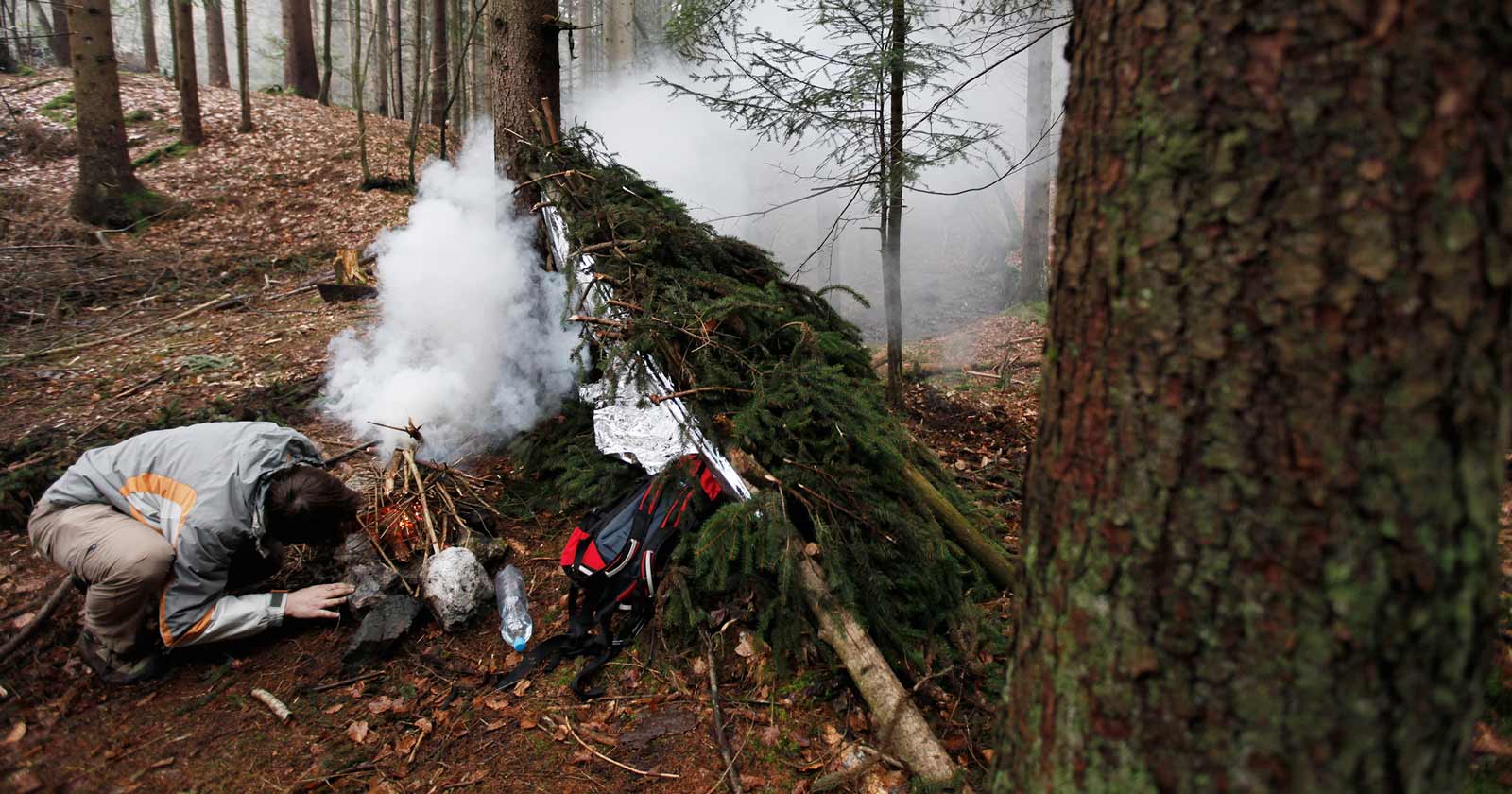

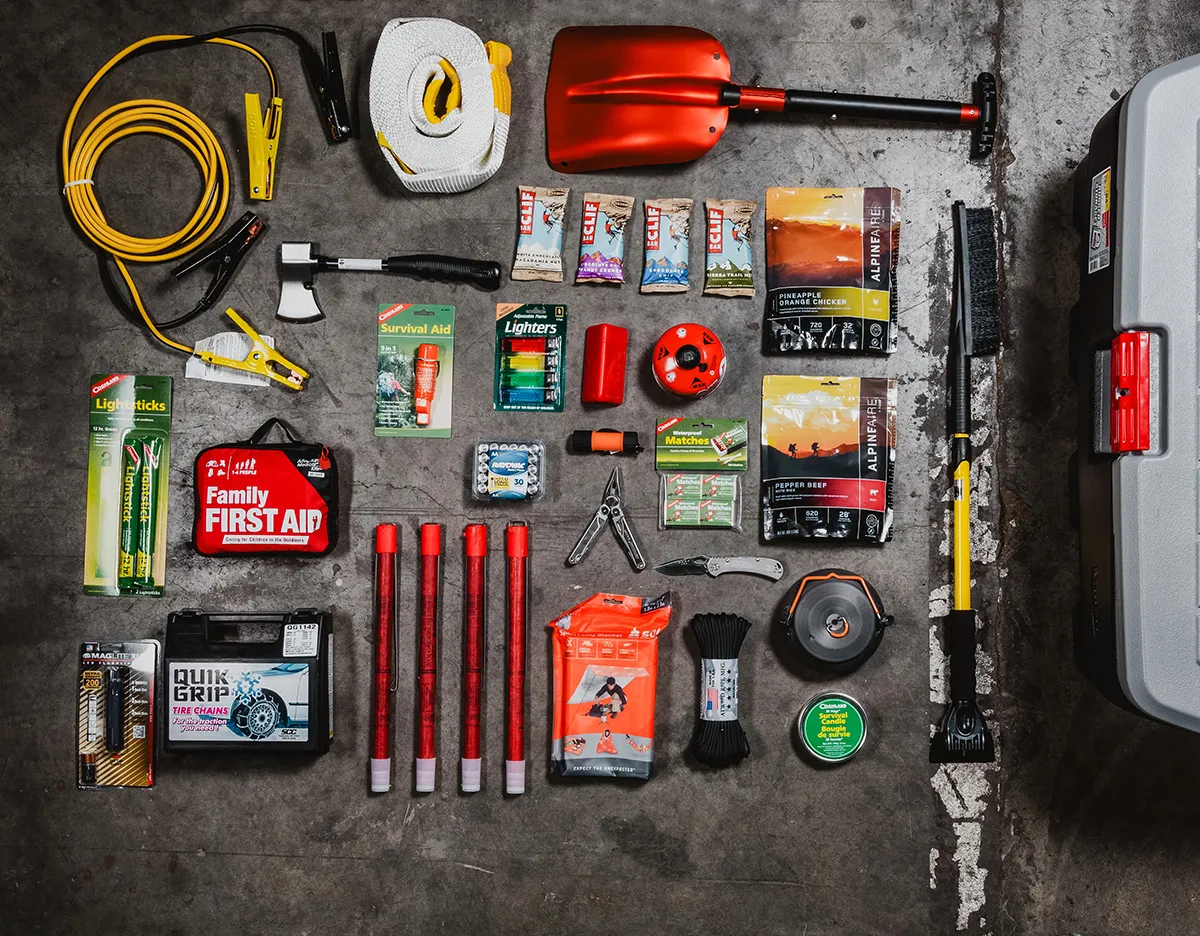
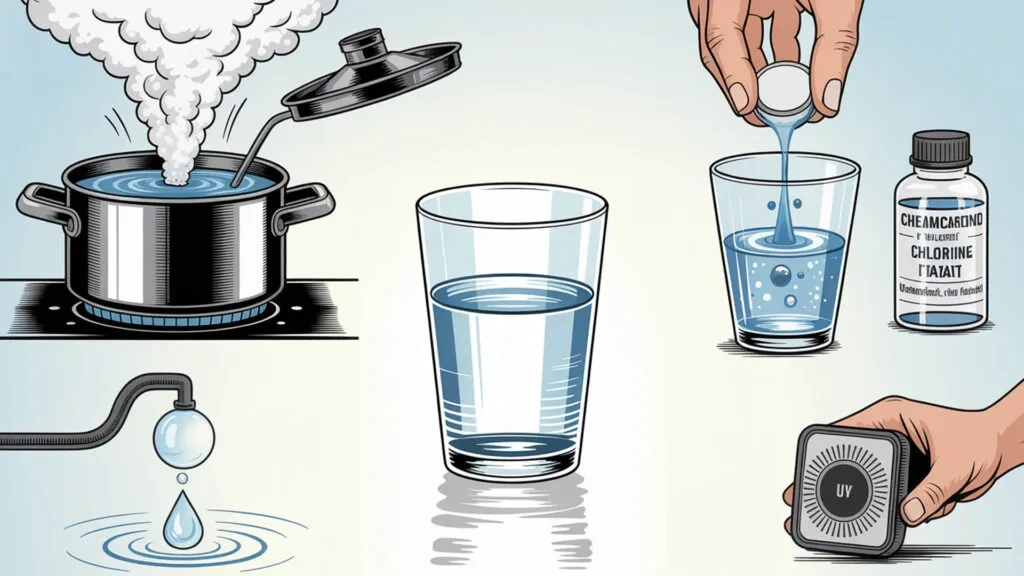
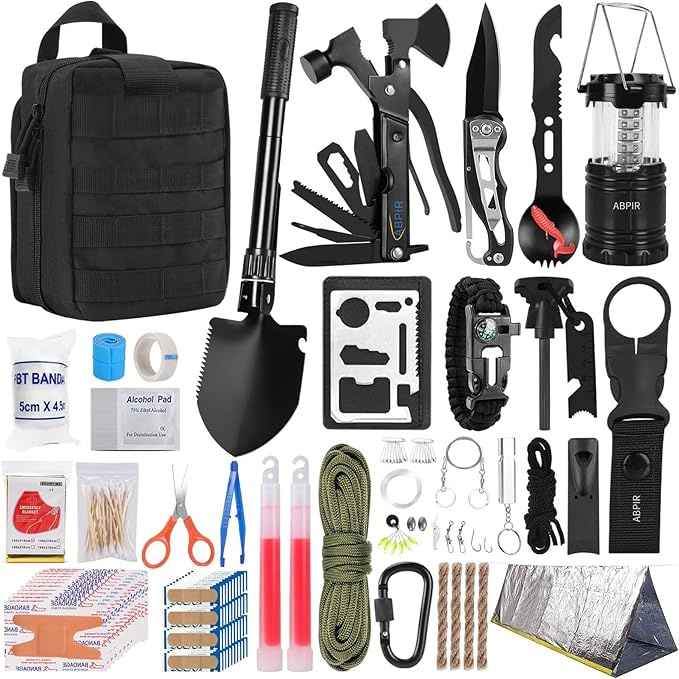



Tags
📧 Get More Articles Like This
Subscribe to receive product reviews and buying guides in your inbox!
We respect your privacy. Unsubscribe at any time.