The Dark Side of Diamond Industry: Ethical Alternatives You Need to Know
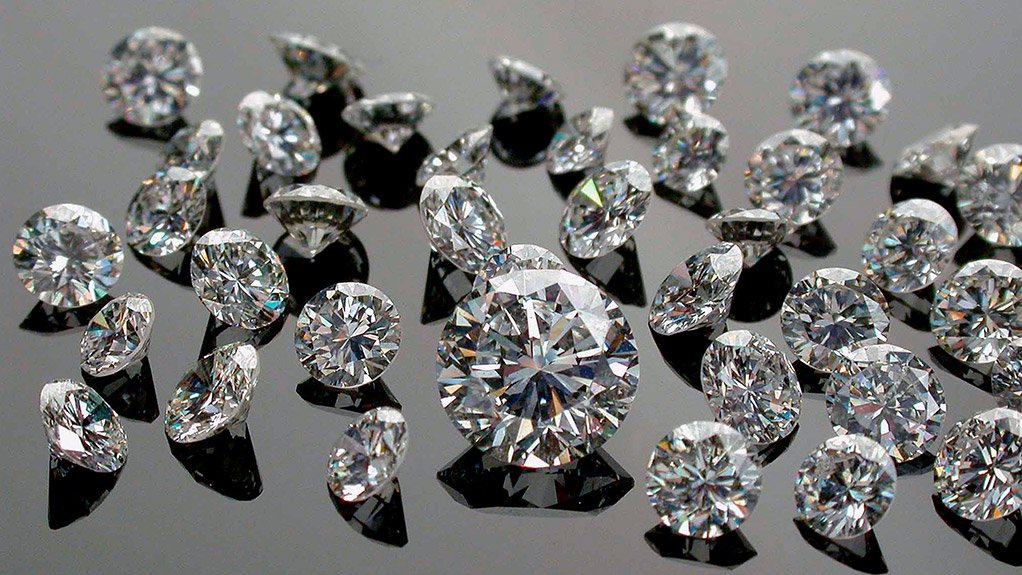
Table of Contents
- Understanding Conflict Diamonds and Blood Diamond Trade
- Child Labor and Forced Labor in Diamond Mining Operations
- Environmental Destruction From Traditional Diamond Mining
- The Kimberley Process Limitations and Effectiveness Issues
- Laboratory-Grown Diamonds as Ethical Alternatives
- Certified Conflict-Free Natural Diamonds
- Alternative Gemstones and Sustainable Options
- Consumer Power and Making Informed Jewelry Choices
- The Future of Ethical Jewelry and Industry Transformation
- Caring for Ethical Jewelry Investments
- Building an Ethical Jewelry Collection
- Frequently Asked Questions
The diamond industry holds a dark secret behind its glittering facade. While marketing campaigns promise eternal love and luxury through carefully crafted advertisements featuring happy couples and romantic proposals, the reality behind many diamonds involves conflict financing, systematic human rights violations, and devastating environmental damage across vulnerable mining regions in developing countries. Understanding these profound ethical concerns and exploring genuinely sustainable alternatives has become essential for conscious consumers seeking beauty without moral compromise in their jewelry purchases.
The global diamond trade generates approximately eighty billion dollars annually through complex supply chains spanning multiple continents and involving numerous intermediaries between extraction sites and retail stores. Yet significant portions of this enormous wealth never reach the impoverished communities where stones originate from dangerous underground tunnels and massive open-pit excavations. Instead, mining operations frequently perpetuate destructive cycles of poverty, systematic exploitation, and violence that affect millions of vulnerable workers and their families worldwide while enriching powerful corporations and corrupt officials who control lucrative trade routes.
Modern consumers increasingly demand genuine transparency regarding their jewelry purchases as awareness grows about the human and environmental costs of conventional diamond sourcing. The rise of ethical alternatives—including laboratory-created diamonds that are chemically identical to mined stones, verified conflict-free diamonds with comprehensive certification, and sustainably sourced gemstones from responsible operations—offers compelling options that align with values of social responsibility and environmental stewardship without sacrificing quality, beauty, or the symbolic meaning traditionally associated with fine jewelry. These alternatives represent more than simple fashion choices or economic decisions; they embody serious commitments to human dignity, worker welfare, and planetary health for current and future generations.

Understanding Conflict Diamonds and Blood Diamond Trade
Conflict diamonds, commonly known as blood diamonds throughout advocacy communities and media coverage, represent rough stones sold by rebel movements or their allies to finance armed conflicts against recognized legitimate governments. These diamonds have fueled absolutely devastating civil wars across multiple African nations throughout recent decades, causing immense human suffering including mass casualties, systematic sexual violence, and widespread displacement while enriching armed groups that commit horrific atrocities against defenseless civilian populations. The international certification trade regime transparency oversight diamond supply chain was created specifically to address this ongoing crisis through coordinated monitoring and enforcement mechanisms bringing together governments, industry representatives, and civil society organizations.
The term “blood diamonds” gained widespread international attention and public consciousness during brutal civil wars in Sierra Leone, Angola, and the Democratic Republic of Congo throughout the 1990s and early 2000s when extensive investigative journalism and human rights documentation revealed the direct connections between diamond revenues and military operations. Revolutionary forces and rebel armies seized control of diamond-rich territories through military campaigns, forcing terrified civilians into dangerous mining operations under constant threat of violence while using stone sales to purchase sophisticated weapons and sustain prolonged military campaigns that claimed hundreds of thousands of innocent lives. Children were forcibly conscripted as soldiers and forced laborers, women faced systematic sexual violence as a weapon of war, and entire communities endured displacement and ongoing terror as armed groups fought for control of valuable mineral deposits.
The scale of violence shocked the international community into coordinated action after years of failed interventions and ineffective diplomatic efforts. In Sierra Leone alone, the civil war funded substantially by diamond sales resulted in an estimated fifty thousand deaths, displaced more than two million people from their homes and villages, and left countless victims with deliberately amputated limbs as rebel forces used mutilation as a calculated weapon of terror and intimidation against populations resisting their control. Similar devastating patterns emerged in Angola, where UNITA rebels controlled diamond-producing regions for years and used gem revenues to purchase sophisticated weapons including surface-to-air missiles that prolonged brutal conflict for decades despite international pressure and multiple failed peace agreements.
International efforts to address this humanitarian crisis led to the Kimberley Process Certification Scheme, officially launched in 2003 as a voluntary system bringing together governments, industry representatives, and civil society organizations committed to preventing conflict diamond trade. This framework attempts to prevent conflict stones from entering legitimate commercial markets through certification requirements and participant country compliance standards that theoretically ensure rough diamonds originate from approved sources. Member nations must implement domestic legislation requiring rough diamond shipments to travel in tamper-resistant containers accompanied by government-issued certificates attesting to their conflict-free status and legitimate origin from recognized mining operations.
Despite regulatory frameworks and international cooperation efforts, significant enforcement challenges persist across remote mining regions where effective government oversight remains severely limited by geography, limited resources, and widespread corruption. Smuggling networks continue operating efficiently along porous borders, mixing conflict stones with legitimate production to circumvent detection systems that rely heavily on self-reporting and limited verification. The complexity of global diamond supply chains—involving numerous intermediaries including local buyers, international traders, cutting centers, wholesalers, and retail stores between mines and final consumers—creates abundant opportunities for unethical actors to exploit critical gaps in tracking and verification processes.
Child Labor and Forced Labor in Diamond Mining Operations
The diamond industry’s systematic exploitation of vulnerable populations represents one of its most disturbing and morally indefensible aspects that continues despite decades of advocacy and reform efforts. Extensive documentation reveals that goods produced child labor forced labor international standards diamonds represent a significant concern within artisanal and small-scale mining sectors across multiple countries where regulatory enforcement remains weak or effectively nonexistent due to limited government capacity and widespread corruption. These abuses persist despite international prohibitions, growing consumer awareness of ethical sourcing issues, and corporate commitments to responsible supply chain management.
Research conducted by international organizations, academic institutions, and investigative journalists documents widespread child labor in diamond-producing regions of Africa, Asia, and South America where poverty and limited economic alternatives force families to send children into dangerous mining operations. Children as young as five years old work in hazardous conditions performing dangerous tasks including digging deep pits that frequently collapse, hauling heavy loads of ore-bearing earth that cause permanent physical damage, and sorting rough stones for extended hours under harsh sun exposure without adequate protection, sufficient food, clean water access, or any medical care. These young workers miss critical educational opportunities that could break intergenerational cycles of poverty, instead spending formative developmental years in exploitative labor that damages their physical health and psychological wellbeing.

These young workers face numerous serious health risks including chronic respiratory diseases from constant dust inhalation containing silica and other harmful particles, skeletal deformities and stunted growth from carrying excessive weights during crucial developmental years, severe skin conditions from constant exposure to contaminated water and soil containing heavy metals and parasites, and profound psychological trauma from witnessing violence or experiencing physical abuse at mining sites controlled by armed groups or exploitative labor bosses who view workers as disposable resources. Medical care remains virtually inaccessible in remote mining regions lacking basic infrastructure, leaving injuries and illnesses completely untreated while chronic conditions worsen progressively over time without intervention.
Forced labor conditions affect both adults and children in certain mining regions where debt bondage and other forms of coercion trap workers in modern slavery. Workers experience debt bondage situations where advance payments for basic necessities including food, tools, and shelter create financial obligations that become mathematically impossible to repay due to artificially inflated prices charged by mine operators who maintain complete control over local economies. This contemporary form of slavery traps entire families in cycles of exploitation extending across multiple generations, with children inheriting debts from parents and continuing patterns of servitude that perpetuate poverty and powerlessness while preventing any possibility of economic advancement or escape.
Shop on AliExpress via link: wholesale-lab-grown-diamond-jewelry
International organizations and government agencies maintain systematic documentation of these widespread abuses through monitoring and reporting systems that track labor violations across global supply chains. These extensive efforts reveal the true scope and disturbing persistence of exploitation while providing crucial evidence that informs policy decisions, corporate accountability measures, and consumer education campaigns. However, significant gaps remain in monitoring coverage, enforcement mechanisms, and meaningful consequences for companies benefiting from exploitative labor practices.
Environmental Destruction From Traditional Diamond Mining
The profound ecological impact of conventional diamond extraction rivals its severe human rights concerns in overall severity and long-term scope of damage to natural systems. Research demonstrates conclusively that mining environmental impact water pollution acid drainage heavy metals contamination affects ecosystems surrounding operations for decades or even centuries after mineral extraction ceases, leaving permanent scars on landscapes and poisoning water sources that communities depend upon for drinking, irrigation, and fishing activities essential to survival and livelihoods.
Traditional diamond mining requires removing absolutely enormous quantities of earth to extract relatively small amounts of gem-quality stones suitable for jewelry applications. Large-scale operations move approximately seventeen hundred fifty tons of earth to produce a single one-carat polished diamond ready for retail sale. This extraordinarily wasteful process generates massive waste piles of displaced soil and rock that destabilize terrain over vast areas, dramatically increase erosion rates, and bury natural vegetation under sterile overburden material that prevents ecosystem recovery for multiple generations even after mining operations cease completely.
Open-pit mining creates enormous craters and excavations that fundamentally alter regional topography and hydrology with effects extending far beyond immediate mining sites. The Kimberley Big Hole in South Africa—one of the world’s largest hand-dug excavations and a tourist attraction showcasing mining history—measures four hundred sixty-three meters wide and two hundred forty meters deep, vividly illustrating the tremendous scale of landscape transformation that diamond extraction demands from surrounding environments. Modern mechanized operations create even larger disturbances using massive heavy equipment to access deeper ore deposits, removing entire mountains and redirecting rivers in pursuit of mineral wealth regardless of environmental consequences.
Water consumption and contamination represent critical concerns in mining regions often characterized by severe water scarcity affecting both human populations and natural ecosystems. Operations require absolutely massive quantities of fresh water for mineral processing, dust suppression to meet minimal safety standards, and equipment cooling to prevent mechanical failures. This intensive usage competes directly with agricultural and domestic needs in communities already facing severely limited water access, while simultaneously generating enormous volumes of contaminated wastewater containing dissolved heavy metals, toxic processing chemicals, and suspended sediments that render downstream water sources completely unusable for human consumption or agricultural purposes.

Acid mine drainage occurs when sulfur-bearing minerals exposed during excavation react with surface water and atmospheric oxygen, producing sulfuric acid that dissolves toxic heavy metals including lead, mercury, cadmium, and arsenic from surrounding rock formations. This highly acidic, metal-laden water flows continuously into streams, rivers, and groundwater aquifers, poisoning aquatic ecosystems and rendering water sources unusable for human consumption or agricultural purposes across vast areas. The contamination persists for decades or centuries after mining operations cease, creating enormous long-term environmental liabilities that impoverished communities must endure without resources for remediation or alternative water sources.
The Kimberley Process Limitations and Effectiveness Issues
The Kimberley Process Certification Scheme represents the international community’s primary mechanism for preventing conflict diamond trade through coordinated regulation and monitoring. Established in 2003 after years of diplomatic negotiations and civil society pressure, this voluntary system brings together governments, industry representatives, and civil society organizations to regulate rough diamond commerce through certification requirements designed to ensure stones originate from legitimate sources rather than conflict zones funding violence. Participating countries must implement comprehensive domestic legislation and establish monitoring systems to track diamond production and trade throughout their jurisdictions.
Under the Kimberley Process framework, rough diamond shipments must travel in specially designed tamper-resistant containers accompanied by government-issued certificates attesting to their conflict-free status and legitimate origin. Trade between participants and non-participating countries is strictly prohibited under system rules, theoretically creating powerful incentives for universal adoption of monitoring and certification standards to maintain access to international diamond markets. The system currently includes fifty-nine participants representing eighty-five countries, covering the vast majority of global rough diamond production and international trade volumes.
Despite these coordinated efforts and institutional frameworks, the Kimberley Process faces substantial criticism from human rights organizations, investigative journalists, and civil society groups regarding its severely limited scope and questionable effectiveness in achieving stated objectives. The system’s narrow definition of “conflict diamonds” encompasses only stones funding rebel movements against recognized governments, deliberately excluding diamonds mined under brutal conditions by government forces or those funding other forms of systematic violence and human rights abuses that fall outside the restrictive definitional framework. This limited focus allows widespread exploitation to continue unchallenged within the certification system while providing false assurance to consumers.
Enforcement mechanisms remain weak across many participating countries where corruption, severely limited resources, and inadequate technical capacity fundamentally undermine compliance efforts regardless of stated commitments. Monitoring relies heavily on self-reporting by governments and industry participants with obvious financial interests in maintaining certification status regardless of actual practices on the ground. Independent verification proves extremely difficult or impossible in remote mining regions where access remains restricted by geography, security concerns, and deliberate obstruction by entities benefiting from opacity.

The Kimberley Process lacks meaningful authority to impose significant sanctions on participants found violating certification requirements through documented abuses. Suspension from the system represents the primary enforcement tool theoretically available, but political considerations and economic interests frequently prevent action against significant diamond producers despite extensively documented violations. Zimbabwe’s Marange diamond fields continued exporting stones under Kimberley Process certification for years despite overwhelming evidence of military-perpetrated violence, systematic forced labor, and widespread human rights abuses at mining sites controlled by security forces.
Laboratory-Grown Diamonds as Ethical Alternatives
Laboratory-grown diamonds represent a revolutionary alternative that effectively eliminates many ethical concerns associated with mined stones while delivering identical physical, chemical, and optical properties indistinguishable from natural diamonds. These genuine diamonds are created through sophisticated technological processes that precisely replicate natural diamond formation conditions under carefully controlled laboratory environments, producing stones that are chemically identical to mined diamonds without the environmental destruction, human rights violations, or conflict financing that plague traditional extraction operations throughout producing regions.
Two primary technological methods produce laboratory diamonds with commercial quality suitable for fine jewelry applications. High Pressure High Temperature synthesis recreates the extreme geological conditions under which natural diamonds form deep within Earth’s mantle over millions of years, using specialized presses to subject pure carbon to pressures exceeding one point five million pounds per square inch and temperatures above fifteen hundred degrees Celsius. Chemical Vapor Deposition grows diamonds from hydrocarbon gas mixtures in vacuum chambers where carbon atoms deposit layer by layer onto diamond seed crystals, building gems with exceptional purity and controlled characteristics impossible to achieve through mining.
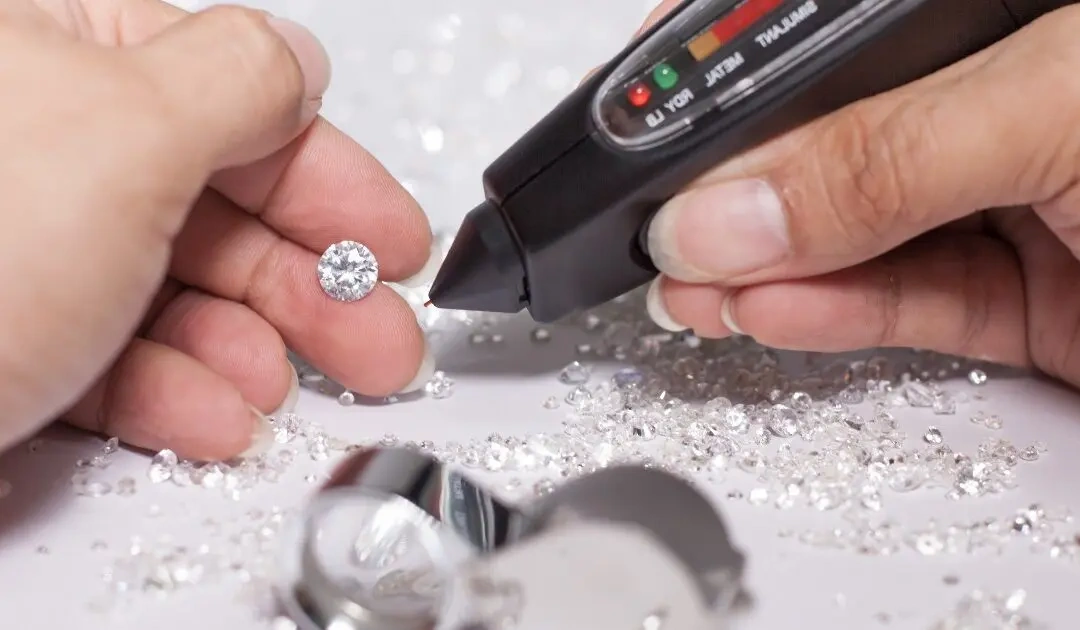
The technological advancement of laboratory diamond production has reached full maturity over recent years, enabling reliable creation of large, high-quality stones entirely suitable for fine jewelry applications including engagement rings and investment pieces. Modern facilities produce diamonds up to several carats in size with clarity and color grades matching or exceeding the finest natural specimens found in traditional mining operations. Gemological testing using standard techniques cannot distinguish laboratory-grown diamonds from mined stones without specialized equipment detecting subtle growth pattern differences completely invisible to human observers including trained gemologists.
Shop on AliExpress via link: wholesale-ethical-jewelry-sustainable
Environmental advantages of laboratory diamonds prove substantial when compared comprehensively to traditional mining operations across multiple impact categories. Production requires significantly less total energy per carat than extraction processes involving heavy equipment operation, ore processing, and long-distance transportation of raw materials through multiple supply chain stages. Water consumption drops dramatically as laboratory processes use closed-loop systems that recycle water rather than the millions of gallons required for mineral washing and processing at mining operations. Land disturbance becomes negligible, completely eliminating habitat destruction and the severe long-term ecological damage associated with open-pit mining and waste disposal.
When considering valuable jewelry pieces with ethical sourcing guarantees, consumers should research jewelry investment guide pieces that increase in value while supporting responsible industry practices that protect worker welfare and environmental sustainability.
The accurate advertising jewelry gemstones laboratory-created diamonds treatment disclosures regulations require clear labeling distinguishing laboratory-grown stones from natural diamonds in all marketing materials and product descriptions. Retailers must use specific descriptors such as “laboratory-grown,” “laboratory-created,” or similar terminology immediately preceding the word “diamond” in all marketing materials and product descriptions. This transparency requirement enables informed consumer choice while preventing deceptive practices that might mislead buyers regarding gem origins and production methods.
Certified Conflict-Free Natural Diamonds
For consumers preferring natural diamonds due to tradition, personal preference, or investment considerations, certified conflict-free options provide ethical alternatives sourced through verified responsible practices that address human rights and environmental concerns. These diamonds originate from mines implementing strict labor standards, comprehensive environmental protections, and community benefit programs while submitting to rigorous independent third-party auditing of their operations and supply chain practices. Certification systems beyond the limited Kimberley Process offer more comprehensive ethical assurance covering broader range of concerns.
The Responsible Jewellery Council represents the jewelry industry’s leading standards organization, certifying businesses throughout the entire supply chain from mine extraction to retail sale against comprehensive responsible business practices covering human rights, labor rights, environmental impact, and ethical conduct. RJC certification requires documented adherence to internationally recognized standards including UN Guiding Principles on Business and Human Rights, International Labour Organization core conventions prohibiting child labor and forced labor, and OECD Due Diligence Guidance for Responsible Supply Chains of Minerals from Conflict-Affected and High-Risk Areas.

CanadaMark certification guarantees diamonds mined in Canada’s Northwest Territories under strict government oversight and meaningful indigenous community partnerships that respect traditional land rights. Each certified diamond receives a unique tracking number laser-inscribed invisibly on the stone, enabling consumers to verify origin and trace the specific gem’s journey from particular mine to retail purchase through secure online verification systems. Canadian mining operations must comply with stringent environmental regulations, fair labor practices, and indigenous rights protections that significantly exceed standards in many other diamond-producing regions globally.
Understanding how to spot fake jewelry expert tips avoid scams online shopping becomes essential when purchasing from digital retailers where physical inspection proves impossible before committing to purchases.
Artisanal mining communities benefit from fair trade certification programs that ensure miners receive fair compensation for their dangerous labor while working under safe conditions with guaranteed access to healthcare, education, and economic development opportunities. These innovative initiatives provide alternatives to exploitative arrangements that trap mining families in intergenerational poverty despite their essential role in diamond production. Fair trade premiums support community infrastructure projects including schools, health clinics, and clean water systems that benefit entire communities rather than enriching corrupt officials and powerful intermediaries.
Alternative Gemstones and Sustainable Options
Expanding jewelry choices beyond diamonds opens exciting possibilities for beautiful, meaningful pieces featuring diverse gemstones with significantly better ethical profiles and environmental credentials than conventional diamond mining. Alternative stones including sapphires, rubies, emeralds, and numerous semi-precious options offer unique aesthetic qualities and symbolic meanings while supporting artisanal mining communities implementing responsible practices. These choices provide opportunities to express individual style while aligning purchases with values of sustainability and social responsibility.
Moissanite represents an exceptional diamond alternative combining brilliant optical properties with ethical production and remarkable affordability for conscious consumers. This silicon carbide gemstone exhibits even greater fire and brilliance than diamond due to higher refractive index, creating stunning visual effects that many jewelry enthusiasts consider superior to traditional diamond appearance. Moissanite occurs naturally in minute quantities but is efficiently synthesized in laboratories, eliminating mining impacts while delivering exceptional quality at costs significantly below comparable diamonds.
Recycled and vintage jewelry offers the most sustainable option possible, giving new life to existing pieces while completely eliminating demand for newly mined materials. Estate jewelry, antique pieces, and professionally refurbished modern jewelry provide access to fine gemstones without supporting current mining operations. Skilled artisans can redesign vintage pieces into contemporary styles, preserving historical craftsmanship while creating custom jewelry reflecting current tastes and personal preferences.
Understanding caring fine jewelry complete guide preservation techniques helps maintain both aesthetic appeal and monetary value while reducing environmental impact through extended product lifecycles.
Lab-grown colored gemstones including sapphires, rubies, and emeralds provide alternatives to mined colored stones with advantages similar to laboratory diamonds. These synthetic gems possess identical chemical composition and crystal structure to natural counterparts while eliminating environmental destruction and human rights concerns associated with gemstone mining. Laboratory production enables creation of larger, cleaner stones with more vibrant colors than typically found in natural deposits.
Consumer Power and Making Informed Jewelry Choices
Individual purchasing decisions collectively shape industry practices as consumer demand for ethical alternatives drives significant market transformation toward greater transparency and accountability. Understanding how to evaluate jewelry options critically, ask informed questions, and support responsible brands empowers buyers to align their values with their purchases while encouraging broader adoption of sustainable practices throughout the jewelry industry. This consumer power represents the most effective force for positive change in an industry historically resistant to reform.
Research before purchasing begins with investigating jeweler reputations, certifications, and sourcing policies through online reviews, industry publications, and advocacy organization recommendations. Reputable retailers provide detailed information about diamond and gemstone origins, certification systems, and ethical commitments without evasion or vague marketing language designed to obscure supply chain realities. Companies genuinely committed to responsible practices welcome consumer inquiry and provide substantive documentation supporting their claims rather than relying on superficial assertions and emotional marketing appeals.
Questions to ask jewelers include specific inquiries about diamond sourcing, country of origin, certification beyond Kimberley Process, laboratory versus natural stone options, traceability systems, and company policies regarding conflict-free sourcing. How jewelers respond to these direct questions reveals their commitment to transparency and ethical practices. Hesitation, defensiveness, or inability to provide specific documentation should raise serious concerns about sourcing practices and overall business integrity.

Independent certification from recognized organizations provides crucial verification of ethical claims beyond marketing language. Beyond the limited Kimberley Process, consumers should look for certification from the Responsible Jewellery Council, Fairmined gold certification, Fairtrade gold certification, and specific diamond tracking systems like CanadaMark. Multiple certifications from different organizations offer stronger assurance than single-system verification, as comprehensive standards address broader ethical considerations.
The Future of Ethical Jewelry and Industry Transformation
The jewelry industry faces mounting pressure to address long-standing ethical failures as consumers, investors, and regulators demand accountability and transparency. Technological innovations, evolving consumer values particularly among younger generations, and emerging regulatory frameworks combine to drive significant changes in how diamonds and gemstones are sourced, marketed, and sold. Understanding these trends helps consumers anticipate future options and participate actively in ongoing transformation toward more responsible practices.
Laboratory-grown diamond production continues expanding rapidly as technology improves and consumer acceptance increases across demographic groups. Market projections indicate laboratory diamonds will capture significant market share from natural stones over coming decades as production costs decline, quality improves, and younger consumers prioritize ethical considerations and environmental sustainability over tradition and perceived rarity. This fundamental shift promises to reshape the diamond industry dramatically.
Blockchain and advanced tracking technologies enable unprecedented supply chain transparency, addressing historical opacity that enabled exploitation and fraud for decades. Digital ledgers create permanent, tamper-proof records documenting diamond journeys from specific mines through processing and distribution to retail customers. These systems make fraudulent origin claims increasingly difficult while empowering consumers to verify ethical sourcing assertions through independently accessible documentation.
Statement jewelry pieces complete guide bold accessories transform simple outfits while expressing individual personality and style preferences through distinctive designs.
Regulatory evolution extends beyond the limited Kimberley Process framework toward more comprehensive standards addressing labor rights, environmental protection, and community impacts. The European Union’s proposed mandatory due diligence legislation would require companies to identify, prevent, and mitigate human rights and environmental risks throughout their supply chains. Similar initiatives in various jurisdictions signal growing governmental commitment to enforcing ethical business practices through legal requirements rather than voluntary compliance.
Caring for Ethical Jewelry Investments
Protecting jewelry investments requires proper maintenance and care practices that preserve beauty, integrity, and value over time. Whether choosing laboratory-grown diamonds, certified natural stones, or alternative gemstones, understanding how to properly maintain fine jewelry ensures lasting enjoyment and continued ethical impact by maximizing the useful life of existing pieces rather than constantly purchasing new items.
Proper storage prevents damage from environmental exposure and physical contact between pieces. Jewelry should be kept in individual compartments or soft pouches preventing scratches from harder gems contacting softer materials. Climate-controlled environments protect against humidity fluctuations and temperature extremes that can damage certain gemstones and corrode metal settings. Keeping jewelry away from direct sunlight prevents color fading in gems susceptible to photodegradation.
Regular cleaning maintains sparkle and brilliance while enabling early detection of damage requiring professional repair. Most diamonds and hard gemstones can be safely cleaned with warm water and mild dish soap using a soft brush to remove accumulated oils, lotions, and dirt. Ultrasonic cleaners offer efficient deep cleaning but may damage certain gemstone treatments or fracture-filled stones, requiring caution and proper identification before use.
Professional inspection and maintenance every six months identifies worn prongs, loose settings, and other issues before stones are lost or damaged beyond repair. Jewelers can tighten settings, repair prongs, and address wear issues while jewelry remains intact rather than waiting for emergency repairs after preventable losses occur. These routine maintenance investments protect valuable pieces and extend their useful lives indefinitely.
Building an Ethical Jewelry Collection
Creating a meaningful jewelry collection aligned with personal values involves thoughtful selection, strategic acquisition, and consideration of pieces serving multiple purposes and occasions. Rather than accumulating numerous items of questionable origin and limited versatility, conscious consumers can build curated collections of high-quality, ethically sourced pieces providing lasting satisfaction and genuine value.
Investment-focused pieces combine ethical sourcing with designs maintaining or appreciating in value over time. Classic styles transcend temporary fashion trends, ensuring pieces remain relevant and wearable across decades rather than becoming dated relics of particular style moments. Quality materials and expert craftsmanship justify initial costs through exceptional longevity, eliminating need for frequent replacements while reducing overall consumption and environmental impact.
Versatile pieces serve multiple functions and pair with various outfits, maximizing utility from each acquisition. Jewelry transitioning from casual daywear to formal evening occasions provides better value than highly specific pieces suitable for limited contexts. Neutral metal choices and classic gemstone selections ensure compatibility with diverse wardrobes and personal style evolution over time.
Meaningful pieces with personal significance create emotional connections transcending material value. Jewelry commemorating important life events, representing cherished relationships, or symbolizing personal accomplishments holds enduring importance regardless of monetary worth. These connections encourage long-term retention rather than disposal when fashion preferences shift, supporting sustainability through reduced consumption.
Custom and bespoke designs enable unique expression while ensuring ethical sourcing through direct collaboration with jewelers committed to responsible practices. Working with designers who prioritize sustainability and transparency allows consumers to specify exact materials, sources, and production methods while creating one-of-a-kind pieces perfectly matching personal preferences. Custom work supports artisan jewelers and craftspeople while delivering pieces unavailable through mass-market channels.
Heirloom considerations influence jewelry selection as pieces intended for multi-generational transmission require timeless appeal, exceptional quality, and enduring construction. Jewelry designed to become family heirlooms creates lasting value extending far beyond initial purchaser enjoyment, supporting sustainability through extended product life cycles spanning centuries rather than years. These pieces embody family history and values while reducing collective consumption.
Frequently Asked Questions
Question 1: What are conflict diamonds and how do they fund violence?
Answer 1: Conflict diamonds are rough stones sold by rebel movements to finance armed conflicts against legitimate governments. These blood diamonds fund violence, human rights abuses, and civil wars primarily in African nations including Sierra Leone, Angola, and the Democratic Republic of Congo, resulting in hundreds of thousands of deaths and widespread displacement. Armed groups control mining operations in contested territories, forcing civilians to extract diamonds under threat of violence while confiscating production for sale through illegal smuggling networks. Diamond sales convert rough stones into cash that purchases military equipment, ammunition, and supplies sustaining armed groups indefinitely. The human toll includes mass casualties, displacement, sexual violence against women, systematic use of child soldiers, and traumatized communities.
Question 2: Are laboratory-grown diamonds really identical to mined diamonds?
Answer 2: Laboratory-grown diamonds are chemically, physically, and optically identical to mined diamonds, composed of pure carbon crystallized in cubic structure. Both exhibit identical hardness, thermal conductivity, refractive index, and optical properties creating distinctive brilliance. Gemological testing cannot distinguish them through standard examination techniques. The creation process replicates natural formation occurring deep within Earth’s mantle under extreme pressure and temperature. Laboratory diamonds exhibit the same durability and longevity as natural stones, maintaining brilliance indefinitely without degradation. Quality variations exist among laboratory diamonds just as natural stones range from industrial grade to exceptional gem quality. Laboratory production enables greater control over characteristics including clarity, color, and size, producing stones meeting specific criteria more consistently than mining.
Question 3: How can I verify that a diamond is truly conflict-free?
Answer 3: Verification requires examining multiple documentation types beyond basic retailer assurances. Request detailed origin information including specific mine locations, processing facilities, and complete custody chain from extraction through retail sale. Kimberley Process certification represents minimum verification but proves insufficient given limited scope. Look for additional certification from the Responsible Jewellery Council, which audits businesses throughout supply chains. CanadaMark certification guarantees Canadian origin with unique tracking numbers laser-inscribed on stones. Blockchain tracking systems provide digital verification of diamond journeys through tamper-proof records. Independent laboratory reports from GIA, AGS, or IGI provide origin analysis and treatment disclosure while verifying quality characteristics.
Question 4: What are the main environmental concerns with diamond mining?
Answer 4: Diamond mining causes severe environmental destruction including massive landscape alteration through open-pit excavation. Operations move approximately 1,750 tons of earth per one-carat diamond, generating enormous waste piles that smother vegetation and destabilize terrain. Water pollution represents critical concern as operations contaminate surface and groundwater through acid drainage, chemical runoff, and sediment. Acid mine drainage occurs when sulfur-bearing minerals react with water, producing sulfuric acid dissolving toxic heavy metals. Habitat destruction eliminates forests and wetlands supporting wildlife as mining expands. Air quality degradation affects communities as operations generate dust containing silica and heavy metals. These impacts persist decades after mining ceases.
Question 5: Do laboratory diamonds cost less than natural diamonds?
Answer 5: Laboratory-grown diamonds typically cost 30-40% less than natural diamonds of equivalent size, quality, and certification, reflecting elimination of mining costs and reduced supply chain complexity. Price advantages result from efficient production processes, reduced capital requirements, and competitive market dynamics. Laboratory production scales more easily than mining expansion requiring years of development and uncertain exploration. Quality consistency reduces costs by minimizing waste from substandard stones. Pricing reflects actual production costs plus reasonable margins rather than inflated valuations based on controlled scarcity. As consumers recognize laboratory diamonds offer identical properties and superior value, market dynamics shift toward rational pricing reflecting genuine production costs.
Question 6: Are there ethical concerns with laboratory-grown diamonds?
Answer 6: Laboratory diamond production eliminates most ethical concerns but raises considerations regarding energy consumption, labor practices in facilities, and market disruption. Energy requirements vary significantly across facilities depending on equipment efficiency and power sources. Progressive manufacturers prioritize renewable energy including solar and wind to minimize carbon footprints. Labor conditions deserve attention as workplace safety, fair wages, and employee rights remain important. Ethical consumers should research companies’ labor practices and workplace standards. Market disruption potentially affects artisanal mining communities where diamond revenues provide essential income. Fair trade initiatives help ensure ethical transitions as laboratory diamonds capture market share, supporting communities through economic diversification.
Question 7: What questions should I ask jewelers about diamond sourcing?
Answer 7: Request specific origin information including country or region where diamonds were mined, particular mines involved, and complete supply chain documentation. Vague responses should raise concerns about transparency. Inquire about certification systems beyond Kimberley Process including Responsible Jewellery Council membership, CanadaMark certification, or third-party verification. Ask for documentation proving claims including audit reports and chain of custody records. Request information about laboratory-grown options including availability, quality grades, and pricing. Ask about traceability systems enabling verification through blockchain tracking or unique identification numbers. Request access to verification systems allowing independent confirmation.
Question 8: How do I care for laboratory-grown diamond jewelry?
Answer 8: Laboratory-grown diamonds require identical care as natural diamonds given matching properties. Clean regularly using warm water and mild soap with soft brush to remove oils and dirt. Ultrasonic cleaners provide efficient deep cleaning for stable mountings. Store jewelry in individual compartments preventing scratches from contact between pieces. Keep jewelry away from harsh chemicals including chlorine and bleach that corrode settings. Remove jewelry before swimming or activities exposing pieces to chemicals or impacts. Professional inspection every six months identifies worn prongs and loose settings before stones are lost. Maintain insurance coverage protecting against theft and damage with policies providing replacement cost coverage.
Question 9: Can I resell laboratory-grown diamonds?
Answer 9: Laboratory-grown diamonds maintain resale value through established secondary markets including jewelers, auction houses, and online platforms. Resale values reflect current retail pricing minus dealer margins and market conditions. Well-maintained laboratory diamonds with complete documentation and certificates from recognized laboratories command higher prices than pieces lacking provenance. Brand name laboratory diamonds may carry premium resale values. Market maturation increases liquidity as acceptance grows. Alternative approaches include jewelry redesign, family heirlooms, and donations providing options beyond direct resale. Custom jewelers reset laboratory diamonds into new designs. Passing pieces to family creates lasting value through multi-generational use.
Question 10: What are the best alternative gemstones to diamonds?
Answer 10: Moissanite offers exceptional diamond alternative combining superior fire and brilliance with ethical laboratory production and substantial cost savings. This silicon carbide gemstone exhibits higher refractive index creating more intense light dispersion. Sapphires provide classic elegance in diverse colors with hardness rating of 9 ensuring excellent durability. Natural sapphire sources including Australia and Montana offer responsible alternatives. Lab-grown colored gemstones combine beauty with ethical production eliminating environmental destruction. Recycled and vintage gemstones represent most sustainable option eliminating demand for newly mined materials. Estate jewelry and antique pieces provide beautiful options without environmental impact.
Articles related:




Tags
📧 Get More Articles Like This
Subscribe to receive product reviews and buying guides in your inbox!
We respect your privacy. Unsubscribe at any time.