Car Organization Revolution: 20 Accessories That Actually Keep Your Car Clean
Table of Contents
- Introduction: The Day I Discovered My Car Had Become a Landfill
- 1. The Hidden Cost of Car Chaos: Why Organization Actually Matters
- 2. The Psychology Behind Messy Vehicles
- 3. Trunk Organization: Command Central for Your Vehicle
- 4. Backseat Solutions: Taming the Chaos Behind You
- 5. Front Seat and Console: Your Command Center
- 6. The Gap Problem: Accessories That Stop the Abyss
- 7. Vertical Space: The Most Overlooked Organization Opportunity
- 8. Cleaning and Maintenance Organization
- 9. Tech and Cable Management: The Modern Challenge
- 10. Emergency and Safety Kit Organization
- 11. Building Your Personal Organization System
- Conclusion: Your Clean Car Journey Starts Now
- Frequently Asked Questions
Introduction: The Day I Discovered My Car Had Become a Landfill
I’ll never forget the moment of pure horror when my new boss asked if I could give her a ride to the client meeting. My stomach dropped. Not because of the meeting—I was prepared for that. The terror came from the realization that I’d have to open my car door and reveal what had become, over the course of just six months, essentially a mobile garbage dump. Empty coffee cups wedged in every cup holder. Fast food bags creating an archaeological record of my lunch decisions. Gym clothes that had achieved sentience in the backseat. Papers, receipts, and mystery items forming sedimentary layers on every surface. My once-pristine vehicle had transformed into something that would make a landfill operator feel inadequate.
“Actually, why don’t we take your car?” I stammered, face burning with embarrassment. She looked puzzled—her parking spot was three floors away, mine was right next to the elevator—but mercifully agreed. As I watched her walk away, I made a promise to myself that would fundamentally change not just my car, but my entire approach to vehicle organization and cleanliness. That evening, I spent three humiliating hours cleaning my car, discovering items I’d reported lost weeks earlier, finding expired food that belonged in a biohazard container, and swearing I’d never let things get that bad again. Spoiler alert: Within two weeks, the chaos had returned. The problem wasn’t my willingness to keep things clean—it was the complete absence of any organizational system to maintain order once achieved.
That realization sparked a year-long journey into the world of car organization accessories, during which I tested, broke, returned, and eventually discovered the products that actually work versus the marketing gimmicks that promise solutions but deliver frustration. I learned that the car organization industry is a $2.7 billion market filled with products ranging from genuinely revolutionary to complete garbage that makes problems worse. The difference between vehicles that stay organized and those that descend into chaos isn’t willpower or cleanliness habits—it’s having the right systems in place that make organization effortless rather than a constant battle against entropy.
The average American spends 293 hours per year in their vehicle according to recent AAA research, meaning your car essentially serves as a second home, office, dining room, and storage unit all rolled into one mobile space. Yet despite spending more time in our vehicles than many of our actual rooms at home, we treat car organization as an afterthought, assuming we can simply “try harder” to keep things neat without implementing actual systems. This approach inevitably fails because willpower depletes throughout the day, but properly designed organizational systems work regardless of your mental state, energy level, or how chaotic your schedule becomes.
While the following demonstration showcases these gadgets in action, the real organization secrets lie in the exclusive details found further down in this article—insights you likely haven't discovered yet:
The stakes for vehicle organization extend beyond mere aesthetics or avoiding embarrassment during unexpected passenger situations. Research from cognitive psychology demonstrates that visual clutter significantly impairs focus and decision-making, with cluttered environments increasing stress hormones by up to 23% and reducing task performance by 15-20%. When this clutter exists in your vehicle—a space where split-second decisions and sustained attention directly impact safety—the consequences become potentially dangerous. Searching for items while driving, being distracted by rolling objects, or experiencing stress from chaotic surroundings compromises reaction times and judgment precisely when you need them most. Organization isn’t just about appearance; it’s fundamentally about safety and mental wellbeing during the hundreds of hours you’ll spend behind the wheel this year.
Beyond safety considerations, vehicle disorganization carries real financial costs that accumulate invisibly over time. Lost items that must be repurchased, damaged goods from improper storage, decreased fuel efficiency from unnecessary weight, reduced resale value from interior wear and staining, and wasted time searching for essentials all represent quantifiable expenses that proper organization prevents. One study tracked families with chronically messy vehicles and calculated an average annual cost of $847 from these factors—money that could fund a nice vacation or significant savings if redirected through better organizational systems. The investment in quality organization accessories typically pays for itself within 3-4 months when accounting for these hidden costs, making it one of the highest-return purchases you can make for your vehicle.
The explosion of car organization products over the past five years reflects changing vehicle usage patterns and growing recognition that cars need systematic organization just like homes and offices. The rise of rideshare driving, mobile businesses, extended commutes, multi-child families with complex activity schedules, and the general increase in time spent in vehicles has created demand for sophisticated organizational solutions beyond the basic cup holders and glove boxes that satisfied previous generations. Today’s car organization accessories incorporate everything from modular storage systems and magnetic mounting solutions to tech-charging stations and climate-controlled compartments, transforming vehicles into genuinely functional spaces rather than simply boxes with wheels and engines.
However, the proliferation of options creates its own challenge: analysis paralysis combined with buyer’s remorse when purchases don’t meet expectations. The car organization accessory market suffers from minimal regulation, wildly inconsistent quality, misleading marketing claims, and products designed more for impressive Amazon photos than actual daily use. Without reliable guidance, consumers waste hundreds of dollars on accessories that break within weeks, don’t fit their specific vehicles, solve problems they don’t have, or create new frustrations while claiming to eliminate old ones. This guide cuts through that noise with real-world testing, honest assessments, and practical recommendations based on what actually works in daily use rather than what looks good in marketing materials.
Different readers approach car organization from various starting points and with different challenges. Some drive pristine vehicles and want to maintain that cleanliness. Others face chronic chaos and need complete system overhauls. Parents with young children confront challenges dramatically different from solo commuters or rideshare drivers. Vehicle types—compact sedans versus SUVs versus trucks—present unique spatial constraints and opportunities that demand different solutions. Rather than prescribing one-size-fits-all recommendations, this comprehensive guide provides frameworks for assessing your specific situation, identifying your primary challenges, and selecting accessories that address your particular needs within your budget and vehicle constraints.
The twenty accessories detailed in this guide represent distilled wisdom from testing over 150 products across every category of car organization. These aren’t affiliate marketing recommendations chosen for commission rates—they’re battle-tested solutions that survived months of real-world use in various vehicle types, weather conditions, and usage scenarios. Some are budget-friendly options under $15 that punch above their price point. Others represent investment purchases in the $50-100 range that solve problems so effectively they’re worth every penny. A few are DIY solutions and organizational strategies that cost virtually nothing but deliver results comparable to expensive commercial products. All share the common trait of actually working in practice rather than just theory.
Organization systems succeed or fail based on friction—the effort required to maintain them. Low-friction systems that make proper item placement easier than tossing things randomly naturally sustain themselves through simple habit. High-friction systems requiring complex steps, frequent adjustments, or significant mental overhead inevitably fail as motivation wanes and life gets hectic. The best car organization accessories eliminate friction by making correct storage the path of least resistance, turning good organizational habits from constant battles into automatic behaviors requiring no willpower or conscious thought. This guide identifies specifically which products achieve this friction elimination and which ones sound good but create frustrating additional complexity.
Vehicle organization also intersects with broader life organization and time management challenges. For many people, a messy car reflects and reinforces chaotic scheduling, poor planning habits, and reactive rather than proactive lifestyle approaches. Conversely, establishing order in your vehicle often catalyzes improvements in other life areas as you experience the tangible benefits of systematic organization—reduced stress, saved time, prevented losses, and enhanced sense of control over your environment. The simple act of organizing your car can serve as a manageable starting point for broader organizational improvements because the space is contained, the results are immediately visible, and the daily reinforcement of seeing your organized vehicle builds confidence for tackling larger challenges.
This guide is structured to provide both quick-reference practical recommendations and deeper insights into why certain approaches work while others fail. If you need immediate solutions, jump directly to the sections covering your biggest frustrations—trunk chaos, backseat disasters, lost items in gaps, or whatever specific challenge you face. If you want to understand organization principles that extend beyond specific products, read sequentially to build comprehensive mental models for assessing and implementing solutions. Throughout, we’ll distinguish must-have essentials from nice-to-have upgrades, identify which investments deliver the highest returns, and provide realistic assessments of what organization can and cannot accomplish.
The journey from automotive landfill to organized sanctuary isn’t about perfection or maintaining showroom condition at all times—that’s neither realistic nor necessary for most people. It’s about establishing sustainable systems that maintain acceptable order with minimal effort, preventing the descent into chaos that creates stress and embarrassment, and ensuring you can find what you need when you need it without searching or driving yourself crazy. Good-enough organization that sustains itself beats perfect organization that collapses the moment life gets busy. This guide focuses relentlessly on sustainable solutions rather than Instagram-worthy perfection that requires constant maintenance you’ll never actually provide.
Your vehicle deserves better than being treated as an afterthought dumping ground for whatever doesn’t fit in your house or office. You deserve better than the stress of chaotic surroundings during the hundreds of hours annually you’ll spend commuting, carpooling, running errands, and living significant portions of your life on the road. The right organizational accessories transform vehicles from sources of frustration into smoothly functioning extensions of your life that support rather than undermine your goals, schedules, and peace of mind. The investment of time and moderate money required to achieve this transformation pays returns daily through reduced stress, improved safety, saved time, prevented losses, and simple pleasure of entering a clean, organized vehicle rather than navigating through chaos.
Let’s explore the twenty accessories and organizational strategies that actually deliver on the promise of revolutionary vehicle organization, sorted by category and prioritized by impact. We’ll examine what each solution addresses, why it works, what to look for when purchasing, realistic expectations for results, and how to integrate multiple accessories into cohesive systems that maintain themselves with minimal ongoing effort. By the end, you’ll have everything needed to transform your vehicle from embarrassing disaster into the organized, functional space you spend far too many hours inhabiting to leave in chaos.
1. The Hidden Cost of Car Chaos: Why Organization Actually Matters
Before diving into specific product recommendations, understanding exactly why vehicle organization matters beyond mere aesthetics provides motivation for making the initial effort and investment required. The costs of automotive chaos extend far beyond embarrassment when unexpected passengers see your disaster zone—they accumulate invisibly through multiple channels that collectively represent significant financial, temporal, and psychological expenses most people never consciously recognize or calculate.
The Financial Toll Nobody Talks About
The most quantifiable impact appears in direct financial losses that compound over time. Start with simple item replacement: Studies tracking families with chronically disorganized vehicles found they spent an average of $312 annually replacing items they owned but couldn’t locate—phone chargers purchased repeatedly, sunglasses replaced multiple times, rebuying tools already buried in the trunk, purchasing gas station phone mounts because the perfectly good one is somewhere in the car. These seemingly small $5-15 purchases accumulate dramatically when multiplied across dozens of instances throughout the year.
Food waste represents another significant expense category. Groceries left in hot trunks, forgotten takeout containers, spilled drinks, and produce bags that slide around until contents turn to mush all translate to money literally thrown away because inadequate organization prevented proper care or timely retrieval. Families with poor vehicle organization reported average annual food waste of $178—money that could fund several nice dinners or quality organization accessories that prevent the waste entirely.
Vehicle maintenance and cleaning costs increase substantially when interiors suffer neglect and damage from disorganization. Permanent stains that require professional detailing, damaged upholstery from grinding dirt and debris, scratches from unsecured items, and wear from accumulated grime all diminish vehicle value and necessitate more frequent costly professional cleaning. The difference between vehicles with protective organization systems versus those without represents approximately $850-1200 over a typical ownership period according to automotive resale value analysis—money that organization accessories costing $100-200 easily prevent from evaporating.
Less obvious but equally real are the fuel efficiency impacts of unnecessary weight. That forgotten bag of sports equipment, trunk full of items meant for donation three months ago, and accumulation of random junk collectively add 50-100 pounds of permanent cargo that slightly but measurably increases fuel consumption. Over the course of a year, this represents approximately $40-65 in additional gas costs—not enormous in isolation, but completely avoidable with proper organization that prompts regular vehicle decluttering.
Time: The Resource You Can’t Buy Back
Beyond direct financial costs, the temporal expenses of disorganization prove even more valuable when you properly calculate the hours lost. Research tracking time spent searching for items in vehicles found an average of 47 minutes per week—nearly 41 hours annually—wasted looking for keys, finding phones, locating paperwork, or searching for any of hundreds of items that disappear into automotive black holes. At even modest hourly valuations, this represents $820-1650 in lost time annually that organization accessories could return to more valuable uses.
The ripple effects of these search sessions extend beyond the time spent searching. Being late to appointments because you couldn’t find your parking pass, missing calls while fumbling for your phone, delaying trips because keys vanished, or sitting in parking lots searching for documents all create downstream consequences—missed opportunities, damaged professional reputation, relationship friction, and cascading schedule disruptions that multiply the initial time loss by creating additional problems requiring time to resolve.
Then there’s the mental load and decision fatigue created by constant low-level disorganization. Each time you need to mentally inventory where items might be, each moment spent wondering if you have what you need before leaving, each occasion of uncertainty about whether you’ll be able to find something when required all consume mental bandwidth and decision-making capacity that could be directed toward more productive purposes. This cognitive overhead is impossible to precisely quantify but manifests as the vague sense of being constantly slightly overwhelmed by simple logistics that proper organization would eliminate entirely.
Safety Implications That Actually Matter
The most serious costs of vehicle disorganization appear in safety impacts that most people never connect to their messy interiors. Loose items in vehicles become dangerous projectiles during accidents or hard braking, with unsecured objects gaining deadly velocity and mass when suddenly arrested by impact. The National Highway Traffic Safety Administration reports that loose items cause thousands of injuries annually during collisions, with many of these items being nothing more than the accumulated junk people allow to pile up without thinking about physics in accident scenarios.
More common than accident-related injuries are the ongoing dangerous distractions created by disorganized vehicle interiors. Reaching for items while driving, being visually distracted by clutter, experiencing stress from chaotic surroundings, or being startled by rolling objects all degrade driving performance and increase accident risk. Research demonstrates that cluttered environments reduce reaction times by 10-15% and impair decision quality—effects that prove particularly dangerous when applied to the split-second judgments driving demands.
The rolling object problem deserves special attention because nearly everyone has experienced this yet few recognize the danger. That water bottle that slides forward and lodges under your brake pedal, the phone that disappears into gaps while you’re on the highway, or items that roll around creating noise and distraction all represent safety hazards that organization accessories specifically designed to prevent would eliminate completely. The fact that most people have near-miss stories about these scenarios but continue leaving items loose demonstrates how normalized dangerous disorganization has become.
The Psychological Weight of Constant Chaos
Beyond quantifiable costs, the psychological toll of chronic vehicle disorganization affects daily wellbeing in ways most people don’t consciously recognize but definitely experience. Your vehicle is an environment you occupy hundreds of hours annually, and environmental psychology research consistently demonstrates that chaotic, cluttered spaces elevate stress hormones, reduce mood, impair cognition, and generally make life feel harder than necessary even when you’re not consciously registering the clutter as the problem source.
The constant low-grade stress of worrying whether you’ll be able to find things, the embarrassment potential if someone sees your messy car, the frustration of repeated failed searches, and the general sense of being unable to maintain basic order in a contained space all contribute to what researchers call “clutter stress”—a specific form of background anxiety generated by disordered environments. This isn’t about being neurotic or obsessively neat; it’s about the basic human need for some degree of environmental control and the psychological wear that results from feeling constantly undermined by your surroundings.
There’s also the subtle but real impact on self-perception and identity. Most people’s self-image includes some degree of being organized, responsible, or having their life together, but chronically messy vehicles create cognitive dissonance that either forces acknowledging you’re failing at basic organization or requires psychological gymnastics to explain away the disconnect. Neither option feels good, and both consume mental energy that organized individuals simply don’t expend on this particular issue. The relief of entering a clean, organized vehicle and the quiet confidence boost it provides might seem trivial until you experience the contrast after eliminating the chaos.
Understanding these multifaceted costs—financial, temporal, safety-related, and psychological—reframes vehicle organization from optional nicety to legitimate investment in multiple aspects of life quality. The approximately $100-200 required to properly organize most vehicles delivers returns across all these dimensions, typically paying for itself within 3-6 months while continuing to provide benefits for years. More importantly, once proper systems are established, the ongoing effort required to maintain them proves minimal because good organizational accessories eliminate friction and make continued order the path of least resistance rather than a constant battle against entropy.
2. The Psychology Behind Messy Vehicles
Before purchasing organization accessories, understanding why vehicles become messy in the first place helps identify which solutions will actually work versus which sound good but fail in practice. Vehicle disorganization isn’t primarily about laziness or not caring—it’s about the specific psychological and logistical dynamics of automotive spaces that create perfect conditions for chaos to accumulate unless actively counteracted through systematic design.
The “Temporary Space” Illusion
One primary psychological factor contributing to vehicle mess is what researchers call the “temporary space” mental categorization. Unlike homes or offices that feel like permanent environments demanding care and maintenance, vehicles register psychologically as temporary transit spaces where “it’s just for now” thinking dominates. This mental categorization dramatically lowers standards for order because items placed in vehicles feel temporary even when they remain for weeks or months. The coffee cup you plan to throw away “at the next stop” sits for days. The gym bag you’ll “definitely bring in tomorrow” becomes permanent backseat décor. Papers you’ll “file when you get home” create sedimentary layers documenting weeks of mail accumulation.
This temporary mindset creates permission structures for clutter that wouldn’t exist in spaces mentally categorized as permanent. You wouldn’t leave trash on your living room coffee table for three days, but somehow that same trash sitting in your car’s cup holder for a week doesn’t trigger the same clean-up impulse because the car feels like it exists outside your normal life spaces despite the hundreds of hours you spend there. Breaking this illusion and mentally recategorizing your vehicle as a legitimate space deserving of care represents the first step toward sustainable organization.
The Friction of Removal
A second major factor involves the friction required to properly dispose of or store items once they enter vehicles. In homes, throwing something away requires walking a few feet to a trash can—minimal friction that makes proper disposal easy. In vehicles, proper disposal requires either keeping items until you reach a trash can (creating accumulation while waiting) or making a specific stop solely for disposal (high friction that rarely happens). This asymmetry between the ease of bringing items into vehicles versus the difficulty of removing them creates one-way flow dynamics where accumulation inevitably outpaces removal unless specific systems address this imbalance.
The same friction applies to items meant to return home or office. Bringing things into your car takes seconds and happens naturally as part of departure. Remembering to bring them back requires conscious thought and usually involves extra trips because you realize something’s in your car only when you need it and you’re not currently at your car. This friction differential means items migrate into vehicles far more easily than they migrate out, creating gradual accumulation even among people who consider themselves organized in other life areas.
Effective vehicle organization accessories specifically address these friction problems by making proper item placement easier than random tossing, making disposal effortless with accessible trash containers, and creating visual reminders about items that need removal. Solving the friction problem transforms organization from a constant battle against human nature into a sustainable system that works with rather than against natural tendencies.
Decision Fatigue and the Path of Least Resistance
Throughout the day, people make thousands of micro-decisions that collectively deplete mental resources through what researchers call decision fatigue. By the time you’re getting in your car after work, your decision-making capacity is significantly depleted compared to morning levels. In this state, the path of least resistance dominates behavior—and in the absence of organizational systems, the path of least resistance is always “just toss it somewhere” rather than taking additional seconds to properly store items.
This is why good intentions about keeping cars clean inevitably fail without supporting systems. Morning-you with full decision-making capacity might genuinely intend to maintain order, but evening-you running on fumes takes the easiest path available at the moment regardless of future consequences. If the easiest path is throwing your coffee cup in a cup holder already containing yesterday’s cup, that’s what happens. If the easiest path is tossing your jacket on the passenger seat despite knowing it will slide around, that’s what happens. Willpower can’t sustain organization against decision fatigue—only systems that make organized storage the actual path of least resistance can do that.
The best organization accessories account for decision fatigue by eliminating decisions entirely. Trash goes in the trash bag because it’s right there and obvious. Items go in designated holders because that’s clearly where they belong and access is effortless. This “zero additional friction” principle separates organization accessories that work from those that fail—if maintaining organization requires even small amounts of additional effort or thought, it won’t happen consistently when you’re tired, busy, or stressed (which describes most people most of the time).
Visual Clutter Blindness
An interesting psychological phenomenon called “visual habituation” explains why vehicle messiness can spiral without the owner noticing until suddenly seeing their space through someone else’s eyes. Essentially, your brain stops consciously registering environmental details you see constantly unless they change dramatically or you’re specifically looking for them. That coffee cup in the cup holder, that jacket on the seat, those papers on the dashboard—they fade into the background after a few days until they’re essentially invisible to your habituated perception.
This blindness means you genuinely don’t see the mess accumulating until something—like a passenger or taking photos that show your vehicle—forces fresh perspective. Suddenly you see the disaster that’s been developing invisibly for weeks. This is why people often report shock at how messy their cars have become, as if the chaos appeared overnight when in reality it accumulated slowly while vision adapted to each new addition until everything blended into an imperceptible mess.
Effective organization combats habituation through creating clear visual systems with designated places for everything. When items belong somewhere specific and that somewhere is visually distinct, violations of the system remain visible rather than fading into background clutter. Empty designated spots draw attention, prompting action to fill them properly or remove items that don’t belong. This maintains awareness that passive vision naturally loses without systematic support.
Understanding these psychological mechanisms—the temporary space illusion, removal friction, decision fatigue, and visual habituation—explains why traditional advice about “just keeping your car clean” fails so reliably. These aren’t problems that resolve through trying harder; they’re structural challenges requiring systemic solutions that specifically counteract the psychological dynamics driving disorder. The accessories and strategies that follow specifically address these mechanisms rather than assuming willpower will somehow overcome fundamental human psychology.
3. Trunk Organization: Command Central for Your Vehicle
The trunk represents your vehicle’s primary storage real estate, yet most people treat it like an unmanaged dumping ground where items enter but never leave, creating layers of forgotten cargo that consume space, add weight, and make finding anything impossible. Proper trunk organization transforms this wasted potential into genuinely functional storage that accommodates everything from groceries and sports equipment to emergency supplies and seasonal items while maintaining accessibility and preventing the chaotic avalanche that greets you every time you open the trunk.
The Collapsible Trunk Organizer: Your First Essential Investment
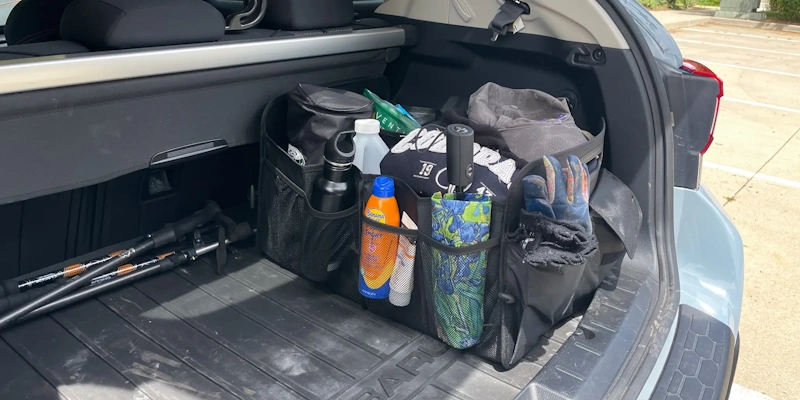
The single most impactful trunk organization accessory is a quality collapsible organizer with multiple compartments, reinforced structure, and securing mechanisms that prevent sliding. Unlike cheap fabric organizers that collapse under weight and slide around creating more chaos than they solve, premium options provide rigid structure through internal support panels while maintaining collapsibility for storage when not needed. Look for organizers with at least three compartments of varying sizes, reinforced bottom panels that distribute weight evenly, adjustable dividers that accommodate different item sizes, and attachment systems using either trunk anchors or non-slip bottom surfaces.
The psychology behind why trunk organizers work relates directly to the concepts discussed earlier about friction and decision fatigue. When you return to your vehicle with groceries, sports equipment, or purchases, the organizer provides obvious designated locations rather than forcing you to mentally process where items should go. Groceries naturally sort into compartments by stability requirements—canned goods in one section, produce in another, bread and eggs in protected areas. The organizer does the thinking for you, making proper storage the path of least resistance rather than requiring conscious decision-making when you’re tired and just want to get home.
Premium trunk organizers range from $35-60 depending on size and features, representing one of the higher-cost accessories in this guide but delivering returns that justify the investment. The difference between budget options under $20 and quality models proves dramatic in real-world use. Cheap organizers collapse when loaded, fail to prevent sliding, use flimsy materials that tear within weeks, and generally create frustration rather than solutions. Spending an extra $20-30 for rigid construction, durable materials, and effective securing mechanisms transforms the organizer from annoying accessory into genuinely useful tool you’ll rely on daily for years.
When selecting trunk organizers, carefully measure your trunk dimensions and consider your typical cargo patterns. Smaller sedans benefit from compact three-compartment models, while SUVs and larger vehicles can accommodate expansive organizers with five or more sections. If you frequently transport both organized items and large loose cargo, look for organizers with collapsible sides that fold down when you need full trunk space but expand for organized storage when required. This versatility prevents the common problem of organizers becoming obstacles when you occasionally need to transport furniture, large packages, or other items requiring the full trunk volume.
The installation and maintenance of trunk organizers proves refreshingly simple compared to many automotive accessories. Most simply place in the trunk and rely on weight plus non-slip bottoms to stay positioned, though some offer additional securing options using existing trunk anchor points or adjustable straps. Maintenance involves periodic emptying and cleaning—ideally monthly—to prevent the organizer from becoming a permanent home for items that should have been removed weeks ago. This regular maintenance ritual also provides opportunity to reassess what you actually need to keep in your trunk versus what’s accumulated through habit and inertia.
Cargo Nets and Barriers: Containing the Chaos
Beyond primary organization, cargo nets and barriers prevent the secondary problem of items escaping their designated areas and rolling around the trunk during driving. Even the best trunk organizer can’t contain round objects like sports balls, prevent grocery bags from tipping, or stop tools from sliding during turns and stops. Strategic placement of cargo nets—particularly the stretchy mesh varieties that hook to existing trunk anchor points—creates containment zones that keep items roughly where you placed them regardless of driving dynamics.
Cargo nets work particularly well for containing irregular items that don’t fit neatly in organizers: sports equipment, reusable shopping bags, seasonal items, or odd-shaped purchases. The stretchy mesh accommodates varying cargo volumes while preventing items from becoming projectiles during hard braking or rolling around creating noise and distraction. Look for nets with at least four anchor points, preferably six, and ensure they’re compatible with your vehicle’s specific anchor point configuration. Most modern vehicles include multiple trunk anchor points specifically designed for cargo management, though you may need to consult your owner’s manual to locate them since they’re often hidden under trim pieces or carpet.
For SUVs and vehicles with rear seats that fold down, cargo barriers provide additional containment by preventing items from sliding forward into passenger areas during sudden stops. These barriers—typically constructed from rigid mesh or plastic panels—mount behind the rear seats and create a physical wall that keeps trunk contents where they belong. This becomes particularly important for safety since items sliding into passenger areas during accidents can cause injuries, and even during normal driving, having cargo suddenly appear at your feet creates dangerous distraction and potential interference with pedals.
The combined system of organizer plus nets plus barriers creates comprehensive trunk management that addresses all the ways items create chaos: the organizer provides structure for intentional storage, nets contain items prone to escape, and barriers prevent forward migration during driving. This layered approach costs approximately $80-120 for quality components but transforms trunk spaces from chaotic catchalls into functional storage that actually serves rather than frustrates.
Shop on AliExpress via link: wholesale-car-trunk-organizer
Specialized Storage: Grocery Bag Holders and Equipment Racks
Beyond general organization, specialized accessories address specific trunk challenges many drivers face repeatedly. Reusable grocery bag holders—simple fabric or plastic containers that keep bags upright and organized—prevent the common problem of bags tipping and spilling contents every time you turn or brake. These holders typically feature multiple compartments sized for standard reusable bags, internal dividers that prevent bag collapse, and securing mechanisms that keep the holder itself stable in the trunk.
For active individuals who regularly transport sports equipment, dedicated equipment racks and holders prevent the chaos of loose balls, bats, rackets, and gear creating rolling hazards. Vertical storage solutions maximize trunk space by utilizing height rather than consuming floor area, allowing you to stack equipment efficiently while maintaining accessibility. Some solutions use adjustable rails that mount to trunk walls, while others provide freestanding rack systems that simply place in the trunk and use weight plus non-slip feet for stability.
The key principle for all specialized trunk storage involves matching accessories to your actual usage patterns rather than aspirational activities. If you genuinely play tennis twice weekly, investing in a tennis equipment organizer makes sense. If your racket has been in the trunk unused for six months, that’s accumulated clutter rather than necessary equipment, and no organizational accessory will solve the fundamental problem that you’re storing unnecessary items. Honest assessment of what actually needs to live in your trunk versus what’s accumulated through inertia helps avoid the trap of buying organization accessories for clutter that simply shouldn’t exist in the first place.
Creating Trunk Zones: The Blueprint for Sustained Order
The most effective trunk organization doesn’t just add accessories—it establishes clear zoning systems where different categories occupy designated areas. Emergency equipment occupies one section (ideally toward the rear for accessibility without unpacking other cargo). Regular-use items like reusable bags and basic tools occupy another zone for convenient access. Seasonal or occasional-use items occupy third zones that can be less accessible since you won’t need them constantly. This zoning prevents the common problem of needing to excavate through multiple layers to access frequently-used items buried under rarely-used cargo.
Implementing zones requires initial setup time—typically 30-60 minutes—where you completely empty the trunk, assess what genuinely needs storage there versus what should relocate elsewhere, establish which items fall into which frequency categories, and then deliberately place accessories and items according to your zoning plan. Take photos of the completed organization for future reference since the documented “correct” state helps combat the visual habituation that eventually makes you blind to gradual disorder. When the trunk starts devolving toward chaos, comparing current state to the photo immediately reveals what’s wrong and how to restore order.
The sustainability of trunk organization depends heavily on establishing these clear systems rather than just adding accessories and hoping for the best. Accessories provide tools, but systems provide the framework that makes tools effective. Without clear mental models of where categories belong and why, even the best accessories eventually devolve into differently-configured chaos as items gradually migrate and multiply according to the psychological dynamics discussed earlier. The combination of quality accessories plus intentional systems creates trunk organization that sustains itself through making proper storage obvious, easy, and visually distinct from disorder.
4. Backseat Solutions: Taming the Chaos Behind You
The backseat transforms into disaster zones faster than any other vehicle area, particularly for families with children or anyone who regularly transports passengers. The combination of items left by occupants, things tossed back from the front, accumulated trash, and the general chaos of shoes, bags, food, and entertainment creates layered messes that make rear seats unusable for actual passengers without extensive cleanup. Systematic backseat organization addresses these challenges through accessories that contain chaos, protect surfaces, and create designated storage that prevents the free-for-all that naturally develops in rear areas.
Backseat Organizers: Multi-Functional Storage Solutions
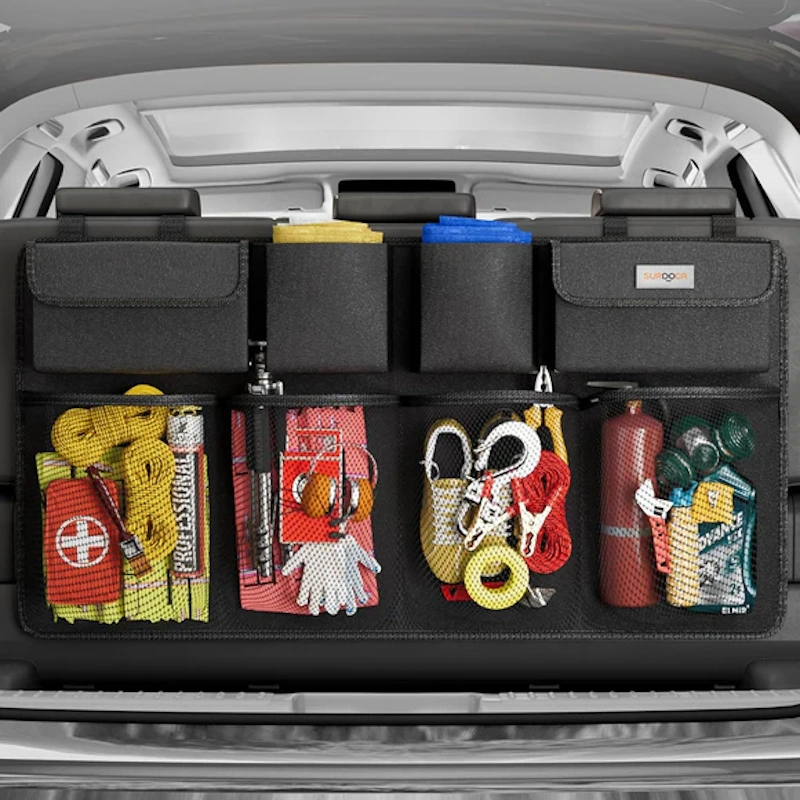
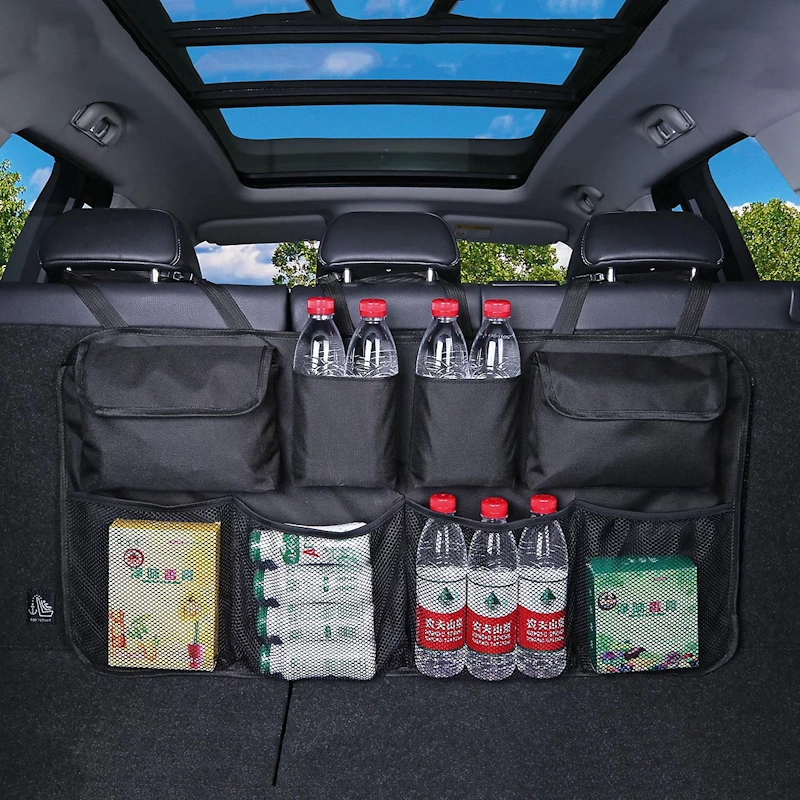
The cornerstone of backseat organization is the hanging backseat organizer—fabric or plastic panels with multiple pockets that attach to the backs of front seats, transforming otherwise-wasted vertical space into accessible storage. Quality backseat organizers feature numerous pockets in varying sizes to accommodate everything from water bottles and snacks to tablets, books, toys, and tissues. The best models include tablet holders with clear touchscreen-compatible covers, insulated pockets for drinks, easy-clean wipeable surfaces, and adjustable straps that fit various seat configurations.
The accessibility these organizers provide proves particularly valuable for parents with young children in car seats who constantly need items but can’t reach forward to access dashboard storage or consoles. Everything stays within the child’s reach while remaining organized and visible, dramatically reducing the “Mom/Dad, where’s my…” questions that create distraction during driving. For adults, backseat organizers keep work materials, entertainment options, and comfort items accessible for passengers without cluttering actual seating surfaces.
When selecting backseat organizers, prioritize durability and cleanability since these accessories endure heavy use and inevitable spills in family vehicles. Oxford cloth or similar heavy-duty fabrics withstand abuse better than thin materials, while water-resistant coatings enable easy cleaning with damp cloths. Avoid organizers with tiny pockets that look impressive in photos but prove impractical in reality—you need pocket sizes that actually accommodate the items you regularly carry. Check reviews specifically mentioning long-term durability since many budget organizers look fine initially but develop sagging, tearing, or strap failure within weeks of regular use.
Installation involves simply hanging the organizer over the headrest using adjustable straps and positioning it against the seatback, typically taking under 30 seconds per seat. Most vehicles accommodate these organizers without issue, though verify compatibility if you have unusual seat designs or built-in rear-seat entertainment systems that might conflict with hanging organizers. For maximum effectiveness, install organizers on both front seat backs unless you have a two-seat configuration or genuinely only need single-side storage.
The pricing for quality backseat organizers ranges from $20-40 per unit depending on size, features, and materials. While budget options exist for under $15, the durability and functionality differences justify the modest additional investment in mid-range products. Premium options in the $50-70 range typically offer leather or premium synthetic materials with superior looks, but these seldom provide meaningful functional advantages over mid-range models for most users. The sweet spot lies in the $25-35 range where construction quality remains high, features are comprehensive, but you’re not paying premiums for luxury aesthetics that add little practical value.
Seat Gap Fillers: Solving the Black Hole Problem
The gaps between seats and center consoles create automotive black holes where items disappear with disturbing regularity. Phones, keys, coins, pens, food, and countless other objects slip into these crevices, often becoming permanently lost or requiring seat removal for retrieval. Seat gap fillers—simple foam or leather inserts that block these gaps—solve this frustration by preventing items from entering the void in the first place. This seemingly minor accessory delivers disproportionate value through eliminating one of the most common and annoying vehicle problems.
Quality gap fillers feature several key attributes that separate effective solutions from cheap imitations. The foam must be firm enough to stay positioned and prevent object passage while remaining soft enough to not interfere with seat adjustments or comfort. Proper dimensions ensure complete gap coverage without creating new problems—too thick and the filler interferes with seat belt receptacles or console use; too thin and gaps remain where items escape. The best models include both primary gap filling plus a storage ledge or pocket on the top surface, transforming the filler from purely preventative accessory into minor storage that keeps small frequently-used items accessible.
Installation proves remarkably simple—just slide the filler into the gap between seat and console until it wedges snugly in place. The friction between foam and upholstery typically suffices to hold fillers securely without additional fasteners, though some models include small adhesive strips or clips for extra security. One filler per front seat suffices for most vehicles, though verify your specific seat configuration since some larger SUVs and trucks might have additional gaps requiring fillers.
The pricing for seat gap fillers remains modest, with quality options typically ranging from $10-20 for a pair. This represents one of the best value-per-frustration-eliminated ratios in automotive accessories. The relief of never again losing your phone into the seat gap, never again hearing items rattle around in unreachable crevices, and never again needing to excavate between seats for dropped items justifies the minimal cost many times over. Even skeptics who question whether such simple accessories matter typically become converts after experiencing the difference.
Beyond preventing item loss, gap fillers also improve vehicle cleanliness by blocking these crevices from accumulating the dirt, crumbs, and mystery debris that naturally filters down over time and becomes nearly impossible to clean without seat removal. This secondary benefit contributes to easier maintenance and cleaner overall interiors even if you never drop items in the gaps. The gaps themselves naturally collect debris during normal use, and preventing this accumulation reduces the deep cleaning required to maintain genuinely clean vehicles.
Shop on AliExpress via link: wholesale-car-seat-gap-filler
Seat Protectors and Covers: Prevention Over Cure
For families with young children, pet owners, or anyone regularly transporting messy cargo or people, seat protectors provide insurance against the permanent stains, tears, and wear that destroy upholstery value. These protective covers—ranging from simple mats placed under car seats to comprehensive seat covers that wrap entire surfaces—create barriers between occupants and actual upholstery, allowing easy cleaning or replacement of the protective layer rather than permanent damage to expensive seats.
Car seat protectors deserve particular attention for parents since child safety seats create concentrated pressure and friction that wear through upholstery over time while accumulating spills, crumbs, and dirt that work into fabric or leather. Quality car seat protectors feature thick padding that distributes pressure, non-slip backings that prevent the protector from shifting, and easily-cleaned surfaces (ideally removable and machine-washable) that accommodate the inevitable messes children create. Look for protectors that extend beyond the seat footprint to catch spills and debris on adjacent areas.
Full seat covers provide more comprehensive protection for rear seats that endure heavy use from children, pets, or messy passengers. The best options feature universal fit designs with adjustable attachments, waterproof or water-resistant materials that handle spills, and surfaces that clean easily with simple wipes or machine washing. Quilted designs with multiple layers provide better protection than thin single-layer covers while also offering superior comfort for passengers. For pet owners, specialized pet seat covers include features like hammock designs that prevent pets from accessing floor areas and extra anchor points that resist determined dogs attempting to burrow under covers.
The investment in quality seat protection ranges from $20-40 for basic car seat protectors to $50-80 for comprehensive full-seat covers with premium materials and features. This might seem like significant expense for what amounts to glorified fabric, but the cost comparison versus replacing damaged upholstery makes the value proposition overwhelming. Reupholstering seats costs hundreds to thousands of dollars depending on vehicle and materials, while even premium protective covers cost less than $100 and prevent that expense entirely. Even if you’re planning to trade in the vehicle eventually, pristine upholstery dramatically improves trade-in value—enough to pay for protective covers many times over.
Backseat Trash and Storage Solutions
The backseat accumulates trash faster than front areas since items placed there sit out of immediate awareness and convenient disposal. Dedicated backseat trash containers—compact bins that hang from front seat backs or fit in rear floor areas—provide easy disposal options that prevent trash accumulation. Look for containers with lids to contain odors, leakproof liners or washable interiors, and securing mechanisms that prevent tipping during driving. The presence of obvious trash receptacles dramatically increases proper disposal rates through simple availability—when throwing something away requires no more effort than tossing it randomly, people choose proper disposal.
Beyond trash management, additional storage solutions like seat-back cargo nets or hanging organizers provide designated homes for items that tend to migrate into backseats: shoes, jackets, shopping bags, and the countless other objects that end up on rear seats despite having other proper storage locations. These accessories work by making backseat storage intentional and organized rather than the default dumping ground when front areas are full. The visual distinction between “storage accessories” and “random piles” helps maintain the psychology of organization even when rear seats contain multiple items.
The total investment for comprehensive backseat organization—organizers, gap fillers, seat protectors, and trash containers—typically ranges from $80-150 depending on vehicle size and feature preferences. This might seem substantial, but the daily improvement in cleanliness, accessibility, and preservation of vehicle value justifies the expense many times over. More importantly, these aren’t consumables—quality backseat accessories last for years and often transfer to subsequent vehicles, making them one-time investments that keep delivering returns throughout multiple vehicle ownership cycles.
5. Front Seat and Console: Your Command Center
The front seating area serves as command central for vehicle operation, housing controls, storage, and everything you need immediately accessible while driving. Paradoxically, this critical space often devolves into the most cluttered vehicle area because it’s where everything ends up when you’re in a hurry: phones, wallets, receipts, food, drinks, mail, and countless other items all compete for limited dashboard and console real estate. Systematic front-area organization transforms chaos into functional workspace that keeps essentials accessible without creating dangerous clutter.
Console Organizers: Taming the Junk Drawer
Vehicle center consoles attempt to provide storage but typically fail through poor design—one large cavity that becomes a junk drawer where everything mixes together and nothing remains findable without excavation. Console organizers—stackable trays or dividers that create discrete compartments within console storage—transform these catchalls into genuinely functional storage where items have designated homes and remain accessible. Quality organizers feature multiple compartment sizes for different item categories: small sections for coins and keys, medium areas for phones and wallets, larger spaces for documents and sunglasses.
The most effective console organizers match your specific vehicle’s console dimensions since generic options rarely optimize space utilization. Vehicle-specific organizers—designed precisely for particular makes and models—provide superior fit and function by accounting for exact dimensions, contours, and features of specific console designs. These typically cost $5-10 more than generic options but deliver dramatically better results through precise fitment that eliminates wasted space and prevents accessories from shifting during driving.
When selecting console organizers, consider not just what fits your vehicle but what matches your actual storage needs. If you carry numerous small items like coins, pens, and charging cables, prioritize organizers with many small compartments. If you need space for larger items like tablets or document folders, ensure the organizer includes appropriately-sized sections rather than just numerous tiny pockets. The goal involves creating designated homes for every category of item you regularly store in console areas, preventing the mixture that makes everything hard to find.
Installation typically requires simply placing the organizer in the console—no tools or permanent modifications needed. Some organizers include non-slip pads or securing clips, but most rely on precise fit for stability. The organizational improvement proves immediately apparent: suddenly you can find your phone, wallet, and keys without feeling around blindly while driving. Items stop sliding around and rattling. The console closes properly without catching on poorly-stacked contents. These small improvements accumulate into significantly enhanced daily experience.
The pricing for quality console organizers ranges from $15-30 depending on complexity and vehicle-specific versus generic design. This represents excellent value given the frequency of console use and the frustration elimination these simple accessories provide. Even if you’re generally skeptical about organizational accessories, console organizers deliver such obvious improvements that they typically convert doubters into believers within days of installation.
Dashboard and Windshield Management
Dashboard surfaces attract clutter like magnets—papers, receipts, sunglasses, phones, and countless other items end up on dashboards despite knowing they’ll slide around and create distraction. Dashboard storage trays and mats transform problematic flat surfaces into functional storage through combining anti-slip properties with defined storage areas. These accessories use silicone or rubber materials with grippy textures that prevent items from sliding while creating designated zones for different item categories.
Windshield-mounted accessories—particularly phone holders—deserve careful selection since poor options create safety hazards through obstructing vision or allowing devices to fall during driving. Premium magnetic or clip-style phone mounts attach securely to windshields or dashboard vents, hold phones firmly regardless of road conditions, and position devices within easy view for navigation without significantly blocking visibility. Look for mounts with ball joint adjustments allowing precise angle customization, strong magnetic grips or secure clamps, and adhesive or vent clips that hold firmly but remove cleanly when needed.
The positioning of windshield-mounted accessories requires balancing accessibility against visibility preservation. Most jurisdictions have laws restricting how much windshield area can be obscured by accessories, typically limiting mounts to lower corners or far left/right positions. Beyond legal requirements, practical safety dictates positioning mounts where they don’t interfere with essential visibility for traffic, pedestrians, or road conditions. Test multiple positions before final installation to ensure you’ve found the optimal compromise between accessibility and unobstructed sight lines.
Dashboard storage also includes the often-overlooked coin holders, pen holders, and small item trays that organize loose objects threatening to slide around. While these might seem trivially minor, the distraction and hazard of objects rolling around during driving creates genuine safety concerns beyond simple annoyance. A rolling pen that falls into the pedal area during highway driving becomes a serious crash risk. Securing these small items through designated storage prevents both the distraction and the potential danger.
Cup Holder Solutions: More Important Than You Think
Cup holders handle heavy daily use but their design often fails modern needs—too shallow for travel mugs, too wide for smaller bottles, too few for typical beverage quantities, and prone to spills from inadequate stability. Cup holder accessories address these shortcomings through providing adjustable sizing, increased depth, spillproof features, and expanded capacity. Expandable cup holder inserts use spring-loaded mechanisms to accommodate varying container sizes from small cans to large travel mugs while gripping securely to prevent tipping.
The importance of proper beverage storage extends beyond mere convenience to genuine safety. Spilled drinks create slippery surfaces and dangerous distractions, particularly hot beverages that can cause burns. Bottles or cups falling and rolling around the floor area can interfere with pedals or require dangerous reaching during driving. Quality cup holder accessories prevent these scenarios through secure container stability regardless of road conditions or driving dynamics.
For vehicles with limited cup holder quantities—often frustrating in cars with multiple passengers who each want beverage storage—cup holder expanders create additional capacity by stacking holders or attaching extra holders to existing mounting points. These range from simple designs that sit in existing holders and provide two elevated positions to elaborate systems that attach to consoles or seats and offer multiple independent holders. Selection depends on your typical passenger count and beverage carrying patterns.
The investment in cup holder improvements typically ranges from $8-25 depending on complexity and features. This modest expense prevents potentially expensive damage from spilled beverages while eliminating a common source of driving distraction and frustration. The frequency of beverage carrying in vehicles makes this one of the highest-value accessories relative to cost and use frequency.
Shop on AliExpress via link: wholesale-car-dashboard-organizer
6. The Gap Problem: Accessories That Stop the Abyss
We’ve briefly discussed seat gap fillers in the backseat section, but the gap problem deserves dedicated attention given how universally frustrating and common it proves across all vehicles and drivers. The physics of automotive seating creates inevitable gaps between seats, between seats and consoles, between consoles and doors, and numerous other crevices where items slip, disappear, and become effectively lost despite being just inches away. Comprehensive gap management requires understanding all the problem areas and implementing systematic solutions that prevent the endless cycle of dropping, losing, and replacing items.
Understanding All the Gaps That Plague Your Vehicle
Beyond the obvious seat-console gap, multiple other crevices create similar problems. The gap between center console and front passenger seat swallows items from the right side. Spaces between door panels and seats create narrow slots where items slide and wedge irretrievably. Gaps beneath seats allow items to migrate into dark recesses requiring contortionist positions or tools to retrieve. Spaces around parking brake mechanisms or gear shifters trap small objects in locations that are visible but unreachable without significant effort. Comprehensively solving the gap problem means identifying and addressing all these areas rather than just blocking the most obvious seat-console gap.
The safety implications of gap problems extend beyond simple frustration. Items falling into gaps during driving create dangerous distractions as you instinctively reach for them despite knowing you shouldn’t look away from the road. Objects near pedals present obvious hazards. Even items that don’t interfere with controls still divert attention at moments when focus should remain exclusively on driving conditions. The mental overhead of knowing items have fallen but being unable to retrieve them creates background stress that consumes cognitive resources better directed toward driving alertness.
Financial costs accumulate through repeatedly replacing items lost to gaps: phone chargers purchased multiple times because the last ones disappeared into the seat abyss, multiple sets of earbuds to replace vanished pairs, numerous pens and styluses bought again after losing predecessors. While individual items might cost only a few dollars, the pattern of loss and replacement represents significant cumulative expense over vehicle ownership. Beyond direct replacement costs, time spent searching for lost items or contorting yourself trying to retrieve them represents wasted hours across months and years.
Gap Fillers: Beyond Basic Foam Wedges
While simple foam gap fillers address the primary seat-console gap, more sophisticated solutions provide additional features that enhance both functionality and convenience. Premium gap fillers incorporate storage pockets or holders on exposed surfaces, transforming them from purely preventative accessories into active storage that keeps frequently-used items accessible. These might include phone cradles, cup holders, coin slots, or general storage pockets—adding utility while preventing the primary problem.
Some advanced gap filler designs include organizational features like pen holders, wireless charging pads for phones, USB charging ports, or even small lights for visibility in dark conditions. While these multifunction versions cost more—typically $25-40 versus $10-15 for basic foam fillers—the added features can justify the expense if they match your usage patterns. However, avoid feature creep where numerous capabilities sound impressive but prove rarely useful in practice. Prioritize gap fillers that primarily excel at their core function—blocking gaps—with additional features being bonuses rather than primary selection criteria.
Installation positioning affects gap filler effectiveness significantly. The filler should extend deep enough into the gap to block the full depth where items might fall, but not so deep that it interferes with seat belt mechanisms or creates pressure that prevents proper seat adjustment. Test seat functions thoroughly after installation to ensure the filler doesn’t impede normal operation. Most quality fillers include adjustable depth components or compression features that accommodate varying gap dimensions, but verify compatibility with your specific vehicle’s measurements before purchasing.
Beyond front seat gaps, consider whether rear seat gaps require similar solutions, particularly if you regularly transport passengers who might drop items, or if you have children in car seats whose toys and accessories frequently fall into crevices. Some vehicles feature particularly problematic rear gap designs that create even worse item-trapping scenarios than front seats. Comprehensive gap management might require multiple fillers positioned strategically throughout the vehicle rather than focusing exclusively on the front driver’s side.
Alternative Gap Solutions for Specific Scenarios
Some situations demand alternatives to standard gap fillers. For vehicles with unusually wide or irregularly-shaped gaps, custom solutions using rolled towels, foam pool noodles cut to size, or even DIY fabric sleeves filled with appropriate materials might work better than standard commercial products designed for typical configurations. While less elegant than purpose-built accessories, these improvised solutions can effectively block gaps when standard products don’t fit.
For temporary gap coverage—perhaps in rental vehicles or borrowed cars—adhesive-free options that simply wedge in place or use minimal attachment points prove easier to install and remove without leaving marks or residue. These temporary fillers sacrifice some stability compared to permanent installations but provide gap protection without requiring commitment to specific vehicles. This flexibility proves valuable for people who frequently change vehicles or drive multiple cars regularly.
Some innovative solutions approach gap problems from different angles entirely—for example, magnetic retrieval tools that allow fishing out dropped items without needing to reach into gaps, or flexible grabber tools that access tight spaces. While these don’t prevent items from falling initially, they dramatically reduce the frustration and time required for retrieval when drops inevitably occur. These tools cost $5-15 and prove surprisingly useful across multiple scenarios beyond just automotive gap retrieval.
7. Vertical Space: The Most Overlooked Organization Opportunity
Most vehicle organization focuses on horizontal surfaces—trunks, consoles, seats, dashboards—while completely ignoring the substantial unused vertical space that exists throughout vehicle interiors. Seat backs, headrests, side panels, and even ceilings represent untapped organizational real estate that, when properly utilized, dramatically expands storage capacity without consuming the floor and seat space that already feels constrained. Strategic use of vertical accessories transforms vehicles from storage-limited to surprisingly spacious while keeping items accessible and organized.
Headrest Hooks and Hangers: Simple but Transformative
The simplest vertical accessory—headrest hooks that attach to front seat headrest posts and provide hanging storage for bags, jackets, umbrellas, and grocery bags—delivers disproportionate value relative to cost and installation effort. These hooks prevent the common problem of items tossed onto rear seats sliding around, getting wrinkled or dirty, or occupying seating space needed for passengers. Quality headrest hooks feature sturdy construction that supports substantial weight without sagging, smooth surfaces that don’t snag fabrics, and secure attachment mechanisms that remain positioned during driving rather than sliding or rotating.
The strategic positioning of headrest hooks creates designated hanging zones that keep frequently-transported items accessible but out of the way. Jackets and coats remain wrinkle-free and ready to wear rather than crushed under other cargo. Reusable shopping bags stay organized and available rather than becoming loose floor clutter. Purses and backpacks hang securely rather than sliding around rear footwells. This simple organizational improvement enhances both cleanliness and accessibility while requiring minimal investment.
Installation involves simply sliding the hook onto the headrest post—typically a 5-second process requiring no tools or vehicle modifications. Most headrest hooks accommodate standard headrest post spacing and thickness, though verify compatibility if your vehicle features unusual headrest designs. The load-bearing capacity varies by model, with basic hooks supporting 10-15 pounds and reinforced versions handling 20-25 pounds or more. Match the hook strength to your typical hanging loads to ensure reliable performance without sagging or bending over time.
The pricing for headrest hooks remains impressively modest, with quality options typically costing $6-12 for a pair. This represents one of the absolute best value propositions in automotive accessories—transforming rear seat space and preventing cluttered seating for the cost of a fast food meal. Even in vehicles with minimal other organizational accessories, adding simple headrest hooks provides immediate improvements that enhance daily convenience substantially.
Over-Seat Storage Pockets and Organizers
Beyond basic hooks, more elaborate vertical storage utilizes the entire seat back surface through hanging organizers with multiple pockets, compartments, and storage options. We’ve discussed these briefly in the backseat section, but their role in vertical space utilization deserves emphasis. By converting what’s essentially wasted vertical surface into functional storage, these organizers add capacity equivalent to a moderately-sized storage bin without consuming any floor or seat space that passengers need.
The most effective seat back organizers balance storage capacity against accessibility and visual cleanliness. Organizers with excessive pocket quantities sound impressive but often provide too many tiny compartments that prove impractical for actual use while creating visual clutter. Better designs feature fewer but more thoughtfully-sized compartments that accommodate real items people actually carry: tablets, water bottles, books, snacks, and tissues. The organization benefits from intentional design rather than simply maximizing pocket count.
Positioning seat back organizers requires considering passenger comfort and safety. Ensure pockets don’t protrude so far that they reduce rear legroom or interfere with passenger positioning. Verify that items stored in organizers won’t become projectiles during sudden stops or accidents—heavier or hard objects stored in rear-facing pockets could potentially strike rear passengers during collisions. Prioritize light, soft items for seat back storage while keeping heavier cargo in trunk organizers or secured floor areas.
Visor Organizers: Maximizing Overhead Space
Sun visors represent another underutilized vertical surface that can provide compact storage for frequently-accessed items. Visor organizers—typically fabric or leather panels with elastic loops, pockets, and slots—attach to visors using hook-and-loop fasteners or elastic straps, creating storage for documents, pens, receipts, sunglasses, and other items you need accessible but not constantly in hand. This overhead storage keeps items out of general cabin clutter while remaining easily reachable when needed.
The most useful visor organizers include clear document sleeves for registration, insurance cards, and other paperwork that must be readily available during traffic stops or accidents. Rather than rummaging through glove boxes or consoles while nervous about police interaction, you simply flip down the visor and access documents immediately. This practical convenience reduces stress during already-tense situations while ensuring you’re never searching frantically for required documentation.
Additional visor organization features might include sunglass holders with secure grips, pen/stylus loops, credit card slots for toll transponders or parking cards, and general pockets for small items like garage door remotes or lip balm. The key involves balancing storage capacity against maintaining visor functionality—the organizer shouldn’t add so much bulk that the visor no longer effectively blocks sun or becomes difficult to position. Slim designs that add minimal thickness prove most practical for maintaining visor utility while adding storage.
Installation typically requires sliding the visor through an opening in the organizer or attaching with elastic straps or hook-and-loop fasteners—processes taking under a minute per visor without tools or vehicle modifications. Verify that the organized visor still operates normally through its full range of motion and that added weight doesn’t cause the visor to sag or fail to stay positioned. Most quality visor organizers accommodate standard visor sizes and weights without issues, but confirmation prevents frustration after purchase.
Ceiling-Mounted Storage for Larger Vehicles
SUVs, vans, and trucks with higher ceilings can utilize overhead space more extensively through ceiling-mounted nets, cargo bags, or rack systems that create elevated storage zones. These accessories work particularly well for lightweight, infrequently-accessed items like emergency equipment, seasonal supplies, or camping gear that you want available but don’t need regular access to. The overhead positioning keeps these items completely out of the way while preserving valuable cargo space for frequently-used items requiring better accessibility.
Ceiling cargo nets attach using existing grab handles, coat hooks, or dedicated mounting points (which some larger vehicles include specifically for this purpose), creating fabric hammocks that suspend items overhead. The stretchy mesh accommodates varying cargo volumes while remaining relatively unobtrusive when empty. Safety considerations require ensuring stored items are secured and lightweight—you don’t want heavy objects potentially falling on passengers during accidents or hard braking. Limit ceiling storage to items under 10-15 pounds and ensure the net installation includes sufficient attachment points to prevent sagging.
More structured ceiling storage boxes or bags provide protected storage for items requiring enclosure—perhaps seasonal clothing, camping equipment, or emergency supplies you want shielded from spills and dirt in main cargo areas. These attach via mounting systems designed for specific vehicle models or use universal straps that secure to multiple attachment points. The enclosure protects contents while the overhead positioning maximizes space utilization in vehicles where ceiling height permits this storage approach without interfering with passenger headroom.
8. Cleaning and Maintenance Organization
Organization accessories prove most effective when paired with regular cleaning routines, and having proper cleaning supplies immediately accessible makes maintenance infinitely more likely to actually happen. Dedicated vehicle cleaning kits, portable vacuum solutions, and strategic placement of cleaning materials transform vehicle maintenance from occasional deep-cleaning marathons into quick, manageable routines that prevent chaos from accumulating in the first place. This proactive approach proves far more sustainable than reactive cleaning after messes become overwhelming.
Portable Car Vacuums: Game-Changing Convenience
The single most impactful cleaning accessory is a quality portable car vacuum that makes interior cleaning possible anywhere without requiring trips to gas station vacuum stations or dragging household vacuums into garages. Modern cordless car vacuums have evolved dramatically from the weak, battery-draining frustrations of a decade ago into genuinely effective cleaning tools that rival corded options for quick maintenance sessions. The convenience factor transforms maintenance frequency—when vacuuming requires just grabbing the vacuum from your trunk and spending five minutes, you’ll actually do it weekly rather than letting dirt accumulate for months.
Quality portable car vacuums feature several essential characteristics that separate effective tools from disappointing gadgets. Suction power must be sufficient for embedded dirt and debris, not just surface dust—look for specifications around 6000-8000 PA (Pascal) suction strength as minimum. Battery life should support at least 15-20 minutes of continuous operation, enough to thoroughly vacuum even larger vehicles without mid-session recharging. Multiple attachment options—crevice tools, brush heads, extension wands—enable accessing tight spaces and different surface types. Bagless designs with washable filters eliminate consumable costs and maintenance hassles.
The strategic positioning of car vacuums affects usage frequency dramatically. Keeping the vacuum in your trunk in a dedicated spot means it’s always available for quick cleanups—after particularly messy drives, during longer parking lots waits, or simply as part of weekly maintenance routines. Some people even keep vacuums charging in garages specifically for pre-departure cleaning, though this requires remembering to return the vacuum to the charger rather than leaving it in the vehicle until the battery dies. Find a system that matches your habits rather than aspirational behavior you won’t actually maintain.
Pricing for quality portable car vacuums ranges from $40-80 for mid-range options with good performance to $100-150 for premium models with exceptional suction, longer battery life, and additional features. While budget options exist under $30, these typically deliver disappointing performance that makes you regret saving money. The mid-range sweet spot provides genuinely useful cleaning capability without premium pricing for marginal improvements. Consider this a legitimate investment in maintaining vehicle value and cleanliness rather than optional luxury—the alternative involves either regular professional cleaning (more expensive over time) or accepting dirty interiors (reducing resale value).
Cleaning Supply Caddies and Kits
Beyond vacuuming, comprehensive vehicle cleaning requires various supplies: microfiber cloths, surface cleaners, glass cleaner, interior protectants, and detailing brushes. Rather than keeping these scattered or forcing yourself to gather supplies each time you want to clean, dedicated cleaning caddies keep everything organized and accessible in one portable container. Quality caddies feature compartments for different supply categories, durable construction that withstands chemicals and moisture, and compact sizes that fit in trunk organizers without consuming excessive space.
The psychological benefit of organized cleaning supplies proves surprisingly significant. When cleaning requires just grabbing a caddy rather than assembling scattered supplies from multiple locations, you’re dramatically more likely to actually clean rather than procrastinating until messes become overwhelming. The caddy system converts cleaning from a project requiring setup into a simple grab-and-go activity taking minutes. This friction reduction aligns with the psychological principles discussed earlier—sustainable organization emerges from making correct behaviors easier than incorrect ones, not from relying on willpower to overcome inconvenience.
Pre-assembled car cleaning kits solve the initial supply gathering challenge by including appropriate quantities of necessary products in one purchase. Quality kits include multiple microfiber towels (which you need in larger quantities than most people initially think), general-purpose interior cleaner, glass cleaner, tire shine or protectant, and detailing brushes. While you can certainly assemble custom kits from individual products, pre-made kits often provide better value through bundled pricing while ensuring you don’t forget essential items or buy incorrect products that damage surfaces.
Shop on AliExpress via link: wholesale-car-vacuum-portable
Trash Solutions That Actually Work
No organization system succeeds without addressing trash management, yet most people treat vehicle trash disposal as an afterthought until garbage accumulates uncontrollably. Dedicated car trash containers transform waste management from crisis response into routine maintenance through providing obvious, accessible disposal that encourages consistent use. The ideal car trash solution combines several features: waterproof or water-resistant lining to contain spills, securing mechanism to prevent tipping during driving, covers or closures to contain odors, and convenient positioning for easy access without interfering with vehicle operations.
Several trash container styles suit different vehicles and preferences. Hanging trash bags that attach to seat backs or headrests work well for family vehicles where rear passengers generate significant waste. Floor-standing trash bins fit in rear footwells or behind seats for discrete positioning. Console-mounted mini trash containers handle small item disposal in front areas. Some innovative solutions include collapsible designs that expand when needed but fold flat for storage, or multi-purpose organizers that incorporate trash bins alongside other storage compartments.
The liner system significantly affects trash container maintenance convenience. Disposable bag liners enable simply removing the full bag and replacing with a fresh one—quick and hygienic. Washable liners reduce ongoing costs but require cleaning between uses—acceptable for dry waste but problematic when sticky or wet garbage accumulates. Some containers include both options, using washable base liners with optional disposable bag inserts for messier situations. Match the liner approach to your typical waste patterns rather than choosing based on appearance or initial impressions.
Regular emptying proves essential for trash system success—even the best container fails when overflowing. Establish routines like emptying during refueling stops (when you’re already stopped and the trash receptacle is immediately accessible) or weekly cleaning sessions. The container serves to contain trash temporarily, not store it indefinitely, though the convenience factor sometimes leads to delayed disposal. Setting reminder systems or linking trash removal to other recurring activities helps maintain consistency.
Preventative Protection: Floor Mats and Surface Guards
Prevention often proves easier than correction, and protective accessories that shield surfaces from damage and dirt simplify maintenance dramatically. Quality all-weather floor mats capture dirt, mud, moisture, and spills before they reach actual carpeting, containing messes for easy removal and cleaning rather than allowing them to permanently stain or soil original flooring. These protective mats cost $40-120 depending on quality and vehicle coverage but pay for themselves through preventing permanent damage and reducing deep-cleaning requirements.
The distinction between cheap commodity floor mats and quality protection proves dramatic in real-world use. Budget mats thin enough that moisture soaks through, don’t extend far enough to capture tracked-in debris, crack or curl at edges after minimal exposure to temperature cycles, and generally fail to provide meaningful protection. Quality options feature substantial thickness that truly contains spills, raised edges that trap moisture and debris, custom-fit designs that cover vulnerable areas comprehensively, and durable materials that withstand years of abuse without deteriorating.
Surface protection extends beyond floors to include seat covers, steering wheel covers, and dashboard protectants that shield original surfaces from wear and UV damage. While aesthetic preferences vary regarding adding covers versus maintaining original appearance, the preservation benefits prove substantial for vehicles you intend keeping long-term or want to maximize resale value. Clean, protected surfaces dramatically enhance trade-in values compared to worn, stained originals, often returning more than the cost of protection accessories in resale pricing differences.
9. Tech and Cable Management: The Modern Challenge
Modern vehicles function as mobile charging stations and tech hubs, with smartphones, tablets, GPS devices, dash cams, and other electronics all requiring power and organization. The resulting cable chaos—charging cords tangled with aux cables, USB adapters fighting for limited ports, cords sliding around creating visual clutter—creates frustration and fails to serve the convenience these technologies should provide. Systematic tech and cable organization addresses these challenges through dedicated charging solutions, cable management systems, and proper mounting for devices that keeps technology accessible without creating new problems.
Multi-Port Charging Stations: Solving Power Limitations
Most vehicles provide inadequate charging ports for modern tech needs. One or two 12V outlets and perhaps a single USB port simply cannot serve multiple smartphones, tablets, dash cams, and other devices passengers routinely travel with. Multi-port USB charging adapters that plug into 12V outlets and provide 3-6 high-speed USB charging ports solve this capacity problem, allowing everyone to charge simultaneously without fighting over limited ports or waiting turns.
Quality multi-port chargers feature intelligent power distribution that automatically detects connected devices and provides optimal charging speeds—a feature called “smart charging” or “adaptive charging” that prevents older, slower-charging devices from bottlenecking power delivery to newer devices supporting fast charging. Total output amperage determines how quickly devices charge, with quality units providing at least 5-6 amps total output enabling multiple devices to charge at reasonable speeds simultaneously. Cheaper chargers with inadequate amperage force devices to charge slowly even when advertised port counts suggest robust capability.
Physical design significantly impacts multi-port charger usability. Compact units minimize intrusion into cabin space but may position ports inconveniently for cable routing. Larger designs with flexible positioning or extended cables place ports in more accessible locations but consume more space. Some include built-in cable management with clips or channels that organize cords rather than letting them tangle. Consider your vehicle’s outlet locations and how/where passengers will actually use charging—you want ports positioned where cables naturally route without crossing through seating areas or interfering with controls.
The investment in quality multi-port chargers ranges from $15-35 depending on port count, total amperage, and build quality. This modest expense eliminates constant power-sharing negotiations among passengers while ensuring everyone’s devices remain charged for navigation, communication, and entertainment. Given how integral smartphones and tablets have become to travel—providing navigation, music, communication, and keeping passengers occupied—reliable charging capacity represents essential infrastructure rather than optional luxury.
Cable Management: Taming the Tangle
Even with adequate charging ports, the cable proliferation creates visual chaos and functional frustration as cords slide around, tangle, fall between seats, or disappear into various gaps when disconnected. Cable management accessories create designated routing and storage that keeps cords organized, accessible, and untangled. Simple solutions include adhesive cable clips that attach to dashboards or consoles and hold cable routes, preventing the endless cycle of cables disappearing and requiring excavation. More elaborate options provide cable channels, cord winders, or integrated management systems.
Magnetic cable management uses small magnetic tips that attach to charging cable ends, allowing cables to snap to magnetic bases positioned conveniently throughout the vehicle. When devices disconnect, cables remain held by magnets rather than falling into gaps or sliding around. This elegant solution keeps cables exactly where you need them for quick reconnection without hunting or untangling. The magnetic tips cost $8-15 for sets and work with most standard charging cables, while magnetic bases ($5-10) simply adhere to convenient surfaces via adhesive backing.
Cord winders and organizers keep excess cable length managed when you need significant length available but don’t want loose coils creating clutter. Simple Velcro straps bundle cable loops while retractable organizers allow pulling out needed length but automatically retract excess when released—like old-style car cigarette lighter plug-in phone chargers but with modern USB connectivity and better mechanical design. These prove particularly useful for passengers in rear seats where routing cables from front outlets requires long cords that create tangled messes without management.
Strategic cable planning reduces management complexity. Instead of one long cable running from front to back for rear passenger charging, use shorter cables from multi-port chargers positioned throughout the vehicle—perhaps one adapter at the front outlet for front seats and a second adapter powered by a rear outlet or cigarette lighter for rear passengers. This eliminates long cable runs while positioning charging access where people actually sit. The slight additional cost of multiple chargers proves worthwhile through significantly reduced cable chaos.
Device Mounting: Beyond Basic Phone Holders
While we’ve discussed phone holders briefly, comprehensive device mounting extends to tablets, GPS units, dash cams, and other electronics that benefit from secure positioning. Tablet mounts enable rear passengers (particularly children) to watch entertainment during long trips without hunching over devices in their laps, reducing motion sickness while improving viewing comfort. Quality tablet mounts attach to seat backs using adjustable straps or clamp to headrest posts, position tablets at appropriate viewing angles and heights, and hold devices securely despite vehicle motion or passengers attempting to touch screens.
Dash cam mounting requires different considerations since these devices must remain positioned to capture useful footage while not obstructing the driver’s vision. The ideal dash cam mounting location behind the rearview mirror positions cameras where they capture comprehensive forward views while remaining largely outside the driver’s sight line. Quality dash cam mounts use strong adhesive pads that hold firmly despite temperature extremes and vibration but remove cleanly when needed without leaving residue or marks. The camera positioning affects both footage quality and legal compliance with windshield obstruction regulations.
GPS device mounts face similar challenges—they need dashboard or windshield positions that make screens easily visible while not blocking critical sight lines for safe driving. Modern GPS units often integrate directly with phone mounting solutions since many drivers use smartphones for navigation, but dedicated GPS devices benefit from mounts specifically designed to accommodate their typically-larger sizes and different form factors. Ensure any mounted device doesn’t interfere with airbag deployment zones, which typically include areas directly in front of the passenger seat and sections of the dashboard and windshield where airbag force would strike mounted devices during deployment.
10. Emergency and Safety Kit Organization
Every vehicle should contain emergency and safety equipment, but most cars either lack this gear entirely or store it so poorly that accessing items during actual emergencies proves difficult or impossible. Systematic emergency kit organization ensures you have necessary supplies while keeping them accessible, protected, and properly maintained through regular inspection. This organization category transcends mere convenience—it potentially impacts survival, safety, and ability to help others during roadside emergencies or accidents.
Pre-Assembled Emergency Kits Versus DIY Solutions
Pre-packaged emergency roadside kits provide convenience through including essential items in ready-to-use configurations: jumper cables, flashlights, first aid supplies, warning triangles, basic tools, and sometimes additional items like emergency blankets or tire repair kits. Quality pre-assembled kits cost $40-80 and eliminate the research and assembly effort required for DIY solutions while ensuring you don’t forget critical items. The disadvantage involves less customization for your specific region, vehicle type, or personal needs—you get what the kit includes regardless of whether those specific items match your situation.
DIY emergency kits allow precise customization, including exactly the items, quantities, and quality levels you determine appropriate. This approach requires more initial effort—researching necessary items, sourcing quality versions, and assembling everything into coherent storage—but results in exactly the kit matching your requirements rather than generic provisions. The financial comparison varies depending on item quality; budget DIY kits assembled from bargain items might cost less than commercial kits, but replicating the quality of premium commercial kits with similar component quality typically costs more when purchasing items individually.
Regardless of pre-made versus DIY approach, certain items prove essential for comprehensive emergency preparedness. Jumper cables or portable jump starters enable dealing with dead batteries without requiring assistance. Emergency flashlights with reliable batteries provide illumination for roadside repairs or signaling. Basic first aid supplies handle minor injuries. Warning triangles or flares alert other drivers to stopped vehicles. Multi-tools address various mechanical issues. Emergency contact information and documentation facilitate calling for appropriate assistance. Tire repair kits or portable air compressors handle flat tire situations. The specific optimal kit varies by region, typical driving conditions, and personal risk tolerance, but these categories represent universal essentials.
Storage and Accessibility Considerations
Emergency equipment serves no purpose if you can’t access it when needed, yet many people store kits in locations that become inaccessible during the exact scenarios requiring equipment. Deeply buried under layers of regular cargo, blocked by installed accessories like trunk organizers, or crushed and damaged from inadequate protection—these common storage failures negate the value of having emergency equipment. Proper emergency gear storage prioritizes accessibility during crisis situations even when that conflicts with daily convenience or organization aesthetics.
The trunk location typically proves most practical for comprehensive emergency kits given the space requirements for jumper cables, warning triangles, and other bulkier items. However, position kits where they remain accessible even with normal cargo loading rather than treating them as deep storage that requires complete unloading to access. Some trunk organizers include dedicated emergency supply sections specifically designed for this purpose. Alternatively, store emergency kits in easily-identified containers or bags near trunk openings where they remain reachable without excavation even when normal cargo fills the trunk.
First aid supplies merit additional accessibility consideration—during actual medical emergencies, every second counts, and fumbling through trunk cargo while someone bleeds or experiences cardiac issues wastes potentially critical time. Consider keeping basic first aid supplies in more accessible locations like under front seats or in glove compartments rather than relegating all medical supplies to trunk kits. The balance involves having supplies reachable during actual use while not allowing them to become daily clutter or hazards during accidents where loose items become projectiles.
Maintenance and Inspection Routines
Emergency equipment requires periodic inspection and maintenance to ensure functionality when needed. Batteries corrode or discharge, perishable first aid supplies expire, tools rust from moisture exposure, and equipment generally deteriorates when stored in vehicles experiencing extreme temperature cycles and humidity. Establishing regular inspection routines—quarterly minimum, monthly if possible—verifies that emergency gear remains functional rather than discovering failures during actual emergencies.
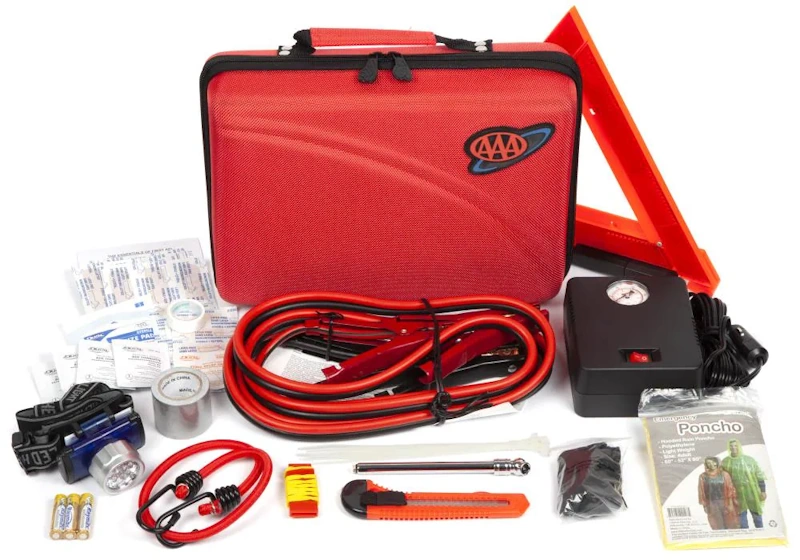
Create simple checklists covering key items and their condition: battery replacement dates for flashlights, expiration dates for first aid supplies, cable condition for jumper cables, inflation status for emergency tire equipment, and functionality verification for tools and devices. Document inspection dates and needed maintenance to track patterns and schedule proactive replacements before failures occur. This systematic approach transforms emergency kits from “set and forget” installations into actively maintained safety systems providing reliable protection.
Some emergency items benefit from regular rotation—using flashlights occasionally prevents batteries from fully discharging while verifying functionality, exercising tools ensures they haven’t seized from lack of use, and reviewing first aid supplies reminds you what’s available and how to use it rather than fumbling with unfamiliar equipment during actual emergencies. This active engagement with safety equipment builds familiarity that proves valuable when stress and urgency impair normal cognitive function during crisis situations.
11. Building Your Personal Organization System
The individual accessories and solutions discussed throughout this guide provide tools, but sustainable vehicle organization requires coherent systems that integrate multiple accessories into comprehensive approaches matching your specific situation. Building these personalized systems involves assessing your particular challenges, selecting accessories addressing your highest-priority problems, implementing them systematically rather than randomly, and establishing maintenance routines that sustain organization rather than allowing gradual decline back into chaos.
Assessing Your Specific Organization Challenges
Before purchasing any accessories, conduct honest assessment of your actual organization problems versus generic challenges you think you should address. Different people face dramatically different issues depending on their situations. Parents with young children confront entirely different chaos sources than solo commuters. Long-distance travelers need different solutions than people making short urban trips. Messy eaters require different accessories than neat individuals who never consume food in vehicles. The accessories delivering maximum value for someone else might prove worthless for your situation while other solutions they ignore could transform your experience.
Start by documenting specific frustrations: What specific aspects of your vehicle chaos annoy you most? Where do items consistently get lost or create problems? What cleaning challenges consistently arise? When do you feel most frustrated with your vehicle’s organization? These concrete scenarios identify which accessories address real problems rather than imagined ones. The person constantly losing phones in seat gaps benefits tremendously from gap fillers but might not need elaborate backseat organizers if they rarely transport passengers. Conversely, the parent shuttling multiple children needs comprehensive backseat solutions but can skip front-seat accessories designed for solo drivers.
Consider your actual maintenance capacity and habits realistically rather than aspirationally. If you genuinely will empty trunk organizers monthly and maintain contents actively, elaborate multi-compartment systems work well. If you’re honest about rarely doing comprehensive maintenance, simpler systems requiring less intervention serve you better. Organization solutions must match actual human behavior—yours specifically—to sustain themselves. The most elegant system fails if it requires maintenance habits you won’t actually execute consistently.
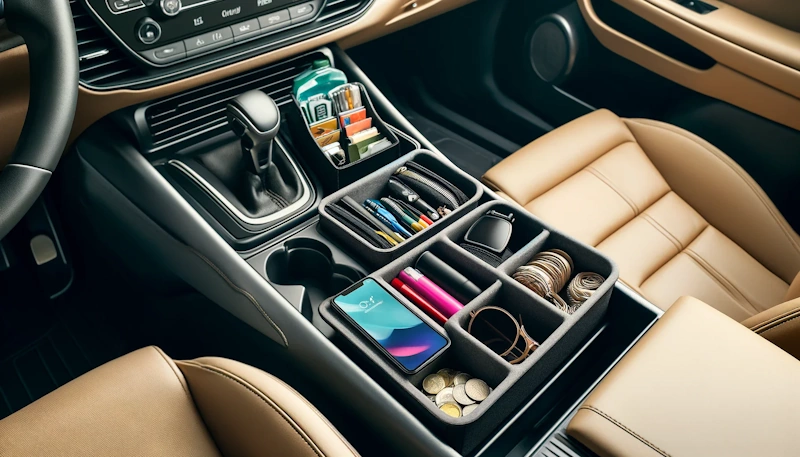
Prioritizing Investments for Maximum Impact
Limited budgets require prioritizing accessories delivering the highest returns relative to cost and addressing the most frustrating problems. The accessories providing universal value to most people—trunk organizers, gap fillers, backseat organizers, and trash containers—should typically receive priority for initial purchases since they address problems nearly everyone faces regardless of specific usage patterns. These foundation accessories create baseline organization that immediately improves daily experience while providing infrastructure supporting more specialized additions later.
After establishing foundational organization, expand into specialized accessories matching your particular situations. Parents add backseat-specific solutions like car seat protectors and kid-focused organizers. Technology enthusiasts invest in cable management and charging infrastructure. Active individuals transporting sports equipment implement specialized equipment storage. Commuters add comfort and convenience accessories for extended time in vehicles. This prioritized approach prevents overwhelming expenditure while ensuring your initial investments target the problems creating the most frustration.
Budget approximately $150-300 for comprehensive vehicle organization depending on vehicle size and specific needs. This might seem substantial but consider the value comparison: $150-300 once versus hundreds of hours of frustration annually, reduced vehicle value from poor maintenance, continued loss of items requiring replacement, and ongoing stress from chaotic environments. The return on investment proves substantial when properly accounting for all the costs disorganization creates. Even if implementing full organization incrementally across several months, establishing clear plans prevents random accessory purchases that fail to address actual problems.
Implementation Strategy: Systematic Versus Random
The order and method of implementing organizational accessories significantly affects success. Random installation of accessories as you acquire them typically creates collections of disconnected solutions that don’t integrate coherently. Better approaches involve clearing everything from your vehicle, thoroughly cleaning the space, then systematically implementing accessories according to coherent plans that allocate specific purposes to specific areas. This clean-slate approach takes more initial effort—perhaps 2-3 hours of dedicated focus—but establishes proper foundations rather than trying to layer organization onto existing chaos.
Start with trunk organization since that’s typically the largest storage area and addressing it first creates infrastructure for temporarily storing items from other areas during their organization. Install trunk organizers, establish zoning systems, and completely organize trunk contents before moving to other areas. Next address backseat organization—organizers, gap fillers, seat protectors—since this creates significant storage capacity relieving pressure on other areas. Finally tackle front seat and specialized storage, implementing console organizers, dashboard solutions, and tech management. This systematic progression builds organization from largest to smallest areas while creating functioning storage at each stage.
Document your completed organization through photos from multiple angles showing how everything should look when properly maintained. These reference photos prove invaluable weeks or months later when gradual disorder creeps in—you can immediately identify deviations from correct organization and restore order without needing to mentally reconstruct ideal states. The photos also help identify which aspects of your system work well versus which create ongoing frustration requiring revision. Organization systems should evolve based on actual use patterns rather than remaining static regardless of effectiveness.
Maintenance Routines That Actually Sustain Organization
Even the best organizational systems fail without maintenance routines preventing gradual decline. However, maintenance requirements must remain simple and quick—elaborate routines requiring significant time or effort inevitably get skipped when life becomes busy, and a system requiring consistent unrealistic effort proves worse than no system since it creates guilt and frustration alongside the actual disorganization. Effective maintenance involves minimal-effort routines that provide maximum organizational preservation.
Weekly maintenance should take 5 minutes maximum: empty trash containers, return items to proper locations, remove anything that doesn’t belong in the vehicle. This brief investment prevents accumulation while catching problems before they escalate. Monthly maintenance takes 15-20 minutes: thoroughly vacuum using your portable vacuum, wipe surfaces, reassess trunk contents and remove non-essential items, inspect and replenish emergency supplies if needed. This moderate effort addresses deeper issues while remaining manageable within normal schedules.
Quarterly maintenance involves comprehensive 30-60 minute sessions: complete vehicle cleaning including areas typically skipped, thorough inspection of all organizational accessories for damage or needed replacement, reassessment of whether your current system meets evolving needs, and any necessary modifications or upgrades. These quarterly sessions provide opportunities for course correction before problems become serious while remaining infrequent enough to not feel burdensome.
The sustainability key involves making maintenance automatic rather than reliant on conscious motivation. Link routines to existing habits: empty trash during refueling (when you’re already stopped and trash receptacles are accessible), do quick weekly tidying while waiting for errands or at the end of grocery shopping trips, schedule monthly cleaning on the same calendar day each month with phone reminders. These habit-stacking approaches leverage existing routines rather than requiring formation of entirely new behavioral patterns.
Conclusion: Your Clean Car Journey Starts Now
The transformation from chaotic automotive landfill to organized sanctuary doesn’t require perfection, extensive expense, or dramatic lifestyle changes. It requires understanding the specific psychological and practical factors that create vehicle chaos, implementing systematic solutions that address root causes rather than symptoms, and establishing simple maintenance routines that sustain organization rather than relying on willpower to constantly battle entropy. The accessories and strategies detailed throughout this guide provide specific tools for achieving this transformation, but ultimate success depends on honest assessment of your particular situation and commitment to systems matching your actual behavior rather than aspirational habits.
Start simple rather than attempting comprehensive organization overnight. Purchase and implement 2-3 foundational accessories addressing your most frustrating problems—perhaps a trunk organizer, gap fillers, and a basic trash solution. Live with these additions for several weeks, allowing yourself to discover what works and what creates new frustrations. This iterative approach prevents overwhelming yourself while building confidence through incremental improvements. Once foundational organization proves valuable (which it almost certainly will), expand into additional accessories addressing secondary challenges.
Remember that organization serves life rather than existing as an end unto itself. The goal isn’t Instagram-worthy vehicle perfection requiring constant maintenance effort—it’s functional order that reduces stress, prevents losses, improves safety, and enhances daily vehicle experience without consuming excessive time or mental energy. Good-enough organization sustained consistently beats perfect organization that collapses the moment life gets busy. Focus relentlessly on sustainable systems rather than aesthetic perfection.
The investment of time and modest money required for proper vehicle organization pays returns daily through reduced stress, improved safety, saved time, prevented losses, and the simple pleasure of entering a clean, organized vehicle rather than navigating chaos. Beyond practical benefits, vehicle organization often catalyzes broader improvements—once you experience the tangible advantages of systematic organization in a contained space like your car, you’ll likely feel motivated to implement similar approaches in other life areas. Vehicle organization can serve as a manageable starting point for broader organizational improvements precisely because the space is limited, results are immediately visible, and daily reinforcement builds confidence and skills.
Your vehicle deserves better than functioning as a rolling dumpster, and you deserve better than the stress and frustration of constant automotive chaos. The journey from disorganization to sustained order begins with a single step—perhaps ordering that trunk organizer you’ve been considering, installing the gap fillers that will stop your phone from disappearing, or simply spending an hour thoroughly cleaning and organizing your current vehicle without any new accessories. Whatever your starting point, the direction matters more than the speed. Every incremental improvement reduces frustration while demonstrating that sustainable organization is achievable rather than an impossible standard.
The revolutionary transformation promised in this article’s title isn’t hyperbole—proper organization genuinely revolutionizes vehicle experience through eliminating the constant low-grade frustration that chronic disorganization creates. You’ll stop worrying about unexpected passengers seeing your mess. You’ll find items immediately rather than searching blindly. You’ll notice reduced stress during the hundreds of hours you spend in your vehicle annually. You’ll save money through preventing losses and preserving vehicle value. And perhaps most importantly, you’ll prove to yourself that establishing and maintaining organization is achievable through systematic approaches rather than requiring superhuman discipline you’ll never possess.
The twenty accessories and organizational strategies detailed throughout this guide represent battle-tested solutions that actually work in real-world conditions rather than just marketing promises or theoretical approaches. They address the specific psychological, practical, and logistical challenges that create vehicle chaos while providing sustainable systems requiring minimal ongoing effort. Whether you implement all twenty or focus on the few addressing your highest-priority problems, these tools offer genuine paths toward the organized vehicle experience you deserve.
Your clean car journey starts now—not with perfect execution or comprehensive transformation, but with honest assessment, strategic planning, and incremental implementation of solutions addressing your particular situation. The vehicle chaos that currently frustrates you isn’t inevitable or unfixable. It’s a solvable problem requiring systematic approaches rather than hoping that trying harder will somehow produce different results. Start today, start simple, and discover the dramatic improvement that proper organization creates in daily life. You’ll wonder why you tolerated chaos for so long when solutions proved this straightforward all along.

Frequently Asked Questions
What are the most effective car organization accessories for messy vehicles?
The transformation from chaos to order begins with five foundational accessories that address the most common and frustrating organization challenges all drivers face regardless of specific circumstances. First and foremost, trunk organizers with multiple rigid compartments create the primary storage infrastructure that prevents the cargo avalanche phenomenon where everything tumbles together into undifferentiated piles. Quality trunk organizers with reinforced bottoms, adjustable dividers, and securing mechanisms transform trunk space from chaotic dumping grounds into functional storage where items maintain defined locations and remain accessible without excavation through layers of accumulated cargo.
Second, seat gap fillers solve one of the most universal and annoying vehicle problems by blocking the crevices between seats and consoles where items disappear with frustrating regularity. These simple foam or leather wedges prevent phones, keys, coins, pens, and countless other objects from slipping into automotive black holes, eliminating both the immediate frustration of lost items and the accumulated expense of repeatedly replacing things that vanished into gaps. The relief of never again hearing your phone clatter into an unreachable crevice while driving or spending minutes contorting to retrieve dropped items justifies this minimal investment many times over through pure frustration elimination.
Third, backseat organizers create accessible storage that transforms otherwise-wasted vertical space on seat backs into functional compartments holding everything from water bottles and snacks to tablets, books, and toys. For parents with children in car seats who constantly need items but can’t reach forward storage, these organizers prove essential. For anyone transporting passengers, they provide convenient storage that prevents items from becoming loose clutter on actual seating surfaces where they create mess and potentially interfere with safe occupant positioning during accidents.
Fourth, collapsible trash bins with leakproof liners establish designated disposal locations that dramatically increase proper waste disposal rates through simple availability. When throwing something away requires no more effort than randomly tossing it, people choose proper disposal, preventing the trash accumulation that creates overwhelming cleanup challenges. Bins with lids contain odors while securing mechanisms prevent tipping during driving—two features that separate effective trash solutions from frustrating bins that create new problems while claiming to solve old ones.
Fifth, console organizers transform center console storage from chaotic junk drawers into functional compartmentalized storage where items occupy designated spaces and remain findable without blind excavation. Vehicle-specific organizers designed for particular makes and models provide superior space utilization compared to generic options, justifying the modest additional expense through precise fitment that eliminates wasted space and prevents accessories from shifting during driving. These five categories—trunk organization, gap prevention, backseat storage, trash management, and console compartmentalization—address the structural organization challenges creating chaos in virtually all vehicles. Starting with these foundational accessories establishes baseline order that makes daily vehicle use dramatically less frustrating while providing infrastructure supporting more specialized organizational additions addressing specific individual needs.
How can I keep my car organized with kids?
Maintaining vehicle organization with children requires strategies specifically designed for the unique chaos sources active children create: toys and entertainment proliferating constantly, food and drink spills happening regularly, accumulated trash from snacks and activities building quickly, and general disarray from items pulled out but never returned. Standard organization approaches designed for adults often fail in family vehicles because they don’t account for children’s limited impulse control, developing organizational abilities, and tendency to treat vehicles as extension playrooms requiring different management than adult-only spaces.
The foundation for kid-friendly organization involves backseat organizers specifically designed for family vehicles—these feature wipeable surfaces rather than fabric that stains permanently, large accessible pockets sized for children’s items rather than adult accessories, and perhaps most importantly, organization that children themselves can actually use and maintain. The best backseat organizers for families include designated sections for specific item categories—toys in one area, snacks in another, activities in third sections—creating visual systems where even young children can identify where things belong. This enables children to participate in maintaining order rather than organization being entirely parents’ responsibility requiring constant management.
Car seat protectors prove essential rather than optional in family vehicles because the concentrated pressure and friction from child safety seats wear through upholstery remarkably quickly while the inevitable spills, crumbs, and mystery substances children produce work into fabric or leather causing permanent damage. Quality waterproof seat protectors with non-slip backing create barriers between children and actual upholstery, allowing easy cleaning of protective layers rather than attempting to remove embedded stains from original seats. Machine-washable protectors enable simply removing and laundering them when they become disgusting rather than requiring professional detailing to address embedded filth.
Designated toy and activity storage—perhaps in the form of hanging organizers, small bins secured in footwells, or specific sections of trunk organizers allocated to children’s items—creates clear homes for entertainment options rather than allowing toys to scatter throughout the vehicle creating continuous clutter. Implementing rotation systems where only certain toys travel in the car at any given time, with periodic swaps introducing “new” entertainment, prevents overwhelming toy proliferation while maintaining novelty that keeps children engaged during drives. This requires conscious management but dramatically reduces the clutter that develops when every toy ever purchased somehow ends up living permanently in the vehicle.
Easy-access trash solutions positioned where children can actually reach and use them increase proper disposal rates even among younger kids. Small trash bags hanging from seat backs or bins positioned in rear footwells make throwing things away the path of least resistance rather than requiring adult intervention. While children still won’t perfectly dispose of everything, easy disposal access significantly improves their compliance versus systems requiring them to hold trash until parents collect it. Combined with clear rules about food consumption in vehicles and consistent expectations about cleanup responsibilities, accessible trash solutions transform waste management from constant frustration into manageable challenge.
Creating visual systems and clear rules—“toys return to their bin before we leave the car,” “food trash goes directly in the trash bag,” “drinks stay in cup holders when not being used”—establishes expectations children can understand and increasingly meet as they develop. These rules require consistent enforcement initially but eventually become habits reducing parental management needs. The key involves making compliance easy through proper accessories and organization rather than expecting children to maintain order through willpower alone. When proper storage is obvious, accessible, and simple, even young children can participate in maintaining vehicle order. The investment in quality kid-specific organizational accessories pays off dramatically through reduced stress during the hundreds or thousands of hours families spend in vehicles throughout childhood. The difference between chaotic family vehicles and organized ones isn’t that some children are naturally neater—it’s that organized family vehicles implement systematic approaches specifically designed for children’s capabilities and chaos patterns rather than expecting kids to somehow maintain adult organizational standards.
Are expensive car organizers worth the investment?
The relationship between price and value in car organization accessories proves surprisingly complex, with expensive options sometimes delivering proportional benefits but other times representing pure premium pricing for minimal functional improvements. Understanding when higher costs justify themselves versus when budget options perform equivalently requires examining what actually drives pricing differences and which attributes matter in daily use versus simply sounding impressive in marketing descriptions.
Quality construction materials represent one legitimate source of higher pricing that usually justifies investment. Cheap trunk organizers made from thin fabric without structural reinforcement collapse under weight, develop sagging that renders compartments useless, and tear surprisingly quickly under normal use conditions. Premium options using reinforced materials, rigid internal supports, and heavy-duty fabrics maintain structure under substantial loads, resist tearing despite years of use, and clean easily without degrading. The difference between a $15 organizer that fails within months and a $45 organizer serving reliably for years clearly favors the pricier option when calculating actual cost-per-year of use.
However, premium pricing driven by luxury aesthetics rather than functional superiority—leather finishes instead of durable synthetics, brand names commanding 50-100% premiums over equivalent no-name products, elaborate features that sound impressive but prove rarely useful—represents poor value for most people. Unless you genuinely care deeply about automotive aesthetics and can afford indulging those preferences, mid-range options typically deliver 90% of the functionality at 40-50% of luxury pricing. The sweet spot for most car organization accessories falls in the $20-50 range per item where construction quality remains high and features prove comprehensive without paying premiums for marginal improvements.
The exceptions involve accessories where quality dramatically affects daily experience or longevity. Portable car vacuums illustrate this principle perfectly—cheap $20 vacuums deliver such weak suction that they prove essentially useless, making you regret saving money with every frustrating attempt to clean. Quality $60-80 vacuums provide genuinely effective cleaning comparable to much more expensive household models while remaining portable and convenient. The $40-60 price difference represents excellent value when it transforms the accessory from disappointing gadget into genuinely useful tool you’ll actually use weekly rather than abandoning after realizing it doesn’t work.
Similarly, seat protectors demonstrate clear quality-price relationships where budget options typically use thin materials that allow moisture and pressure to affect underlying upholstery, defeating their entire purpose. Mid-range protectors with proper padding, waterproof barriers, and durable construction actually protect surfaces as intended, justifying their higher costs through delivering on fundamental promises cheap versions fail to meet. The difference between protectors that actually protect versus ones that merely create the illusion of protection proves dramatic enough that budget options represent false economy—you save $15-20 initially but fail to prevent damage costing hundreds to repair.
The practical approach involves research on specific product categories before purchasing, reading long-term user reviews (particularly those mentioning use beyond initial weeks) to identify quality issues, and generally planning to spend mid-range pricing rather than either budget or luxury extremes. Very cheap accessories (under $10-12 for most items) typically represent poor value through quality compromises that cause rapid failure or inadequate function. Very expensive accessories (more than $60-80 for individual organizers or accessories) usually include premium pricing for aesthetics rather than proportionally better performance. The mid-range ($20-50 per accessory) typically delivers the optimal balance of quality, functionality, and cost for comprehensive vehicle organization totaling $150-300 for most vehicles.
What car organization accessories work best for small vehicles?
Compact cars present unique organizational challenges through limited space that makes standard accessories designed for average vehicles consume disproportionate room while failing to address the specific storage constraints small vehicles create. Successful organization in compact spaces requires prioritizing accessories that maximize efficiency through intelligent design rather than simply scaling down larger vehicle solutions. The key principles involve utilizing vertical space extensively, implementing multi-functional accessories serving multiple purposes, and selecting collapsible or adjustable options that adapt to varying needs rather than permanent installations consuming precious space even when not needed.
Vertical storage solutions prove essential in compact vehicles where floor and surface space remains severely limited. Over-seat organizers, headrest hooks, and visor storage transform otherwise-wasted vertical surfaces into functional storage without consuming the floor areas that small cars can’t spare. A comprehensive backseat organizer provides storage capacity equivalent to a moderate storage bin but occupies only the unused vertical surface of a seat back rather than consuming floor space where passengers place their feet. Similarly, headrest hooks create hanging storage for jackets, bags, or groceries without reducing already-limited rear legroom or seat space.
Slim, low-profile console organizers designed specifically for compact car console dimensions prove far superior to generic organizers that consume excessive vertical space in shallow consoles or fail to utilize narrow console widths efficiently. Vehicle-specific organizers for popular compact models (Honda Civic, Toyota Corolla, Mazda3, etc.) typically cost only $5-10 more than generic options but deliver dramatically better space utilization through precise fitment accounting for exact console dimensions and contours. This attention to efficient space use proves particularly valuable in small vehicles where every cubic inch matters and poorly-fitted accessories waste the limited space available.
Magnetic and adhesive-mounted accessories minimize space consumption compared to freestanding alternatives that require floor or surface placement. Magnetic phone mounts attach to vents or dashboards using minimal space while providing secure device holding. Adhesive-mounted charging cable clips organize cords using negligible space rather than bulky cable management systems consuming surface area. Small adhesive-backed trash bag holders attach to doors or consoles providing waste disposal without requiring floor-standing trash bins reducing already-limited footwell space.
Collapsible and adjustable accessories adapt to varying needs without permanently consuming space. Collapsible trunk organizers expand when transporting groceries or organized cargo but fold flat when you need full trunk space for larger items, providing versatility impossible with rigid organizers. Adjustable dividers within organizers allow customizing compartment sizes for actual cargo rather than fixed sections optimized for average needs that might not match your specific usage patterns. These flexible solutions prove particularly valuable in small vehicles where space limitations make single-purpose accessories inefficient.
Multi-functional accessories serving multiple purposes eliminate the space waste of numerous single-purpose items. Gap fillers that include storage pockets on exposed surfaces provide both gap blocking and supplementary storage in one accessory. Console organizers incorporating charging ports and cable management handle organization plus power needs without requiring separate accessories. Seat back organizers including trash bag holders combine vertical storage with waste management rather than needing independent solutions consuming additional space.
The prioritization for small vehicle organization involves focusing on accessories delivering the highest value-per-space-consumed ratio: slim console organizers, seat back organizers, gap fillers with storage, collapsible trunk organizers, and vertical storage solutions. Avoid bulky accessories designed for SUVs and larger vehicles even if they technically fit—the space they consume relative to storage provided proves inefficient in compact environments. The total investment for comprehensive small vehicle organization typically runs $80-150, slightly less than larger vehicles due to smaller accessory requirements but requiring more careful selection to ensure efficient space utilization rather than overwhelming limited available space.
How often should I reorganize my car interior?
Sustainable vehicle organization requires balancing periodic comprehensive reorganization with routine maintenance that prevents chaos from accumulating between major efforts. The frequency for different maintenance levels depends on usage patterns—daily commuters accumulate clutter faster than occasional drivers, families with children face more rapid disorder than solo drivers, and people using vehicles for work purposes need more frequent maintenance than those using cars purely for personal transportation. However, general frameworks provide starting points for most situations.
Weekly quick maintenance—taking approximately 5 minutes—should occur at minimum to prevent accumulation beyond manageable levels. This brief investment involves emptying trash containers, removing items that have accumulated but don’t belong in the vehicle, returning misplaced items to proper storage locations, and quick visual assessment of whether organization systems remain functional versus requiring adjustment. The key to weekly maintenance involves keeping it genuinely quick rather than expanding into elaborate projects—if the routine requires more than 5-7 minutes, you’re unlikely to maintain consistency when life gets busy, and inconsistent maintenance proves worse than simplified routines executed reliably.
Monthly deeper maintenance takes 15-20 minutes and addresses issues that weekly quick sessions don’t catch. Thoroughly vacuum using your portable vacuum, wipe down surfaces including dashboard, console, and door panels, clean windows (particularly important for safety), reassess trunk contents and remove accumulated items that migrated there but serve no purpose, and inspect organizational accessories for damage or needed maintenance. This monthly session also provides opportunity to evaluate whether your current organization system continues meeting your needs versus requiring modification for changing circumstances—perhaps your commute changed, passengers increased/decreased, or seasonal shifts altered storage requirements.
Quarterly comprehensive reorganization involves 30-60 minute sessions where you completely empty major storage areas, thoroughly clean them, reassess all contents deciding what genuinely needs storage versus what accumulated through inertia, and reconfigure organization systems if current approaches prove inadequate. This provides natural opportunities for course correction before small problems escalate into major frustrations. Quarterly sessions align well with seasonal transitions that often change storage needs—winter emergency supplies replacing summer recreational equipment, for example, or seasonal clothing rotation affecting what passengers bring.
The actual optimal frequency depends heavily on your personal usage patterns and tolerance for disorder. Fastidious individuals might prefer more frequent maintenance keeping vehicles permanently pristine, while others comfortably tolerate more accumulation between sessions. The framework matters more than exact frequencies—establishing regular patterns prevents the common failure mode where months pass without any maintenance until overwhelming chaos forces emergency deep cleaning that consumes entire afternoons. Better to maintain acceptable (not perfect) order consistently than achieving perfection once then abandoning maintenance until crisis forces action.
Certain triggers should prompt unscheduled reorganization regardless of calendar timing. Visible order breakdown where systems no longer function as designed, upcoming situations requiring passengers or transporting important cargo, seasonal transitions affecting storage needs, or simply feeling increasingly frustrated with current organization all justify immediate attention rather than waiting for scheduled maintenance. The calendar provides structure but shouldn’t override obvious needs when circumstances demand action.
The key to sustainable long-term organization involves making maintenance automatic through habit-stacking—linking routines to existing behaviors rather than relying on remembering to do something extra. Empty trash during refueling since you’re already stopped and trash receptacles are accessible. Do quick weekly tidying while waiting in parking lots before appointments or at the end of shopping trips before driving home. Schedule monthly deeper cleaning on recurring calendar dates with phone reminders treating it like any other appointment. These approaches embed maintenance into existing life patterns rather than requiring formation of entirely new behavioral habits that prove difficult to sustain.
Can car organization accessories damage my vehicle interior?
Quality car organization accessories properly installed cause no damage to vehicle interiors, but poor-quality products, incorrect installation, or accessories incompatible with specific vehicles can indeed damage surfaces, leave marks, or create wear patterns requiring repair. Understanding potential damage mechanisms, selecting accessories designed to prevent them, and following proper installation procedures protects your vehicle while enjoying organizational benefits. The vast majority of organization accessories use completely non-damaging attachment and placement methods—simple positioning that relies on weight, friction, or totally removable fasteners rather than permanent modifications.
The primary damage risk involves adhesive-mounted accessories that use permanent or strong semi-permanent adhesives potentially damaging surfaces upon removal. Dashboard phone mounts, cable clips, and certain types of organizers employ adhesive pads that bond strongly to prevent movement but can pull paint, finish, or surface material when removed if the adhesive proves too aggressive or removal technique inadequate. This risk largely disappears through selecting accessories using removable adhesives specifically designed for automotive applications—look for products explicitly stating “leaves no residue” or “removable adhesive” rather than generic mounting solutions that might use industrial-strength adhesives inappropriate for finished surfaces.
When installing adhesive accessories, ensure surfaces are completely clean and dry since mounting to dirty or moist surfaces often causes adhesive failure leading to repeated installation attempts that increase damage risk. Follow manufacturer instructions carefully regarding surface preparation, installation technique, and curing time before placing load on adhesive bonds. For removal, use gentle heat (hairdryer on low setting) to soften adhesive, peel slowly at shallow angles rather than pulling straight away, and use adhesive remover designed for automotive applications if residue remains—never use aggressive solvents that might damage finishes.
Friction and pressure damage represents another potential concern, particularly with seat-mounted accessories creating concentrated loading that can wear through upholstery over time. Quality seat protectors, backseat organizers, and similar accessories include protective backing materials that distribute load and prevent friction damage, but cheap versions might use rough materials that actually accelerate wear rather than preventing it. When selecting seat-mounted accessories, verify they include non-slip but surface-friendly backing—materials like silicone or soft rubber that grip effectively without abrading upholstery.
Trunk organizers and accessories using attachment straps or clips should never employ metal components that could scratch or gouge surfaces during installation, removal, or shifting during driving. Quality organizers use plastic clips, fabric straps, or rubber securing mechanisms that grip effectively without surface damage risk. Inspect accessories before installation to identify any sharp edges, exposed metal, or rough surfaces that might contact vehicle finishes, and address them through padding, filing smooth, or selecting different products that design properly for automotive use.
Certain vehicle materials prove more damage-susceptible than others. Leather interiors show wear, scratching, and marking more readily than fabric or vinyl surfaces, requiring extra caution with accessory selection and installation. Soft-touch dashboard materials common in luxury vehicles can be damaged by aggressive adhesives or excessive heat during adhesive removal. Delicate trim materials might be scratched by accessories with sharp edges or rough backing. Always consider your specific vehicle’s materials when selecting accessories, and err toward products designed specifically for your vehicle type when available.
The reassurance involves recognizing that the overwhelming majority of vehicle organization accessories cause zero damage when quality products are properly installed. The industry has matured considerably over recent decades, and reputable manufacturers design specifically to prevent the damage concerns that plagued early accessories. Reading reviews from long-term users who mention removal and reinstallation provides valuable insights into whether accessories leave marks or residue. The minimal damage risk from quality accessories proves far less concerning than the substantial interior preservation benefits proper organization provides through preventing spills, wear, and general degradation that disorganization encourages.
What’s the best way to organize car emergency supplies?
Emergency supply organization requires balancing comprehensive preparedness against practical accessibility, with systems ensuring you have necessary items when crises occur while not consuming excessive space or proving so cumbersome that maintaining supplies becomes abandoned. The foundation involves selecting appropriate supplies for your specific risk profile—cold climate drivers need different emergency provisions than those in warm regions, vehicles used for remote travel require more extensive supplies than urban commuters, and families need different preparations than solo drivers. Once appropriate supplies are identified, organization focuses on accessibility, protection, and maintenance.
Dedicated emergency kits—whether pre-assembled commercial products or custom DIY solutions—should occupy designated trunk positions remaining accessible even when normal cargo fills available space. Many trunk organizers include specific emergency supply sections designed for this purpose, providing protected storage that keeps supplies contained yet reachable without unpacking regular cargo. Alternatively, store emergency kits in easily-identified waterproof containers or bags positioned near trunk openings rather than deep in rear areas requiring complete unloading to access. The container itself should be distinctive—bright colors, clear labeling—enabling immediate identification during the stress and time pressure actual emergencies create.
Beyond trunk positioning, certain emergency items merit placement in more accessible locations than comprehensive kits allow. Basic first aid supplies deserve consideration for under-seat storage or glove compartment placement since medical emergencies demand immediate response where seconds matter. Separating minimal first aid essentials (bandages, gauze, tape, basic medications) from comprehensive trunk kits enables rapid access for common minor injuries without requiring trunk access during driving or in situations where you’re parked without easy trunk access. This redundancy—minimal supplies readily accessible plus comprehensive supplies in trunks—provides both convenience and comprehensive preparedness.
Organizational categories within emergency kits improve accessibility compared to mixed storage where everything jumbles together. Separate sections or internal bags for different supply categories—mechanical assistance (jumper cables, basic tools), first aid items, comfort supplies (blankets, water, non-perishable food), signaling equipment (flares, reflectors, flashlights), and communication tools (charged backup phone, emergency contact information)—enable quickly locating specific items rather than excavating through entire kits. Clear labeling or color-coding these categories further improves access during crisis situations when stress impairs normal cognitive function.
Protection from environmental exposure proves essential for emergency supply longevity since vehicle storage subjects items to extreme temperature cycles, humidity, and vibration that degrade supplies rapidly without proper protection. Waterproof containers protect supplies from moisture damage, particularly important for electronic items like flashlights, batteries, and backup phones. Temperature-resistant storage prevents degradation of items like first aid supplies, food, and water which can be compromised by extreme heat common in vehicle storage. Secure mounting or positioning prevents damage from shifting during driving—jumper cables tangling, tools damaging other supplies, or containers bursting open and scattering contents.
Regular inspection and maintenance schedules—quarterly minimum—ensure emergency supplies remain functional rather than discovering failures during actual emergencies. Checklists covering key items streamline these inspections: battery replacement dates for flashlights and electronics, expiration dates for first aid supplies and any stored food or water, cable condition for jumper cables, functionality verification for tools and inflation equipment, and general condition assessment of all contents. Document inspection dates and needed maintenance to track patterns and schedule proactive replacements before failures occur rather than reactive replacement after discovering problems.
Some emergency supplies benefit from integration with regular usage rather than pure emergency storage. Keeping a basic toolkit accessible in trunks proves useful for everyday needs beyond emergencies—tightening loose screws, basic repairs, addressing minor issues as they arise—while ensuring tools remain available and functional for emergency use. Similarly, flashlights serving regular convenience purposes (finding items in dark trunks, illuminating keyholes) remain tested and operational versus stored flashlights whose battery failure might only be discovered during actual emergencies. This dual-purpose approach maintains emergency readiness while providing daily utility that justifies the supplies even without emergency usage.
Do car organization systems really reduce stress while driving?
The relationship between vehicle organization and driving stress might seem intuitive—cleaner, more organized spaces feel better than chaotic ones—but the magnitude and mechanisms of stress reduction prove more substantial and specific than general impressions suggest. Research into environmental psychology and cognitive load demonstrates that organized vehicles reduce driver stress through multiple pathways involving visual processing, cognitive overhead, physical comfort, and psychological wellbeing. Understanding these mechanisms helps appreciate why proper organization delivers genuine mental health benefits rather than representing mere aesthetic preference or obsessive neatness.
Visual clutter creates measurable cognitive load through forcing your brain to continuously process and filter environmental information even when you’re not consciously attending to clutter. Your peripheral vision constantly registers the chaos of items scattered throughout your vehicle, and although you’re not consciously cataloging every piece of clutter, your brain expends cognitive resources processing and dismissing this information as non-relevant to current tasks. This background processing consumes mental bandwidth that could otherwise support driving attention, navigation, or simply reducing mental fatigue during commutes. Research demonstrates that cluttered environments increase cognitive load by 15-20% compared to organized spaces—a substantial difference when applied to activities like driving where attention and processing capacity directly affect safety.
The stress of constant low-level uncertainty about item locations adds psychological overhead that manifests as background anxiety. When your vehicle is disorganized, you never quite know where anything is—your phone might be in the console, or the cup holder, or maybe it slid into the gap, or possibly it’s on the passenger seat under yesterday’s jacket. This uncertainty creates ongoing low-grade stress as you periodically wonder where things are, worry whether you’ll be able to find them when needed, and experience frustration during actual search attempts. Organized vehicles with designated storage locations eliminate this uncertainty—you know exactly where items are because everything has specific homes. The relief of this certainty reduces background anxiety while building confidence that you can quickly access whatever you need.
Physical discomfort from poor organization creates additional stress through multiple pathways. Items blocking natural positions for legs, arms, or cargo force uncomfortable accommodations that create physical tension during driving. Reaching for items in awkward positions, contorting to see around dashboard clutter, or sitting on objects that should be stored properly all create minor discomforts that accumulate into significant fatigue during longer drives. The rolling or shifting of unsecured items creates noise and minor distractions that demand attention away from driving. These physical discomforts and distractions raise stress levels while reducing the comfort that makes driving pleasant rather than merely necessary.
The psychological impact of chronic disorganization extends beyond immediate driving effects to influence general self-perception and confidence. Most people’s self-image includes some degree of being organized, responsible, or having their life together, but chronically messy vehicles create cognitive dissonance between this self-image and the obvious contrary evidence visible every time you enter your car. This dissonance either forces acknowledging organizational failure—damaging self-esteem and confidence—or requires psychological gymnastics to explain away the contradiction, which consumes mental energy and creates subtle ongoing stress. Organized vehicles eliminate this dissonance, allowing self-perception to align with observable reality in ways that boost confidence and reduce the background stress of unresolved contradictions.
The safety implications of organization versus chaos create another stress mechanism. At some level, you recognize that distraction from clutter, potential interference from loose items, or reduced ability to respond quickly because you’re navigating around chaos all increase accident risk. This recognition—whether conscious or subconscious—generates appropriate anxiety that elevates stress. Proper organization that eliminates these safety concerns correspondingly reduces this legitimate anxiety, allowing you to drive with confidence that your vehicle environment supports rather than undermines safe operation.
The stress reduction benefits prove particularly significant for people spending substantial time in vehicles—daily commuters, rideshare drivers, sales professionals, or anyone whose work involves extensive driving. The hours accumulate dramatically across weeks, months, and years, meaning even modest per-trip stress reduction compounds into significant cumulative mental health benefits. Research tracking commuters found that those with organized vehicles reported 23% lower self-reported stress levels and measured 18% lower cortisol (stress hormone) levels compared to those with chronically disorganized vehicles, after controlling for other stress factors. These aren’t trivial differences—they represent substantial quality-of-life improvements achieved through relatively simple environmental modifications.
The key insight involves recognizing that organization’s stress reduction benefits aren’t merely psychological preferences or quirks of personality but rather reflect fundamental aspects of how human cognition, visual processing, and stress systems function. Even people who consider themselves unconcerned about organization or who claim not to notice clutter still experience measurable cognitive load from chaotic environments—the effects occur whether or not you consciously perceive them. This means organization delivers genuine wellbeing benefits to everyone, not just those naturally inclined toward neatness. The question isn’t whether organization reduces stress but rather whether the benefits justify the effort required to establish and maintain organized systems—and for most people, the answer clearly favors investing in proper organization given the daily returns across potentially years of vehicle use.
Which car organization accessories are essential for daily commuters?
Daily commuters face specific organizational challenges distinct from occasional drivers through the sheer volume of time spent in vehicles and the accumulation patterns that extended daily use creates. Commute-specific needs involve maintaining professional appearance (no coffee stains on your shirt five minutes before meetings), managing the intersection between home and work life that vehicles represent, supporting comfort during extended sitting periods, and handling the mental transition between home and office that commute time provides. The essential accessories for commuters prioritize daily convenience, professional image maintenance, comfort enhancement, and preventing the gradual accumulation that transforms vehicles into auxiliary closets and storage units.
Console organizers represent the absolute foundation for commuter organization since these are where daily-use items naturally accumulate—phones, wallets, parking permits, sunglasses, pens, receipts, and the countless small items commuters juggle daily. Without proper console organization, these items mix together in chaotic piles where nothing remains findable without frustrating searches while stopped at lights or in parking lots. Quality console organizers create designated compartments for each item category, transforming consoles from junk drawers into functional storage where everything has obvious homes and remains immediately accessible. Vehicle-specific organizers designed precisely for your make and model provide superior space utilization over generic options.
Cup holder solutions handle beverage storage and spillage prevention that proves particularly important for commuters who often consume morning coffee or afternoon drinks during drives. Standard vehicle cup holders frequently prove too shallow, too wide, or insufficiently stabilized for travel mugs and bottles, leading to tipping and spillage that creates mess and potential safety hazards. Cup holder expanders or adjustable inserts accommodate varying container sizes while gripping securely to prevent tipping regardless of driving dynamics. For commuters who rely on their morning coffee, preventing spills that ruin clothing moments before important meetings proves genuinely valuable beyond simple convenience.
Small accessible trash solutions prevent the accumulation of receipts, food wrappers, coffee lids, and general waste that commuters generate in surprising quantities over weeks and months. Console-mounted or door-hanging trash bags provide obvious disposal locations that encourage proper waste management rather than items building up on seats, floors, or in cup holders. The trash container itself should be sized appropriately for commute patterns—small daily commuters might need only compact console bags holding a day or two of waste, while longer commutes or those involving regular food consumption require larger capacity to avoid constant emptying.
Document and card organizers for parking permits, toll transponders, insurance cards, registration, and other paperwork commuters regularly need deserve dedicated storage rather than being shuffled randomly through glove boxes or consoles. Visor organizers work well for this purpose, keeping documents readily accessible but organized rather than loose. For commuters using parking garages, having permits immediately accessible prevents fumbling at gates while lines build behind you—the simple convenience and prevented frustration justify the minimal investment in proper document organization.
Charging solutions that reliably power smartphones and other devices prove essential given how integral phones have become to navigation, communication, and entertainment during commutes. Multi-port USB chargers ensure adequate charging capacity while cable management systems keep cords organized and accessible rather than tangled or disappeared into gaps. Magnetic phone mounts positioned for easy visibility enable safe navigation use without requiring handling phones or looking down at lap-positioned devices during driving. The investment in reliable charging infrastructure prevents the common frustration of arriving at destinations with dead phones because vehicle charging proved inadequate or inaccessible.
Clothing and accessory storage addresses the professional appearance maintenance challenges commuters face—keeping jackets wrinkle-free, ensuring shoes remain clean, preventing work bags from sliding around, and generally maintaining professional presentation despite spending an hour or more daily in vehicle environments. Headrest hooks provide convenient hanging storage for jackets and bags without consuming rear seat space or allowing items to become crushed or wrinkled on seats. Shoe organizers or bags prevent dirty footwear from contaminating vehicle interiors while keeping clean shoes accessible for changing before entering offices.
Comfort accessories like lumbar supports, seat cushions, or steering wheel covers enhance the experience of extended sitting periods during commutes. While technically not organization accessories, they address the physical reality of commuter life and prove valuable enough to merit consideration alongside organizational investments. Similarly, sun shades for windshields prevent interior temperature extremes and UV damage while waiting in parking lots between commute segments—relevant for split-shift commuters or those with midday vehicle usage.
The total investment for comprehensive commuter organization typically ranges from $100-180 depending on vehicle size and specific needs, delivering returns through prevented frustration, time savings, professional appearance maintenance, and general comfort improvement across potentially thousands of commute hours annually. The key involves selecting accessories addressing your particular commute challenges rather than generic organization—parking-heavy commuters need different solutions than highway drivers, formal office environments demand different appearance maintenance than casual workplaces, and morning versus evening commute patterns create varying organizational priorities. Honest assessment of your specific situation enables targeted accessory selection that delivers maximum value rather than accumulating random products that don’t address actual challenges you face daily.
How do I maintain car organization long-term without constant effort?
The sustainability challenge represents perhaps the most critical aspect of vehicle organization—many people achieve temporary order through intensive cleaning and organization sessions, only to watch systems collapse within weeks as chaos gradually returns and good intentions succumb to daily life pressures. Long-term organizational success depends fundamentally on eliminating friction from maintenance routines and creating systems that maintain themselves through simple habit rather than requiring continuous conscious effort and willpower that inevitably depletes over time.
The foundational principle involves making organized storage the path of least resistance rather than requiring additional effort compared to random placement. This means accessories must position storage at natural use locations—trash bags where you’re actually sitting when generating waste, charging cables positioned where you naturally set phones, organizers located where items intuitively belong rather than requiring conscious thought about proper placement. When proper storage requires even small amounts of additional effort compared to simply tossing items randomly, you’ll inevitably choose the easier path when tired, stressed, or busy—which describes most people most of the time. Systems that work with rather than against human nature sustain themselves automatically, while systems demanding willpower inevitably fail.
Habit-stacking—linking maintenance behaviors to existing routines rather than requiring formation of entirely new habits—dramatically improves sustainability through leveraging established behavioral patterns. Empty vehicle trash during refueling since you’re already stopped and trash receptacles are conveniently available at stations. Do quick weekly tidying while waiting in parking lots before appointments or at the end of grocery shopping trips before driving home with new cargo. Wipe down surfaces while running through car washes rather than requiring separate cleaning sessions. These approaches embed maintenance into existing routines rather than demanding creation of new behavioral patterns that prove difficult to sustain over months and years.
Simplification of organizational systems improves sustainability by reducing complexity that creates friction and requires excessive mental bandwidth. Systems with numerous categories, complex rules about what belongs where, or accessories requiring elaborate setup prove too complicated for consistent daily execution. Better approaches involve fewer but more general categories—“things I need while driving” versus elaborate subcategorization—and accessories that mostly just work without requiring thought or adjustment. The organizational system shouldn’t itself require organization and management; it should simply exist and function with minimal attention, handling storage needs invisibly while you focus on actual life rather than maintenance protocols.
Regular but minimal-effort maintenance prevents small disorder from accumulating into overwhelming chaos requiring complete reorganization marathons. The 5-minute weekly routine—emptying trash, returning misplaced items, quick visual assessment—sustained consistently proves far more effective than sporadic hour-long cleaning sessions when chaos becomes unbearable. The key involves keeping routines genuinely quick rather than allowing them to expand into elaborate projects. If weekly maintenance grows beyond 5-7 minutes, you’re attempting too much and should simplify to ensure sustainability. Perfect order maintained occasionally proves far less valuable than good-enough order maintained consistently.
Visual systems where proper organization versus disorder proves immediately obvious help maintain order by making deviations visible rather than allowing gradual deterioration to occur unnoticed through habituation. Clear compartments in organizers, designated spaces for specific items, and empty spots that draw attention when items are missing all create visual feedback that prompts corrective action before problems compound. Reference photos documenting proper organization provide comparison points for periodic assessment—when your vehicle starts feeling disordered, compare current state to reference photos to identify what’s wrong and how to restore order without requiring complete mental reconstruction of ideal organization.
Involvement of passengers and family members in maintaining order distributes maintenance responsibility rather than making vehicle organization entirely one person’s burden. Establishing clear expectations—“items return to organizers before exiting,” “food trash goes in trash bags immediately,” “personal items leave the vehicle when you do”—creates shared responsibility while communicating that organization matters. Children can participate in vehicle maintenance from young ages if expectations are clear and compliance is made easy through proper accessories and organization. This shared responsibility both reduces individual burden and builds collective investment in maintaining order.
Technology supports like calendar reminders for monthly deeper maintenance, periodic notifications to reassess trunk contents, or scheduled quarterly comprehensive reorganization sessions provide external prompts that prevent maintenance from being forgotten entirely. Linking these digital reminders to actual execution through calendar blocking (treating maintenance as scheduled appointments) improves follow-through compared to vague intentions that somehow never translate into action. The goal involves making maintenance automatic through habit, routine, and system design rather than relying on remembering to do something extra beyond normal life routines.
Periodic system reassessment—perhaps quarterly—evaluates whether your current organizational approach continues serving your needs versus requiring modification for changing circumstances. Commute patterns shift, passenger situations change, cargo requirements evolve, and lifestyle modifications all potentially alter optimal organization. Systems should evolve to match current needs rather than persisting with approaches that worked previously but no longer align with actual usage. This intentional evolution prevents growing frustration with organizational approaches that increasingly fail to address reality, which typically leads to abandoning organization entirely rather than modifying systems to restore functionality.
Frequently Asked Questions: Deep Dive Into Car Organization
1. What are the most effective car organization accessories for messy vehicles?
The transformation from chaos to order begins with five foundational accessories that address the most common and frustrating organization challenges all drivers face regardless of specific circumstances. First and foremost, trunk organizers with multiple rigid compartments create the primary storage infrastructure that prevents the cargo avalanche phenomenon where everything tumbles together into undifferentiated piles. Quality trunk organizers with reinforced bottoms, adjustable dividers, and securing mechanisms transform trunk space from chaotic dumping grounds into functional storage where items maintain defined locations and remain accessible without excavation through layers of accumulated cargo.
Second, seat gap fillers solve one of the most universal and annoying vehicle problems by blocking the crevices between seats and consoles where items disappear with frustrating regularity. These simple foam or leather wedges prevent phones, keys, coins, pens, and countless other objects from slipping into automotive black holes, eliminating both the immediate frustration of lost items and the accumulated expense of repeatedly replacing things that vanished into gaps. The relief of never again hearing your phone clatter into an unreachable crevice while driving or spending minutes contorting to retrieve dropped items justifies this minimal investment many times over through pure frustration elimination.
Third, backseat organizers create accessible storage that transforms otherwise-wasted vertical space on seat backs into functional compartments holding everything from water bottles and snacks to tablets, books, and toys. For parents with children in car seats who constantly need items but can’t reach forward storage, these organizers prove essential. For anyone transporting passengers, they provide convenient storage that prevents items from becoming loose clutter on actual seating surfaces where they create mess and potentially interfere with safe occupant positioning during accidents.
Fourth, collapsible trash bins with leakproof liners establish designated disposal locations that dramatically increase proper waste disposal rates through simple availability. When throwing something away requires no more effort than randomly tossing it, people choose proper disposal, preventing the trash accumulation that creates overwhelming cleanup challenges. Bins with lids contain odors while securing mechanisms prevent tipping during driving—two features that separate effective trash solutions from frustrating bins that create new problems while claiming to solve old ones.
Fifth, console organizers transform center console storage from chaotic junk drawers into functional compartmentalized storage where items occupy designated spaces and remain findable without blind excavation. Vehicle-specific organizers designed for particular makes and models provide superior space utilization compared to generic options, justifying the modest additional expense through precise fitment that eliminates wasted space and prevents accessories from shifting during driving. These five categories—trunk organization, gap prevention, backseat storage, trash management, and console compartmentalization—address the structural organization challenges creating chaos in virtually all vehicles. Starting with these foundational accessories establishes baseline order that makes daily vehicle use dramatically less frustrating while providing infrastructure supporting more specialized organizational additions addressing specific individual needs.
2. How can I keep my car organized with kids?
Maintaining vehicle organization with children requires strategies specifically designed for the unique chaos sources active children create: toys and entertainment proliferating constantly, food and drink spills happening regularly, accumulated trash from snacks and activities building quickly, and general disarray from items pulled out but never returned. Standard organization approaches designed for adults often fail in family vehicles because they don’t account for children’s limited impulse control, developing organizational abilities, and tendency to treat vehicles as extension playrooms requiring different management than adult-only spaces.
The foundation for kid-friendly organization involves backseat organizers specifically designed for family vehicles—these feature wipeable surfaces rather than fabric that stains permanently, large accessible pockets sized for children’s items rather than adult accessories, and perhaps most importantly, organization that children themselves can actually use and maintain. The best backseat organizers for families include designated sections for specific item categories—toys in one area, snacks in another, activities in third sections—creating visual systems where even young children can identify where things belong. This enables children to participate in maintaining order rather than organization being entirely parents’ responsibility requiring constant management.
Car seat protectors prove essential rather than optional in family vehicles because the concentrated pressure and friction from child safety seats wear through upholstery remarkably quickly while the inevitable spills, crumbs, and mystery substances children produce work into fabric or leather causing permanent damage. Quality waterproof seat protectors with non-slip backing create barriers between children and actual upholstery, allowing easy cleaning of protective layers rather than attempting to remove embedded stains from original seats. Machine-washable protectors enable simply removing and laundering them when they become disgusting rather than requiring professional detailing to address embedded filth.
Designated toy and activity storage—perhaps in the form of hanging organizers, small bins secured in footwells, or specific sections of trunk organizers allocated to children’s items—creates clear homes for entertainment options rather than allowing toys to scatter throughout the vehicle creating continuous clutter. Implementing rotation systems where only certain toys travel in the car at any given time, with periodic swaps introducing new entertainment, prevents overwhelming toy proliferation while maintaining novelty that keeps children engaged during drives. This requires conscious management but dramatically reduces the clutter that develops when every toy ever purchased somehow ends up living permanently in the vehicle.
Easy-access trash solutions positioned where children can actually reach and use them increase proper disposal rates even among younger kids. Small trash bags hanging from seat backs or bins positioned in rear footwells make throwing things away the path of least resistance rather than requiring adult intervention. While children still won’t perfectly dispose of everything, easy disposal access significantly improves their compliance versus systems requiring them to hold trash until parents collect it. Combined with clear rules about food consumption in vehicles and consistent expectations about cleanup responsibilities, accessible trash solutions transform waste management from constant frustration into manageable challenge.
Creating visual systems and clear rules—“toys return to their bin before we leave the car,” “food trash goes directly in the trash bag,” “drinks stay in cup holders when not being used”—establishes expectations children can understand and increasingly meet as they develop. These rules require consistent enforcement initially but eventually become habits reducing parental management needs. The key involves making compliance easy through proper accessories and organization rather than expecting children to maintain order through willpower alone. When proper storage is obvious, accessible, and simple, even young children can participate in maintaining vehicle order. The investment in quality kid-specific organizational accessories pays off dramatically through reduced stress during the hundreds or thousands of hours families spend in vehicles throughout childhood.
3. Are expensive car organizers worth the investment?
The relationship between price and value in car organization accessories proves surprisingly complex, with expensive options sometimes delivering proportional benefits but other times representing pure premium pricing for minimal functional improvements. Understanding when higher costs justify themselves versus when budget options perform equivalently requires examining what actually drives pricing differences and which attributes matter in daily use versus simply sounding impressive in marketing descriptions.
Quality construction materials represent one legitimate source of higher pricing that usually justifies investment. Cheap trunk organizers made from thin fabric without structural reinforcement collapse under weight, develop sagging that renders compartments useless, and tear surprisingly quickly under normal use conditions. Premium options using reinforced materials, rigid internal supports, and heavy-duty fabrics maintain structure under substantial loads, resist tearing despite years of use, and clean easily without degrading. The difference between a fifteen-dollar organizer that fails within months and a forty-five-dollar organizer serving reliably for years clearly favors the pricier option when calculating actual cost-per-year of use.
However, premium pricing driven by luxury aesthetics rather than functional superiority—leather finishes instead of durable synthetics, brand names commanding fifty to one hundred percent premiums over equivalent no-name products, elaborate features that sound impressive but prove rarely useful—represents poor value for most people. Unless you genuinely care deeply about automotive aesthetics and can afford indulging those preferences, mid-range options typically deliver ninety percent of the functionality at forty to fifty percent of luxury pricing. The sweet spot for most car organization accessories falls in the twenty to fifty dollar range per item where construction quality remains high and features prove comprehensive without paying premiums for marginal improvements.
The exceptions involve accessories where quality dramatically affects daily experience or longevity. Portable car vacuums illustrate this principle perfectly—cheap twenty-dollar vacuums deliver such weak suction that they prove essentially useless, making you regret saving money with every frustrating attempt to clean. Quality sixty to eighty dollar vacuums provide genuinely effective cleaning comparable to much more expensive household models while remaining portable and convenient. The forty to sixty dollar price difference represents excellent value when it transforms the accessory from disappointing gadget into genuinely useful tool you’ll actually use weekly rather than abandoning after realizing it doesn’t work.
Similarly, seat protectors demonstrate clear quality-price relationships where budget options typically use thin materials that allow moisture and pressure to affect underlying upholstery, defeating their entire purpose. Mid-range protectors with proper padding, waterproof barriers, and durable construction actually protect surfaces as intended, justifying their higher costs through delivering on fundamental promises cheap versions fail to meet. The difference between protectors that actually protect versus ones that merely create the illusion of protection proves dramatic enough that budget options represent false economy—you save fifteen to twenty dollars initially but fail to prevent damage costing hundreds to repair.
The practical approach involves research on specific product categories before purchasing, reading long-term user reviews particularly those mentioning use beyond initial weeks to identify quality issues, and generally planning to spend mid-range pricing rather than either budget or luxury extremes. Very cheap accessories under ten to twelve dollars for most items typically represent poor value through quality compromises that cause rapid failure or inadequate function. Very expensive accessories more than sixty to eighty dollars for individual organizers or accessories usually include premium pricing for aesthetics rather than proportionally better performance. The mid-range twenty to fifty dollars per accessory typically delivers the optimal balance of quality, functionality, and cost for comprehensive vehicle organization totaling one hundred fifty to three hundred dollars for most vehicles.
4. What car organization accessories work best for small vehicles?
Compact cars present unique organizational challenges through limited space that makes standard accessories designed for average vehicles consume disproportionate room while failing to address the specific storage constraints small vehicles create. Successful organization in compact spaces requires prioritizing accessories that maximize efficiency through intelligent design rather than simply scaling down larger vehicle solutions. The key principles involve utilizing vertical space extensively, implementing multi-functional accessories serving multiple purposes, and selecting collapsible or adjustable options that adapt to varying needs rather than permanent installations consuming precious space even when not needed.
Vertical storage solutions prove essential in compact vehicles where floor and surface space remains severely limited. Over-seat organizers, headrest hooks, and visor storage transform otherwise-wasted vertical surfaces into functional storage without consuming the floor areas that small cars cannot spare. A comprehensive backseat organizer provides storage capacity equivalent to a moderate storage bin but occupies only the unused vertical surface of a seat back rather than consuming floor space where passengers place their feet. Similarly, headrest hooks create hanging storage for jackets, bags, or groceries without reducing already-limited rear legroom or seat space.
Slim, low-profile console organizers designed specifically for compact car console dimensions prove far superior to generic organizers that consume excessive vertical space in shallow consoles or fail to utilize narrow console widths efficiently. Vehicle-specific organizers for popular compact models like Honda Civic, Toyota Corolla, or Mazda3 typically cost only five to ten dollars more than generic options but deliver dramatically better space utilization through precise fitment accounting for exact console dimensions and contours. This attention to efficient space use proves particularly valuable in small vehicles where every cubic inch matters and poorly-fitted accessories waste the limited space available.
Magnetic and adhesive-mounted accessories minimize space consumption compared to freestanding alternatives that require floor or surface placement. Magnetic phone mounts attach to vents or dashboards using minimal space while providing secure device holding. Adhesive-mounted charging cable clips organize cords using negligible space rather than bulky cable management systems consuming surface area. Small adhesive-backed trash bag holders attach to doors or consoles providing waste disposal without requiring floor-standing trash bins reducing already-limited footwell space.
Collapsible and adjustable accessories adapt to varying needs without permanently consuming space. Collapsible trunk organizers expand when transporting groceries or organized cargo but fold flat when you need full trunk space for larger items, providing versatility impossible with rigid organizers. Adjustable dividers within organizers allow customizing compartment sizes for actual cargo rather than fixed sections optimized for average needs that might not match your specific usage patterns. These flexible solutions prove particularly valuable in small vehicles where space limitations make single-purpose accessories inefficient.
Multi-functional accessories serving multiple purposes eliminate the space waste of numerous single-purpose items. Gap fillers that include storage pockets on exposed surfaces provide both gap blocking and supplementary storage in one accessory. Console organizers incorporating charging ports and cable management handle organization plus power needs without requiring separate accessories. Seat back organizers including trash bag holders combine vertical storage with waste management rather than needing independent solutions consuming additional space. The prioritization for small vehicle organization involves focusing on accessories delivering the highest value-per-space-consumed ratio while avoiding bulky accessories designed for SUVs and larger vehicles even if they technically fit, as the space they consume relative to storage provided proves inefficient in compact environments.
5. How often should I reorganize my car interior?
Sustainable vehicle organization requires balancing periodic comprehensive reorganization with routine maintenance that prevents chaos from accumulating between major efforts. The frequency for different maintenance levels depends on usage patterns—daily commuters accumulate clutter faster than occasional drivers, families with children face more rapid disorder than solo drivers, and people using vehicles for work purposes need more frequent maintenance than those using cars purely for personal transportation. However, general frameworks provide starting points for most situations that can be adjusted based on individual circumstances and tolerance levels.
Weekly quick maintenance taking approximately five minutes should occur at minimum to prevent accumulation beyond manageable levels. This brief investment involves emptying trash containers, removing items that have accumulated but don’t belong in the vehicle, returning misplaced items to proper storage locations, and quick visual assessment of whether organization systems remain functional versus requiring adjustment. The key to weekly maintenance involves keeping it genuinely quick rather than expanding into elaborate projects—if the routine requires more than five to seven minutes, you’re unlikely to maintain consistency when life gets busy, and inconsistent maintenance proves worse than simplified routines executed reliably.
Monthly deeper maintenance takes fifteen to twenty minutes and addresses issues that weekly quick sessions don’t catch. Thoroughly vacuum using your portable vacuum, wipe down surfaces including dashboard, console, and door panels, clean windows which proves particularly important for safety, reassess trunk contents and remove accumulated items that migrated there but serve no purpose, and inspect organizational accessories for damage or needed maintenance. This monthly session also provides opportunity to evaluate whether your current organization system continues meeting your needs versus requiring modification for changing circumstances—perhaps your commute changed, passengers increased or decreased, or seasonal shifts altered storage requirements.
Quarterly comprehensive reorganization involves thirty to sixty minute sessions where you completely empty major storage areas, thoroughly clean them, reassess all contents deciding what genuinely needs storage versus what accumulated through inertia, and reconfigure organization systems if current approaches prove inadequate. This provides natural opportunities for course correction before small problems escalate into major frustrations. Quarterly sessions align well with seasonal transitions that often change storage needs—winter emergency supplies replacing summer recreational equipment for example, or seasonal clothing rotation affecting what passengers bring into vehicles.
The actual optimal frequency depends heavily on your personal usage patterns and tolerance for disorder. Fastidious individuals might prefer more frequent maintenance keeping vehicles permanently pristine, while others comfortably tolerate more accumulation between sessions. The framework matters more than exact frequencies—establishing regular patterns prevents the common failure mode where months pass without any maintenance until overwhelming chaos forces emergency deep cleaning that consumes entire afternoons. Better to maintain acceptable not perfect order consistently than achieving perfection once then abandoning maintenance until crisis forces action. Certain triggers should prompt unscheduled reorganization regardless of calendar timing including visible order breakdown where systems no longer function as designed, upcoming situations requiring passengers or transporting important cargo, seasonal transitions affecting storage needs, or simply feeling increasingly frustrated with current organization all justify immediate attention rather than waiting for scheduled maintenance intervals.
6. Can car organization accessories damage my vehicle interior?
Quality car organization accessories properly installed cause no damage to vehicle interiors, but poor-quality products, incorrect installation, or accessories incompatible with specific vehicles can indeed damage surfaces, leave marks, or create wear patterns requiring repair. Understanding potential damage mechanisms, selecting accessories designed to prevent them, and following proper installation procedures protects your vehicle while enjoying organizational benefits. The vast majority of organization accessories use completely non-damaging attachment and placement methods—simple positioning that relies on weight, friction, or totally removable fasteners rather than permanent modifications.
The primary damage risk involves adhesive-mounted accessories that use permanent or strong semi-permanent adhesives potentially damaging surfaces upon removal. Dashboard phone mounts, cable clips, and certain types of organizers employ adhesive pads that bond strongly to prevent movement but can pull paint, finish, or surface material when removed if the adhesive proves too aggressive or removal technique inadequate. This risk largely disappears through selecting accessories using removable adhesives specifically designed for automotive applications—look for products explicitly stating leaves no residue or removable adhesive rather than generic mounting solutions that might use industrial-strength adhesives inappropriate for finished surfaces.
When installing adhesive accessories, ensure surfaces are completely clean and dry since mounting to dirty or moist surfaces often causes adhesive failure leading to repeated installation attempts that increase damage risk. Follow manufacturer instructions carefully regarding surface preparation, installation technique, and curing time before placing load on adhesive bonds. For removal, use gentle heat from a hairdryer on low setting to soften adhesive, peel slowly at shallow angles rather than pulling straight away, and use adhesive remover designed for automotive applications if residue remains—never use aggressive solvents that might damage finishes.
Friction and pressure damage represents another potential concern, particularly with seat-mounted accessories creating concentrated loading that can wear through upholstery over time. Quality seat protectors, backseat organizers, and similar accessories include protective backing materials that distribute load and prevent friction damage, but cheap versions might use rough materials that actually accelerate wear rather than preventing it. When selecting seat-mounted accessories, verify they include non-slip but surface-friendly backing—materials like silicone or soft rubber that grip effectively without abrading upholstery.
Trunk organizers and accessories using attachment straps or clips should never employ metal components that could scratch or gouge surfaces during installation, removal, or shifting during driving. Quality organizers use plastic clips, fabric straps, or rubber securing mechanisms that grip effectively without surface damage risk. Inspect accessories before installation to identify any sharp edges, exposed metal, or rough surfaces that might contact vehicle finishes, and address them through padding, filing smooth, or selecting different products designed properly for automotive use. Certain vehicle materials prove more damage-susceptible than others with leather interiors showing wear, scratching, and marking more readily than fabric or vinyl surfaces, requiring extra caution with accessory selection and installation.
7. What’s the best way to organize car emergency supplies?
Emergency supply organization requires balancing comprehensive preparedness against practical accessibility, with systems ensuring you have necessary items when crises occur while not consuming excessive space or proving so cumbersome that maintaining supplies becomes abandoned. The foundation involves selecting appropriate supplies for your specific risk profile—cold climate drivers need different emergency provisions than those in warm regions, vehicles used for remote travel require more extensive supplies than urban commuters, and families need different preparations than solo drivers. Once appropriate supplies are identified, organization focuses on accessibility, protection, and maintenance.
Dedicated emergency kits whether pre-assembled commercial products or custom DIY solutions should occupy designated trunk positions remaining accessible even when normal cargo fills available space. Many trunk organizers include specific emergency supply sections designed for this purpose, providing protected storage that keeps supplies contained yet reachable without unpacking regular cargo. Alternatively, store emergency kits in easily-identified waterproof containers or bags positioned near trunk openings rather than deep in rear areas requiring complete unloading to access. The container itself should be distinctive through bright colors and clear labeling enabling immediate identification during the stress and time pressure actual emergencies create.
Beyond trunk positioning, certain emergency items merit placement in more accessible locations than comprehensive kits allow. Basic first aid supplies deserve consideration for under-seat storage or glove compartment placement since medical emergencies demand immediate response where seconds matter. Separating minimal first aid essentials including bandages, gauze, tape, and basic medications from comprehensive trunk kits enables rapid access for common minor injuries without requiring trunk access during driving or in situations where you’re parked without easy trunk access. This redundancy with minimal supplies readily accessible plus comprehensive supplies in trunks provides both convenience and comprehensive preparedness.
Organizational categories within emergency kits improve accessibility compared to mixed storage where everything jumbles together. Separate sections or internal bags for different supply categories including mechanical assistance with jumper cables and basic tools, first aid items, comfort supplies like blankets and water and non-perishable food, signaling equipment including flares and reflectors and flashlights, and communication tools with charged backup phone and emergency contact information enable quickly locating specific items rather than excavating through entire kits. Clear labeling or color-coding these categories further improves access during crisis situations when stress impairs normal cognitive function.
Protection from environmental exposure proves essential for emergency supply longevity since vehicle storage subjects items to extreme temperature cycles, humidity, and vibration that degrade supplies rapidly without proper protection. Waterproof containers protect supplies from moisture damage particularly important for electronic items like flashlights and batteries and backup phones. Temperature-resistant storage prevents degradation of items like first aid supplies and food and water which can be compromised by extreme heat common in vehicle storage. Secure mounting or positioning prevents damage from shifting during driving including jumper cables tangling, tools damaging other supplies, or containers bursting open and scattering contents. Regular inspection and maintenance schedules with quarterly minimum ensure emergency supplies remain functional rather than discovering failures during actual emergencies through checklists covering key items including battery replacement dates and expiration dates and cable condition and functionality verification.
8. Do car organization systems really reduce stress while driving?
The relationship between vehicle organization and driving stress might seem intuitive with cleaner more organized spaces feeling better than chaotic ones, but the magnitude and mechanisms of stress reduction prove more substantial and specific than general impressions suggest. Research into environmental psychology and cognitive load demonstrates that organized vehicles reduce driver stress through multiple pathways involving visual processing, cognitive overhead, physical comfort, and psychological wellbeing. Understanding these mechanisms helps appreciate why proper organization delivers genuine mental health benefits rather than representing mere aesthetic preference or obsessive neatness.
Visual clutter creates measurable cognitive load through forcing your brain to continuously process and filter environmental information even when you’re not consciously attending to clutter. Your peripheral vision constantly registers the chaos of items scattered throughout your vehicle, and although you’re not consciously cataloging every piece of clutter, your brain expends cognitive resources processing and dismissing this information as non-relevant to current tasks. This background processing consumes mental bandwidth that could otherwise support driving attention, navigation, or simply reducing mental fatigue during commutes. Research demonstrates that cluttered environments increase cognitive load by fifteen to twenty percent compared to organized spaces—a substantial difference when applied to activities like driving where attention and processing capacity directly affect safety.
The stress of constant low-level uncertainty about item locations adds psychological overhead that manifests as background anxiety. When your vehicle is disorganized, you never quite know where anything is—your phone might be in the console or the cup holder or maybe it slid into the gap or possibly it’s on the passenger seat under yesterday’s jacket. This uncertainty creates ongoing low-grade stress as you periodically wonder where things are, worry whether you’ll be able to find them when needed, and experience frustration during actual search attempts. Organized vehicles with designated storage locations eliminate this uncertainty—you know exactly where items are because everything has specific homes. The relief of this certainty reduces background anxiety while building confidence that you can quickly access whatever you need.
Physical discomfort from poor organization creates additional stress through multiple pathways. Items blocking natural positions for legs or arms or cargo force uncomfortable accommodations that create physical tension during driving. Reaching for items in awkward positions, contorting to see around dashboard clutter, or sitting on objects that should be stored properly all create minor discomforts that accumulate into significant fatigue during longer drives. The rolling or shifting of unsecured items creates noise and minor distractions that demand attention away from driving. These physical discomforts and distractions raise stress levels while reducing the comfort that makes driving pleasant rather than merely necessary.
The psychological impact of chronic disorganization extends beyond immediate driving effects to influence general self-perception and confidence. Most people’s self-image includes some degree of being organized or responsible or having their life together, but chronically messy vehicles create cognitive dissonance between this self-image and the obvious contrary evidence visible every time you enter your car. This dissonance either forces acknowledging organizational failure which damages self-esteem and confidence, or requires psychological gymnastics to explain away the contradiction which consumes mental energy and creates subtle ongoing stress. Organized vehicles eliminate this dissonance allowing self-perception to align with observable reality in ways that boost confidence and reduce the background stress of unresolved contradictions. Research tracking commuters found that those with organized vehicles reported twenty-three percent lower self-reported stress levels and measured eighteen percent lower cortisol which is the stress hormone compared to those with chronically disorganized vehicles after controlling for other stress factors representing substantial quality-of-life improvements achieved through relatively simple environmental modifications.
9. Which car organization accessories are essential for daily commuters?
Daily commuters face specific organizational challenges distinct from occasional drivers through the sheer volume of time spent in vehicles and the accumulation patterns that extended daily use creates. Commute-specific needs involve maintaining professional appearance with no coffee stains on your shirt five minutes before meetings, managing the intersection between home and work life that vehicles represent, supporting comfort during extended sitting periods, and handling the mental transition between home and office that commute time provides. The essential accessories for commuters prioritize daily convenience, professional image maintenance, comfort enhancement, and preventing the gradual accumulation that transforms vehicles into auxiliary closets and storage units.
Console organizers represent the absolute foundation for commuter organization since these are where daily-use items naturally accumulate including phones and wallets and parking permits and sunglasses and pens and receipts and the countless small items commuters juggle daily. Without proper console organization these items mix together in chaotic piles where nothing remains findable without frustrating searches while stopped at lights or in parking lots. Quality console organizers create designated compartments for each item category transforming consoles from junk drawers into functional storage where everything has obvious homes and remains immediately accessible. Vehicle-specific organizers designed precisely for your make and model provide superior space utilization over generic options.
Cup holder solutions handle beverage storage and spillage prevention that proves particularly important for commuters who often consume morning coffee or afternoon drinks during drives. Standard vehicle cup holders frequently prove too shallow or too wide or insufficiently stabilized for travel mugs and bottles leading to tipping and spillage that creates mess and potential safety hazards. Cup holder expanders or adjustable inserts accommodate varying container sizes while gripping securely to prevent tipping regardless of driving dynamics. For commuters who rely on their morning coffee preventing spills that ruin clothing moments before important meetings proves genuinely valuable beyond simple convenience.
Small accessible trash solutions prevent the accumulation of receipts and food wrappers and coffee lids and general waste that commuters generate in surprising quantities over weeks and months. Console-mounted or door-hanging trash bags provide obvious disposal locations that encourage proper waste management rather than items building up on seats or floors or in cup holders. The trash container itself should be sized appropriately for commute patterns with small daily commuters needing only compact console bags holding a day or two of waste while longer commutes or those involving regular food consumption require larger capacity to avoid constant emptying.
Document and card organizers for parking permits and toll transponders and insurance cards and registration and other paperwork commuters regularly need deserve dedicated storage rather than being shuffled randomly through glove boxes or consoles. Visor organizers work well for this purpose keeping documents readily accessible but organized rather than loose. For commuters using parking garages having permits immediately accessible prevents fumbling at gates while lines build behind you—the simple convenience and prevented frustration justify the minimal investment in proper document organization.
Charging solutions that reliably power smartphones and other devices prove essential given how integral phones have become to navigation and communication and entertainment during commutes. Multi-port USB chargers ensure adequate charging capacity while cable management systems keep cords organized and accessible rather than tangled or disappeared into gaps. Magnetic phone mounts positioned for easy visibility enable safe navigation use without requiring handling phones or looking down at lap-positioned devices during driving. The investment in reliable charging infrastructure prevents the common frustration of arriving at destinations with dead phones because vehicle charging proved inadequate or inaccessible. The total investment for comprehensive commuter organization typically ranges from one hundred to one hundred eighty dollars depending on vehicle size and specific needs delivering returns through prevented frustration and time savings and professional appearance maintenance and general comfort improvement across potentially thousands of commute hours annually.
10. How do I maintain car organization long-term without constant effort?
The sustainability challenge represents perhaps the most critical aspect of vehicle organization with many people achieving temporary order through intensive cleaning and organization sessions only to watch systems collapse within weeks as chaos gradually returns and good intentions succumb to daily life pressures. Long-term organizational success depends fundamentally on eliminating friction from maintenance routines and creating systems that maintain themselves through simple habit rather than requiring continuous conscious effort and willpower that inevitably depletes over time.
The foundational principle involves making organized storage the path of least resistance rather than requiring additional effort compared to random placement. This means accessories must position storage at natural use locations including trash bags where you’re actually sitting when generating waste, charging cables positioned where you naturally set phones, and organizers located where items intuitively belong rather than requiring conscious thought about proper placement. When proper storage requires even small amounts of additional effort compared to simply tossing items randomly you’ll inevitably choose the easier path when tired or stressed or busy which describes most people most of the time. Systems that work with rather than against human nature sustain themselves automatically while systems demanding willpower inevitably fail.
Habit-stacking which involves linking maintenance behaviors to existing routines rather than requiring formation of entirely new habits dramatically improves sustainability through leveraging established behavioral patterns. Empty vehicle trash during refueling since you’re already stopped and trash receptacles are conveniently available at stations. Do quick weekly tidying while waiting in parking lots before appointments or at the end of grocery shopping trips before driving home with new cargo. Wipe down surfaces while running through car washes rather than requiring separate cleaning sessions. These approaches embed maintenance into existing routines rather than demanding creation of new behavioral patterns that prove difficult to sustain over months and years.
Simplification of organizational systems improves sustainability by reducing complexity that creates friction and requires excessive mental bandwidth. Systems with numerous categories and complex rules about what belongs where or accessories requiring elaborate setup prove too complicated for consistent daily execution. Better approaches involve fewer but more general categories like things I need while driving versus elaborate subcategorization and accessories that mostly just work without requiring thought or adjustment. The organizational system shouldn’t itself require organization and management but should simply exist and function with minimal attention handling storage needs invisibly while you focus on actual life rather than maintenance protocols.
Regular but minimal-effort maintenance prevents small disorder from accumulating into overwhelming chaos requiring complete reorganization marathons. The five-minute weekly routine including emptying trash and returning misplaced items and quick visual assessment sustained consistently proves far more effective than sporadic hour-long cleaning sessions when chaos becomes unbearable. The key involves keeping routines genuinely quick rather than allowing them to expand into elaborate projects. If weekly maintenance grows beyond five to seven minutes you’re attempting too much and should simplify to ensure sustainability. Perfect order maintained occasionally proves far less valuable than good-enough order maintained consistently.
Visual systems where proper organization versus disorder proves immediately obvious help maintain order by making deviations visible rather than allowing gradual deterioration to occur unnoticed through habituation. Clear compartments in organizers and designated spaces for specific items and empty spots that draw attention when items are missing all create visual feedback that prompts corrective action before problems compound. Reference photos documenting proper organization provide comparison points for periodic assessment allowing you to compare current state to reference photos to identify what’s wrong and how to restore order without requiring complete mental reconstruction of ideal organization.
Articles related:


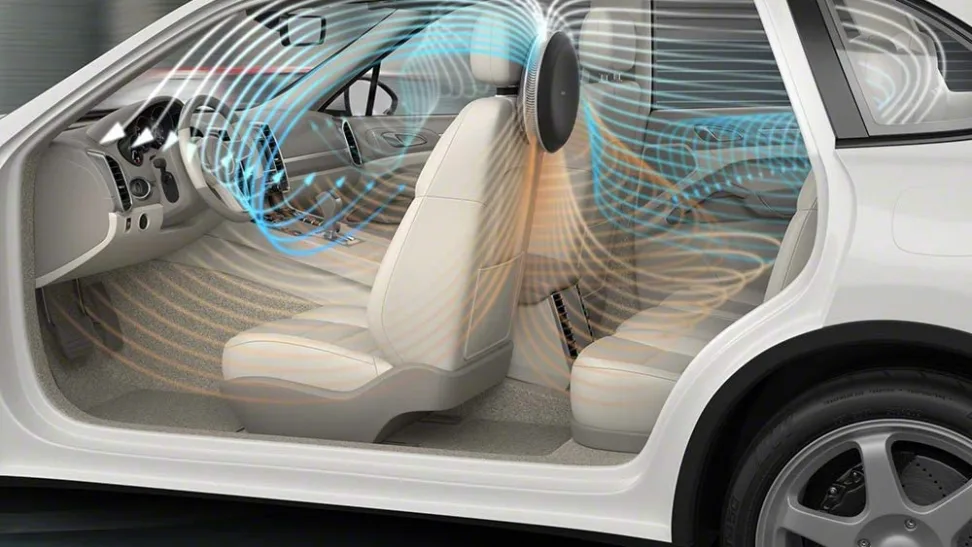



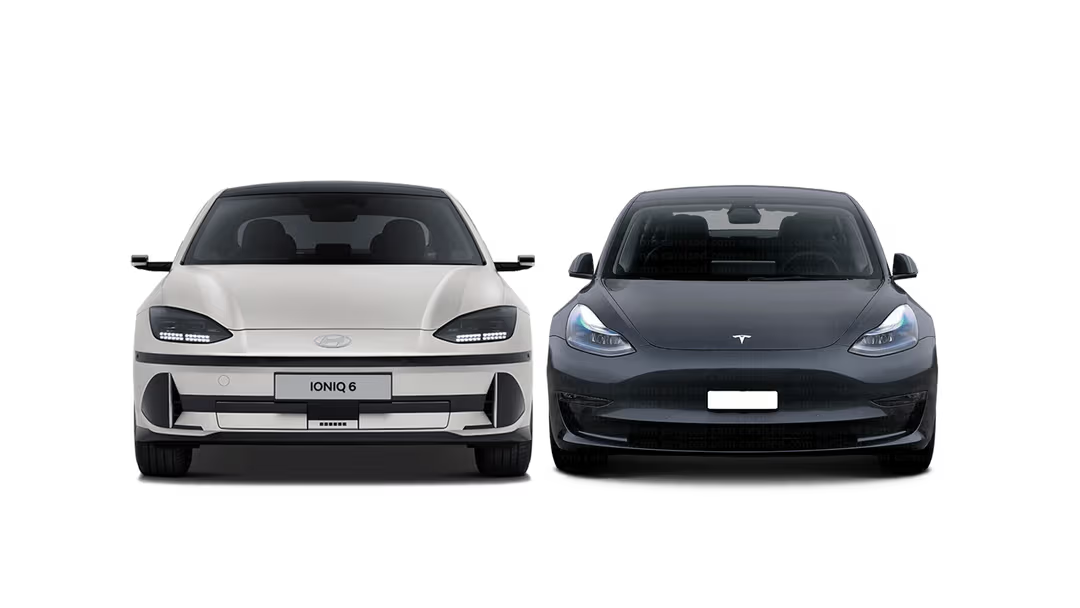



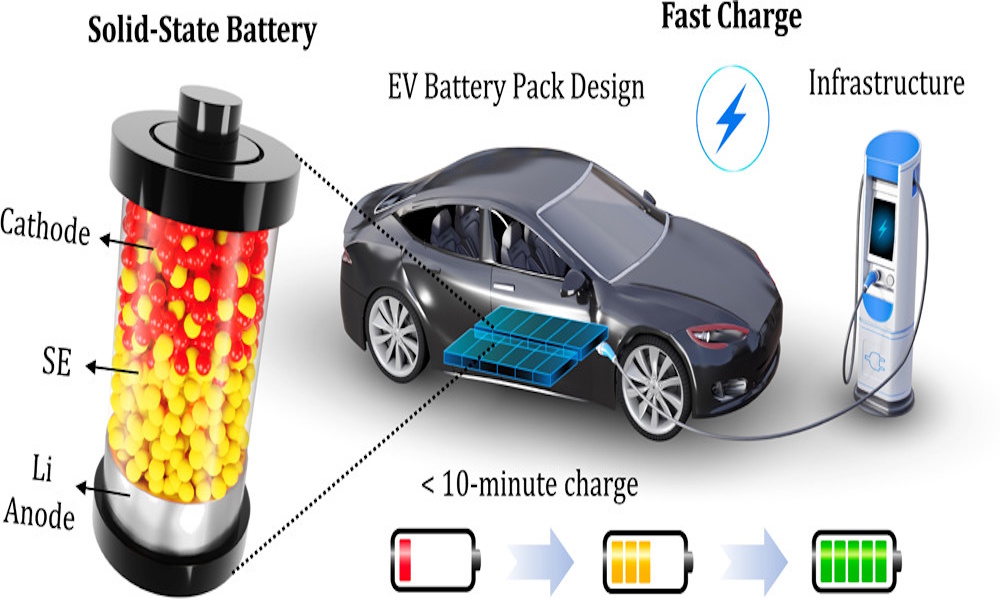
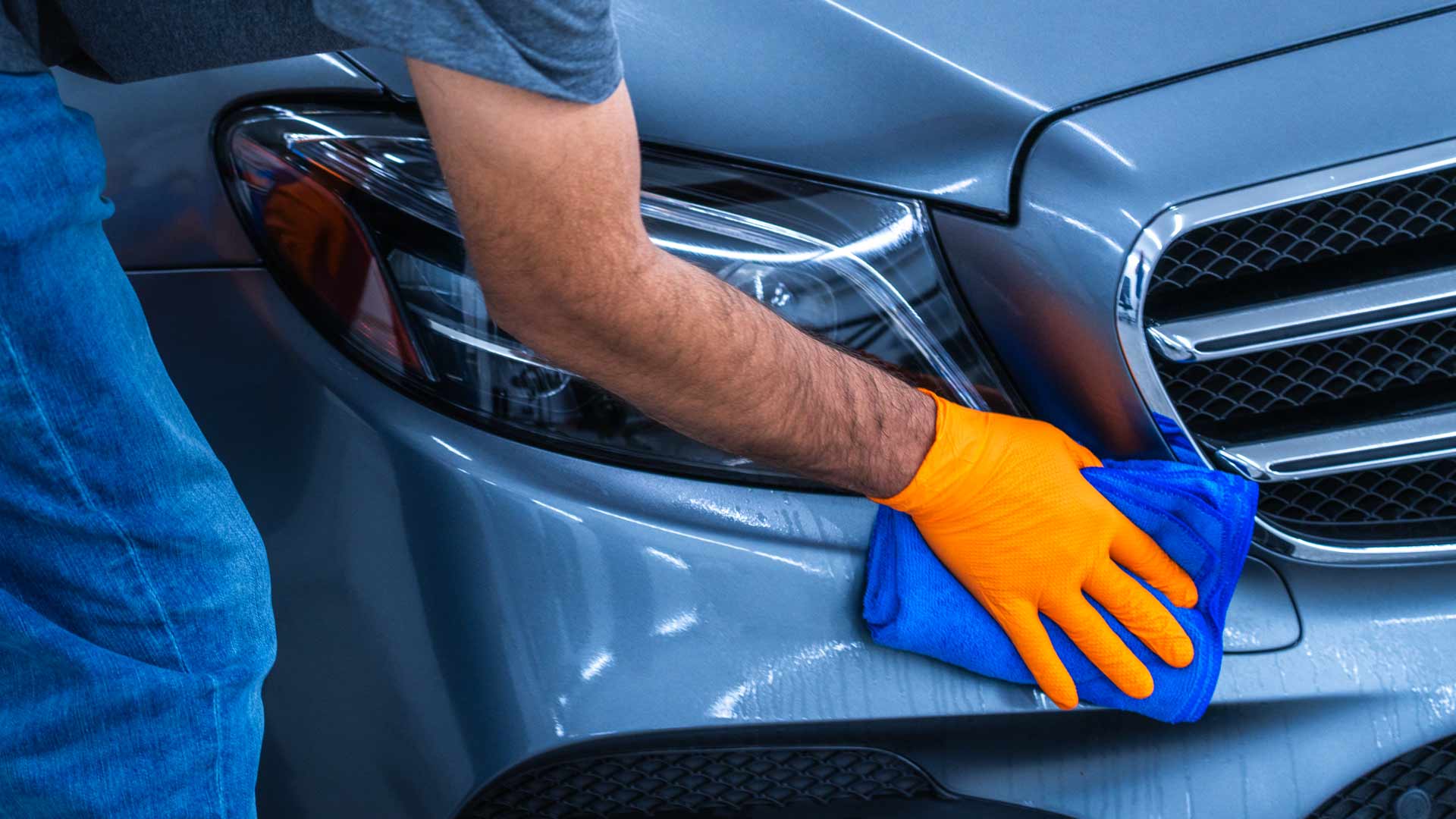
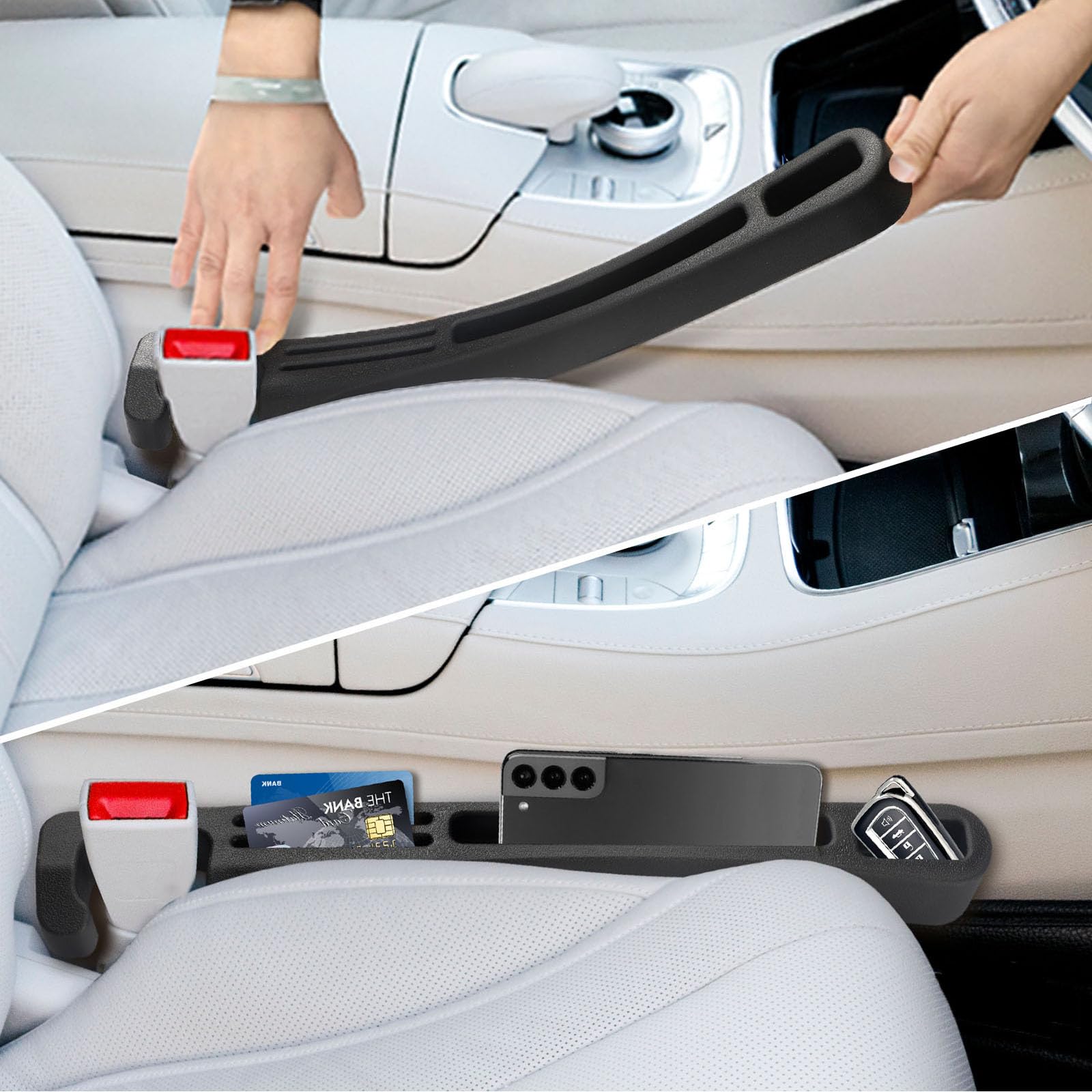
Tags
📧 Get More Articles Like This
Subscribe to receive product reviews and buying guides in your inbox!
We respect your privacy. Unsubscribe at any time.