Best Kitchen Appliances: The Complete Guide to Equipping Your Dream Kitchen
Table of Contents
- Introduction: Building Your Perfect Kitchen
- Essential Food Preparation Appliances
- Cooking Appliances That Transform Meals
- Beverage Makers for Every Morning
- Storage and Preservation Appliances
- Small Appliances That Save Time
- Choosing Quality Over Quantity
- Budget-Friendly Kitchen Appliance Strategy
- Conclusion: Building Your Kitchen Wisely
- FAQ
Introduction: Building Your Perfect Kitchen
Your kitchen is the heart of your home—the space where meals are created, families gather, and memories are made over shared food and conversation. The appliances you choose for this vital space dramatically impact not just what you can cook, but how much you enjoy cooking, how much time you spend in the kitchen, and ultimately how well you eat and live.
Walk into any modern kitchen, and you’ll find dozens of appliances—some essential workhorses used daily, others expensive dust collectors pushed to the back of cabinets after a few enthusiastic uses. The kitchen appliance industry generates over $200 billion annually worldwide, with manufacturers constantly releasing new gadgets promising to revolutionize your cooking experience. Stand mixers with dozens of attachments, multi-cookers that replace ten other appliances, high-powered blenders costing as much as laptops, and specialized tools for every conceivable cooking task fill stores and online marketplaces.
The challenge facing anyone building or upgrading their kitchen is separating genuinely useful appliances from expensive gimmicks. Which investments truly enhance your cooking capabilities and daily life? Which appliances deliver value proportional to their cost and counter space? Which tools will you reach for weekly versus which will languish unused after initial excitement fades?
The answer isn’t universal—it depends entirely on how you actually cook, what you enjoy eating, your skill level and ambitions, and how much time you dedicate to food preparation. A serious baker needs different tools than someone who primarily makes quick weeknight dinners. A coffee enthusiast’s priorities differ dramatically from a smoothie lover’s. A family cooking for six requires different capacity and durability than a single person or couple.
This comprehensive guide cuts through marketing hype and provides honest, practical information about kitchen appliances that genuinely matter. We’ll explore the essential appliances that form the foundation of any functional kitchen—the non-negotiable tools that enable basic cooking tasks and food preparation. We’ll examine specialized appliances that enhance specific cooking styles—baking, beverage making, meal prep, and more. We’ll discuss quality indicators helping you distinguish well-made appliances that last decades from cheap alternatives that fail within months.
Whether you’re furnishing your first kitchen, upgrading worn-out appliances, or expanding your culinary capabilities with new tools, whether your budget is modest or generous, whether you’re a beginner learning to cook or an experienced home chef seeking better equipment—this guide provides the framework for making informed decisions that serve you well for years to come.
The perfect kitchen isn’t about owning every appliance available—it’s about owning the right appliances for your specific needs, preferences, and cooking style. Let’s build your ideal kitchen together, one smart appliance choice at a time.
1. Essential Food Preparation Appliances: The Foundation of Every Kitchen
Food Processors: The Multi-Tasking Powerhouse
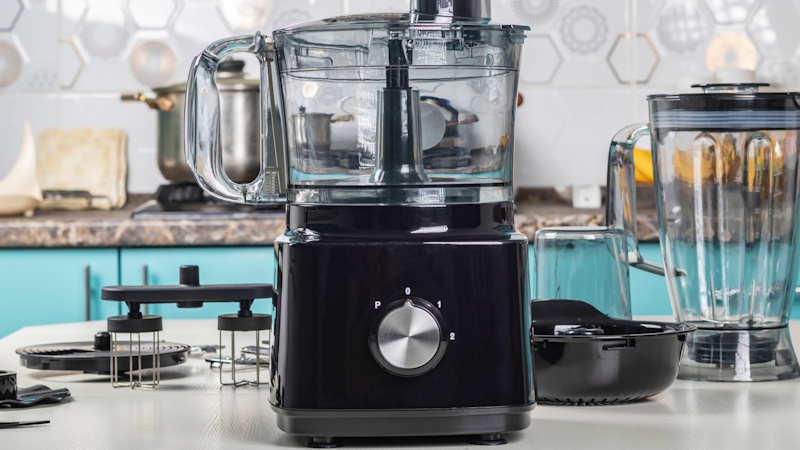
Food processors are among the most versatile kitchen appliances, capable of chopping, slicing, shredding, pureeing, kneading dough, and grinding—tasks that would take significantly longer by hand. A quality food processor transforms tedious prep work into quick, effortless operations, making ambitious recipes accessible to home cooks who lack professional knife skills or simply don’t want to spend hours chopping vegetables.
What makes a great food processor:
Motor power: Look for at least 600-700 watts for consistent performance. Underpowered processors bog down with dense ingredients or large quantities, creating uneven results and potential motor burnout. Premium models offer 1000+ watts handling the toughest tasks effortlessly—kneading stiff dough, grinding nuts into butter, processing fibrous vegetables without hesitation.
Bowl capacity: For most households, 9-14 cup capacity provides ideal balance—large enough for substantial prep work without being unwieldy for smaller tasks. Smaller processors (4-7 cups) work well for couples or those with limited counter space but require batch processing for larger recipes. Commercial-sized processors (16+ cups) suit serious meal preppers or large families but take up substantial storage space.
Blade and disc selection: The standard S-blade handles most tasks—chopping, pureeing, mixing. Additional discs expand capabilities: slicing discs for uniform vegetable cuts, shredding discs for cheese and vegetables, dough blades for bread and pastry. Premium processors include multiple disc thickness options (fine, medium, coarse shredding and slicing).
Feed tube size: Wide feed tubes accommodate whole vegetables and fruits, eliminating pre-cutting and saving prep time. Standard narrow tubes require cutting ingredients into smaller pieces before processing—not terrible, but less convenient.
Pulse control and variable speeds: Pulse function provides precise control for tasks requiring brief processing bursts—chopping nuts, making salsa, creating coarse textures. Multiple speed settings offer versatility across different ingredients and desired consistencies.
Top recommendations:
Cuisinart Custom 14-Cup Food Processor ($150-200): The gold standard for home cooks, offering robust 720-watt motor, generous 14-cup capacity, excellent blade quality, intuitive controls, and proven longevity. Cuisinart has dominated the home food processor market for decades with good reason—reliable performance, widely available replacement parts, and reasonable pricing. This model handles everything from pie dough to hummus, coleslaw to pesto, day after day without complaint.
KitchenAid 9-Cup Food Processor ($130-160): Compact option for smaller households or limited counter space, featuring quality construction, adequate power for most tasks, and KitchenAid’s reputation for durability. The 9-cup capacity is sufficient for typical recipes while occupying less storage space than larger models.
Budget option - Hamilton Beach 10-Cup Food Processor ($50-70): Surprisingly capable for the price, offering adequate power for basic tasks, straightforward operation, and reasonable durability. Won’t last as long as Cuisinart or KitchenAid, and struggles with the most demanding tasks, but provides functional food processing at a fraction of premium prices—perfect for occasional users or those unsure about their need for this appliance.
When to use your food processor:
- Chopping large quantities of vegetables for soups, stews, or meal prep
- Making hummus, pesto, nut butters, and other purees
- Shredding cheese in bulk (cheaper and better quality than pre-shredded)
- Slicing vegetables uniformly for gratins, chips, or salads
- Kneading bread and pizza dough (yes, food processors knead dough excellently)
- Making pie crust and pastry dough
- Grinding nuts, breadcrumbs, or crushing crackers
Shop on AliExpress via link: wholesale-food-processor-kitchen
Blenders: From Smoothies to Soups
Blenders excel at liquid-based tasks—smoothies, soups, sauces, batters—blending ingredients into smooth, homogeneous mixtures. While food processors and blenders overlap in some capabilities, blenders specifically handle higher-liquid recipes more effectively while food processors better manage dry or chunky ingredients.
High-powered blenders vs. standard blenders:
High-powered blenders (Vitamix, Blendtec, Ninja) feature 1000+ watt motors, hardened stainless steel blades, and sturdy containers handling extreme tasks: crushing ice instantly, heating soup through friction alone, pulverizing whole fruits and vegetables (including tough stems and seeds), making nut butters and flours, and creating silky-smooth textures impossible with standard blenders.
These premium blenders cost $300-600 but last decades with proper care—a long-term investment for serious smoothie drinkers, soup makers, or health-focused cooks who use blenders daily. The texture difference is substantial—Vitamix smoothies are genuinely smooth without any grittiness, chunks, or separation.
Standard blenders ($50-150) handle typical blending tasks adequately: smoothies with soft fruits, basic sauces, pancake batter, milkshakes. They struggle with tough ingredients, overheat with extended blending, and produce less refined textures. For occasional blender users or those primarily making simple smoothies, standard blenders provide sufficient functionality without premium investment.
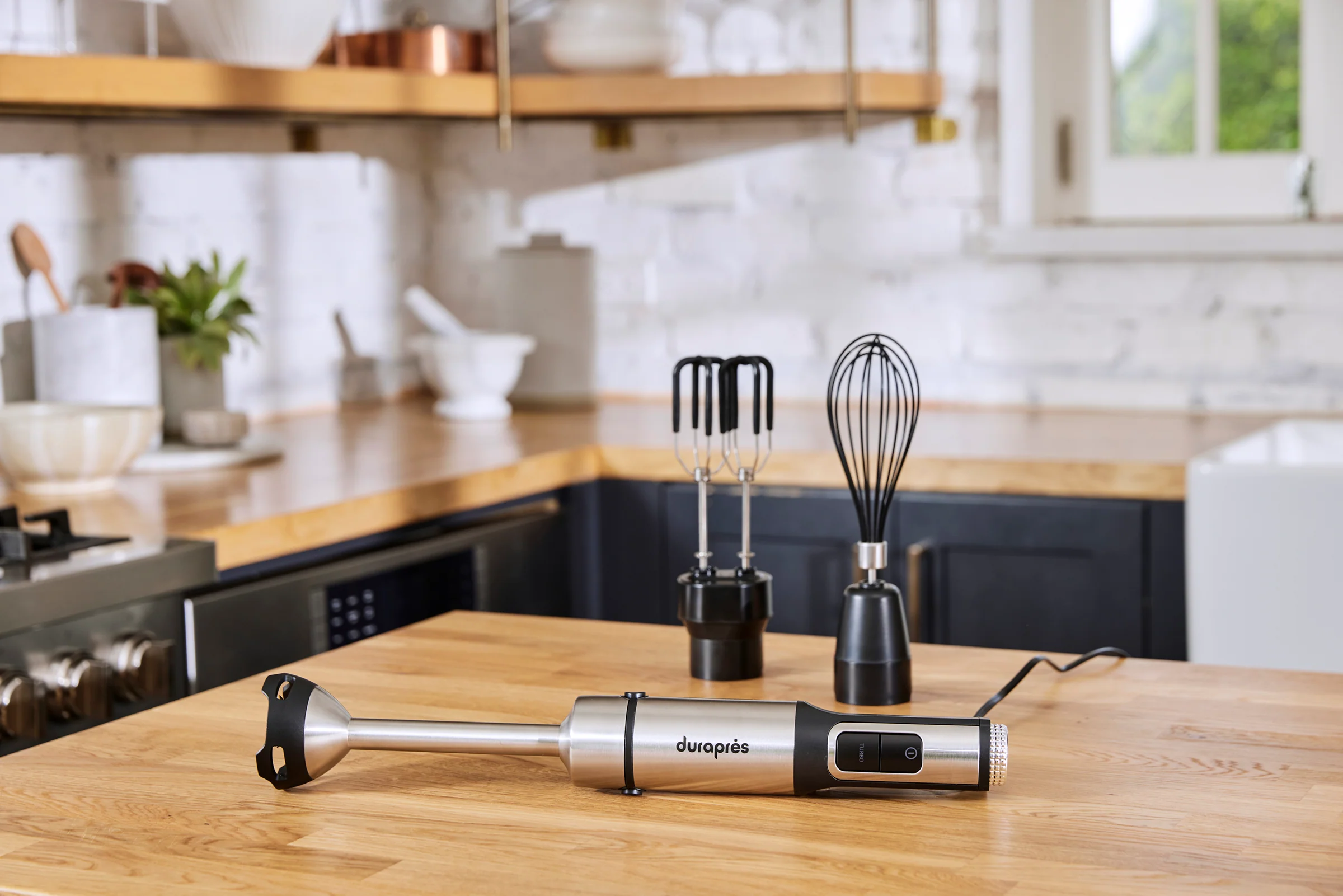
Immersion blenders (stick blenders) offer different benefits: blend directly in pots, bowls, or cups without transferring hot liquids to blender containers (safer, fewer dishes), compact storage taking minimal space, lower cost ($30-80), and easier cleaning. However, immersion blenders lack power for tough tasks and don’t create as smooth textures as countertop blenders.
Top recommendations:
Vitamix 5200 ($400-450): The professional-grade standard for home kitchens, featuring legendary durability, 2-horsepower motor, variable speed control, 64-ounce container, and 7-year warranty. Vitamix blenders routinely last 15-20+ years with daily use—true buy-it-for-life appliances. The 5200 lacks some newer features (pre-programmed settings, pulse button as separate control) but offers the core Vitamix experience at the lowest price point.
Ninja Professional Blender ($80-100): Excellent budget alternative offering impressive power (1000 watts), good ice-crushing capability, decent smoothie texture, and reasonable durability at a fraction of Vitamix’s cost. Won’t last as long or blend quite as smoothly, but provides 70-80% of high-end performance for 20% of the price—outstanding value for most households.
Immersion blender - Cuisinart Smart Stick ($35-50): Versatile hand blender with adequate power, comfortable grip, easy cleaning, and multiple speed settings. Perfect for blending soups directly in the pot, making small-batch sauces, or whipping cream. Every kitchen benefits from an immersion blender even if you also own a countertop model—different tools for different tasks.
When to use your blender:
- Smoothies and protein shakes
- Pureed soups (butternut squash, tomato, potato)
- Sauces and dressings
- Pancake and waffle batter
- Crushing ice for cocktails
- Making nut milks from almonds, cashews, or oats
- Frozen desserts (nice cream, smoothie bowls)
Stand Mixers: The Baker’s Essential Tool
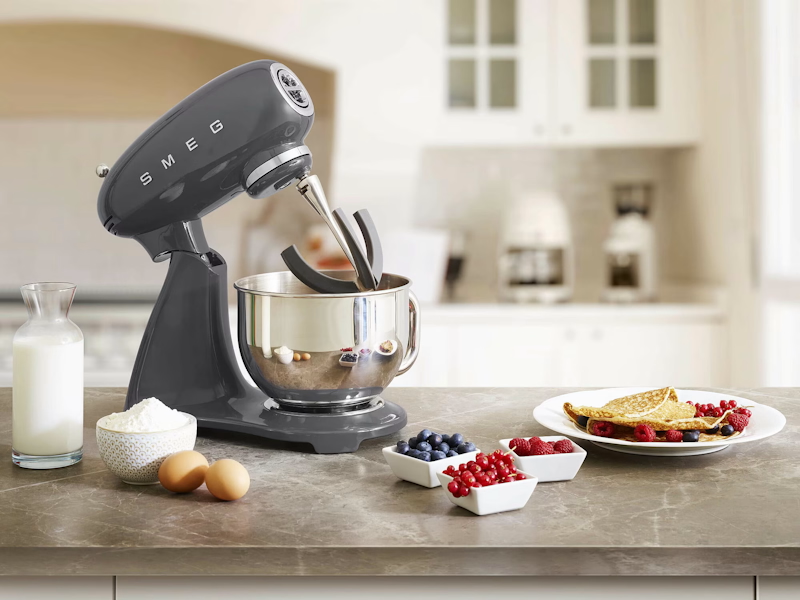
Stand mixers are specialized tools primarily for baking and dough preparation. If you rarely bake, a stand mixer isn’t essential—hand mixers or even whisking by hand suffice for occasional cake or cookie recipes. However, for regular bakers, stand mixers transform the experience—effortlessly mixing heavy doughs, whipping egg whites to perfect peaks, creaming butter and sugar consistently, and freeing your hands for other prep tasks.
What makes a great stand mixer:
Motor power and gearing: Adequate power prevents the mixer from struggling with stiff doughs. Quality gearing ensures smooth, consistent operation without slipping or grinding. KitchenAid uses all-metal gears—durable but occasionally requiring maintenance. Some brands use plastic gears that operate quietly initially but wear out faster.
Bowl capacity: 4.5-5 quart bowls suit most home baking—adequate for standard cookie batches, cakes, and bread dough. Smaller bowls (3.5-4 quarts) work for occasional bakers or those with limited storage. Larger bowls (6-7 quarts) benefit serious bakers regularly making large batches.
Attachments and accessories: The basic set includes flat beater (general mixing), wire whip (whipping cream, egg whites), and dough hook (bread, pizza dough). Many stand mixers accept additional attachments: pasta rollers, food grinders, spiralizers, grain mills—transforming the mixer into a multi-function kitchen tool. KitchenAid’s attachment ecosystem is the most extensive and widely available.
Tilt-head vs. bowl-lift design: Tilt-head mixers (common in home models) have heads that tilt back, providing easy access to the bowl. Bowl-lift designs (commercial-style) raise and lower the bowl rather than moving the head—more stable for heavy doughs but less convenient for adding ingredients or scraping bowls.
Top recommendation:
KitchenAid Classic Plus 4.5-Quart Stand Mixer ($250-300): The entry point to serious stand mixers, offering proven reliability, adequate power (275 watts) for most home baking, tilt-head convenience, 4.5-quart capacity sufficient for typical recipes, access to KitchenAid’s extensive attachment ecosystem, and available in numerous colors matching any kitchen aesthetic. KitchenAid stand mixers routinely last 20-30+ years—true heirloom appliances often passed down through families.
The Classic Plus occupies the sweet spot: more powerful than the smaller Artisan Mini, less expensive than the Professional series, and perfectly adequate for home baking unless you regularly make bread for large families or run a cottage baking business.
When to use your stand mixer:
- Cookie dough (especially heavy doughs with lots of mix-ins)
- Cake batter
- Whipping cream or egg whites for meringues
- Kneading bread, pizza, or pasta dough
- Creaming butter and sugar for cakes and cookies
- Making buttercream frosting
- Mixing meatloaf, meatballs, or ground meat mixtures
Shop on AliExpress via link: wholesale-stand-mixer-kitchen
2. Cooking Appliances That Transform Meals
Multi-Cookers: The Modern Kitchen Revolution
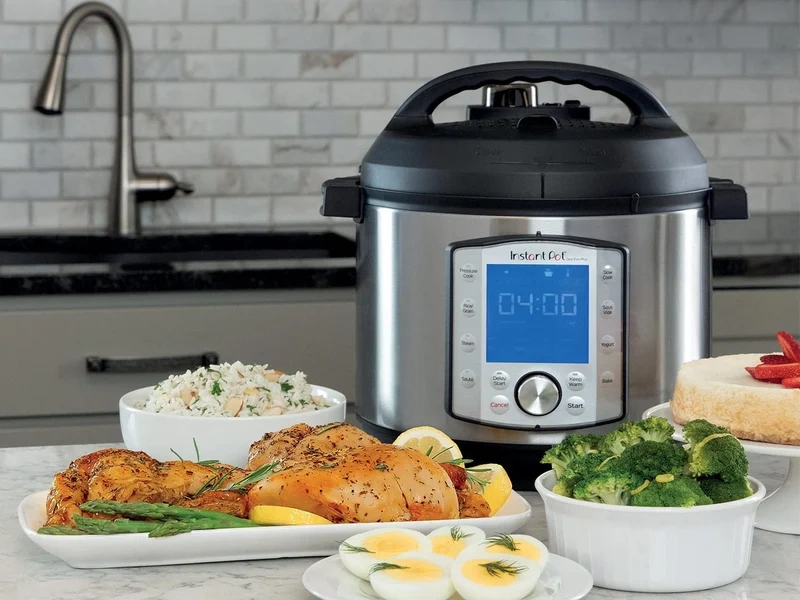
Multi-cookers, particularly Instant Pot and similar electric pressure cookers, have revolutionized home cooking over the past decade. These versatile appliances combine pressure cooking, slow cooking, rice cooking, steaming, sautéing, and yogurt making in a single device, dramatically reducing cooking time while delivering consistently excellent results with minimal supervision.
Why multi-cookers are game-changers:
Pressure cooking speed: Foods that traditionally require hours of slow cooking—dried beans, tough cuts of meat, whole chickens, bone broths—finish in 30-60 minutes under pressure. A pot roast that needs 4-6 hours in a slow cooker or oven finishes in 60 minutes in a pressure cooker, producing equally tender, flavorful results.
Set-it-and-forget-it convenience: Unlike stovetop cooking requiring constant attention, multi-cookers maintain temperature and pressure automatically. Add ingredients, set the program, walk away. The appliance handles everything, keeping food warm automatically after cooking finishes—perfect for busy schedules.
Consistent results: Precise temperature control and pressure regulation eliminate the variability of stovetop or oven cooking. Rice turns out perfectly every single time. Yogurt maintains ideal culturing temperature for consistent texture and tang. Tough meat becomes fork-tender predictably.
Energy efficiency: Pressure cooking uses substantially less energy than conventional cooking methods—important for both environmental impact and utility bills. The sealed cooking environment retains heat and moisture efficiently.
Safety features: Modern electric pressure cookers include numerous safety mechanisms preventing the dangerous pressure buildup that gave stovetop pressure cookers their terrifying reputation. Locking lids, pressure release valves, temperature sensors, and automatic shutoffs make contemporary pressure cookers completely safe when used according to instructions.
Top recommendations:
Instant Pot Duo 6-Quart ($80-100): The category-defining multi-cooker offering pressure cooking, slow cooking, rice cooking, steaming, sautéing, warming, and yogurt making in one device. The 6-quart capacity suits most households (feeds 4-6 people), and the price point makes it accessible to most budgets. Instant Pot’s massive recipe community and established reputation provide confidence and support for new users.
Ninja Foodi 6.5-Quart ($150-200): Adds air frying capability to pressure cooking functions—a genuine innovation rather than marketing gimmick. The ability to pressure cook food to tenderness, then air fry the exterior to crispness in the same pot is remarkable—perfect for “fried” chicken, crispy pork, or roasted vegetables without additional appliances or transferring food.
When to use your multi-cooker:
- Dried beans (from dried to tender in 30-40 minutes without soaking)
- Rice (perfect results every time with zero attention)
- Tough meat cuts (pot roast, pulled pork, short ribs, chicken thighs)
- Soups and stews (full flavor development in fraction of traditional time)
- Hard-boiled eggs (consistently easy-to-peel eggs)
- Homemade yogurt (set-it-and-forget-it culturing)
- Steel-cut oats (creamy breakfast ready in morning with delayed start timer)
Air Fryers: Crispy Without Deep Frying
Air fryers rapidly circulate super-heated air around food, creating crispy, browned exteriors similar to deep frying using little or no oil. This cooking method dramatically reduces fat and calories while delivering satisfying texture and flavor—particularly appealing for health-conscious cooks who miss fried foods.
What air fryers do well:
- Frozen foods (french fries, nuggets, fish sticks) turn out crispy and delicious
- Fresh vegetables roast beautifully with crispy edges
- Reheating leftovers restores crispness (unlike microwaves that make everything soggy)
- Cooking small portions efficiently without heating large ovens
- “Fried” chicken and fish with minimal oil but satisfying crunch
Limitations to understand:
Air fryers are small convection ovens with efficient fans—not magic devices creating fundamentally different results than ovens. A good convection oven produces similar results. However, air fryers’ compact size and rapid preheating make them more convenient for small batches and daily use than full-sized ovens.
Capacity is limited—most air fryers cook 2-4 servings at a time. Larger families require multiple batches or investing in larger-capacity models.
Top recommendations:
Cosori Air Fryer 5.8-Quart ($90-120): Large capacity handling 4-5 servings, intuitive controls with preset functions, consistent results, easy-to-clean nonstick basket, and reasonable pricing. Cosori has established itself as a reliable air fryer brand with good customer service and product support.
Ninja Air Fryer 4-Quart ($80-100): Compact option for smaller households or limited counter space, offering reliable performance, straightforward operation, and easy maintenance. The 4-quart capacity is adequate for couples or small families.
When to use your air fryer:
- Frozen convenience foods (fries, wings, nuggets)
- Fresh vegetables (Brussels sprouts, cauliflower, broccoli, root vegetables)
- Reheating pizza, fried chicken, or other foods that should be crispy
- Cooking bacon without splatter or grease
- Making crispy chickpeas or other healthy snacks
- Small portions when heating the full oven seems wasteful.
Shop on AliExpress via link: wholesale-air-fryer-kitchen
Slow Cookers: The Original Set-It-And-Forget-It Appliance
Despite multi-cookers offering slow cooking functions, dedicated slow cookers remain relevant for specific uses. Slow cookers maintain low, steady temperatures for extended periods (4-10 hours), developing deep flavors and breaking down tough connective tissues in meats. The gentle, prolonged cooking creates textures and tastes that pressure cooking—however convenient—cannot replicate.
Why slow cookers still matter:
Capacity: Slow cookers typically offer larger capacity than multi-cookers—6-8 quarts common versus 6 quarts maximum for most Instant Pots. Large families or meal preppers benefit from this extra capacity.
Portability: Slow cookers are ideal for potlucks, parties, or any situation requiring transporting hot food. The simple design, secure lid, and lack of complex electronics make them more portable than multi-cookers.
True slow cooking: While multi-cookers have “slow cook” functions, dedicated slow cookers maintain more consistent low temperatures over many hours—purists claim this produces superior results for specific dishes like chili, barbecue, and braises.
Affordability and simplicity: Basic slow cookers cost $30-50—far less than multi-cookers—and operate with dead-simple controls (low, high, warm). For those who only want slow cooking functionality, dedicated slow cookers provide excellent value.
Top recommendation:
Crock-Pot 6-Quart Programmable Slow Cooker ($50-70): The brand that defined the category remains the reliable standard, offering programmable timer automatically switching to warm mode after cooking completes, 6-quart capacity serving 6-8 people, simple operation, and proven durability. Crock-Pot slow cookers last decades with proper care—true kitchen workhorses.
3. Beverage Makers for Every Morning
Coffee Makers: Fueling Your Day
For many people, coffee isn’t optional—it’s essential. The right coffee maker transforms morning routines from rushed and stressful to pleasant and energizing. Coffee maker choice depends entirely on your priorities: convenience, coffee quality, speed, or ritual and involvement.
Drip Coffee Makers: The familiar standard brewing multiple cups, offering maximum convenience with programmable timers, thermal carafes keeping coffee hot for hours, and simple operation anyone can master. Drip makers excel for households where multiple people drink coffee, particularly if everyone drinks at different times throughout the morning.
Top pick - Ninja Specialty Coffee Maker ($130-160): Versatile drip machine offering standard drip coffee, specialty coffee concentrates for iced coffee or lattes, built-in milk frother, programmable timer, and fold-away frother minimizing counter footprint. This machine bridges convenience and quality, producing better-tasting coffee than basic drip makers while maintaining the ease of automatic brewing.
Single-Serve Pod Machines: Keurig and similar pod machines prioritize convenience and variety—individual cups brewed in under a minute, minimal cleanup, and hundreds of coffee varieties available. However, per-cup cost is significantly higher than traditional brewing methods, environmental impact from disposable pods is concerning, and coffee quality is mediocre compared to other brewing methods.
Pod machines suit people who value convenience above all else, particularly in office settings or households where everyone drinks different coffee types. For home use with regular coffee drinkers, traditional methods offer better value and quality.
French Press: The manual method offering full control, rich flavor, and zero electricity required. French press coffee has more body and oils than drip-filtered coffee—some consider this superior flavor while others find it too heavy. French presses cost $20-50, require about 5 minutes of attention, and make excellent coffee with practice.
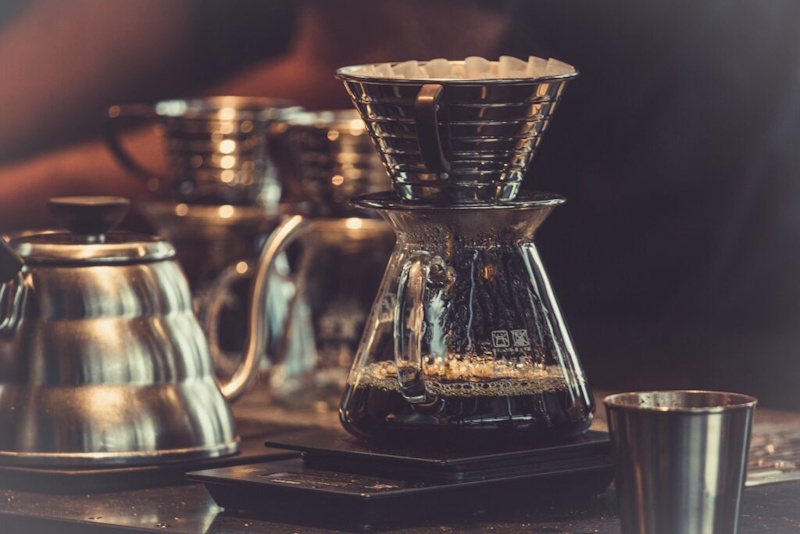
Pour-Over: For coffee enthusiasts wanting manual control creating the cleanest, brightest flavors. Pour-over requires time, attention, and technique mastery but rewards effort with exceptional coffee quality. Equipment is minimal and inexpensive—a Hario V60 dripper costs $10-15, requiring only a kettle (preferably gooseneck for controlled pouring) and filters.
Espresso Machines: For those wanting café-quality espresso, cappuccinos, and lattes at home. Entry-level espresso machines start around $200-300 (Breville Bambino) producing decent espresso with practice. Mid-range machines ($400-800) offer better consistency and convenience. High-end machines ($1000+) approach commercial quality but require significant investment and learning curve.
Espresso machines only make sense if you regularly drink espresso-based drinks and are committed to learning proper technique. For occasional espresso drinks, visiting a café is more practical and economical than owning equipment.
Shop on AliExpress via link: wholesale-coffee-maker-machine
Electric Kettles: Faster Than You Think
Electric kettles boil water dramatically faster than stovetop kettles or microwaves—a full kettle (1.5-2 liters) reaches boiling in 3-5 minutes. This speed makes electric kettles indispensable for tea drinkers, pour-over coffee makers, instant soup or oatmeal preparation, and any cooking requiring boiled water.
Variable temperature kettles offer preset temperatures ideal for different tea types (green tea at 175°F, black tea at 200°F, herbal tea at boiling) or pour-over coffee (195-205°F). This precision elevates tea and coffee quality noticeably—particularly for delicate green and white teas ruined by boiling water.
Top recommendations:
Cuisinart Variable Temperature Electric Kettle ($70-90): Precise temperature control, rapid heating, keep-warm function maintaining temperature for 30 minutes, and quality stainless steel construction. This kettle suits serious tea and coffee drinkers wanting precision without extreme premium pricing.
Budget option - Hamilton Beach Electric Kettle ($25-35): Simple, fast boiling without temperature control or special features. Perfectly adequate for those just needing boiled water quickly without precision temperature needs.
4. Storage and Preservation Appliances
Vacuum Sealers: Extending Food Life
Vacuum sealers remove air from specially designed bags before sealing, dramatically extending food storage life and enabling new cooking techniques. Vacuum-sealed foods last 3-5 times longer than conventionally stored foods—steaks stay fresh for weeks rather than days, vegetables maintain quality for months in the freezer without freezer burn.
Beyond storage, vacuum sealers enable:
Sous vide cooking: Vacuum-sealed foods cooked in precisely temperature-controlled water baths achieve restaurant-quality results impossible with conventional methods. Steaks reach perfect edge-to-edge medium-rare, fish stays impossibly moist and tender, and vegetables retain vibrant color and texture.
Marinade penetration: Vacuum sealing marinated meats creates negative pressure forcing marinades deep into meat fibers in minutes rather than hours.
Portion control and meal prep: Seal individual portions for grab-and-go convenience, precise portion sizes, and reduced food waste.
Pantry organization: Vacuum-seal dry goods (flour, sugar, coffee, nuts) protecting them from air, moisture, and pests while occupying less space than original packaging.
Top recommendation:
FoodSaver V4840 2-in-1 Vacuum Sealer ($130-160): Dual-bag design accepting both standard FoodSaver rolls and zipper bags (reusable with accessory port), automatic bag detection, built-in roll storage and cutter, consistent sealing reliability, and proven durability. FoodSaver dominates the home vacuum sealer market with good reason—reliable performance and widely available bags.
Vacuum sealers require ongoing bag costs (typically $0.20-0.50 per bag depending on size and bulk purchasing), but the food waste reduction and extended storage life generally justify the expense for households serious about meal prep or buying in bulk.
Shop on AliExpress via link: wholesale-vacuum-sealer-food
5. Small Appliances That Save Time
Electric Pressure Cookers Beyond Multi-Cookers
While we discussed multi-cookers earlier, dedicated rice cookers deserve mention for households where rice is a staple. Quality rice cookers produce consistently perfect rice with zero attention—add rice and water, press start, return to perfectly cooked rice 20-40 minutes later.
Zojirushi rice cookers ($150-300) represent the premium standard, using fuzzy logic technology adjusting cooking parameters for different rice types and quantities. These Japanese-made cookers keep rice at ideal serving temperature for hours without drying or overcooking, and the rice texture is noticeably superior to multi-cooker rice.
For households eating rice daily, dedicated rice cookers justify their cost and counter space through superior results and convenience. For occasional rice consumers, multi-cooker rice functions suffice.
Hand Mixers: Compact Convenience
Hand mixers offer portability and flexibility that stand mixers cannot match—mix directly in any bowl, easy storage in a drawer, lower cost ($30-60), and adequate performance for occasional baking. Hand mixers suit light baking needs, whipping cream or egg whites, mixing batters, and situations where full stand mixer power isn’t necessary.
Top recommendation:
KitchenAid 9-Speed Hand Mixer ($50-70): Powerful motor handling most mixing tasks, comfortable grip for extended use, nine speed settings providing precise control, standard beater attachments plus whisk, and KitchenAid quality ensuring years of reliable service. This hand mixer handles everything from meringues to cookie dough without the footprint or expense of a stand mixer.
Toasters and Toaster Ovens
Standard pop-up toasters ($30-80) do one thing well: toast bread, bagels, and English muffins quickly and consistently. Quality toasters feature wide slots accommodating artisan bread, adjustable browning controls, defrost settings, and bagel modes toasting only one side.
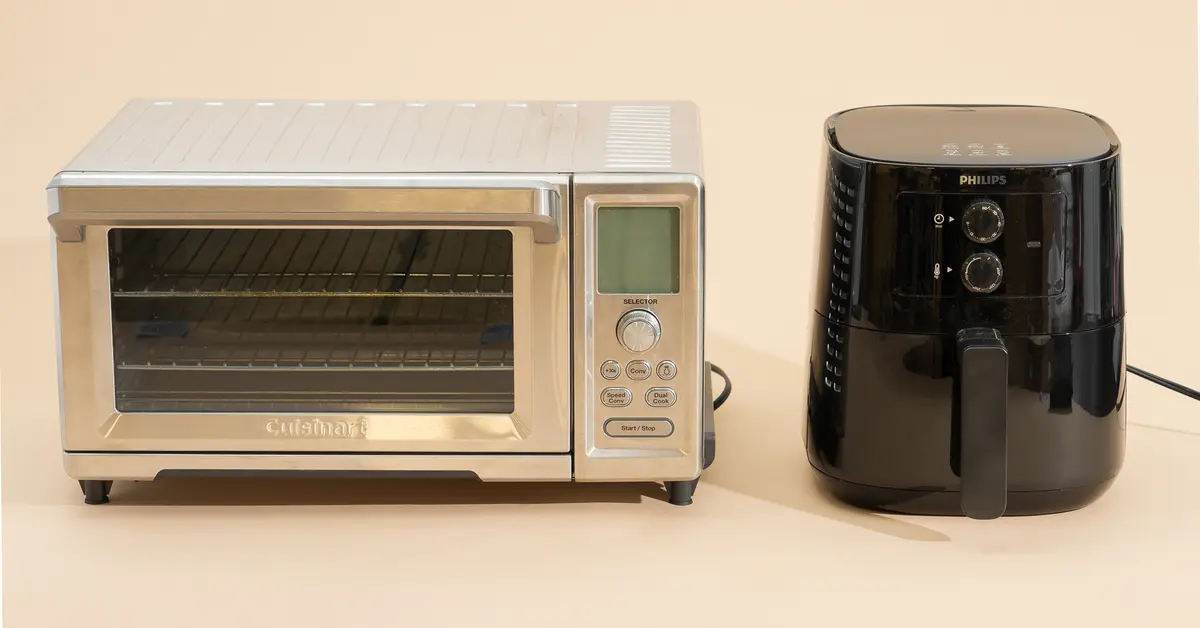
Toaster ovens ($50-200) offer more versatility: toasting bread, baking small items without heating full ovens, reheating pizza and maintaining crispness, broiling, and even air frying (in models with convection fans). Toaster ovens shine for small households or anyone wanting oven-like functionality without the energy consumption and preheating time of full-sized ovens.
Top recommendation:
Breville Smart Oven ($250-280): Premium toaster oven offering precise temperature control, convection cooking for even results, Element IQ technology positioning heating elements optimally for different functions, and spacious interior fitting a 13-inch pizza or roasting chicken. This is the toaster oven for people who will actually use it daily, justifying the premium price through versatility and performance.
Budget option - Cuisinart Toaster Oven ($80-100): Solid performance covering basic toaster oven functions—toasting, baking, broiling—at reasonable price without premium features. Perfectly adequate for occasional use or those primarily wanting toast upgrades with occasional baking capability.
6. Choosing Quality Over Quantity
The Minimalist Kitchen Philosophy
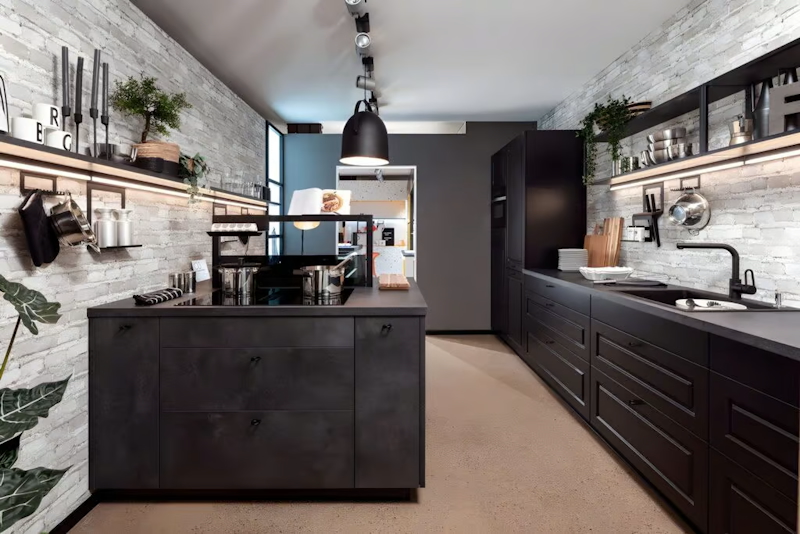
The best kitchen isn’t the one with the most appliances—it’s the one with the right appliances, well-chosen for your actual needs and used regularly. Every appliance occupies valuable counter or storage space, requires cleaning and maintenance, and represents money that could have been invested elsewhere.
Before buying any appliance, ask yourself:
How often will I realistically use this? Be honest. Many people buy appliances with optimistic intentions never realized. That pasta maker gathering dust in the cabinet, the bread machine used twice, the waffle iron from three Christmases ago—these represent wasted money and cluttered space.
Do I already own something that does this? Multi-cookers replace slow cookers and rice cookers. Food processors replace some blender tasks. Stand mixer attachments replace separate pasta makers and meat grinders. Consolidating functionality reduces clutter while maintaining capability.
Is this appliance worth its counter space? Prime counter space is valuable real estate. Appliances living on counters must justify their footprint through frequent use. Everything else should be stored, or not purchased.
Can I achieve similar results with basic tools? Sometimes manual methods, while requiring more time or effort, produce results as good as specialized appliances. Making pasta by hand, chopping vegetables with a knife, whisking cream manually—these traditional methods work, and the question is whether convenience justifies the investment.
Identifying Quality Indicators
Quality appliances last decades while cheap alternatives fail within months or years. Learning to identify quality before purchasing saves money long-term despite higher initial costs.
Motor quality: Appliances with quality motors run smoothly without excessive noise, vibration, or heat. They maintain consistent speed under load. Quality motors feature metal gears and durable bearings—cheap motors use plastic gears wearing out quickly.
Construction materials: Metal housing and components (versus plastic) indicate quality and durability. Stainless steel, die-cast metals, and thick plastics resist damage. Thin, flimsy plastics crack and break.
Weight: Quality appliances are surprisingly heavy—the weight comes from substantial motors, metal construction, and quality components. If an appliance feels surprisingly light, it’s probably cheaply made.
Warranty length: Manufacturers confident in their products offer substantial warranties—5, 7, even 10+ years. Short warranties (1 year or less) suggest manufacturers expect failures.
Brand reputation: Certain brands have earned reputations for quality through decades of consistent performance: KitchenAid, Vitamix, Cuisinart, Breville. While not perfect, these established brands generally deliver better value than unknown budget brands.
User reviews and longevity: Check reviews from people who’ve owned appliances for years, not just initial impressions. Look for comments about durability, long-term performance, and whether people would repurchase.
7. Budget-Friendly Kitchen Appliance Strategy
Building Your Kitchen Gradually
Don’t feel pressured to purchase every appliance immediately. Build your kitchen gradually, prioritizing appliances matching your actual cooking style and immediate needs.
Phase 1 - Essential Foundation ($300-500):
- Quality blender: Ninja Professional ($80-100)
- Basic food processor: Hamilton Beach 10-cup ($50-70)
- Multi-cooker: Instant Pot Duo 6-quart ($80-100)
- Coffee maker suited to your preferences ($30-80)
- Electric kettle: Hamilton Beach basic model ($25-35)
This foundation enables diverse cooking techniques, beverage preparation, and meal prep without breaking the bank. These appliances handle 80% of common kitchen tasks effectively.
Phase 2 - Expanding Capabilities ($400-700):
- Upgrade blender to Vitamix if smoothies/soups are daily priorities ($400-450)
- Add stand mixer if baking regularly: KitchenAid Classic ($250-300)
- Air fryer if fried food texture is missed: Cosori 5.8-quart ($90-120)
- Vacuum sealer for food preservation: FoodSaver V4840 ($130-160)
These additions accommodate growing cooking confidence, expanded techniques, or specific preferences developing through experience.
Phase 3 - Specialized Tools ($300-600+):
- Rice cooker if rice is daily staple: Zojirushi ($150-300)
- Espresso machine if coffee enthusiasm warrants: Breville Bambino ($300+)
- Premium toaster oven: Breville Smart Oven ($250-280)
- Specialized attachments for stand mixer (pasta roller, meat grinder, etc.)
These specialized tools serve specific needs and passionate interests rather than general cooking requirements.
Timing Purchases Around Sales
Kitchen appliances go on sale predictably throughout the year. Strategic purchasing timing can save 30-50% off regular prices.
Black Friday / Cyber Monday (late November): The absolute best time for appliance deals. Major retailers and manufacturers offer deep discounts—KitchenAid stand mixers for $200 (normally $300+), Instant Pots for $50-60 (normally $100), Vitamix blenders $100-150 off regular prices.
Amazon Prime Day (mid-July): Strong appliance deals particularly on Amazon’s own brands (Instant Pot) and major brands with Amazon relationships.
New Year sales (January): Retailers clear inventory after holidays with good discounts, though not quite matching Black Friday levels.
Wedding registry completion discounts (year-round): Most major retailers offer 10-20% completion discounts on wedding registry items. If you’re planning a wedding or know someone who is, adding appliances to registries and then purchasing unbought items with completion discounts provides substantial savings.
Shop on AliExpress via link: wholesale-kitchen-appliances-set
Conclusion: Building Your Kitchen Wisely
The perfect kitchen isn’t built overnight, and it isn’t built by buying every appliance that exists. It’s built thoughtfully, one intentional purchase at a time, focused on tools that genuinely enhance your cooking experience and align with how you actually live, cook, and eat.
Start with the foundation—the essential appliances enabling basic cooking techniques and meal preparation. Invest in quality for appliances you’ll use frequently—these workhorses justify premium pricing through years of reliable service. Save money on appliances used occasionally—adequate performance at lower cost makes more sense for infrequent use.
Let your cooking style evolve naturally. As you develop skills, discover preferences, and identify limitations with current equipment, expand your appliance collection strategically. The serious baker eventually needs that KitchenAid stand mixer. The smoothie enthusiast eventually justifies Vitamix investment. The meal prepper benefits tremendously from vacuum sealers and food processors.
But resist the temptation to buy appliances “just in case” or because they seem impressive. The best kitchen tools are the ones you actually use, not the ones gathering dust in cabinets or creating counter clutter.
Build your kitchen gradually, choose quality over quantity, focus on tools matching your actual needs and cooking style, time purchases around major sales for substantial savings, maintain your appliances properly to maximize lifespan, and most importantly, use what you buy—otherwise, why buy it?
Your ideal kitchen awaits, built one smart appliance choice at a time.
Frequently Asked Questions
Q: What are the absolute essential kitchen appliances everyone needs?
A: The bare minimum varies by cooking style, but most kitchens benefit from: a blender (for smoothies, soups, sauces), a multi-cooker or slow cooker (for convenient meal preparation), a coffee maker or electric kettle (for beverages), and arguably a food processor (for efficient prep work). Everything else depends on your specific cooking preferences and frequency.
Q: Are expensive appliances worth the investment?
A: For appliances you use daily or multiple times weekly, premium pricing often delivers better value through superior performance, longer lifespan, and better user experience. A $400 Vitamix lasting 20 years with daily use costs less per use than replacing $80 blenders every 2-3 years. However, for appliances used occasionally, mid-range options provide adequate performance without premium investment.
Q: Should I buy appliances with tons of features or keep it simple?
A: Generally, simpler is better. Many features go unused after initial novelty fades, and complexity often correlates with more potential failure points. Focus on appliances excelling at their core functions rather than mediocre multi-function devices trying to do everything. That said, some versatile appliances (multi-cookers, food processors) genuinely provide valuable multiple functions without compromising performance.
Q: How do I know if a kitchen appliance is high quality?
A: Look for substantial weight indicating metal construction and quality motors, well-known brands with established reputations (KitchenAid, Vitamix, Cuisinart, Breville), long warranty periods (5+ years suggest manufacturer confidence), consistently positive reviews spanning years (not just initial impressions), and metal gears/components rather than plastic in moving parts.
Q: What’s the best appliance for someone who doesn’t cook much?
A: Multi-cookers (Instant Pot) are ideal for beginning or infrequent cooks. They simplify cooking through automation, produce consistently good results, handle diverse recipes from rice to pot roast, and require minimal technique or skill. A multi-cooker plus a basic blender covers tremendous ground for someone building cooking confidence.
Q: How often should I replace kitchen appliances?
A: Quality appliances last decades with proper care. KitchenAid stand mixers, Vitamix blenders, and Cuisinart food processors routinely provide 20-30+ years of service. Replace appliances when they fail completely, when performance degrades significantly despite maintenance, or when technology improvements genuinely enhance functionality. Don’t replace working appliances just because newer models exist—use what you have until it truly needs replacement.
Q: Are multi-cookers worth buying if I already own a slow cooker?
A: Multi-cookers do everything slow cookers do plus pressure cooking (dramatically faster), rice cooking, sautéing, and more. The pressure cooking capability alone often justifies replacing slow cookers since you can achieve slow-cooked results in fraction of the time. However, if you love your slow cooker and don’t need faster cooking, there’s no urgent reason to replace it—use what works.
Q: What appliances are worth buying refurbished or secondhand?
A: Mechanical appliances with simple construction (stand mixers, food processors, blenders) are relatively safe secondhand purchases if from reputable sources with testing and warranties. Avoid used appliances with complex electronics, heating elements requiring precision (espresso machines), or those involving food safety (vacuum sealers, rice cookers). Refurbished from manufacturers (KitchenAid Certified Refurbished) offers good value with warranties.
Articles related:

Tags
📧 Get More Articles Like This
Subscribe to receive product reviews and buying guides in your inbox!
We respect your privacy. Unsubscribe at any time.