Best Herbs for Mental Clarity, Focus, and Cognitive Support
- Introduction: Why Brain-Boosting Herbs Matter
- 1. Ginkgo Biloba: Circulation and Cognitive Support
- 2. Bacopa Monnieri: Memory and Learning Enhancement
- 3. Lion’s Mane Mushroom: Nerve Growth and Brain Health
- 4. Ashwagandha: Stress Reduction and Mental Clarity
- 5. Rhodiola Rosea: Mental Energy and Fatigue Reduction
- 6. Rosemary: Aromatic Herb for Focus and Alertness
- 7. Panax Ginseng: Traditional Herb for Cognitive Vitality
- 8. How to Choose the Right Herb for Your Needs
- 9. Common Mistakes to Avoid
- Conclusion: Building a Sharper, Healthier Mind
- FAQ
Introduction: Why Brain-Boosting Herbs Matter
In a world where mental performance has become a defining factor of success, the ability to maintain clarity, focus, and cognitive resilience is no longer a luxury—it is a necessity. Whether you are a student navigating dense academic material, a professional juggling multiple responsibilities, or an individual striving to preserve long-term brain health, the demand for sharper thinking and sustained concentration continues to rise. Modern life places unprecedented pressure on the mind: constant notifications, digital overload, chronic stress, sleep disruption, and environmental toxins all contribute to cognitive fatigue and reduced mental efficiency.
This growing challenge has led many people to explore natural solutions that support the brain without relying on synthetic stimulants or short-lived energy boosters. Among the most promising options are herbs traditionally used for cognitive enhancement, many of which have been studied in modern scientific research. These herbs are not new discoveries—they have been part of ancient medical systems such as Ayurveda, Traditional Chinese Medicine, and indigenous healing traditions for centuries. What is new, however, is the scientific validation of their potential effects on memory, focus, mental clarity, and overall cognitive performance.
Brain-boosting herbs work through a variety of mechanisms. Some enhance blood flow to the brain, ensuring that neurons receive the oxygen and nutrients they need to function optimally. Others contain antioxidants that protect brain cells from oxidative stress, a major contributor to cognitive decline. Certain herbs influence neurotransmitters such as acetylcholine, dopamine, and serotonin—chemicals that regulate mood, attention, learning, and memory. Adaptogenic herbs, a unique category of plants, help the body manage stress more effectively, reducing the mental fog and fatigue that often accompany high-pressure lifestyles.
What makes herbs particularly appealing is their holistic nature. Unlike synthetic stimulants that offer quick but temporary boosts, herbs tend to work gradually, supporting the brain’s natural processes over time. Their effects are often subtle but meaningful, especially when used consistently and combined with healthy lifestyle habits. Many herbs also offer additional benefits beyond cognitive support, such as improved mood, reduced anxiety, enhanced sleep quality, and better stress resilience. This makes them valuable tools for individuals seeking balanced, sustainable mental performance rather than short-lived bursts of energy.
However, it is important to approach herbal cognitive support with realistic expectations. Herbs are not magic pills, and they cannot compensate for chronic sleep deprivation, poor nutrition, or unmanaged stress. They are best viewed as supportive allies—natural tools that enhance the brain’s capacity when integrated into a broader wellness strategy. Understanding how each herb works, what benefits it may offer, and what limitations exist is essential for making informed decisions.
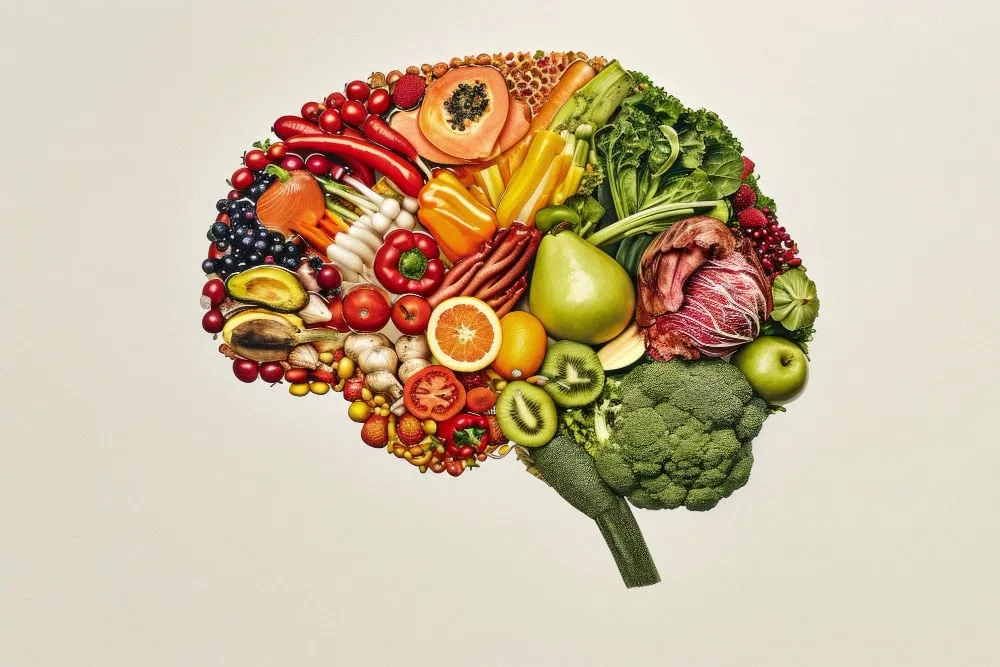
While the following demonstration highlights the power of herbalism for cognitive enhancement, the real biological secrets and personalized brain-boosting strategies lie in the exclusive details found further down in this article—insights you likely haven't discovered yet:
This guide provides a comprehensive, evidence-based exploration of the most effective herbs for mental clarity, focus, and cognitive support. Each herb is examined through multiple lenses: traditional use, scientific research, mechanisms of action, potential benefits, and practical considerations. The goal is to give you a clear, structured understanding of how these herbs can fit into your cognitive health routine.
Throughout this article, you will find detailed explanations of herbs such as ginkgo biloba, known for its circulation-enhancing properties; bacopa monnieri, a memory-supporting herb backed by numerous studies; lion’s mane mushroom, which may support nerve growth and brain cell health; ashwagandha, a powerful adaptogen that reduces stress-related cognitive decline; rhodiola rosea, known for boosting mental energy and reducing fatigue; rosemary, an aromatic herb linked to improved alertness; and panax ginseng, a traditional herb used for cognitive vitality.
Each section is designed to help you understand not only what the herb does, but why it works, who it is best suited for, and how it can be integrated into daily life. You will also find a practical buying guide, common mistakes to avoid, and a detailed FAQ section that addresses the most important questions people have about herbal cognitive support.
Whether you are seeking sharper focus for demanding tasks, improved memory for learning, or long-term support for brain health, this guide will equip you with the knowledge you need to make informed, effective choices. Herbs offer a natural, time-tested approach to cognitive enhancement—one that aligns with the body’s rhythms rather than working against them. By understanding their strengths and limitations, you can build a personalized strategy that supports your mental performance today and protects your cognitive health for years to come.

1. Ginkgo Biloba: Circulation and Cognitive Support
Ginkgo biloba is one of the most recognized and extensively studied herbs in the world of cognitive support. Derived from the leaves of one of the oldest living tree species on Earth, ginkgo has been used for centuries in traditional medicine systems, particularly in East Asia, where it was valued for its potential to support memory, mental clarity, and overall vitality. In modern times, ginkgo has become a popular ingredient in supplements aimed at enhancing cognitive performance, especially among individuals seeking natural ways to maintain mental sharpness.

What makes ginkgo particularly interesting is its unique combination of bioactive compounds, including flavonoids and terpenoids, which are believed to contribute to its potential cognitive benefits. These compounds exhibit antioxidant properties, helping protect brain cells from oxidative stress—a major factor associated with cognitive decline. Oxidative stress occurs when free radicals accumulate in the body, damaging cells and impairing their function. The brain, being one of the most metabolically active organs, is especially vulnerable to this type of damage. By reducing oxidative stress, ginkgo may help support long-term brain health.
Another key mechanism associated with ginkgo biloba is its potential influence on blood circulation, particularly cerebral blood flow. Adequate blood flow is essential for delivering oxygen and nutrients to brain cells, enabling them to function efficiently. Some studies suggest that ginkgo may help improve microcirculation, which could support cognitive processes such as attention, processing speed, and memory. While research results vary, and not all studies show the same level of benefit, the potential link between ginkgo and improved circulation remains one of the most widely discussed aspects of this herb.
Ginkgo is often used by individuals seeking support for mental clarity, especially during periods of high cognitive demand. Students, professionals, and older adults alike may turn to ginkgo as part of their wellness routine. However, it is important to understand that ginkgo does not work like a stimulant. It does not provide an immediate boost in energy or focus. Instead, its effects—if experienced—tend to develop gradually over time with consistent use. This aligns with the nature of many herbs, which support the body’s natural processes rather than forcing rapid changes.
One of the most researched areas related to ginkgo biloba is its potential role in supporting age-related cognitive function. As individuals age, changes in brain structure and function can affect memory, attention, and processing speed. Some studies have explored whether ginkgo may help maintain cognitive performance in older adults, with mixed but promising results. While ginkgo is not a treatment for cognitive disorders, its antioxidant and circulation-supporting properties may offer complementary support for long-term brain health.
It is also worth noting that ginkgo’s potential benefits may depend on the quality and standardization of the extract used. Many supplements contain standardized extracts with specific concentrations of flavone glycosides and terpene lactones, which are believed to be responsible for the herb’s effects. Using a standardized extract ensures consistency, which is important when evaluating how the herb affects cognitive performance over time.
Despite its potential, ginkgo is not suitable for everyone. Individuals with certain medical conditions or those taking specific medications should consult a healthcare professional before using ginkgo, as it may interact with blood-thinning medications or affect bleeding risk. This is not unique to ginkgo—many herbs can interact with medications, which is why informed use is essential.
From a practical standpoint, ginkgo is often taken in capsule or tablet form, though liquid extracts and teas are also available. The choice of form typically depends on personal preference and the desired level of convenience. Consistency is key; like many herbs, ginkgo may require several weeks of regular use before any noticeable effects occur.
In summary, ginkgo biloba is a well-known herb with a long history of traditional use and a growing body of modern research exploring its potential cognitive benefits. Its antioxidant properties, potential influence on blood circulation, and long-standing reputation make it a popular choice for individuals seeking natural support for mental clarity and cognitive performance. While it is not a quick fix or a substitute for medical treatment, ginkgo may offer meaningful support when integrated into a balanced lifestyle that includes proper sleep, nutrition, hydration, and stress management.
Shop on AliExpress via link: Ginkgo Biloba Extract Capsules Collection
2. Bacopa Monnieri: Memory and Learning Enhancement
Bacopa monnieri, commonly known as Brahmi, is one of the most respected herbs in traditional Ayurvedic medicine, particularly for its long-standing reputation as a cognitive enhancer. For centuries, it has been used to support memory, learning, and mental clarity, especially among scholars, monks, and individuals engaged in deep intellectual work. In modern times, bacopa has gained global recognition as one of the most promising natural herbs for supporting cognitive performance, especially in areas related to memory formation and information processing.

What sets bacopa apart from many other herbs is its unique class of compounds known as bacosides, which have been the focus of numerous scientific studies exploring their potential effects on the brain. These compounds are believed to support communication between neurons, protect brain cells from oxidative stress, and influence neurotransmitter activity. Unlike stimulants that provide a temporary boost in alertness, bacopa works gradually, supporting the brain’s natural processes over time.
One of the most widely discussed benefits of bacopa is its potential to support memory formation and recall. Several studies have examined its effects on various aspects of memory, including retention, learning speed, and information processing. While results vary, many findings suggest that consistent use of bacopa over several weeks may lead to improvements in memory performance, particularly in tasks that require learning new information or recalling previously learned material. This makes bacopa especially appealing for students, professionals, and individuals seeking long-term cognitive support.
Another important aspect of bacopa is its potential role in reducing oxidative stress, which is a major contributor to cognitive decline. The brain is highly susceptible to oxidative damage due to its high metabolic activity and oxygen consumption. Over time, oxidative stress can impair neuronal function and contribute to age-related cognitive challenges. The antioxidant properties of bacopa may help protect brain cells from this type of damage, supporting long-term brain health and resilience.
Bacopa is also considered an adaptogenic herb, meaning it may help the body manage stress more effectively. Chronic stress can significantly impair cognitive performance by elevating cortisol levels, disrupting sleep, and reducing mental clarity. Some research suggests that bacopa may help support a balanced stress response, promoting a sense of calm focus rather than overstimulation. This makes it particularly useful for individuals who experience mental fatigue or cognitive fog during stressful periods.
One of the key characteristics of bacopa is that it requires consistent, long-term use to experience its full benefits. Most studies examining its cognitive effects involve daily supplementation for 8 to 12 weeks. This gradual approach aligns with the herb’s mechanism of action, which focuses on supporting neuronal communication and reducing oxidative stress rather than providing immediate stimulation. Individuals seeking quick results may find bacopa less suitable, but those looking for sustainable cognitive support often appreciate its long-term benefits.
It is also important to consider the quality and standardization of bacopa supplements. High-quality extracts typically specify the percentage of bacosides, ensuring consistent potency. This is crucial because the concentration of active compounds can vary significantly between products. Standardized extracts provide a more reliable experience and allow individuals to better evaluate how the herb affects their cognitive performance over time.
While bacopa is generally well-tolerated, some individuals may experience mild digestive discomfort, especially when taking higher doses. Starting with a lower dose and gradually increasing it may help minimize these effects. As with any herb, individuals with medical conditions or those taking medications should consult a healthcare professional before incorporating bacopa into their routine.
From a practical standpoint, bacopa is commonly available in capsule, tablet, or powder form. Some people prefer taking it with food to reduce the likelihood of digestive discomfort. Because its effects are cumulative, consistency is more important than timing, though many individuals choose to take it in the morning or early afternoon as part of their daily wellness routine.
In summary, bacopa monnieri is a powerful herb with a long history of traditional use and a growing body of scientific research supporting its potential cognitive benefits. Its unique combination of bacosides, antioxidant properties, and adaptogenic effects make it a valuable tool for individuals seeking to enhance memory, learning, and long-term brain health. While it does not provide immediate results, its gradual, supportive approach aligns with the natural rhythms of the brain, offering meaningful benefits when used consistently over time.
3. Lion’s Mane Mushroom: Nerve Growth and Brain Health
Lion’s mane mushroom, scientifically known as Hericium erinaceus, has become one of the most talked‑about natural supplements in the world of cognitive enhancement. Unlike many traditional herbs, lion’s mane is a medicinal mushroom with a unique appearance resembling cascading white tendrils—hence the name “lion’s mane.” Historically used in East Asian medicine, it has gained global attention due to its potential influence on nerve health, cognitive function, and overall mental clarity.

What makes lion’s mane particularly fascinating is its potential connection to nerve growth factor (NGF), a protein essential for the growth, maintenance, and survival of neurons. NGF plays a critical role in neuroplasticity—the brain’s ability to form new connections, adapt to new information, and recover from stress or injury. Early research suggests that lion’s mane contains compounds called hericenones and erinacines, which may stimulate NGF production. While research is still developing, this potential mechanism has positioned lion’s mane as one of the most promising natural options for long‑term brain support.
Lion’s mane is often associated with improvements in mental clarity,** focus**, and memory, but unlike stimulants or fast‑acting nootropics, its effects tend to be subtle and cumulative. Many individuals describe the experience as a “clean clarity” or “mental brightness” that develops gradually with consistent use. This aligns with the mushroom’s potential influence on neuronal health rather than neurotransmitter stimulation.
One of the most compelling aspects of lion’s mane is its potential role in supporting cognitive resilience, especially during periods of mental fatigue or stress. Modern lifestyles often expose individuals to chronic stress, poor sleep, and digital overload—all of which can impair cognitive performance. By supporting nerve health and reducing oxidative stress, lion’s mane may help maintain cognitive function even under demanding conditions.
Another area of interest is lion’s mane’s potential influence on mood and emotional balance. Some studies suggest that it may support emotional well‑being by influencing pathways related to stress and inflammation. While lion’s mane is not a treatment for mood disorders, its potential calming and stabilizing effects make it appealing for individuals seeking a more balanced mental state.
Lion’s mane also contains antioxidants that may help protect brain cells from oxidative damage. Oxidative stress is a major contributor to cognitive decline, especially as individuals age. By reducing oxidative damage, lion’s mane may support long‑term brain health and help maintain cognitive performance over time. This makes it particularly interesting for individuals looking to support healthy aging.
One of the unique advantages of lion’s mane is its versatility. It can be consumed in several forms, including capsules, powders, tinctures, and even as a culinary mushroom. Many people enjoy adding lion’s mane powder to coffee or smoothies as part of their morning routine. Regardless of the form, consistency is key—most individuals use lion’s mane daily for several weeks before noticing meaningful effects.
As with any supplement, the quality of the extract matters significantly. High‑quality lion’s mane products typically specify whether they are made from the fruiting body, the mycelium, or a combination of both. Many experts prefer extracts made primarily from the fruiting body, as it tends to contain higher concentrations of the active compounds associated with cognitive benefits. Additionally, extracts that specify beta‑glucan content or use hot‑water extraction methods are often considered more reliable.
While lion’s mane is generally well‑tolerated, some individuals may experience mild digestive discomfort when first introducing it into their routine. Starting with a lower dose and gradually increasing it may help minimize these effects. As always, individuals with medical conditions or those taking medications should consult a healthcare professional before adding lion’s mane to their regimen.
In summary, lion’s mane mushroom stands out as one of the most intriguing natural options for supporting brain health. Its potential influence on nerve growth factor, combined with its antioxidant properties and long history of traditional use, make it a valuable addition to a cognitive wellness routine. While it does not provide immediate stimulation, its gradual and supportive effects align with the brain’s natural processes, offering meaningful benefits for individuals seeking long‑term mental clarity, focus, and cognitive resilience.
Shop on AliExpress via link: Lion’s Mane Mushroom Powder
4. Ashwagandha: Stress Reduction and Mental Clarity
Ashwagandha, scientifically known as Withania somnifera, is one of the most iconic herbs in Ayurvedic medicine and has been used for thousands of years to support vitality, resilience, and mental balance. Often referred to as an “adaptogen,” ashwagandha is widely recognized for its potential ability to help the body adapt to stress—both physical and mental. In recent years, it has gained global popularity as a natural option for individuals seeking improved mental clarity, reduced stress, and enhanced cognitive performance.

What makes ashwagandha particularly valuable in the context of cognitive health is its potential influence on the body’s stress response system. Chronic stress is one of the most significant factors affecting mental performance. Elevated cortisol levels can impair memory, reduce focus, disrupt sleep, and contribute to mental fatigue. Ashwagandha is believed to support a more balanced stress response, helping the body maintain equilibrium even during demanding periods. This balanced state often translates into clearer thinking, improved concentration, and a greater sense of mental calm.
One of the key aspects of ashwagandha’s potential cognitive benefits lies in its ability to support mental clarity. Many individuals describe feeling mentally “foggy” when under stress—unable to think clearly, make decisions efficiently, or stay focused on tasks. By supporting a calmer internal environment, ashwagandha may help reduce this cognitive fog, allowing the mind to operate more efficiently. This is particularly beneficial for individuals who experience stress‑related cognitive challenges, such as difficulty concentrating or feeling mentally overwhelmed.
Ashwagandha is also associated with potential benefits for memory and learning, though its effects in this area are often indirect. By supporting stress reduction and promoting a more balanced mood, the herb may create conditions that are more conducive to effective learning and memory retention. Stress is known to interfere with the brain’s ability to encode and retrieve information, so reducing stress may naturally support cognitive processes.
Another important aspect of ashwagandha is its potential influence on sleep quality. Poor sleep is one of the most common contributors to reduced cognitive performance. Individuals who struggle with sleep often experience difficulty focusing, slower processing speed, and reduced mental stamina. Some research suggests that ashwagandha may support more restful sleep by promoting relaxation and reducing nighttime stress. Better sleep, in turn, supports sharper thinking and improved cognitive resilience during the day.
Ashwagandha also contains natural antioxidants that may help protect brain cells from oxidative stress. Oxidative damage is a major factor in cognitive decline, especially as individuals age. By reducing oxidative stress, ashwagandha may support long‑term brain health and help maintain cognitive performance over time. While it is not a treatment for cognitive disorders, its supportive role in maintaining a balanced internal environment makes it a valuable addition to a cognitive wellness routine.
One of the strengths of ashwagandha is its versatility. It is available in several forms, including capsules, powders, tinctures, and even traditional herbal preparations. Many individuals prefer capsules for convenience, while others enjoy mixing the powder into warm beverages as part of a calming evening routine. Regardless of the form, consistency is key—ashwagandha’s effects tend to build gradually over time rather than providing immediate results.
Quality is an important consideration when choosing ashwagandha supplements. High‑quality extracts often specify the concentration of withanolides, the active compounds believed to contribute to the herb’s effects. Standardized extracts ensure consistency and allow individuals to better evaluate how the herb affects their cognitive performance and stress levels. As with any supplement, choosing reputable brands and avoiding overly processed or diluted products is essential.
While ashwagandha is generally well‑tolerated, some individuals may experience mild digestive discomfort or drowsiness, especially when taking higher doses. Starting with a lower dose and gradually increasing it may help minimize these effects. Individuals with medical conditions or those taking medications should consult a healthcare professional before incorporating ashwagandha into their routine.
In summary, ashwagandha is a powerful adaptogenic herb with a long history of traditional use and a growing body of modern interest. Its potential ability to support stress reduction, mental clarity, sleep quality, and overall cognitive resilience makes it a valuable tool for individuals seeking natural ways to enhance mental performance. While it does not provide immediate stimulation, its gradual and supportive effects align with the body’s natural rhythms, offering meaningful benefits when used consistently over time.
Shop on AliExpress via link: Ashwagandha Capsules
5. Rhodiola Rosea: Mental Energy and Fatigue Reduction
Rhodiola rosea, often referred to simply as rhodiola, is one of the most respected adaptogenic herbs in traditional European and Asian medicine. It has been used for centuries in regions with harsh climates—such as Siberia, Scandinavia, and parts of Central Asia—where physical endurance, mental resilience, and resistance to fatigue were essential for survival. Today, rhodiola is widely recognized for its potential ability to support mental energy, reduce fatigue, and enhance cognitive performance, especially during periods of stress or high mental demand.

What makes rhodiola particularly interesting is its classification as an adaptogen, a type of herb believed to help the body adapt to stress more effectively. Adaptogens do not stimulate the body in the same way caffeine or other stimulants do. Instead, they support a more balanced stress response, helping the body maintain equilibrium even under challenging conditions. This balanced state often translates into improved mental clarity, better focus, and enhanced cognitive stamina.
One of the most widely discussed benefits of rhodiola is its potential ability to reduce mental fatigue. Mental fatigue is a common issue in modern life, often caused by long working hours, digital overload, emotional stress, and lack of restorative sleep. When mental fatigue sets in, individuals may experience difficulty concentrating, slower processing speed, reduced motivation, and a general sense of cognitive heaviness. Rhodiola is believed to support the brain’s ability to maintain performance even when under pressure, making it particularly appealing for students, professionals, and individuals with demanding schedules.
Rhodiola’s potential cognitive benefits are often linked to its influence on neurotransmitters such as serotonin, dopamine, and norepinephrine—chemicals that play essential roles in mood regulation, motivation, and cognitive function. While research is ongoing, some studies suggest that rhodiola may help support a more balanced neurotransmitter environment, contributing to improved mental performance and emotional stability. This makes rhodiola especially valuable for individuals who experience stress‑related cognitive challenges or mood fluctuations.
Another important aspect of rhodiola is its potential ability to support mental energy and alertness without causing overstimulation. Unlike caffeine, which can lead to jitters, crashes, or disrupted sleep, rhodiola’s effects tend to be smoother and more balanced. Many individuals describe feeling more mentally “awake” or “present” after consistent use, without the side effects associated with stimulants. This makes rhodiola a popular choice for those seeking sustained cognitive performance throughout the day.
Rhodiola is also associated with potential benefits for physical endurance, which indirectly supports cognitive performance. Physical fatigue and mental fatigue are closely connected—when the body is exhausted, the mind often struggles to maintain clarity and focus. By supporting physical stamina, rhodiola may help individuals maintain higher levels of mental performance during long or demanding tasks.
One of the strengths of rhodiola is its relatively fast‑acting nature compared to other herbs. While herbs like bacopa or ashwagandha may require several weeks of consistent use to show noticeable effects, some individuals report feeling the benefits of rhodiola within days. However, long‑term consistency still plays an important role in achieving sustained cognitive support.
Quality is a crucial factor when choosing rhodiola supplements. High‑quality extracts typically specify the concentration of rosavins and salidrosides, the active compounds believed to contribute to the herb’s effects. A common standardization ratio is 3% rosavins and 1% salidrosides. Using a standardized extract ensures consistency and allows individuals to better evaluate how the herb affects their cognitive performance and energy levels.
While rhodiola is generally well‑tolerated, some individuals may experience mild side effects such as restlessness or difficulty sleeping if taken too late in the day. Because rhodiola can support alertness, many people prefer taking it in the morning or early afternoon. As with any supplement, individuals with medical conditions or those taking medications should consult a healthcare professional before incorporating rhodiola into their routine.
In summary, rhodiola rosea is a powerful adaptogenic herb with a long history of traditional use and a growing body of modern interest. Its potential ability to reduce mental fatigue, support mental energy, and enhance cognitive resilience makes it a valuable tool for individuals seeking natural ways to maintain high levels of mental performance. While it does not provide the rapid stimulation of caffeine, its balanced and supportive effects align with the body’s natural rhythms, offering meaningful benefits when used consistently over time.
6. Rosemary: Aromatic Herb for Focus and Alertness
Rosemary, scientifically known as Rosmarinus officinalis, is one of the most recognizable aromatic herbs in the world. While it is commonly associated with culinary traditions, rosemary has a long history of use in traditional medicine, particularly for its potential effects on memory, alertness, and mental clarity. Ancient cultures, including the Greeks and Romans, believed rosemary to be a symbol of remembrance, often using it in rituals, learning environments, and even academic settings. Today, rosemary continues to attract attention for its potential cognitive‑supporting properties, especially in the areas of focus and mental alertness.

One of the most interesting aspects of rosemary is its aromatic profile, which contains natural compounds such as cineole and rosmarinic acid. These compounds are believed to influence cognitive function through their interaction with the brain’s neurotransmitter systems. Aromatic herbs have long been used to stimulate the senses, and rosemary is particularly notable for its invigorating scent, which many individuals associate with increased alertness and mental sharpness.
Some research suggests that the aroma of rosemary may support attention, concentration, and processing speed, making it a popular choice for individuals seeking a natural way to stay mentally engaged during tasks that require sustained focus. While the exact mechanisms are still being explored, one theory is that rosemary’s aromatic compounds may influence acetylcholine activity—a neurotransmitter closely associated with memory and cognitive performance. This potential connection has made rosemary a subject of interest in both traditional and modern wellness practices.
Beyond its aromatic effects, rosemary also contains antioxidants that may help protect brain cells from oxidative stress. Oxidative stress is a major contributor to cognitive decline, especially as individuals age. By reducing oxidative damage, rosemary may support long‑term brain health and help maintain cognitive resilience. While rosemary is not a treatment for cognitive disorders, its antioxidant properties make it a valuable addition to a holistic cognitive wellness routine.
Another compelling aspect of rosemary is its potential influence on mental energy and alertness. Many individuals describe feeling more awake or mentally refreshed when exposed to rosemary’s aroma or when consuming rosemary‑based preparations. Unlike stimulants that can cause jitteriness or energy crashes, rosemary’s effects tend to be gentle and balanced, supporting a natural sense of clarity without overstimulation. This makes it particularly appealing for individuals who prefer subtle cognitive support rather than intense or rapid changes in mental state.
Rosemary can be consumed or used in several forms, each offering different potential benefits. Culinary use is one of the most common ways to incorporate rosemary into daily life. Adding fresh or dried rosemary to meals not only enhances flavor but also provides natural antioxidants. Rosemary tea is another popular option, offering a soothing yet invigorating experience that many individuals enjoy during study sessions or work breaks. Additionally, rosemary essential oil is widely used in aromatherapy, where it is diffused or inhaled to support focus and alertness.
When using rosemary for cognitive support, consistency and quality matter. Fresh rosemary, high‑quality dried herbs, and pure essential oils tend to offer the most reliable aromatic and antioxidant benefits. It is important to avoid synthetic fragrances or low‑quality oils, as they may not provide the same effects and could contain unwanted additives. For individuals using rosemary essential oil, proper dilution and safe usage practices are essential.
While rosemary is generally well‑tolerated, some individuals may experience mild digestive discomfort when consuming large amounts. Essential oils should never be ingested unless under professional guidance. As with any herb, individuals with medical conditions or those taking medications should consult a healthcare professional before incorporating rosemary into their wellness routine.
One of the strengths of rosemary is its versatility and accessibility. It is easy to grow at home, widely available in markets, and simple to incorporate into daily habits. Whether used in cooking, brewed as tea, or diffused as an essential oil, rosemary offers a natural and enjoyable way to support mental clarity and alertness. Its long history of traditional use, combined with modern interest in its aromatic and antioxidant properties, makes it a valuable addition to a cognitive wellness strategy.
In summary, rosemary is more than just a culinary herb—it is a natural tool for supporting focus, alertness, and long‑term brain health. Its invigorating aroma, antioxidant properties, and gentle cognitive‑supporting effects make it an appealing option for individuals seeking a natural way to enhance mental performance. While it does not provide dramatic or immediate changes, its subtle and consistent support aligns with the brain’s natural rhythms, offering meaningful benefits when used regularly.
7. Panax Ginseng: Traditional Herb for Cognitive Vitality
Panax ginseng, often referred to simply as “ginseng,” is one of the most iconic and respected herbs in traditional Chinese medicine. Known for its distinctive root shape and long history of use, ginseng has been valued for centuries as a tonic for vitality, resilience, and overall well‑being. In the context of cognitive health, ginseng is widely recognized for its potential ability to support mental energy, enhance focus, and promote long‑term cognitive vitality. Its reputation as a powerful adaptogen has made it a popular choice for individuals seeking natural ways to maintain mental performance in demanding environments.

What makes Panax ginseng particularly interesting is its rich profile of active compounds known as ginsenosides. These compounds are believed to influence various physiological processes, including energy metabolism, stress response, and cognitive function. While research is ongoing, many studies suggest that ginsenosides may help support mental clarity, processing speed, and sustained attention. Unlike stimulants that provide rapid but short‑lived boosts, ginseng’s effects tend to be more balanced and supportive, aligning with the body’s natural rhythms.
One of the most widely discussed benefits of ginseng is its potential ability to support mental energy and alertness. Modern life often demands high levels of cognitive performance, whether in academic settings, professional environments, or daily problem‑solving tasks. Mental fatigue can significantly impair productivity, motivation, and decision‑making. Ginseng is believed to help maintain mental stamina by supporting healthy energy metabolism and reducing the cognitive strain associated with prolonged mental effort. Many individuals describe feeling more mentally “awake” or “capable” when using ginseng consistently.
Another important aspect of ginseng’s potential cognitive benefits lies in its influence on stress resilience. As an adaptogen, ginseng may help the body manage stress more effectively, reducing the negative impact of chronic stress on cognitive performance. Stress is known to impair memory, reduce focus, and disrupt emotional balance. By supporting a more stable internal environment, ginseng may help individuals maintain clearer thinking and better concentration even during challenging periods. This makes it particularly appealing for individuals with demanding schedules or high‑pressure responsibilities.
Ginseng is also associated with potential benefits for memory and learning, though its effects in this area may vary depending on the individual and the quality of the extract used. Some research suggests that ginseng may support working memory, processing speed, and the ability to retain new information. These potential benefits make it a valuable tool for students, professionals, and older adults seeking to maintain cognitive performance over time.
Another compelling aspect of ginseng is its potential influence on mood and emotional balance. Cognitive performance is closely linked to emotional well‑being—when individuals feel overwhelmed, anxious, or mentally drained, their ability to think clearly often declines. Some studies suggest that ginseng may help support a more balanced mood by influencing neurotransmitter pathways related to stress and emotional regulation. While ginseng is not a treatment for mood disorders, its potential calming and stabilizing effects make it a useful addition to a holistic cognitive wellness routine.
Quality is a crucial factor when choosing ginseng supplements. Panax ginseng is available in several forms, including capsules, powders, teas, and traditional herbal preparations. High‑quality extracts typically specify the concentration of ginsenosides, ensuring consistency and potency. It is important to distinguish Panax ginseng from other types of ginseng, such as American ginseng or Siberian ginseng, which have different properties and active compounds. For cognitive support, Panax ginseng is often preferred due to its balanced profile and long history of traditional use.
While ginseng is generally well‑tolerated, some individuals may experience mild side effects such as digestive discomfort or restlessness, especially when taking higher doses. Because ginseng can support alertness, many people prefer taking it earlier in the day to avoid potential sleep disturbances. As with any supplement, individuals with medical conditions or those taking medications should consult a healthcare professional before incorporating ginseng into their routine.
In summary, Panax ginseng is a powerful and versatile herb with a long history of traditional use and a growing body of modern interest. Its potential ability to support mental energy, enhance focus, promote stress resilience, and maintain long‑term cognitive vitality makes it a valuable tool for individuals seeking natural ways to optimize mental performance. While it does not provide rapid stimulation, its balanced and supportive effects align with the body’s natural rhythms, offering meaningful benefits when used consistently over time.
8. How to Choose the Right Herb for Your Needs
Choosing the right herb for cognitive support can feel overwhelming, especially with the wide variety of options available today. Each herb offers unique potential benefits, mechanisms of action, and ideal use cases. Understanding these differences is essential for selecting the herb—or combination of herbs—that best aligns with your goals, lifestyle, and personal preferences. This buying guide breaks down the key factors to consider when choosing cognitive‑support herbs, helping you make informed and confident decisions.
The first step in choosing the right herb is identifying your primary cognitive goal. Not all herbs support the brain in the same way. For example, if your main concern is memory and learning, bacopa monnieri may be the most suitable option due to its long‑standing reputation and research interest in memory support. If you struggle with mental fatigue, rhodiola rosea may be more appropriate because of its potential ability to support mental energy and reduce cognitive exhaustion. For individuals seeking stress reduction and mental clarity, ashwagandha offers a balanced approach that supports emotional stability and cognitive calm. Meanwhile, lion’s mane mushroom may appeal to those interested in long‑term brain health and cognitive resilience due to its potential influence on nerve growth factor. Understanding your primary goal helps narrow down your options and ensures you choose an herb that aligns with your needs.
Another important factor to consider is your daily routine and lifestyle. Some herbs are best taken in the morning due to their potential energizing effects, such as rhodiola or ginseng. Others, like ashwagandha, may be more suitable for evening use because of their calming properties. If you prefer a supplement that integrates easily into your existing habits, consider whether you prefer capsules, powders, teas, or tinctures. For example, lion’s mane powder can be added to coffee or smoothies, while rosemary can be incorporated into meals or used as an essential oil for aromatherapy. Choosing a form that fits naturally into your routine increases consistency, which is essential for experiencing the full benefits of any herb.
Quality is one of the most critical aspects of choosing cognitive‑support herbs. Not all supplements are created equal, and the potency of an herb can vary significantly depending on how it is grown, harvested, processed, and standardized. Look for products that specify the concentration of active compounds, such as bacosides in bacopa, withanolides in ashwagandha, rosavins and salidrosides in rhodiola, or ginsenosides in ginseng. Standardized extracts provide consistency and allow you to better evaluate how the herb affects your cognitive performance over time. Avoid products with unnecessary fillers, artificial additives, or vague labeling that does not clearly indicate the herb’s potency.
It is also important to consider your sensitivity to stimulants. While most cognitive‑support herbs are not stimulants, some—such as ginseng or rhodiola—may support alertness in ways that feel energizing. If you are sensitive to such effects, you may prefer herbs with more calming or balancing properties, such as ashwagandha or bacopa. On the other hand, if you struggle with low mental energy or fatigue, herbs with more uplifting effects may be more suitable.
Another key consideration is how quickly you want to experience results. Some herbs, like rhodiola, may offer noticeable effects within days, especially in terms of mental energy and fatigue reduction. Others, such as bacopa or lion’s mane, typically require several weeks of consistent use before their full benefits become apparent. If you are looking for long‑term cognitive support, slower‑acting herbs may be ideal. If you need more immediate support for mental stamina, faster‑acting herbs may be more appropriate.
Finally, it is essential to consider any personal health factors. While herbs are natural, they can still interact with medications or underlying health conditions. Individuals with medical concerns should consult a healthcare professional before starting any new supplement. This ensures safe and effective use, especially when combining multiple herbs or using them alongside other wellness practices.
In summary, choosing the right herb for cognitive support involves understanding your goals, lifestyle, sensitivity, and preferences. By considering these factors and selecting high‑quality, standardized products, you can build a personalized cognitive wellness routine that supports mental clarity, focus, and long‑term brain health.
9. Common Mistakes to Avoid
When exploring herbs for cognitive support, many individuals unintentionally make mistakes that limit the effectiveness of these natural tools. Understanding these common pitfalls can help you build a more successful and sustainable cognitive wellness routine. While herbs can offer meaningful support, their benefits depend heavily on how they are used, the expectations surrounding them, and the consistency of the routine.
One of the most common mistakes is expecting immediate results. Unlike stimulants that provide rapid bursts of energy or focus, most cognitive‑support herbs work gradually. Their effects build over time as they support the body’s natural processes. Herbs like bacopa, lion’s mane, and ashwagandha often require several weeks of consistent use before noticeable changes occur. Individuals who expect instant results may become discouraged prematurely, abandoning the herb before it has had a chance to work.
Another frequent mistake is using low‑quality or non‑standardized products. The potency of an herb can vary dramatically depending on how it is grown, harvested, and processed. Supplements that do not specify active compound concentrations—such as bacosides, withanolides, or ginsenosides—may offer inconsistent or weak effects. Choosing high‑quality, standardized extracts is essential for achieving reliable results and ensuring that the herb delivers its intended benefits.
A third mistake is inconsistency. Herbs are most effective when taken regularly. Skipping doses or using them sporadically can significantly reduce their impact. Cognitive support requires steady, long‑term nourishment, and herbs work best when integrated into a daily routine. Whether taken in the morning, evening, or with meals, consistency is far more important than timing.
Another common issue is combining too many herbs at once. While some combinations can be complementary, using multiple herbs without understanding their interactions may lead to confusion about what is working—or not working. Starting with one herb at a time allows you to observe its effects clearly. Once you understand how your body responds, you can consider adding other herbs if needed.
Some individuals also make the mistake of ignoring lifestyle factors. Herbs can support cognitive performance, but they cannot compensate for chronic sleep deprivation, poor nutrition, excessive stress, or lack of physical activity. Cognitive wellness is holistic, and herbs work best when paired with healthy habits that support brain function.
Finally, a common oversight is not considering personal health factors. Even natural herbs can interact with medications or underlying conditions. Consulting a healthcare professional before starting a new herb—especially if you have medical concerns—helps ensure safe and effective use.
Avoiding these mistakes can significantly enhance your experience with cognitive‑support herbs, allowing you to build a routine that is both effective and sustainable.
Conclusion: Building a Sharper, Healthier Mind
Supporting cognitive health is no longer a luxury—it has become an essential part of modern living. With increasing mental demands, constant digital stimulation, and rising stress levels, the brain requires consistent nourishment to perform at its best. Herbs offer a natural, time‑tested approach to supporting mental clarity, focus, and long‑term cognitive resilience. While they are not magic solutions, their gradual and supportive effects can make a meaningful difference when integrated into a balanced lifestyle.
The herbs explored in this guide—ginkgo biloba, bacopa monnieri, lion’s mane mushroom, ashwagandha, rhodiola rosea, rosemary, and Panax ginseng—each offer unique potential benefits. Some support memory and learning, others help reduce stress or mental fatigue, and some promote long‑term brain health through antioxidant and adaptogenic properties. Understanding these differences allows you to choose the herb that aligns most closely with your personal goals and cognitive needs.
It is important to remember that herbs work best when used consistently and thoughtfully. High‑quality, standardized extracts provide the most reliable results, and pairing herbal support with healthy habits—such as proper sleep, hydration, nutrition, and stress management—creates a strong foundation for cognitive wellness. Herbs can enhance your mental performance, but they cannot replace the fundamentals of a healthy lifestyle.
Ultimately, cognitive wellness is a journey, not a destination. Whether you are seeking sharper focus for demanding tasks, improved memory for learning, or long‑term support for brain health, herbs can be valuable allies along the way. By choosing the right herbs, using them consistently, and supporting your brain through balanced daily habits, you can cultivate a sharper, healthier, and more resilient mind—one that supports your goals today and protects your cognitive vitality for years to come.
FAQ
1. Do brain‑boosting herbs work for everyone?
Herbs can offer meaningful support, but their effects vary from person to person. Factors such as lifestyle, stress levels, sleep quality, diet, and overall health all influence how the body responds. Some individuals notice improvements within weeks, while others may require longer periods of consistent use. Herbs are supportive tools—not instant solutions—and work best when combined with healthy habits.
2. How long should I take an herb before expecting results?
Most cognitive‑support herbs require consistent use for 4 to 12 weeks before noticeable effects appear. Herbs like rhodiola may offer quicker support for mental energy, while bacopa and lion’s mane typically require longer periods to influence memory and cognitive resilience. Patience and consistency are essential for achieving the best results.
3. Can I combine multiple herbs for better cognitive support?
Some individuals combine herbs to target multiple cognitive goals—for example, pairing bacopa for memory with rhodiola for mental energy. However, combining too many herbs at once can make it difficult to understand what is working. It is best to start with one herb, observe its effects, and then consider adding another if needed.
4. Are these herbs safe for long‑term use?
Many cognitive‑support herbs have a long history of traditional use and are generally considered safe when taken in recommended amounts. However, long‑term safety can vary depending on the herb and individual health factors. Consulting a healthcare professional is recommended, especially for individuals with medical conditions or those taking medications.
5. Can herbs replace medical treatment for cognitive issues?
No. Herbs can support cognitive wellness, but they are not substitutes for medical treatment. Individuals experiencing significant memory problems, cognitive decline, or neurological symptoms should seek professional medical evaluation.
6. Which herb is best for improving memory?
Bacopa monnieri is one of the most widely discussed herbs for memory support due to its potential influence on learning, retention, and recall. Lion’s mane mushroom may also support long‑term brain health, which indirectly benefits memory. The best choice depends on your goals and personal response.
7. What is the best herb for reducing mental fatigue?
Rhodiola rosea is often preferred for reducing mental fatigue and supporting mental energy, especially during stressful or demanding periods. Ginseng may also support alertness and stamina, making it another strong option for combating cognitive exhaustion.
8. Can I take these herbs with coffee or caffeine?
Many individuals combine herbs with caffeine, especially lion’s mane or rhodiola. However, those sensitive to stimulants may prefer avoiding combinations that increase alertness too much. It is important to observe how your body responds and adjust accordingly.
9. Are culinary herbs like rosemary effective for cognitive support?
Yes. Rosemary contains aromatic compounds and antioxidants that may support alertness and long‑term brain health. While its effects are generally milder than concentrated supplements, rosemary can still be a valuable part of a cognitive wellness routine.
10. What is the best time of day to take cognitive‑support herbs?
It depends on the herb. Rhodiola and ginseng are often taken in the morning due to their energizing effects. Ashwagandha may be taken in the evening for its calming properties. Bacopa and lion’s mane can be taken at any time, as long as consistency is maintained.
Articles related:














Tags
📧 Get More Articles Like This
Subscribe to receive product reviews and buying guides in your inbox!
We respect your privacy. Unsubscribe at any time.