Why Tennis Players Grunt: Banned, Allowed, Then Weaponized (The 100-Decibel Advantage)
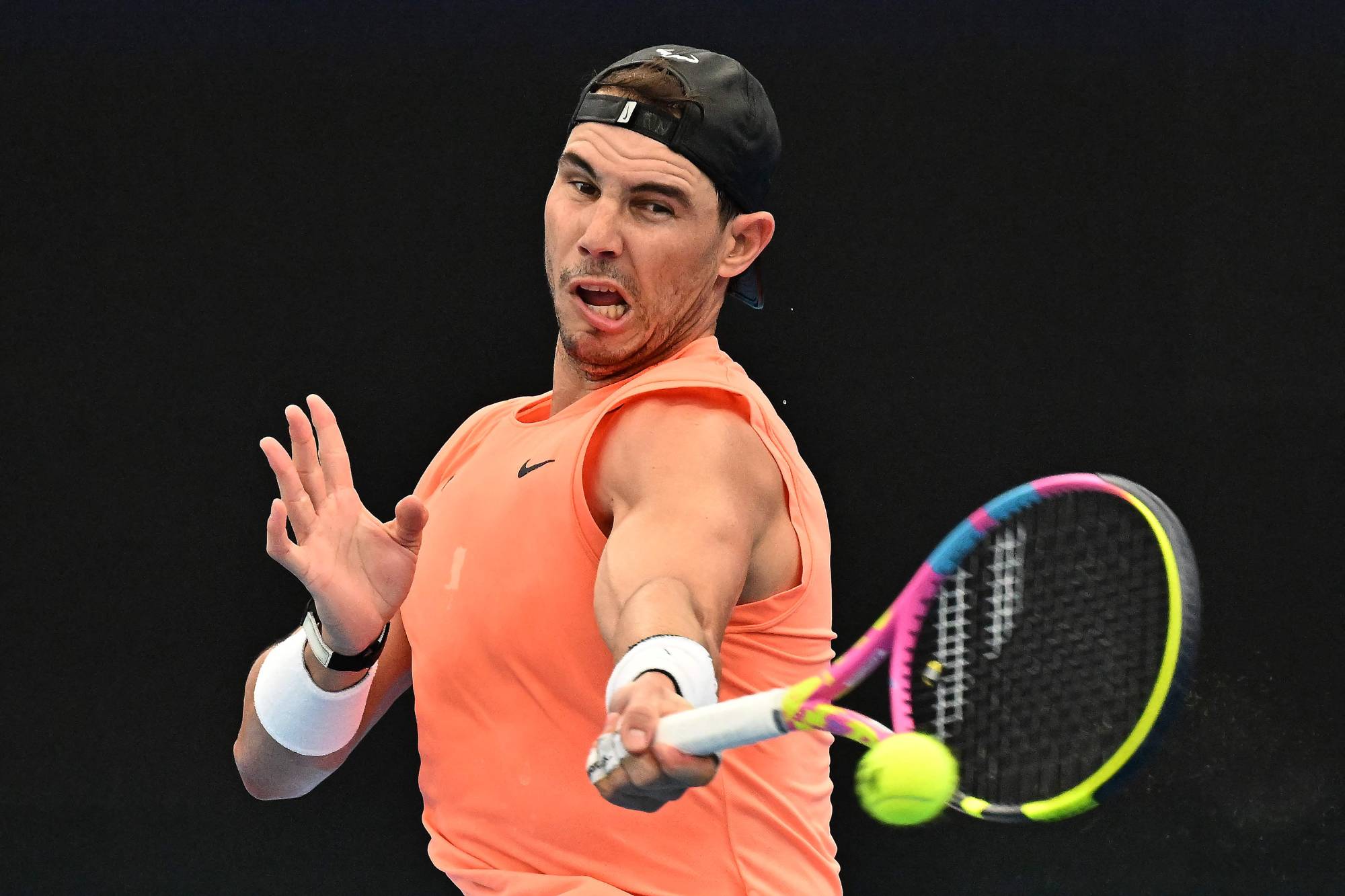
Table of Contents
- The Evolution of Grunting in Professional Tennis
- The Science Behind the Grunt: Performance Benefits
- The 100-Decibel Phenomenon: Measuring Tennis Noise
- How Grunting Distracts Opponents: The Competitive Edge
- Famous Grunters: Sharapova, Nadal, and Seles
- The Great Grunting Debate: Should It Be Banned?
- WTA and ATP Rules: Regulation Attempts
- Psychological Warfare: Grunting as Strategic Weapon
- Biomechanical Advantages: Force and Velocity Gains
- Youth Tennis Grunting Policies and Prevention
- The Future of Grunting in Tennis
- Frequently Asked Questions
The sharp crack of a tennis ball meeting strings should signal the start of strategic positioning, split-second decision making, and athletic anticipation required to return professional serves exceeding one hundred twenty miles per hour. Instead, increasingly loud grunts and shrieks reaching one hundred decibels or more mask these critical auditory cues while simultaneously startling, distracting, and psychologically intimidating opponents across the net. What began as natural exhalation during physical exertion has evolved into weaponized sound warfare generating fierce controversy, failed regulatory attempts, and scientific studies confirming measurable competitive advantages that fundamentally challenge tennis’s traditional emphasis on sportsmanship and fair play.
The grunting phenomenon traces evolution from rare occurrence to widespread practice dividing the tennis world into passionate supporters defending natural expression and vocal critics denouncing unsportsmanlike conduct. Monica Seles popularized distinctive grunting during her dominant early 1990s career, enduring ridicule while accumulating grand slam victories that inspired subsequent generations to embrace audible shot production. Maria Sharapova elevated grunting to unprecedented volume levels exceeding one hundred decibels, prompting measurement studies, rule change proposals, and opponent complaints that sparked international debate about competitive fairness versus individual freedom in athletic performance expression.
Scientific research emerged documenting grunting’s tangible performance benefits including increased ball velocity without additional metabolic cost, enhanced muscle force production through improved core engagement, and significant opponent performance degradation through auditory distraction and trajectory prediction interference. These findings transformed grunting from subjective annoyance into objectively measurable advantage quantifiable through controlled laboratory studies and biomechanical analysis. The evidence supports critics’ long-standing assertions that grunting provides unfair benefits while simultaneously explaining why players resist abandoning practices contributing demonstrably to their competitive success and professional earnings.

The Evolution of Grunting in Professional Tennis
Tennis grunting exists throughout the sport’s modern history but remained relatively uncommon until the late twentieth century when prominent players normalized and amplified the practice into mainstream acceptance despite traditionalist objections. Early professional tennis emphasized quiet concentration and genteel conduct reflecting the sport’s upper-class origins and country club culture prioritizing decorum over demonstrative emotional or audible expression. Players who grunted faced criticism for lacking proper etiquette and violating unwritten codes governing acceptable on-court behavior that distinguished tennis from more boisterous athletic competitions.
Jimmy Connors represented one of the first high-profile male players whose audible exertions during the 1970s and early 1980s challenged traditional tennis norms while coinciding with the sport’s increasing professionalization and democratization. His grunting, combined with aggressive on-court demeanor and working-class background, symbolized tennis’s transition from amateur gentleman’s game to professional athletic competition where winning justified methods that would have scandalized previous generations of players and administrators. Connors’ success despite criticism established precedent that performance results superseded stylistic objections regarding acceptable conduct.
Monica Seles revolutionized women’s tennis grunting during her meteoric rise in the late 1980s and early 1990s through distinctive two-syllable vocalizations accompanying every shot that became instantly recognizable signatures of her aggressive baseline game. Her grunting generated immediate controversy with opponents, commentators, and tennis purists denouncing the practice as distracting, unsportsmanlike, and violating tennis’s traditional emphasis on quiet concentration and respectful competition. Despite criticism, Seles accumulated nine grand slam singles titles before age twenty, demonstrating that grunting did not prevent exceptional success while potentially contributing to the intimidating presence and relentless intensity that defined her playing style.
The 1990s witnessed increasing normalization of grunting across professional tennis as players observed Seles and others achieving success despite criticism. Younger players entering professional ranks grew up watching successful grunters and incorporated similar practices into their developmental training without the self-consciousness that constrained earlier generations. Coaches recognized grunting’s potential benefits including improved breathing rhythm, enhanced core engagement, and psychological intimidation while dismissing objections as outdated adherence to anachronistic etiquette rules incompatible with modern athletic training emphasizing every legal advantage in pursuit of competitive excellence and professional earnings.
The twenty-first century brought exponential increases in grunting volume and prevalence as players like Maria Sharapova, Venus and Serena Williams, Victoria Azarenka, and numerous others produced sounds reaching unprecedented decibel levels that prompted formal noise measurements, rule change proposals, and renewed debate about the line between natural expression and gamesmanship. Male players including Rafael Nadal, Novak Djokovic, and Fernando Verdasco similarly embraced audible shot production, normalizing grunting across both professional tours. This widespread adoption transformed grunting from controversial outlier behavior into accepted norm despite ongoing objections from affected opponents and traditionalist observers.
Understanding olympic gold medals truth reveals how competitive advantages, whether through equipment, technique, or audible expression, become normalized once demonstrated effective at elite levels across multiple champions.

The Science Behind the Grunt: Performance Benefits
Scientific investigation into tennis grunting’s performance effects began relatively recently despite decades of controversy, with researchers designing controlled studies quantifying impacts on ball velocity, muscle force production, and metabolic efficiency. A landmark 2014 study published examining collegiate tennis players demonstrated that grunting increased ball velocity by 3.8% compared to non-grunting conditions while producing no significant differences in oxygen consumption, heart rate, ventilatory efficiency, or perceived exertion ratings. These findings confirmed that grunting enhanced performance without corresponding physiological costs, representing genuine competitive advantage available without additional training, conditioning, or energy expenditure.
The mechanism underlying grunting’s velocity enhancement involves complex interactions between breathing patterns, core muscle engagement, and biomechanical force transfer throughout the kinetic chain connecting lower body, trunk, and upper extremity during tennis strokes. Grunting appears to facilitate forced exhalation coinciding with ball contact, enhancing intra-abdominal pressure and core stabilization that optimize power transfer from legs through torso rotation into arm acceleration and racket head speed. This coordination improves efficiency of the sequential summation of forces that generates maximum velocity in tennis serves and groundstrokes requiring whole-body coordination and precise timing.
Electromyography studies measuring muscle electrical activity during grunting versus non-grunting conditions revealed significantly greater peak muscle activation in pectoralis major and external oblique muscles when players produced audible vocalizations during serves and forehand strokes. Enhanced muscle recruitment suggests grunting facilitates more complete motor unit activation within key muscles responsible for generating rotational power and forward momentum during tennis strokes. The neural mechanisms remain incompletely understood but may involve reduced cortical inhibition or enhanced motor cortex excitability associated with vocalization production that incidentally facilitates greater voluntary muscle force generation.
Research examining grunting effects on ball velocity specifically documented that grunting increased ball velocity from opponents judging serves presented on video displays. Studies examining isometric force production using dynamometers confirmed similar findings in controlled laboratory conditions isolating strength measurements from complex tennis stroke biomechanics. These convergent results across multiple experimental paradigms strengthen conclusions that grunting genuinely enhances force production rather than merely affecting perception or representing experimental artifact from testing methodology limitations.
The performance enhancement extends beyond simple velocity increases to include improved consistency and reduced technical errors during high-pressure situations. Players report that grunting helps establish rhythmic patterns coordinating breathing with shot production, reducing timing errors that occur when breath-holding or irregular breathing disrupts the automatic execution of well-practiced movement patterns. This rhythmic entrainment between respiration and motor output resembles techniques used by Olympic weightlifters, martial artists, and other athletes who coordinate breathing with explosive force production for performance optimization across diverse sports requiring maximal effort generation.
Shop on AliExpress via link: wholesale-professional-tennis-equipment
The 100-Decibel Phenomenon: Measuring Tennis Noise
The quantification of tennis grunting through decibel measurements provided objective data transforming subjective complaints into scientifically documented phenomenon with implications for hearing safety, competitive fairness, and regulatory considerations. Maria Sharapova’s grunt consistently measured between 101 and 105 decibels during peak exertion, exceeding noise levels produced by motorcycles, chainsaws, lawnmowers, and subway trains while approaching volume levels associated with rock concerts, jackhammers, and aircraft takeoffs. These measurements shocked observers unfamiliar with sound intensity scales and prompted serious questions about the appropriateness of such extreme noise levels in individual sport competitions emphasizing concentration and precision.
Portuguese player Michelle Larcher de Brito earned distinction for producing tennis’s loudest measured grunt reaching 109 decibels during the 2009 French Open, surpassing even Sharapova’s notorious vocalizations and drawing intense media attention, opponent complaints, and renewed calls for regulatory intervention. The controversy surrounding de Brito’s volume levels highlighted tensions between individual expression rights and opponents’ right to compete without excessive auditory interference disrupting concentration and shot anticipation. Her case exemplified the extremes reached by grunting evolution and the challenges facing tennis authorities attempting to establish reasonable limits without arbitrary enforcement.
Understanding decibel scale characteristics proves essential for contextualizing tennis grunting measurements and their physiological implications. The decibel scale operates logarithmically rather than linearly, meaning that small numerical increases represent massive actual sound intensity multiplications. A 10-decibel increase corresponds to sound perceived as approximately twice as loud by human hearing, while actual sound energy increases tenfold. Consequently, grunts measuring 100 decibels contain one hundred times more acoustic energy than 80-decibel sounds and feel subjectively four times louder to opponents across the net experiencing these vocalizations at close range during intense rallies.
Occupational safety standards establish 85 decibels as the threshold requiring hearing conservation programs protecting workers from noise-induced hearing loss during eight-hour exposure periods. Tennis grunts exceeding 100 decibels surpass these workplace safety limits substantially, though exposure durations remain much briefer during tennis matches compared to industrial environments. Nevertheless, the comparison highlights the extreme nature of tennis grunting volumes and raises legitimate concerns about the appropriateness of such intensity in sporting competitions where opponents cannot escape exposure or utilize hearing protection without compromising performance.
The spatial distribution of tennis grunt intensity varies significantly based on location relative to the grunting player, with opponents experiencing maximum exposure across the net at distances of approximately 40-60 feet depending on court positioning. Sound intensity decreases with distance following inverse square law principles, meaning that spectators seated courtside experience substantially lower volumes than opponents despite sensing the grunts clearly. This spatial variation complicates regulatory attempts since measurements location affects recorded values substantially, requiring standardized measurement protocols establishing consistent reference points for comparing different players and evaluating compliance with potential volume limits.
Analyzing free throw psychology secret demonstrates how auditory environment affects athletic performance across different sports, with basketball free throw shooters particularly vulnerable to crowd noise disrupting concentration during critical moments.

How Grunting Distracts Opponents: The Competitive Edge
Scientific research documenting grunting’s effects on opponent performance provides compelling evidence that the practice confers measurable competitive advantages beyond direct biomechanical benefits to the grunting player. A pioneering study published examining tennis shot direction prediction demonstrated that participants responded both slower and less accurately when viewing tennis videos accompanied by auditory stimuli simulating grunts compared to silent control conditions. Specifically, participants exhibited response time delays of approximately 30-40 milliseconds and error rate increases of 3-4% when grunts accompanied shots, translating to opponents being wrong-footed nearly once per game during typical match conditions.
The magnitude of these performance decrements appears modest in percentage terms but proves substantial in practical tennis contexts where matches often hinge on narrow margins and single points determine set outcomes. Professional tennis rallies average five to seven seconds with approximately three directional changes and four strokes per point, meaning that the additional errors induced by grunting accumulate rapidly across points, games, and sets. Given that only four points are required to win a game, causing opponents to mis-predict shot direction even occasionally per game represents tremendous competitive advantage that influences match outcomes, tournament success, and professional rankings worth millions in prize money and endorsement opportunities.
Multiple mechanisms potentially explain grunting’s detrimental effects on opponent performance, with research investigating competing hypotheses to identify the primary pathways through which auditory interference disrupts shot anticipation and reaction. The distraction account proposes that grunts capture attentional resources necessary for rapid visual processing and motor response planning, dividing limited cognitive capacity between irrelevant auditory processing and task-critical visual analysis. This general attentional disruption should produce non-specific increases in reaction times and error rates across all shot types and directions without systematic patterns favoring particular outcomes.
The masking account alternatively suggests that grunts interfere by obscuring the sound of ball-racket contact that provides crucial information about shot velocity, spin, and trajectory enabling anticipatory positioning and stroke preparation. Experienced players develop exquisite sensitivity to these acoustic cues through years of training, unconsciously extracting shot characteristics from impact sounds to complement visual information in constructing predictions about ball flight paths. Grunting that coincides temporally with ball contact could effectively mask these informative sounds, degrading prediction accuracy particularly for shots requiring rapid discrimination between similar trajectories differing subtly in velocity or spin characteristics.
The multisensory integration account proposes that grunts systematically bias trajectory predictions through cross-modal influences on visual perception, with auditory intensity information influencing judgments about shot power and expected ball landing positions. Research supporting this account demonstrated that higher intensity grunts yielded judgments of longer ball trajectories with participants predicting deeper landing positions when louder grunts accompanied shots. This systematic bias differs from simple distraction effects by producing directional errors rather than general accuracy degradation, with opponents consistently overestimating shot depth when facing loud grunters and positioning themselves too deeply in response to these miscalibrated predictions.
Recent studies provide evidence supporting all three mechanisms contributing simultaneously to grunting’s performance effects depending on specific temporal relationships between grunts, ball contact, and opponent processing stages. Grunts preceding ball contact may primarily distract attention, those coinciding with contact likely mask acoustic cues, while grunt intensity regardless of timing appears to bias trajectory judgments through multisensory integration processes. This mechanistic complexity explains why grunting proves so difficult to counteract through training or deliberate compensation, as opponents must simultaneously manage attentional capture, missing auditory information, and biased perceptual judgments while executing demanding motor responses under severe time pressure.
Famous Grunters: Sharapova, Nadal, and Seles
Maria Sharapova achieved international recognition not only for her five grand slam singles championships and extended periods ranked number one but equally for producing tennis’s most notorious and extensively measured grunt reaching 101-105 decibels during match play. Her vocalization accompanied every shot from routine groundstrokes to match-critical serves, creating instantly recognizable audio signature that defined her playing style as distinctly as her powerful baseline game and fierce competitive intensity. Opponents including Laura Robson explicitly complained that Sharapova’s grunting disrupted concentration and violated sportsmanship principles, though their objections yielded no regulatory action or modification of her established vocal patterns.
Sharapova consistently defended her grunting as natural component of her game developed during youth training in Florida’s competitive tennis academies where coaches encouraged maximum effort and intensity without restricting vocal expression. She argued that eliminating grunting would require fundamentally altering ingrained motor patterns established over decades of practice, comparing the demand to asking players to change serving motions or groundstroke techniques after reaching professional level. This defense resonated with many players and coaches who recognized that deeply embedded habits resist conscious modification, particularly under match pressure when automatic execution proves essential for optimal performance.
Rafael Nadal represents men’s tennis most prominent grunter with vocalizations ranging from 95 to 100 decibels during intense baseline exchanges and particularly during his characteristically vigorous serving motion involving full-body explosive power generation. His grunting intensity varies across different shot types and competitive situations, increasing notably during critical points and high-pressure moments suggesting potential strategic deployment rather than purely automatic physiological response. Nadal’s twenty-two grand slam singles titles and extended dominance particularly on clay courts demonstrate that grunting compatibility with the highest levels of tennis achievement, though whether grunting contributes to his success remains difficult to isolate from his exceptional athletic ability, strategic acumen, and relentless competitive drive.
Monica Seles pioneered modern tennis grunting through distinctive two-syllable vocalizations described as resembling “ugh-ah” that accompanied her revolutionary two-handed groundstrokes on both forehand and backhand sides. Her grunting became so integral to her playing identity that opponents developed strategies attempting to exploit it, with some players deliberately disrupting rally rhythms hoping to interrupt Seles’s vocal-motor coordination patterns. The stabbing attack that nearly ended her career in 1993 occurred during a changeover when she was most vulnerable, a horrifying incident that traumatized the tennis world but bore no connection to grunting controversy despite coinciding with peak public criticism of her vocalizations.
Victoria Azarenka developed particularly loud grunting that opponents found especially disruptive due to extended duration and piercing quality that persisted throughout shot execution and into follow-through phases. Her vocalizations prompted numerous opponent complaints and spectator criticism during her successful 2012-2013 period when she captured two Australian Open titles while establishing career-high number one ranking. Azarenka defended her grunting as unconscious habit developed naturally without deliberate intent to disturb opponents, though critics questioned how such extreme volume could occur without awareness or control given the effort required to produce such intense vocalizations.
Reviewing gymnastics scoring conspiracy reveals how subjective judgments and difficult-to-regulate aspects of athletic performance generate controversy across diverse sports when competitive advantages blur lines between legitimate technique and questionable gamesmanship.

The Great Grunting Debate: Should It Be Banned?
The grunting controversy divides tennis stakeholders into entrenched positions reflecting fundamentally different values regarding sportsmanship, competitive fairness, individual expression, and the essence of tennis as athletic competition versus genteel game. Critics argue that grunting violates tennis’s traditional emphasis on respectful competition where success derives exclusively from physical and mental capabilities rather than extraneous factors distracting or disrupting opponents. They contend that scientific evidence documenting grunting’s performance benefits and opponent interference establishes that the practice provides unfair advantages incompatible with competitive equality principles underlying organized sport.
Martina Navratilova emerged as grunting’s most prominent and persistent critic among former champions, repeatedly calling for bans on grounds that current volume levels exceed reasonable expression boundaries and constitute deliberate gamesmanship. She emphasized that her generation competed successfully without grunting and questioned why contemporary players require such extreme vocalizations if genuine physiological necessity rather than tactical exploitation motivates the practice. Her credibility as arguably tennis’s greatest champion lent weight to arguments that elite performance remains achievable without grunting, contradicting claims that restriction would compromise competitive potential or require impossible habit modification.
Supporters counter that grunting represents natural physiological response to maximal exertion that enhances performance through legitimate biomechanical mechanisms applicable equally to all players. They argue that restricting grunting would arbitrarily disadvantage players who developed habits through standard training practices while providing no similar restriction on other aspects of playing style including court positioning, service motions, or groundstroke techniques that similarly affect opponent performance. This framing characterizes grunting as individual style choice equivalent to preferring baseline or serve-and-volley tactics rather than unfair advantage warranting prohibition.
The timing debate focuses particularly on whether implementing restrictions retroactively on established professionals versus preventing development in youth players represents fair and practical policy approach. Proponents of youth restrictions argue that preventing grunting habit formation proves far simpler than modifying established patterns, potentially resolving the issue gradually as new generations enter professional ranks without ingrained vocal habits. Critics question whether preventing natural development infringes on young players’ rights to train using all legal methods while potentially handicapping them against older competitors whose grunting remains grandfathered under proposed policies.
Enforcement challenges complicate any potential grunting restrictions as distinguishing between “acceptable” and “excessive” grunting requires subjective judgments that prove difficult to standardize and implement consistently across different officials, tournaments, and playing conditions. Proposed volume thresholds using decibel measurements face practical obstacles including measurement location standardization, equipment calibration, and real-time monitoring logistics. Alternative approaches emphasizing duration, timing relative to ball contact, or disruption of opponent concentration similarly struggle with operational definitions and consistent application across varied circumstances and individual playing styles.
WTA and ATP Rules: Regulation Attempts
Tennis governing bodies approached grunting regulation cautiously through existing hindrance rules rather than creating specific grunting prohibitions, reflecting institutional reluctance to restrict established practices without clear rule violations. The International Tennis Federation rules of tennis include hindrance provisions allowing umpires to award points to opponents if players make sounds or gestures deliberately designed to distract or hinder opponents during points. However, these rules apply most clearly to intentional actions like shouting during opponent’s stroke preparation rather than continuous grunting accompanying player’s own shots, creating ambiguity about applicability to typical grunting patterns.
The Women’s Tennis Association implemented guidelines in 2012 educating players about grunting concerns and empowering officials to enforce hindrance rules against excessive vocalizations disrupting opponents. These guidelines emphasized that grunting must represent natural expression accompanying physical exertion rather than deliberate distraction attempts, though determining intent proves virtually impossible in practice. The WTA stopped short of establishing objective volume limits or duration standards that might enable consistent enforcement, instead relying on official discretion to identify egregious cases warranting intervention.
Grand Slam tournaments introduced anti-grunting initiatives targeting youth development programs while avoiding restrictions on established professionals. These initiatives included educational components informing young players about grunting concerns, coaching guidelines discouraging habit formation, and monitoring systems tracking grunting development in junior competitors. The gradual approach aimed to reduce grunting prevalence over time as new generations entered professional ranks without established vocal patterns, avoiding the controversial and potentially impossible task of forcing established players to modify ingrained habits mid-career.
The ATP maintained even more cautious approach than the WTA regarding grunting regulation, with male players and officials generally viewing the issue as less pressing given lower overall prevalence and volume compared to women’s tennis. This gender disparity in regulatory attention generated its own controversy with some observers questioning whether standards applied inconsistently or whether genuine differences in typical grunting patterns justified differential treatment. The ATP’s reluctance to address grunting except in extraordinarily disruptive cases reflected broader institutional conservatism about modifying rules absent compelling evidence of serious competitive fairness violations.
Enforcement statistics reveal extremely rare actual penalties for grunting despite abundant complaints and rule provisions theoretically enabling sanctions. Players occasionally receive informal warnings about excessive volume but almost never face point penalties or game violations for hindrance through grunting. This enforcement reluctance stems partly from officials’ difficulty distinguishing acceptable from excessive grunting without objective standards and partly from institutional desire to avoid confronting high-profile players whose objections could generate negative publicity and potential legal challenges to subjective rule interpretations.
Understanding fifa world cup 2026 draw complete guide shows how international sports organizations balance competitive fairness considerations against practical enforcement challenges when regulating controversial but widespread practices.

Psychological Warfare: Grunting as Strategic Weapon
The psychological dimensions of tennis grunting extend beyond physiological performance enhancement to encompass intimidation, frustration induction, and mental warfare strategies exploiting opponents’ emotional responses to auditory stimuli. Loud grunting projects dominance, confidence, and physical power that can psychologically overwhelm opponents, particularly those experiencing doubt or struggling with match pressure. The constant auditory reminder of opponent’s force and intensity throughout every rally creates cumulative psychological burden amplifying normal competitive stress and potentially triggering negative thought patterns undermining performance.
Players report that facing chronic grunters generates significant frustration that accumulates across matches and potentially affects concentration, strategic thinking, and emotional regulation. The inability to escape or counteract the auditory interference while officials ignore complaints creates helplessness feelings that compound frustration effects. Some players consciously employ grunting strategically during high-pressure situations including break points, tiebreakers, and critical service games where psychological factors prove especially influential. The timing and intensity modulation suggests deliberate tactical deployment rather than purely automatic physiological response.
The normalization of grunting complicates opponents’ psychological responses as complaining risks appearing weak, unsportsmanlike, or unable to handle legitimate competitive pressure. This social dynamic discourages vocal objections even when grunting genuinely disrupts concentration and performance. Players who complain face potential backlash from media, fans, and other players who characterize objections as excuse-making rather than legitimate grievance about unfair advantages. This silencing effect perpetuates grunting’s acceptance despite private widespread resentment among affected competitors.
Grunting also serves psychological self-regulation functions for players producing vocalizations, providing rhythmic structure, emotional release, and confidence reinforcement through auditory feedback loops. The sound of one’s own powerful grunting can boost self-efficacy beliefs and maintain aggressive, attacking mindset conducive to proactive rather than defensive tactical approaches. This dual psychological impact—simultaneously boosting grunter confidence while undermining opponent composure—amplifies competitive advantages beyond simple performance enhancement or distraction effects documented in laboratory studies.
The contagion effect whereby grunting spreads across players and generations suggests social learning processes beyond pure physiological necessity. Young players observe successful role models like Sharapova and Nadal using grunting while accumulating championship titles and infer that adopting similar practices might contribute to their own competitive success. Coaches reinforce these perceptions by encouraging maximum effort expression without restricting vocal habits that correlate with elite achievement even when causal relationships remain unclear. This imitation process perpetuates and amplifies grunting prevalence despite controversy and objections.
Biomechanical Advantages: Force and Velocity Gains
The biomechanical analysis of grunting reveals complex interactions between respiratory patterns, core muscle activation, and kinetic chain efficiency that collectively enhance force production and power transfer during tennis strokes. Forced exhalation during ball contact increases intra-abdominal pressure through coordinated contraction of diaphragm, abdominal muscles, and pelvic floor musculature. This increased pressure stabilizes the spine and pelvis, creating more rigid platform for force transmission from lower body through trunk rotation into upper extremity acceleration and racket velocity at contact.
The timing coordination between breathing and movement represents critical factor determining whether grunting enhances or disrupts performance. Optimal grunting coincides with the acceleration phase of stroke production when maximum force generation occurs, synchronizing respiratory muscle engagement with prime mover activation in chest, shoulder, and arm musculature. This synchronization appears to reduce antagonistic co-contraction that typically limits maximum force production by ensuring all muscular effort directs toward desired movement direction without conflicting muscle actions dissipating generated forces.
Electromyography studies measuring muscle electrical activity during tennis strokes reveal that grunting significantly increases peak activation levels in key force-generating muscles including pectoralis major, external oblique, and rectus abdominis. These enhanced activation patterns suggest that grunting facilitates more complete motor unit recruitment within muscles, potentially through reduced cortical inhibition or enhanced corticospinal excitability associated with vocalization production. The neural mechanisms linking vocalization to improved muscle activation remain incompletely understood but may involve shared neural pathways between respiratory control centers and motor cortex regions governing voluntary movement.
The velocity increases documented in research studies translate to meaningful competitive advantages when projected across typical tennis match situations. A 3.8% velocity increase applied to 100-mile-per-hour serve produces speeds exceeding 103 miles per hour, reducing opponent reaction time by approximately 15 milliseconds—sufficient to determine whether returns land in court or sail long under pressure. Similar velocity enhancements on groundstrokes reduce time available for court coverage and positioning, forcing opponents to begin movements earlier based on prediction rather than reaction to actual ball flight characteristics.
The absence of corresponding metabolic cost increases for grunting-induced velocity enhancements represents particularly significant finding distinguishing this advantage from gains requiring additional training, conditioning, or energy expenditure. Players achieve improved performance essentially “for free” without sacrificing endurance, requiring additional recovery, or accepting trade-offs in other performance domains. This cost-free enhancement explains why rational competitors continue grunting despite criticism, as abandoning the practice would voluntarily surrender measurable competitive advantage without compensating benefits.
Examining soccer referee hidden rules demonstrates how sports officials exercise discretion in applying rules to behaviors that technically violate regulations but have become so normalized that enforcement would generate controversy exceeding the violation’s actual competitive impact.

Youth Tennis Grunting Policies and Prevention
Youth tennis organizations implemented proactive anti-grunting policies aimed at preventing habit formation among developing players while avoiding controversies associated with restricting established professionals. These policies recognize that modifying ingrained vocal patterns proves extremely difficult once established through years of training and competition, while preventing initial habit development requires merely maintaining awareness during coaching and practice. The preventive approach sidesteps enforcement challenges facing professional tours by addressing grunting before players reach competitive levels where vocal habits become deeply embedded and psychologically important.
The United States Tennis Association introduced guidelines discouraging grunting in youth competitions and development programs, educating coaches about alternatives for teaching maximum effort and intensity without vocal habits potentially problematic at higher competitive levels. These guidelines emphasize that players can learn to produce maximum force without grunting through proper breathing technique, core engagement, and biomechanical efficiency that optimize performance without auditory byproducts distracting opponents. Coaches receive training identifying early grunting signs and implementing corrective interventions before patterns solidify.
Junior tournament policies increasingly include anti-grunting language in codes of conduct with officials empowered to warn and potentially penalize players whose vocalizations disrupt opponents. These policies apply most strictly to excessive volume or duration clearly intended to disturb rather than natural exhalation accompanying physical effort. The distinction proves easier to enforce with young players whose habits remain less established and whose motivations more transparent compared to professional competitors whose ingrained patterns developed over decades resist simple characterization as intentional or automatic.
Parent and coach education represents critical component of youth anti-grunting initiatives as adults supervising young players’ development significantly influence whether children adopt and reinforce vocal habits during training. Educational materials emphasize that grunting provides no essential benefits for performance development that cannot be achieved through proper technique, that normalizing grunting creates potential conflicts with opponents and officials, and that professional players’ grunting represents exceptions rather than models for developing players to emulate. This messaging counters the natural tendency for young athletes to imitate successful professionals regardless of whether specific behaviors contributed to their success.
The long-term effectiveness of youth anti-grunting policies remains uncertain given relatively recent implementation and the years required before current junior players reach professional levels. If successful, these policies could gradually reduce grunting prevalence as new generations enter professional ranks without established vocal habits competing against older players whose patterns remain grandfathered. Alternatively, the powerful performance incentives documented in research studies might cause players to develop grunting despite youth prevention efforts once reaching levels where competitive advantages significantly affect results, rankings, and earnings. The ultimate outcome depends on whether social norms and regulatory enforcement prove strong enough to counteract individual incentives favoring grunting adoption.
The Future of Grunting in Tennis
The trajectory of grunting in professional tennis remains uncertain as conflicting pressures from scientific evidence, player preferences, regulatory considerations, and traditional values create complex dynamics without clear resolution paths. Increased scientific documentation of performance benefits strengthens arguments that grunting provides genuine advantages justifying its prevalence while simultaneously undermining claims that restrictions would merely preserve outdated etiquette without affecting competitive outcomes. This evidence-based understanding complicates rather than clarifies policy discussions by confirming that proposed restrictions would materially affect competitive balance and potentially disadvantage players who developed grunting through standard training.
Technological solutions including real-time decibel monitoring, automated warning systems, and objective measurement protocols could theoretically enable consistent enforcement of volume limits resolving current reliance on subjective official judgments. However, implementing such systems faces practical obstacles including equipment costs, calibration requirements, measurement location standardization, and player acceptance of technological intrusion into traditional human officiating. The precedent of video review adoption in tennis demonstrates that technological solutions can overcome initial resistance when providing clear benefits, though grunting measurement complexity exceeds replay review straightforwardness.
Generational shifts among players, coaches, and administrators may gradually alter grunting acceptance as current controversies influence norms and practices in youth development programs. If anti-grunting messages resonated with young players and families concerned about sportsmanship and opponent respect, cultural changes could reduce grunting organically without requiring explicit prohibitions or enforcement mechanisms. Conversely, if competitive pressures and performance advantages continue dominating considerations, grunting could expand further as more players recognize tactical benefits and adopt practices previously resisted due to traditional values or personal preference.
The professional tours face difficult choices balancing multiple stakeholder interests including player autonomy, competitive fairness, spectator experience, and tennis’s traditional identity. Any significant policy changes risk alienating constituencies with strong opinions while failing to satisfy critics regardless of specific provisions adopted. The cautious incrementalism characterizing current approaches reflects institutional desire to avoid decisive action generating intense controversy while hoping gradual cultural evolution resolves tensions organically through generational turnover and shifting norms.
International sports governance trends toward increased regulation of previously unregulated behaviors may eventually pressure tennis authorities toward more assertive grunting restrictions as other sports address analogous issues including excessive celebration, taunting, and verbal intimidation. The broader societal emphasis on respectful competition and anti-bullying initiatives creates cultural context potentially favoring restrictions on practices perceived as deliberately disrupting or demoralizing opponents. However, tennis’s particular history, culture, and institutional structures may insulate the sport from broader trends affecting team sports with different governance dynamics and competitive cultures.
Frequently Asked Questions
Question 1: Why do tennis players grunt when hitting the ball?
Answer 1: Tennis players grunt for multiple interconnected reasons combining physiological necessity, biomechanical advantages, and psychological benefits that collectively enhance performance. Scientific research demonstrates that grunting increases ball velocity by 3.8% without additional oxygen consumption or energy expenditure, providing genuine competitive advantage achievable without extra training or conditioning. The mechanism involves enhanced core muscle engagement through forced exhalation coinciding with ball contact, increasing intra-abdominal pressure that stabilizes the trunk and optimizes force transfer throughout the kinetic chain. Electromyography studies reveal significantly greater muscle activation in pectoralis major and external oblique muscles during grunting versus silent stroke production. Additionally, grunting establishes rhythmic patterns coordinating breathing with shot execution that reduce timing errors and improve consistency under pressure. Many players develop grunting naturally through training without conscious decision or tactical intent, though others deliberately adopt or amplify vocal habits recognizing performance benefits. The combination of measurable velocity increases, improved force production, psychological intimidation, and opponent distraction creates powerful incentives maintaining grunting despite criticism and controversy.
Question 2: Is grunting in tennis illegal or banned?
Answer 2: Grunting remains legal in professional tennis despite extensive controversy, criticism, and attempted regulatory reforms. The International Tennis Federation rules include hindrance provisions theoretically allowing officials to penalize players whose sounds or gestures deliberately distract opponents, but these rules apply most clearly to intentional disruptions during opponent strokes rather than continuous grunting accompanying player’s own shots. The Women’s Tennis Association implemented guidelines in 2012 empowering officials to enforce hindrance rules against excessive grunting while emphasizing that vocalizations must represent natural expression rather than deliberate distraction. However, enforcement remains extremely rare with almost no players receiving actual point penalties or game violations despite abundant complaints. Grand Slam tournaments introduced anti-grunting education in youth development programs while avoiding restrictions on established professionals whose ingrained habits resist modification. The ATP maintains even more permissive approach with minimal regulatory attention to grunting except in extraordinarily disruptive cases. Proposed bans face implementation challenges including difficulty distinguishing acceptable from excessive grunting, enforcement logistics, and player resistance arguing that eliminating established habits requires impossible mid-career pattern modification. Youth tennis increasingly discourages grunting development through coaching education and tournament policies aimed at preventing habit formation before reaching professional levels.
Question 3: How loud is Maria Sharapova’s grunt in decibels?
Answer 3: Maria Sharapova’s grunt consistently measured between 101 and 105 decibels during competitive match play, making her tennis’s most notoriously loud grunter whose vocalizations became signature characteristic as recognizable as her playing style. These volume levels exceed noise produced by motorcycles at 95 decibels, chainsaws at 100 decibels, and approach levels associated with rock concerts at 110 decibels, jackhammers at 105 decibels, and aircraft takeoffs at 120 decibels. The measurements shocked observers unfamiliar with sound intensity scales and prompted serious questions about appropriateness of such extreme noise in individual sport emphasizing concentration. Occupational safety standards establish 85 decibels as threshold requiring hearing conservation programs protecting workers from noise-induced hearing loss during eight-hour exposures, highlighting that Sharapova’s grunting substantially exceeded workplace safety limits though tennis exposure durations remain briefer than industrial environments. Portuguese player Michelle Larcher de Brito produced even louder grunts reaching 109 decibels during the 2009 French Open. Male players including Rafael Nadal generate 95-100 decibel grunts during intense rallies. The decibel scale operates logarithmically rather than linearly, meaning 100-decibel sounds contain one hundred times more acoustic energy than 80-decibel sounds while feeling subjectively four times louder. Opponents experience maximum exposure across the net at 40-60 feet with sound intensity decreasing with distance following inverse square law principles.
Question 4: Does grunting actually help tennis performance?
Answer 4: Yes, multiple scientific studies using controlled experimental designs confirm that grunting genuinely enhances tennis performance through measurable improvements in ball velocity, muscle force production, and biomechanical efficiency. Landmark research examining collegiate tennis players demonstrated that grunting increased ball velocity by 3.8% compared to non-grunting conditions while producing no significant differences in oxygen consumption, heart rate, ventilatory efficiency, or perceived exertion ratings. These findings established that grunting provides genuine competitive advantage without corresponding physiological costs or increased energy expenditure. Subsequent studies using electromyography revealed significantly greater peak muscle activation in pectoralis major and external oblique muscles when players produced audible vocalizations during serves and forehand strokes, suggesting that grunting facilitates more complete motor unit recruitment within key force-generating muscles. Research examining isometric force production confirmed similar strength enhancements in controlled laboratory conditions isolating measurements from complex tennis stroke biomechanics. The mechanism involves forced exhalation increasing intra-abdominal pressure through coordinated respiratory muscle contraction, stabilizing spine and pelvis to create more rigid platform for force transmission from lower body through trunk rotation into arm acceleration and racket velocity. Additionally, grunting establishes rhythmic breathing patterns coordinating respiration with shot execution that reduce timing errors and improve consistency. Psychological benefits include intimidation, confidence reinforcement, and emotional release complementing direct biomechanical advantages.
Question 5: How does grunting distract opponents in tennis?
Answer 5: Grunting distracts opponents through multiple mechanisms including masking critical acoustic cues, capturing attentional resources, and systematically biasing trajectory predictions through multisensory integration effects. Research examining shot direction prediction demonstrated that participants responded 30-40 milliseconds slower with 3-4% higher error rates when viewing tennis videos accompanied by auditory stimuli simulating grunts compared to silent conditions. In practical tennis contexts where rallies average five to seven seconds with approximately three directional changes per point, these performance decrements translate to opponents being wrong-footed nearly once per game during typical match conditions. The masking account proposes that grunts coinciding temporally with ball-racket contact obscure impact sounds providing crucial information about shot velocity, spin, and trajectory that experienced players extract unconsciously to complement visual information in predicting ball flight. The distraction account suggests that grunts capture attentional resources necessary for rapid visual processing and motor response planning, dividing limited cognitive capacity between irrelevant auditory processing and task-critical visual analysis. The multisensory integration account demonstrates that grunt intensity systematically influences trajectory judgments with louder vocalizations yielding predictions of deeper ball landing positions, causing opponents to position themselves incorrectly based on these biased perceptions. Recent research suggests all three mechanisms contribute simultaneously depending on specific timing relationships between grunts and ball contact.
Question 6: Which tennis players grunt the loudest?
Answer 6: Maria Sharapova holds documented records as tennis’s loudest grunter with vocalizations consistently measuring 101-105 decibels during competitive match play, making her notorious worldwide for extreme volume levels accompanying every shot from routine groundstrokes to match-critical serves. Portuguese player Michelle Larcher de Brito actually produced even louder measurements reaching 109 decibels during the 2009 French Open, surpassing Sharapova’s volumes and generating intense media attention, opponent complaints, and renewed regulatory demands. Among male players, Rafael Nadal represents the most prominent loud grunter with vocalizations ranging from 95 to 100 decibels during intense baseline exchanges and powerful serving motions, with intensity varying across shot types and competitive situations. Novak Djokovic and Fernando Verdasco similarly produce grunts averaging 90-95 decibels during peak exertion. Monica Seles pioneered modern tennis grunting through distinctive two-syllable vocalizations during her dominant early 1990s career that revolutionized women’s tennis despite generating immediate controversy and criticism. Victoria Azarenka developed particularly loud and extended duration grunts that opponents found especially disruptive during her 2012-2013 championship period. Venus and Serena Williams both grunt audibly though at somewhat lower volumes than Sharapova and Azarenka. The loudest grunters typically produce vocalizations on every shot including routine exchanges rather than reserving sounds for maximum effort situations.
Question 7: Can umpires penalize players for excessive grunting?
Answer 7: Umpires theoretically possess authority to issue hindrance warnings and point penalties for excessive grunting under existing International Tennis Federation rules, but enforcement remains extraordinarily rare due to subjective interpretation challenges, lack of objective standards, and institutional reluctance to confront high-profile players. The ITF rules of tennis include hindrance provisions allowing officials to award points to opponents if players make sounds or gestures deliberately designed to distract or hinder opponents during points. However, these provisions apply most clearly to intentional disruptions like shouting during opponent stroke preparation rather than continuous grunting accompanying player’s own shots, creating interpretive ambiguity about applicability to typical patterns. The Women’s Tennis Association guidelines implemented in 2012 theoretically empowered officials to enforce hindrance rules against excessive vocalizations while emphasizing that grunting must represent natural expression rather than deliberate distraction. Determining intent proves virtually impossible in practice, leaving enforcement dependent on official discretion without objective criteria distinguishing acceptable from excessive volume or duration. Statistics reveal almost no actual penalties assessed for grunting despite abundant player complaints and media attention to the issue. Officials occasionally issue informal warnings about volume but extremely rarely advance to point penalties or game violations. This enforcement reluctance stems from difficulty applying subjective standards consistently, institutional desire to avoid controversial confrontations, and concern about potential legal challenges.
Question 8: Why don’t all tennis players grunt if it helps?
Answer 8: Despite documented performance benefits, many players avoid grunting for reasons including traditional tennis etiquette, personal preference, physical inability to produce loud sounds, concerns about negative perception, and habits established during youth development before recognizing potential advantages. Tennis culture traditionally emphasized quiet concentration and genteel conduct reflecting the sport’s upper-class origins, with grunting long considered violations of unwritten codes governing acceptable behavior. Players socialized in these traditional values resist adopting practices they view as unsportsmanlike or disrespectful regardless of competitive benefits. Some players find grunting distracting to their own concentration rather than opponents, preferring silent focus enabling better awareness of ball sounds and court positioning. Physical differences in vocal anatomy, respiratory capacity, and biomechanical coordination affect individuals’ ability to produce loud grunts without compromising stroke technique or timing. Players who never developed grunting habits during youth training find adoption extremely difficult later as ingrained motor patterns resist conscious modification particularly under match pressure requiring automatic execution. Cultural factors and coaching philosophies vary across regions with some traditions strongly discouraging grunting while others accept or encourage maximum effort expression. Social concerns about appearing attention-seeking, unsportsmanlike, or imitating controversial figures like Sharapova deter some players despite recognizing potential competitive advantages.
Question 9: What happened when tennis tried to ban grunting?
Answer 9: Tennis organizations’ attempts to ban or significantly restrict grunting faced implementation challenges, player resistance, and enforcement difficulties that prevented comprehensive prohibitions while achieving limited success through youth education programs. The Women’s Tennis Association introduced anti-grunting guidelines in 2012 emphasizing that officials could enforce existing hindrance rules against excessive vocalizations, but stopped short of establishing objective volume limits or explicit bans that might enable consistent enforcement. Grand Slam tournaments implemented educational initiatives targeting junior development programs while avoiding restrictions on established professionals whose ingrained habits resist modification. These youth-focused approaches recognized that preventing habit formation proves far simpler than eliminating established patterns, attempting to reduce grunting gradually as new generations enter professional ranks without vocal habits. The ATP maintained even more cautious regulatory approach with minimal attention to grunting except extraordinarily disruptive cases. Players including Sharapova, Azarenka, and Nadal successfully defended their grunting as natural components of games developed over decades, arguing that elimination would require impossible mid-career technical modifications. The absence of objective measurement standards, difficulty distinguishing intentional from automatic grunting, and concerns about legal challenges prevented tennis authorities from implementing enforceable restrictions despite extensive controversy and criticism. Youth policies showed some success reducing grunting prevalence among developing players though long-term effectiveness requires years before current juniors reach professional levels.
Question 10: Does grunting give unfair advantage in professional tennis?
Answer 10: Scientific evidence conclusively demonstrates that grunting provides measurable competitive advantages through increased ball velocity, opponent performance degradation, and psychological intimidation effects that raise legitimate fairness questions. Research documents that grunting increases ball speed by 3.8% without additional metabolic cost while causing opponents to respond 30-40 milliseconds slower with 3-4% higher error rates compared to silent conditions. These performance differences accumulate across points, games, and sets to influence match outcomes significantly in sport where narrow margins often determine victory. The magnitude of advantages rivals or exceeds benefits from superior equipment, coaching, or training programs that receive extensive regulatory attention suggesting that grunting merits similar consideration under competitive fairness principles. However, determining whether documented advantages constitute “unfair” advantages involves value judgments about acceptable versus unacceptable performance enhancement methods. Supporters argue that grunting represents natural expression and legitimate technique available theoretically to all players, comparable to serve variations or tactical preferences. Critics counter that scientific evidence documenting opponent disruption demonstrates grunting violates sportsmanship norms distinguishing tennis from combat sports where psychological warfare receives greater acceptance. The fairness debate ultimately reflects deeper disagreements about tennis’s essential character as either pure athletic competition where all legal advantages merit pursuit or tradition-bound game where unwritten codes restricting certain behaviors prove as important as formal rules. Tennis authorities’ reluctance to prohibit grunting despite controversy suggests institutional ambivalence about whether documented advantages cross thresholds justifying restriction.
Articles related:




Tags
📧 Get More Articles Like This
Subscribe to receive product reviews and buying guides in your inbox!
We respect your privacy. Unsubscribe at any time.