Complete Skincare Routine for Beginners 2026: Step-by-Step Guide to Glowing Skin from AliExpress - Budget-Friendly from $8!
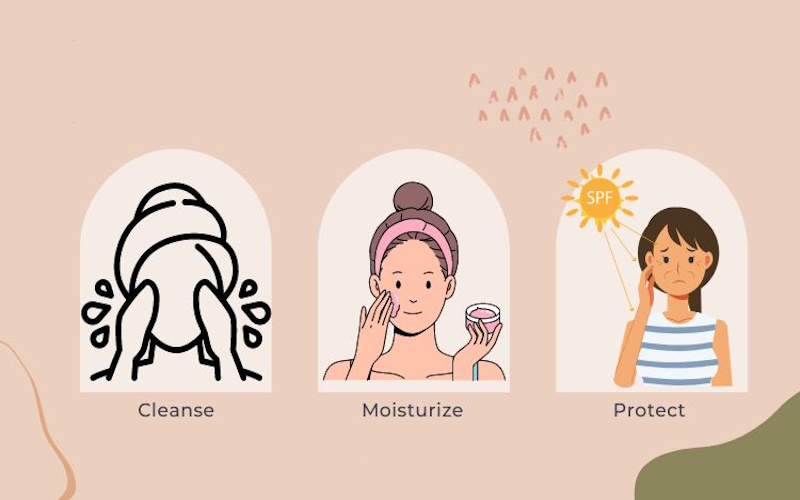
Skincare can feel overwhelming when you’re just starting out. With thousands of products, conflicting advice, and complicated routines everywhere you look, it’s easy to feel lost before you even begin. But here’s the truth: effective skincare doesn’t require dozens of expensive products or a pharmacy degree. A simple, consistent routine with the right basics can transform your skin, and you don’t need to spend a fortune to see real results.
This comprehensive beginner’s guide breaks down everything you need to know about building your first skincare routine in 2026. From understanding your skin type to selecting the right products, applying them in the correct order, and knowing what to expect—we’ve got you covered. Best of all, we’ll show you how to source quality skincare essentials from AliExpress at prices that make great skin accessible to everyone, starting from just $8 per product.
Whether you’re dealing with acne, dryness, sensitivity, or simply want to maintain healthy skin as you age, this guide provides the foundation you need to start your skincare journey with confidence.
Understanding Your Skin: The Essential First Step
Before buying a single product, you need to understand your skin. Using the wrong products for your skin type can worsen existing issues or create new ones. Fortunately, identifying your skin type is straightforward once you know what to look for.
The Five Main Skin Types
Oily Skin
Characteristics:
- Shiny appearance, especially in the T-zone (forehead, nose, chin)
- Enlarged, visible pores
- Prone to blackheads, whiteheads, and acne
- Makeup tends to slide off or break down quickly
- Skin feels greasy a few hours after cleansing
What Causes It: Overactive sebaceous glands produce excess sebum (natural skin oil). Genetics, hormones, humidity, and stress all contribute to oil production.
Benefits: Oily skin actually has advantages—it ages more slowly than dry skin, develops fewer wrinkles, and maintains better elasticity over time.
Common Mistakes:
- Over-cleansing or using harsh products (triggers more oil production)
- Skipping moisturizer (dehydrated oily skin produces even more oil)
- Using heavy, pore-clogging products
Dry Skin
Characteristics:
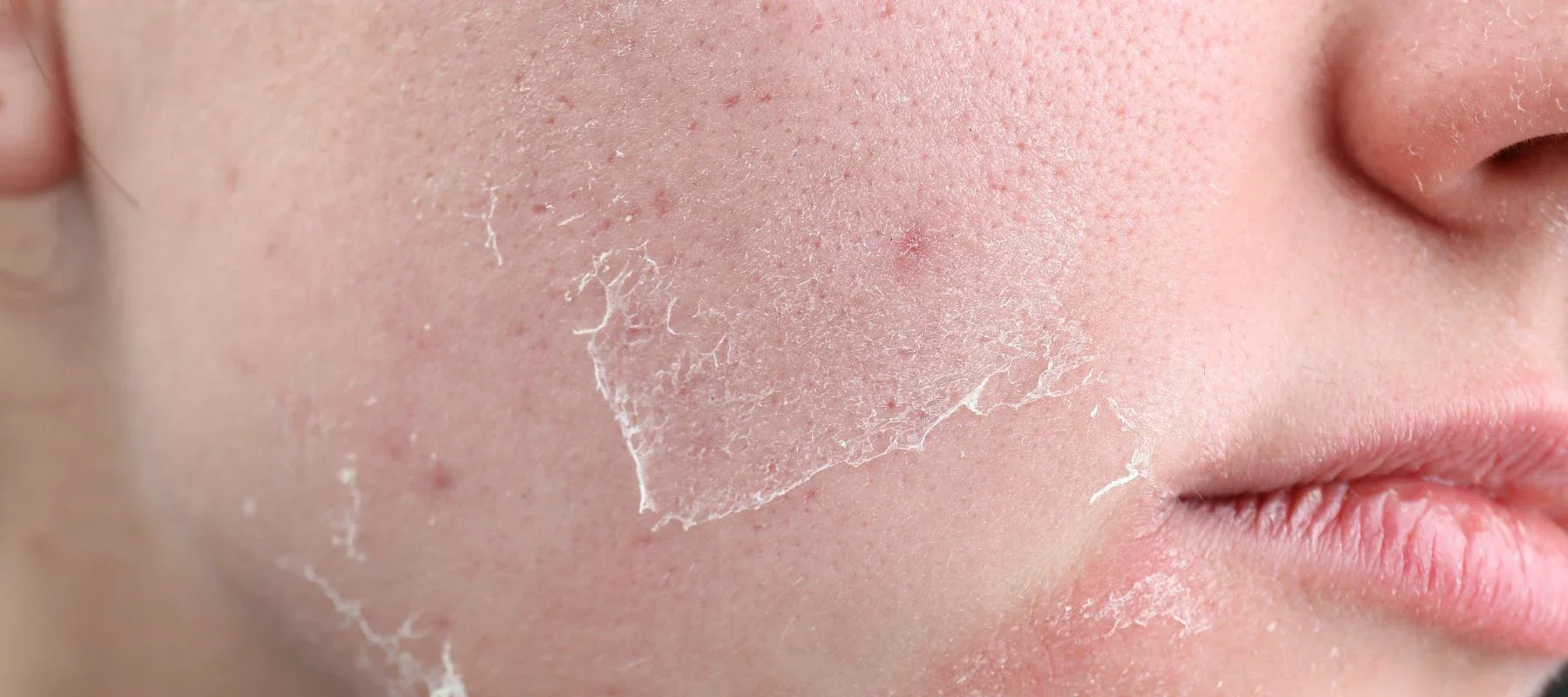
- Rough, flaky texture
- Tight feeling, especially after cleansing
- Visible dry patches or flaking
- Fine lines more apparent
- May feel itchy or uncomfortable
- Dull, lackluster appearance
What Causes It: Insufficient sebum production, compromised skin barrier, environmental factors (cold weather, low humidity, heating), aging, and genetics.
Challenges: Dry skin can crack or become irritated more easily. It’s more susceptible to sensitivity and redness.
Common Mistakes:
- Using foaming or gel cleansers (too stripping)
- Hot showers (depletes moisture)
- Not layering hydrating products
- Skipping sunscreen (further damages barrier)
Combination Skin
Characteristics:
- Oily T-zone (forehead, nose, chin)
- Normal to dry cheeks
- Enlarged pores in oily areas
- May experience both dryness and breakouts in different areas
- Skin needs vary by zone
What Causes It: Uneven distribution of sebaceous glands—more concentrated in the T-zone, fewer on cheeks and jaw.
Challenges: Finding products that balance both oily and dry areas without over-treating either.
Common Mistakes:
- Using the same product everywhere (different zones need different care)
- Only treating oily areas (neglects dry zones)
- Not adjusting routine seasonally
Sensitive Skin
Characteristics:
- Reacts easily to products, weather, or stress
- Redness, itching, burning sensations
- Prone to irritation from fragrance or certain ingredients
- May have conditions like rosacea or eczema
- Often feels tight or uncomfortable
- Flushes easily
What Causes It: Compromised skin barrier, genetic factors, inflammatory conditions, or reactive blood vessels near skin surface.
Challenges: Requires careful product selection and patch testing. Many common skincare ingredients trigger reactions.
Common Mistakes:
- Using fragranced products
- Over-exfoliating
- Not patch-testing new products
- Using too many active ingredients at once
Normal Skin
Characteristics:
- Balanced moisture and oil production
- Few to no blemishes
- Minimal sensitivity
- Pores barely visible
- Even tone and texture
- Smooth, supple feel
What Causes It: Genetic blessing combined with good skincare habits and overall health.
Benefits: Most products work well. Fewer concerns to address.
Common Mistakes:
- Taking skin for granted (protection and prevention still essential)
- Inconsistent routine (healthy skin still needs maintenance)
How to Determine Your Skin Type
The Bare-Faced Test:
1. Wash your face with gentle cleanser
2. Pat dry (don’t apply any products)
3. Wait 30-60 minutes
4. Examine your skin in natural light
What You’ll See:
- Oily: Shine across forehead, nose, chin, and possibly cheeks** - **Dry: Tight feeling, possible flaking, no shine anywhere** - **Combination: Shine only in T-zone, cheeks feel normal or tight** - **Sensitive: Redness, irritation from cleanser** - **Normal: Comfortable, balanced, no shine or tightness
Additional Considerations: Dehydrated vs. Dry: Dehydration (lack of water) and dryness (lack of oil) are different. Dehydrated skin can still be oily! Signs of dehydration include dullness, fine lines, and skin that feels tight but looks shiny.
Skin Conditions vs. Skin Type: Acne, rosacea, and eczema are conditions, not types. You can have oily, acne-prone skin or dry, rosacea-prone skin. Treat both the type and condition.
Seasonal Changes: Your skin may shift slightly between seasons—oilier in summer, drier in winter. Adjust your routine accordingly.
The 4 Essential Skincare Steps for Beginners
A beginner’s routine should include four fundamental steps performed twice daily (morning and evening). These basics address every skin type’s core needs while remaining simple enough to maintain consistently.
1. Cleanser: The Foundation of Every Routine

Cleansing removes dirt, oil, makeup, pollution, and dead skin cells that accumulate throughout the day and night. This step prepares your skin to absorb subsequent products effectively.
Why Cleansing Matters
Morning Cleansing: During sleep, your skin produces oil, sheds dead cells, and residue from nighttime products accumulates. Morning cleansing refreshes skin and creates a clean canvas for daytime products.
Evening Cleansing: This is the most crucial cleanse. Throughout the day, your skin collects makeup, sunscreen, pollution, sweat, and environmental debris. Sleeping with this buildup clogs pores and accelerates aging.
What Happens Without Proper Cleansing:
- Clogged pores leading to blackheads, whiteheads, and acne
- Dull, congested appearance
- Premature aging from accumulated free radicals
- Reduced effectiveness of other skincare products
- Bacterial buildup causing inflammation
Types of Cleansers and When to Use Them
Gel Cleansers
Best For: Oily and combination skin
Characteristics:
- Clear, gel-like consistency
- Often foaming when mixed with water
- Effectively removes excess oil
- Provides deep cleaning sensation
- Usually contains surfactants for thorough cleansing
What to Look For:
- pH-balanced formulas (around 5.5)
- Sulfate-free options to prevent stripping
- Ingredients like salicylic acid for acne-prone skin
- Tea tree oil or niacinamide for oil control
Price Range on AliExpress: $8-$18 for 100-150ml
Popular Ingredients:
- Salicylic Acid - Penetrates pores, prevents acne** - **Tea Tree Oil - Natural antibacterial properties** - **Glycolic Acid - Gentle exfoliation for smoother texture** - **Niacinamide - Regulates sebum production
Application Tips:
- Use lukewarm water (hot water strips skin)
- Massage gently for 60 seconds
- Focus on oily areas (T-zone)
- Rinse thoroughly—residue causes breakouts
Cream Cleansers
Best For: Dry and sensitive skin
Characteristics:
- Rich, creamy texture
- Non-foaming or low-foam
- Hydrating and gentle
- Doesn’t leave skin feeling tight
- Often contains moisturizing ingredients
What to Look For:
- Fragrance-free formulas
- Ceramides for barrier repair
- Hyaluronic acid for hydration
- Glycerin for moisture retention
- Gentle, non-irritating surfactants
Price Range on AliExpress: $10-$20 for 100-150ml
Popular Ingredients:
- Ceramides - Repair and strengthen skin barrier** - **Hyaluronic Acid - Attracts and retains moisture** - **Squalane - Mimics skin’s natural oils** - **Colloidal Oatmeal - Soothes and calms irritation
Application Tips:
- Apply to dry or damp skin
- Massage gently in circular motions
- Can be removed with water or soft cloth
- Follow with hydrating products immediately
Oil Cleansers
Best For: All skin types, especially for removing makeup and sunscreen
Characteristics:
- Liquid oil consistency
- Emulsifies with water
- Dissolves makeup, sunscreen, and sebum
- First step in double cleansing method
- Doesn’t leave greasy residue when rinsed properly
What to Look For:
- Lightweight oils (jojoba, grapeseed, rice bran)
- Easy emulsification when water is added
- No added fragrance for sensitive skin
- Non-comedogenic formulas
Price Range on AliExpress: $12-$25 for 100-200ml
Popular Oil Bases:
- Jojoba Oil - Similar to skin’s natural sebum** - **Grapeseed Oil - Light, absorbs quickly** - **Rice Bran Oil - Rich in antioxidants** - **Squalane - Non-comedogenic, deeply nourishing
Application Tips:
- Apply to dry skin
- Massage thoroughly for 1-2 minutes
- Add water to emulsify (turns milky white)
- Rinse thoroughly
- Follow with water-based cleanser (double cleansing)
Micellar Water
Best For: All skin types, gentle cleansing, makeup removal
Characteristics:
- Clear, water-like liquid
- Contains micelles (tiny oil molecules)
- No rinsing required (though recommended)
- Very gentle and non-irritating
- Quick and convenient
What to Look For:
- Alcohol-free formulas
- Added hydrating ingredients
- Suitable for eyes (if removing eye makeup)
- Fragrance-free for sensitive skin
Price Range on AliExpress: $8-$15 for 200-400ml
Popular Ingredients:
- Micelles - Tiny cleansing molecules that attract dirt and oil** - **Glycerin - Hydrates while cleansing** - **Panthenol - Soothes and calms** - **Rose Water - Gentle, refreshing
Application Tips:
- Saturate cotton pad
- Gently swipe across face
- No rubbing or tugging (especially around eyes)
- Consider rinsing despite “no-rinse” claim
- Great for morning cleansing or travel
The Double Cleansing Method
What Is It: A two-step cleansing process originating from Korean skincare. First cleanse removes makeup, sunscreen, and oil-based impurities. Second cleanse addresses water-based impurities and deeper cleaning.
When to Double Cleanse:
- Evening, after wearing makeup or sunscreen
- After particularly sweaty or dirty activities
- When living in polluted environments
- If prone to clogged pores or congestion
How to Double Cleanse: Step 1 - Oil-Based Cleanser:
1. Apply to dry skin
2. Massage for 1-2 minutes
3. Add water to emulsify
4. Rinse thoroughly
Step 2 - Water-Based Cleanser:
1. Apply gel or cream cleanser to damp skin
2. Massage for 60 seconds
3. Rinse thoroughly
4. Pat dry with clean towel
Benefits:
- Thoroughly removes all impurities
- Prevents clogged pores
- Prepares skin for better product absorption
- Reduces breakouts caused by residue
- Skin feels genuinely clean without stripping
Common Mistakes:
- Using harsh cleansers in second step (first step did heavy lifting)
- Double cleansing morning and night (overkill—evening only)
- Not rinsing thoroughly between steps
- Using hot water (lukewarm only)
How to Cleanse Properly
Step-by-Step Process:
1. Remove Makeup First (if applicable)
- Use micellar water or oil cleanser
- Pay special attention to eyes and lips
- Don't tug or rub aggressively
2. Wet Face with Lukewarm Water
- Not hot (strips natural oils)
- Not cold (doesn't cleanse effectively)
- Lukewarm is ideal temperature
3. Apply Cleanser
- Use small amount (usually dime to nickel-sized)
- Warm between hands
- Apply to face and neck
4. Massage Gently
- Use circular motions
- Focus on oily or congested areas
- Don't scrub aggressively
- Continue for 60 seconds minimum
5. Rinse Thoroughly
- Ensure no residue remains
- Check hairline and jawline
- Splash 10-15 times
- Residue causes breakouts and irritation
6. Pat Dry
- Use clean, soft towel
- Pat gently—don't rub
- Consider dedicated face towel (changed frequently)
- Air drying can be drying—pat excess water
Common Cleansing Mistakes to Avoid
Over-Cleansing: Cleansing more than twice daily strips natural oils, compromising the skin barrier and triggering increased oil production (especially in oily skin). Stick to morning and evening.
Using Wrong Formula: Foaming cleansers on dry skin cause tightness and irritation. Cream cleansers on oily skin may not clean effectively. Match cleanser to skin type.
Harsh Scrubbing: Aggressive scrubbing damages skin and causes micro-tears. Be gentle—your fingers are sufficient for cleansing.
Hot Water: While it feels good, hot water strips protective oils and dilates blood vessels, worsening redness. Lukewarm water only.
Not Removing Makeup First: Trying to cleanse without removing makeup first just smears makeup around. Always remove makeup as step one.
Towel Sharing: Using towels that others use introduces bacteria. Have your own dedicated face towel and wash frequently.
Skipping Neck: Your neck shows age just like your face. Always extend cleansing (and all skincare) down to your neck and décolletage.
2. Moisturizer: Hydration and Protection
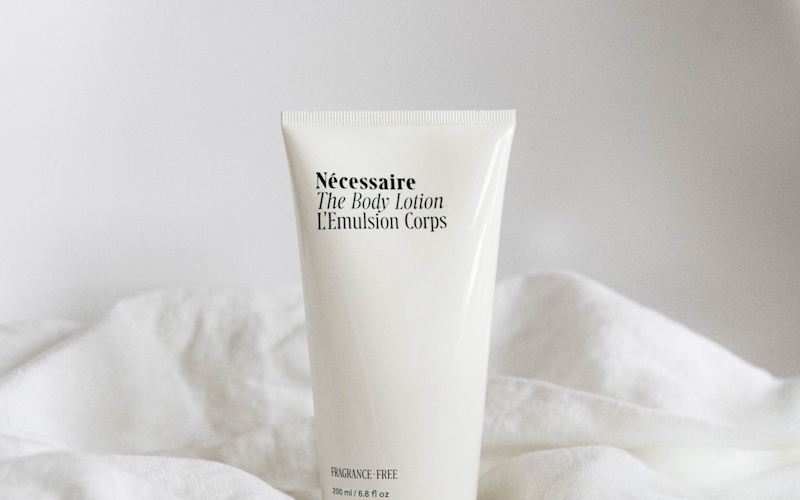
Moisturizers are non-negotiable for every skin type, including oily skin. They hydrate, strengthen the skin barrier, and prevent water loss while creating a protective layer against environmental stressors.
Why Every Skin Type Needs Moisturizer
For Oily Skin: Skipping moisturizer signals your skin that it needs to produce more oil to compensate for dehydration. Proper moisturizing actually helps regulate oil production.
For Dry Skin: Moisturizer replenishes missing oils and prevents trans-epidermal water loss (TEWL), keeping skin supple and comfortable.
For Combination Skin: You may need different moisturizers for different zones, or one balanced formula that addresses both concerns.
For Sensitive Skin: Moisturizer strengthens the compromised barrier, reducing reactivity and sensitivity over time.
Understanding Moisturizer Ingredients
Humectants
What They Do: Draw water from the environment and deeper skin layers to the surface, increasing hydration.
Common Humectants:
- Hyaluronic Acid - Holds up to 1000x its weight in water** - **Glycerin - Effective, affordable humectant in most moisturizers** - **Urea - Humectant that also gently exfoliates** - **Aloe Vera - Natural humectant with soothing properties** - **Honey - Natural humectant with antibacterial benefits
Best For: All skin types, especially dehydrated skin. Most effective in humid environments.
Important Note: In extremely dry climates, humectants alone can pull water from deep skin layers, potentially causing more dryness. Always layer with occlusives in dry environments.
Emollients
What They Do: Fill in gaps between skin cells, smoothing texture and softening skin. They improve the look and feel of skin immediately.
Common Emollients:
- Squalane - Mimics skin’s natural sebum** - **Ceramides - Lipids naturally found in skin barrier** - **Shea Butter - Rich, nourishing emollient** - **Jojoba Oil - Light oil similar to sebum** - **Argan Oil - Vitamin E-rich, non-comedogenic oil
Best For: Dry, rough, or flaky skin that needs smoothing and softening.
Occlusives
What They Do: Create a physical barrier on skin’s surface that prevents water loss (TEWL). The final sealing step in moisturizing.
Common Occlusives:
- Petrolatum (Petroleum Jelly) - Most effective occlusive** - **Dimethicone - Silicone-based, lightweight occlusive** - **Mineral Oil - Refined oil that seals moisture** - **Lanolin - Derived from sheep’s wool, very moisturizing** - **Beeswax - Natural occlusive with protective properties
Best For: Very dry skin, nighttime use, or extremely dry climates.
Note: Occlusives can feel heavy and may clog pores in acne-prone skin. Use lighter occlusives like dimethicone for oily/combination types.
Types of Moisturizers
Gel Moisturizers
Best For: Oily, combination, and acne-prone skin
Characteristics:
- Lightweight, water-based formula
- Absorbs quickly without residue
- Non-greasy finish
- Often oil-free
- Mattifying effect
- Suitable for humid climates
Key Ingredients to Look For:
- Hyaluronic acid for hydration
- Niacinamide for oil control
- Aloe vera for soothing
- Glycerin for moisture
Price Range on AliExpress: $10-$20 for 50-100ml
Application Tips:
- Apply to damp skin for better absorption
- Layer if needed (gel texture allows layering)
- Perfect under makeup
- Can be used morning and night
Lotion Moisturizers
Best For: Normal to combination skin
Characteristics:
- Balanced water-to-oil ratio
- Lightweight to medium weight
- Absorbs relatively quickly
- Versatile for multiple skin types
- Good for all seasons
Key Ingredients to Look For:
- Ceramides for barrier support
- Peptides for anti-aging
- Antioxidants (vitamin C, E)
- Niacinamide for brightness
Price Range on AliExpress: $12-$25 for 50-100ml
Application Tips:
- Works well morning and night
- Suitable under sunscreen
- Can layer with serums
- Appropriate for face and neck
Cream Moisturizers
Best For: Dry, mature, and winter-dry skin
Characteristics:
- Rich, thick texture
- Higher oil content
- Longer absorption time
- Deep nourishment
- Better for nighttime
- Ideal for cold, dry climates
Key Ingredients to Look For:
- Shea butter for richness
- Ceramides for barrier repair
- Squalane for nourishment
- Peptides for anti-aging
Price Range on AliExpress: $15-$30 for 50-100ml
Application Tips:
- Warm between hands before applying
- Perfect for nighttime
- May be too heavy for daytime (depending on skin)
- Essential in winter months
Sleeping Masks/Overnight Masks
Best For: All skin types needing extra hydration
Characteristics:
- Very rich, intensive treatment
- Applied as final nighttime step
- Left on overnight
- Washed off in morning
- Used 1-3 times per week
Key Ingredients to Look For:
- Hyaluronic acid for intense hydration
- Botanical extracts for nourishment
- Oils for overnight barrier support
- Vitamins for skin repair
Price Range on AliExpress: $10-$25 for 50-80ml
Application Tips:
- Apply generously as last step
- Don’t rinse off
- Sleep on clean pillowcase
- Wake up to plumped, glowing skin
How to Apply Moisturizer Correctly
Timing Matters: Apply moisturizer to damp skin within 3 minutes of cleansing. Slightly damp skin absorbs products better and locks in more hydration.
Proper Amount:
- Face: Nickel-sized amount (about 1/4 teaspoon)
- Neck: Additional small amount
- Don’t under-apply—skin needs adequate coverage
Application Technique:
1. Warm Product:
- Dispense into palm
- Rub hands together to warm
- Warming helps absorption
2. Apply in Dots:
- Dot moisturizer on forehead, cheeks, nose, chin
- Ensures even distribution
- Prevents using too much in one area
3. Spread Gently:
- Use upward, outward motions
- Never pull or tug skin downward
- Use gentle pressure
4. Don’t Forget:
- Extend to jawline and neck
- Include ears (often forgotten, show age)
- Décolletage if you want (especially anti-aging focus)
5. Pat for Absorption:
- Gently pat remaining product
- Helps penetration
- Feels soothing
Layering Rules: If using serum or treatment products, apply them BEFORE moisturizer. Sequence: Cleanser → Toner (optional) → Serum → Moisturizer → Sunscreen (AM only)
Special Considerations
Morning vs. Night Moisturizer: Morning Moisturizer Should:
- Be lightweight enough for sunscreen on top
- Provide hydration without greasiness
- Work well under makeup
- Contain antioxidants for environmental protection
Night Moisturizer Can:
- Be richer and more nourishing
- Focus on repair and regeneration
- Contain active ingredients (retinol, peptides)
- Be heavier without concern for makeup
Seasonal Adjustments: Summer:
- Switch to lighter formulas (gel or light lotion)
- Focus on oil-free, mattifying options
- Hydration still essential despite humidity
- May need less product
Winter:
- Upgrade to richer formulas (cream)
- Layer products for extra protection
- May need to moisturize twice daily with cream
- Pay attention to indoor heating (very drying)
Shop Moisturizers on AliExpress
3. Sunscreen: Your Most Important Anti-Aging Product
If you remember only one thing from this guide, remember this: Sunscreen is the single most important skincare product you can use. Nothing prevents aging, sun damage, and skin cancer more effectively than daily sun protection.
Why Sunscreen Is Non-Negotiable
UV Damage Happens Daily: UV rays penetrate through windows, clouds, and even on overcast days. If there’s daylight, there’s UV exposure—and exposure accumulates over time.
What UV Rays Do to Skin:
- UVA rays penetrate deep, causing premature aging (wrinkles, sagging, age spots)** - **UVB rays burn the surface, causing redness and skin cancer** - **Both rays break down collagen and elastin** - **Cumulative damage shows up as aging, pigmentation, and increased cancer risk
The Statistics:
- 90% of visible aging is caused by sun exposure
- Daily sunscreen use reduces melanoma risk by 50%
- Skin cancer is the most common cancer globally
- Sunscreen can prevent and even reverse some signs of photoaging
Even for Dark Skin: While melanin provides some natural protection, it’s not enough. People of color still get skin cancer, sun damage, and hyperpigmentation from UV exposure.
Understanding SPF and Protection
What SPF Means: SPF (Sun Protection Factor) indicates how long you can stay in the sun without burning compared to no protection.
How to Calculate: If you burn in 10 minutes without protection, SPF 30 theoretically protects for 300 minutes (10 × 30 = 300). However, this is ideal conditions—real-world protection degrades faster.
SPF Recommendations:
- Minimum: SPF 30 (blocks 97% of UVB rays)** - **Better: SPF 50 (blocks 98% of UVB rays)** - **Higher: SPF 50+ offers marginally more protection
Important Reality: Higher SPF doesn’t mean proportionally longer protection. SPF 30 to SPF 50 is meaningful; SPF 50 to SPF 100 provides minimal additional benefit. Focus on proper application and reapplication instead.
Broad Spectrum: This term means the sunscreen protects against both UVA and UVB rays. Always choose broad-spectrum sunscreen—UVA protection is crucial for preventing aging.
Types of Sunscreen
Chemical (Organic) Sunscreens
How They Work: Absorb UV rays and convert them to heat, which is then released from skin.
Common Active Ingredients:
- Avobenzone
- Octinoxate
- Octisalate
- Octocrylene
- Homosalate
Pros:
- Lighter, more elegant texture
- No white cast
- Easier to layer under makeup
- Absorbs quickly
- Often more cosmetically elegant
Cons:
- Can irritate sensitive skin
- Takes 15-20 minutes to become effective
- Some ingredients may disrupt hormones (controversial)
- Can cause stinging in eyes
- May trigger reactions in sensitive individuals
Best For: Oily skin, combination skin, those who dislike white cast, under-makeup use
Price Range on AliExpress: $10-$25 for 40-50ml
Physical (Mineral) Sunscreens
How They Work: Sit on top of skin and physically deflect/scatter UV rays like a shield.
Active Ingredients:
- Zinc oxide
- Titanium dioxide
Pros:
- Effective immediately upon application
- Better for sensitive, reactive skin
- Photostable (doesn’t break down in sun)
- Less likely to cause irritation
- Safer for coral reefs (many chemical filters harm marine life)
- No hormone disruption concerns
Cons:
- Can leave white cast (especially on darker skin)
- Often thicker, heavier texture
- Can feel chalky or dry
- May pill under makeup
- Can be harder to spread evenly
Best For: Sensitive skin, rosacea-prone skin, acne-prone skin, pregnancy, reef-safe concerns
Price Range on AliExpress: $12-$30 for 40-50ml
Modern Improvements: Newer mineral sunscreens use micronized or nano-sized particles that reduce white cast significantly while maintaining effectiveness.
Hybrid Sunscreens
What They Are: Combine both chemical and physical filters to get benefits of both.
Advantages:
- Broader protection
- Better texture than pure mineral
- Less white cast than pure mineral
- More elegant than older mineral formulas
Best For: Those wanting comprehensive protection with good cosmetic feel
Sunscreen Application: The Most Common Mistake
The 2-Finger Rule: Most people apply only 25-50% of the needed amount. Proper application requires approximately 1/4 teaspoon (about 2 finger-lengths worth) for face alone.
How Much to Use:
- Face: 1/4 teaspoon** - **Neck: Additional small amount** - **Total: Approximately 1/2 teaspoon for face and neck
Why Amount Matters: SPF testing is done with 2 mg/cm² of skin. Using less means significantly lower protection. SPF 50 applied at half the amount provides roughly SPF 25 protection—and most people use far less than even that.
Application Steps:
1. Apply as Last Skincare Step (before makeup)
- After moisturizer has absorbed (1-2 minutes)
- Before any makeup or powder
2. Use Enough Product
- Measure 1/4 teaspoon or 2-finger rule
- Don't skip this—it's crucial
3. Apply Evenly
- Dot all over face and neck
- Blend thoroughly
- Don't forget ears, hairline, under chin
4. Wait Before Sun Exposure
- Chemical: 15-20 minutes to absorb
- Mineral: Effective immediately
5. Reapply Every 2 Hours
- When outdoors or by windows
- After swimming or sweating
- Over makeup: use powder sunscreen or spray
Commonly Missed Spots:
- Eyelids
- Around eyes
- Ears
- Hairline
- Under jawline
- Neck (especially back of neck)
Sunscreen Myths Debunked
Myth: “I don’t need sunscreen indoors.” Reality: UVA rays penetrate windows. If you sit near windows or have significant daylight exposure indoors, you need sunscreen.
Myth: “Dark skin doesn’t need sunscreen.” Reality: While darker skin has more natural protection, it’s not immune to sun damage, skin cancer, or hyperpigmentation. Everyone needs sun protection.
Myth: “My makeup has SPF, so I’m covered.” Reality: You’d need to apply 7+ layers of foundation to get the rated SPF. Makeup SPF is supplementary at best, not primary protection.
Myth: “Sunscreen causes vitamin D deficiency.” Reality: Most people get sufficient vitamin D from incidental sun exposure and diet. Skin cancer risk outweighs this concern. If worried, take vitamin D supplements.
Myth: “I don’t go outside, so I don’t need it.” Reality: UV rays penetrate windows, and even indoor lighting (especially near windows) exposes you to some UV.
Myth: “Cloudy days don’t require sunscreen.” Reality: Up to 80% of UV rays penetrate clouds. Overcast days still cause sun damage.
Myth: “Sunscreen prevents tanning.” Reality: Sunscreen reduces burning, but you can still tan (though more slowly). A tan is your skin’s damage response—there’s no “healthy” tan.
Tips for Making Sunscreen a Habit
Keep It Visible: Store sunscreen next to your moisturizer or where you’ll see it during your morning routine.
Morning Routine Integration: Make sunscreen the automatic final step of morning skincare, just like brushing teeth.
Set Phone Reminders: If reapplication is challenging to remember, set 2-hour reminders on days you’re outdoors.
Find Formulas You Love: If your sunscreen feels greasy, pills, or causes breakouts, try different formulas until you find one you genuinely like using.
Prep Night Before: If mornings are rushed, prep your sunscreen the night before—leave it on your bathroom counter as a visual cue.
4. Treatment Products: Targeting Specific Concerns (Optional for Beginners)

Once you’ve established the three basics (cleanse, moisturize, protect), you can add targeted treatments for specific concerns. These products contain active ingredients that address particular issues like acne, aging, or hyperpigmentation.
When to Add Treatment Products
After Mastering Basics: Use your basic routine consistently for at least 4-6 weeks before adding treatments. This allows your skin to stabilize and helps you identify which concerns persist.
One at a Time: Introduce new treatments one at a time, waiting 2-4 weeks between additions. This lets you identify any reactions and see if the product actually works.
Start Slow: Begin using treatments 2-3 times per week, gradually increasing frequency as your skin adjusts.
Common Treatment Ingredients for Beginners
Niacinamide (Vitamin B3)
What It Does:
- Regulates oil production
- Minimizes pore appearance
- Improves skin barrier
- Reduces hyperpigmentation
- Calms inflammation
- Increases ceramide production
Best For:
- Oily, acne-prone skin
- Enlarged pores
- Hyperpigmentation
- Sensitive skin (well-tolerated)
- Dull, uneven skin tone
How to Use:
- Apply after cleansing, before moisturizer
- Can be used morning and night
- Concentration: 5-10% is effective
- Compatible with most other ingredients
What to Expect:
- Visible results in 4-8 weeks
- Gradual improvement in texture and tone
- Reduced oiliness within 2-4 weeks
- Very gentle—minimal irritation
Price Range on AliExpress: $8-$20 for 30ml serum
Vitamin C (Ascorbic Acid)
What It Does:
- Powerful antioxidant
- Brightens skin and evens tone
- Fades dark spots and hyperpigmentation
- Boosts collagen production
- Protects against environmental damage
- Enhances sunscreen effectiveness
Best For:
- Dull, tired-looking skin
- Hyperpigmentation and dark spots
- Early signs of aging
- Sun damage
- Uneven skin tone
How to Use:
- Apply in morning (maximizes antioxidant protection)
- After cleansing, before moisturizer and sunscreen
- Start with lower concentration (10-15%)
- Store in cool, dark place (oxidizes easily)
What to Expect:
- Brighter skin within 2-4 weeks
- Fading of dark spots in 8-12 weeks
- Improved texture over time
- May cause mild tingling initially
Important Notes:
- Vitamin C oxidizes (turns yellow/brown)—this reduces effectiveness
- Store properly and replace every 3-6 months
- Use opaque or dark bottles
- Keep away from heat and light
Price Range on AliExpress: $10-$25 for 20-30ml serum
Hyaluronic Acid
What It Does:
- Holds up to 1000x its weight in water
- Intensely hydrates without heaviness
- Plumps fine lines temporarily
- Improves skin texture
- Suitable for all skin types
Best For:
- Dehydrated skin
- Fine lines
- Rough texture
- All skin types needing hydration boost
- Layering under moisturizer
How to Use:
- Apply to damp skin (crucial for effectiveness)
- Before moisturizer
- Can be used morning and night
- Layer other products on top while still damp
What to Expect:
- Immediate plumping effect
- Softer, smoother skin
- Reduced appearance of fine lines
- No irritation (extremely well-tolerated)
Price Range on AliExpress: $8-$18 for 30ml serum
Retinol (Vitamin A)
What It Does:
- Gold standard anti-aging ingredient
- Increases cell turnover
- Boosts collagen production
- Fades hyperpigmentation
- Unclogs pores
- Smooths texture and fine lines
Best For:
- Signs of aging (wrinkles, loss of firmness)
- Acne and clogged pores
- Hyperpigmentation
- Rough texture
- Sun damage
How to Use:
- Start slowly: Once or twice per week** - **Always at night: Retinol breaks down in sunlight**
- **After cleansing, on dry skin
- Wait 20 minutes after cleansing (reduces irritation)**
- **Pea-sized amount for entire face
- Follow with moisturizer
- Always use sunscreen next morning (retinol increases sun sensitivity)
What to Expect:
- Initial Period (2-4 weeks): Possible redness, flaking, purging (temporary breakouts as pores clear)** - **After Adjustment (6-12 weeks): Smoother texture, fading of dark spots, improved firmness** - **Long Term (3-6 months+): Significant improvement in fine lines, overall skin quality
Beginner Retinol Tips:
- Start with 0.25-0.5% concentration
- Use only 2x per week initially
- Skip nights if irritation occurs
- Don’t combine with other strong actives initially
- Be patient—results take months
Important Warnings:
- Not recommended during pregnancy or breastfeeding
- Increases sun sensitivity—sunscreen mandatory
- Can be irritating—introduce gradually
- Avoid eyes, corners of nose, lips (thin, sensitive skin)
Price Range on AliExpress: $10-$30 for 30ml serum
Salicylic Acid (BHA)
What It Does:
- Oil-soluble exfoliant
- Penetrates pores deeply
- Dissolves blackheads and whiteheads
- Reduces inflammation
- Prevents acne formation
Best For:
- Oily, acne-prone skin
- Blackheads and whiteheads
- Clogged pores
- Rough texture
- Back/body acne
How to Use:
- Start 2-3 times per week
- Can be used morning or night
- Apply after cleansing
- Wait a few minutes before moisturizer
- Concentration: 0.5-2% for beginners
What to Expect:
- Initial purging possible (1-2 weeks)
- Clearer pores within 4-6 weeks
- Reduced blackheads and breakouts
- Smoother skin texture
Important Notes:
- Can be drying—don’t overuse
- Always moisturize after
- Use sunscreen (increases sun sensitivity)
- Not suitable for very sensitive skin initially
Price Range on AliExpress: $8-$20 for 30ml
How to Layer Treatment Products
Basic Layering Rule: Thinnest to thickest consistency.
Standard Routine Order:
1. Cleanser
2. Toner (if using)
3. Treatment serums (thinnest first)
4. Moisturizer
5. Sunscreen (AM only)
Example Morning Routine:
1. Cleanser
2. Vitamin C serum
3. Hyaluronic acid serum
4. Moisturizer
5. Sunscreen
Example Night Routine:
1. Cleanser (double cleanse if wearing makeup/sunscreen)
2. Niacinamide serum
3. Retinol (2-3x per week)
4. Moisturizer
What NOT to Mix: Avoid Combining:
- Retinol + Vitamin C (use one in AM, one in PM)
- Retinol + AHA/BHA acids (too harsh combined)
- Multiple strong acids in one routine
Safe Combinations:
- Niacinamide + Hyaluronic acid
- Vitamin C + Hyaluronic acid
- Niacinamide + most other ingredients
Shop Treatment Serums on AliExpress
Building Your First Routine: Step-by-Step
The Absolute Beginner Routine (First 1-2 Months)
Morning:
1. Gentle cleanser
2. Moisturizer (for your skin type)
3. Sunscreen SPF 30+
Evening:
1. Gentle cleanser (double cleanse if wearing makeup/sunscreen)
2. Moisturizer
Budget: $40-$60 total
Goals:
- Establish consistency
- Let skin adjust
- Create the habit
- Assess skin’s response
The Intermediate Routine (Months 3-6)
Morning:
1. Gentle cleanser
2. Vitamin C or Niacinamide serum
3. Moisturizer
4. Sunscreen SPF 50
Evening:
1. Oil cleanser (if wearing makeup/sunscreen)
2. Water-based cleanser
3. Hyaluronic acid serum
4. Moisturizer
Budget: $70-$100 total
Goals:
- Add targeted treatments
- Address specific concerns
- Continue consistency
The Advanced Beginner Routine (6+ Months)
Morning:
1. Gentle cleanser
2. Vitamin C serum
3. Hyaluronic acid
4. Moisturizer
5. Sunscreen SPF 50
Evening:
1. Oil cleanser
2. Water-based cleanser
3. Niacinamide or treatment serum
4. Retinol (2-3x per week)
5. Moisturizer
6. Sleeping mask or rich night cream (1-2x per week)
Budget: $100-$150 total
Goals:
- Full routine with anti-aging focus
- Multiple targeted treatments
- Maintained consistency
Common Beginner Skincare Mistakes
Mistake 1: Starting Too Many Products at Once
The Problem: Introducing multiple new products simultaneously makes it impossible to identify which product causes positive results—or negative reactions.
The Solution: Introduce products one at a time, waiting 2-4 weeks between additions. This patience pays off with clear understanding of what works for your skin.
Mistake 2: Expecting Overnight Results
The Problem: Skincare requires time. Skin cell turnover takes 28 days minimum; some changes need 3-6 months to become visible.
The Solution: Commit to at least 8-12 weeks before evaluating a product’s effectiveness. Take progress photos to track subtle changes you might not notice day-to-day.
Mistake 3: Over-Exfoliating
The Problem: Enthusiasm leads beginners to use multiple exfoliating products daily, damaging the skin barrier and causing redness, sensitivity, and increased breakouts.
The Solution: Exfoliate maximum 2-3 times per week. Listen to your skin—if it feels tight, burns, or looks red, you’re overdoing it.
Mistake 4: Skipping Sunscreen
The Problem: All your skincare efforts are undermined without sun protection. UV damage reverses improvements and accelerates aging.
The Solution: Non-negotiable daily sunscreen, even indoors, even when cloudy. Make it automatic like brushing teeth.
Mistake 5: Using Products Wrong for Your Skin Type
The Problem: Following influencer recommendations without considering your specific skin type leads to problems—heavy creams on oily skin cause breakouts; harsh products on dry skin cause irritation.
The Solution: Identify your skin type first. Research whether products suit your type before purchasing. What works for others may not work for you.
Mistake 6: Touching Face Throughout the Day
The Problem: Hands carry bacteria, dirt, and oils. Constantly touching your face transfers these to skin, causing breakouts and irritation.
The Solution: Consciously avoid face touching. If you must touch face, wash hands first. Change pillowcases weekly. Clean phone screens regularly.
Mistake 7: Changing Routines Too Frequently
The Problem: Switching products every few weeks doesn’t give skin time to adjust or products time to work. This creates instability and confusion about what helps.
The Solution: Commit to a routine for at least 2-3 months unless you have clear adverse reactions. Patience is essential for results.
Budget Planning and Shopping on AliExpress
Starting Budget Breakdown
Essential Beginner Set ($40-$60):
- Cleanser: $10-$15
- Moisturizer: $12-$20
- Sunscreen: $12-$25
Intermediate Set ($70-$100):
- Cleanser: $10-$15
- Treatment serum: $10-$20
- Moisturizer: $12-$20
- Sunscreen: $12-$25
- Additional treatment: $10-$20
Advanced Set ($100-$150):
- Cleansing oil: $12-$20
- Water-based cleanser: $10-$15
- Vitamin C serum: $10-$20
- Hyaluronic acid: $8-$15
- Niacinamide: $10-$18
- Retinol: $15-$30
- Moisturizer: $15-$25
- Sunscreen: $12-$25
- Sleeping mask: $15-$25
Shopping Smart on AliExpress
Finding Quality Products:
- Look for sellers with 95%+ positive ratings
- Check for “Top Brand” or “Choice” badges
- Read reviews with photos
- Verify ingredient lists in descriptions
- Compare prices across multiple sellers
Understanding Shipping:
- Standard shipping: 15-30 days
- AliExpress Standard: 12-20 days with tracking
- Express: 7-15 days (higher cost)
- Factor shipping time into planning
Safety Tips:
- Check ingredient lists carefully
- Look for certifications (if available)
- Start with well-known, basic products
- Patch test everything
- Buy from established sellers
When to Pay More:
- Sunscreen (quality matters most here)
- Retinol (stability and effectiveness vary significantly)
- Vitamin C (oxidizes quickly if poorly formulated)
Where to Save:
- Basic cleansers
- Hyaluronic acid serums
- Niacinamide serums
- Simple moisturizers
Tracking Your Progress
Why Progress Tracking Matters
Without tracking, subtle improvements go unnoticed, leading to premature product changes and frustration. Consistent tracking reveals patterns and validates that your routine works.
How to Track Effectively
Progress Photos:
- Take photos in same location, lighting, angle
- Weekly or bi-weekly
- Include front view and both side profiles
- No makeup, natural lighting
- Same time of day
Skin Journal:
- Date and products used
- How skin feels (tight, oily, comfortable)
- Any reactions or changes
- Overall impression
- Compare monthly
What to Track:
- Breakout frequency and severity
- Dry patches or oiliness
- Texture changes
- Tone evenness
- Overall glow or dullness
Patience Benchmarks:
- 2 weeks: Hydration changes visible
- 4 weeks: Texture improvements begin
- 8 weeks: Tone and clarity improvements
- 12 weeks: Anti-aging effects start showing
- 6 months: Significant transformation visible
When to See a Dermatologist
Signs You Need Professional Help
Persistent Acne: If over-the-counter products haven’t improved acne after 3 months, prescription treatments may be necessary.
Severe Sensitivity: If everything irritates your skin or you have diagnosed conditions like rosacea or eczema, professional guidance is essential.
Suspicious Moles or Spots: Any changes in size, shape, color, or new growths should be evaluated immediately.
Severe Dryness or Oiliness: Extreme skin types that don’t respond to typical products may have underlying issues requiring medical treatment.
Hyperpigmentation: Stubborn dark spots, melasma, or post-inflammatory hyperpigmentation often respond better to prescription treatments.
Conclusion: Your Skincare Journey Begins Now
Building an effective skincare routine doesn’t require confusion, overwhelm, or massive budgets. With the four essential steps—cleansing, moisturizing, sun protection, and optional targeted treatments—you have everything needed for healthy, glowing skin.
Remember these key principles:
Consistency Over Perfection: A simple routine done daily beats an elaborate routine done sporadically. Build habits that last.
Patience Pays Off: Skin transformation takes months, not days. Commit to the process and trust that results will come.
Quality Over Quantity: Three well-chosen products used correctly outperform ten mediocre products used randomly.
Sunscreen Is Non-Negotiable: No matter what else you do or don’t do, protect your skin from the sun daily.
Listen to Your Skin: Your skin communicates what it needs. Pay attention to how it responds and adjust accordingly.
The skincare products featured in this guide provide excellent starting points, all accessible through AliExpress at prices that make great skin available to everyone. Start with the basics, introduce products gradually, and give your routine time to work.
Your skin is with you for life—treating it well is one of the best investments you can make in yourself. Begin today, stay consistent, and watch your skin transform over the coming months.
Articles related:



Tags
📧 Get More Articles Like This
Subscribe to receive product reviews and buying guides in your inbox!
We respect your privacy. Unsubscribe at any time.